ADVENTURE IS A SHORE THING SHORE EXCURSIONS
DISCOVER YOUR OWN
IMMERSIVE EXPERIENCE
The excursions and guided tours designed to take your getaway to the next level — from locally-taught culinary classes and land tours infused with culture and history, to adrenaline amping outdoor thrills and off-the-grid exploration. Ready to revisit that bucket list? Explore the possibilities for shore excursions on your next cruise below.

ADVENTURE ON LAND
No matter what your ideal adventure involves, Shore Excursions make it easy to immerse yourself in each vibrant destination you visit. Unleash your inner explorer and discover bold new ways to connect with the people, culture and places around you as you sail from one unforgettable shore to another.

EUROPE EXCURSIONS
When you explore Europe’s ancient cities, every arch and alleyway tells a story. In Sicily, you can bike across the rim of Mount Etna, which the ancient Greeks believed was home to the legendary Cyclops. In Spain, learn how to prepare tapas like a true Malagan, then savor every single bite. And venture deeper into nature — literally — as you explore the magnificent Lipa Cave in Montenegro. No matter where your journey takes you, these experiences will make every moment memorable.

PRIVATE JOURNEYS
For those looking for a more personalized adventure, there’s Private Journeys. Our Destination Insiders leverage extensive knowledge and years of travel expertise to hand craft one-of-a-kind private tours with you in mind. You can customize an existing tour that catches your eye, or work with an Insider to create an exclusive tour experience that’s completely unique to you or a small group. Celebrating a special occasion, chasing a lifelong dream, or looking for ways to rediscover a favorite destination? Private Journeys are at your service.
DISCOVER WONDERS BENEATH THE WAVES
Adventure doesn’t just happen onshore — there are countless marvels waiting to be discovered just below the waterline. Brave the depths and venture down to the ocean floor, or scope out the reefs as you snorkel along the surface of the sea.
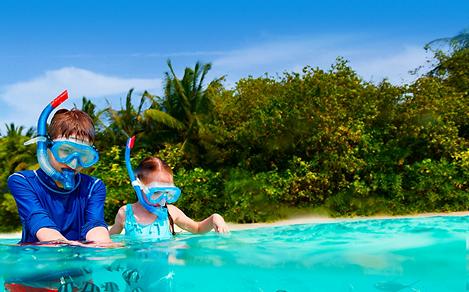
SNORKEL EXCURSIONS
Take your adventure underwater and discover a whole world that’s teeming with life. Swim with sea turtles and manta rays, float over vibrant reefs, and explore colorful coral forests on a snorkeling excursion designed to bring you up close with the ocean’s most beautiful natural treasures.
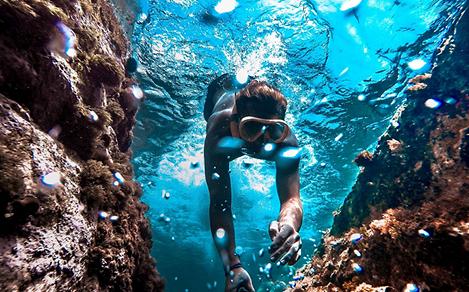
SCUBA EXCURSIONS
There’s no better way to explore the beauty beneath the waves than on a guided scuba excursion. Dive deep below the surface of the sea with a certified expert and weave through brilliant coral colonies, scour centuries-old shipwrecks and come face-to-face with exotic aquatic critters.
WHAT TO KNOW BEFORE YOU
BOOK A SHORE EXCURSION
Shore excursions are designed for every kind of traveler — from thrill seekers looking to venture out into the great outdoors, to families craving a fully immersive cultural experience. The best part? Reputable local independent operators take care of everything, so you can just focus on making memories.
- * Tours involving flights, trains, special events, overnight stays, hotel stays and Private Journeys must be cancelled 30 days prior to sailing to avoid cancellation penalties. Other restrictions may apply.
- + In the unlikely event that your tour is significantly delayed, we’ll make all the arrangements for you to return to the ship at the earliest opportunity at no expense to you.
- *Guests on tour under 18 years of age must be accompanied by a parent or guardian.
- Read more on the Guest Terms site.