When Is The Best Time To Visit Banff? Weather, Crowds And Costs Answered
Discover the Ideal Banff Travel Weather and Months
By Meena Thiruvengadam | Published: September 3, 2025 | Updated: June 1, 2026
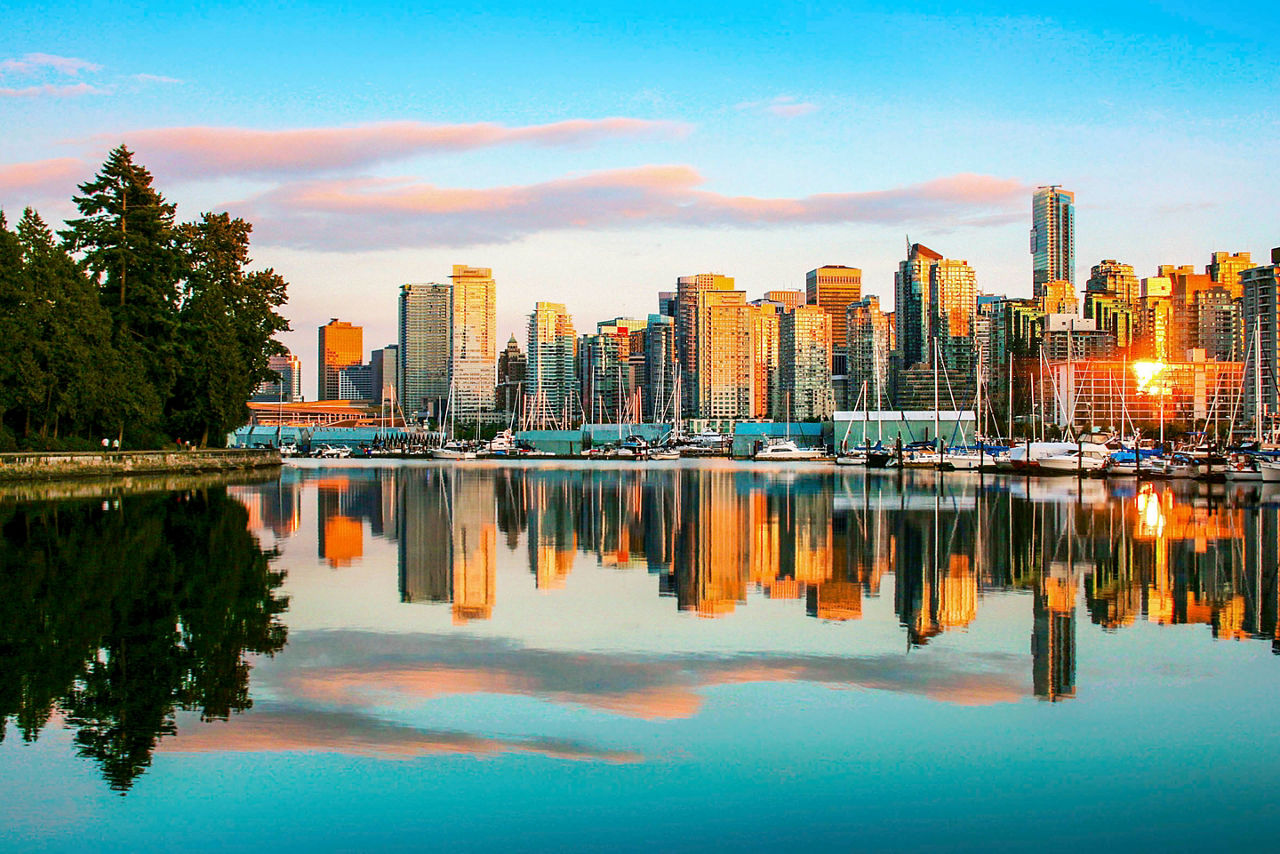
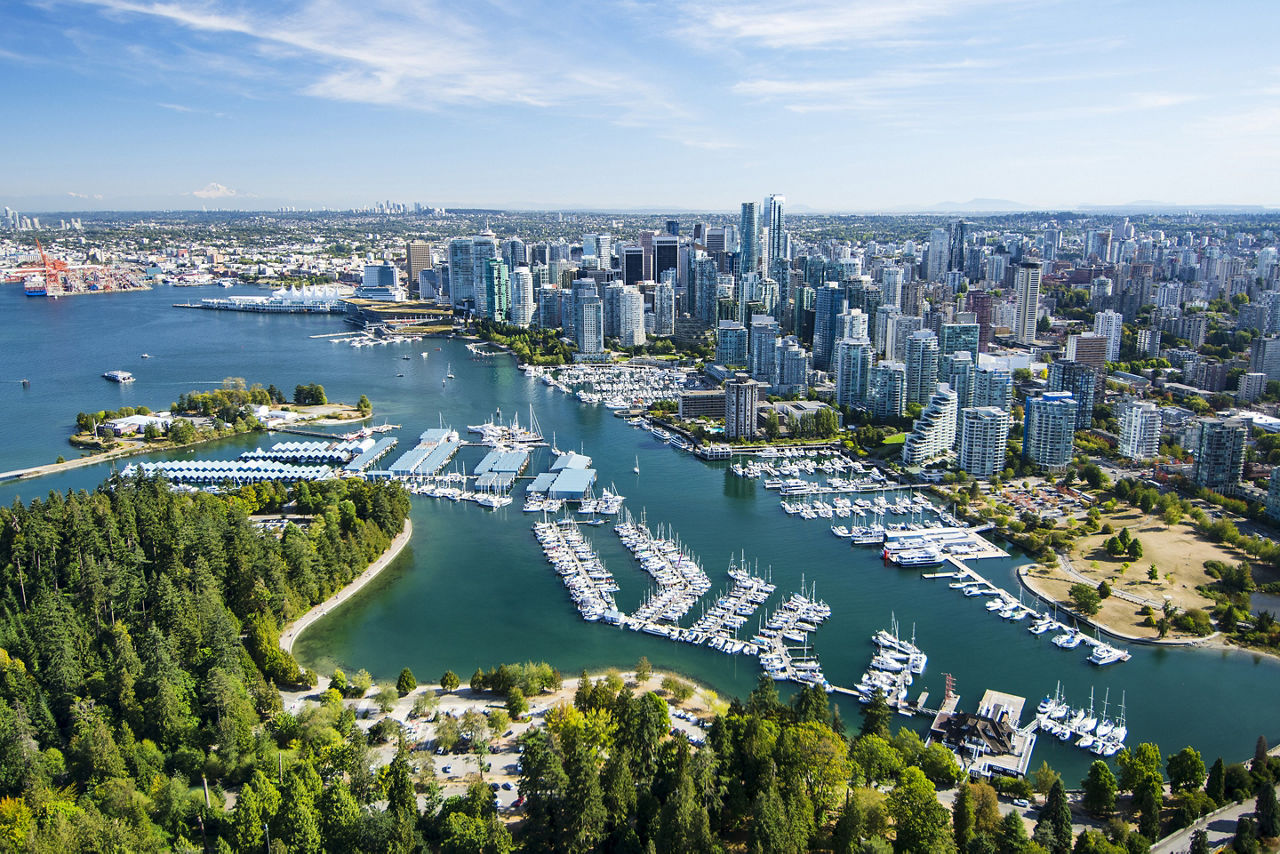
The Canadian section of the Pacific Northwest is heralded for its rugged shorelines, charming seaside towns and the dazzling skyscrapers of Vancouver. The region shines during the summer, when the weather is warm and the skies are often blue.
Banff National Park, Canada's oldest, is located in the scenic Rocky Mountains. You can fly from Vancouver International Airport to Calgary International Airport in less than two hours. From Calgary, it's about an hour-and-a-half drive to Banff.
Wondering when the best time to visit Banff is? Here are five compelling reasons why summertime may be the most ideal. Plus, get a month-by-month breakdown so you can plan ahead, no matter what time of year you take your vacation.
Quick Tips
- ● There's no better way to experience the sun-dappled joy of Vancouver than by land and sea. To get a deeper feel for this part of Western Canada, pair your Vancouver cruise with a visit to Banff National Park in Alberta.
- ● The best time to visit Banff is also the best time to set sail from Vancouver, making it pretty easy to extend your vacation to include this beautiful gem.
- ● The drive from Vancouver to Banff takes about 10 hours. You can break up your unforgettable road trip with stops at lovely wineries and historic rail towns as you make your way past lush green fields and into the Rockies.
Key Takeaways: Cheapest Time To Visit Banff
Need a quick refresher? Use this helpful information to plan your cruise trip.
- ● Best month to visit Banff: Between June and October, or December and March.
- ● Number of days to spend in Banff: Sweet spot is three to five days.
- ● Cheapest month to visit Banff: April, May, October and November — the shoulder season months.
- ● Rainy season in Banff: Summer, particularly June and July.
- ● Best time to see the Banff Northern Lights: Between September and April.
- ● Conditions in Banff in the summer: Warm, sunny days and cool evenings.
- ● Conditions in Banff in the winter: Cold, dry air and considerable snowfall.
- ● Explore Canada cruises to find the right time for your group to experience this stunning natural destination.
1. The Lure Of Mild Temps
Summer is both a prime time for visiting Banff National Park and the peak Alaska cruise season. Many of these sailings begin in Vancouver, which puts you just a scenic one-day road trip or an easy flight and a quick drive away from Banff. Here, you can enjoy crystal-clear glacial lakes, scenic hikes and long bike rides before relaxing at sea. Or celebrate the end of a magnificent journey along the Alaskan coast with cozy cabin visits and endless mountain views.
The best time to visit Banff for comfortable temperatures is mid to late summer. The temperature in Banff, Canada, in July and August exhibits average highs that hover around 73 and 72 degrees F, respectively. That's far more comfortable than the 25-degree highs you'll encounter on average in January.
Temperatures in Banff tend to stay above freezing until October. July and August tend to draw vacationers in search of mild conditions, cool breezes and occasional rain showers that provide a moody backdrop for a soak in the historic Banff Upper Hot Springs.
2. Abundant Outdoor Adventures
Banff rolls out the summer welcome mat in June with several events cheering the mountain snow's transition to slush and the thawing of the lakes. The weather in Banff in June is cheery; explore a town that embraces the changing of the seasons and knows how to make the most of a short, spectacular summer.
If you're a hiker or mountain biker, the best time to visit Banff National Park is between June and August. Lower-elevation routes are generally clear of snow by then. Note that at higher elevations, snow may not melt until July. Difficult hikes and multiday treks are ideal for Banff's long August days, before the snow returns around November.
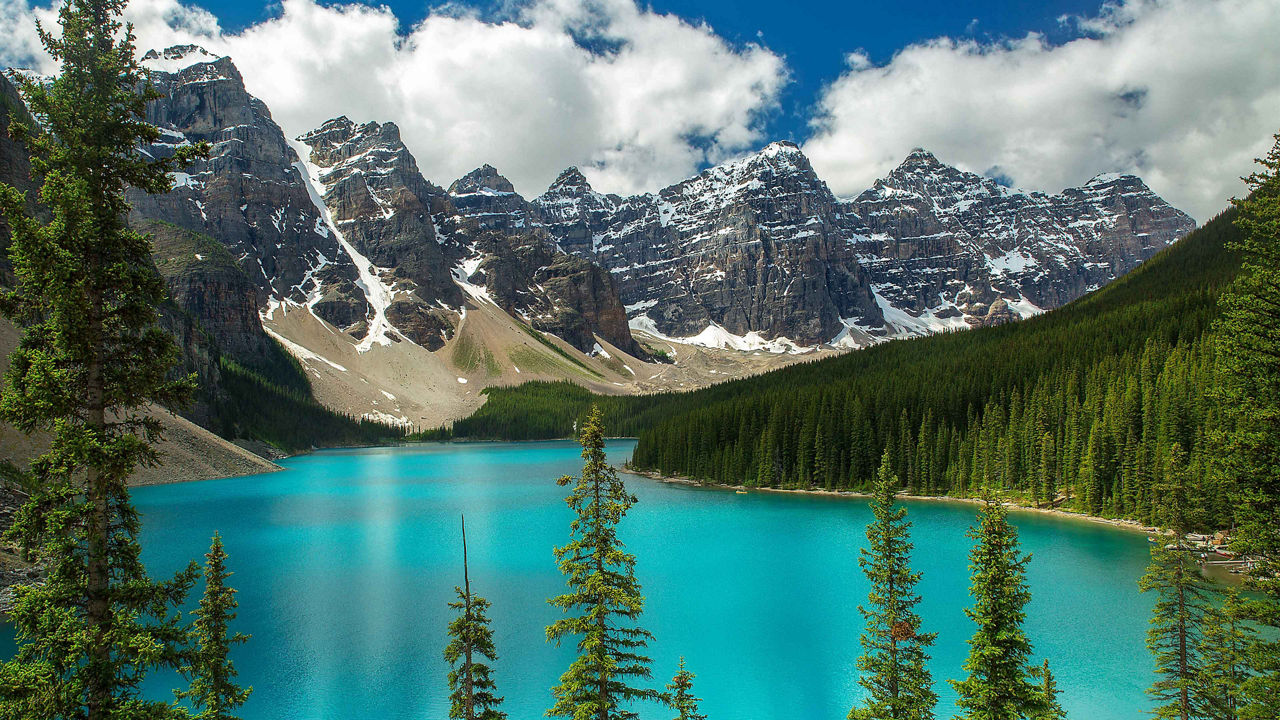
July and August are the best times to visit Banff if you want to see its picturesque blue-green lakes at their most vibrant. This is also the best point in the year for kayaking, boating, canoeing, fly-fishing and paddling.
Lakes in the area begin to freeze in October, around the time cruise season wraps up in Vancouver. Lake Louise and Lake Minnewanka are among those that freeze solid during the wintertime, transforming into ice rinks and winter wonderlands. By the time skiers pack up and the lakes thaw, it's usually May or June.
3. Wondrous Wildflowers And Sumptuous Salmon
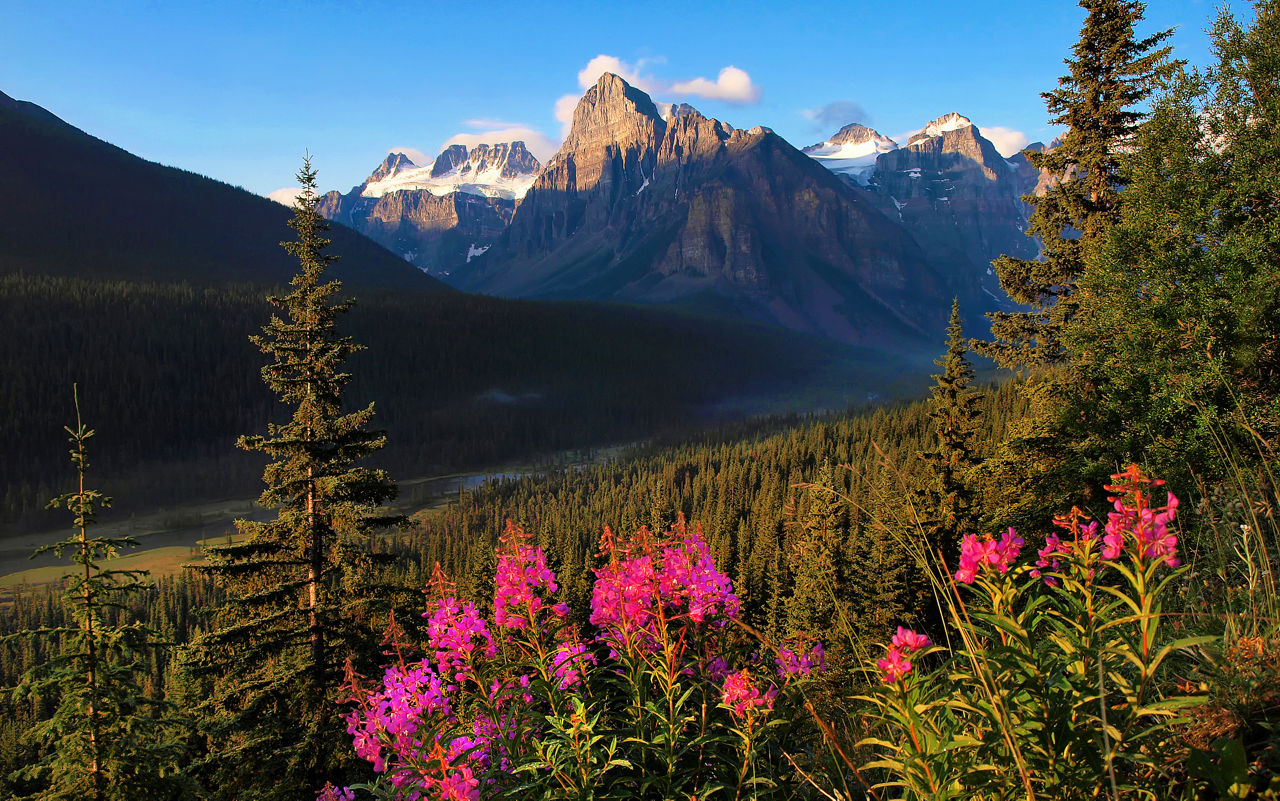
For peak wildflowers, the best time to visit Banff is from early July through mid-August, before or after your summer cruise. If your schedule is flexible, monitor weather conditions in the area to time your trip for maximum blooms. Warmer winter temperatures may result in earlier blooms, while dry weather can cause seasonal flowers to wilt early.
If you're looking for wildflower views without a long bike ride or hike, take a seat on the Banff Gondola and delight in a scenic ride up Sulphur Mountain to a multi-level indoor/outdoor observation deck. Here, you can admire views of the half-dozen flower-filled mountains that surround you. There may be no better place for a picnic, or at least a coffee in the sunshine, on a summer day.
This is also a good time of year to fish for salmon, trout and grayling. While you can fish year-round in Banff, you'll need to plan your fishing trip between June and September to access the salmon that migrate through these waterways each year. Looking to reel in rainbow trout, brown trout or arctic grayling? Visit Banff between May and October.
And if you’re nervous about the temperature in Banff, Canada, in October, don’t worry. Temperatures can be around 50 degrees F, with plenty of potential for you to be out and about enjoying the immaculate scenery.
4. Small-Town Charm For Days
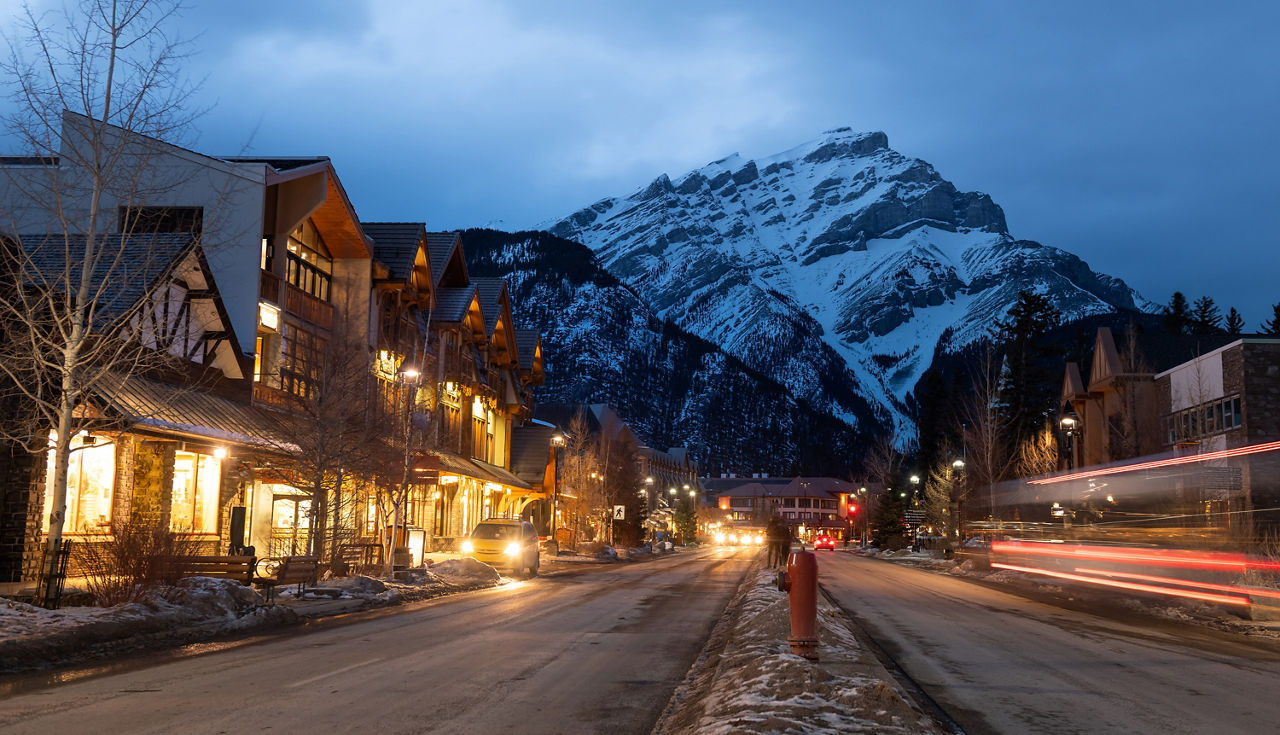
Banff is a charming small town. Spend your evenings relishing local takes on cuisine from around the world. You might tuck into biryani one night and Korean fried chicken another. Or opt for sushi, pub food, tacos or vegan chicken and waffles. The options are diverse!
Got a sweet tooth? Enjoy a bear-claw pastry while strolling along Banff Avenue, the town's main thoroughfare, where you can shop for treasures at one-of-a-kind vintage spots, peruse local art and pick up jewelry made by resident artisans. What's more, you can explore native history at the fascinating Buffalo Nations Luxton Museum, including a collection of paintings created as an ode to the Rocky Mountains.
When you're ready for a rest, visit one of the avenue's bars and sip on gin or whisky distilled with pure glacial water. You could also try a refreshing mocktail. Make sure not to leave town without picking up some local fudge and maple syrup.
5. A Colorful End-of-summer And Smaller Crowds
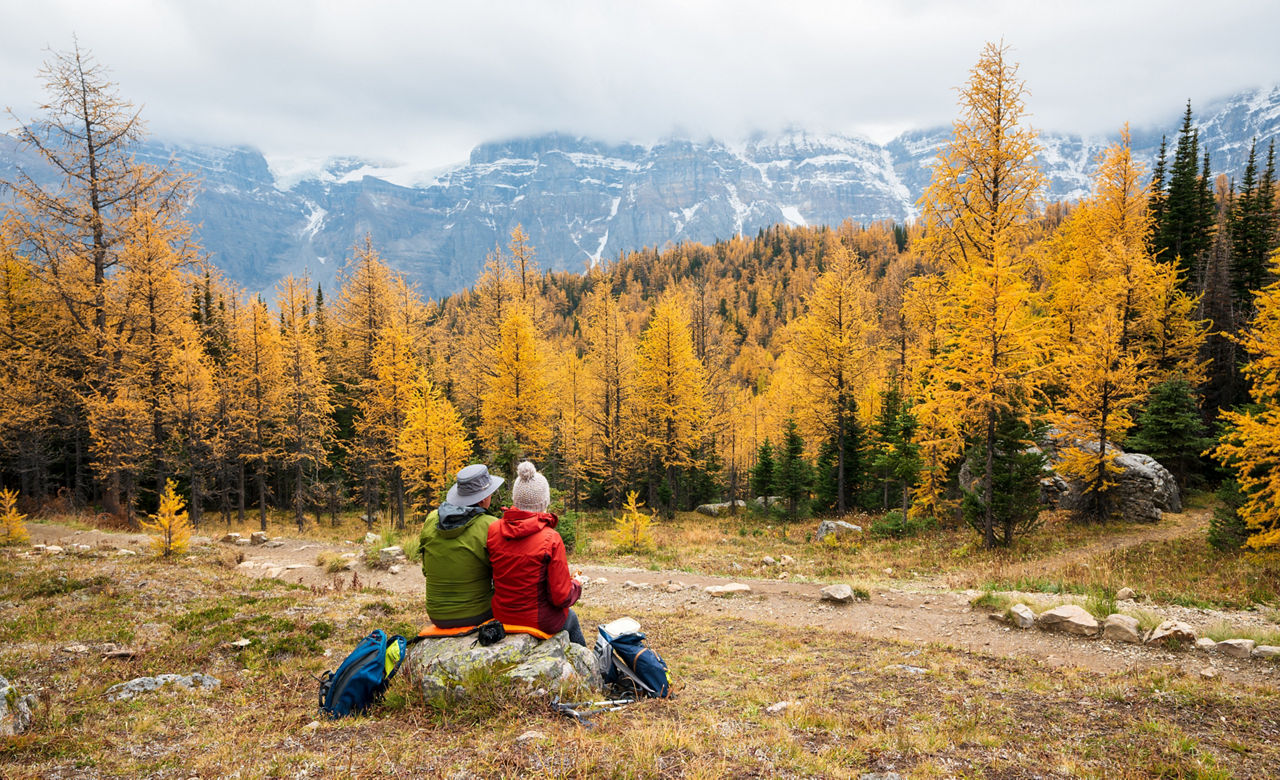
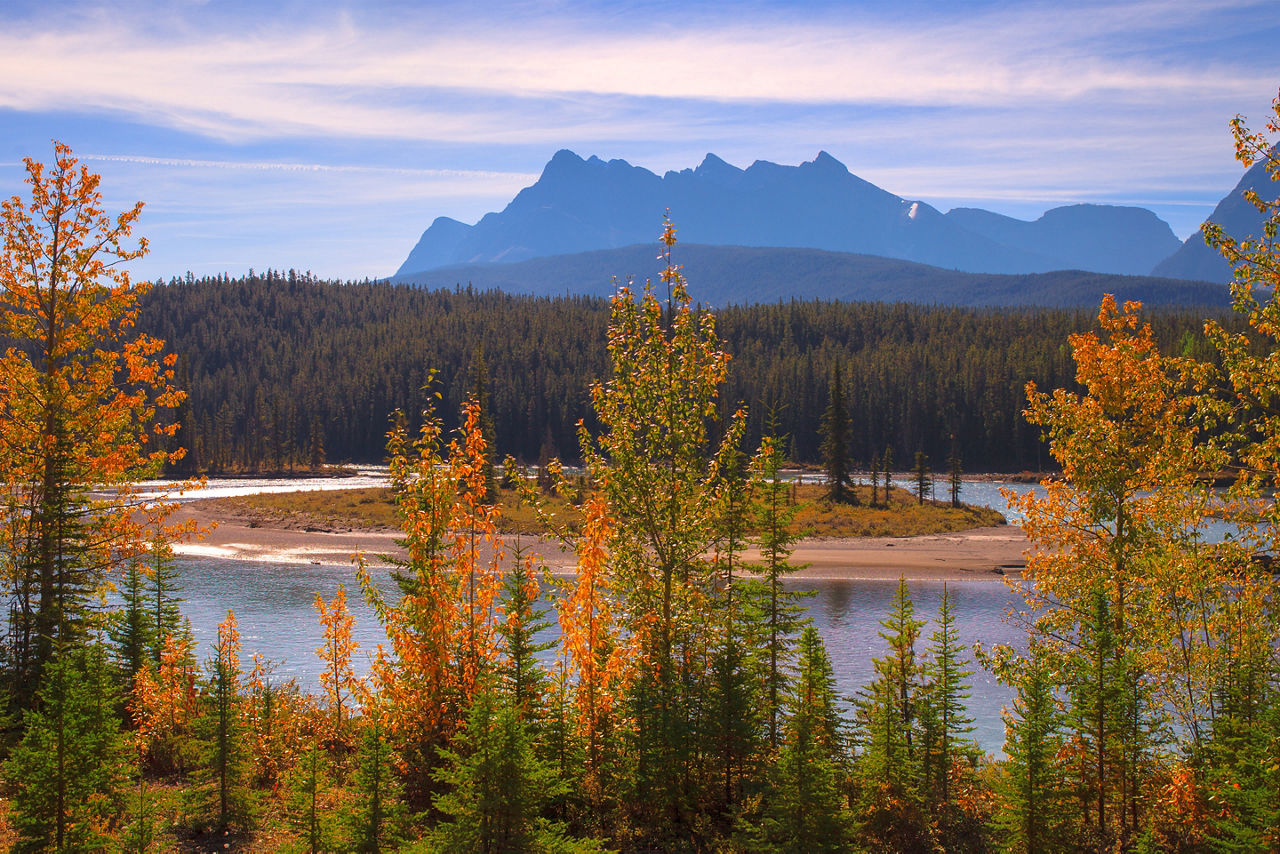
Lots of visitors visit Banff during the warm summer months. Wait until September, toward the end of Vancouver cruise season, for lighter crowds and the chance to experience a unique phenomenon: coniferous larch trees just before shedding their needles.
Like leaves, larch tree needles change colors before falling to the earth. From mid-September through late October, they turn a vibrant golden color that makes them appear to glow from within. The show they put on alone is worth the drive to Banff before or after a cruise to Alaska.
Month-By-Month Weather Guide
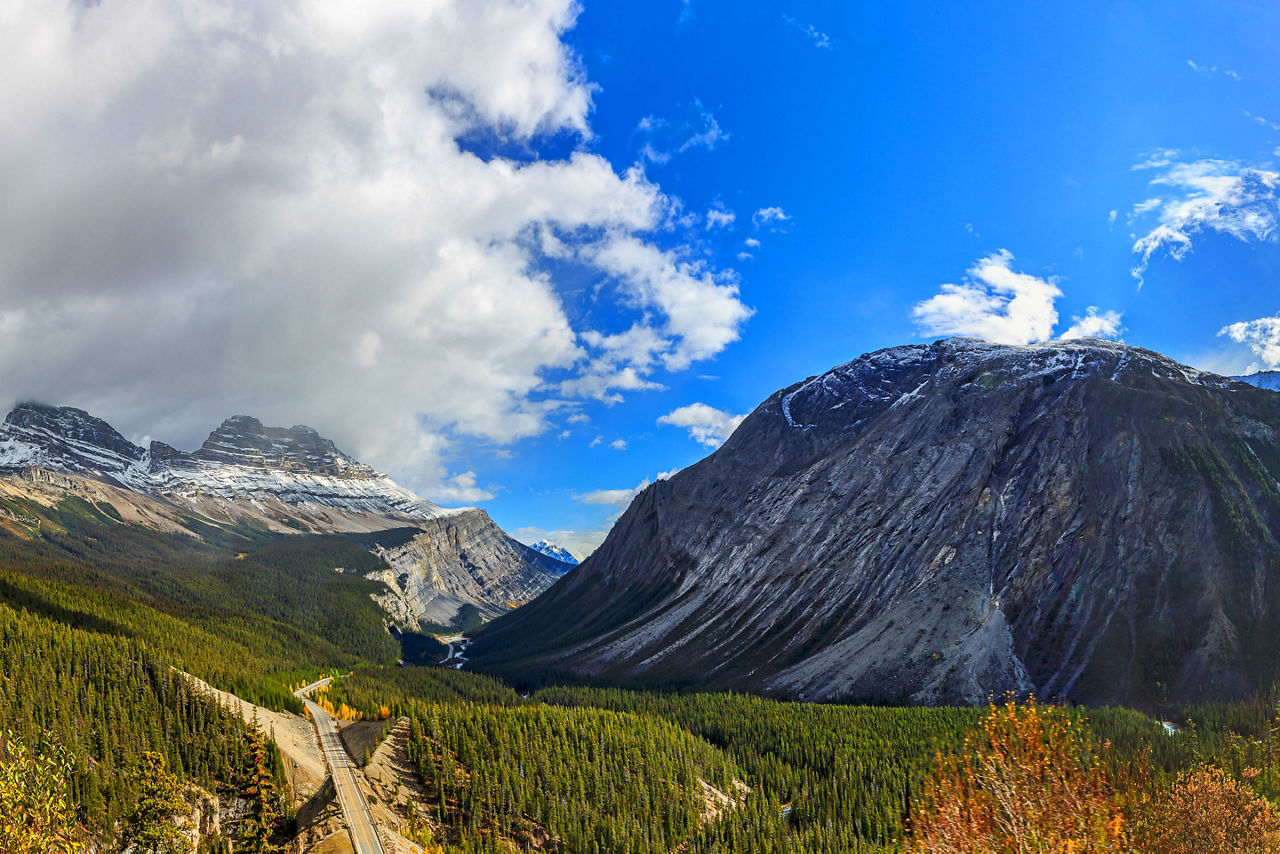
Planning your trip to Banff often comes with picking what kind of experience you’re after. Weather shifts dramatically throughout the year, so here’s what to expect month by month:
- ● January to March: Expect cold temperatures and consistent snowfall. This is prime time for skiing, snowboarding and snowshoeing. Days are shorter, but the alpine scenery is magical.
- ● April to May: May weather in Banff typically brings temperatures between 40 and 60 degrees F, with a mix of snowmelt and early greenery. Some hiking trails begin to reopen, but higher elevations may still be snow-covered. This is one of the cheapest times to visit Banff, with fewer crowds and lower accommodation prices.
- ● June to August: Warm, comfortable weather (60 to 75 degrees) makes this the most popular time to visit. Lakes like Lake Louise and Moraine reach their iconic turquoise color, and hiking trails are fully accessible. Expect larger crowds and higher prices, especially in July and August.
- ● September to October: Cooler temperatures return, ranging from 35 to 60 degrees. September is ideal for fewer crowds and golden larch foliage, while October begins the transition to winter. This is another great shoulder season for value travelers.
- ● November to December: Temperatures drop and snowfall increases, transforming Banff into a winter wonderland. Ski season ramps up, and festive holiday vibes take over in December.
Be sure to check the Parks Canada shuttle bus schedule in advance during peak months, as parking near popular spots can be limited.
Can You See The Northern Lights In Banff?
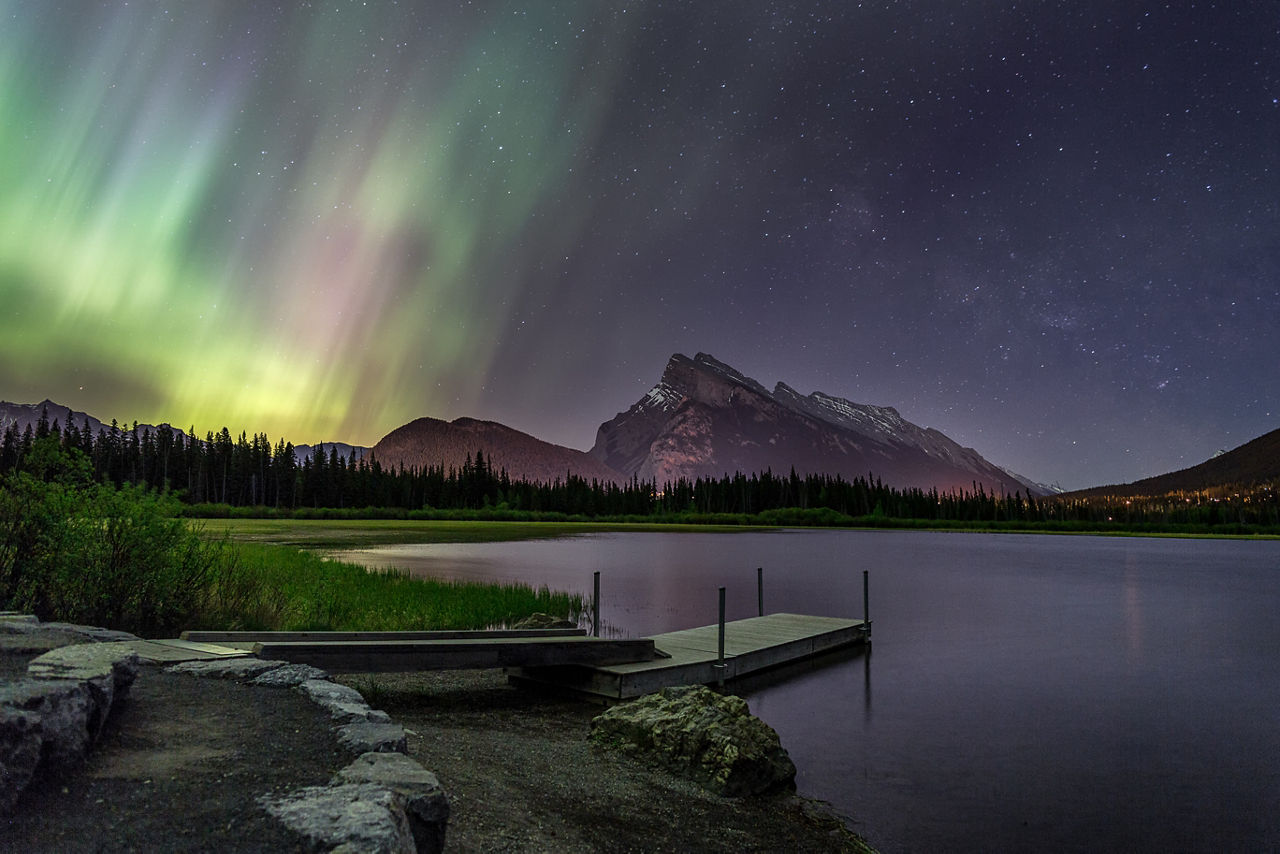
Yes, you can see the northern lights in Banff, but timing and conditions matter.
The best chance to witness the aurora borealis in Banff is between September and April, when the nights are longest and darkest. Winter months offer the highest probability due to extended darkness and clearer skies.
The best conditions for viewing include:
- ● Cold, crisp winter nights.
- ● Minimal moonlight (new moon phases are ideal).
- ● High aurora forecast activity.
Even if you don’t catch the lights, winter nights in the national park are incredible for stargazing and serene snowy landscapes.
Cruise To Vancouver For A Memorable Trip To Banff
Plan Your Trip To Banff
Canada is calling, and it’s time to answer. Whether you want to see the northern lights, hike stunning mountains or simply want to step away from your normal nine-to-five, Royal Caribbean has cruise options to get you there.
Ports to choose from:
Banff, Canada, shines in every season. If you're looking for the best opportunities for hiking, biking, admiring glistening lakes and taking in outdoor concerts, there's no better time to visit Banff than before or after a cruise from Vancouver.
Related Articles
13 Best Things to Do in Canada & New England: A Guide
READ MORE
Best Places to See in Vancouver, Canada
READ MORE

How to Plan a Cruise for the First Time
READ MORE