Hawaii Island Names: Learning Their Nicknames, History and Legends
What are the Nicknames of the 8 Hawaiian Islands?
By Hayley Simpson | Published on August 7, 2025


There are eight major islands of Hawaii, and each has a unique nickname that reflects its distinct personality and culture.
If you ever look at a Hawaii islands map, you’ll notice the main Hawaiian Islands form part of a larger archipelago extending across the North Pacific Ocean. The entire Island chain includes many outlying locations, such as Midway Atoll and Kure Atoll, which lie in the northwestern Hawaiian region. You can visit some of these islands to discover the Hawaiian magic for yourself, while others, like the Hawaii forbidden island of Niihau, are off-limits to most travelers. This mini Hawaiian history lesson explores each of these islands, their nicknames and their special charms.
What Are the Eight Main Islands of Hawaii?
The most popular islands of Hawaii are:
- Oahu
- Maui
- Kauai
- Hawaii Island
- Molokai
- Lanai
- Niihau
- Kahoolawe
Planning the best Hawaii family vacation starts by understanding these various islands and what each offers. Here’s a quick snapshot of the eight main islands:
1. Oahu: The Gathering Place
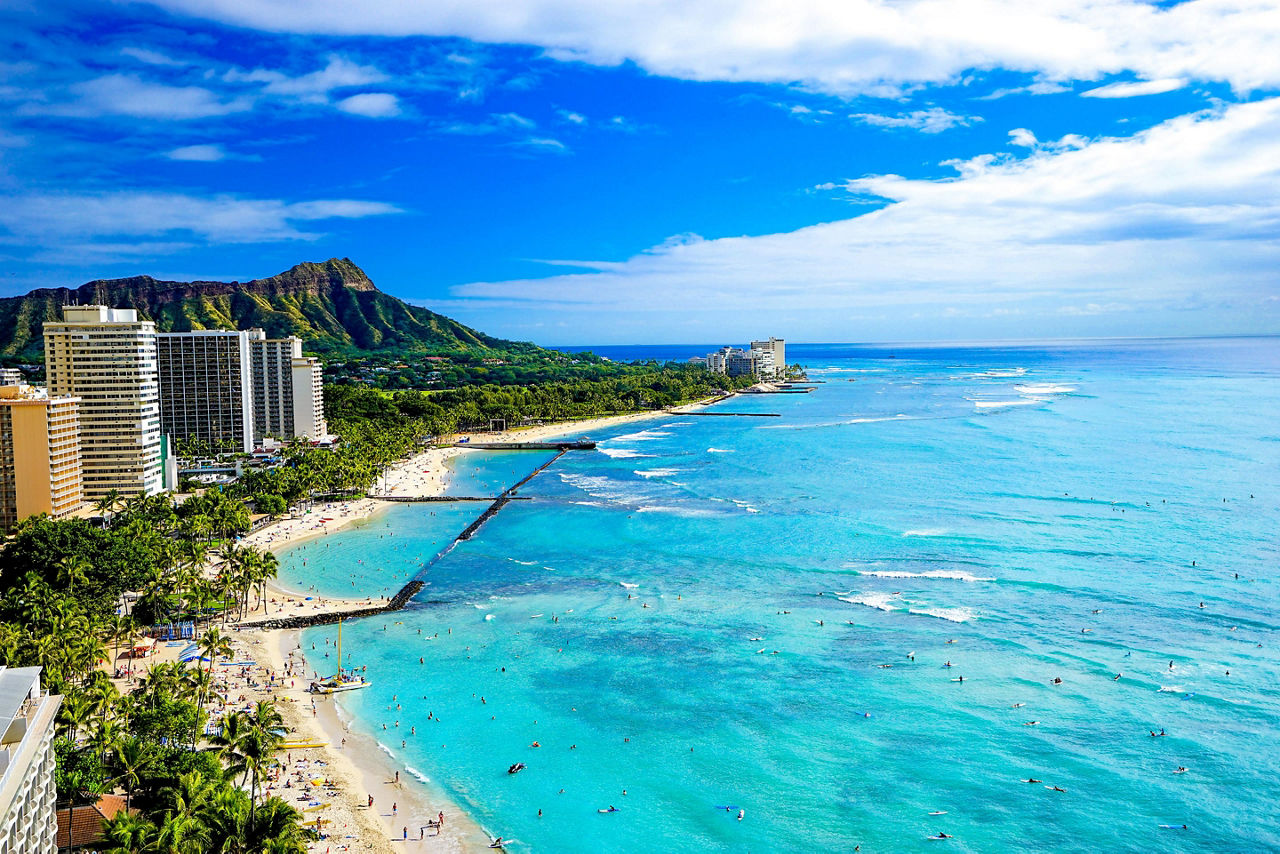
Oahu is nicknamed the Gathering Place for two main reasons. With the state’s highest population, 72% of residents— a significant portion of the Hawaii population by island — “gather” in Oahu, calling it home.
The Hawaii capital city of Honolulu is right here on Oahu, which belongs to Honolulu County. Honolulu’s bustling port, financial district and Pearl Harbor naval base underscore Oahu's wide-ranging importance. It’s also where you’ll find Hawaii’s main international airport and the University of Hawaii, making it a tourism mecca. Of all the cities in Hawaii, Oahu hosts the largest metropolitan area, yet it also boasts stunning beaches and mountainous landscapes.
Every great Oahu vacation starts in Waikiki Beach. The beachfront district is lined with places to gather with loved ones, including cafés, bars, restaurants, and shops. Oahu is also a place where outdoor adventurers thrive — you can spend your days surfing the world-famous breaks on the North Shore, snorkeling at Hanauma Bay, or hiking to the top of Diamond Head. Trek to this picturesque volcanic crater on the edge of Waikiki and admire the sweeping panoramic views of the island. Whether you’re exploring the leeward islands off Oahu’s coast or delving into Hawaiian culture at local music venues, you’ll see why Oahu is called the Gathering Place.
2. Maui: The Valley Isle
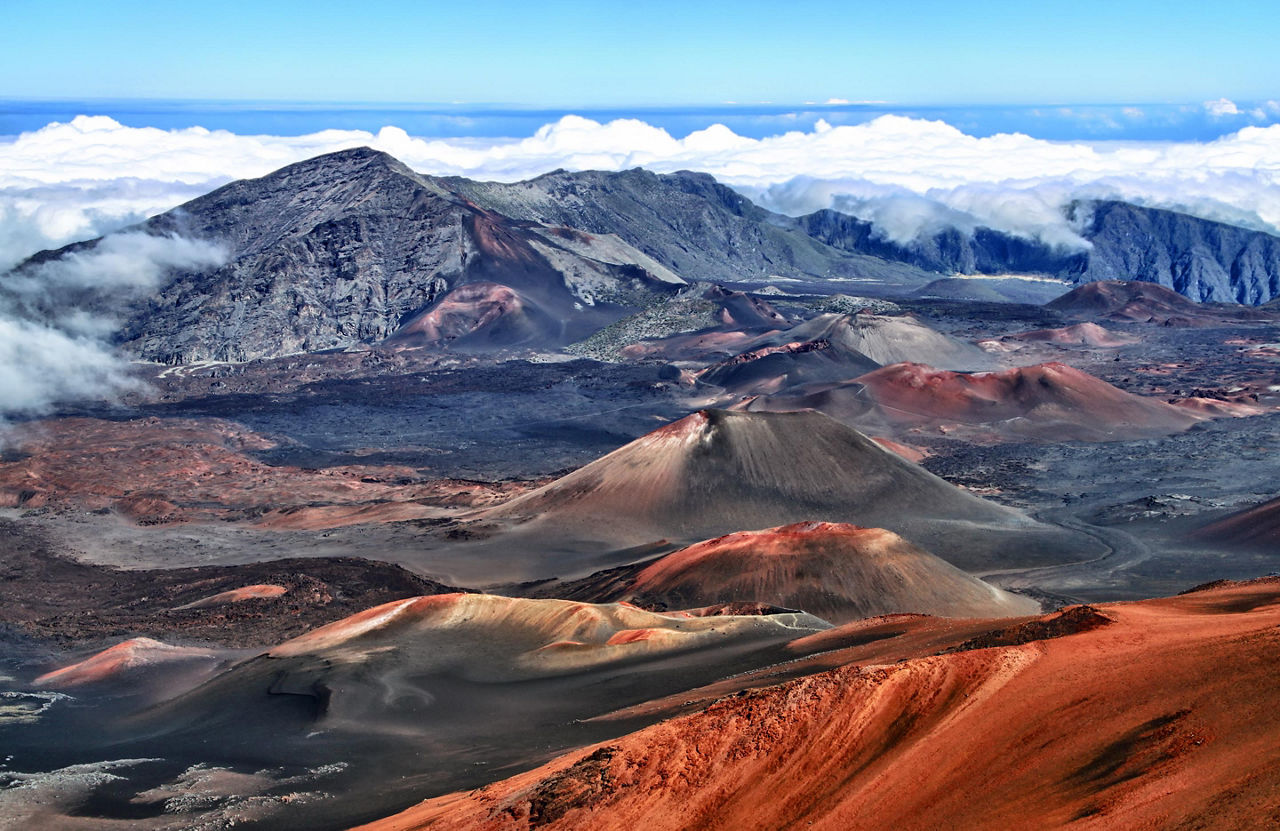
Head to the cruise ship’s top-level viewing deck as you approach the port in Lahaina, and you’ll quickly realize why Maui is nicknamed the Valley Isle. Most of the island’s towns are nestled in the central valley between its two major mountain ranges: Haleakala and the West Maui Mountains. Maui is home to unbelievable vistas, including the iconic sunrise from Haleakala — the world’s largest dormant volcano. For more jaw-dropping sights of this volcanic island, consider a helicopter tour excursion while visiting.
History abounds on the Valley Isle, too. The famous Kaanapali resort area and Lahaina, a former whaling port, served briefly as Hawaii’s capital until 1845. As you adventure along the twists and turns of the forest-surrounded Hana Highway — one of the world’s most scenic coastal drives — you’ll see lush, untouched nature, with powerful waterfalls, dramatic, “Jurassic Park-like” landscapes, and black sand beaches.
Maui County’s vibrant combination of major island towns, hidden beach coves and local culture makes it a contender for many travelers’ best island to visit in Hawaii.
3. Kauai: The Garden Isle
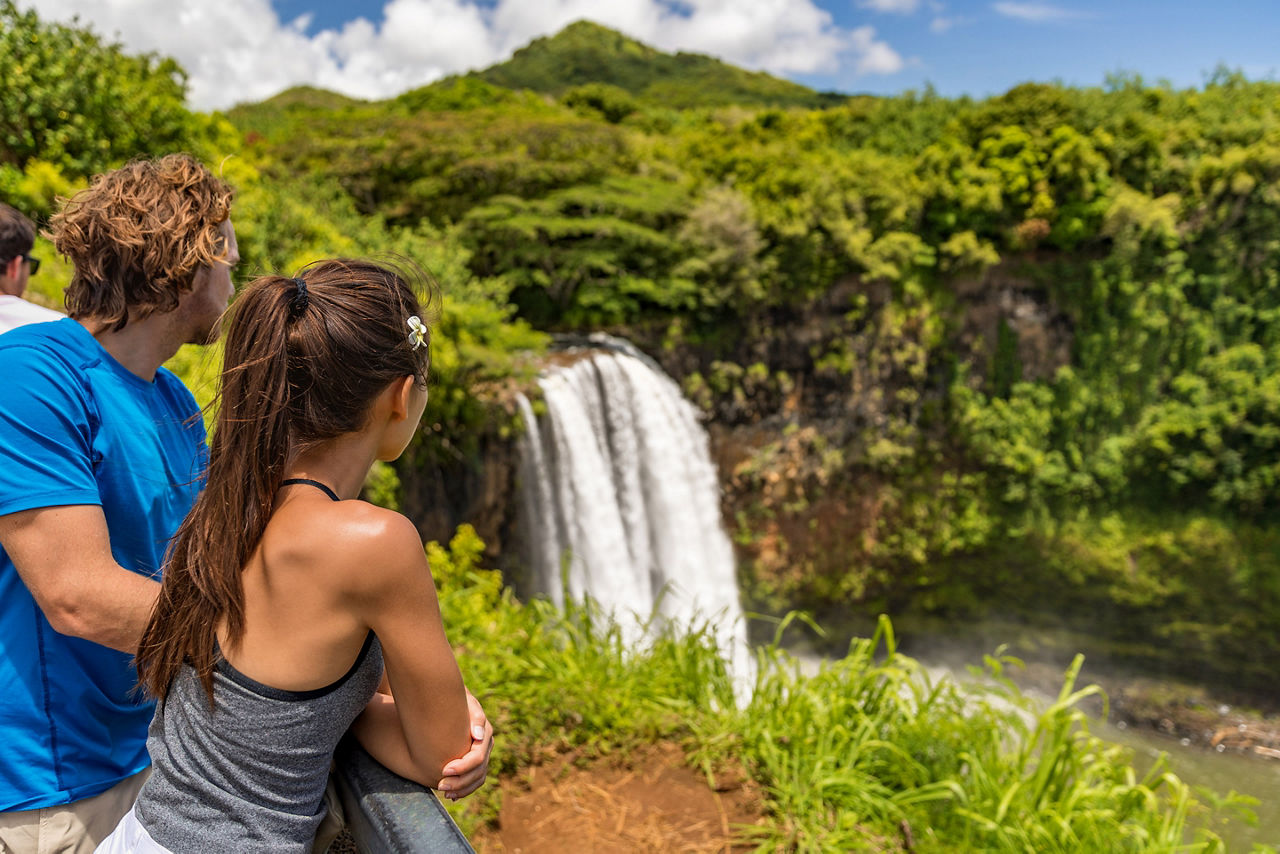
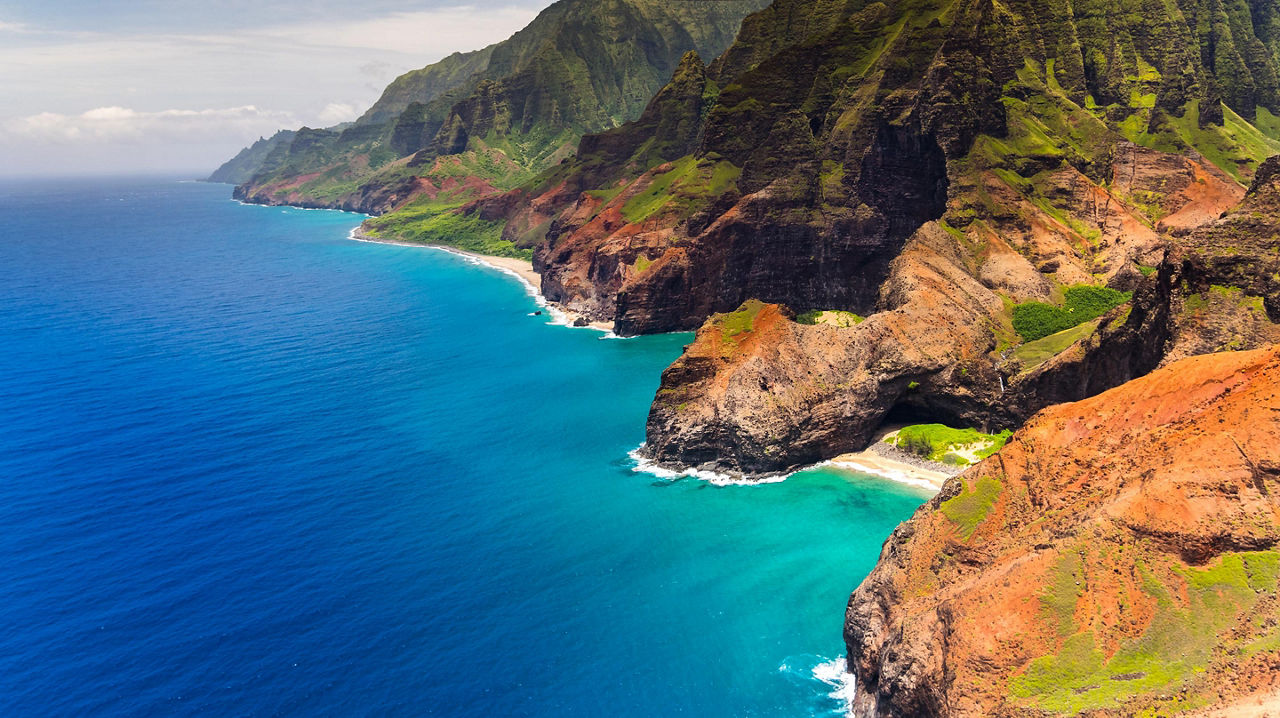
One look at Kauai as you sail into port, and you’ll instantly appreciate why this lush island in Kauaʻi County is nicknamed the Garden Isle. Kauai’s frequent rainfall sustains its extensive undeveloped land, resulting in spectacular landscapes of tropical greenery. The island’s nickname and history are evident in popular attractions like Waimea Canyon (dubbed the Grand Canyon of the Pacific), the towering sea cliffs along the Nā Pali Coast and the famous Fern Grotto in the Wailua River Valley. Not to mention Hanalei Bay, where the mountains meet the ocean in a breathtaking display of nature’s splendor. Kauai is actually the oldest of the main Hawaiian islands, forming about five million years ago. That age gives it a timeless quality, with certain regions still feeling like a step back in time.
Kauai is also home to some of the best botanical gardens in Hawaii, including Allerton Garden, Limahuli Garden and Preserve, and Na '‘Aina Kai Botanical Gardens —
a testament to why the island is known as the Garden Isle. From the dramatic Nā Pali Coast to the hidden beaches, you’ll discover a slice of the Aloha State’s most unspoiled beauty here.
4. Hawaii Island: The Big Island
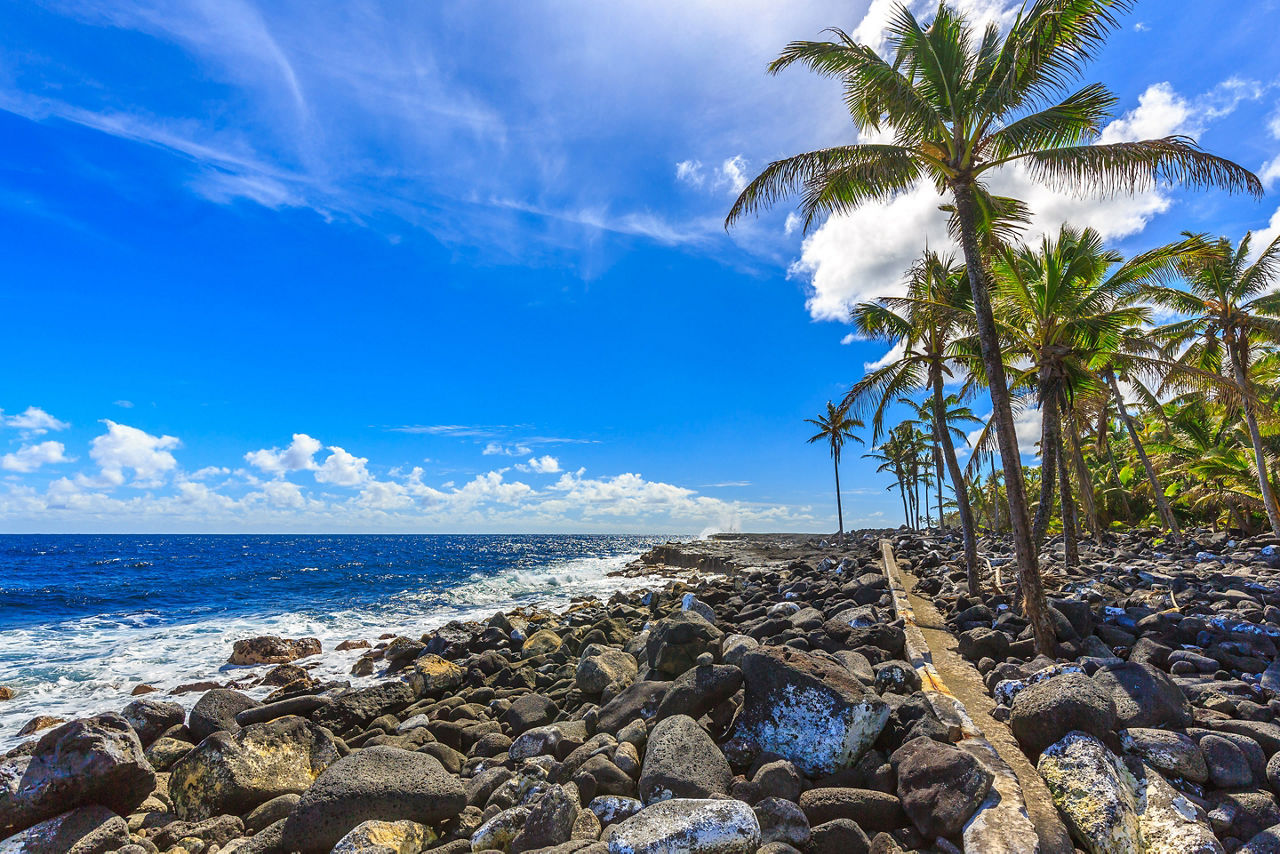
Most travel vacationers don’t realize that the Big Island is actually the nickname for Hawaii Island also known as Hawaiʻi Island.
You might ask, “How big is the Big Island in Hawaii? Covering over 4,000 square miles, it’s larger than all the other main islands combined, making it the largest in the entire Hawaiian archipelago. Moreover, if you’ve ever wondered how wide is Hawaii in miles, consider that the chain spans over 1,500 miles in total, stretching from Kure Atoll in the northwest to the Big Island in the southeast.
Home to Hawaii Volcanoes National Park, the Big Island is geologically diverse, featuring active volcanoes like Kīlauea, which has been erupting for over 30 years. Mauna Loa, recognized as the world’s largest active volcano, and Mauna Kea, famous for its star-gazing observatory near the summit, also reside here. Visitors can explore the vast Kohala Coast, the lush valleys of the Hāmākua Coast and black sand beaches that line this remarkable volcanic island. The Big Island’s abundance of climates makes it a prime destination for travelers looking to discover the full spectrum of Hawaiian culture and natural wonders.
5. Molokai: The Friendly Isle
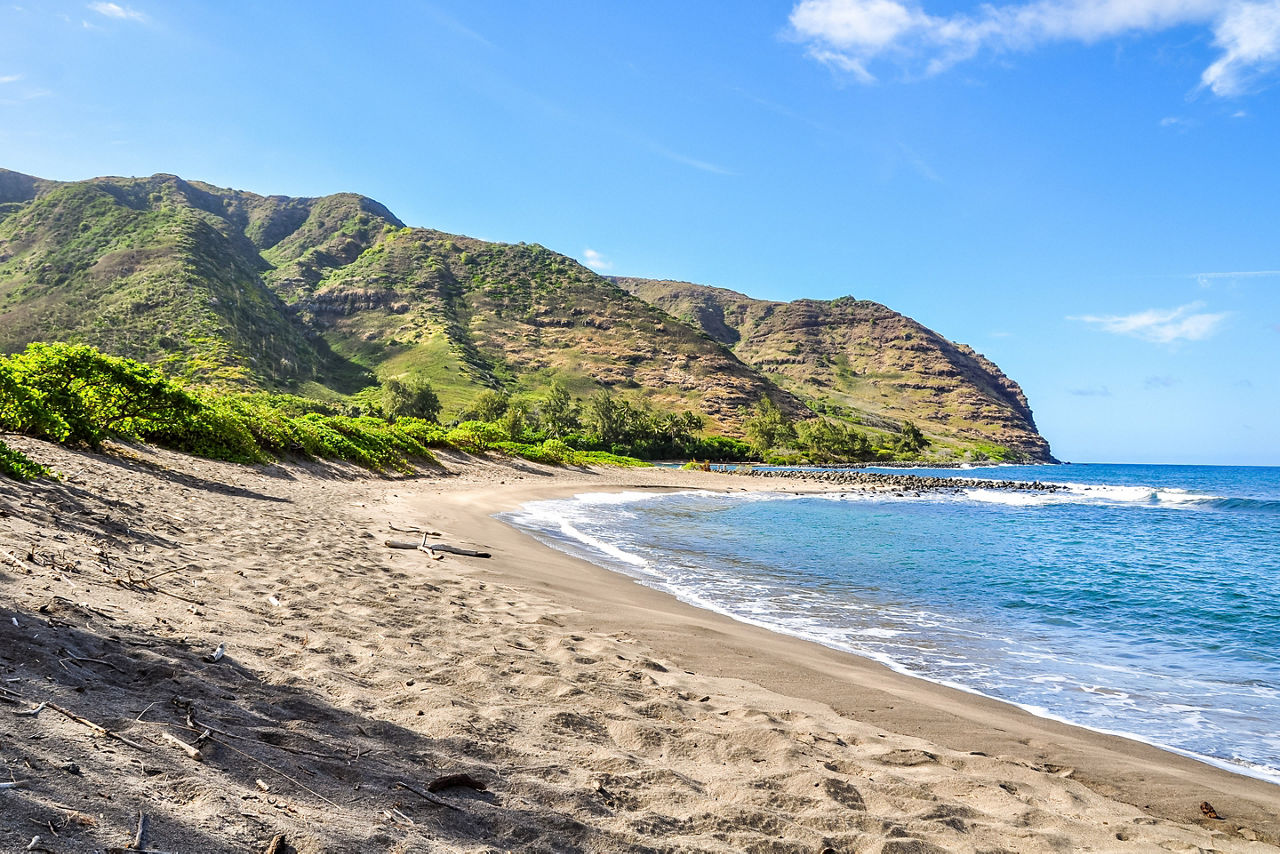
You’ll feel the true spirit of aloha when you visit Molokai — home to the state’s largest population of native Hawaiians. The island’s nickname, the Friendly Isle, was given by the residents to reflect the welcoming and tight-knit communities dotted across Molokai.
It’s a place that has retained much of its authentic Hawaiian heritage, and since it’s less developed than the islands of Hawaii that host larger cities, you can explore its small beachside joints where Japanese, Filipino and other ethnic cuisines flourish.
For administrative purposes, much of Molokai is part of Maui County, though the remote Kalawao County (the smallest county in the U.S. by area) is also located on Molokai. Here, everyone knows each other, and looking out for neighbors is a way of life. This neighborly attitude extends to visitors, too. Locals have been known to invite tourists to parties or show them hidden gems around the island. In addition to the friendly people, Molokai’s dramatic north coast features the world's highest sea cliffs that drop into the Pacific Ocean, a sight perfectly capturing the untamed side of the Hawaiian island chain.
6. Lanai: The Pineapple Isle
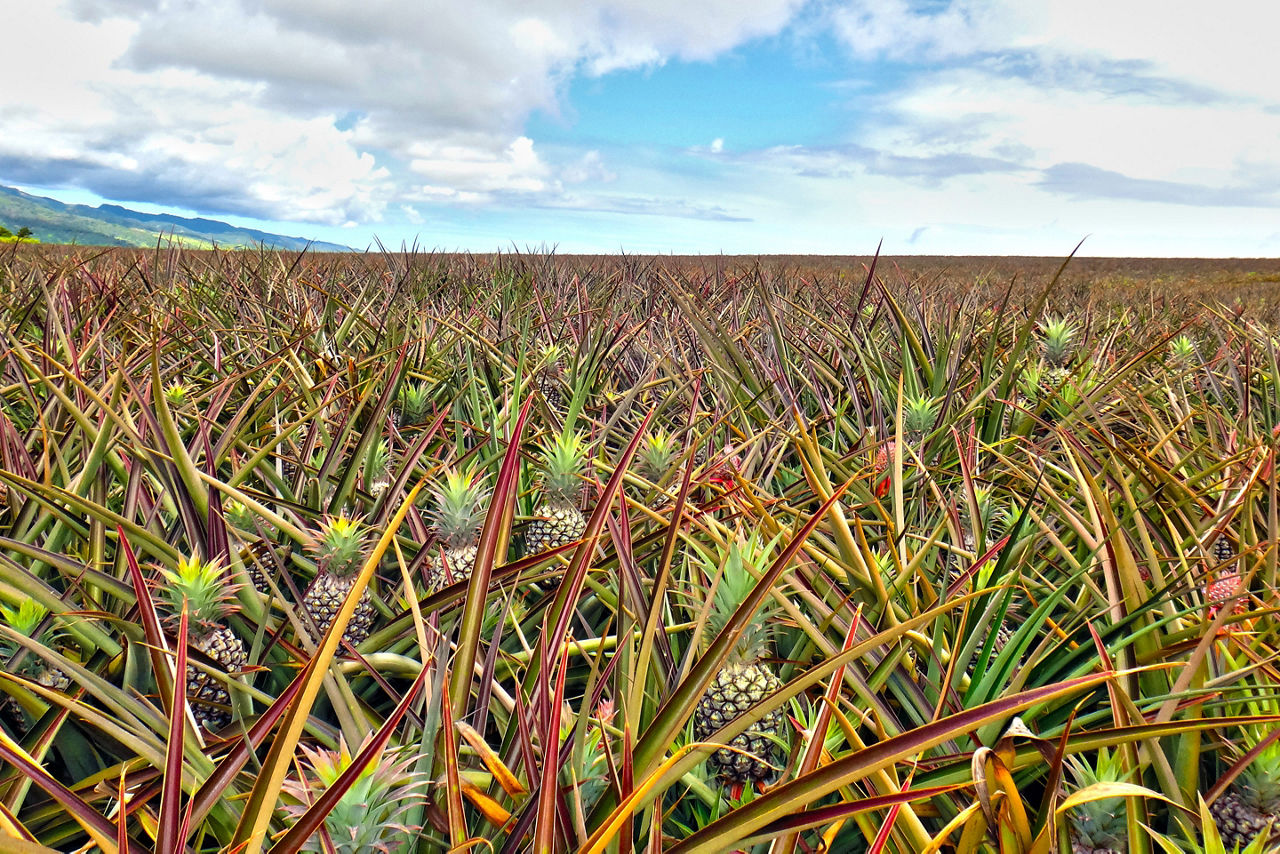
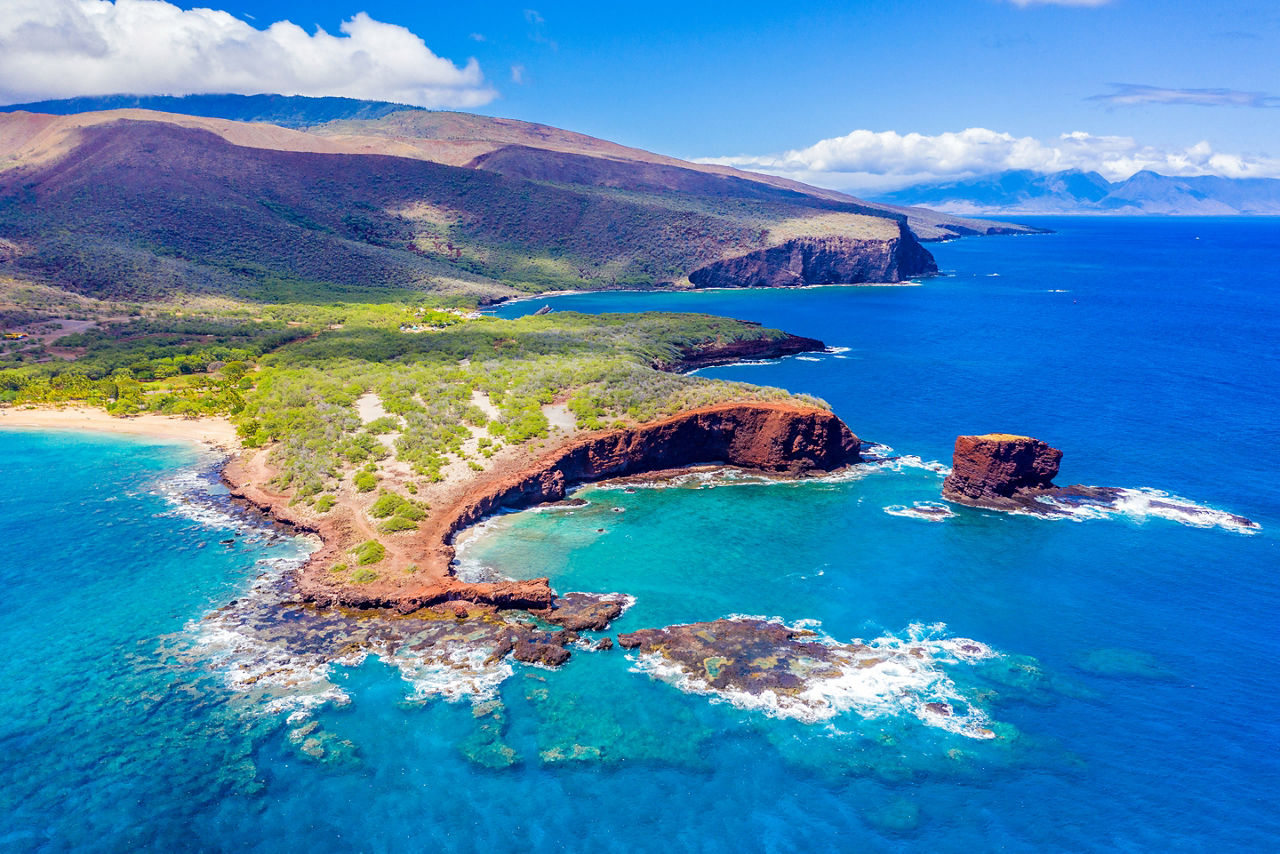
Lanai’s nickname, the Pineapple Isle, comes directly from its past as the world’s largest pineapple plantation. In 1922, James Dole (of the famous Dole Food Company) purchased the island and turned it into a massive production center. Though pineapple production ceased in the early 1990s, Lanai retains much of its charm, and today, vacation tourism is its biggest contributor to the economy, with two major world-class resorts offering views of eighboring islands. Its secluded nature is part of what makes Lanai a favorite among travelers searching for an off-the-grid experience.
Sometimes also called the Secluded Island, Lanai features about 89,000 acres of pristine countryside untouched by major urban development. Lanai belongs to Maui County, yet it feels worlds apart from the hustle of more populous islands in Hawaii. One stand-out attraction is Keahiakawelo (also known as Garden of the Gods), an otherworldly red rock gardens created by natural erosion. The legend behind it tells of a contest between a kahuna (priest) from Lanai and another from Molokai to see whose fire would burn the longest. Desperate to win, Lanai's kahuna burned all vegetation at Keahiakawelo, leaving behind this Mars-like landscape of rock towers and spires.
7. Niihau: The Forbidden Isle
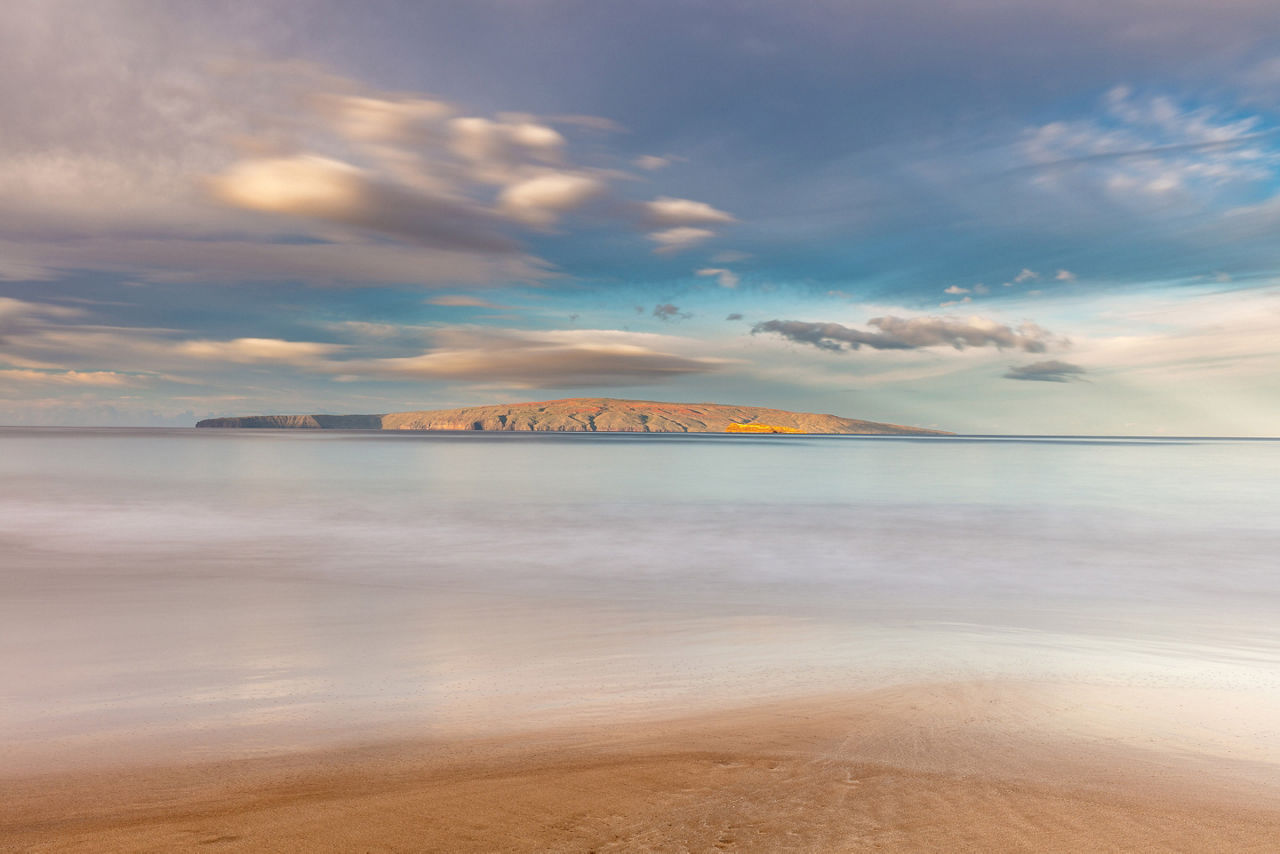
8. Kahoolawe: The Target Isle
9. Visiting The Gorgeous Hawaii Islands

Related Articles
Hawaii Hidden Gems: Secret Beautiful Vacation Spots
READ MORE
How To Plan The Best Hawaii Family Vacation
READ MORE
Dive Into The Epic History Of Hawaiian Surfing
READ MORE
Polynesian Culture In Hawaii: History Of Dancing And Island Influences
READ MORE