How to Haggle: Tips for Street Markets Around the World
Travel the World and Haggle Like a Local
By Robert Schrader | Published on November 14, 2025
I may be something of an expert on how to haggle in street markets today, but 13 years ago, I was terrified by the idea. As I traveled the world, strolling through the markets of Palolem Beach in Goa, India, with a friend who was much more experienced than me. From her, I found inspiration; haggling was a game — she actually found it fun!
"It's a skill," she told me as we left one stall and she placed a skirt she got at a rock-bottom price into her bag, which was already overflowing with the rest of her bounty. "The more you do it, the better you get at it."
That day, my friend gave me a crash course in haggling, which I've since put into practice all over the world. In this blog, I’ll share the exact tips she gave me so you can confidently haggle whenever you find yourself at an overseas market.
Key Takeaways: What Is Haggling?
- ● Haggling is a way for shopping tourists to negotiate prices with shopkeepers.
- ● Practice haggling with things you want, not need.
- ● Start your negotiations low, but not lower than 25% of the asking price.
- ● Bring cash in both large and small bills.
- ● Ask for a receipt, just in case.
- ● Be bold, yet mindful.
- ● Focus on inexpensive items rather than once-in-a-lifetime finds.
- ● Now that you know how to negotiate price, you can put your skills to the test. Explore Royal Caribbean cruises all over the world, whether you want to haggle at Petaling Street Market in Malaysia, Temple Street Night Market in Hong Kong or somewhere in between.
Tip 1: Practice Haggling With Wants, Not Needs


Haggling for something you want is key — you should never haggle for something you need. For example, a captivating cuckoo clock at a Cologne Christmas market in Germany is a great target for haggling practice. A pair of pants for the rooftop bar in Bangkok, where you brought only shorts because you didn't anticipate a fancy night out? You're probably not going to get the price you want on that one.
When my friend was teaching me about how to haggle in street markets, her first tip was just two words: Walk away. She shared this advice matter-of-factly, as she put down a cute (but not life-changing) top someone wanted to sell for an unfair price. "If they don't give you the price you want, walk away and ignore their calls to the contrary."
Just then, the seller relented. "OK," he conceded. "You can have it for that price."
Haggling for wants, not necessities, allows you to walk away. That assertive behavior usually leads sellers to make dramatic reductions in price to make the sale.
Tip 2: Start Your Negotiations Low

My friend got a top, among other items, for less than half of what the seller originally asked. "The art of haggling," she said as she continued our lesson, "is to start way lower than you expect to pay. Negotiation is a tug of war — if you don't give yourself some leeway, you'll definitely get dragged through the mud."
Therefore, if the seller asks for 200 Indian rupees at the outset, start with offering only 50 rupees. That way, you'll have some wiggle room to negotiate, and when you finally offer 100 rupees, it'll be a good compromise. Just remember the first rule of haggling: any offer below 25% of the ticket price is a slap in the face, so make sure you ask for an amount 25% or more of the asking price to ensure you’re respectful to the shopkeeper.
Years later, I paid these teachings forward to a fellow traveler as he sought to purchase a rug at the main souk of Marrakesh, Morocco. He was shocked to get it for less than half of the original asking price, but I wasn't, knowing how well the trick works.

Tip 3: Bring Cash — Small and Large Bills

To ensure the transaction goes smoothly, have plenty of cash on hand. Although an increasing number of vendors now accept digital payments, cash is efficient and easy — and may get you a better deal.
One time, I was at a market in Kuala Lumpur, Malaysia, buying a remote control for my camera. I had found a price I couldn't walk away from — although I didn't let the seller know that. Had I not had some Malaysian ringgit with me, I'd have almost certainly lost the deal while I went to find an ATM.
Tip 4: Ask For A Receipt

Asking for a receipt is essential because you want to avoid getting ripped off. On the other hand, be humble. Or as my friend put it when she was teaching me how to haggle in a street market in India, "Remember the Golden Rule of shopping: You get what you pay for. You're not going to get Versace for five bucks! Well, not real Versace."
I put this particular piece of haggling advice to the test after I moved to Shanghai to teach English. I headed to the Nanpu Bridge Fabric Market to curate my new teacher wardrobe. There, I ordered no less than a dozen shirts and vests and could not have paid more than 100 U.S. dollars.
Although I felt tempted months (and, in a couple cases, weeks) later to take the items back and complain about ripped or itchy seams, I remembered what my friend had told me. These may have been off-label clothes, but they were also ones I'd bought at very cheap prices. I'd gotten what I paid for — it would've been disingenuous to take them back unless I was prepared to pay more to have the flaws corrected.

Tip 5: Be Bold, Yet Mindful

I recently purchased a traditional wooden mask at Chiang Mai's Doi Inthanon temple and a hand-drawn postcard from a talented young man on a street corner in Bangkok, but I haven't pushed back much on the asking price. Due to varying circumstances, many local people haven't had consistent income, so I've set aside much of my advice on how to haggle with street vendors.
That doesn't mean to let them take advantage of you, but it does mean that you shouldn't be too aggressive. Haggling can be fun, and it's often like a little game between you and the vendor, but keep in mind that they need to make a living.
Tip 6: Focus on Inexpensive Items
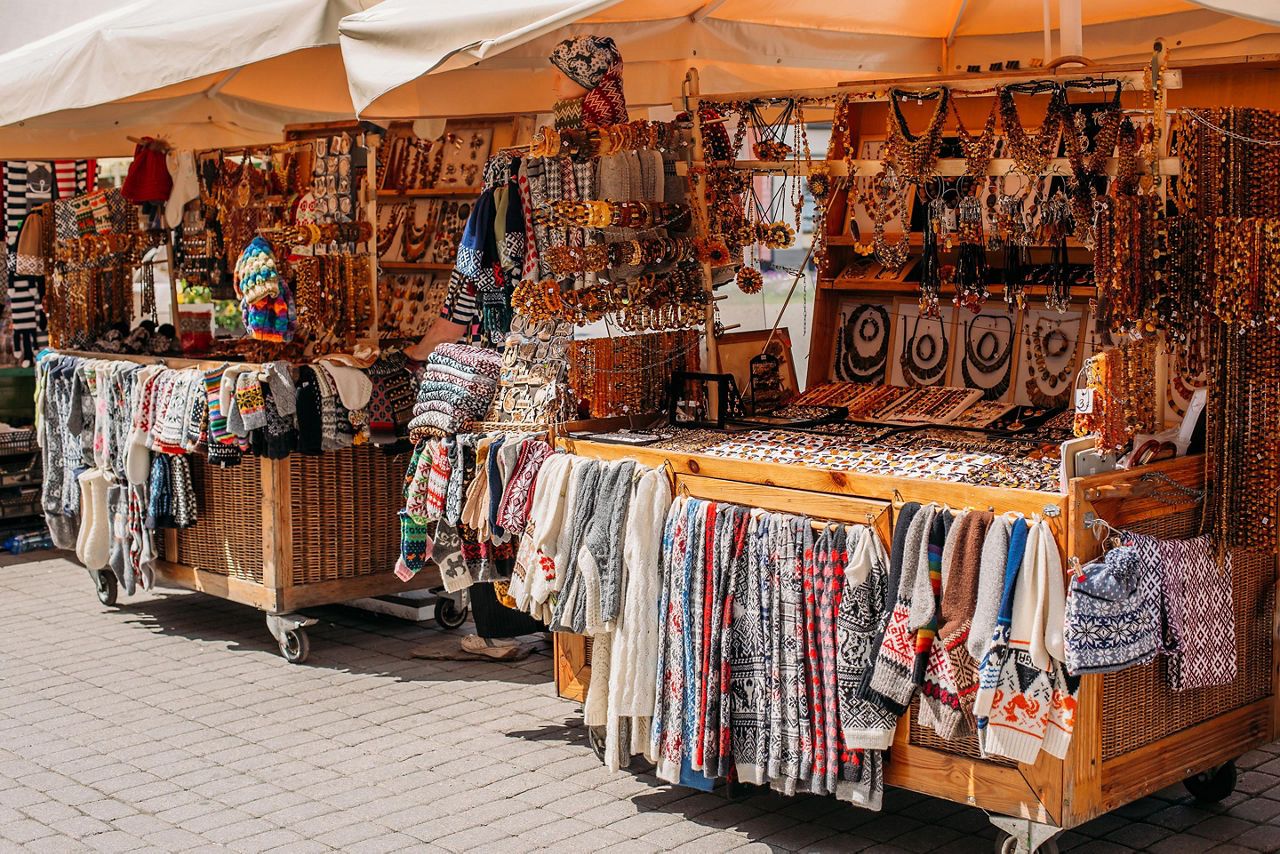
You can buy everyday apparel and sundries in street markets, but not necessarily expensive home decor. Haggling hinges on the fact that the items are relatively cheap and can be found elsewhere, so the interaction is quick and efficient to satisfy both parties in the transaction. So if you enter a haggling situation, you have to be willing to prepare and put in the work, because an imperfect transaction now is better than a perfect one later.
Quick Tips To Keep in Mind
- ● Use phrases like, “Is that the best you can do?” and, “I only have X to spend.”
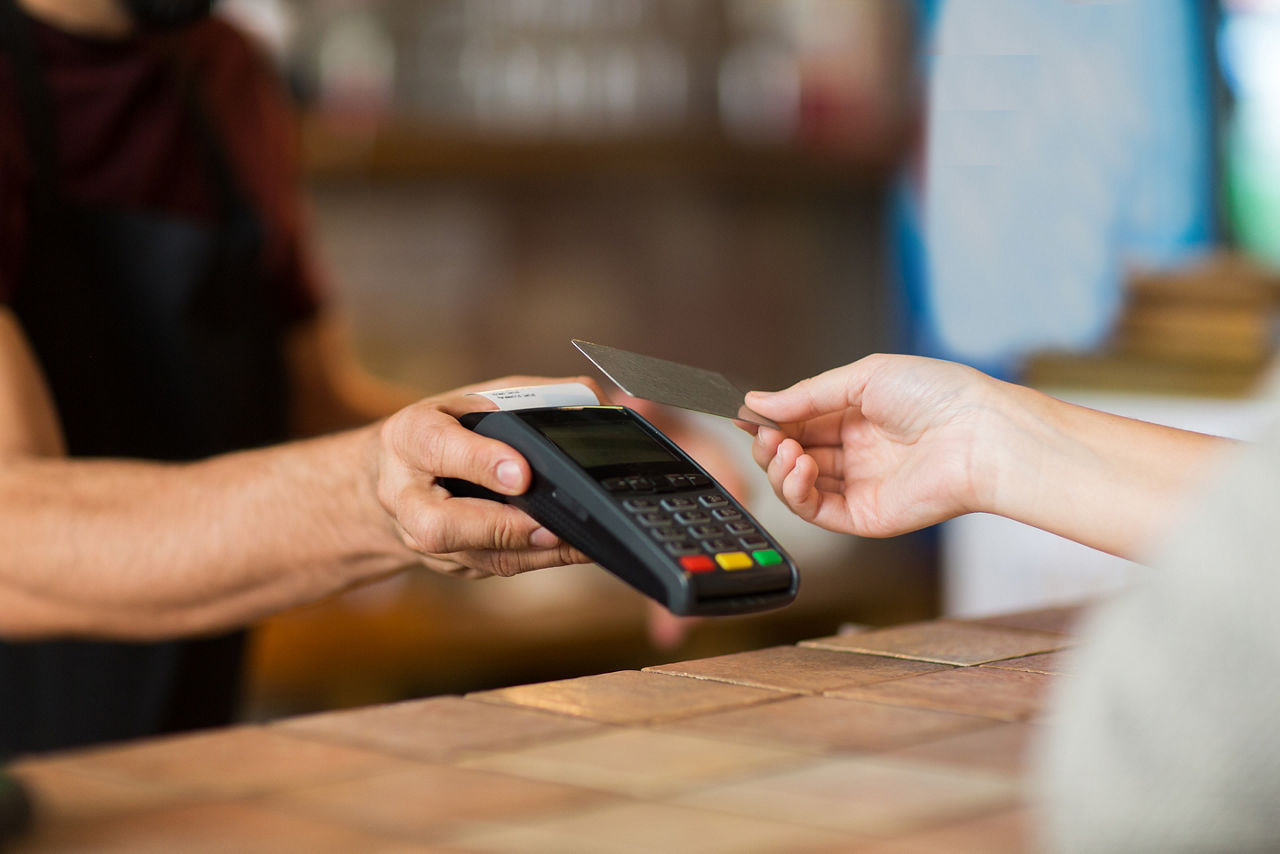
- ● When paying in foreign markets, you could use wire transfers, online payment platforms, credit cards or ACH transfers, depending on the street market you’re shopping at.
- ● Even when haggling, it’s appropriate to consider tipping.
- ● If you don’t speak the local language, use a translator app, look up common phrases to use and be respectful and patient.
Put Your New Haggling Skills to Good Use

The art of haggling takes practice, so you can find what works and what doesn't. This skill is great for self-contained trips to any given destination. The best use of it, however, is an epic round-the-world trip. After all, I became a great haggler not at Palolem Beach in Goa, India, the Straw Market in Nassau nor the Grand Bazaar in Istanbul, but as a result of all those experiences.
Want to test out your new haggling skills?