New Orleans Voodoo: Unveiling the History, Culture and Mystique
Learn The History of Voodoo on Your Cruise
By Cassie Bailey | Published on November 18, 2025
Much like the city itself, New Orleans Voodoo stems from blended beliefs and cultures. Discover how Marie Laveau, a Voodoo priestess, used her connections and charisma to influence the city in ways few others have. Let's explore how one powerful Voodoo priestess shaped New Orleans, leaving a lasting imprint on local culture.
Quick Takeaways: New Orleans Voodoo at a Glance
- ● New Orleans Voodoo is a spiritual tradition, practiced locally for centuries.
- ● The word ‘Voodoo’ means ‘spirit,’ and it's believed that spirits preside over all aspects of life.
- ● Voodoo traditions originate from a combination of West African, Catholic and Haitian religions.
- ● Voodoo practice involves rituals, spirits and community.
- ● Marie Laveau used her influence and connections to embed Voodoo into New Orleans culture.
- ● Today, visitors can explore Voodoo in New Orleans’ museums, temples, markets and Congo Square drum circles.
- ● Explore our cruises from New Orleans to experience Voodoo traditions first-hand.
What Exactly Is Voodoo And Where Did It Start?

An utterance of the word "Voodoo" can create images of zombies and dolls with pins stuck in them. However, Voodoo is largely misunderstood and more complex than these pop culture stereotypes make it seem.
Voodoo is an ancient religion with roots in West Africa, where it has millions of followers in the modern-day countries of Benin, Togo, Nigeria and Ghana. ‘Voodoo’ means ‘spirit,’ and it is believed that spirits rule all life. West African Voodoo honors one supreme god, as well as hundreds of other deities devoted to love, healing, agriculture, water, weather, fertility and all things relating to the human condition.
Voodoo priests link the spiritual realm with the human world through rituals, often asking favors from the Voodoo spirits. Voodoo tradition believes that the human realm is shaped more by spirits than by the will of one god.
Key Aspects of New Orleans Voodoo
1. Voodoo As A Form Of Rebellion

West African Voodoo crossed from West Africa to the Americas during the transatlantic slave trade. When slaves arrived in Brazil, Haiti (formerly Sainte-Domingue), Cuba and Louisiana, they continued to celebrate their traditional religions. As the nations they arrived in were predominantly Christian, the practice of Voodoo was banned.
In 1685, the King of France enacted a law stating that all slaves entering Haiti must be baptized as Christians within one week of arriving. Any exercise of non-Christian religions was strictly prohibited. But believers of Voodoo continued to engage in Voodoo rituals away from their overseers. They even incorporated Roman Catholic elements into their practice, creating a new form of Voodoo distinct to their location.
2. A Kinship Formed Through Worship
Voodoo beliefs stayed strong in Louisiana, an area that was under French rule during the early 1700s. Because of the influx of West Africans into the region, the detailed Voodoo rituals remained, as slaves lived in closer proximity to one another than those sent elsewhere, like Brazil.
The religion allowed enslaved Africans to bond with one another and their place of origin through shared beliefs and rituals. As the religion honored ancestors and elders, this also created a kinship within the African community, allowing Voodoo teachings to pass from one generation to the next — despite being far removed from West Africa.
3. A Surprising Hybrid of Religions
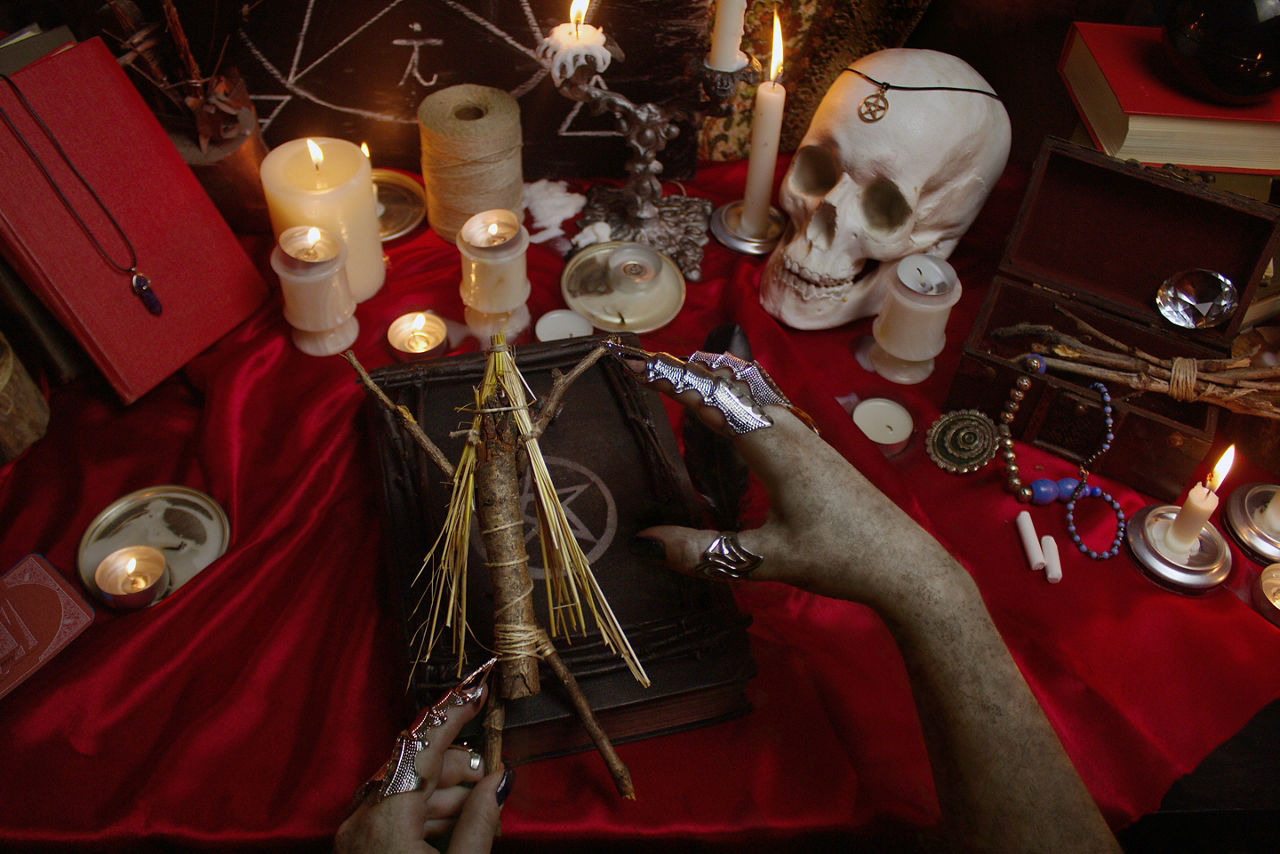
While it's easy to confuse the different types of Voodoo across the world, each has its own set of distinct rituals and beliefs. As New Orleans Voodoo evolved to incorporate aspects of the local culture to hide from those who wanted to quell the religion, it developed distinctive elements that made it different from West African and Haitian Voodoo.
Roman Catholic saints were often viewed as aliases of their Voodoo deities (called loa or Iwa), allowing people to celebrate Voodoo and Roman Catholic holidays alongside one another. And while the religions might seem counterintuitive to one another, many believers of Voodoo simultaneously believe in Christianity today as a nuanced form of Voodoo-Catholicism.
Much of Voodoo history has been lost as the religion was passed down orally and largely forced to take place in the quiet corners of society. Like all religions, there are many branches of Voodoo with interpretations and rituals that vary from one believer to the next.
4. The Power of Magic Talismans
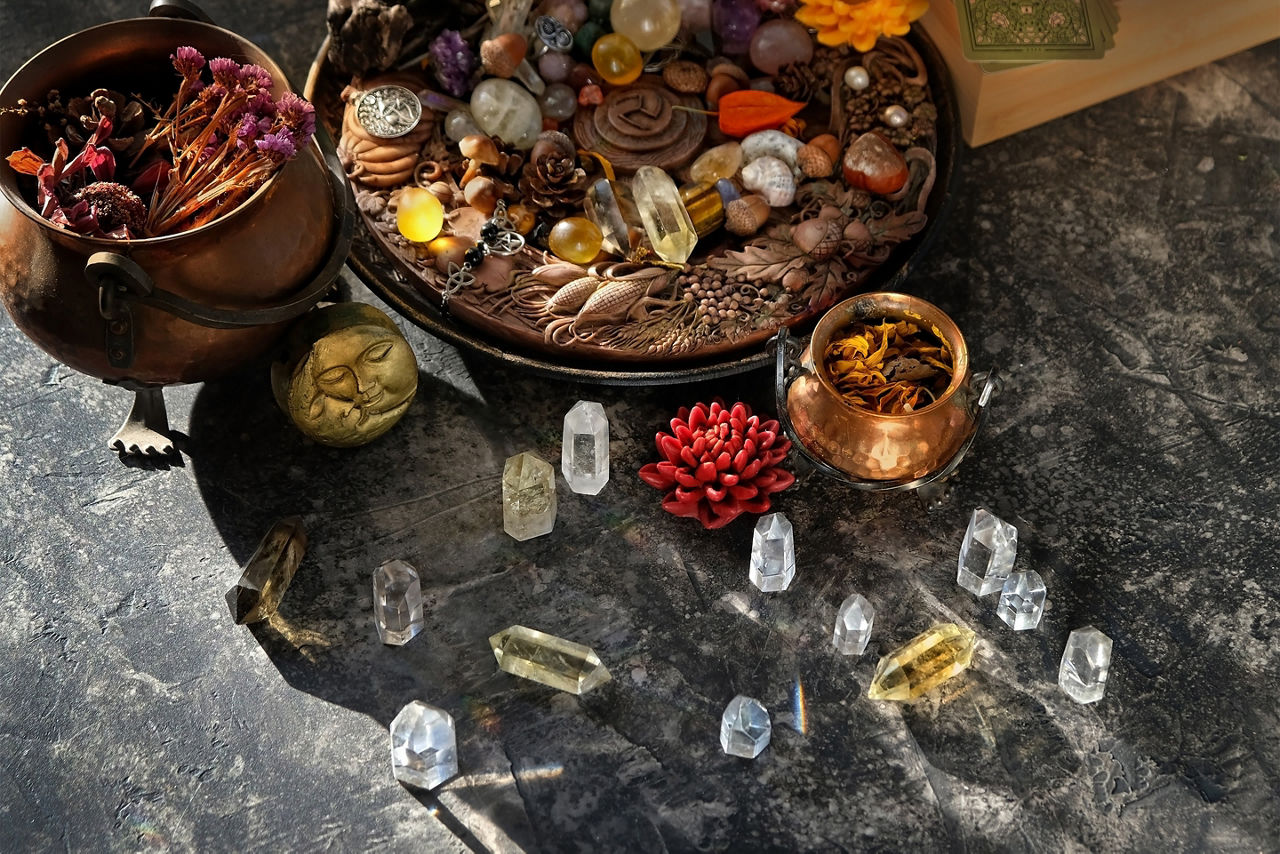
Voodoo practitioners used disguised charms to ward off malevolent spirits and bring good health, fortune and love. Voodoo priests and priestesses also started to craft "gris-gris": magical acts or objects. Gris-gris often took the form of small sachets filled with items like crushed bone, graveyard dust, herbs and rocks. The gris-gris could wield luck or loss, depending on its creator's intention.
With the right ingredients and prayers, a gris-gris was powerful enough to change the course of one's life. Gris-gris were also sometimes left as a form of a curse. If someone found a gris-gris on their doorstep or underneath their pillow, it often indicated imminent harm. Once cursed, they'd have to seek out the most powerful Voodoo practitioners to reverse the hex.
5. ZOMBIE LORE
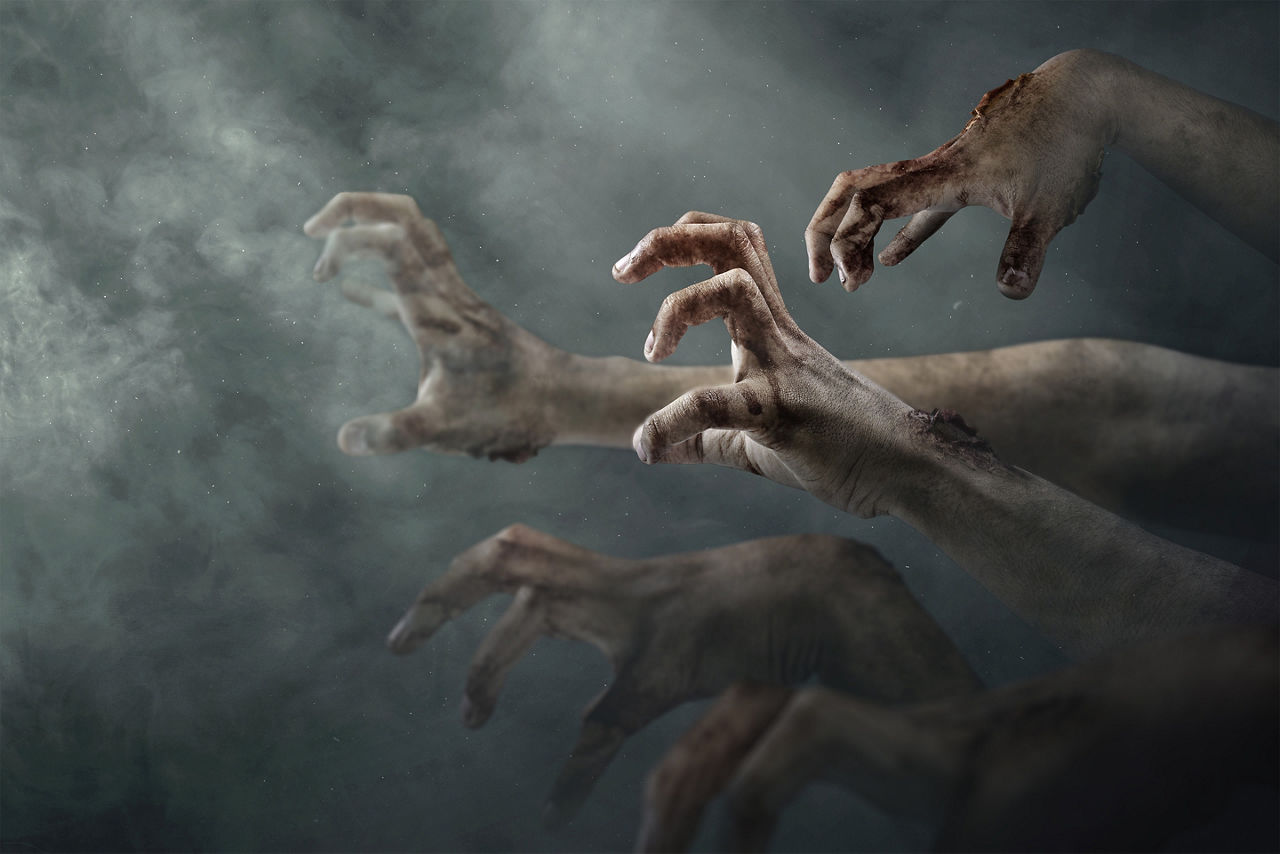
Another common misunderstanding of Voodoo is its association with zombies. The brain-hungry beasts depicted in pop culture are a far cry from their zombie origins of Voodoo. Cultures all around the world, spanning millennia, have had a fascination with the undead, though slaves in Haiti often likened the brutality of slavery to living while dead.
The word "zombie" itself comes from the Kongolese word "nzambi," meaning "god." Many slaves believed that in the afterlife, their soul would be released back to their homeland — but taking their own lives would bar them from entering. Instead, they must live out their lives as slaves. In the harsh living conditions in Haiti, many felt as though their minds were already tethered to soulless bodies.
Following the Haitian Revolution, the concept of a zombie took on a different meaning. Zombies began appearing in Voodoo folk tales, with zombies existing as undead corpses crafted by Voodoo priests. Zombies also represented Haitian Voodoo anxieties about being re-enslaved post-revolution.
6. The Significance of Voodoo Dolls

The most popular object associated with this entrancing religion is the Voodoo doll. Like many aspects of the belief system, the Voodoo doll’s precise origin is largely unknown.
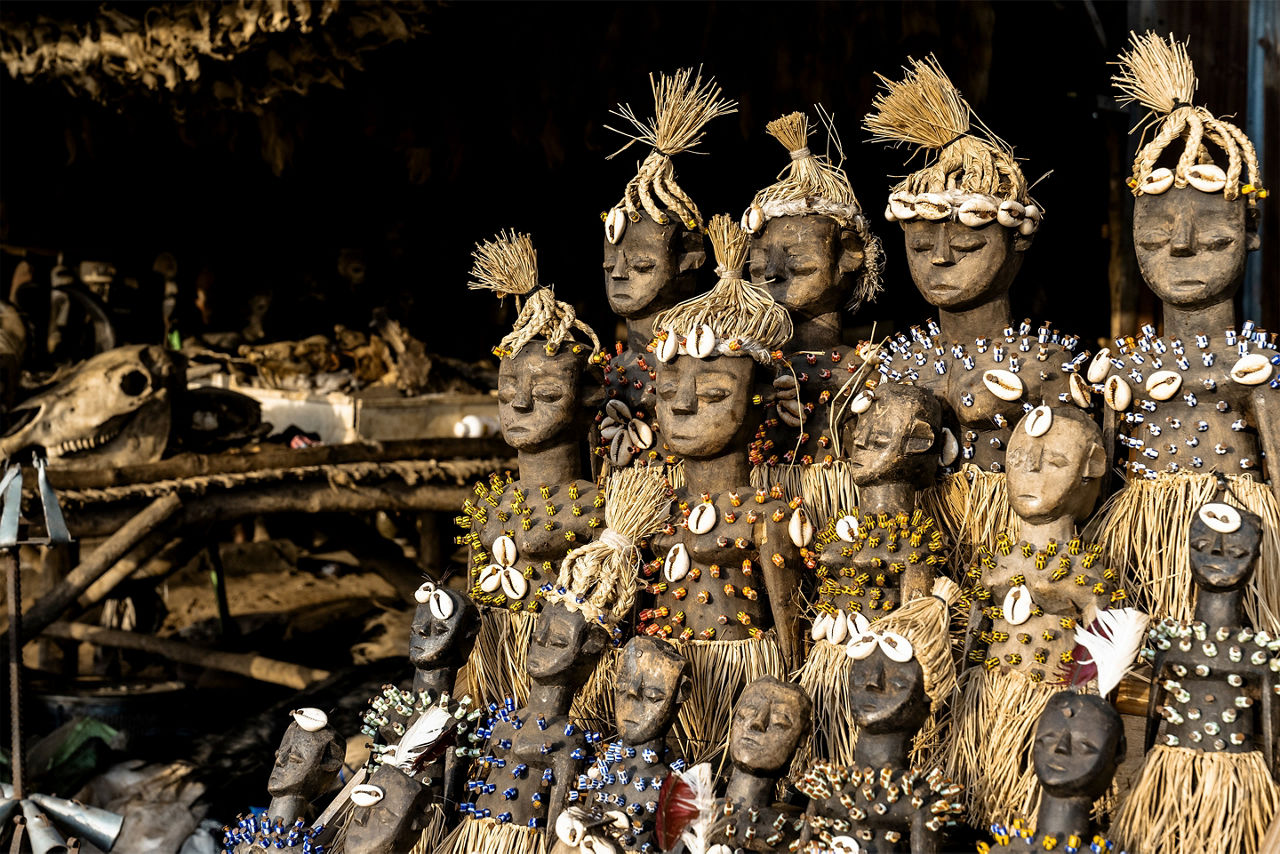
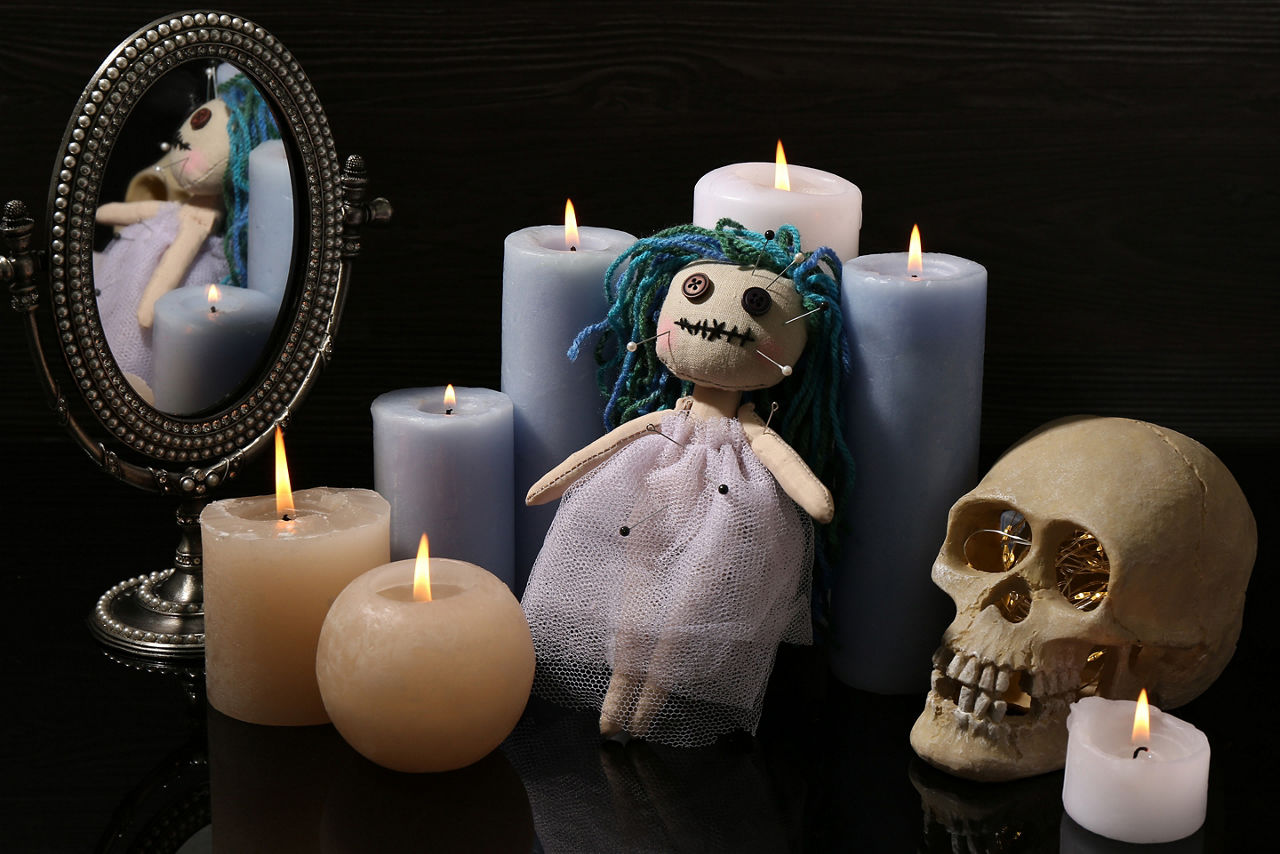
Voodoo dolls are gris-gris effigies that resemble a human. The Voodoo dolls in New Orleans could represent someone with a name pinned to the doll. They may also collect hair and nail clippings in the doll, wrapping it in a person's clothing or rubbing it against the targeted person.
Voodoo dolls are a minor part of the religion as a whole and are usually used to bring good to others, rather than harm. Both Voodoo dolls and zombies became largely associated — and falsely represented — with the religion after appearing in the 1932 movie, "White Zombie."
7. New Orleans Voodoo
In 1791, the Haitian Revolution, an anti-slavery movement led largely by self-liberated slaves, created the sovereign state of Haiti. This revolution was thought to be inspired by an event at a Voodoo ceremony, where lightning and thunder represented an omen for slaves to turn against their masters. Following this successful uprising, slave owners in Louisiana made a stronger effort to quell Voodoo practices in fear that it would lead to insurgency within their own communities.
Despite the ban on Voodoo, a surge of freed Haitians entered Louisiana around this time, bolstering the Voodoo population and introducing new rituals and beliefs into the community. New Orleans and its blend of West African, Haitian, Creole, Caribbean, Spanish and other outside influences helped subcultures thrive.
8. Voodoo Queen Marie Laveau

While various priests and priestesses led the Voodoo community for decades, there is none more influential than Marie Laveau. Sometime between 1794 and 1801 (historians are uncertain), Marie Laveau was born to Marguerite Darcantrel, a Haitian, and Charles Laveau, a wealthy Creole politician. It is said that Marie Laveau's grandmother was a beloved Voodoo priestess in Haiti, whose beliefs passed through Marie's mother onward to her.
Marie Laveau married Jacques Paris, a man of color. When he died, Marie married and had 15 children with Christophe de Glapion, also a free man of color. She studied Voodoo under the wing of one of the great Voodoo priests of the time, Bayou John. Bayou John was a Senegalese Voodoo king who was captured and brought as a slave to Cuba. He then worked as a cotton roller in New Orleans, where he quickly gained popularity thanks to his Voodoo teachings. Marie Laveau also learned from Sanite Dede, the first celebrity priestess of Voodoo in the city, and Marie Saloppe, a woman people sought when they thought they'd been hexed.
In between learning the ropes of becoming a Voodoo priestess, Marie Laveau earned a modest income as a hairdresser for wealthy women of New Orleans society. Using Marie Laveau as an armchair therapist, many of these women told Marie Laveau of their personal problems.
The women would also gossip among themselves. Embedded in the African community, Marie Laveau became privy to information from house servants on plantations. She learned details of the inside world of the city's social elite, and it is speculated that she used this knowledge to her advantage as a Voodoo priestess.
9. Spells and Socializing

Soon, wealthy members of society sought Marie Laveau, not for her hairdressing services but for her fortune-telling, gris-gris and advice. People would come to her at all hours of the day for aid in romance, fertility, health, politics, wealth, fame — or with darker intentions, like requesting that Marie Laveau place a curse on their enemies. She often used private information to stay one step ahead of the city's elite, telling fortunes that were bound to come true.
Marie Laveau also participated in charity projects that involved feeding the hungry and helping those who'd fallen ill during the yellow fever epidemic. Some house servants sought her help planning their escapes from slavery — a request which she often obliged.
The Voodoo Priestess owned a pet snake named Li Grand Zombi, who symbolized the deity of Damballah. Damballah is one of the most important Voodoo spirits, creator of life and ruler of the human mind. Li Grand Zombi was introduced to some of Marie Laveau's Voodoo rituals, dances, chants and songs. Revered as a dancer, some sources claim Marie Laveau also danced with her beloved snake.
10. A Devout Catholic And Voodoo Practitioner

Catholicism and Voodoo were not mutually exclusive. Marie Laveau was a devout Catholic, furthering the blend of the two religions for herself and her followers. French law dictated that all citizens — slaves and free folk alike — were entitled to enjoy Sunday as a day of rest. Though the law gave Sundays off to everyone, there were few places where freed and enslaved people of color could gather without disturbance, except for a patch of land between St. Ann and St. Peter streets. This area is now called Congo Square.
Marie Laveau and her followers would often attend Catholic mass in the mornings before gathering at Congo Square for a Voodoo ceremony. Visitors were mesmerized by the rhythmic beat of drum circles and spent time socializing among themselves. They sang songs telling tales of deities at gatherings, which helped preserve beliefs and pass information to future generations. Even now, the tradition of playing drums on Sundays continues each week thanks to the Congo Square Preservation Society.
Aside from Congo Square, private ceremonies and readings were hosted in Marie Laveau's backyard. Larger gatherings took place at Bayou St. John near Lake Pontchartrain. Singing, drumming, dancing and worshipping were all part of the ceremonies. In 1830, Marie Laveau started celebrating the summer solstice holiday of St. John's Eve at Bayou St. John, an event that still takes place today. People from all walks of life, including politicians, police officers and social elites, would come to witness the events.
Marie Laveau passed away in 1881 and is laid to rest at St. Louis Cemetery No. 1. Legend states that if you visit her tomb, leave three offerings and make a wish. Marie Laveau will grant it. Voodoo pilgrims and tourists alike commonly pay homage to the Voodoo Queen at her final resting place.
11. Experience New Orleans Voodoo Firsthand

There are not as many followers of Voodoo today as there once were, but a walk around New Orleans will reveal that its mysticism and allure have yet to retreat into the pages of a dusty history book. Voodoo altars are often tucked away in homes, hidden from prying eyes. Despite the religion's elusiveness, there are plenty of ways to learn about Voodoo firsthand.
Note: Many of these sites are walking distance from one another and are great stops on a guided or DIY Voodoo tour in New Orleans.
12. New Orleans Historic Voodoo Museum
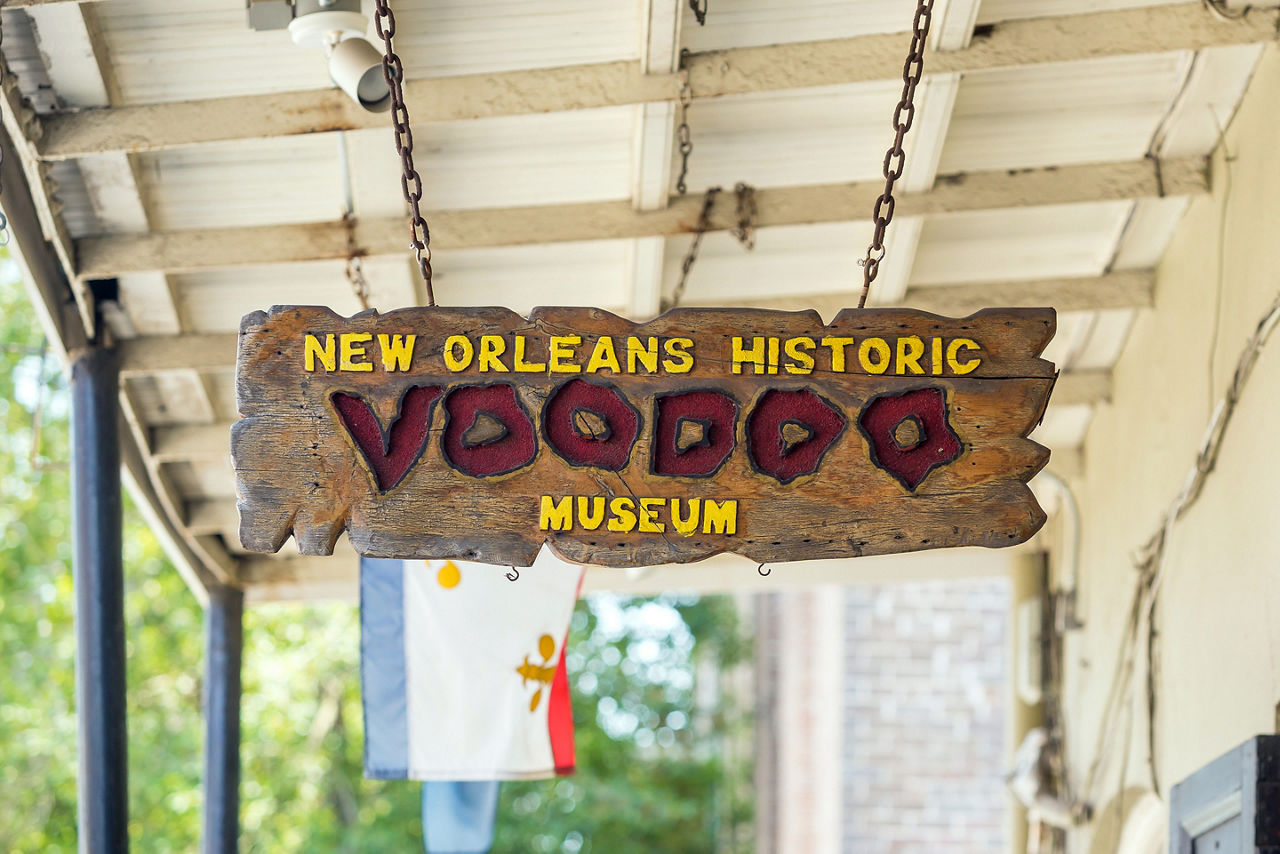
Consider venturing on a New Orleans Voodoo-themed day trip before going on a cruise from New Orleans. A Voodoo-themed afternoon makes for the perfect day before exploring the open seas. For a worthwhile start, head to the New Orleans Historic Voodoo Museum, a humble museum with altars and items collected by an artist with a penchant for ancient Voodoo artifacts. Staff at the museum are happy to point visitors to contemporary fortune tellers and Voodoo leaders for a more personalized experience.
13. The Voodoo Spiritual Temple

The Voodoo Spiritual Temple is worth a visit for those wanting to dive deeper into the nuances of Voodoo. It is also a prime place to shop for oils, gris-gris, powders and more. The temple is just steps away from Congo Square, the place of many Voodoo drum circles and ceremonies.
14. House of Voodoo
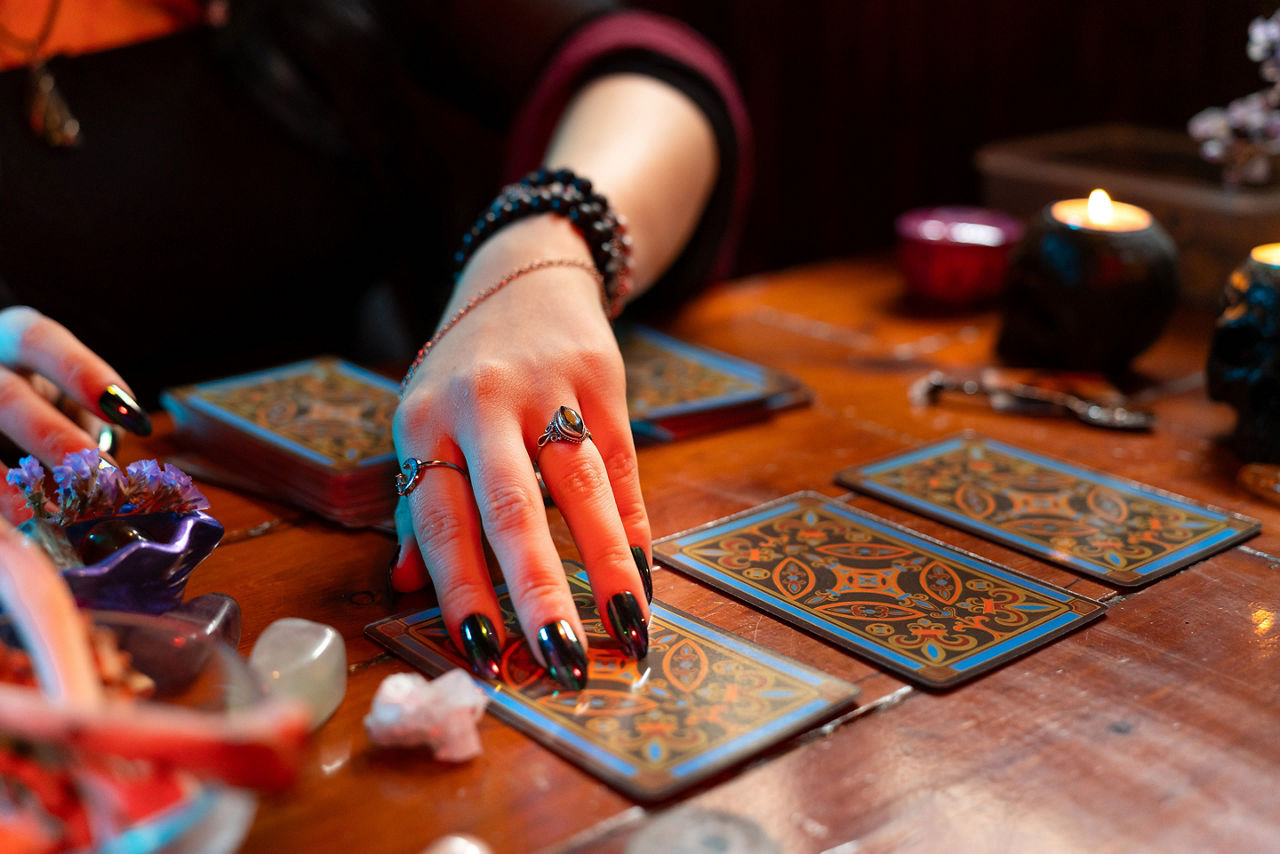
And if it's souvenirs you're after, look no further than the shops of Voodoo Authentica, Marie Laveau's House of Voodoo or Reverend Zombie's House of Voodoo. Each sells some variation of potions, dolls, charms, gris-gris, incense, tarot cards and blessings in between postcards and wares in their rustic shops.