Melissa Alvarado Sierra | Published on July 08, 2026
If you’re looking for the best things to do in Cabo San Lucas, here’s your inspiration. When I visited, this desert destination felt remote and raw one moment, busy and decadent the next. And that's why people love it.
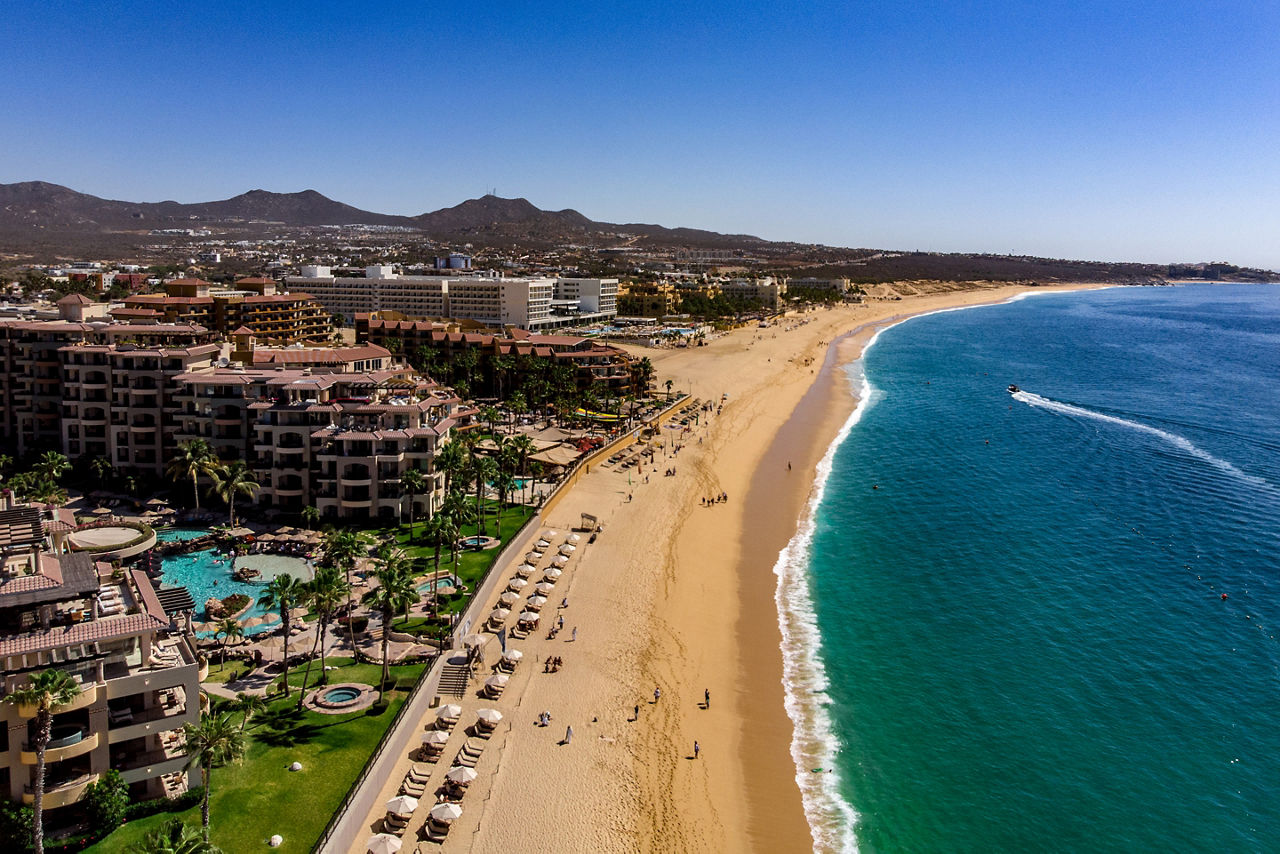
As one of the two "Cabos" — the other one being San José del Cabo — Cabo San Lucas sits on one end of a 20-mile-long corridor, fringed by white sand and curling waves in different shades of aquamarine. Get inspired by travel stories and learn what attractions and itinerary ideas are worth considering when you cruise to beautiful Cabo.
Key Takeaways
- ● Cabo San Lucas satisfies every craving, from casual experiences like devouring mole enchiladas under a mango tree to savoring seafood soup with new friends at beloved local spots.
- ● Stroll through Plaza Bonita, visit local galleries and embark on a range of cultural discoveries.
- ● The nightlife in Cabo San Lucas, Mexico, is unmatched. Hit the pubs, rooftop bars or clubs for late-night drinks, socializing and a dance fiesta.
- ● A Cabo San Lucas beach adventure is non-negotiable — Cabo offers a beach for every mood.
My Personal Favorites: The Seaside, Scenery and Sightseeing
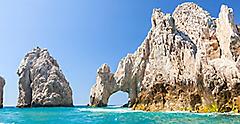
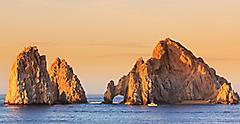
Being an ocean lover, I made sure my first stop was coastal. I headed to Land's End and hopped on a glass-bottom boat to explore the shore. We sailed around dramatic rock formations and a towering arch known as El Arco, the most famous geographic landmark there. These natural rocks dip into a part of the sea where the Pacific Ocean meets the Sea of Cortez, dividing the wild waters of the ocean from the tranquil coast near Lover's Beach, Cabo. This is a favorite spot for couples and families looking for the perfect beach day and photo-op. Families with kids usually stick to the east-facing part of the bay, where it's sheltered and safe.
As we traversed, the captain of the boat pointed to a spot on the shore. I squinted, trying to make out what it was, and as the boat got closer, I realized there were a handful of sea lions happily sunbathing over rocks. A few sea lions were swimming in the ocean near the boats, and kayakers were petting some of them. I noticed there were only two beaches at Land's End, both lining the arch. One was Lover's Beach, and the other was Divorce Beach, Cabo.
Divorce Beach is not suitable for swimming because of strong currents. One can still enjoy a view of the majestic rock outcroppings while walking over swathes of blond sand. Other sunny and sandy Cabo San Lucas activities include snorkeling or jet-skiing in Medano or Playa El Chileno beaches, both of which are great for families thanks to the roped-off areas and on-duty lifeguards.
To hide from the crowds and enjoy the remote side of Cabo San Lucas, I prefer El Faro, Pedregal or Paraiso Escondido beaches, all of which give me the best chance of having a quiet beach experience all to myself.
Delightful Eateries To Visit in Cabo San Lucas
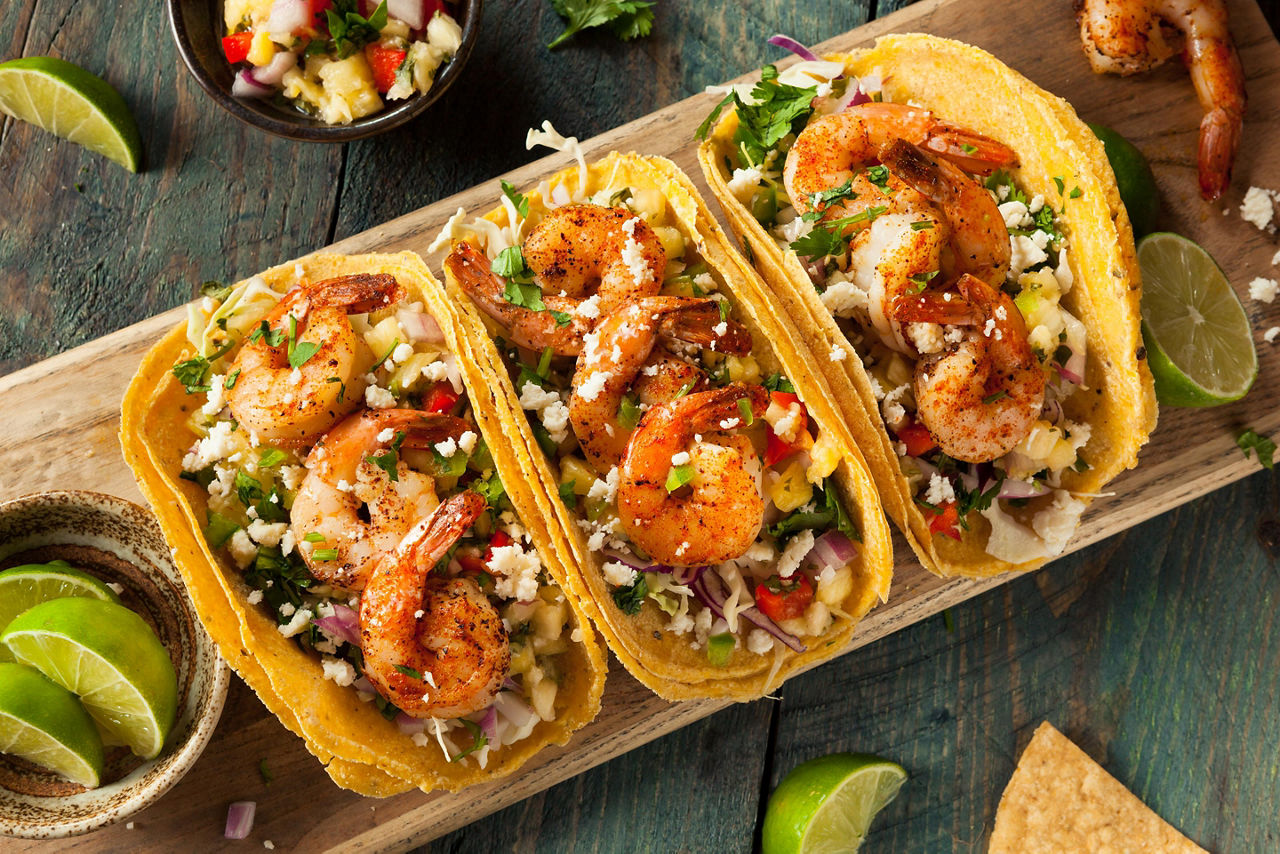
The ocean has a way of igniting hunger, so I got off the boat and went scouring for local staples like fresh seafood, house-made salsas and sweet concha bread. Eating is by far one of my favorite things to do in Cabo San Lucas. My preferred place? Hands down Los Tres Gallos (“The Three Roosters”) for their faithfulness to Mexican classics, such as mole enchiladas, stuffed green peppers and tacos made with hand-rolled tortillas.
I enjoyed my lunch in their hacienda-style open courtyard under a lovely mango tree. If I had more days in Cabo San Lucas, I would have also gone to Tacos Gardenias for their seafood soup and ceviche. Or Manta for their mushroom ramen with epazote. Even El Marinero Borracho (“The Drunken Sailor”) comes highly recommended for homemade clamato (a traditional cocktail made with clams and tomatoes), plus their sky-high tostadas.
Local Favorites
After lunch, I walked around town looking for three tempting eateries that locals recommended for coffee and dessert: Flora Farms, Coffee Lab and La Panadería. Flora Farms is home to Flora's Field Kitchen, known for the fried chicken, wood-fired pizzas, organic ice cream and other comfort foods. Most ingredients are sourced from their 25-acre organic farm, and the meat is from animals raised humanely. I left Flora Farms happy, holding a mouth-watering carrot cake ice cream cone, ready for my next stop.
I reached Coffee Lab, a sanctuary of good coffee and culture with a rotating gallery, live music and co-working spaces. Here, coffee is roasted in-house and sourced from quality Mexican growers who believe in sustainability. I ordered an almond milk cappuccino with a slice of pan dulce to dip in my cafecito.
Next up was La Panadería. Several locals recommended I try their hibiscus-flavored donuts — I was surprised by the French toasts made with concha bread. Those with a sweet tooth will love to indulge here. I ordered both the donuts and French toast to go.
To wash down everything I ate that day, I headed back to the beach for a Malbec margarita at The Sand Bar. I sat on a lounge chair overlooking Land's End; my toes were deep in the sand as I dreamed about my morning encounter with the sea lions while scoffing down those delicious donuts from La Panadería.
Cabo’s Local Culture And Art Activities
To really get a sense of Cabo San Lucas' local culture, I like to just take an afternoon stroll around a lovely plaza on a sunny day and watch locals go about their daily lives. Plaza Bonita is one of my favorites. Here, I could see Cabeños — the term for native people of Cabo San Lucas — going about their daily activities: walking to work, stopping by the local church or even selling delicious candied fruits on a stick.
History’s No Mystery
The original residents of Cabo San Lucas were the indigenous Pericues Indians, close to a thousand years ago. The Cabo San Lucas we know today started as a fishing village in 1917. I wanted to learn more about Cabo's history, so I headed to the Natural History Museum, where I found artifacts and collections of paleobotany, geology and paleo-biology.
The museum attendant recommended that I also visit some of the local galleries to understand, through the arts, the lifeblood of this wonderful place. I kept hearing about this local sculptor named Sergio Bustamante, and as soon as I stepped inside his gallery on Independencia Street, I was enamored by the fantastical and fairy-tale creatures he had on display. I remembered having seen one of his most famous pieces before, a sculpture named "En Busca de la Razón" (“In Search of Reason”) on Puerto Vallarta's malecón.
Artistic Immersion
For even more culture immersion, I took a quick trip to San José del Cabo to explore the art district. There are several artists’ galleries, including Casa Don Pablo, a must-visit for its ironwork, wood carvings and antiques. The Galeria De Ida Victoria is renowned for its support of up-and-coming local artists, as well as the Pez Gordo Gallery, with its bright and modern art pieces.
Even more galleries open during the Cabo Art Walks, which often take place every Thursday from November to June. This is when the streets of San José del Cabo really shine, with open galleries, street food and live music.
Climax of Culture
My cultural immersion didn't end there when I was in Cabo San Lucas; culture can be found everywhere. This is why Cabo has been a favorite destination of many artists, including literary giants such as Hemingway and Steinbeck, who came to Cabo to ignite their creativity. As I walked the Paseo de la Marina Boulevard, I ran into Pabellón Cultural de la República, the newest cultural center and popular venue for concerts and exhibits. That day, they were screening a group of short documentaries about local heroes.
Cabo is a place to explore by water and land, a place where serendipitous moments abound. Just taking a stroll around town can reveal a lot of its charm and secrets, and it's one of the best things to do in Cabo San Lucas.
Itinerary Ideas: 10 Things Not To Miss
For those wondering what to do in Cabo San Lucas for first-timers, here are 10 fabulous ideas you can use to build the perfect itinerary. Even return visitors can work through these Cabo San Lucas attractions with each cruise trip.
- ● Explore Marina Cabo San Lucas and find all kinds of trinkets and travel gifts for friends and family back home.
- ● Dance until dawn and make the most of the nightlife at El Squid Roe or various rooftop bars if you’re up for club hopping.
- ● For unique things to do in Cabo San Lucas, feed your adrenaline rush with an ATV ride or zipline through the desert.
- ● Hike Mt. Solmar for spectacular vistas of the Mexican Riviera.
- ● Relax with cocktails or sundowners on Medano Beach.
- ● Venture into the deep at one of the best places to snorkel in Cabo San Lucas, Santa Maria Beach or Chileno Bay, or try Cabo scuba diving for fun underwater activities.
- ● Take a sunset cruise with your special person or a friend and snap memorable photos against exquisite backdrops.
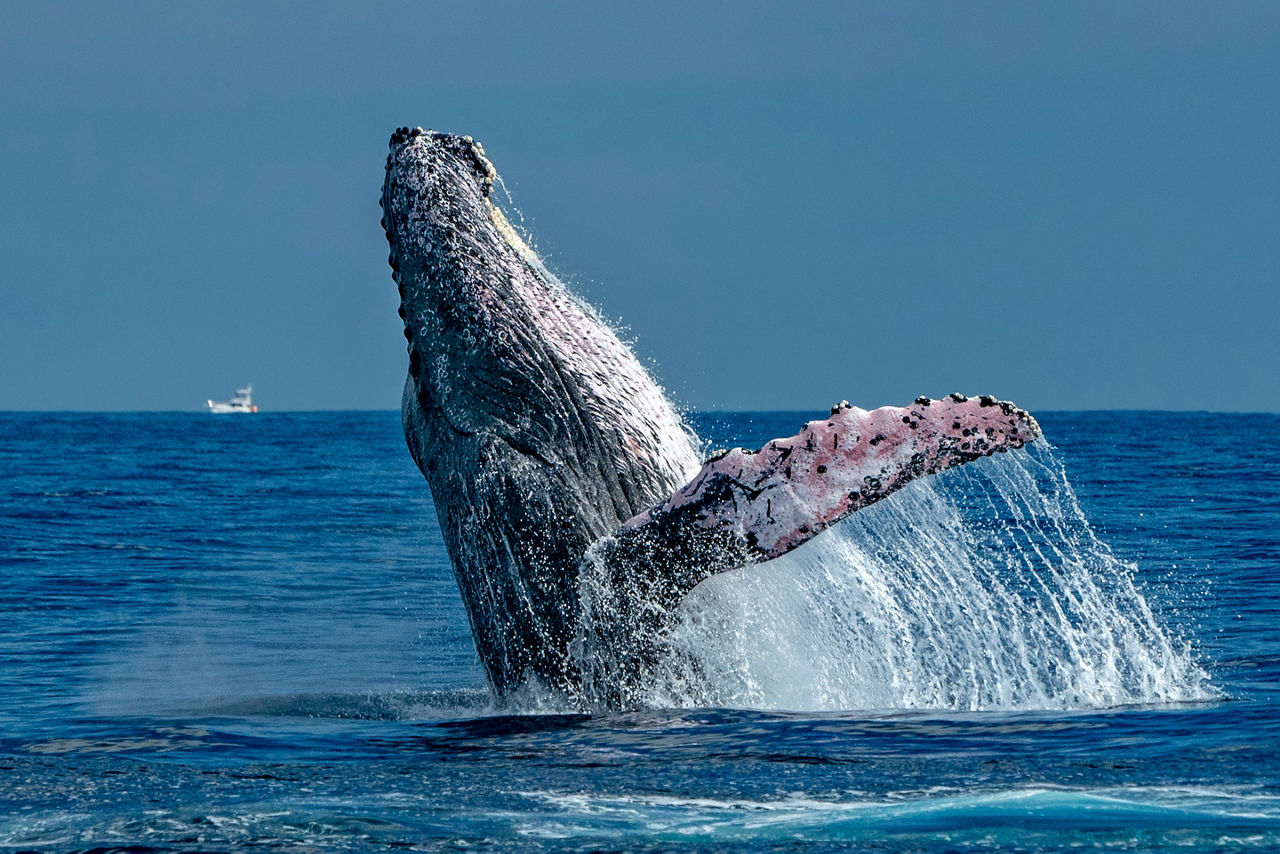
- ● Watch the whales between December and April when they are at their most prominent for sightings.
- ● Visit Lover’s Beach and El Arco by boat during a day trip away from the buzz of your routine city tourist attractions.
- ● Walk the San José del Cabo Art Walk and be inspired by the rich cultural influences that fuel local creativity.
6 Quick Safety Reminders
- ● Leave expensive jewelry at home to avoid attracting unwanted attention or becoming a target for petty theft.
- ● Stay alert in and around bars, where small-scale crime and tourist scams are more likely to occur.
- ● Never accept drinks from strangers, even in popular nightlife spots.
- ● Stick to well-populated tourist areas, which tend to be safer and better monitored by local authorities.
- ● Store passports, extra cash and valuables in your hotel’s safe to keep them secure while you explore.
- ● Only use registered taxis or trusted ride services to ensure safe and reliable transportation around Cabo.
Ready to Cruise to Cabo?
What is Cabo best known for? That’s an easy one: Cabo has it all! From sun-soaked beaches and world-class water sports to rugged desert landscapes and vibrant local culture, Cabo San Lucas is where adventure and relaxation collide. Whether you're sipping margaritas by the Sea of Cortez, snorkeling in hidden coves or exploring the charm of Baja California’s historic towns, every moment offers something unforgettable.
This coastal gem is more than just a port of call; it’s a gateway to exciting discoveries. Uncover the magic during your next vacation; Baja Mexico and so many once-in-a-lifetime attractions await!

Get Royal Deals, Sign Up Today