Sea Turtles in Florida: Where and How to See Them
Explore the Best Sea Turtle Sanctuaries in Florida
By Taylor Fuller | Published on November 17, 2025
From the early months of spring until October, the Sunshine State welcomes more than vacationers who want to enjoy the sun, salty air and warm ocean. It also welcomes sea turtles who are busy laying their eggs up and down the Florida coastline. Residents and experts do all they can to protect the eggs so they can have the best chance of hatching.
There are a number of local sea turtle sanctuaries in Florida, and they're always open to volunteers who want to observe and learn more. Here's everything you need to know about visiting the sea turtles in Florida.
Key Takeaways: Types of Sea Turtles in Florida
- ● Loggerhead turtle: This is Florida’s most common nesting sea turtle. Loggerhead turtle nesting is most common on sandy beaches with steep slopes and coarse sand.
- ● Green sea turtle: In Florida, green sea turtles lay their eggs along the coastlines of nearly every seaside county. The southeast coast has the highest nesting activity.
- ● Leatherback turtle: Leatherback turtles lay their eggs on the east coast of Florida, particularly in Palm Beach County.
- ● Hawksbill turtle: In Florida’s southeast Atlantic coast or the Florida Keys, you’ll find Hawksbill turtles nesting. They like remote, sandy beaches.
- ● Kemp's ridley turtle: While the Kemp’s ridley sea turtles usually nest in Texas and Mexico, they sometimes choose to nest in Florida, particularly in Volusia County.
- ● Explore our cruises in Florida to meet these five sea turtle species.
When Do Sea Turtles Nest in Florida?
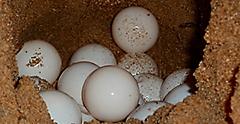
Turtle nesting season in Florida typically starts in March or April and runs through October, though the exact time window varies from year to year.
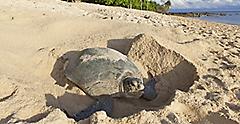
All along the coast of Florida, turtles lay anywhere from 40,000 to 84,000 nests. That sounds like a lot, but keep in mind that there are five types of sea turtles in Florida:
- ● Hawksbill.
- ● Kemp's ridley.
- ● Loggerhead.
- ● Leatherback.
- ● Green turtle.
Sadly, they're all either listed as endangered or threatened, which is why Florida's sea turtle sanctuaries are so important.
Female sea turtles nest every two to three years, although loggerheads can take intervals of up to nine years between nesting. They often lay several nests, with about 80 to 120 eggs in each. About two months later, these eggs will hatch, and all the hatchlings dig out of their nest together and head toward the water. The cool thing is that sea turtles imprint on their home beach. So, once they're adults, they'll return to that same area to lay their own eggs.
Turtle nesting is an amazing phenomenon, but it's not without its challenges. A lot of effort goes into not only keeping the nests protected from wildlife but also ensuring that the female sea turtles can safely lay their eggs. During turtle nesting season, it's important to avoid shining any lights on the beach at night as it could scare a turtle laying eggs. You may come across a blocked-off area — even on remote beaches — during nesting season. This is to mark the turtle nests and deter people from trampling on them.
When Do Sea Turtles Hatch in Florida?
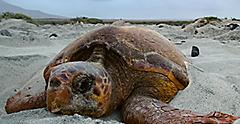
Sea turtles in Florida hatch about two months after an egg is laid. This allows enthusiasts like yourself to see turtle eggs hatching well into the end of the year. It's really spectacular if you get to witness it!
Since about 90% of all sea turtle nesting in the United States occurs on sandy shorelines like Turtle Beach in Florida, it's important to keep the babies safe when they're hatching. You can visit a sea turtle sanctuary to help with this. If a turtle's nest is in a bad place, sanctuaries and research centers move them. Once the turtles hatch, dedicated experts help release them back into the water. This is remarkable to witness because not only are the turtles so adorable, but you can also see how resilient they are right after birth.
Book Now
Things To Keep In Mind During Sea Turtle Season In Florida
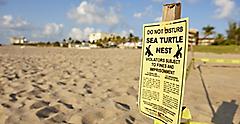
We All Need To Share the Beach
Remember that when you vacation to Florida to soak up the sand, sun and surf, you're sharing the beach with all sorts of wildlife, sea turtles included. You can take steps to ensure you're keeping them safe so the females can lay eggs and the hatchlings can return safely to the sea.
Avoid Approaching the Sea Turtles
If you're lucky enough to see a turtle laying eggs, don't go near her. In fact, you should stand at least 30 feet away so you don't disturb her or the nest. Don't be tempted to turn on a flashlight or pull into a beachside parking lot and shine your lights over the sand. It can confuse both nesting females and hatchlings. And if you see markers or protective screening, walk around them and keep your pets on a leash. During the months of March through October, avoid walking on beach dunes and pick up any litter you may see on the ground.
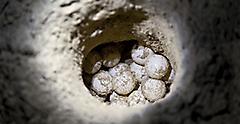
Hatching Occurs at Night
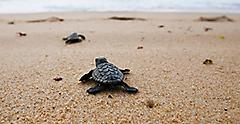
If you want to see them hatching, that's a whole other beast. Turtle nests usually hatch at night, and it happens quickly. There are generally between 80 and 120 hatchlings in a nest, so you'll literally see a wave of sea turtles running into the ocean. They prefer cold, wet sand as it's easier for them to move along the beach when they're first out of the nest.
Witness Nest Hatching Responsibly on a Turtle Walk
If you're cruising in or out of Florida during June and July, take the opportunity to join a turtle walk. Environmental groups organize turtle walks on the Florida beaches, led by a professional. Typically, flashlights and flash photography aren't permitted because sea turtles are born with the instinct to move toward the brightest direction. That's why it's so important to manage light pollution. If you witness a sea turtle nest hatching, you may see someone from a sea turtle sanctuary directing them to the ocean with a tiny flashlight! On a beach that's not surrounded by light pollution, hatchlings would usually be able to find their way themselves.
You Can Volunteer at Beach Cleanup Days
It can be tempting to want to help, but just watch from afar and let nature take its course. If you do want to help Florida's wildlife proactively, look into volunteering at a beach cleanup day. That can make for a fun adventure the whole family can enjoy in Florida while giving back to the beautiful beaches the turtles rely on yearly.
Meet the Turtles: Where To See Sea Turtles in Florida
Many amazing organizations and sea turtle sanctuaries are dotted along the coast of Florida. If you're visiting South Florida, you can go to a number of them before or after a cruise. Here are a few of the best places to see turtles.
Sea Turtle Op Headquarters
Made up of volunteers, the members of STOP spend several months out of their year protecting sea turtle hatchlings. This sea turtle sanctuary in Fort Lauderdale was founded in 2007 and rescues and releases sea turtle hatchlings that have been disoriented by coastal lighting (seriously, turn off your lights if you're near the beach). They've helped reduce the hatchling mortality rate by nearly 50% in Broward County.
If you want to get involved, you can go on a turtle trek with the STOP volunteers. Their treks take place between August and September, when many nests are hatching. You'll start your evening with a brief presentation and then (fingers crossed) witness a nest hatch. Remember not to touch the sea turtles! Only trained professionals can touch them if they see they're struggling.
The Sea Turtle Hospital
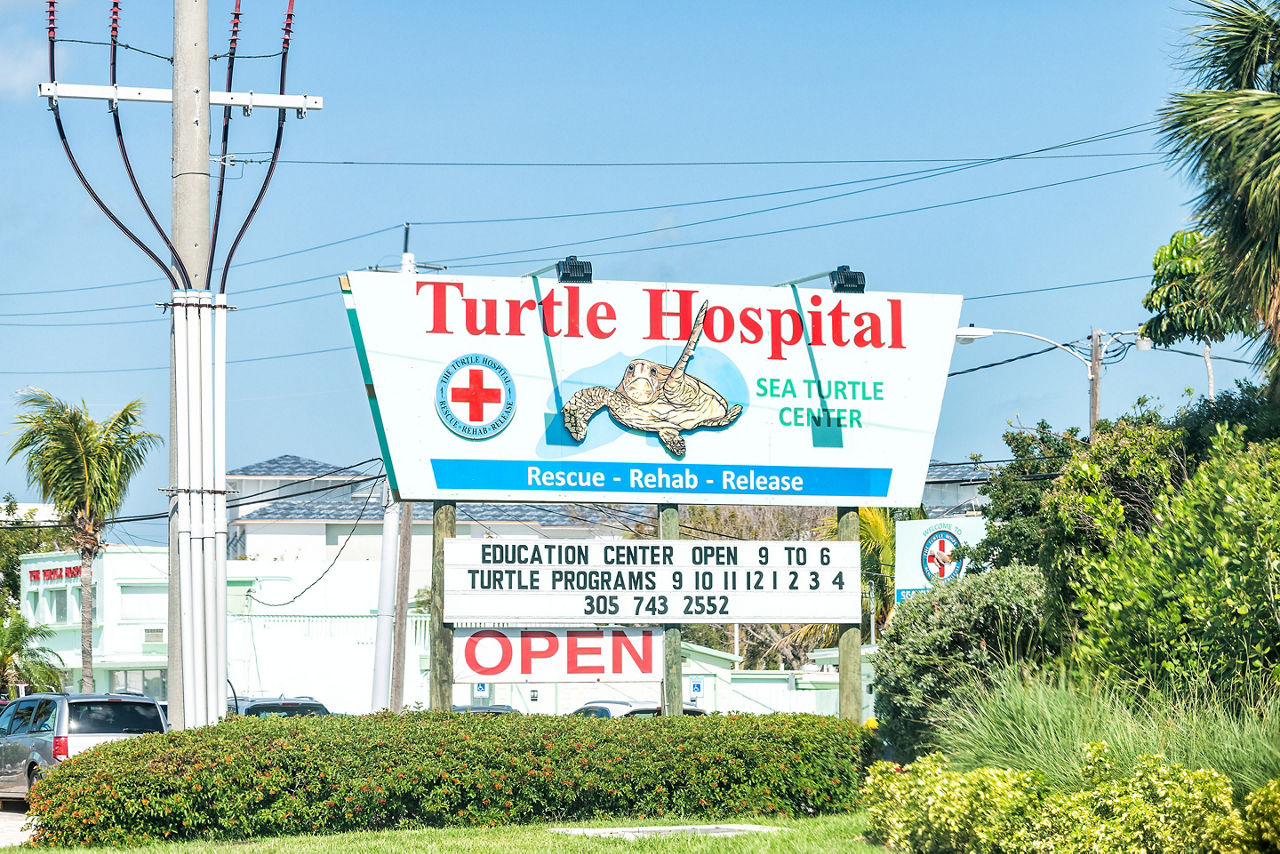
The Sea Turtle Hospital in Marathon, FL is a rehabilitation center that opened in 1986. It rehabs injured sea turtles and releases them back into their natural habitat. It's a working hospital, so you have to be part of one of their Guided Educational programs to visit, but true wildlife lovers will find the behind-the-scenes look into the hospital fascinating. The tour lasts for 90 minutes, so plan ahead.
Miami Seaquarium

The Miami Seaquarium has played a big part in boosting the sea turtle population in Miami through rescue, rehabilitation and release. For any turtles deemed too injured to be reintroduced to the wild, it has created a natural South Florida coastal habitat called "Discovery Keys." You can visit the aquarium and continue your research about its efforts for our oceans during your day trip to Miami.
Set Sail in Florida With Sea Turtles
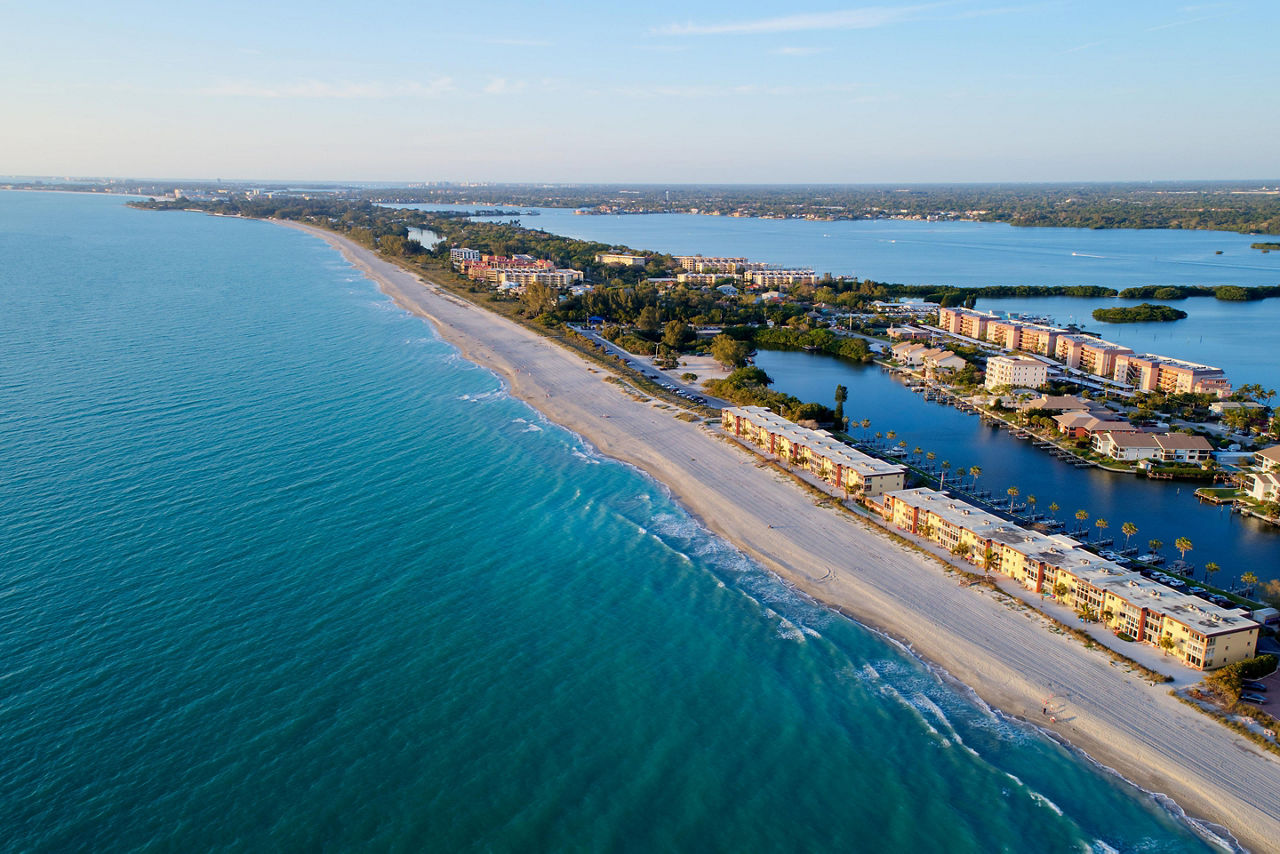
If you want to meet the Sunshine State’s most charming locals, explore our Florida cruises and dive into a world of sun, sea and incredible wildlife encounters.