Explore the French Caribbean Islands
See What All the French West Indies Hype Is About
By Mary Luz Mejia | Published: September 2, 2025 | Updated: April 29, 2026
If you’re dreaming of a Caribbean escape that blends stunning scenery, rich culture and unforgettable flavors, the French Caribbean islands deliver on every level. From lush rainforests and volcanic peaks to chic beach towns and vibrant markets, these destinations offer far more than just postcard-perfect views.
Across islands like Martinique, Guadeloupe and Saint Barthélemy, you’ll find a unique fusion of French sophistication and Caribbean spirit. Their history is reflected in their cuisine, architecture, languages and traditions shaped by African, European and Indigenous influences.
Whether you’re exploring local markets, relaxing on sun-soaked beaches or seaside with fresh-caught seafood, the French West Indies deliver well-rounded travel experiences. This guide covers a few of the top island destinations you won’t want to miss.
Key Takeaways: French Cuisine and Island Vibes
- ● The French Caribbean islands like Martinique, Guadeloupe and Saint Barthélemy offer a rich blend of French culinary traditions with Caribbean ingredients.
- ● Martinique is known for upscale French dining, rum distilleries and Creole fusion.
- ● Guadeloupe offers vibrant street food scenes and traditional bistros across its diverse island regions.
- ● Saint Martin and Saint Barth combine luxury dining with beachside cafés and open-air markets.
- ● Lesser-known islands like Dominica and Saint Lucia showcase French-influenced Creole flavors and indigenous food culture.
- ● Local specialties include seafood stews, French pastries, rum tastings and Creole-inspired dishes made with native produce.
- ● Explore Caribbean cruises for the trip of a lifetime.
1. Guadeloupe
Where Is Guadeloupe
The island chain known as Guadeloupe, comprising five main islands, has been designated a UNESCO Biosphere Reserve. Grande-Terre and Basse-Terre, the two largest islands, are connected by a short bridge. From the air, their outline forms butterfly wings.
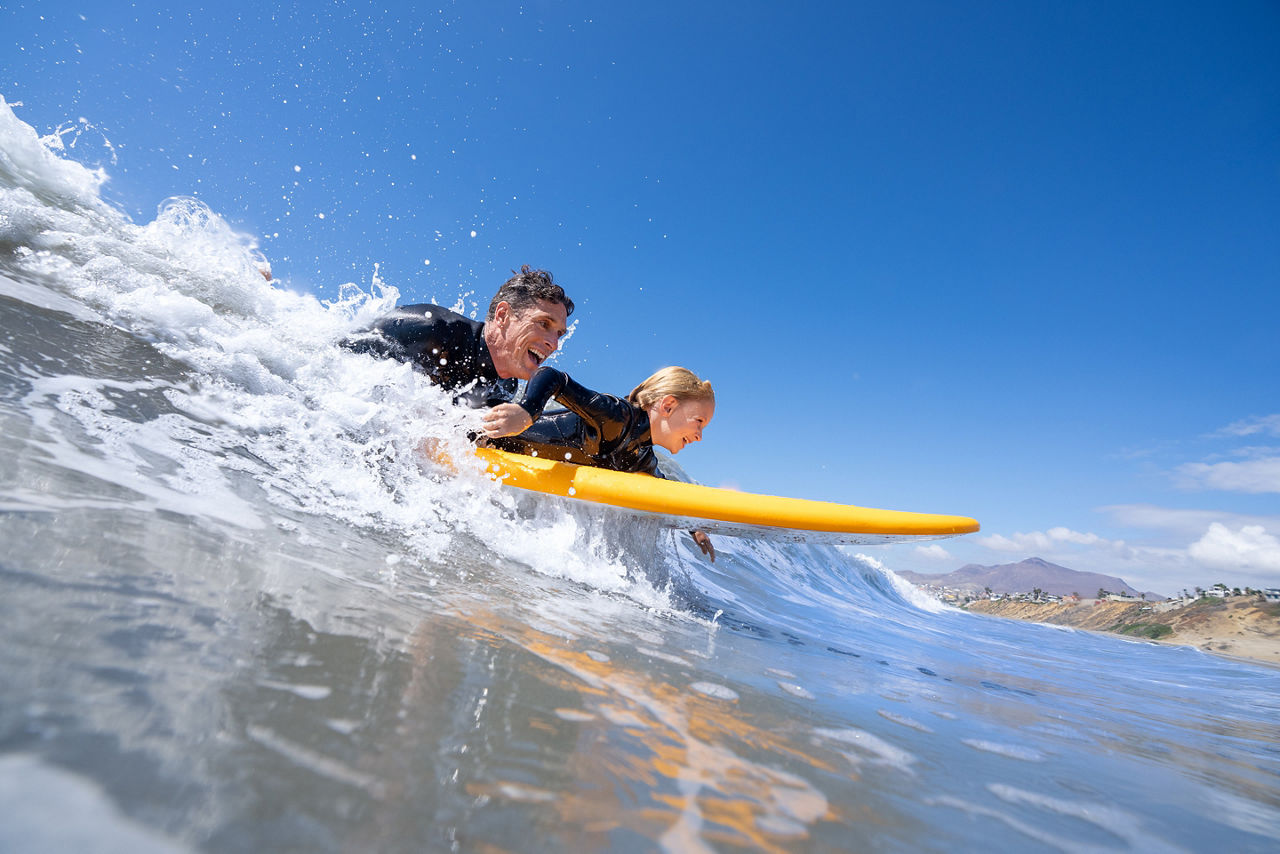
This part of the Caribbean offers stark and beautiful contrasts, from the snow-white sands of Plage Vieux Port and Plage Feuilliere in Marie-Galante, to the black sand of Plage des Bananier in Basse-Terre — great for beginner surfers.
Food Culture of the Guadeloupe Islands
The culinary history here features classic French cuisine, with influences from Africa, India and Creole dishes. Many of the islands' foods have roots in the meals slaves created to feed their own families, because delicacies such as meat were only accessible to the landowners. Using the produce grown in the sugar plantations around them, the slaves made dishes that have been adapted with the introduction of new ingredients.
Signature Drinks of the French West Indies
Nowadays, you'll likely be offered a rum-based aperitif called “Ti' Punch” — “ti” being short for the French word “petit” or small — made with a combination of lemon or lime juice, cane sugar and high-quality rum. Sugar cane-based, agricultural rum is a huge part of West Indian culture, and while you'll find other cocktails on the menu, “Ti' Punch” is what locals enjoy before a meal.
There are nine distilleries in Guadeloupe, including the award-winning Longueteau on Basse-Terre. The sugar cane here comes from the distillery's land, at the foot of the Soufrière Massif, allowing them to create a high-quality rum considered some of the best in the French West Indies.
Seafood Reigns Supreme in Guadeloupe
Meals served throughout the Guadeloupe islands likely include some freshly caught seafood, as the people of Guadeloupe are avid seafood connoisseurs. Look forward to trying:
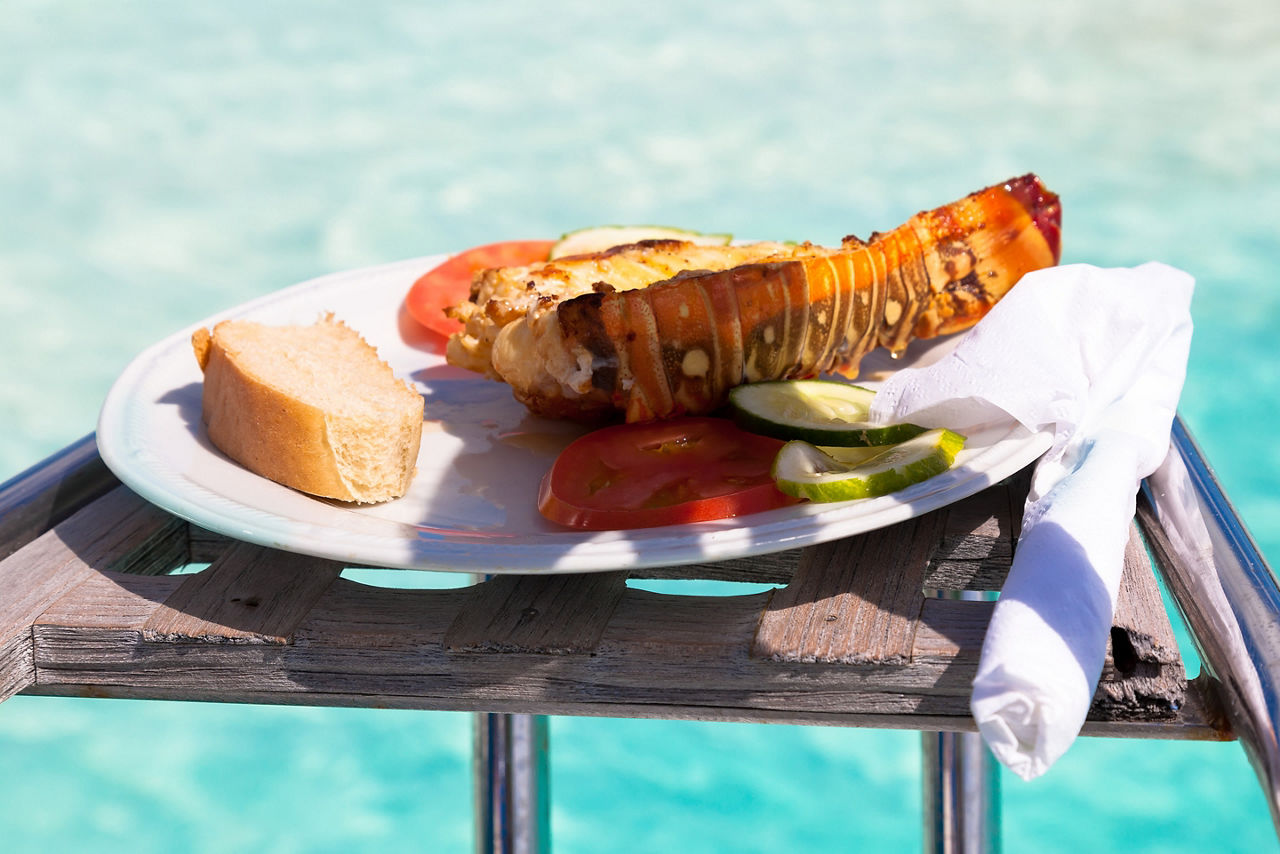
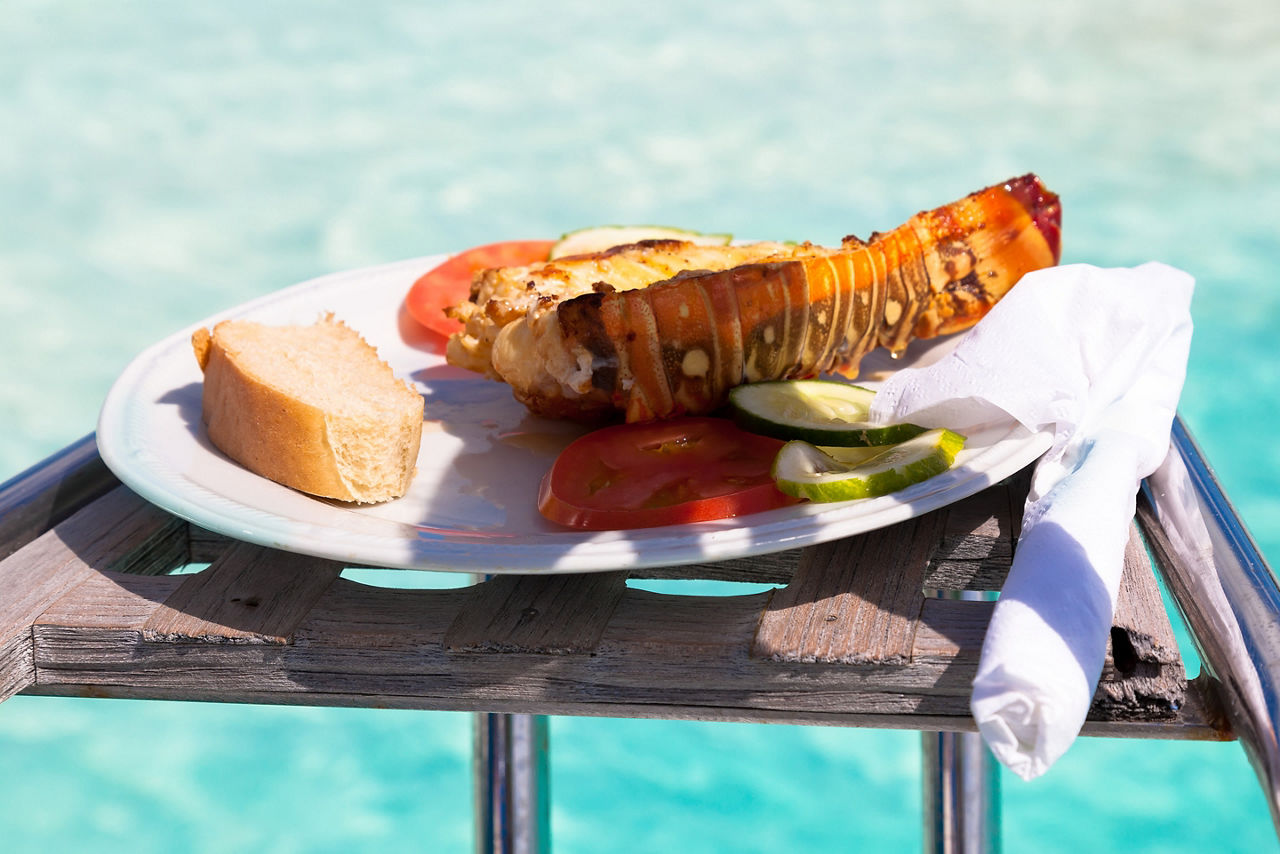
- ● Grilled rock lobster.
- ● Grilled fish.
- ● Conch fricassee.
- ● Creole seafood dishes.
French Technique, Meet Island Ingredients
If you're on Grande-Terre, head to the historic Le Relais du Moulin's Le Mango Restaurant to find beautifully crafted French Caribbean fare amidst tropical gardens with a former sugar mill standing sentinel over the property.
It offers delicious dishes, including:
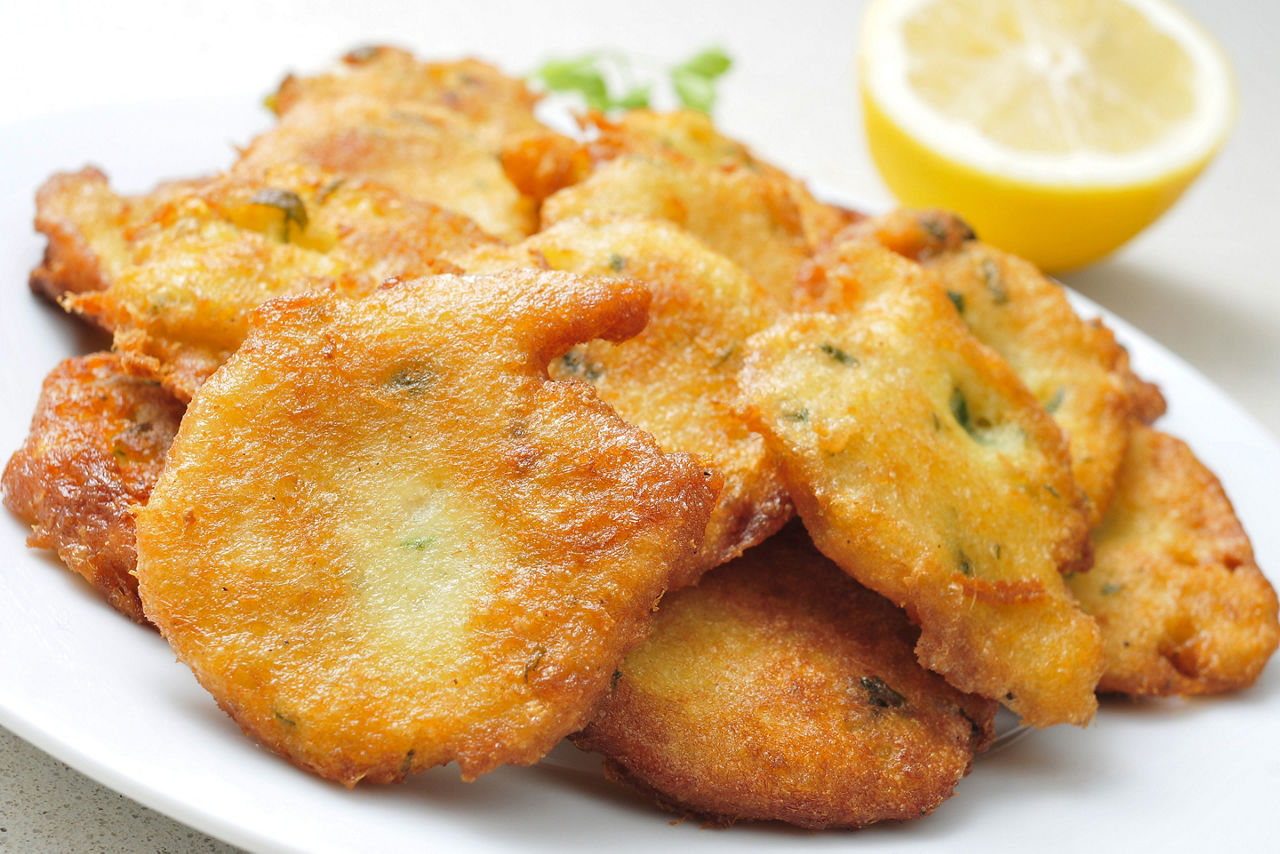
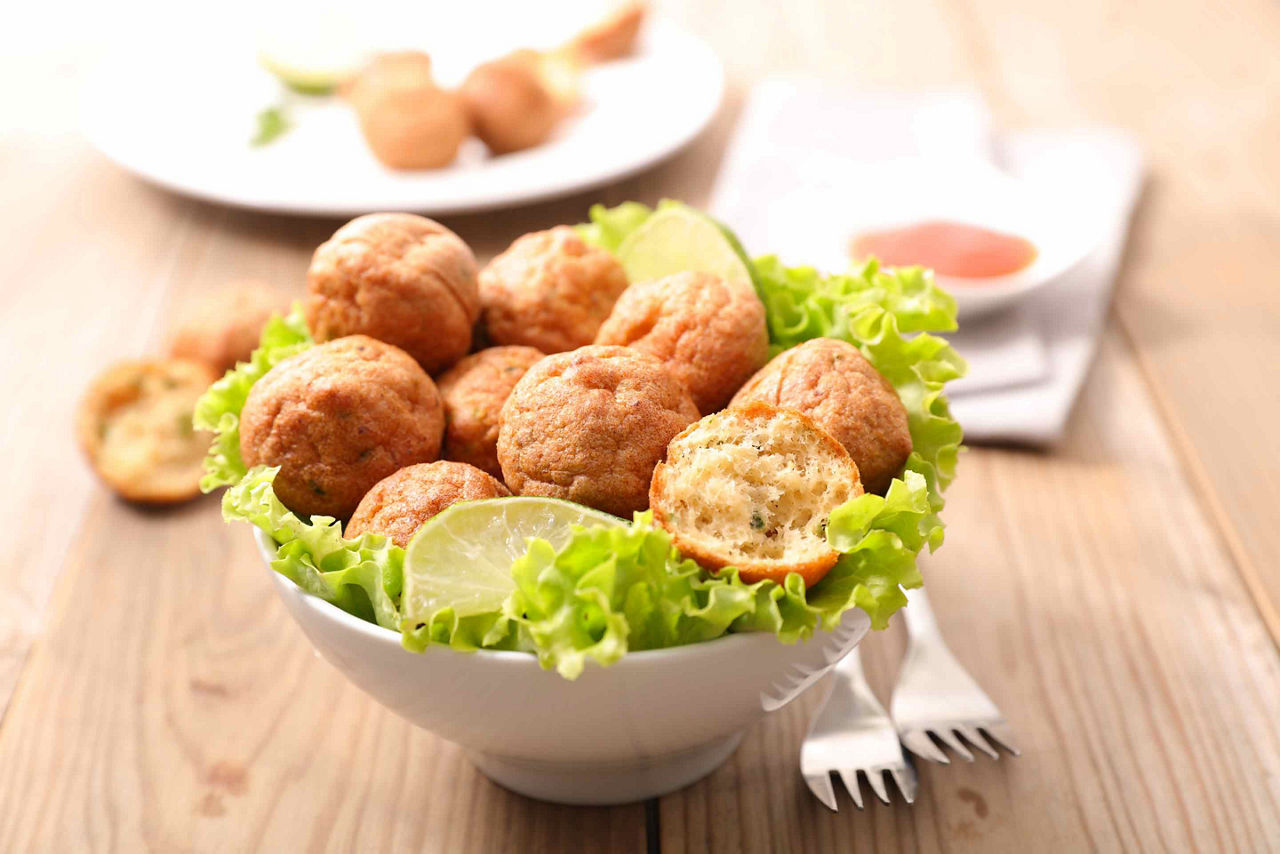
- ● Cod fritters — also called “accras.”
- ● Fish rillettes.
- ● Boudin sausages.
- ● Grilled lobster with Creole sauce.
- ● Vanilla creme brulee.
- ● Mango soufflés.
Street Food Favorites in Guadeloupe
If you prefer something more casual, head over to the town of Sainte-Anne, where food trucks serve some of Guadeloupe's most famous street fare, including:
- ● “Bokit” and “agoulou”: Made-to-order sandwiches with deep-fried, crispy bread and fillings like codfish, chicken, ham and cheese or veggies, and drizzled with a sauce.
- ● “Kassav”: A hearty treat made of fried manioc — or yucca — flour, stuffed with either savory options like cod or sweet options like tropical fruit jams. Visit Cassaverie Capesterre Belle-Eau to see how manioc flour is made and get a “kassav” made just how you like it.
- ● “Tourment d'amour”: Also called “torment of love”; pastry-lined tartlet filled with traditional coconut jam or tropical fruit and topped with a fluffy sponge cake.
“Tourment d'amour” is a Terre-de-Haut specialty, and there's an annual competition in town every August 15 to crown the person who makes it the best and biggest. Similarly, Fête des Cuisinières, or The Cook's Festival, also takes place every August in the town of St. Laurent.
2. Martinique
Where Is Martinique Located?
Located on the Lesser Antilles of the Caribbean’s Windward Islands, where the north and south Atlantic meet, is the rugged island of Martinique. This overseas region of France boasts steep hills, towns with charming narrow streets, pristine golden and black sand beaches and gastronomical greatness. Martinique is undoubtedly heavily influenced by France — Napoleon's first wife, Josephine, was born on the island; however, it also has Creole and African influences.
Martinique’s Legendary Cocktails
The island of Martinique has a proud history of fine rum, particularly its “rhum agricole,” a fragrant rum produced from sugar cane, not molasses. About 220 lbs of sugar cane is used to make a mere 2.5 gallons, or 9.46 L, of rum. There are many distilleries in Martinique, the oldest being Saint James. As a result of its strong links to France, the rum produced here is labeled as a product of France.
Upon arrival, expect to be greeted with a favorite local beverage, such as:
- ● “Ti' Punch.”
- ● “Planteur” fruit juice and rum.
- ● “Shrub” rum with marinated orange rinds, usually served at Christmas.
Must-Try Dishes in Martinique
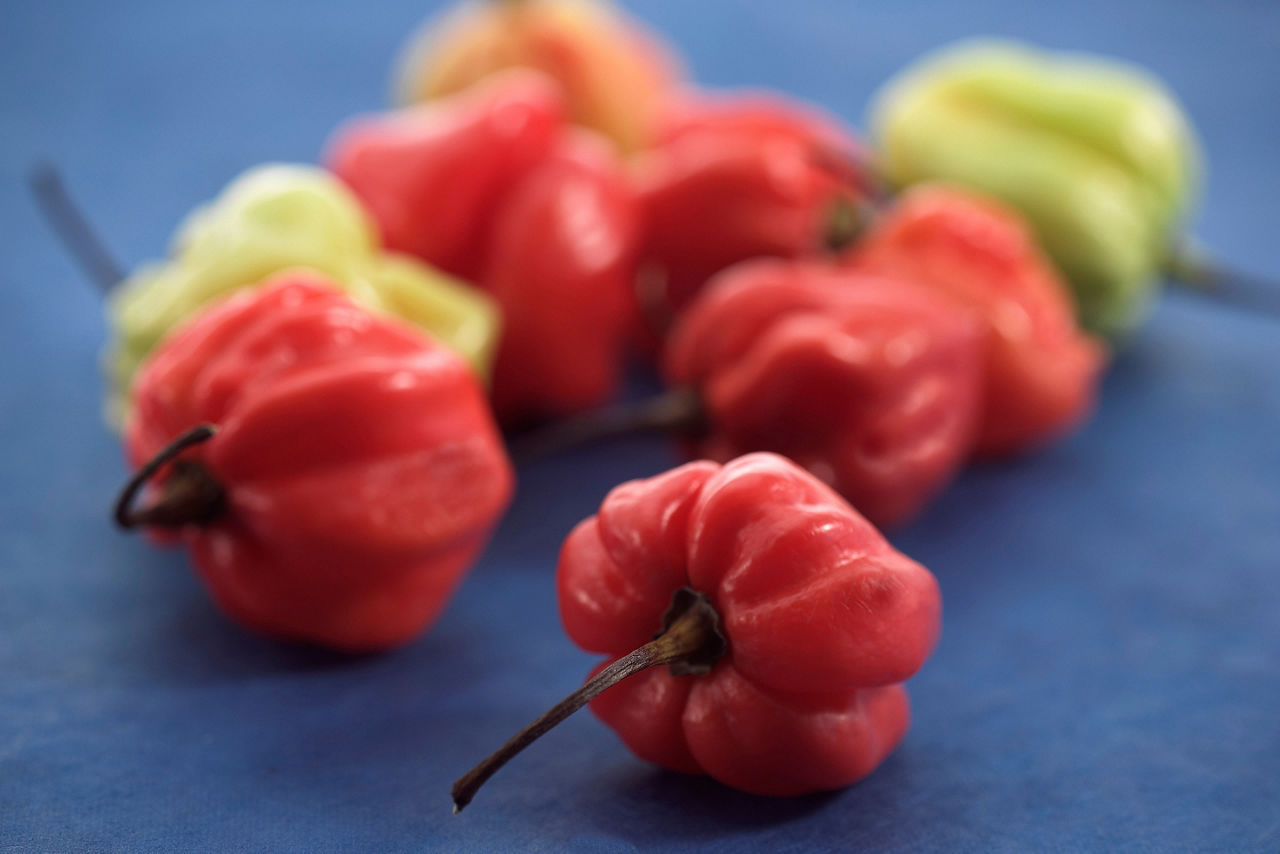
Residents of Martinique happily shop for “foie gras” and “pate” in Parisian-like supermarkets. They’re known to liberally sprinkle their food with “piment,” or hot pepper, and “sauce chien,” or hot sauce, and plate their meals with a twist of tropical fruit.
The national dish is called “Colombo” or “Colombo de Martinique.” This spicy curry-based meat dish is traditionally made with coconut milk. A prime example of how the French motherland influences Martinique cuisine is reflected in the fact that wine often substitutes the coconut milk, a nod to the old country, while still retaining the Caribbean flair.
Martinican cuisine naturally takes advantage of the abundant seafood and tropical produce available, with dishes including:
- ● “Crab matoutou”: A slow-simmered spicy crab stew served at beach time family gatherings during Easter.
- ● Boudin: A pig's blood sausage served at most holiday gatherings.
There are a few hundred restaurants and regular food festivals in Martinique, including the Kréol Food & Rhum festival. This week-long food festival, usually held in October, showcases Creole cuisine, French Caribbean chefs and local products.
Where To Eat in Martinique
If you're looking to experience Martinican flavors away from the crowds, there are many high-brow and casual options, including:
- ● La Table de Mamy Nounou: A restaurant renowned for its great view and even better menu, which includes a Franco-Caribbean mix of meat and fish, from suckling pork to snapper tartar.
- ● Le Belem: Offers French-inflected dishes, including local duck breast confit with shallots, as well as Caribbean-inspired dishes such as ceviche and both traditional and new age pairings of chayote pie with black truffle.
- ● Chez Carole: Located in the covered markets of Fort-de-France;enjoy “accras” — cod fish fritters — and homemade rum punch.
- ● Ziouka Glace: Also in the covered market near the Le Carbet beachfront; offers locally made ice creams featuring island ingredients like vanilla bean, passion fruit and guava.
3. Saint-barthélemy
Where Is St. Barth Island?
St. Barth, as this French island is colloquially called, is almost 10 square miles and a mere 12-minute flight from St. Martin. With little traditional agriculture on the island and a food culture influenced by France and broader European influences, this island has become a haven for dining. It’s home to outposts of Michelin-starred chefs and attracts affluent visitors who appreciate the finer things in life.
Every year, the St. Barth Gourmet Festival gathers French Michelin-starred chefs, flown in with their dishes' corresponding ingredients, to prepare gala dinners. According to the festival's site, the week-long celebration features regional ingredients that the very best French chefs use to inspire their creations for "jubilant festival goers" to enjoy. If you're not on the island during festival time, you can still enjoy St. Barth's culinary scene on your own.
St. Barth: A Culinary Paradise
In St. Barth, there's no shortage of fine dining options and toes-in-the-sand, beachside eateries that offer a more low-key vibe. Here are a few of the best:
- ● Eddy's Ghetto: Located in a downtown Gustavia garden setting, this restaurant serves Creole dishes, including “accra” cod fish fritters and coconut curries with wild prawns or sautéed vegetables and homemade foie gras.
- ● Cafe La Gloriette: This local favorite offers casual seaside meals you can enjoy with a rum cocktail.
- ● Grand Cul de Sac beach: Discover eateries serving casual and fine dining options.
4. Saint Martin

Where Is Saint Martin?
Saint Martin is part of the Leeward Islands in the Caribbean Sea, and is actually two separate countries, the northern French Saint-Martin and the southern Dutch Saint Maarten. Christopher Columbus first set his sights on the island during his second voyage in 1493. He named it Isla de San Martín after Saint Martin of Tours, as it was the saint's feast day, but he never actually set foot on the island, as the Spanish government deemed it a low priority. The Spanish eventually deserted the island, leaving it to nearby European colonial powers, France and Holland. While the two nations did not initially see eye to eye on splitting the island, they eventually signed a treaty to share the territory.
As with most Caribbean islands, there was a history steeped in plantations and slaves. With the abolition of slavery came a lean economic period for the island, one that was initially boosted by its declaration as a duty-free port, and then from the 1950s onward, as a tourist destination. The resultant mix of cultures has produced a typically Caribbean blend of French, Creole and African influences and flavors.
Rum, the spirit of the Caribbean, is especially popular in Saint Martin, though there is a unique twist here: the guavaberry. Using fine oak-aged rum and cane sugar, wild Saint Martin — Saint Maarten more likely — guavaberries are added to create a slightly woody, bittersweet resulting liqueur that’s a symbol of the island and certainly a delicious memory to take home with you.
The Culinary Capital of the Caribbean
As far as dining goes, Saint Martin is quite possibly the easiest place to find a delicious meal. Just head to the village of Grand Case. Called the gastronomic capital of the Caribbean, restaurant row on Boulevard de Grand Case offers diners all manner of options, from high-brow French eateries to mixing it with the locals at the numerous casual eateries or “lolos.”
Here’s a sample of some of the best restaurant options:
- ● Le Pressoir: This restaurant offers the best of French and local ingredients as well as a good mix of meat and seafood options. They also offer seasonal menus using 80% local ingredients, plated beautifully in an elegant setting.
- ● Ocean 82: This upscale restaurant offers service all day.
The “lolos” of restaurant row offer a variety of treats, from barbecued ribs to grilled lobster and local snapper. If you want to end on a sweet note, then spring for a local johnnycake — delicious fried dough that is found across the island. If your Caribbean vacation falls between mid-January and early March, then stay after dinner and enjoy their Les Mardis de Grand Case, during which the streets are closed to traffic and a bona fide street party breaks out!
5. Dominica
Where Is the Commonwealth of Dominica?
Apart from being where "Pirates of the Caribbean: Dead Man's Chest" was shot, Dominica is a green, lush island ideally suited for those who like:
- ● Jungle and volcano hiking/trekking.
- ● Soaking in natural hot springs.
- ● Swimming in waterfalls.
- ● Eating robust, Creole-influenced foods.
Many top Dominican dishes stem from the African slaves and Carib indigenous peoples, but with the influx of French, Asian and Indian influences came new culinary techniques, rice, curries and spices. If you're looking for a less touristy island with extremely hospitable people in which to savor French Caribbean fare, Dominica might just be for you.
Where French Influences Meet Creole and Indigenous Flavors
Dominica produces an abundance of sustainable, often organic fruit and vegetable crops, bringing you some of the freshest, most flavor-bursting tropical produce you've likely ever tried. This explains why most Dominicans like to accompany a meal with a glass of fresh, tropical fruit juice. The island's abundant reefs and agriculture offer a plethora of delicious food, including:
- ● Freshly caught fish.
- ● Conch.
- ● Crabs.
- ● Plantains.
- ● Breadfruit.
- ● Yams.
- ● “Cush cush” — a cornmeal side dish.
Where To Taste the Real Dominica
Want to eat the way the locals in Dominica do? Try one of these local hot spots and do just that:
- ● Keepin' It Real: This local hot spot is located in a lovely bay in Toucari, St. John, serving seafood procured by local fishermen and produce grown by local farms and sold at local farmers' markets. While watching the sunset, enjoy the restaurant’s famous grilled lobster with rice and "provisions," which are a variety of cooked root veggies, with a side of island Kubuli beer.
- ● Islet View Restaurant and Bar: This roadside shack serves up a beautiful view of the Castle Bruce Islets as well as frosty ginger beer served in a coconut and about 50 varieties of island-made bush-rum cocktails. Start with the fried plantain and spicy dip, move on to a spicy curry chicken or stewed chicken main dish and finish off with sugar cane and fresh tropical fruit plate for dessert.
- ● Escape Beach Bar and Grill: Surrounded by the natural Red Rocks of Pointe Baptiste in Calibishie, at this restaurant, you can enjoy fresh fish and local produce prepared simply and deliciously. Check the beachside blackboard for the day's menu, take your pick and add a bottle of French wine.
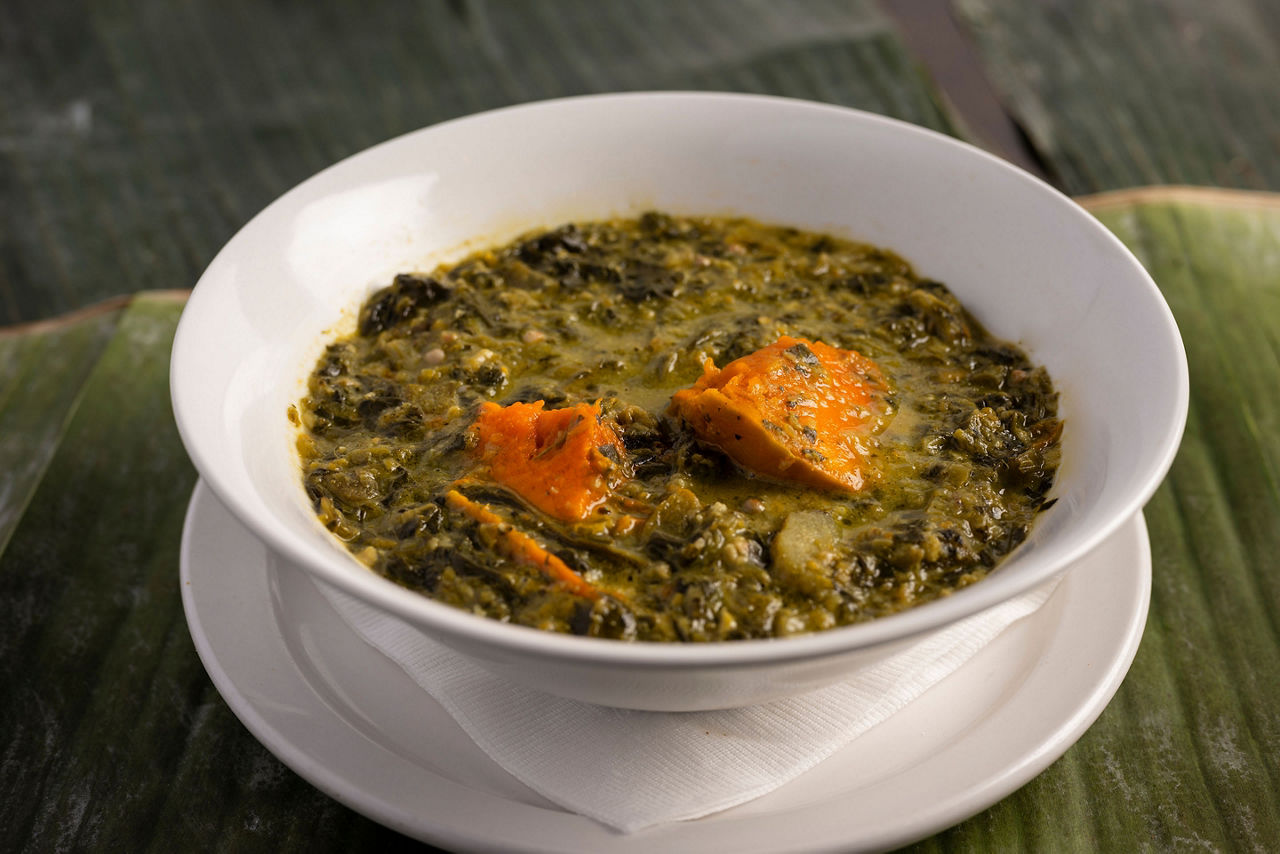
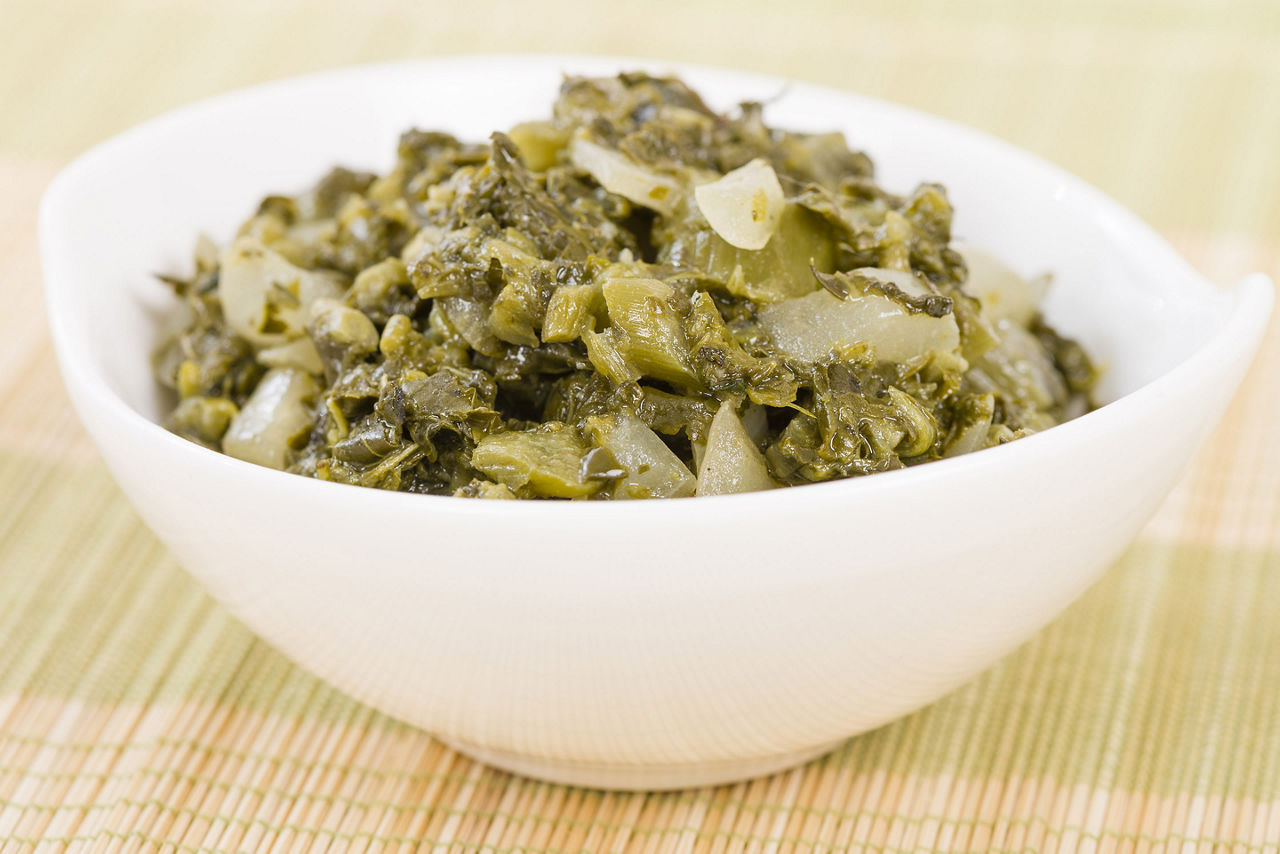
If you're the adventurous sort, look out for “manicou” — a fire-smoked opossum stew seasoned with spices and scotch bonnet peppers, served with rice and root veg. Or stick with a Creole favorite, like callaloo soup made with the leaves of the callaloo plant, vegetables and broth for an herb- and spice-inflected taste of the Caribbean in a bowl.
6. Saint Lucia
Where Is St. Lucia?
Located in the Windward Antilles, Saint Lucia offers a vibrant fusion of French, African and Indian culinary traditions. With the iconic Pitons and dramatic coastlines, Saint Lucia is often called one of the most beautiful islands in the Caribbean.
Though various explorers sighted it throughout the 1500s, the St. Lucia we know today wasn't inhabited by any Europeans until the 1600s, when the crew of a British ship that was blown off course on the way to Guyana ended up stranded there. They eventually left under threat of constant attacks by some of the indigenous tribes.
This only served to start a series of invasions and counter-invasions between France and England that lasted almost 300 years, until St. Lucia began forming its own representative government in the early 1920s. It remained strongly connected to the U.K., however, and only gained full independence in 1979.
Unlike some of its nearby neighbors, St. Lucian culture has a strong English influence in addition to French, Indian and West African influences. English remains the official language, though Creole, or French patois, is also heard across the island. Similarly, the cuisine of St. Lucia leans more toward that found in other commonwealth Caribbean nations such as Dominica, Jamaica, St. Vincent and Trinidad.
Here, scotch bonnet peppers abound, rice and peas — beans actually — can be found everywhere and curries are popular thanks to the influence of the Indo-Caribbean population.
Best Restaurants in Saint Lucia
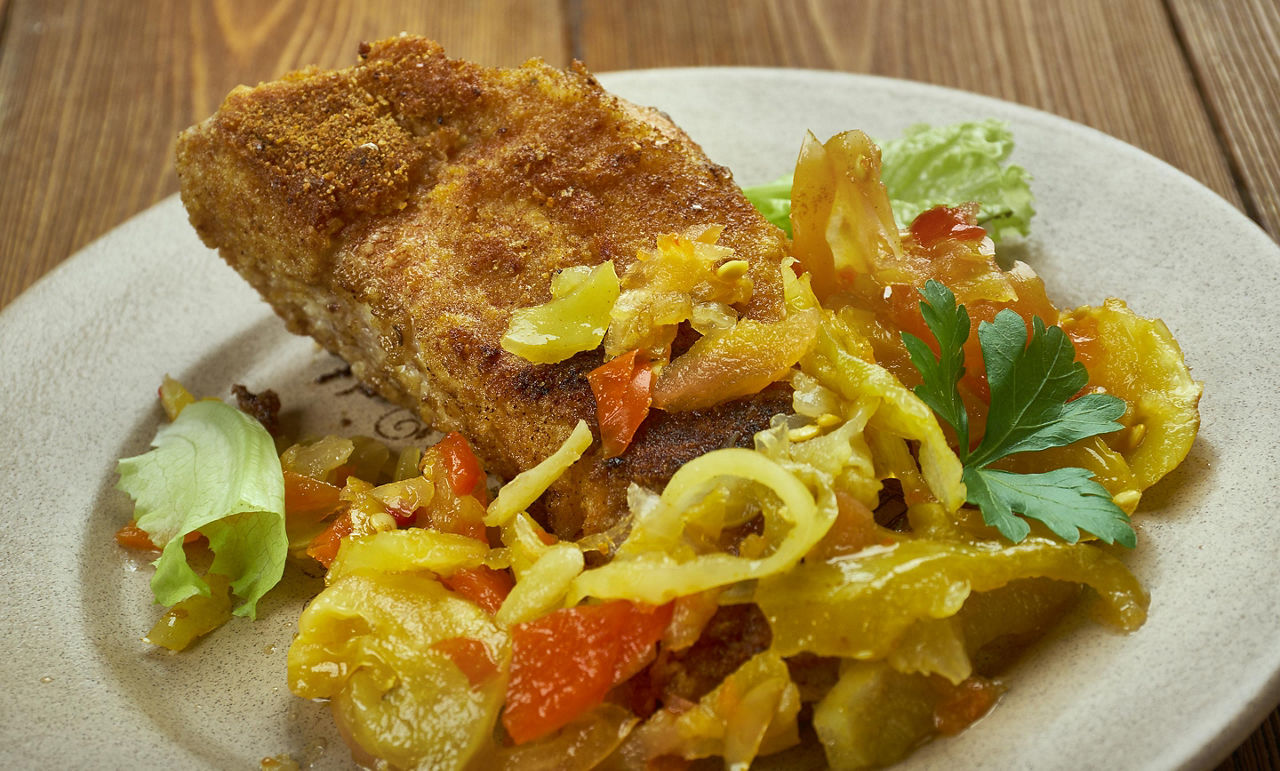
The go-to dish for any visit to St. Lucia is green figs and saltfish, which doesn't actually contain figs but rather boiled green plantains, which are herbed, spiced and served alongside salt cod. Many unique local dishes are available at various island restaurants, including:
- ● Dasheene at Ladera: Situated on a dramatic volcano ridge line 1,000 feet, or 0.3 km, above the Caribbean and overlooking the UNESCO World Heritage Site, the Pitons, this restaurant is home to executive chef Nigel Mitchel. Here you can enjoy modern interpretations of St. Lucian dishes crafted with native ingredients from island farmers. Try the pepper pot, grilled island vegetables, shrimp dasheene, curry conch or coconut turnovers for a sweet ending.
- ● Orlando's Restaurant and Bar: This restaurant has two island locations: Soufrière and Rodney's Bay. The menu is described as "a locally focused journey through Saint Lucian cuisine," including cocoa rib with plantain salsa, curry vegetables, green banana cake with Creole sauce, breadfruit and coconut soup or chairman’s rum spice grilled mango.
For a true, relaxed St. Lucian "jump up," head to Anse la Raye, north of Soufrière and hang with the locals. This fishing village is known for its Friday night fish fry featuring freshly caught seafood, fried bread known as bakes, island beer and a side of DJ-spun tunes to dance the night away.
French Caribbean Islands FAQs
Which Is the Best French Caribbean Island To Visit?
What Is the Safest French Caribbean Island?
Most French Caribbean islands are considered safe for travelers, especially compared to many global destinations. Islands like Martinique and Guadeloupe are overseas regions of France, meaning they follow French laws, health care standards and infrastructure. Saint Barthélemy is also known for being particularly safe, with a strong focus on tourism and a smaller population. As with any destination, it’s best to take standard precautions like safeguarding valuables and staying aware of your surroundings.
Which Island Is Better, Martinique or Guadeloupe?
Both Martinique and Guadeloupe offer incredible food and cultural experiences, but they differ in vibe. Martinique leans more toward polished, French-inspired sophistication, with upscale dining, wine culture and elegant coastal towns. Guadeloupe, on the other hand, feels more laid-back and diverse, with a stronger emphasis on local markets, street food and varied island landscapes.
If you prefer refined culinary experiences, Martinique may appeal more; if you enjoy variety and a casual atmosphere, Guadeloupe might be the better fit.
Is It Safe To Travel to Martinique Now?
Yes, Martinique is generally considered safe for travel. As an overseas department of France, it benefits from stable infrastructure, reliable health care and well-maintained tourist areas. Visitors can comfortably explore its beaches, markets and restaurants.
As always, it’s a good idea to check current travel advisories before your trip and follow basic safety practices, but overall, Martinique remains a welcoming and secure destination for travelers.
Get a Taste of Adventure With Royal Caribbean
Any way you slice it, there's a treasure trove of Caribbean dishes, islands and cultural combinations to discover. But if you're struggling to decide which Caribbean island to visit for culinary inspiration, the French-speaking islands offer a feast for the senses.
Whet your appetite during a cruise among the French Caribbean islands and experience the flavors of Martinique, Guadeloupe and beyond on your next island-hopping adventure — bon appétit!

Related Articles
Best Eastern Caribbean Family Vacation Idea
READ MORE
Best Caribbean Food to Try on a Cruise
READ MORE
Best Caribbean Eastern Caribbean vs. Western Caribbean Cruises [Infographic]
READ MORE