ABC Islands: Aruba, Bonaire & Curaçao Cruise Guide
Explore the ABC Caribbean Islands Through Culture, Music and Flavors
By Cassie Bailey | Published: May 27, 2025 | Updated: May 21, 2026
This Caribbean island trifecta is famous for embracing diverse cultures and boasting some of the most iconic vistas in the tropics. The ABC Islands’ names are Aruba, Bonaire and Curaçao, and all three are nestled in the southern Caribbean, making for the perfect cruise getaway. Aruba is famous for its lively Caribbean spirit, while Bonaire is known for its quiet and remote vibe and Curaçao has colorful architecture and picture-perfect beaches.
If you’re planning your next ABC Islands cruise, read on to uncover the secrets of this tropical paradise, local travel tips and cultural highlights.
1. Aruba
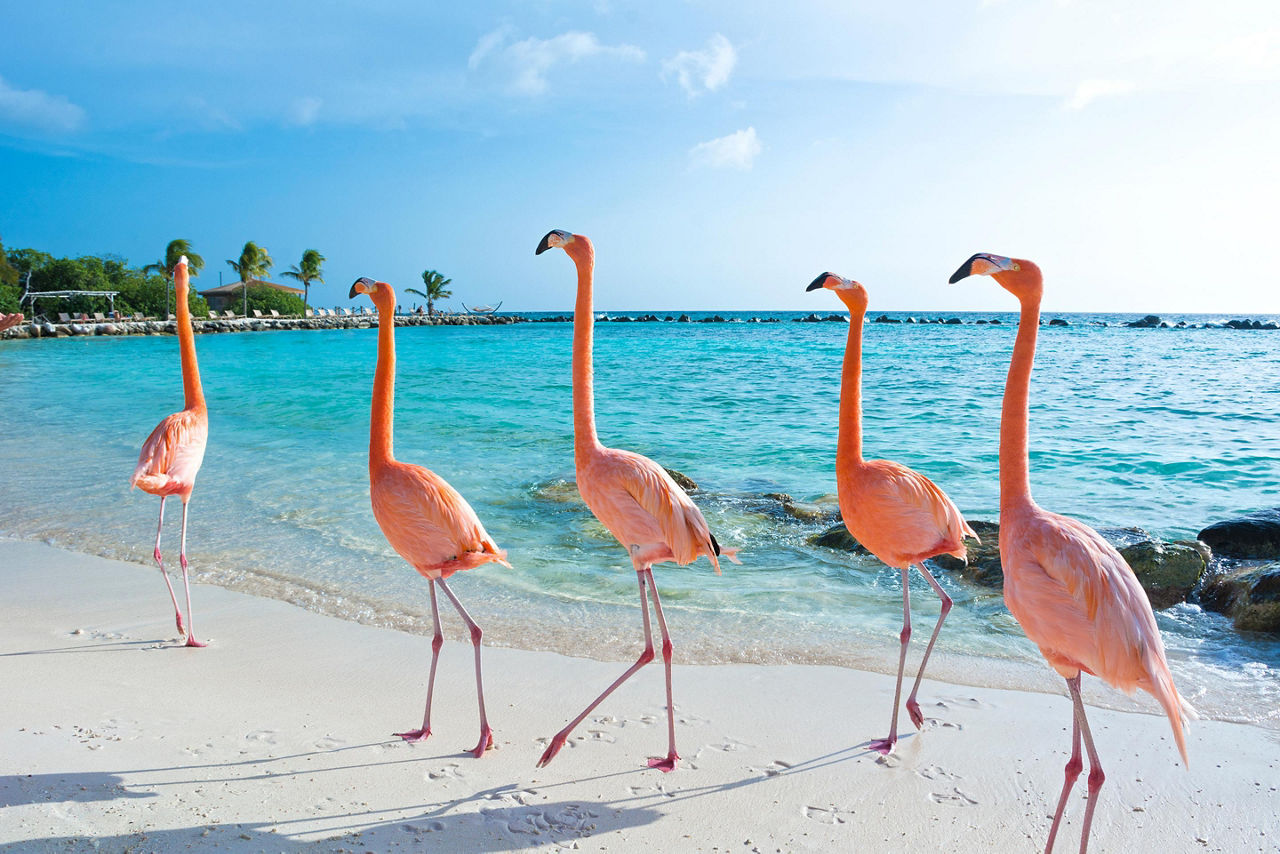
Aruba is one of the best Caribbean islands to visit, offering a fantastic blend of different cultures, including indigenous Spanish, African, Dutch and Latin American influences. This melting pot is home to nearly 100 nationalities and two official languages: Dutch and Papiamento. Many residents speak even more, including English and Spanish. Aruban culture is all about the spirit of celebration and appreciation for the island's diversity.
You can see this medley of cultures in galleries like Unoca; theaters like Cas di Cultura; and places like the National Archaeological Museum Aruba, the Aloe Museum and Factory and the Aruban Taste Liqueur and Rum Shop. Stop by Cosecha, a century-old building bursting with local arts and crafts in Oranjestad, and The Creative Center, which is connected to Cosecha and offers art classes.
Aruba's music is the result of diverse cultures blending beautifully, with the rhythms including calypso, tumba, brass and the famous roadmarch dancing. The latter is seen during carnival month, but you can see street festivities, impressive costumes, local music and creative parades all year.
The Bonbini Aruba Festival typically takes place every Tuesday and offers folkloric music and dance, while the Caribbean Festival comes to life every Thursday night with performers, food stands and crafts. Others include the Dera Gai celebration, the Caribbean Sea Jazz Festival and the Summer Music Festival, which takes place in late June.
Is Aruba in the Caribbean?
Yes. Aruba is the northernmost island nation of the ABC Islands, located in the southern Caribbean Sea. It is 50 miles northwest of Curaçao, also found in the ABC Islands chain, and 18 miles north of the Paraguaná peninsula in Venezuela.
Classic Aruba Eats
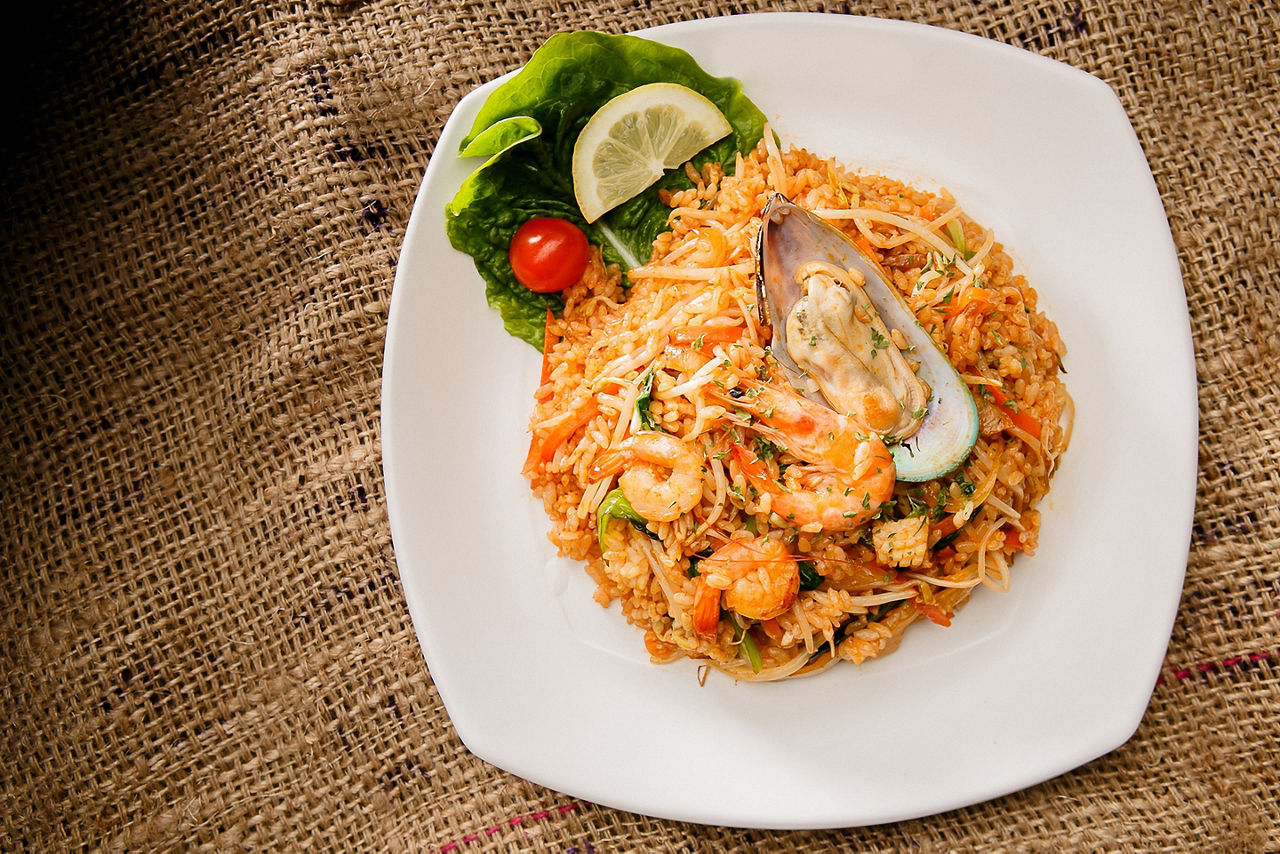
Just like the arts and culture, Aruba's food is a mix of Caribbean, Dutch, African and Latin American flavors. Fresh seafood, fried delicacies, wholesome stews and tasty soups are all incorporated. Dishes like “pan bati” (a sweet and soft flatbread), “cabrito stoba” (a popular goat stew) and “keri keri” (a delicious fish soup) are all local staples and easy to find around the island.
For drinks, there's beer (the most popular is Balashi) and cocktails like Aruba Ariba, which has a distinctive bright red color. For desserts, go with “bolo di banana,” a plantain pudding, or “pan bollo,” a bread pudding served with rum sauce and a side of vanilla ice cream. If you’re venturing around, you’ll discover unique eateries near Palm Beach and Flamingo Beach, both popular spots that showcase Aruba’s hospitality.
What To Explore on Your Aruba Cruise
Head to northern Aruba to find natural wonders like the Arikok National Park, which has hiking trails and various geological formations, including lava, quartz and limestone. You'll also find some of Aruba's oldest indigenous paintings, made by the Arawaks, as well as gold mines and plantation ruins. Near the park, you can explore Rock Wish Garden, where you can build stone towers that are believed to grant the wishes of those who make them.
In the south, you'll find the San Nicolas Bay Reef Islands, a perfect place to see the Cayenne tern as well as other tropical birds. Meanwhile, more than 80 species live inside the Bubali Bird Sanctuary, which is close to Eagle Beach, a stunning stretch of sand known for its pristine coastline.
What Is Aruba Known For?
Aruba is famous for its colorful architecture, and you'll find plenty of it on your southern Caribbean vacation to Oranjestad, the island's capital. The Dutch buildings house everything from restaurants to shops and bars, allowing you to see what it's like to live like a local.
You can walk to the lush Wilhelmina Park, which honors Queen Wilhelmina of the Netherlands with a sculpture made with bright white marble. There’s also the California lighthouse, one of Aruba's most famous landmarks. The lighthouse was completed in 1916 after the steamship California wrecked nearby near the end of the nineteenth century.
Another architectural must-see is the Old Dutch Windmill, a relic from when Aruba was under Dutch rule, now a popular restaurant. Even Fort Zoutman stands as a historical site worth visiting for those looking to delve deeper into island heritage.
How To Experience Aruba Like a Local
- ● If you'd like to try Papiamento, start with "con ta bai?" (How are you?), "danki" (thank you) or "hopi bon" (very good).
- ● The currency in Aruba is the florin, but every establishment on the island accepts U.S. dollars.
- ● Tipping is generally optional, though some bars and restaurants include a 10-15% service charge on your bill.
- ● Feel free to drink the water from the tap in Aruba — it’s actually some of the cleanest in the world, which comes in handy when dealing with the strong sun on the island. Keep yourself hydrated!
- ● Is Aruba safe? You can sink into relaxation when you travel to Aruba. However, like anywhere, take safety precautions and follow local laws and customs to reduce risk to yourself and your belongings.
If you’re planning an ABC Islands cruise, Aruba is typically one of the most sought-after stops, thanks to its blend of culture, beautiful Aruba beaches and lively atmosphere.
2. Bonaire

Indian, African, Asian and European inhabitants formed Bonaire’s modern culture, and the islanders keep many of the settlers’ traditions alive today. Religious and holiday celebrations are at the heart of Bonaire culture. Their music is a lively collection of tribal sounds, makeshift instruments and modern beats.
Is Bonaire worth visiting? Absolutely, especially when you’re searching for pristine Bonaire beach experiences and a serene escape in the Dutch Caribbean.
What’s Cooking in Bonaire?
On an ABC Island cruise to Bonaire, you'll find flavorful dishes that often involve seafood and goat. Many come with a side of fungi (a type of polenta), rice, beans and plenty of fried plantains, demonstrating the Latin American influence.
An African influence is evident in the island's cuisine as well, with dishes like “guiambo” (a soup made with okra and seafood). Another delicacy you should try is “cocada,” a sweet coconut dessert made with sugar, vanilla, rose essence and coconut. For a quintessential Bonaire eating experience, head to Posada Para Mira in Rincon and try the fish balls and iguana stew. Alternatively, try Brass Boer, which features Asian-inspired dishes like their famous avocado with fish and Indonesian spices.
Bonaire’s Arts, Traditions and Culture Scene
Some of the instruments that Bonaireans crafted are the bari, a drum made with a small rum barrel covered with sheepskin, and the “chapi,” a percussive instrument created from the metal end of a hoe. To play it, you hit it with a metal bar. Plow blades, conch shells and even dried donkey jaws with teeth were also used to make musical sounds.
The traditional dances in Bonaire are the Bari and the Simadan, but locals also enjoy polka, the merengue, the jazz waltz and the carioca. The Bari is performed during festival time with a lead singer improvising lyrics. The Simadan is performed during harvest time, which occurs from February through April.
Discovering Bonaire’s Wilderness
Bonaire is a nature enthusiast's paradise, and conservation efforts are at the forefront of its tourism industry. Make sure to meet the flamingos of Bonaire at Gotomeer — they're Bonaire's national bird. You should also head to the Washington Slagbaai National Park, part of the Bonaire National Marine Park system. It can take a whole day to see it properly, so make sure to stop by the visitor center and museum to plan your visit.
Bonaire has a whopping 22 beaches to discover, and the island offers soft-sand beaches as well as a rugged coastline. Atlantis Beach is ideal for kiteboarders, white-sand seekers and those looking for a long beach stroll, while Te Amo Beach has tranquil waters with a sandy shoreline and great snorkeling nearby.
Playa Chikitu, located within the Washington Slagbaai National Park, is a remote cove with white sand dunes, luminescent waters and sea turtle nests. Be careful there because the currents are strong and swimming is not allowed.
3. Curaçao
Just like the sister islands in the ABC Caribbean island chain, Curaçao is influenced by a variety of cultures. On Curaçao, the Dutch influence is by far the strongest — the island is still a constituent country of the Kingdom of the Netherlands. Papiamento and Dutch are the official languages, and English and Spanish are often spoken by locals as well.
How big is Curaçao? This island spans about 171 square miles, which is plenty of room for experiencing its many attractions.
Eat Like a Local in Curaçao
Dutch cuisine influences Curaçaoan dishes the most, though Afro-Caribbean, Venezuelan and Indonesian influences have also made their way onto Curaçaoan tables. One of the staples is “piska ku funchi,” a fresh dish made with polenta, fried plantain and salad. The most popular fish on Curaçao is the red snapper, and you'll find many dishes featuring it.
Meanwhile, if you're looking for something sweet, try “arepa di pampuna,” a pumpkin pancake eaten between meals or as a dessert. Pumpkin is available year-round in Curaçao, so you'll find it in many dishes. You can wash it all down with a Polar or Amstel beer, which are the local favorites here — and in neighboring Netherlands Antilles islands as well.
Curaçao’s Music and Dance Scene
When it comes to music, Curaçao is known for tumba, a conga-heavy genre that's popular during the carnival period. Dances include waltzes, danzas and mazurkas. Innovations over the decades have included blending more traditional music with Cuban and Dominican sounds like bolero, merengue and guaracha. You can dance to Curaçao beats in places like Blues Bar, Hofi Fidel and Kokomo Beach.
Where To Go in Curaçao
Spots you should see include Christoffelpark, a protected park with a peak that's the island's highest point at over 1,220 feet above sea level. It houses old plantations, mansion ruins and ancient drawings. You should also visit the Hato Caves, which feature stalactites, stalagmites, underground lakes and waterfalls.
In terms of beaches in Curaçao, head to:
- ● Cas Abao.
- ● Playa Lagun.
- ● Playa Santa Cruz.
- ● Santa Barbara Beach.
All offer sandy beach access, great for swimming, snorkeling or just lounging. Many travelers find that comparing Curaçao's beaches with those in Aruba and Bonaire makes for the perfect island-hopping adventure, especially on an ABC islands cruise.
Willemstad, the capital of Curaçao, is a designated UNESCO World Heritage Site, offering a candy-colored waterfront town with a similar design and feel to Amsterdam. The airy European plazas, lively markets and artisanal stands add to the sunny city's vibe, while places like Papagayo Hotel feature minimalist designs.
You can also find several notable resorts, such as the Curaçao Marriott Beach Resort, which exemplifies the island’s hospitality and prime oceanfront location.
Local Curaçao Travel Hacks
- ● To really see the island, it's recommended that you rent a car — you'll need a credit card to do so.
- ● Curaçao is considered safe, but you should always practice common sense and keep your belongings close.
- ● Like the other two islands, Curaçao is hot, so it's important to pack accordingly. Comfortable, breathable shoes and light clothing are ideal.
- ● If you’re wondering how to travel between Bonaire and Curaçao, you can book an island-hopping adventure with the best cruise line for the ABC islands, hop between them on a ferry or take a plane.
FAQ: ABC Islands Cruise
Where Are the ABC Islands?
The ABC Islands are located in the Leeward Antilles region of the Lesser Antilles in the southern Caribbean Sea, near the South American coast.
When Is the Best Time To Visit the ABC Islands?
The ABC Islands enjoy warm, sunny weather year-round, making them an ideal escape any season. These islands are known for their mild, dry climate and consistent trade winds that keep temperatures comfortable — even in the hottest months.
The warmest season runs from May to October, with highs in the upper 80s°F (31 °C), while the short rainy season typically spans October through December. Even then, showers are usually brief and followed by sunshine. For those seeking the driest conditions and calmest seas, the best time to visit the ABC Islands is between January and May.
Plan Your ABC Islands Adventure

Across these three islands in the Southern Caribbean — Aruba, Bonaire and Curaçao — you’ll encounter abundant world-class beaches, dynamic cultures and fun activities, from diving to hiking and everything in between.
For a seasoned traveler, family or first-timer seeking an authentic Caribbean experience, you can rest assured that each location in this chain makes for an incredible cruise.


Related Articles
Best Southern Caribbean Cruises: Top Islands and Itineraries
READ MORE
Top 5 Southern Caribbean Cruises
READ MORE
The 13 Best Things to Do in Aruba
READ MORE