By Mary Luz Mejia | Published on January 29, 2026
The Jamaican jerk seasoning origin story is a history that's as spicy as the taste. The seasoning traveled over multiple continents before it finally reached the sun-drenched, beautiful beaches of Jamaica. Jamaican jerk is both a spice and a way of cooking that continues to enchant food lovers the world over. Sample the melting pot that is Jamaican cuisine and get ready to dive into the smoky, mouthwatering world of jerk.
Key Takeaways
- ● Jamaican jerk seasoning is a fiery, aromatic blend of “allspice”: Scotch bonnet peppers, thyme, garlic and other spices, used to marinate or rub on meats and vegetables.
- ● Jerk is both a seasoning and a cooking method, traditionally slow-smoked over pimento wood to impart a unique, smoky flavor.
- ● Its origins trace back to the Taíno people and were refined by Maroons, blending African techniques with indigenous ingredients to create the jerk we know today.
- ● Iconic jerk destinations range from roadside vendors in Montego Bay and Boston Beach to casual eateries in Negril.
- ● Jerk continues to evolve globally, offering a taste of Jamaica’s history, culture and vibrant culinary traditions wherever it’s enjoyed.
- ● Search Jamaican cruises here to start planning your ultimate food-inspired Caribbean holiday.
What Is Jerk? One of the World’s Most Dynamic Spices
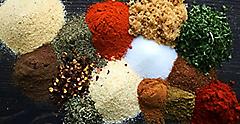
According to The Food Lover's Companion (Third Edition) by Sharon Tyler Herbst, Jamaican jerk seasoning is a dry blend of spices that's used primarily in the preparation of grilled proteins. "The ingredients can vary, depending on the cook, but Jamaican jerk blend is generally a combination of chilies, thyme, spices (such as cinnamon, ginger, allspice and cloves), garlic and onions," explains Herbst.
Add to that scotch bonnet (or habanero) peppers, and you've got the popular, fiery-hot version. Depending on who's cooking, the blend can be rubbed directly on the meat before cooking or blended with a liquid to create a marinade. The perennial favorites for jerk are pork and chicken. Across the island, you can find jerk fish, crab, lobster, goat, vegetables and, yes, even fruit.
Jerk Is Also a Method of Cooking
Beyond each jerk recipe with the right spices, a jerked piece of food also refers to a method of cooking: slow-smoked on the grill over pimento wood, which is native to the Caribbean islands. The tree also produces the distinctive pimento berry, which is the origin of the Jamaican allspice used in Jamaican jerk seasoning.
It's reminiscent of cloves, nutmeg, pepper and cinnamon all in one. Another interesting side note about pimento is that the word comes from the Spanish word for pepper (pimiento). Early European explorers mistook it for black pepper — and the name stuck.
A Bit of Jamaican History
The island's original inhabitants were indigenous peoples called Arawaks or Taínos who came from South America about 2,500 years ago. They called the island Xaymaca or "land of wood and water."
Jerk seasoning has deep roots in Jamaica’s rich culinary heritage. It began with the Taíno people, who flavored and preserved meat using herbs and smoke. This tradition was transformed by the Maroons, escaped enslaved Africans, who fused African cooking techniques with local Jamaican ingredients to create the bold, aromatic marinades we enjoy today.
The word “jerk” likely comes from the Spanish term “charqui,” meaning dried or cured meat, hinting at its ancient preservation origins. True jerk flavor comes from a fiery and balanced blend of allspice, Scotch bonnet peppers, thyme and other aromatic spices.
Slow-cooked over pimento wood, the meat develops a smoky, succulent richness that has made jerk a global culinary icon. The thematic breakdown below gives a bit more context to how jerk has been adapted throughout time and Jamaican history:
Origins of Jerky: Charqui and Early Cooking Methods
The Arawak were known for preparing a type of jerky that originated in Peru and is called “charqui.” When preparing it, they poked holes in the meat so the spices would permeate it more thoroughly. The meat would be smoked over a slow fire or sun-dried, as in Peru. It was ideal for taking on long journeys or for adding to boiling water for extra flavor when preparing other dishes.
European Arrival and Population Shifts
Christopher Columbus discovered the island in 1494 and subjected the people there to Spanish rule. Sadly, the Arawak population died out due to warfare and the introduction of European diseases, and African slaves became the biggest group living on the island.
The Maroon People and Underground Cooking
In 1655, according to the Jamaica Information Service, the English invaded the Spanish, who surrendered, freeing their slaves before leaving Jamaica and retreating to Cuba. This group of runaway slaves and their descendants are called the Maroon people of Jamaica.
They managed to elude British authorities by living in the mountainous interiors of the island and by cooking meals over coals or on pimento wood underground. Cooking underground only happened because they were in hiding. A positive side effect of preparing the meat this way was the succulent, juicy flavor.
From Underground To Grilling: The Evolution of Jerk
By 1793, the English officially granted a tract of land to the Maroon people. Since they no longer had to hide, jerking meat switched from underground cooking to grilling. They used pimento wood sticks to hold the meat above a fire.
Jerk Today: A Culinary Treasure
Today, this kind of meat is enjoyed all over the island. The combination of sweet and savory aromatic spices and ingredients is a standout that you should definitely try at least once. From humble jerk huts or shacks to fine dining restaurants, you'll find iconic dishes everywhere. There are plenty of versions to try on your next visit to Jamaica.
The Roadside Vendor
In Montego Bay, you'll find local favorite Scotchies, which is named after the hot pepper found in jerk seasonings. You'll smell the fragrant pimento wood burning before you see the fire grills of meat covered with corrugated metal.
Go for the jerk pork, chicken, fish or sausage and grab a side of rice and peas, plantains, roasted breadfruit or festival (a fried sweet dough bread) and a cold beer. Pull up a spot at the nearby barrels that double as tables and kick back and relax in this super-casual island hot spot.
Hot tip: If you don't make it to Montego Bay, Scotchies has expanded to the north coast, too. Try the location off the highway in Ocho Rios, which has a pretty garden and covered terrace.
The Casual Eatery
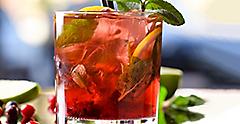
You'll find the casual eat-in restaurant Murphy's West End near the lighthouse in Negril. Murphy is the father of current chef/owner Leniel Ennis, who's been cooking up a storm for over 20 years. This modest restaurant prides itself on what they call "slow cooking," or food that's "from the garden, the coop and the sea."
All of the food here is freshly made-to-order. Murphy's is also known for a mean rum punch and excellent jerk lobster, shrimp, fish or chicken, as well as what they call a barbecued "Devil Chicken." If you like it spicy hot, this is the place for you. It's advisable to make a reservation if you're going with a group.
The Jerk-Based Center
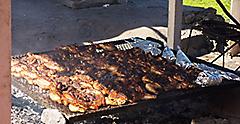
It's said that Boston Beach, a strip of coastline along what used to be called Buckley's Beach, is the birthplace of modern-day jerk. The first "Jerkmen" are said to be Isaiah Smith, Drelton Williams, Arthur Wilson, Rufus West and Sydney and James Marshall. Their jerk pit was supposedly located less than a quarter-mile east on the A road from Boston Beach.
Today, the Boston Bay Jerk Center, a rural food court and mall, cooks up a variety of jerk meats on open pits using uncured pimento wood over blazing hot coals. Corrugated zinc covers the meat until it's cooked to tender perfection. Place your order by weight — quarter, half or full pound — and if you like it spicy, get some jerk sauce on the side. You can get fresh coconut water, juice and other tasty Jamaican treats from nearby stalls, too, if you're so inclined.
The High-End Restaurant
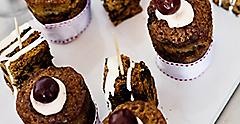
You'll find Negril's most celebrated fine-dining destination, the Rockhouse Restaurant, overlooking volcanic cliffs set against the turquoise blue of the Caribbean Sea. The menu is what they call "a lighter, modern interpretation of Jamaica's classic dishes" with a truly local spin. Many of the fresh ingredients are picked from the property's own gardens.
Start with a jerk-spiced grilled calamari, then sample a main course of jerk-grilled lobster or chicken "under a rock" with a side of jerk-pan barbecue carrots, potatoes and kale. Then finish with a pimento-spiced Dark 'n' Stormy rum cake.
Taking Jamaican Jerk Flavors Home
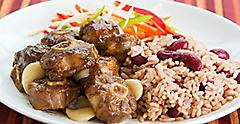
If you want to take some of that complex flavor to your home kitchen, you can purchase your favorite spices during your holiday and add Jamaican jerk seasoning to an array of fresh proteins and produce back home. From mango salads and grilled veggies to jerk-laden peach hot sauce, there are many exciting culinary explorations to try out.
A word of friendly advice: Since there’s limited access to pimento wood in North America for that coal and pimento-fired open grill, don't be too disappointed if that X-factor flavor profile is missing. It's the smokiness of the pimento as well as the Jamaican sunshine, the warmth of its people and the lush surroundings that make it impossible to replicate true Jamaican recipes beyond the island country.
When authentic reggae, sun, sand, jerk and Caribbean food recipes are calling your name, a return trip to this special place is always in order.
Cruise With Royal Caribbean and Savor Jamaica’s Flavors and Heritage
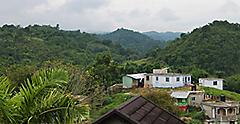
From the smoky, spicy notes of jerk seasoning to the vibrant colors of fresh Caribbean produce, Jamaica offers a culinary experience like no other. Exploring its food is also a journey through history, culture and resilience. From the Taíno and Maroon traditions to modern interpretations in fine dining, Jamaica has a fascinating story to tell. And just as the island’s flavors tell a story, so does its music.
Learning about Bob Marley and the history of music in Jamaica is just the beginning of enriching your visit. Connect the rhythms and soul of the island to its food with a taste of quintessential Jamaican jerk.

Get Royal Deals, Sign Up Today

Getting There
Best Deals To Jamaica
taste Mouth Watering, Fragrant, Smoky and Spicy Jerk Chicken