By Amanda Mesa | Published on October 28, 2025
There is a wide range of attractions available to travelers planning visit Mexico . It has spectacular beaches, majestic mountain ranges and lush jungles. Impressive ruins of ancient civilizations and luxurious resort towns dot the coast. Its world-renowned cuisine varies from region to region, and it boasts a top-notch wine country that rivals Napa.
However, one of the country's most vibrant attractions is its rich culture, which boasts unique traditions and beliefs from Mexican folk legends to ancient Mayan myths. This includes fascinating Mexican legends that surround local sites, such as the cenotes tucked away in the wilderness near the ruins of Mayan cities and charming towns like Guanajuato, where star-crossed lovers established a tradition that continues to live on.
Key Takeaways: Mexican Legends and Myths to Discover on Your Mexico Adventure
- ● Mexican legends add depth and meaning to some of the country’s most iconic destinations, from Guanajuato’s “Callejón del Beso” to the sacred cenotes of the Yucatán.
- ● Ancient Mayan myths describe cenotes as gateways to the underworld and highlight the hummingbird as a messenger of human wishes.
- ● The haunting tale of “La Llorona” remains one of Mexico’s most famous legends, still used to warn children today.
- ● More modern Mexican folklore includes sightings of “El Chupacabra,” a mysterious creature blamed for attacks on livestock.
- ● The vibrant “cempasúchil” flower symbolizes life, death and the spiritual connection between the living and their departed loved ones.
- ● Whether exploring ancient ruins or bustling towns, travelers can experience these legends firsthand on a cruise to Mexico.
FASCINATING MEXICAN LEGENDS AND FOLKLORE
Mexico’s folklore is as vibrant and varied as its landscapes, weaving together ancient beliefs, indigenous traditions and centuries of storytelling. Across the mountains, jungles, coastal towns and historic cities of Mexico, you’ll find countless tales that reflect the heart and soul of the people who live there. These legends aren’t just stories, they’re living traditions that continue to shape local customs, festivals and daily life.
Read on to discover some of the most intriguing Mexican legends.
The “Callejón del Beso” Legend — Romantic Mexican Folklore in Guanajuato
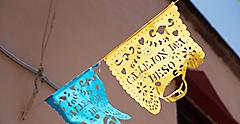
Visit the famous Callejón del Beso in Guanajuato, a centrally located Mexican city renowned for its colonial architecture and history of silver mining. The alleyways are extremely narrow, and the balconies are often close enough for two people to lean across and hold hands or share a kiss.
According to legend, this is what happened in the city's famous “Callejón del Beso,” also known as the Alley of the Kiss. Though it's a tragic tale, this is one of the more romantic Mexican myths. The story begins long ago in Guanajuato, when a man — eager to build his fortune — arranged for his beautiful daughter, Carmen, to marry a rich Spanish man. However, while she was attending church, Carmen met a handsome, hardworking miner named Don Luis, and the two fell deeply in love. They saw each other in secret until Carmen's father discovered them and threatened to send Carmen to a convent if she didn’t stop seeing Don Luis.
Unable to live without seeing his true love, Don Luis bought the house across the street Carmen. Only an alley so narrow that the couple could, stand on their balconies and reach across and hold hands stood between them.
The story takes a darker turn here. One day, the couple met on their balconies and swore their eternal love, but misfortune struck, and at this exact moment, Carmen's father entered her bedroom. Filled with rage about his daughter's defiance, he thrust a dagger into her back as Don Luis kissed her hand across the alley. Don Luis passed away shortly afterward, his heartache too much to bear.
Based on this legend, superstition dictates that all couples visiting the Alley of the Kiss must share a kiss on the third step of the alley to lock in 15 years of happiness. If they kiss on any other step, they risk seven years of sadness and heartache.
Ancient Mexican Legends of Cenotes — Myths of the Yucatán Peninsula
Popular with local sea creatures and cruise travelers, Mexico's Yucatán Peninsula is peppered with cenotes nestled along the coastline and deep within the area's emerald green jungles. Cenotes are popular stops on the Mayan Riviera for travelers seeking off-the-beaten-path adventures, and they have thousands of these spectacular freshwater pools to choose from — some in lagoons, some tucked away in caves and undisturbed for centuries. The more accessible cenotes have lured travelers with their still, crystal-clear waters and quiet tranquility. These natural wonders have also played a large role in Mexican myths and legends dating back to ancient times.
Cenotes — derived from the Yucatec Mayan word "dzonot," or well — were a crucial fixture of daily life for the ancient civilizations that flourished in the Yucatán. Since this region has no rivers or lakes, cenotes gave ancient peoples access to fresh water year-round. All of the largest Mayan civilizations from 300 CE to 900 CE sprang up around cenotes. The fact that the city of Mayapan leveraged 40 cenotes to supply water to as many as 17,000 inhabitants gives you an idea of just how vital cenotes were to ancient peoples.
Because they relied so heavily on these freshwater wells, the Maya developed strong beliefs and myths around them. They believed cenotes doubled as gateways to “Xibalba,” the underworld, and that the rain god, “Chaac,” lived at the bottom of cenotes. It's why Mayans performed elaborate ceremonies and rituals at cenotes, asking for good crops and rain.
One of the most iconic cenotes in Mexico is the Sacred Cenote. It's located close to the ancient Maya city of Chichen Itza — a popular stop for travelers visiting popular destinations like Cozumel and Cancun. Gold and jade artifacts and pottery have been discovered here. And while cenote ceremonies may be a practice of the past, some Maya descendants still pay their respects to the gods and mythical beings they believe continue to dwell there.
THE HUMMINGBIRD IN MEXICAN MYTHS — A MAYAN LEGEND OF THE YUCATÁN
Here's another fascinating Mexican myth. Like the legends surrounding Yucatán cenotes, it stems from ancient Mayan culture.
The legend goes that when the Maya gods created Earth, they bestowed upon each tree, rock and animal a special task. Once they'd delegated all tasks to all the creatures — which they carefully crafted from mud and corn — the gods realized they'd forgotten to assign the most significant mission of all: carrying wishes.
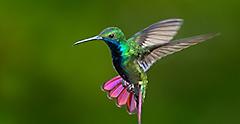
Thinking quickly, they carved a small jade stone into the shape of an arrow and breathed life into it. It transformed into a tiny, fluttering bird whose feathers caught the light and shimmered as they beat. Today, this beautiful creature is known as the hummingbird. From the moment it came to life, the hummingbird took up its task and fulfilled it honorably, flitting from place to place with dreams, hopes, and wishes in tow.
This ancient Maya legend has been passed down through the ages, and although it’s taken on new forms and dimensions over time, the core story has remained the same. To this day, people throughout the Yucatán Peninsula believe that if a hummingbird flies over your head, it’s collecting your wish and carrying it on so that it may come true. Keep an eye out for these tiny birds on your trip — you never know what may happen!
THE “LA LLORONA” LEGEND — MEXICO’S MOST HAUNTING TALE

No collection of Mexican folk legends would be complete without the terrifying “La Llorona” legend, also known as the “Weeping Woman.” This chilling legend tells of a beautiful woman named Maria who drowned her children in a river after being betrayed by her unfaithful lover. Overcome with grief and regret, she threw herself into the water and died. Since then, her tormented spirit is said to wander riverbanks across Mexico, crying out “¡Ay, mis hijos!” which translates to English as “Oh, my children!”
The “La Llorona” legend is deeply rooted in Mexican culture today, and there continue to be murmurings of sightings, especially near rivers, lakes and canals. Parents often invoke the story of “La Llorona” to warn their children against staying out after dark.
What is “El Chupacabra?” — Mexico’s Modern Urban Legend
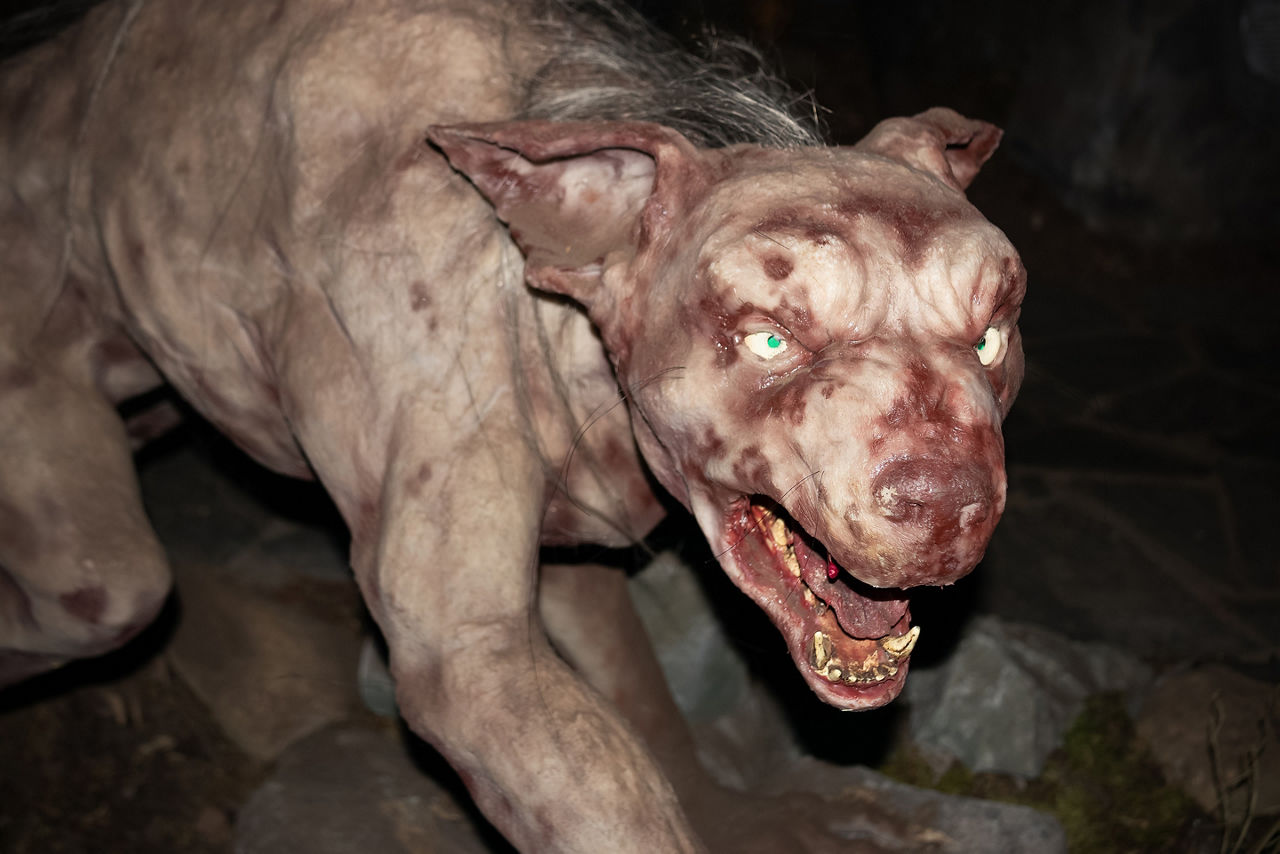
Among Mexican urban legends, none is as infamous as “El Chupacabra.” First reported in Puerto Rico in the 1990s, this strange creature is said to suck the blood of livestock, especially goats — hence the name, which literally means “goat sucker.” The “chupacabra” is often described as a hairless, reptilian creature with glowing red eyes, spines along its back and razor-sharp teeth.
While skeptics chalk the sightings to wild dogs with mange, “El Chupacabra” remains one of the great mysteries of Mexican folklore, blending ancient fears with modern conspiracy theories.
“Nahual” in Mexico — Shape-Shifting Sorcerers of Ancient Lore
“El Nahual” in Mexico refers to the enduring belief in “nahuales,” humans with the supernatural ability to transform into animals. Rooted in Aztec and Mayan mythology, these shape-shifters were often shamans or witches who could assume animal forms like jaguars, eagles or coyotes to perform magical deeds or malevolent mischief.
This ancient Mexican folk legend continues in indigenous communities today, especially in Oaxaca and Chiapas, where “nahuales” are both feared and respected. Indigenous towns in southern Mexico often tell stories of “nahuales” around local festivals and Day of the Dead celebrations.
“CEMPASÚCHIL” FLOWER — SYMBOL OF LIFE AND DEATH IN MEXICAN FOLKLORE
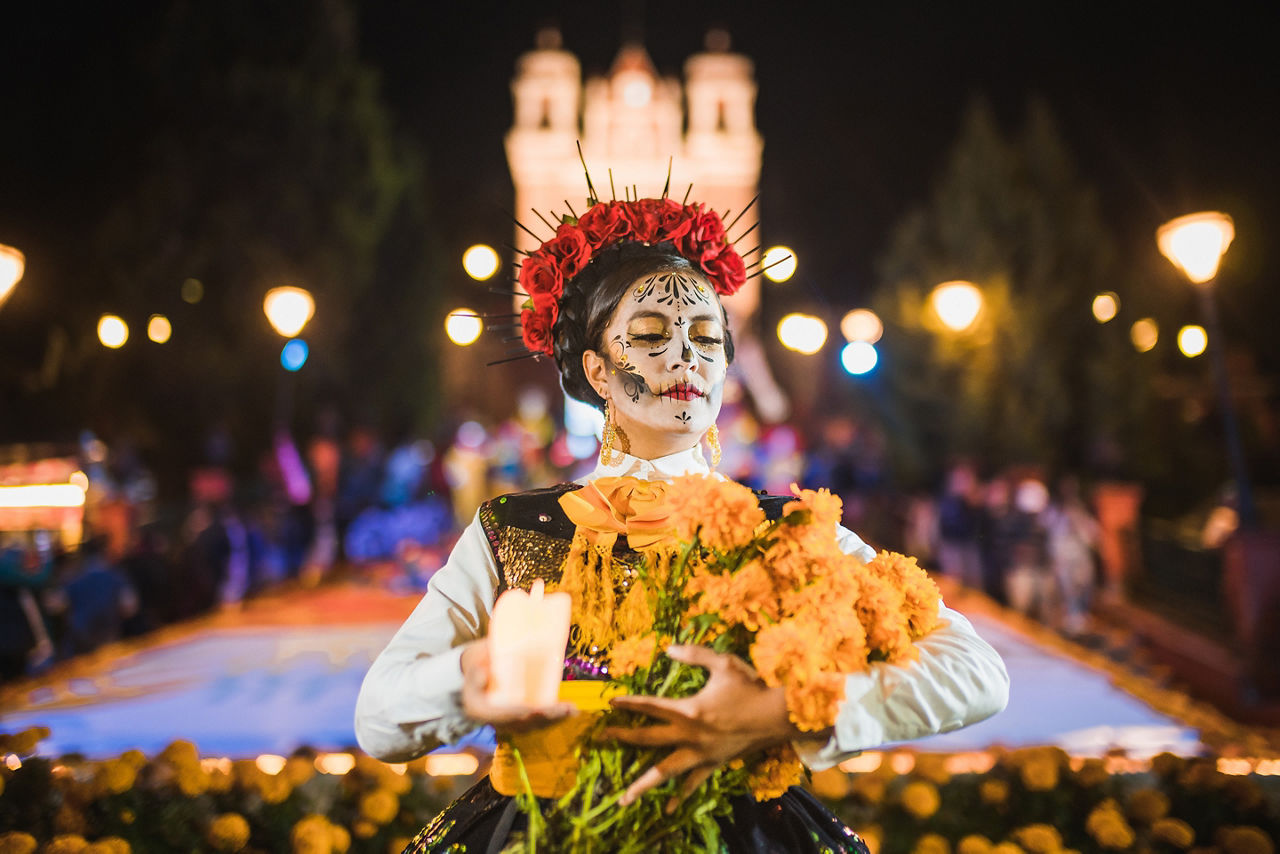
Known as the Mexican marigold, the “cempasúchil” flower holds a special place in Mexican folklore, especially during “Día de los Muertos,” or Day of the Dead. According to legend, the bright orange and yellow petals of the “cempasúchil” create a pathway guiding the spirits of the deceased back to their loved ones during this annual celebration.
The “cempasúchil” flower is a deeply spiritual symbol in Mexican culture associated with life, death and rebirth — much more than a mere decorative element. Markets and cemeteries across Mexico bloom with “cempasúchil” flowers during late October and early November.
The “El Charro Negro” Legend — The Devil in Disguise
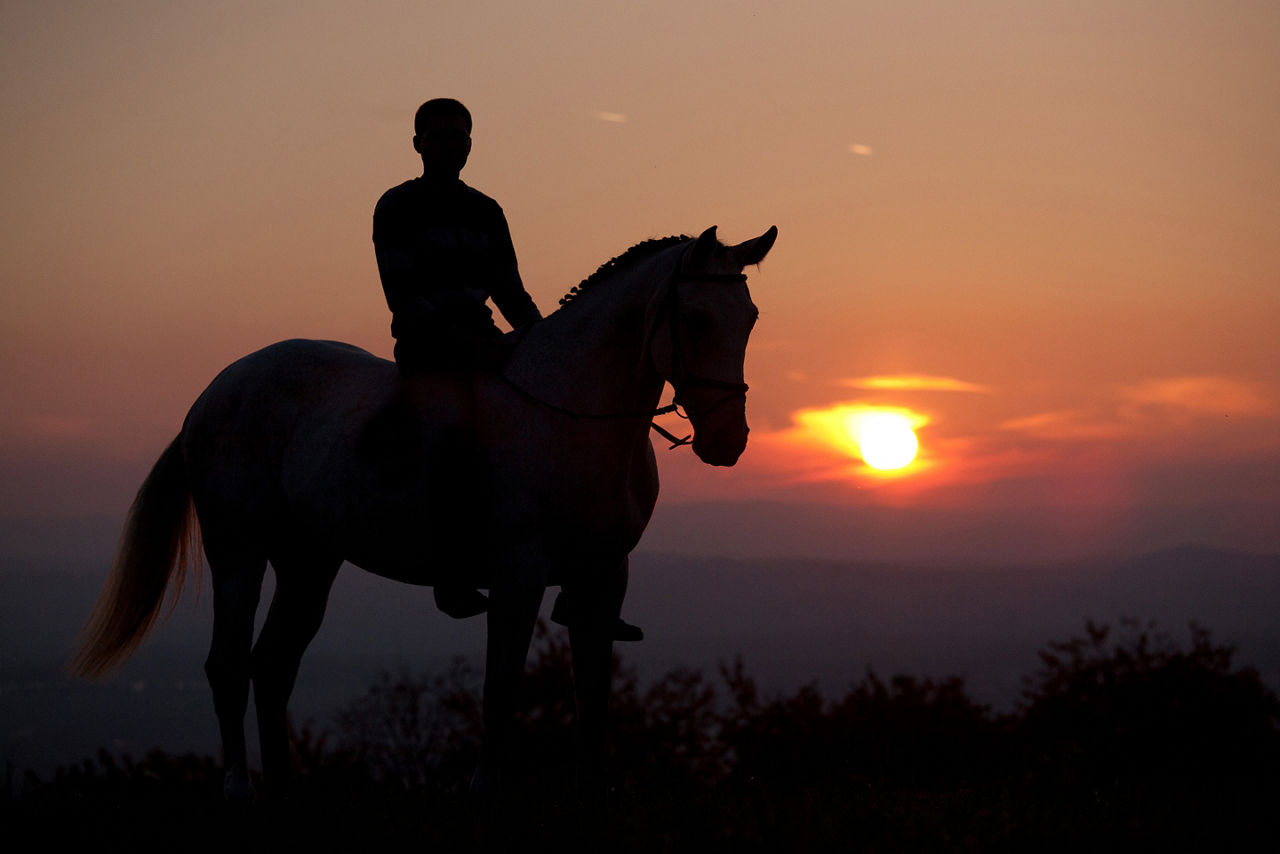
One of the darker Mexican legends is the story of “El Charro Negro,” a shadowy, elegant horseman dressed entirely in black. This Mexican urban legend tells of a wealthy but greedy man who sold his soul to the devil. Now cursed to wander lonely roads, “El Charro Negro” appears to unsuspecting travelers, offering riches in exchange for their souls.
It’s said that if you meet “El Charro Negro,” you should avoid speaking to him or accepting any of his offers, lest you share his eternal fate. Many rural regions across central and southern Mexico, including parts of Veracruz and Oaxaca, keep the “El Charro Negro” legend alive.
“El Coco” — The Boogeyman of Mexican Myths

If you ever wondered where the idea of the boogeyman came from, look no further than “El Coco.” This terrifying creature is one of many Mexican urban legends used to scare children into obedience. Parents often warn that “El Coco” will come at night and snatch away naughty children who don’t go to bed on time.
Unlike other Mexican folk legends, “El Coco” has no set appearance, making it even more frightening because your imagination fills in the blanks. While “El Coco” tales are told throughout Latin America, they are especially popular in traditional Mexican households.
“LA PLANCHADA” — THE GHOST NURSE OF MEXICO’S HOSPITALS
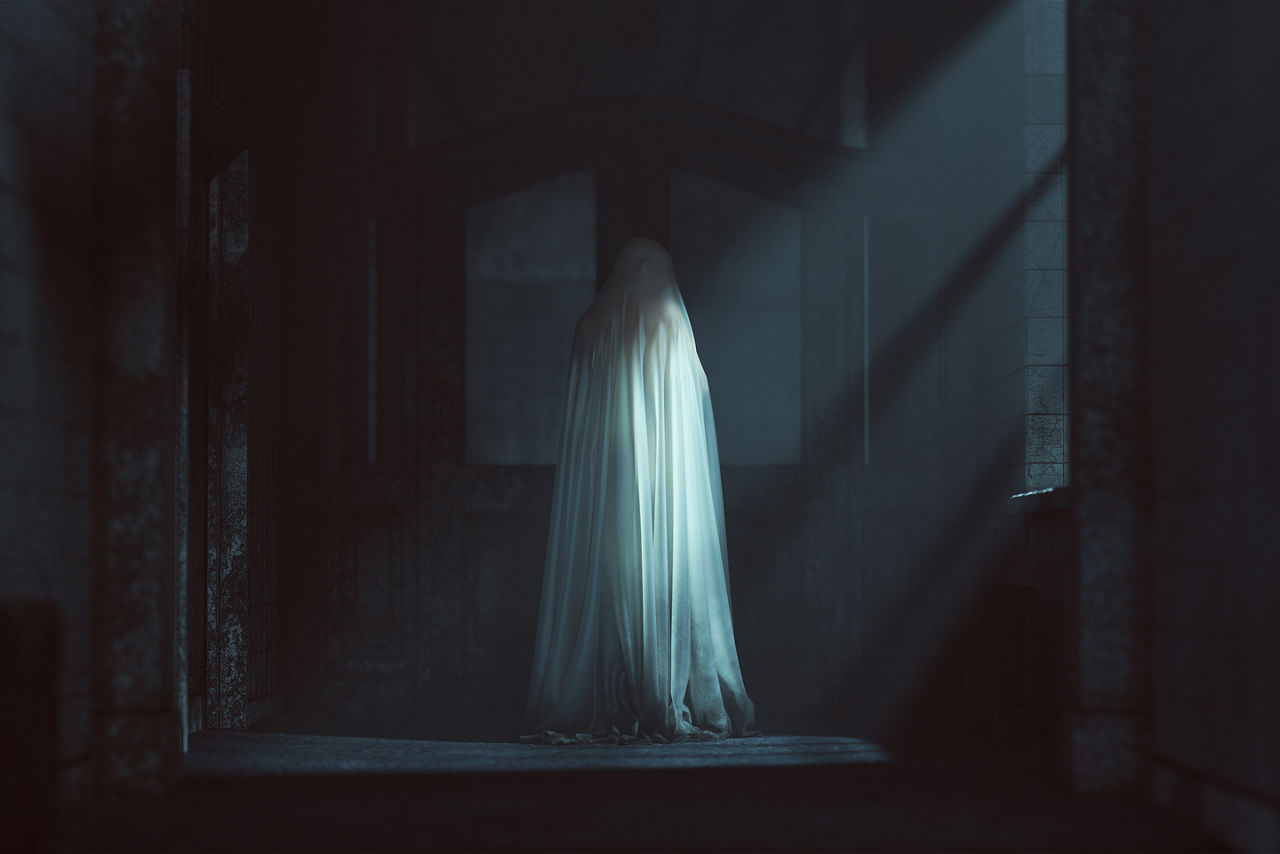
If you ever wondered where the idea of the boogeyman came from, look no further than “El Coco.” This terrifying creature is one of many Mexican urban legends used to scare children into obedience. Parents often warn that “El Coco” will come at night and snatch away naughty children who don’t go to bed on time.
Unlike other Mexican folk legends, “El Coco” has no set appearance, making it even more frightening because your imagination fills in the blanks. While “El Coco” tales are told throughout Latin America, they are especially popular in traditional Mexican households.
LEARN MORE STORIES ON A MEXICAN CRUISE

These captivating legends represent just a small glimpse into Mexico’s rich and diverse cultural heritage. With thousands of stories rooted in local history, tradition and regional identity, each destination offers unique Mexican folklore.
While you’re exploring the cenotes of the Yucatán, the colorful streets of Guanajuato or the scenic coasts of the Mexican Riviera, take the opportunity to connect with the local culture and discover the stories that have shaped these communities for generations.
Discover the folklore of Mexico first-hand while cruising in Mexico.

Get Royal Deals, Sign Up Today