By Chantae Reden | Published on December 12, 2025
There are few experiences more wondrous than standing under a dark sky illuminated solely by stars. The stars we see today are the same that have guided voyagers across oceans, inspired myths and legends, as well as spurred scientists' journeys into space. If you’re feeling inspired to take a vacation to see stars, perhaps it’s time to tap into a bit of astrotourism. This relates to traveling somewhere in the world deliberately for stargazing. Here are the best astrotourism places, all equally ideal for a stargazing cruise, where no city lights dim the night sky’s luster.
Key Takeaways
- ● Stargazing on a cruise ship can be an incredible experience, especially when ships dim their deck lights. Out at sea, far from the city glow, passengers can enjoy dazzling night skies. Luckily, some cruise lines even offer special sailings designed just for stargazers.
- ● The best stargazing happens when the moon takes a bit of a back seat, usually around the new moon and the few days before and after it.
- ● Some of the world’s most breathtaking stargazing spots include Tenerife’s volcanic peaks, Hawaii’s remote islands, Mexico’s wild Baja Peninsula and the clear, coastal skies of Nova Scotia.
- ● One pro stargazing tip is to choose a cruise that sails during the new moon and heads far from city lights, then find a dark, open deck away from ship lighting for the clearest, most awe-inspiring views of the night sky.
Tenerife, Canary Islands, Spain
When you take your first steps on Tenerife, it might feel like you've touched down on another planet; this is an ideal location for astrotourism. This otherworldly isle in the Canary Islands hosts a landscape of volcanic craters. The lack of light pollution and consistently clear weather offers perhaps the best view of the stars on Earth.
The island is home to three UNESCO-accredited starlight reserves and serves as a stop along the European Sky Route, a trail for travelers searching for the darkest skies. Earn your star scouting credentials by hiking or taking a cable car to the top of Mount Teide — the highest point in Spain — at Teide National Park and gaze at the stars through long-range telescopes.
The Atacama Desert, Chile
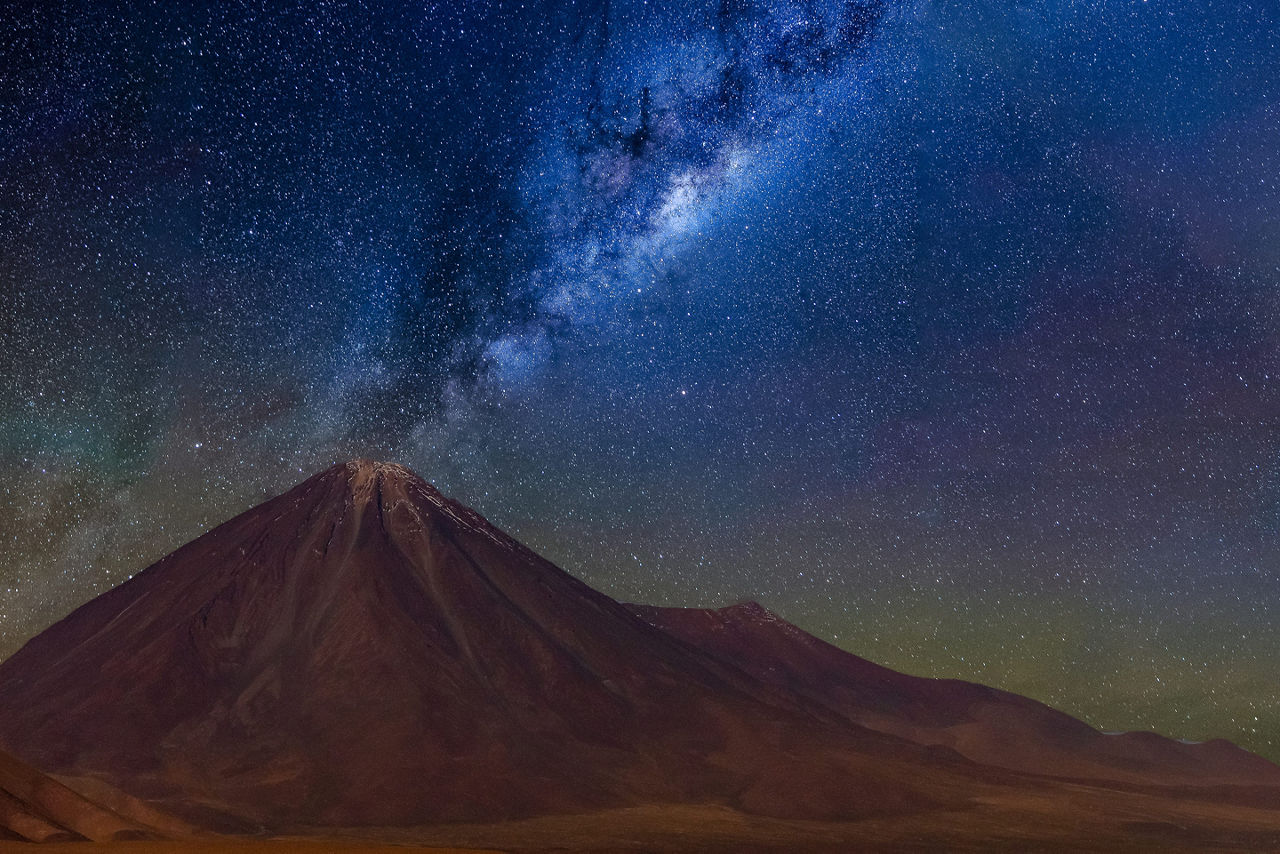
If you've spent most of your nights near big cities, you might be wondering: Can you see the Milky Way from Earth? The answer is yes, if you're in the right spot. The Milky Way is a grand spiral galaxy that looks like a cream-colored arch of dense stars across the sky. While almost all cultures developed legends about the meaning and origins of Earth's galaxy, the Greeks and Romans saw the streak of stars as a river of milk, which is how it got its name.
One of the best places to admire the Milky Way is in the Atacama Desert in Chile. The Milky Way rises and sets in Earth's Southern Hemisphere, appearing overhead in destinations like Chile. The Atacama Desert is a hub for nearly half of the world's major astronomy studies thanks to its high elevation, low humidity and remote location far from any sources of light pollution. By day, the desert is striking, with rust-colored mountains and buttes and plains of sand that stretch for miles. Once night falls, the landscape looks like it's stuck in a snow globe of stars.
Mauna Kea, Hawaii
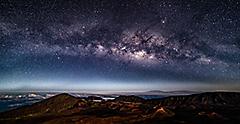
The Island of Hawaii (or "Big Island," south of Maui) is an astrotourist's dream destination, with dark skies stretching over the lava fields. The sacred summit of Mauna Kea is home to some of the world's most powerful telescopes, and there are plenty of stars to be seen with the naked eye from the visitor center. You can look at the same constellations Polynesian seafarers once used to navigate across the Pacific Ocean from the Marquesas Islands.
Skies above Mauna Kea are so clear due to the lack of air and light pollution, as well as the elevation. From seabed to summit, Mauna Kea eclipses Mount Everest. It is only around half of Everest's height when measured from sea level.
Even on a cloudy night, Hawaii is one of the most beautiful places in the world. Depending on what's brewing beneath the Earth's crust, you might be able to see the amber glow from a lava lake at Volcanoes National Park. The park sometimes has volcanic fog, or "vog", casting a veil over some of the stars. This is a stunning sight to behold.
Head to the waters of Kona and embark on a guided night swim with manta rays, who swim with mouths agape under the glow of an artificial light in search of plankton. The mantas often look like alien acrobats. This sight, coupled with the glowing moon overhead, will linger with you long after you leave Hawaii.
New Zealand
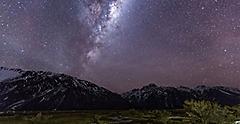
If you're on an astrotourism journey, you will likely end up in New Zealand. Aoraki Mackenzie International Dark Sky Reserve on New Zealand's South Island is the largest dark sky reserve south of the equator, designed for astronomical travel. There are regulations around the region to prevent light pollution, guaranteeing dark skies for those who visit. The reserve encompasses Aoraki/Mount Cook National Park and stretches to the Mackenzie basin, so there's no shortage of finding a spot to observe the cosmos all to yourself.
Studying the stars was how Māori navigated their vessels from the islands of Tahiti to New Zealand, and this reserve helps to preserve the country's heritage. Māori legend explains how the creation story can be seen in the stars, in a constellation called Matariki (also known as the Pleiades).
Tour guides host informative and entertaining stargazing tours. You can catch tours at the Mount John Observatory, as well as workshops for astrophotographers and adventurers. Some tours include peeking through telescopes followed by a relaxing soak in the hot springs of Tekapo.
Alaska
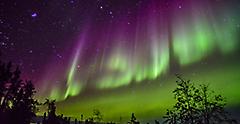
If you want a chance to see the aurora borealis, also known as the northern lights, venture north to Alaska. During the aurora borealis, the sky dances and flickers with colors that span electric shades of green and yellow, with hues of red and violet swirling around. The mesmerizing scene is caused by solar winds and is only found near the Arctic Circle. The Antarctic Circle hosts its own light show called aurora australis.
In Alaska, you can admire the light show above as you soak in a hot spring, dogsled over snowy plains or cast a line in an ice fishing hole. Valerie Stimac — founder of the Space Tourism Guide and author of "Dark Skies: A Practical Guide to Astrotourism" — recommends Alaska as one of the best places to stargaze in the world, thanks to its long nights and low levels of light pollution., thanks to its long nights and low levels of light pollution.
Stimac advises waiting until the nights are longer to head to Fairbanks. "By early to mid-September, your odds of seeing the aurora are greatly improved by more darkness each day and an ideal position for the solar activity that causes the aurora," she says. "While it is possible to see the northern lights as far south as Alaska's Inside Passage, your chances get better the further north you go."
Iceland
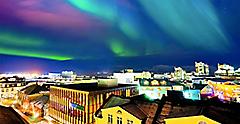
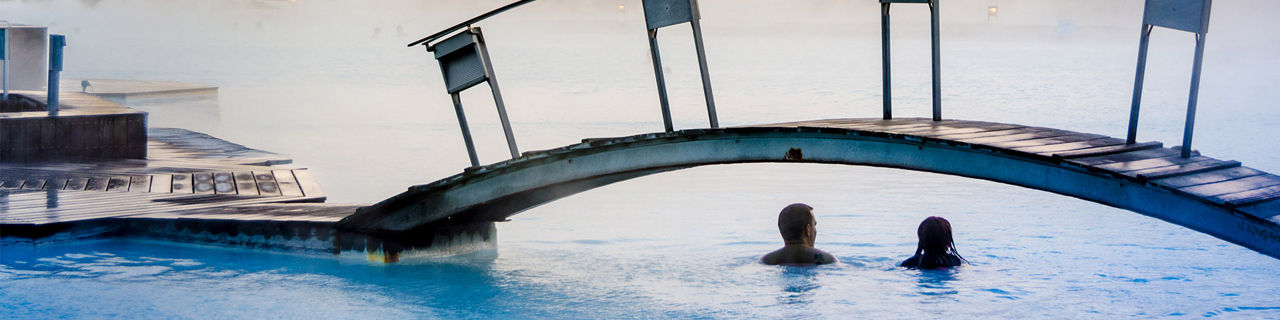
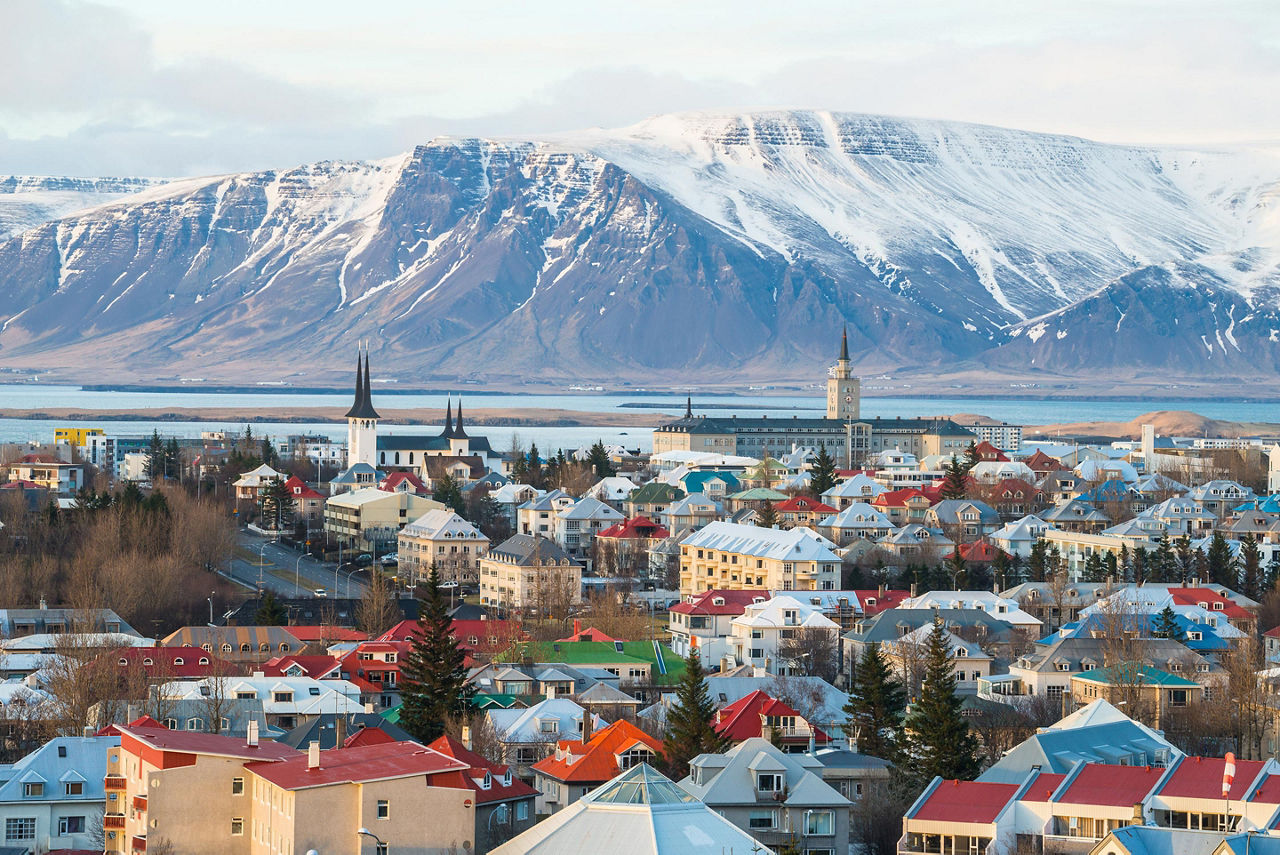
For more thrills in the sky, head to Iceland. Iceland is a land of natural wonders. With its powder blue geothermal pools, volcanic craters, crashing cascades and sparkling glaciers, this is a destination that caters to curiosity. During wintertime, the skies are often alight with the dancing display of aurora borealis. If the northern lights are not around, it's also a prime place to search for constellations, planets, meteors and nebulae. Stargazing tours depart from Reykjavík nightly, guiding eyes upward through powerful telescopes.
In the city itself, you'll have a chance to visit Perlan, a museum with a rotating glass dome with an observation platform. There's also an interactive planetarium film about the aurora borealis that reveals what causes this natural phenomenon, and the many legends surrounding it.
Baja Peninsula, Mexico
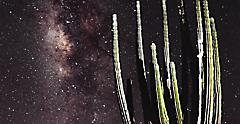
Mexico's Baja Peninsula is not heavily populated, with only a few towns strewn along its coastline. The sky's clarity (the Baja Peninsula sees 300 days of sunshine per year) and lack of air pollution make this region a spectacular scene come night. Stargaze near any of the main hubs of the Baja Peninsula, like Cabo San Lucas or La Paz, by putting a little distance between you and the city.
During summertime, you may spot the planets Mars, Jupiter and Saturn, as well as a wide range of constellations. The town of Cabo San Lucas runs boat excursions out to the open ocean after dark. On a calm night with no wind, the stars reflect onto the water, and it's nearly impossible to distinguish the sea and the sky.
For a fully astronautical feel, venture out on a night scuba dive, where you'll be neutrally buoyant like an astronaut in space. The waters off the Baja Peninsula are often alive with bioluminescent plankton that glow and swirl in the water like miniature galaxies. Gaze up when you emerge from your dive for an immersive starry experience.
Tips for Stargazing Around the World
1. New Moon Is the Best Moon
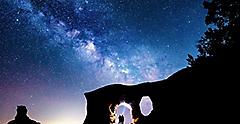
While many romantic sagas and songs have been written as an ode to the full moon, too much moonlight can cause stars to appear dimmer. For the clearest view of the cosmos, stargaze during a new moon or in between moonrise and moonset. This way, stars, meteors and planets won't have to compete with the moonlight to shine their brightest; even the faintest stars will pop.
If you're keen to capture stars with your camera, an absent moon will make the stars in your photos appear sharp and luminous. Be sure to pack a travel-friendly tripod.
2. Avoid Bright Lights
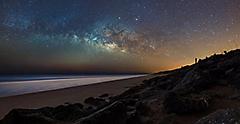
Spectacular stargazing destinations tend to be in the most remote places, far from the light pollution and smog that comes with big cities and suburbs. If skies are clear, venturing to places less traveled usually reveals smatterings of bright stars. NASA recommends finding higher elevations to stargaze from to place yourself above haze and fog that could get in the way of the stars.
Once you've found a prime place to peer up, Stimac recommends not rushing your star-seeking experience. Allow "15 to 20 minutes for your eyes to adjust, so you can see more stars," she advises. That includes any phenomena like the aurora. Turn off your flashlight and avoid checking your phone before stargazing to help your eyes acclimate to the darkness.

3. Take Advantage of a Stargazing App
If you've ever looked up at the sky and questioned whether the bright light you're peering at was a star, planet, satellite or UFO, you don't have to wonder any longer. A handful of stargazing apps use your phone's GPS and compass to reveal what's up in the skies.
You can also get stargazing forecast data for meteor showers, moonrise times, aurora predictions and constellation information. There are many apps available; some of the most popular include SkyView, SkySafari Pro and Star Walk 2.
4. Make the Most of Your Time
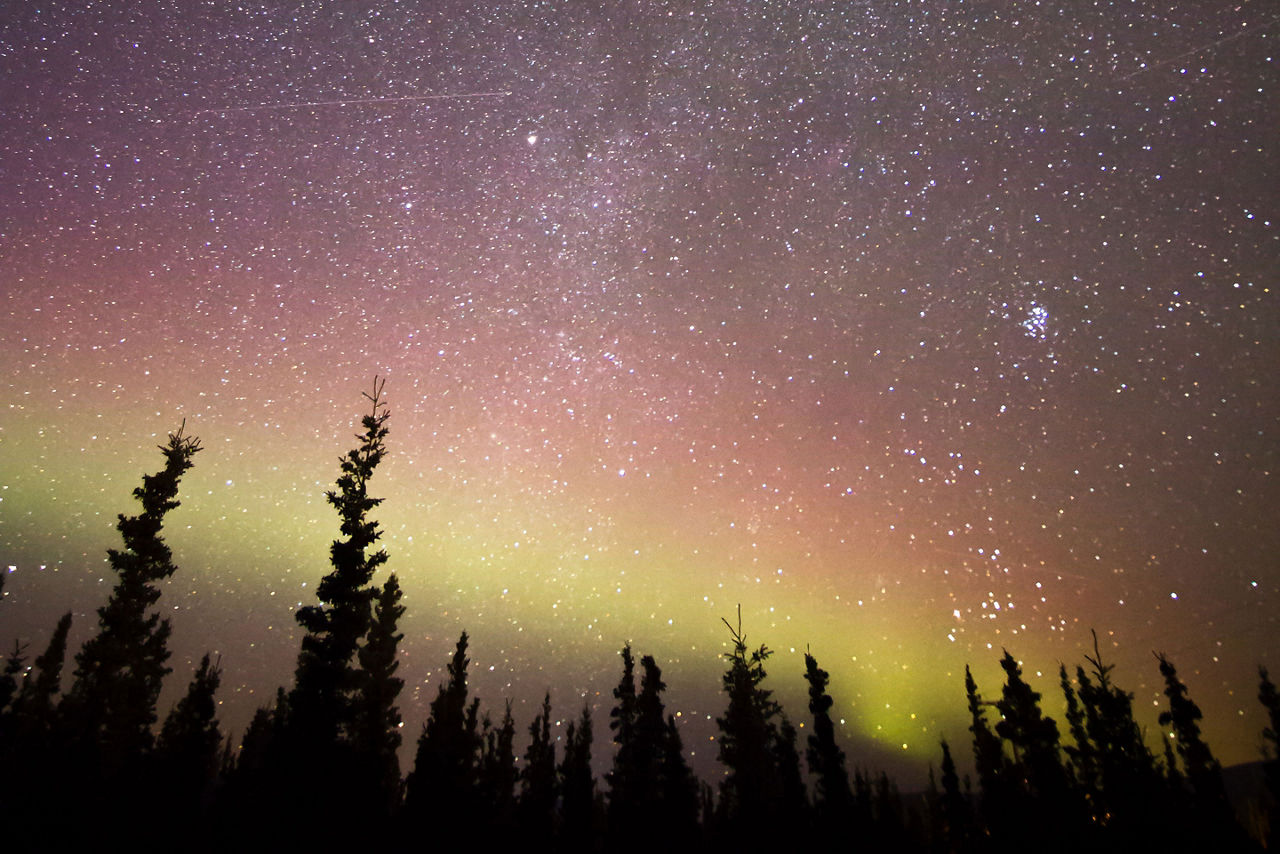
The longer you spend looking up, the higher your chances are for spotting hidden constellations, planets and shooting stars. When meteors penetrate the Earth's atmosphere, these chunks of dust and debris from space create bright blazes across the sky.
If you're dreaming of seeing a meteor shower firsthand, it's possible to look up meteor shower forecasts in advance. Start pocketing your wish ideas now!
Best Royal Caribbean Ships for Stargazing Cruises
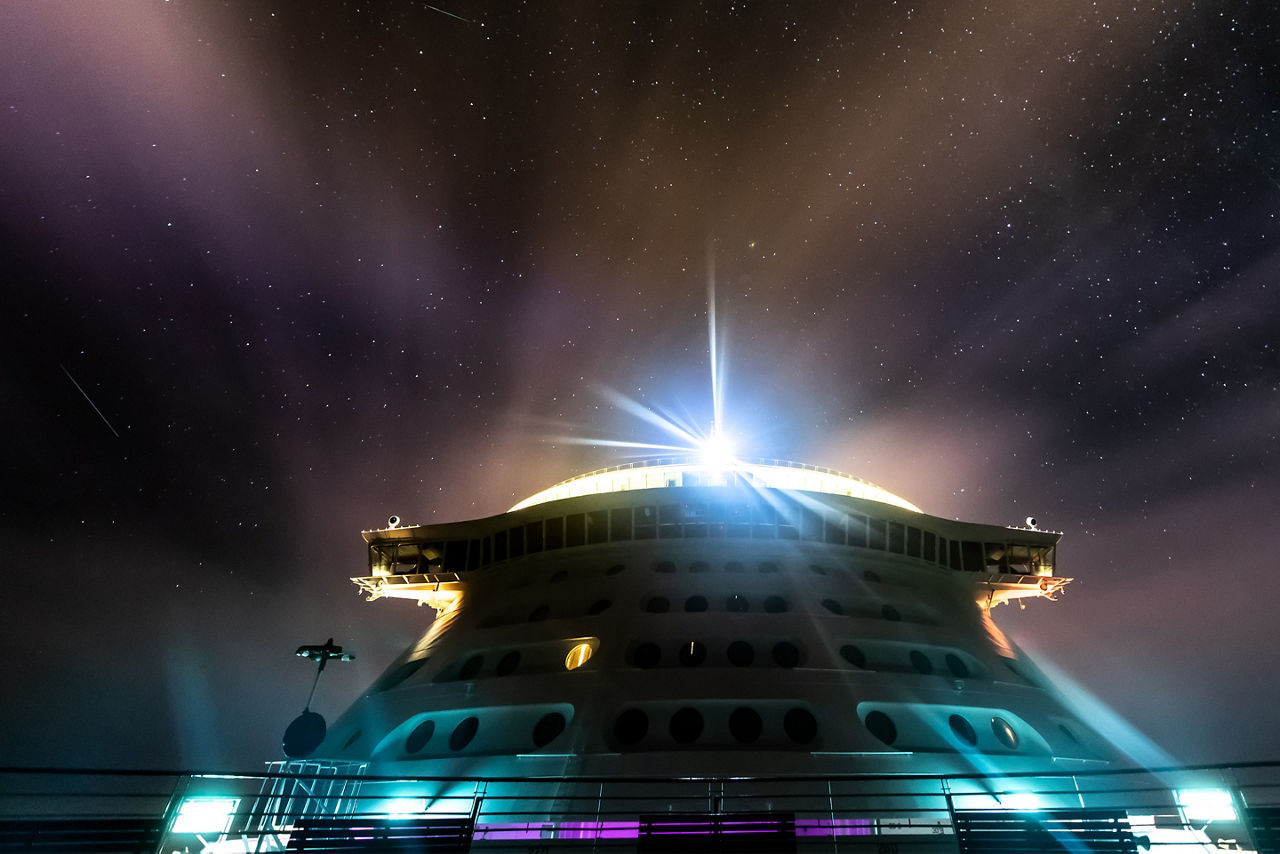
- ● Royal Caribbean Explorer Of The Seas
- ● Royal Caribbean Anthem Of The Seas
- ● Royal Caribbean Navigator Of The Seas
- ● Royal Caribbean Brilliance Of The Seas
- ● Royal Caribbean Ovation Of The Seas
Reminders Before You Cruise
- ● What’s in the stars with Royal Caribbean: Step into our Night Sky Programming on ships like Quantum of the Seas and Star of the Seas, where you'll find onboard observatories, captivating astronomy lectures and special Lights-Out deck hours for stargazing at its best. Ask “Guest Services” when the ship dims the lights so you don’t miss the twinkling night sky.
- ● Stargazing pro tips: Scout out the quietest spots on deck with the clearest, unobstructed views. Pack smart with essentials like a red-light flashlight to preserve your night vision, a DSLR with an ISO guide for stunning night shots and quality binoculars. Don’t forget to download top stargazing apps like SkySafari, Star Walk and Dark Sky Map to unlock the secrets of the night sky directly from your mobile.
- ● Important phases: For the ultimate stargazing experience, time your cruise around new moon phases or dazzling meteor showers. The best moments to catch the stars are right after sunset, out on the open deck under the darkening sky.
- ● Best countries for stargazing: Among the world’s best stargazing cruise countries are Norway, New Zealand, Iceland, Chile, Canada, Mexico and Spain.
- ● Best months for stargazing: It depends on your destination. In India, for example, crisp, clear skies from November to February make for prime stargazing. Across the globe, aim for new moon phases and calm weather — typically in March-April and September-October — for the most phenomenal night skies.
- ● Packing checklist tips: When cruising to see the stars, especially as a first-time cruiser, you won’t go wrong with warm layered clothing, a well-sized travel telescope and a red headlamp.
- ● Planning a cruise vacation: To ensure you can reap the rewards of the perfect stargazing cruise ship and vacation, remember to check the ship’s light policies, research upcoming celestial events and opt for cruise itineraries that feature long sea days and even remote stops.
Set Sail With Royal Caribbean and See the Night Sky
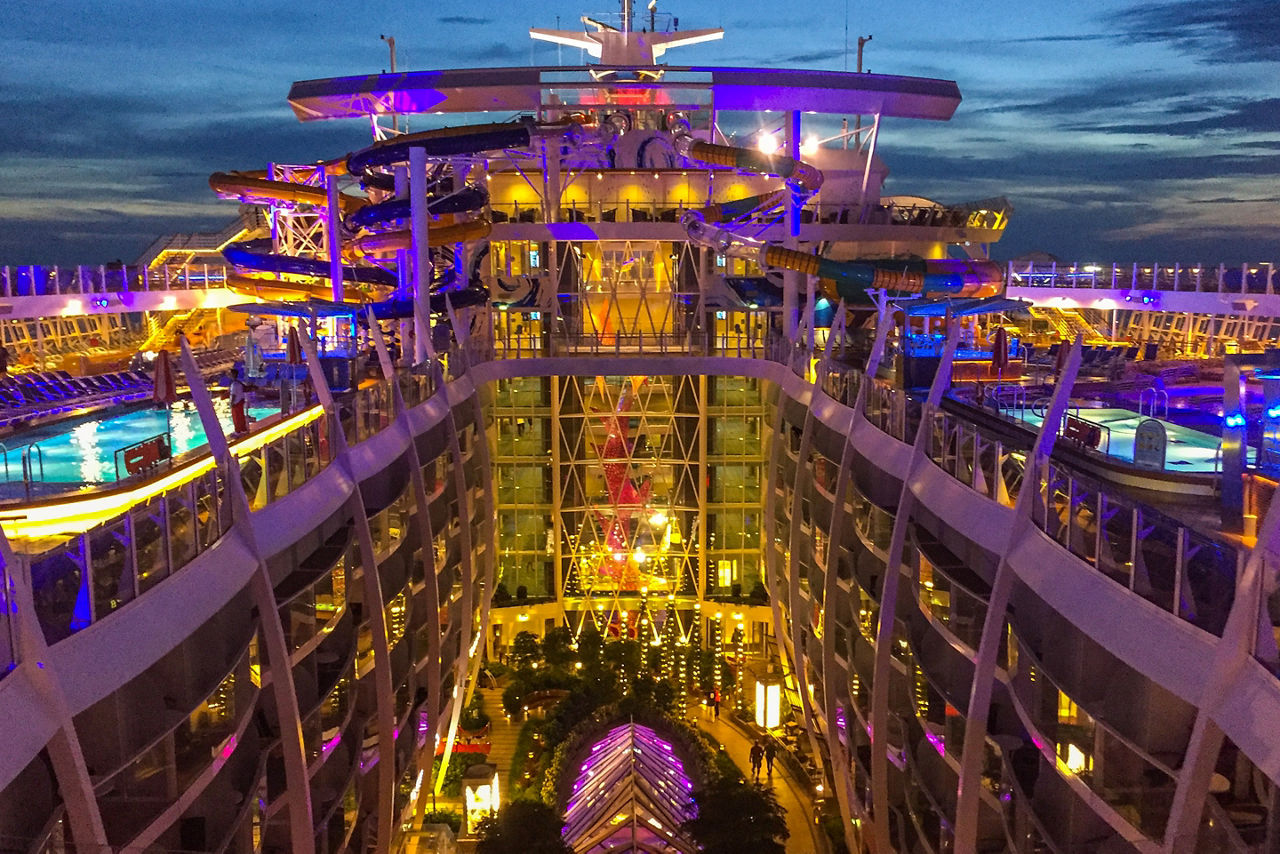
These stargazing vacation destinations are all shining contenders. Plan a cruise that will light up your night sky while at sea, offering endless opportunities to witness the cosmos.

Get Royal Deals, Sign Up Today

Getting There
Explore Our Most Affordable Itineraries
Enjoy peering up at the universe as you cruise from one star-rich night sky destination to another onboard the Ultimate World Cruise.