The Best South American Breakfasts to Try on Your Cruise
The Best Breakfast in the World Starts in South America
By Mary Luz Mejia | Published on November 27, 2025
South American breakfasts are a much more robust experience than in many other countries. While some cultures prefer to start the day with dainty donuts, cheese Danishes and a milky coffee, the best breakfasts in Peru, Colombia and Brazil often start with hot soups, freshly grilled corn cakes or portable meaty sandwiches.
For people like me, who have savored one of these options, the best breakfast in the world is only a bite away! In this guide, we explore the traditional breakfasts across the continent.
Key Takeaways: The Best Breakfasts in South America
Traditional Latin American breakfast foods include fresh eggs, various meats, bread and fruit, accompanied by hot coffee, teas and juices. Here’s a closer look at what you’ll find in specific countries:
- ● Colombia: A traditional coastal Colombian breakfast includes an “arepa de huevo,” a corn masa dough opened on one end and filled with a hen's egg. Otherwise, you might have a hot grilled white corn arepa, served with queso fresco, scrambled eggs and a cup of Colombian coffee.
- ● Peru: Breakfast in Peru might be “pan con chicharrón,” a hearty sandwich made with layers of pork pieces and cooked sweet potato slices on a big, fluffy bread roll. You’ll typically wash it down with a hot Peruvian coffee or freshly blitzed tropical fruit juice.
- ● Brazil: For breakfast in Brazil, you might have a baked good, Brazilian coffee and tropical fruit. There’s also the delicious Brazilian cheese puff called “pao de queijo,” which is a melt-in-your-mouth morsel often served with slices of ham or cheese.
- ● Explore cruises in South America to discover the best way to eat breakfast Latino-style!
What Is a Traditional South American Breakfast?

Breakfast (or desayuno) in South America is a big deal, comprising various cooked and raw foods shared among family and friends. While traditional breakfasts differ across countries and cultures, Latino breakfast foods usually include fresh-cooked eggs, cold or warm meat selections, bread varieties, fruit and sometimes pastries.
Humitas, a seasoned corn-based paste wrapped in corn leaves and steamed or boiled in hot water, also feature at many Latin breakfast tables.
What Are Common Breakfast Drinks in South America?
Like foods, typical Latin American breakfast drinks also vary by country. As a general rule, South American breakfast drinks might include:
- ● Hot tea (herb or black) and hot coffee.
- ● Milky hot chocolates.
- ● Orange juice or other fresh fruit juices.
- ● “Licuado” or fruit smoothies (also called batido in some regions).
- ● Mate, a strong, caffeine-rich herbal tea made by steeping dried yerba mate leaves in hot water, commonly enjoyed in the southernmost countries of South America.
Now, let’s explore a few breakfast specialties in Colombia, Peru and Brazil.
The Most Important Meal Of The Day In Colombia
In Colombia, breakfast is taken seriously. There's a saying my mom always told me that goes: Breakfast like a king, lunch like a prince and dinner like a pauper. This sums up how Colombians feel about their caloric intake throughout the day. Depending on where you are in the country, breakfast is all about fortifying yourself for the day's activities.
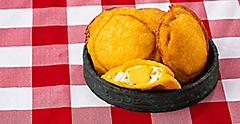
In the hot coastal parts of the country, like Cartagena, locals can start the day with a deep-fried wonder called the “arepa de huevo,” a corn masa dough disc that is hand-shaped, par-fried, opened on one end and filled with a raw hen's egg. The edges are sealed, and the egg-filled corn packet is fried to a golden brown. One bite of this and you'll be hooked on the crispy outer layer with a runny or cooked egg yolk wonder.
In the Department of Antioquia, where I'm from, we start the day with a hot grilled white corn arepa, served with “queso fresco” (a mildly salty, fresh cheese) and a side of scrambled eggs with green onion and tomato (called “huevos pericos”) or a fried egg, sunny side up. There's always the ubiquitous cup of Colombian coffee nearby — or a big bowl of hot chocolate.
Some people make a meal out of a big cup of hot chocolate. It’s called a “chocolate completo” (or “chocolate Santafereño”) and gets topped with a mild, white, salty cheese called “Queso Campesino.” I know this sounds weird, but trust me, this sweet-salty sensation is fantastic. The cheese slightly melts in the hot chocolate, where you scoop it up with a spoon. You can also dip parva, baked goods like yuca and corn flour rolls (called “almojabanas”) or “pan de queso” into your drink to sop up every last drop.
If you're in Bogota or other cooler regions of the country, you might get served a “changua.” This is a traditional warm-me-up soup made from boiled water, milk, green onions, coriander, parsley and an egg that's poached in the liquid. You get a side of hot arepas or bread to dip as well. While this is considered a hangover helper, people enjoy it even if there's no hair of the dog to chase.
In coffee-growing countries, the “calentado” reigns supreme. This is a traditional plate consisting of last night's hearty leftovers, including rice, beans, plantain slices, steak, fried eggs and mini arepas. The idea is to eat a robust breakfast to tide you over while you work on the plantation. Today, many enjoy this Colombian breakfast on weekends when they can take a leisurely approach without the rush of getting to work or school.
Hearty On-The-Go Breakfast In Peru
Breakfast in South America isn't always a sit-down affair. If you're in bustling Lima, Peru, for example, you may grab some Peruvian breakfast-worthy street food on the way to the office or university. Look for the “pan con chicharron,” a hearty sandwich made with layers of crunchy, seasoned pork pieces and cooked sweet potato slices, topped with zesty onion relish and served on a big, fluffy bread roll. Because this timeless classic is so good, you'll see people of all ages enjoying this breakfast bun with a side of hot Peruvian coffee or freshly blitzed tropical fruit juice.
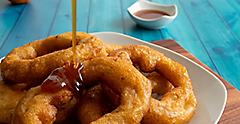
For those who like to start their breakfast in Peru with something a little sweeter, nothing beats Peruvian picarones. Created in Lima, these donut-like, deep-fried treats are made with sweet potato or squash, flour, yeast and sugar. They’re fluffy, crisp little bites of comfort. If you like it sweet, add a drizzle of “chancaca,” a popular sugar cane syrup in Peru. These Latin American breakfast food faves are available all over the city or in shops.
When I lived in Cuzco, high up in the Andean mountains, breakfast of choice was a warm cup of “mate de coca” (coca leaf tea that helps soothe altitude sickness and gives you a small boost of energy to start your day) and a steamed humita. Freshly ground Peruvian corn (“choclo”) is used to make these tamale-looking creations. The fresh corn is layered into a corn husk with a slice of fresh cheese before being steamed and served hot as is, or with a spicy salsa criolla made with onion, tomatoes, chili peppers, lime juice and herbs. It's said the Incas enjoyed humitas, and they continue to be a country-wide favorite. Because they take some time to prepare, locals often buy them from vendors and heat them up to serve at home for breakfast.
Experience Brazil's Tropical Twist
You won't see eggs and bacon for breakfast in Brazil, but you will almost always find some sort of baked good, Brazilian coffee and tropical fruit. During the work week in the megapolis cities of São Paulo or Rio, most busy Brazilians start the day with a “café da manhã” (morning coffee), which is served with heated milk or made dark and full-bodied with lots of sugar.
You'll see lineups at neighborhood “padarias,” or bakeries, where Brazilians gather to enjoy their cup of morning coffee with one of the usual suspects: toasted French bread or “pão na chapa,” panini-like toasted cheese and ham sandwiches called “misto quente,” or one of many small, savory snacks they call “salgadinho,” before rushing off to work.
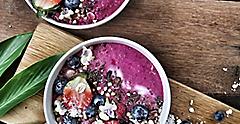
If the bakery visit is on the weekend, there's more time to enjoy breakfast and the atmosphere is less down-the-coffee-and-go and more eat and relax with family. Those not enamored with coffee might opt for a “vitamina,” a popular breakfast smoothie made with avocado, milk and sugar. Or they'll start the day with a rainbow's worth of tropical fruits, including papaya, “maracuya” (passion fruit) or the Amazonian superfruit, açai. These are dark purple berries and often frozen before being turned into cool açai bowls served with granola, sliced bananas or made into a smoothie.
One of the best breakfasts in Brazil (and the world in my humble opinion), is the ridiculously delicious Brazilian cheese puff called a “pao de queijo.” They’re naturally gluten-free since they're made with tapioca starch, aka “manioc starch,” made by extracting the liquid from yucca or cassava and fresh cheese. These savory, melt-in-your-mouth morsels are often served with slices of ham or cheese. Fair warning: You can't eat just one!
Also made from manioc are the popular Brazilian crêpes simply called tapioca. To make these unique thin pancakes, hydrate manioc starch with water and sprinkle the mix over a hot griddle or pan. Right before your eyes, an alchemical miracle takes place where the moistened starch melts together to form a pale crêpe. Enjoyed both sweet and savory, the fillings include anything from condensed milk with coconut, cheese, fruit or even chocolate.
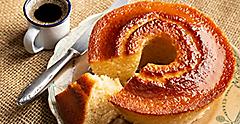
For those who like a sweet start to their day, there's also cake on the Brazilian breakfast menu. Yes, cake! These are tender crumbed, rich pound or coffee cakes that often bear the cultural imprint of European immigrants who brought these recipes over with them years ago. Usually baked in bundt or ring pans, these are uncomplicated cakes whose batter is often whipped up in a blender before being poured and baked. Favorites include orange pound cake, “cuca de banana,” a German-style banana coffee cake, “Brazilian Bolo de Fubá” (or cornmeal) cake and Portuguese-style sweet breads. Some would consider this the best breakfast in South America!
In the northeast of the country, Brazilians enjoy steamed cornmeal as their breakfast staple. Made using a special kind of cornmeal, locally called “milharina,” this is flaky-textured and steamed in a pot that resembles a North African couscousière. Quick and easy to prepare, this dish is often served with butter, cheese or both, for a satisfying start to any day.
Wake Up to a Taste of South America