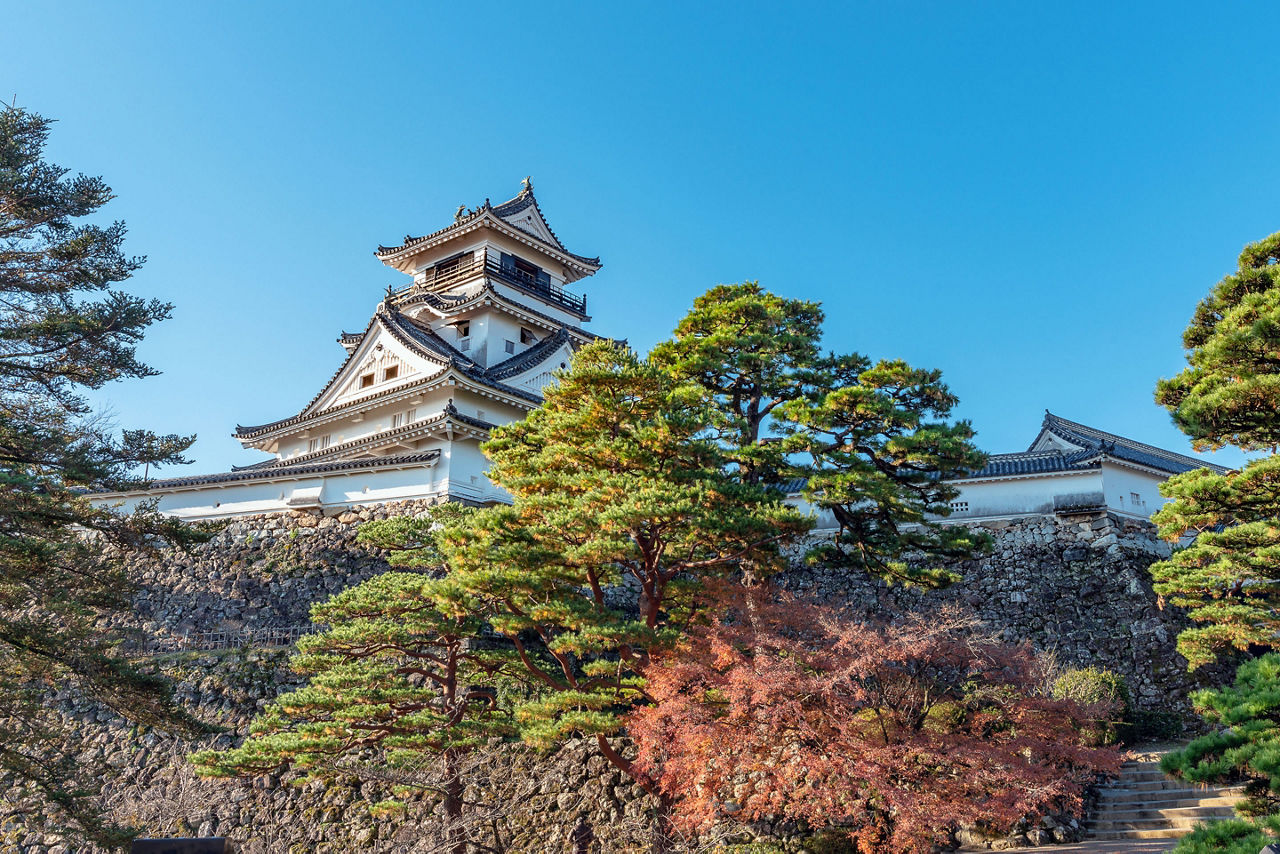
Some of the best gardens in Kyoto include Tenryu-ji, Ryoan-ji, Kinkaku-ji, Ginkaku-ji, Heian-jingu Shrine Garden and Murin-an. Each offers something different, from carefully arranged rocks and sweeping pond views to seasonal flowers and flowing streams.
Kyoto’s gardens invite you to slow down and notice the details. A hillside becomes part of a pond’s backdrop. A turn in a path reveals a new view. Even an open stretch of raked gravel can become the most interesting part of your visit.
Whether you have time for one garden or several, this guide will help you choose where to go and what to look for.
What Makes Kyoto’s Gardens Special?
Kyoto’s gardens reflect a long history of temple life, aristocratic estates and landscape design. Some are meant to be explored along winding paths, while others are best appreciated from a seated viewpoint.
A few design ideas can help you understand what you’re seeing:
- Dry landscape gardens: Rocks and raked gravel suggest natural scenery, sometimes representing mountains, islands or water.
- Pond gardens: Water, stones, plants and paths create views that change as you move.
- Borrowed scenery: Distant hills or other features beyond the garden become part of its design.
These styles often overlap. A Zen temple can have a lush pond garden, and a single property may combine mossy ground, flowing water and carefully shaped sand.
1. Tenryu-ji Garden: Best for Pond Views & Mountain Scenery
Tenryu-ji is a strong choice for a first visit to Kyoto’s gardens. Located in Arashiyama, it brings together a large pond, carefully placed rocks and wooded hills in the distance.
The garden was designed by the Zen monk Muso Soseki in the 14th century. Its use of the surrounding hills is an example of shakkei, or borrowed scenery. Look across the pond and notice how the garden seems to continue into the landscape beyond its boundaries.
Give yourself time to enjoy the view before moving along the paths. The rocks, reflections and trees offer plenty to notice, even when flowers aren’t in bloom.
Choose Tenryu-ji if: You want a classic Japanese garden with water, mountain scenery and a setting that fits into an Arashiyama outing.
2. Ryoan-ji Rock Garden: Best for a Classic Zen Garden
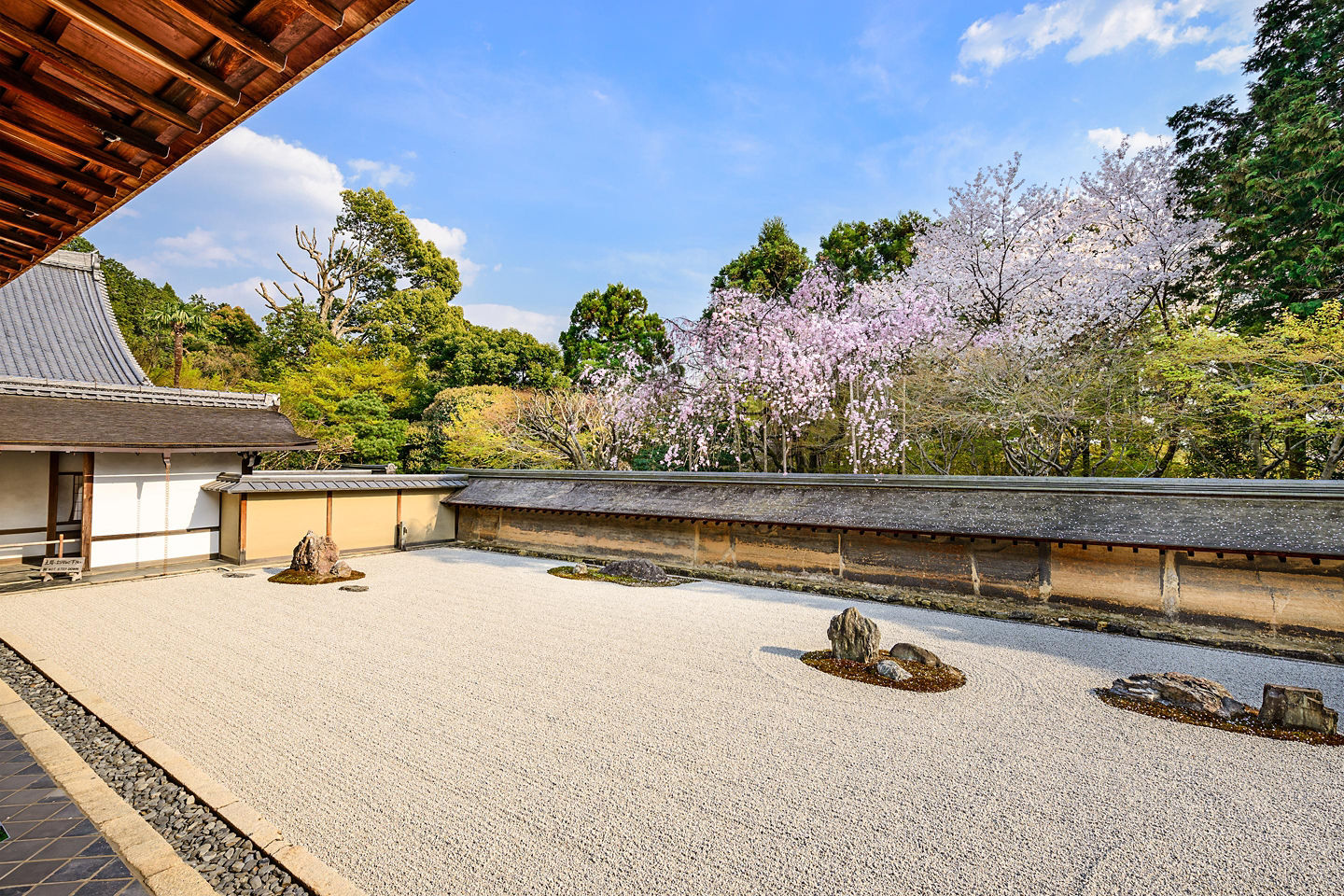
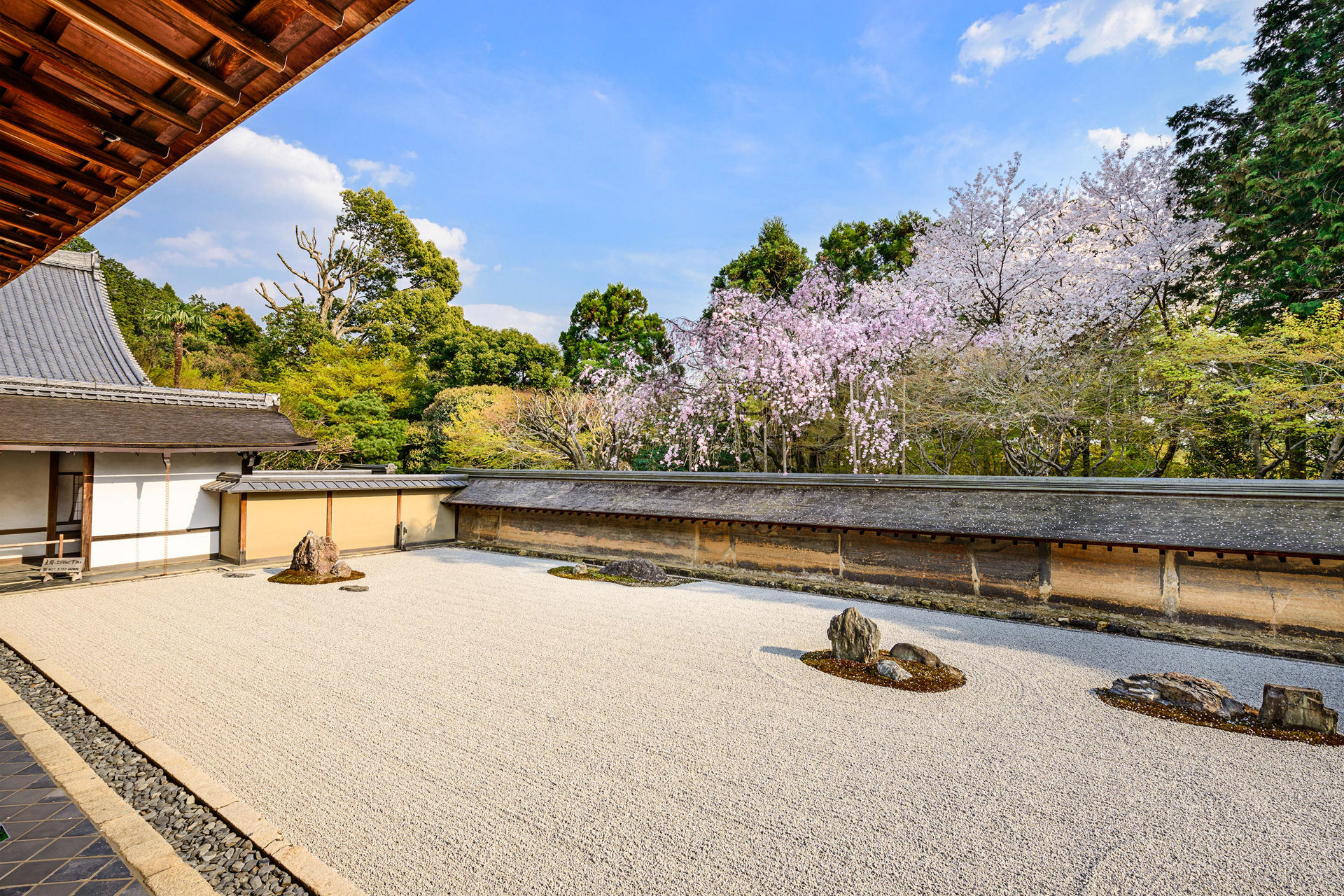
Ryoan-ji is famous for its dry landscape garden, where 15 stones sit among carefully raked white gravel. A low earthen wall surrounds the space, keeping your attention on the arrangement.
The garden’s meaning has inspired many interpretations. Rather than searching for one correct answer, spend a few minutes looking at the spaces between the stones and the patterns around them. The simple design gives each detail room to stand out.
There's more to explore beyond the rock garden, including the temple’s grounds and pond. Together, they offer a different experience from the compact, enclosed stone composition.
Choose Ryoan-ji if: You’re curious about Zen gardens and enjoy places that reward a quiet pause.
3. Kinkaku-ji Garden: Best for Golden Pavilion Reflections
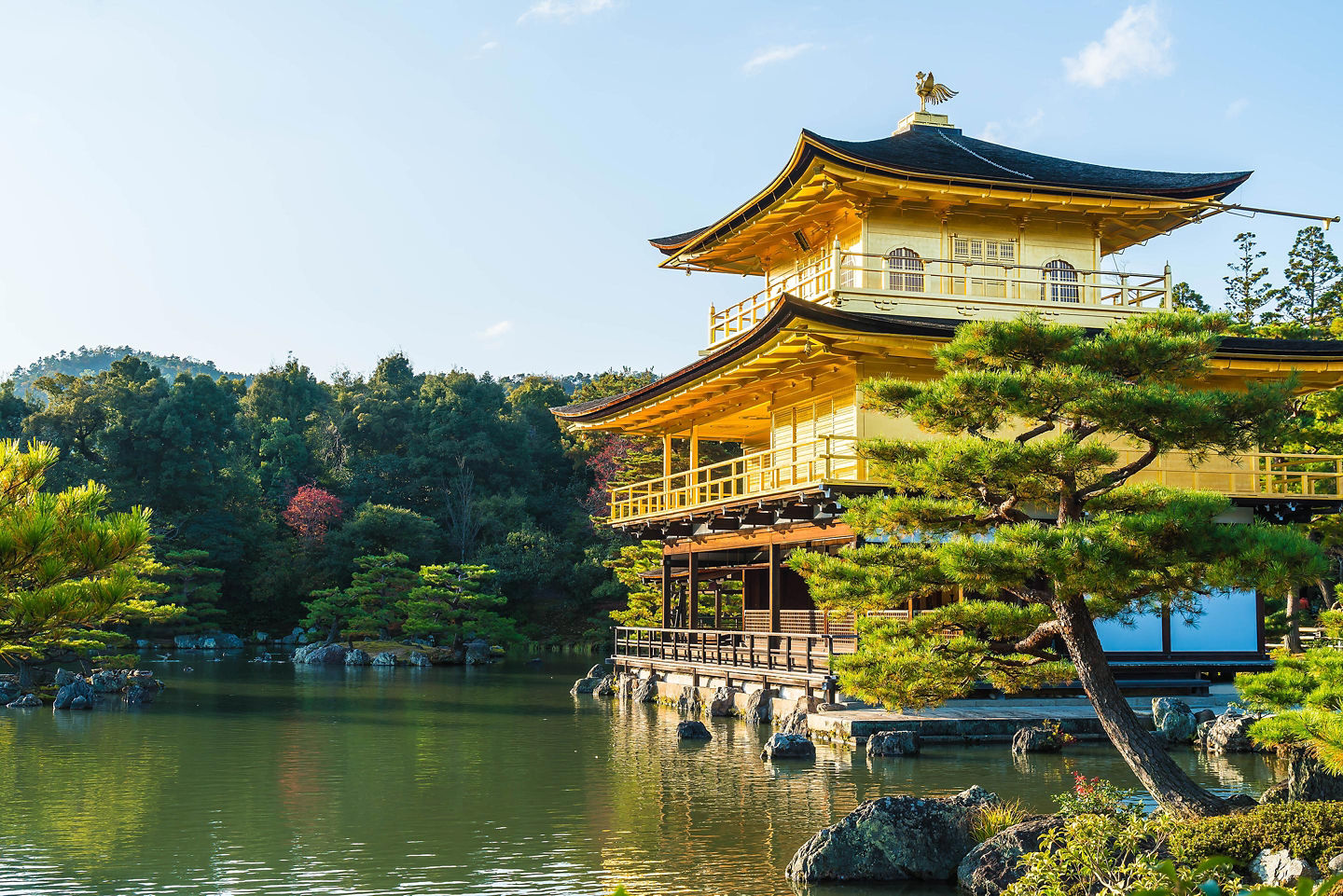
Kinkaku-ji’s garden frames one of Kyoto’s most recognizable sights: the Golden Pavilion reflected in Kyoko-chi Pond. The pavilion’s upper two stories are covered in gold leaf, creating a bright focal point among the water and greenery.
Small islands and stones break up the pond’s surface. These details help balance the view, giving your eye more to explore after that first look at the pavilion.
Follow the visitor route to see how the scene changes from different angles. The grounds also include mossy areas and a teahouse, adding variety to the walk.
Choose Kinkaku-ji if: You want a garden visit that combines memorable scenery with one of Kyoto’s best-known cultural sights.
4. Ginkaku-ji Garden: Best for Sand Designs & Elevated Views
Ginkaku-ji, also called the Silver Pavilion, is known for its carefully shaped sand garden and hillside setting. The large sand cone is one of its most distinctive features, standing beside neatly maintained patterns.
The garden rewards exploring at a comfortable pace. Start by looking closely at the sand forms, then follow the route through the grounds. The hillside path offers views back toward the pavilion and across the surrounding city.
That change in perspective is part of the appeal. You can appreciate small details near the buildings, then see how the whole garden fits into its setting.
Choose Ginkaku-ji if: You enjoy varied garden scenes and are comfortable with the steps and uphill sections of the route.
5. Heian-jingu Shrine Garden: Best for Seasonal Flowers
Heian-jingu Shrine’s garden is a lovely choice for travelers interested in flowers and waterside scenery. Its garden areas surround the shrine buildings, offering a softer contrast to the bright architecture.
Spring brings the appeal of weeping cherry trees. Other flowers appear as the seasons progress, while ponds and a covered bridge add interest beyond blossom time. The garden reflects the design traditions of the Meiji period, when the shrine was established.
If flowers are your main reason for visiting, check what is blooming close to your travel date. Different plants have different seasons, giving the garden a changing character throughout the year.
Choose Heian-jingu if: You enjoy flowering trees, pond views and a garden walk with plenty of changing scenery.
6. Murin-an: Best for Streams & a Natural Landscape
Murin-an offers a more intimate garden experience near Nanzen-ji. Created in the late 19th century as part of a private villa, it was designed to suggest the scenery of a mountain village.
A flowing stream is one of its defining features. The sound and movement of water bring the garden to life, while the paths encourage you to notice how the landscape unfolds.
Murin-an is especially interesting if you want to compare garden styles. After seeing Ryoan-ji’s carefully arranged stones or Kinkaku-ji’s pavilion reflections, its natural-looking stream offers another way to understand Japanese landscape design.
Choose Murin-an if: You enjoy flowing water, smaller garden spaces and learning how a natural-looking landscape is carefully planned.
When Is the Best Time To Visit Kyoto’s Gardens?
Spring and autumn are popular times to visit Kyoto’s gardens. Cherry blossoms often draw visitors from late March into early April, while autumn foliage generally attracts crowds from November into early December. Exact timing varies by year and location.
Each season offers a different reason to explore:
- Spring: Flowering trees and fresh growth bring color to the gardens.
- Summer: Greenery becomes the focus, with warm weather making water and rest breaks welcome.
- Autumn: Changing leaves add red, orange and gold to many garden views.
- Winter: Bare branches and evergreen plants make the shape of a garden easier to appreciate.
You can enjoy Kyoto’s gardens outside the busiest blossom and foliage periods, too. Rock arrangements, pond reflections and the layout of paths remain interesting throughout the year.
How Should You Plan a Kyoto Garden Visit?
Choose a garden based on what you want to see, then build your outing around its location. Kyoto’s gardens are spread across the city, so a smaller selection gives you more time to enjoy each stop.
A few practical tips can help:
- Start with your main interest: Pick Ryoan-ji for a rock garden, Tenryu-ji for pond scenery or Heian-jingu for seasonal flowers.
- Group nearby places: Murin-an and Heian-jingu are both in the Okazaki area. Tenryu-ji works well with time in Arashiyama.
- Check admission details: Garden access and entry to temple buildings may have separate arrangements.
- Review the walking route: Some gardens include steps, gravel paths or uphill sections.
- Leave time to pause: A few minutes at a viewpoint can be more rewarding than rushing to another stop.
Enjoy the planted areas from the visitor paths at temple and shrine gardens.
Visiting Kyoto on a Shore Excursion From Osaka

Kyoto is inland, so cruise guests visiting through Osaka travel onward by road or rail. A shore excursion can bring transportation and sightseeing together, helping you make the most of a port day.
Royal Caribbean’s Exploring Kyoto – English Guide excursion introduces the city through its temple architecture and traditional streets. When choosing an outing, review the stops listed for your sailing and look for any specific garden you hope to see.
A Kyoto sightseeing tour may combine several kinds of attractions. The garden selection in this guide can help you understand the options, while your excursion itinerary confirms which places are included.
Why Visit Kyoto’s Gardens?
Kyoto’s gardens offer a beautiful way to connect with Japanese culture through everyday details: the sound of a stream, the shape of a stone or a hillside reflected in water. Each garden brings a different idea to life, making even a single visit worth taking slowly.
Explore cruises to Kyoto (Osaka), Japan and discover how Kyoto’s garden traditions could become part of your next adventure.
Frequently Asked Questions About Kyoto Gardens
-
What is the best garden in Kyoto for a first visit?
Tenryu-ji is a strong choice for a first visit because it combines a traditional pond garden with mountain scenery in Arashiyama. Ryoan-ji is a good alternative if your main interest is a classic Japanese rock garden.
-
Which Kyoto garden has the famous rocks?
Ryoan-ji has Kyoto’s famous rock garden, with 15 stones arranged within a rectangular space of raked white gravel. Visitors appreciate the composition from the viewing area beside the temple building.
-
Which Kyoto garden is best for cherry blossoms?
Heian-jingu Shrine Garden is a good choice for cherry blossoms, particularly its weeping cherry trees. Bloom dates depend on the weather and tree variety, so check seasonal updates near your visit.
-
Are all Japanese gardens Zen gardens?
Japanese gardens include several styles, and Zen gardens are only part of that tradition. Kyoto has dry landscape gardens, pond gardens and villa gardens. Zen temples can also contain gardens with ponds and lush planting, as Tenryu-ji demonstrates.
-
Can you visit Kyoto gardens from an Osaka cruise stop?
Kyoto can be visited on a full-day shore excursion from Osaka. Garden visits depend on the chosen itinerary.
-
How many Kyoto gardens should you visit in one day?
For an independent day in Kyoto, two or three gardens in nearby areas is a reasonable starting plan. If you’re traveling from a cruise port, allow for the return journey.
Planning a Trip to Kyoto and Osaka?
Want to learn more about Kyoto and nearby Osaka? Check out these guides to plan your next trip:
- Osaka (Kyoto), Japan Shore Excursions - Explore outings that combine city sights, historic temples and cultural discoveries.
- What Is Osaka Known For? - Discover Osaka’s food traditions, lively neighborhoods and famous sights.
- Best Time To Visit Osaka - Compare seasonal weather and experiences for your visit to the region.