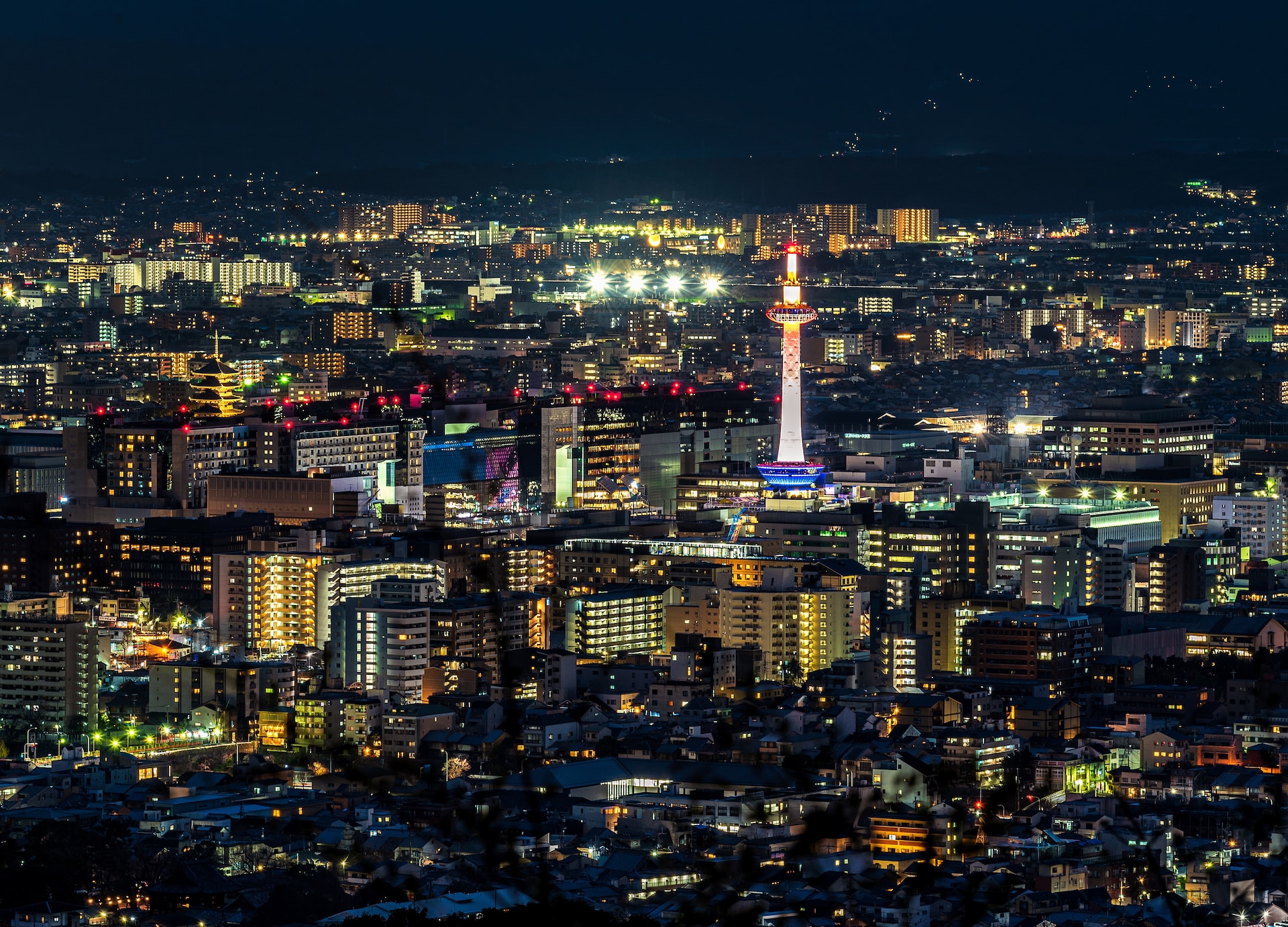
From the lantern-lit lanes of Gion to the temple-filled hills of Higashiyama and the bamboo groves of Arashiyama, the best neighborhoods in Kyoto each offer a different way to experience Japan’s ancient capital.
The best neighborhoods in Kyoto include Gion for first-time visitors and traditional atmosphere, Higashiyama for temples and historic streets, Kyoto Station / Shimogyo for transportation, Arashiyama / Ukyo for nature, Downtown Kyoto / Kawaramachi for food and shopping and Fushimi for shrine visits, sake and a quieter local feel.
1. Gion: Best neighborhood for first-time visitors and traditional atmosphere
Gion is one of the best neighborhoods in Kyoto for first-time visitors who want to stay close to the city’s most atmospheric streets. Known for its traditional teahouses, lantern-lit lanes and preserved wooden buildings, Gion offers the classic Kyoto experience many travelers imagine before arriving.
Staying here puts you near Hanamikoji Street, Yasaka Shrine, Maruyama Park and the historic streets leading toward Higashiyama. The neighborhood is especially memorable in the evening, when the streets glow softly and the pace feels more refined.
Gion works well for travelers who want cultural atmosphere, walkability and easy access to temples, shrines and dining. It can be busy in peak seasons, but for a first visit, it remains one of the most iconic places to base your stay.
Where to stay in Gion:
OMO5 Kyoto Gion by Hoshino Resorts
Directly opposite Yasaka Shrine on Shijo-dori, with Hanamikoji Street, Kiyomizu-dera, and Ninenzaka all within walking distance. Hoshino's OMO concept leans into neighbourhood exploration — rooms have kitchenettes for a more residential feel, and the hotel runs daily guided morning walks through the quiet back streets of Gion before the crowds arrive. Gion-Shijo Station is a five-minute walk for getting further afield.
2. Higashiyama: Best neighborhood for temples and historic streets
Higashiyama is one of Kyoto’s most rewarding areas for travelers who want temples, shrines and preserved streets close by. Set along the eastern hills, this district is known for stone lanes, wooden townhouses, small shops and some of the city’s most famous cultural landmarks.
Staying here places you within reach of Kiyomizu-dera, Ninenzaka, Sannenzaka and several scenic walking routes. The neighborhood feels especially beautiful early in the morning or later in the evening, when the crowds thin and the historic streets feel quieter.
Higashiyama is a strong choice for travelers who want to focus on Kyoto’s heritage and spiritual sites. It involves some hills and uneven streets, but its atmosphere and landmark access make it one of the most memorable areas to stay.
Where to stay in Higashiyama:
DoubleTree by Hilton Kyoto Higashiyama
A one-minute walk from Kiyomizu-Gojo Station on the Keihan Line, in the heart of Kyoto's best-preserved historic district. Kiyomizu-dera is a 19-minute walk, Gion is one station away, and Fushimi Inari is four stops down the line. The interior blends traditional Japanese elements — shoji screens, tatami-style rooms, a brass moon sculpture in the lobby — with the reliability of a full-service hotel. The public bath is a good way to decompress after a day on the temple circuit.
View DoubleTree by Hilton Kyoto Higashiyama
3. Kyoto Station: Best area for transportation and short stays
Kyoto Station is one of the most practical places to stay in Kyoto, especially for travelers with limited time or plans to explore beyond the city. As the city’s major transportation hub, the area offers access to trains, buses, taxis and connections to Osaka, Nara and other nearby destinations.
The neighborhood around Kyoto Station feels more modern than Gion or Higashiyama, with hotels, restaurants, shopping centers and convenient services close by. It may not have the same old-world atmosphere, but it makes getting around much easier.
Kyoto Station works especially well for short stays, early departures or travelers who want a simple, efficient base. If your itinerary includes multiple neighborhoods or day trips, this area can make the city feel more manageable.
Where to stay near Kyoto Station:
Hotel The M's Kyoto
A five-minute walk from Kyoto Station's Hachijo exit — which means JR lines, the Shinkansen, the subway, and city buses are all immediately accessible. The designer interiors punch above the price point, with spacious rooms for Kyoto and a well-regarded communal lounge. Fushimi Inari is a short train ride south; Arashiyama, Gion, and the northern temples are all straightforward from the station. A practical, well-designed base for covering a lot of ground.
4. Arashiyama: Best neighborhood for nature and scenic views
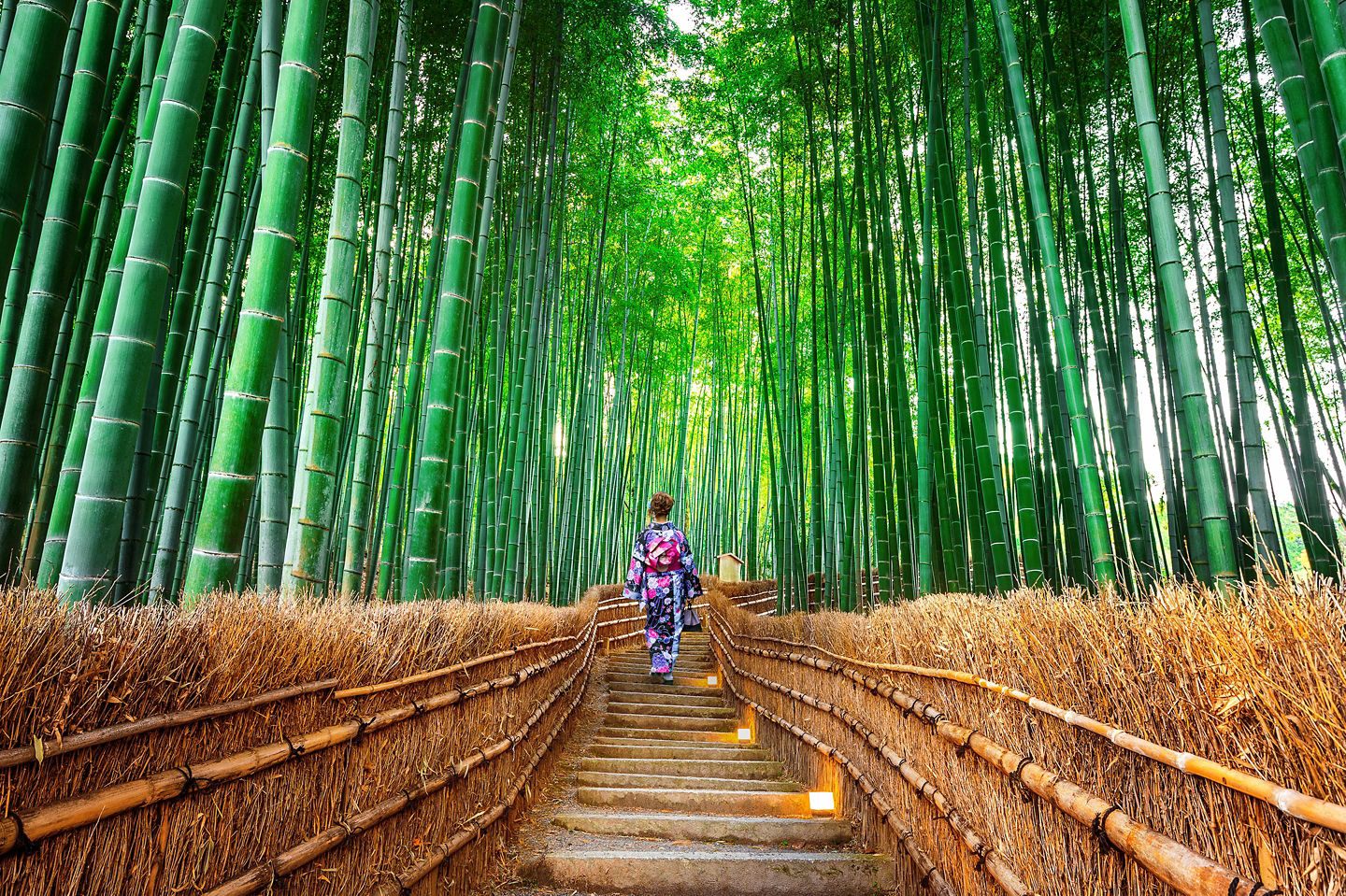
Arashiyama is one of the best areas in Kyoto for travelers who want nature, riverside scenery and a slower pace. Located on the western edge of the city, this district is known for its bamboo grove, mountain views, temples, gardens and the scenic Katsura River.
Staying in Arashiyama feels different from staying in central Kyoto. The area is quieter in the evening, with a more peaceful atmosphere once many day visitors leave. It is especially appealing for travelers who want a retreat-like setting surrounded by natural beauty.
Arashiyama is not as central as Gion or Downtown Kyoto, but it offers a distinctive experience. It works well for couples, nature lovers and travelers who want to spend more time exploring Kyoto’s scenic side.
Where to stay in Arashiyama:
Riverside Arashiyama
An apartment-style property in the heart of Arashiyama, a ten-minute walk from Tenryu-ji Temple and the bamboo grove, with Togetsukyo Bridge and the Oi River a short stroll from the door. The deep soaking bathtubs and spacious self-contained units suit longer stays or anyone who wants to experience the area early morning and late evening — when the crowds thin out and Arashiyama is at its best. Two local train stations are nearby for day trips into central Kyoto.
5. Downtown Kyoto / Kawaramachi: Best neighborhood for shopping and dining
Downtown Kyoto and Kawaramachi are ideal for travelers who want restaurants, shopping, nightlife and central access. This area is one of Kyoto’s busiest commercial districts, with department stores, covered shopping arcades, cafés, bars and easy transportation connections.
Staying here puts you close to Nishiki Market, Pontocho Alley and the Kamo River. You can also walk or take a short ride to Gion, Higashiyama and other major sightseeing areas, making it a convenient base for travelers who want both atmosphere and practicality.
Kawaramachi works well for food lovers, shoppers and travelers who want more evening activity. It feels more modern and lively than the temple districts, but its central location makes it one of the city’s most useful areas to stay.
Where to stay in Downtown Kyoto / Kawaramachi:
Mitsui Garden Hotel Kyoto Kawaramachi Jokyoji
Right in the middle of Kyoto's downtown — a one-minute walk from Kyoto-Kawaramachi Station, with Pontocho Alley, Nishiki Market, and Shijo Street all within easy walking distance. The hotel is built around the historic Jokyoji Temple, which has been on this site for 500 years; the on-site restaurant looks onto the temple garden, and guests can join the morning temple ritual. A large public bath rounds out a stay that blends central convenience with genuine Kyoto character.
View Mitsui Garden Hotel Kyoto Kawaramachi Jokyoji
6. Fushimi: Best neighborhood for shrine visits, sake and a quieter local feel
Fushimi is a strong choice for travelers who want to experience a quieter side of Kyoto with deep cultural roots. Located in southern Kyoto, the area is best known for Fushimi Inari Taisha, the famous Shinto shrine lined with thousands of red torii gates that wind up the mountainside.
Beyond the shrine, Fushimi also has a long sake-making history, with canals, traditional breweries and a more local atmosphere than the busier temple districts. The area feels less polished than Gion or Downtown Kyoto, but that makes it appealing for travelers who want a stay that feels more connected to everyday life.
Fushimi works best for repeat visitors, shrine-focused travelers or anyone who wants to stay somewhere quieter while still having access to Kyoto by train. It is not as central as Gion or Kawaramachi, but it offers a distinct experience that feels different from the city’s more crowded sightseeing areas.
Where to stay in Fushimi:
Urban Hotel Kyoto
A twelve-minute walk from the torii gates of Fushimi Inari Shrine and five minutes from Ryukokudaimae-Fukakusa Station on the Keihan Line — one of the most practical locations in Kyoto for visiting the shrine early, before the crowds build. Tofuku-ji Temple is also nearby, and the Keihan Line connects you directly to Gion and central Kyoto in around ten minutes. Bicycle rentals at the hotel make it easy to explore the wider Fushimi district at your own pace.
Best neighborhoods in Kyoto based on travel style
The best neighborhood to stay in Kyoto depends on the kind of trip you’re planning, from temple visits and traditional streets to dining, shopping, nature or easy transportation.
- First-time visitors: Gion, Higashiyama and Downtown Kyoto / Kawaramachi are some of the best areas for a first trip to Kyoto. Gion offers traditional atmosphere, Higashiyama places travelers near temples and historic lanes, and Kawaramachi provides dining, shopping and easy access to several neighborhoods.
- Couples: Gion, Arashiyama / Ukyo and Fushimi are strong options for couples. Gion offers lantern-lit streets and refined restaurants, Arashiyama provides riverside scenery and mountain views, and Fushimi offers a quieter setting with shrine paths, canals and traditional sake heritage.
- Families: Kyoto Station / Shimogyo, Downtown Kyoto / Kawaramachi and Arashiyama / Ukyo are often good choices for families because they offer transportation, dining and easier access to major sights. Kyoto Station is especially practical for moving around the city, while Arashiyama offers nature and open scenery.
- Food lovers: Downtown Kyoto / Kawaramachi, Gion and Kyoto Station / Shimogyo are strong areas for food-focused travelers. Kawaramachi places you close to Nishiki Market and Pontocho Alley, Gion offers traditional dining and Kyoto Station has a wide range of convenient restaurants.
- Traditional culture: Gion, Higashiyama and Fushimi are the best neighborhoods in Kyoto for traditional culture. Gion offers teahouses and lantern-lit streets, Higashiyama is known for temples and preserved lanes and Fushimi brings travelers close to shrine paths, sake breweries and a more local side of the city.
- Nature and scenery: Arashiyama / Ukyo and Fushimi are ideal for travelers who want a more scenic side of Kyoto. Arashiyama offers bamboo groves, river views and mountains, while Fushimi has shrine trails, canals and a quieter southern Kyoto setting.
- Short stays: Kyoto Station / Shimogyo, Gion or Downtown Kyoto / Kawaramachi work especially well for shorter stays because they offer convenience, dining and transportation access. Staying in these areas can help reduce travel time and make it easier to experience more of Kyoto in a limited window.
- Quieter stays: Fushimi and Arashiyama / Ukyo are good choices for travelers who want a calmer atmosphere. Fushimi offers shrine access and a more local pace, while Arashiyama provides river views, bamboo groves and scenic mountain surroundings.
Tips for choosing where to stay in Kyoto
Choosing where to stay in Kyoto often comes down to transportation, walkability, atmosphere and how much time you want to spend near temples and historic districts. These tips can help narrow down which neighborhood may work best for your trip.
- Kyoto’s most atmospheric areas, including Gion and Higashiyama, are highly walkable but can involve narrow streets, hills and crowds during peak travel seasons.
- Kyoto Station / Shimogyo is the most practical base for transportation, especially if you are arriving by train, leaving early or planning day trips beyond the city.
- Gion and Higashiyama are ideal if your priority is traditional atmosphere, temples, shrines and historic streets.
- Downtown Kyoto / Kawaramachi is a strong choice if you want shopping, restaurants, nightlife and easy access to multiple neighborhoods.
- Arashiyama / Ukyo offers nature and scenery, but it is farther from central Kyoto, so it works best if you want a slower stay or have extra time.
- Fushimi is a good fit for travelers who want shrine visits, sake heritage and a quieter local atmosphere with train access back into central Kyoto.
- If you are visiting during cherry blossom or fall foliage season, staying close to the sights you care about most can help you enjoy popular areas earlier in the morning.
What to Do While Staying in Kyoto
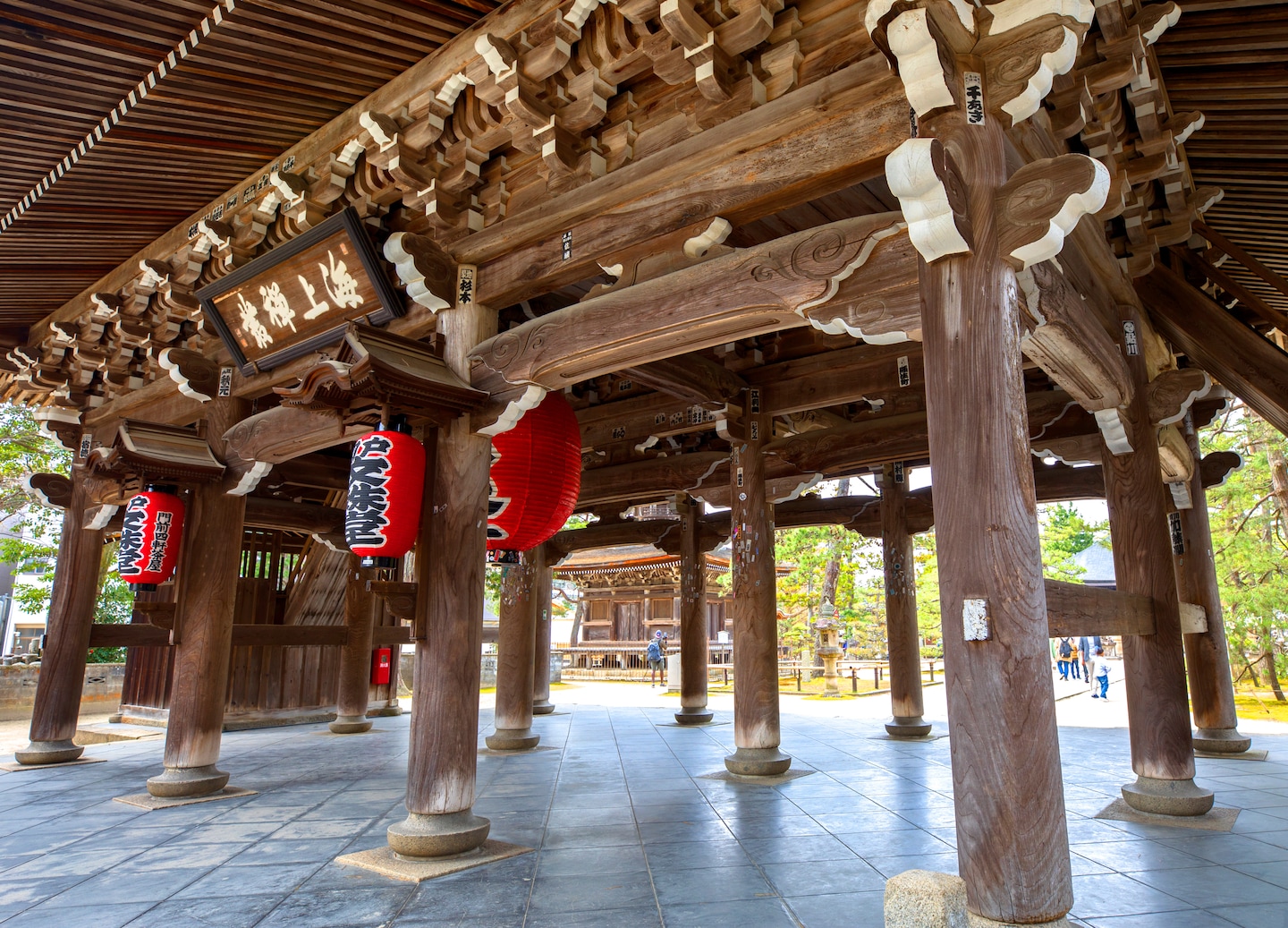
No matter which neighborhood you choose, Kyoto’s top experiences pair naturally with where you are staying. From temple visits and traditional streets to bamboo groves, shrine gates and scenic day trips, the right excursion can help you experience more of Kyoto, especially during a shorter pre- or post-trip stay.
- Gion & Higashiyama: Ideal for traditional streets, temple architecture and Kyoto’s living heritage. Exploring Kyoto includes Kiyomizu-dera, one of Kyoto’s most celebrated temples, followed by time on Hanamikoji Street in Gion, where preserved machiya townhouses, teahouses and traditional restaurants create one of the city’s most atmospheric walks.
- Arashiyama / Ukyo: A natural fit for travelers interested in Kyoto’s scenic side. Inari Gates to Arashiyama Views pairs a prominent Shinto shrine with time in a verdant sightseeing district, making it a strong match for travelers who want both spiritual landmarks and natural beauty.
- Fushimi: Travelers interested in sacred traditions and iconic shrine scenery may want to pair their stay with Inari Gates to Arashiyama Views, which highlights one of Kyoto’s most recognizable Shinto experiences along with scenic surroundings.
- Kyoto Station / Shimogyo & central access: Kyoto City On Your Own Transfer works well for travelers who want flexible time to explore Kyoto independently. With scheduled motorcoach transportation and several hours in the city, it can be adapted to interests like temples, shopping, food or historic streets.
- Northern Kyoto and coastal scenery: The Amanohashidate Highlights offers a different perspective on the region, with a visit to the famous Amanohashidate sandbar in Miyazu Bay, a cable-car ride, a historic shrine and a Buddhist temple.
Getting around Kyoto
Kyoto is best explored through a mix of walking, trains, buses and taxis. Neighborhoods like Gion, Higashiyama and Downtown Kyoto / Kawaramachi are especially walkable once you are there, while Kyoto Station / Shimogyo is the strongest base for train and bus connections across the city and beyond.
Because many temples and shrines are spread across different parts of Kyoto, choosing a neighborhood close to your top priorities can make sightseeing easier. For shorter stays, Kyoto Station / Shimogyo, Gion or Downtown Kyoto / Kawaramachi can help reduce travel time and keep restaurants, transit and major sights within reach.
FAQs: Neighborhoods in Kyoto
1. What are the best neighborhoods to visit in Kyoto?
The best neighborhoods to visit in Kyoto include Gion for traditional atmosphere, Higashiyama for temples and historic streets, Kyoto Station / Shimogyo for transportation, Arashiyama / Ukyo for nature and scenic views, Downtown Kyoto / Kawaramachi for food and shopping and Fushimi for shrine visits and sake heritage. Each neighborhood offers a different way to experience the city.
2. What is the best neighborhood to stay in Kyoto for first-time visitors?
Gion is one of the best neighborhoods to stay in Kyoto for first-time visitors because it offers traditional atmosphere, walkability and easy access to nearby temples, shrines and historic streets. Higashiyama and Downtown Kyoto / Kawaramachi are also strong choices for first-time visitors who want cultural sights, dining and central access.
3. Where should I stay in Kyoto for a short stay?
For a short stay in Kyoto, neighborhoods like Kyoto Station / Shimogyo, Gion and Downtown Kyoto / Kawaramachi are ideal because they offer transportation access, dining and proximity to major sights. Staying in these areas can help reduce travel time and make it easier to experience several parts of Kyoto in a limited amount of time.
4. What is the best neighborhood in Kyoto for couples?
Gion is one of the best neighborhoods in Kyoto for couples because of its lantern-lit streets, traditional restaurants and atmospheric evening walks. Arashiyama / Ukyo and Fushimi are also strong options for couples who want scenic views, shrine paths and a quieter pace.
5. What is the best area to stay in Kyoto with family or kids?
Kyoto Station and Downtown Kyoto are two of the best areas to stay in Kyoto with family or kids because they offer convenient transportation, restaurants and easier access to major attractions.
6. What is the most convenient neighborhood in Kyoto?
Kyoto Station is the most convenient neighborhood in Kyoto for transportation because it connects travelers to trains, buses, taxis and day trip routes. Downtown Kyoto / Kawaramachi is also highly convenient for dining, shopping and access to several central neighborhoods.
7. What is the best neighborhood in Kyoto for traditional culture?
Gion, Higashiyama and Fushimi are the best neighborhoods in Kyoto for traditional culture. Gion is known for teahouses and preserved streets, Higashiyama offers temples and historic lanes and Fushimi is home to shrine paths, sake breweries and a quieter local atmosphere.
8. What is the best neighborhood in Kyoto for nature and scenery?
Arashiyama / Ukyo is one of the best neighborhoods in Kyoto for nature and scenery because it offers bamboo groves, river views, mountain scenery, temples and gardens. Fushimi is another strong option for scenic shrine trails, canals and a quieter southern Kyoto setting.
Planning a Trip to Kyoto?
Want to learn more about this Japanese gem? Check out these guides to plan your next trip:
- Kyoto (Maizuru) Shore Excursions - Plan your Kyoto adventure with curated stops for culture, cuisine, and scenic exploration.
- What to Buy in Kyoto - Find your perfect Kyoto souvenir by comparing teas, crafts, sweets, and artisan‑made keepsakes.