From the neon energy of Shinjuku to the traditional streets of Asakusa and the polished style of Ginza, the best neighborhoods in Tokyo each offer a different way to experience the city.
The best neighborhoods in Tokyo include Shinjuku for first-time visitors, Ginza for shopping and dining, Asakusa for traditional culture, Shibuya for nightlife and youth culture, Tokyo Station for transportation and central access and Roppongi / Akasaka for dining, museums and evening energy.
1. Shinjuku: Best neighborhood for first-time visitors
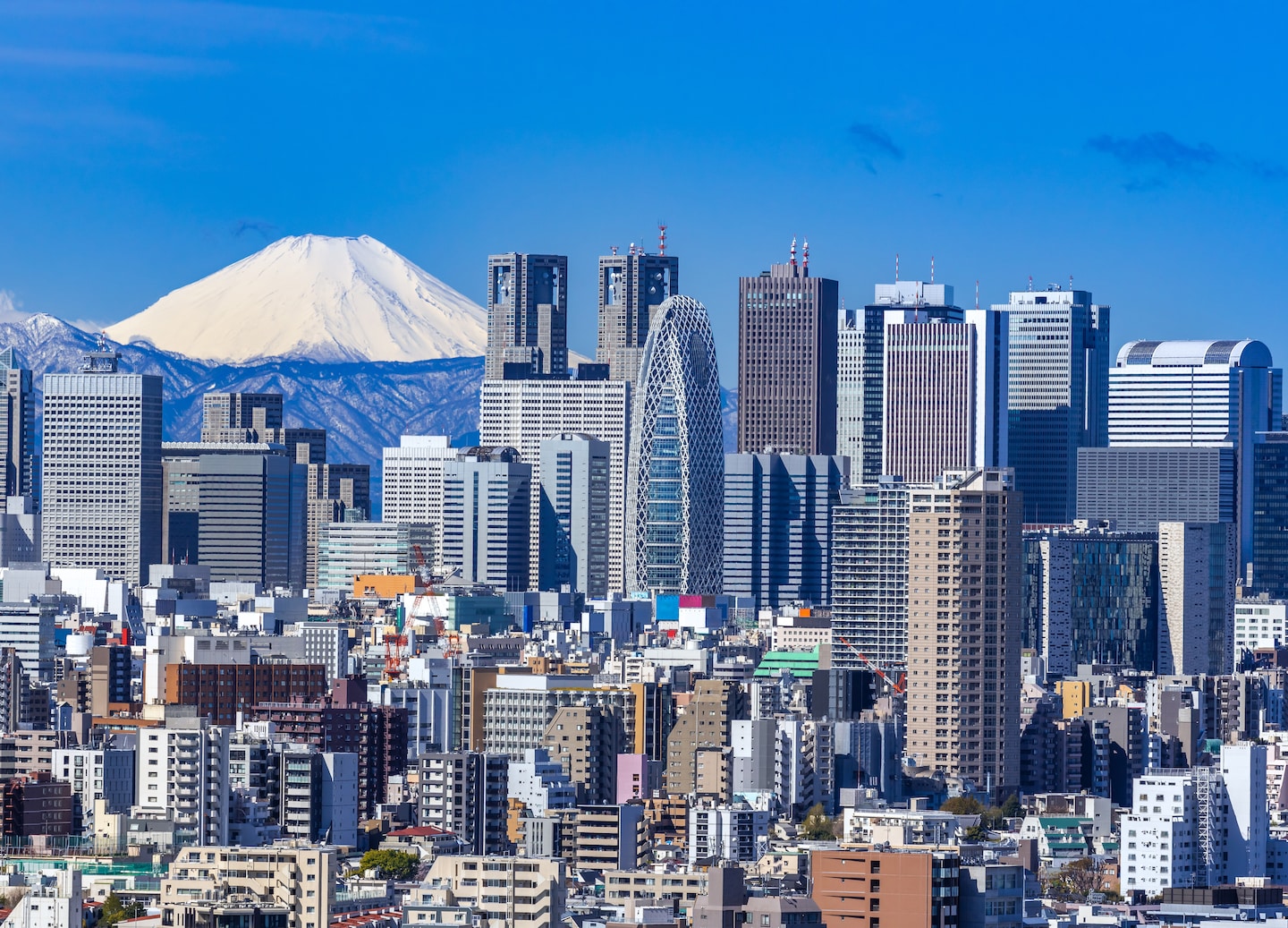
Shinjuku is ideal for first-time visitors who want a lively, well-connected base with easy access to many sides of Tokyo. The neighborhood is known for its major train station, bright lights, restaurants, shopping, entertainment and quick transportation connections across the city.
Staying here places you close to some of Tokyo’s most recognizable urban scenes, from the skyscrapers of Nishi-Shinjuku to the nightlife of Kabukicho and the smaller restaurant lanes of Omoide Yokocho. The area can feel busy, but that energy is part of what makes it such a memorable introduction to Tokyo.
Because Shinjuku Station connects to so many train and subway lines, this neighborhood works especially well for shorter stays. If you want to see several parts of Tokyo without changing hotels, Shinjuku gives you one of the most convenient bases in the city.
Where to stay in Shinjuku:
Hotel Groove Shinjuku, A Parkroyal Hotel
Perched in the Tokyu Kabukicho Tower at the heart of Kabukicho, Hotel Groove Shinjuku puts you right in the middle of Shinjuku's entertainment district — Omoide Yokocho, Shinjuku Gyoen and the station's many train and subway connections are all within easy reach. The art and music-themed interiors and city views from the upper floors give it more personality than the average business hotel in the area.
2. Ginza: Best neighborhood for shopping and dining
Ginza is one of the best neighborhoods in Tokyo for travelers who want shopping, dining and a polished central atmosphere. Known for its department stores, designer boutiques, galleries and refined restaurants, Ginza offers a more elegant side of the city.
The neighborhood is also convenient for sightseeing, with easy access to Tokyo Station, the Imperial Palace area, Tsukiji Outer Market and Hibiya. Streets are organized and easy to navigate, making Ginza feel calmer than some of Tokyo’s busier entertainment districts.
Ginza is a strong choice for travelers who want comfort, central access and a refined base. It works well for couples, shoppers, food lovers and anyone who prefers a more polished stay within reach of major transportation links.
Where to stay in Ginza:
Mitsui Garden Hotel Ginza Tsukiji
Opened in 2024, the Mitsui Garden Hotel Ginza Tsukiji sits halfway between Ginza's shopping streets and the Tsukiji market area — a short walk from Higashi-Ginza Station and handy for both. Every room comes with a washer-dryer and microwave, which is unusually practical for a Tokyo hotel and the top-floor restaurant has earned a Michelin listing. A well-designed base for anyone who wants to be in this part of the city.
View Mitsui Garden Hotel Ginza Tsukiji
3. Asakusa: Best neighborhood for traditional culture
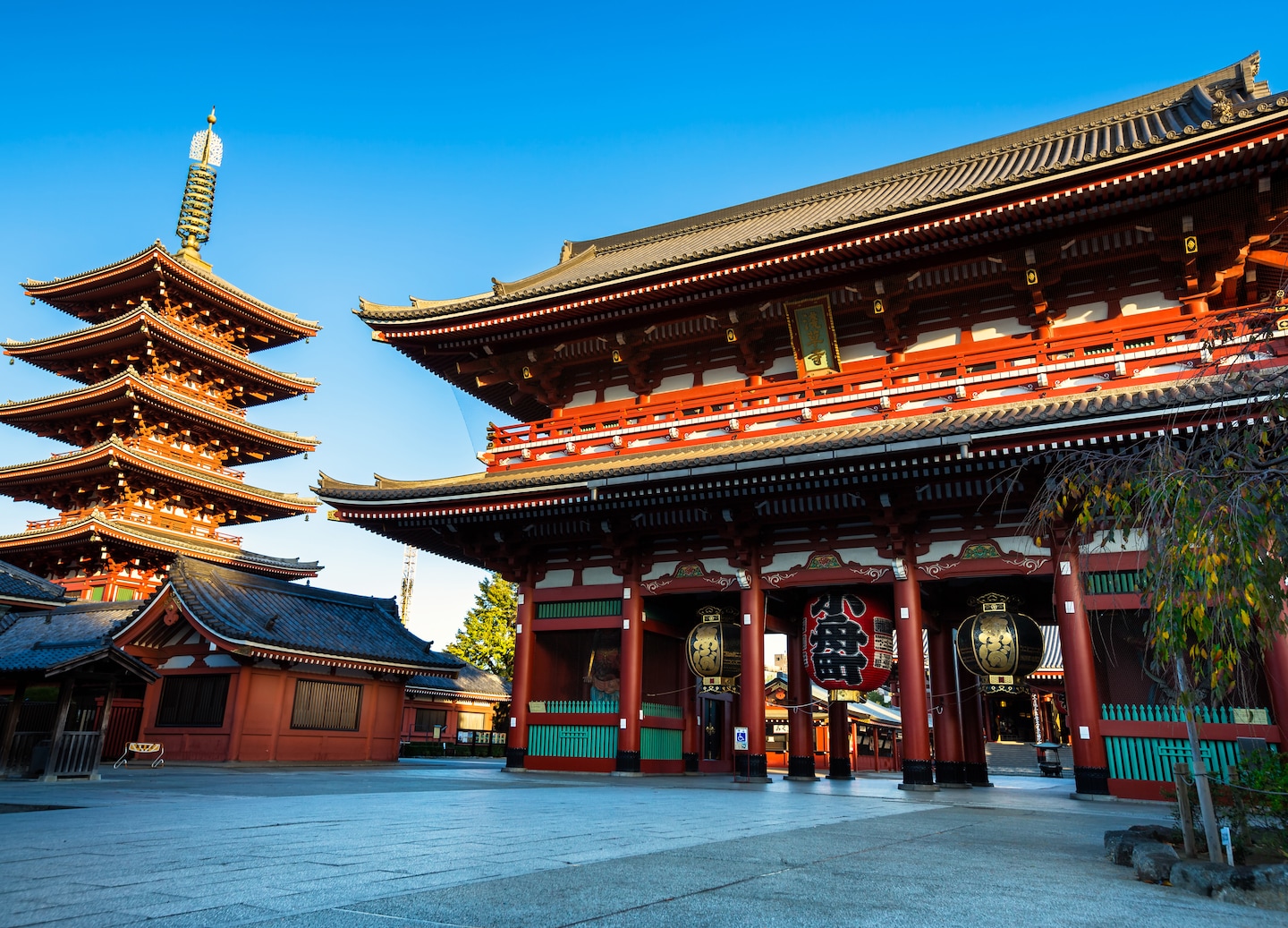
Asakusa is one of the best neighborhoods in Tokyo for travelers who want a more historic and traditional atmosphere. The area is centered around Sensō-ji Temple, one of the city’s most famous cultural landmarks and the bustling Nakamise Shopping Street leading up to it.
Staying in Asakusa gives you a different perspective on Tokyo, with older streets, traditional shops, casual eateries and views toward Tokyo Skytree. The neighborhood feels lively during the day but often calmer in the evening compared to Shinjuku or Shibuya.
Asakusa is a great fit for travelers interested in history, temples, local snacks and a slightly slower rhythm. It is not as centrally located as Ginza or Tokyo Station, but it offers strong cultural character and good transit connections to other parts of the city.
Where to stay in Asakusa:
APA Hotel Asakusa Tawaramachi Ekimae
Right outside Tawaramachi Station on the Ginza line, with Sensō-ji Temple a 12-minute walk away and the narrow streets of the neighborhood on your doorstep. The public onsen on the 14th floor is a genuine draw — a proper soak at the end of a day of temple-going and market browsing. A practical and comfortable base in the heart of old Tokyo.
View APA Hotel Asakusa Tawaramachi Ekimae
4. Shibuya: Best neighborhood for nightlife and youth culture
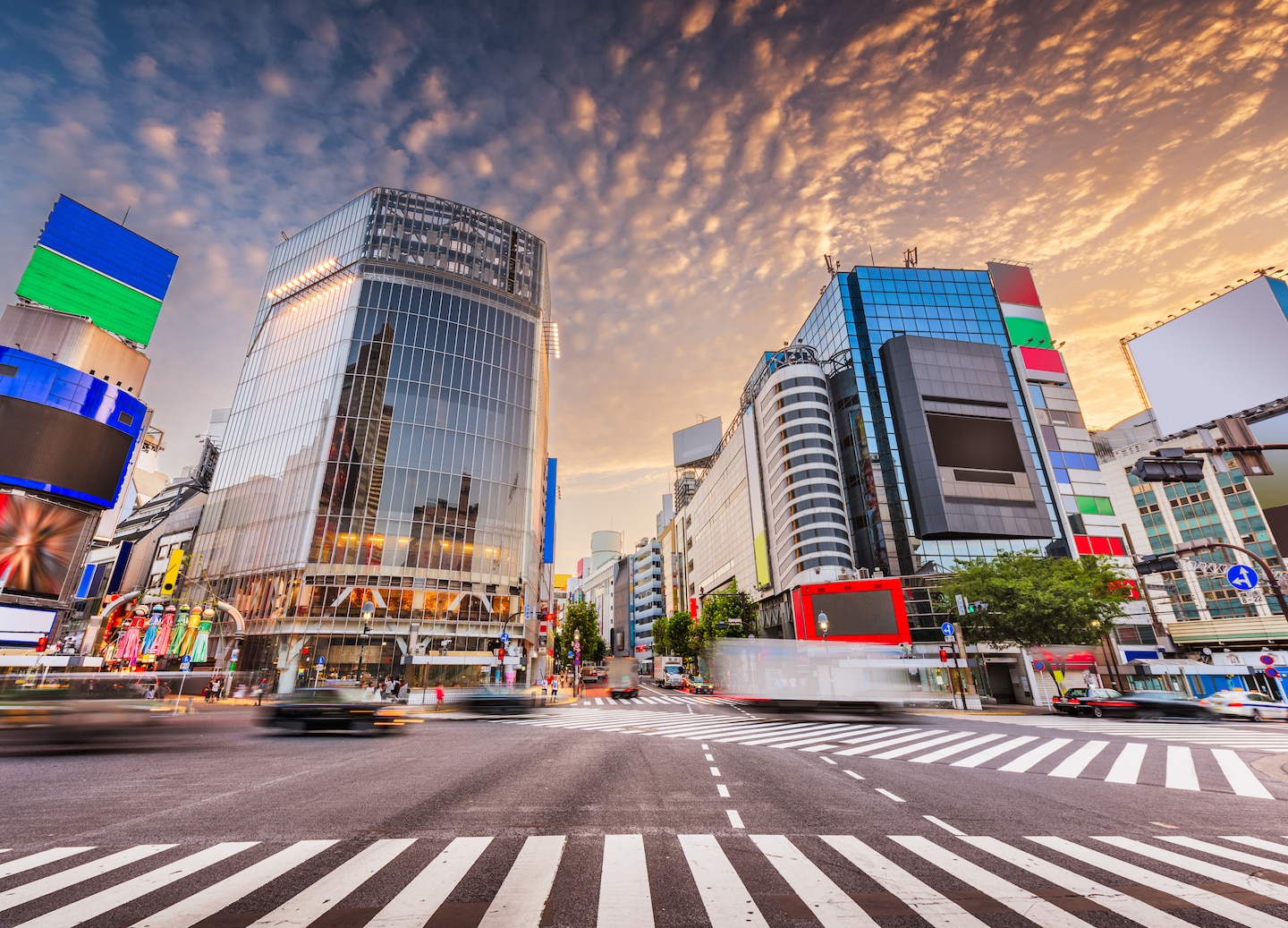
Shibuya is one of Tokyo’s liveliest neighborhoods, known for shopping, restaurants, nightlife and the famous Shibuya Crossing. It has a youthful, fast-moving atmosphere, with fashion stores, music venues, cafés and entertainment around nearly every corner.
Staying here puts you close to Harajuku, Omotesando, Yoyogi Park and several major train lines. The neighborhood is especially appealing if you want to experience Tokyo’s pop culture, dining scene and evening energy.
Shibuya is best suited for travelers who want excitement and convenience. It can feel crowded, but for those who want Tokyo’s modern energy right outside their door, it offers one of the city’s most dynamic bases.
Where to stay in Shibuya:
Hotel Graphy Shibuya
Tucked between Shibuya and Daikanyama on the site of a former elevated railway line — a quieter pocket than the crossing itself, but still within a 10-minute walk of the station. The rooftop terrace looks out over the city toward Ebisu and the design plays on the area's industrial history in a way that feels genuinely considered. A good fit for travelers who want Shibuya's energy without being right in the middle of it.
5. Tokyo Station / Marunouchi: Best area for transportation and central access
Tokyo Station and Marunouchi are ideal for travelers who want a central, convenient base with excellent transportation access. This area connects easily to bullet trains, airport transportation, subway lines and major business districts, making it especially useful for shorter stays or multi-city trips.
Marunouchi itself feels polished and organized, with office towers, upscale hotels, restaurants, shops and easy access to the Imperial Palace gardens. Nearby Nihonbashi also offers historic shopping streets and a quieter urban feel.
This area works well for travelers who value efficiency, comfort and easy movement around the city. It may not have the nightlife of Shinjuku or Shibuya, but it is one of the most practical places to stay in Tokyo.
Where to stay near Tokyo Station:
karaksa hotel Tokyo Station
A five-minute walk from the Yaesu exit of Tokyo Station — which means bullet trains, Narita Express and the city's subway network are all essentially on your doorstep. Nihonbashi and Marunouchi are within easy walking distance and Ginza is a pleasant 15-minute stroll. It's the kind of hotel that makes the logistics of a Tokyo trip significantly easier.
View karaksa hotel Tokyo Station
6. Roppongi / Akasaka: Best neighborhood for dining, museums and evening energy
Roppongi and nearby Akasaka are strong options for travelers who want dining, nightlife, museums and central access without staying in the busiest parts of Shinjuku or Shibuya. This area offers a mix of international restaurants, art museums, bars, shopping complexes and quieter side streets.
Roppongi is known for evening activity and cultural stops like the Mori Art Museum and Tokyo Midtown, while Akasaka offers a more polished business-district feel with restaurants, hotels and convenient transit. Together, they provide a central base with a balance of energy and comfort.
This area works well for couples, food lovers and travelers who want nightlife without being surrounded by constant crowds. It is also convenient for reaching Ginza, Shibuya, the Imperial Palace area and other central Tokyo neighborhoods.
Where to stay in Roppongi / Akasaka:
APA Hotel & Resort Roppongi Ekihigashi
A six-minute walk from Roppongi Station, with Tokyo Tower visible from many rooms and Roppongi Hills a short stroll away. The outdoor pool (seasonal) and public bath are good decompression options after a long day and direct Hibiya line trains connect you to Ginza and Shibuya without a transfer. A solid, well-located base for this part of the city.
View APA Hotel & Resort Roppongi Ekihigashi
Best neighborhoods to stay in Tokyo based on travel style
The best neighborhood to stay in Tokyo depends on the kind of trip you’re planning, from first-time sightseeing and shopping to nightlife, culture or easy transportation.
- First-time visitors: Shinjuku, Ginza or Tokyo Station / Marunouchi are some of the most convenient areas for a first trip to Tokyo. Shinjuku offers energy and transportation access, Ginza provides a polished central stay and Tokyo Station is especially useful for travelers who want efficient connections across the city.
- Couples: Ginza, Roppongi / Akasaka and Asakusa are strong options for couples. Ginza offers elegant shopping and dining, Roppongi has restaurants and museums for date-night energy and Asakusa provides a more traditional atmosphere with temple views and quieter evenings.
- Families: Tokyo Station / Marunouchi and Ginza are often good choices for families because they are central, organized and well-connected by public transportation. Asakusa can also work well for families who want cultural sightseeing, casual dining and a slightly calmer pace.
- Food lovers: Shinjuku, Ginza and Roppongi / Akasaka are excellent areas for dining. Shinjuku offers everything from casual izakaya lanes to late-night restaurants, Ginza is known for refined dining and department-store food halls and Roppongi / Akasaka has a wide range of international and Japanese restaurants.
- Nightlife: Shinjuku, Shibuya and Roppongi are three of Tokyo’s strongest neighborhoods for nightlife. Shinjuku has neon-lit entertainment districts and small bar streets, Shibuya offers youthful energy and late-night dining and Roppongi is known for bars, restaurants and evening activity.
- Shopping: Ginza, Shibuya and Shinjuku are some of the best areas for shopping in Tokyo. Ginza is known for luxury boutiques and department stores, Shibuya is strong for fashion and trend-driven shops and Shinjuku offers major retail centers around one of the city’s busiest stations.
- Traditional culture: Asakusa is one of the best neighborhoods in Tokyo for traditional culture, with Sensō-ji Temple, Nakamise Shopping Street and older streets that offer a glimpse into historic Tokyo.
- Short stays: Tokyo Station / Marunouchi, Ginza or Shinjuku work especially well for shorter stays because they are central and well-connected. Staying in these neighborhoods can help minimize transportation time and make it easier to experience several parts of Tokyo in just a day or two.
Tips for choosing where to stay in Tokyo
Choosing where to stay in Tokyo often comes down to transportation, neighborhood atmosphere and how much time you have in the city. These tips can help narrow down which area may work best for your trip.
- Tokyo is very large, so staying near a major train or subway station can make a big difference, especially if you plan to visit several neighborhoods.
- Shinjuku is one of the most convenient areas for transportation, dining and nightlife, but it can feel busy and overwhelming for travelers who prefer a quieter base.
- Ginza and Tokyo Station / Marunouchi are strong choices for a polished, central stay with easy access to transportation, shopping and major landmarks.
- Asakusa offers a more traditional atmosphere and can feel calmer in the evenings, but it is slightly farther from some western neighborhoods like Shibuya and Shinjuku.
- Shibuya is ideal for travelers who want fashion, nightlife and youthful energy, but it can be crowded throughout the day and evening.
- Roppongi / Akasaka offers a balance of dining, museums and nightlife with central access, making it a flexible option for couples and food-focused travelers.
- If you are visiting for a short time, choose a neighborhood with direct train access to the areas you most want to explore.
What to Do While Staying in Tokyo
No matter which neighborhood you choose, Tokyo’s top experiences pair naturally with where you are staying. From historic temples and shopping streets to palace gardens and flexible city-center exploration, the right excursion can help you experience more of the city, especially during a shorter pre- or post-trip stay.
- Asakusa: A natural match for travelers interested in history, shopping and traditional culture. Sensouji Temple and Tokyo City Center Drop-Off includes a visit to Sensō-ji Temple and Nakamise Shopping Street, making it especially relevant for travelers staying in or wanting to explore Asakusa.
- Tokyo Station / Marunouchi & Imperial Palace area: Ideal for travelers who want central landmarks, parks and convenient transportation connections. Downtown On Your Own includes a photo stop at the Imperial Palace and time to visit Tokyo’s upscale entertainment and dining district, while Edo Castle Park and Narita Airport Drop Off includes Edo Castle and its surrounding park.
- Ginza: A strong fit for travelers who want shopping, dining and a polished central atmosphere. Downtown On Your Own gives travelers the chance to explore Tokyo’s upscale entertainment and dining district, which pairs naturally with a Ginza-based stay.
- Shinjuku, Shibuya & Roppongi / Akasaka: Best for travelers who want to use excursions as a starting point, then continue exploring Tokyo’s modern nightlife, restaurants and entertainment districts independently. Downtown On Your Own offers flexible time in the city, making it easier to tailor the day around your preferred neighborhood.
FAQs: Neighborhoods in Tokyo
1. What are the best neighborhoods to visit in Tokyo?
The best neighborhoods to visit in Tokyo include Shinjuku for first-time visitors and nightlife, Ginza for shopping and dining, Asakusa for traditional culture, Shibuya for youth culture, Tokyo Station / Marunouchi for transportation and Roppongi / Akasaka for museums, restaurants and evening energy. Each neighborhood offers a different way to experience the city.
2. What is the best neighborhood to stay in Tokyo for first-time visitors?
Shinjuku is one of the best neighborhoods to stay in Tokyo for first-time visitors because it offers strong transportation connections, restaurants, shopping and nightlife in one area. Ginza and Tokyo Station / Marunouchi are also strong choices for travelers who want a more polished or transportation-focused base.
3. Where should I stay in Tokyo for a short stay?
For a short stay in Tokyo, neighborhoods like Tokyo Station / Marunouchi, Ginza and Shinjuku are ideal because they are central and well-connected by train and subway. Staying in these areas can help minimize transportation time and make it easier to explore several parts of the city.
4. What is the best neighborhood in Tokyo for couples?
Ginza, Roppongi / Akasaka and Asakusa are strong neighborhoods in Tokyo for couples. Ginza offers refined dining and shopping, Roppongi / Akasaka has museums and evening restaurants and Asakusa provides a more traditional atmosphere with temple views and quieter streets.
5. What is the best area to stay in Tokyo with family or kids?
Tokyo Station and Ginza are two of the best areas to stay in Tokyo with family or kids because they are central, organized and well-connected by public transportation. Asakusa can also work well for families who want cultural sightseeing and a slightly calmer pace.
6. What is the most convenient neighborhood in Tokyo?
Tokyo Station is one of the most convenient neighborhoods in Tokyo because it offers access to trains, subway lines, airport connections and nearby districts like Ginza, Nihonbashi and the Imperial Palace area. Shinjuku is also highly convenient because of its extensive transportation network.
7. What is the best neighborhood in Tokyo for nightlife?
Shinjuku is one of the best neighborhoods in Tokyo for nightlife, with restaurants, entertainment districts and small bar streets that stay active late into the evening. Shibuya and Roppongi are also strong choices for travelers who want nightlife, dining and evening energy.
8. What is the best neighborhood in Tokyo for traditional culture?
Asakusa is one of the best neighborhoods in Tokyo for traditional culture because it is home to Sensō-ji Temple, Nakamise Shopping Street and historic streets that offer a look at old Tokyo. It is a strong choice for travelers who want temples, local snacks and a more traditional atmosphere.
Planning a trip to Tokyo?
Want to learn more about this Japanese gem? Check out these guides to plan your next trip:
- Tokyo, Japan Shore Excursions - Plan your Tokyo adventure with excursions showcasing culture, cuisine and the city’s iconic highlights.
- The Best Time to Visit Tokyo - Explore Tokyo through its seasons and choose the ideal time for your perfect adventure.
- What to Eat in Tokyo - Experience Tokyo’s vibrant cuisine with must‑try dishes, market favorites and local dining tips.
- What to Buy in Tokyo - Choose meaningful Tokyo gifts to bring home, from handcrafted keepsakes to delicious specialties.
- The Best Ways to Get Around Tokyo - Find essential Tokyo transit tips to navigate the city’s trains, subways and vibrant neighborhoods.