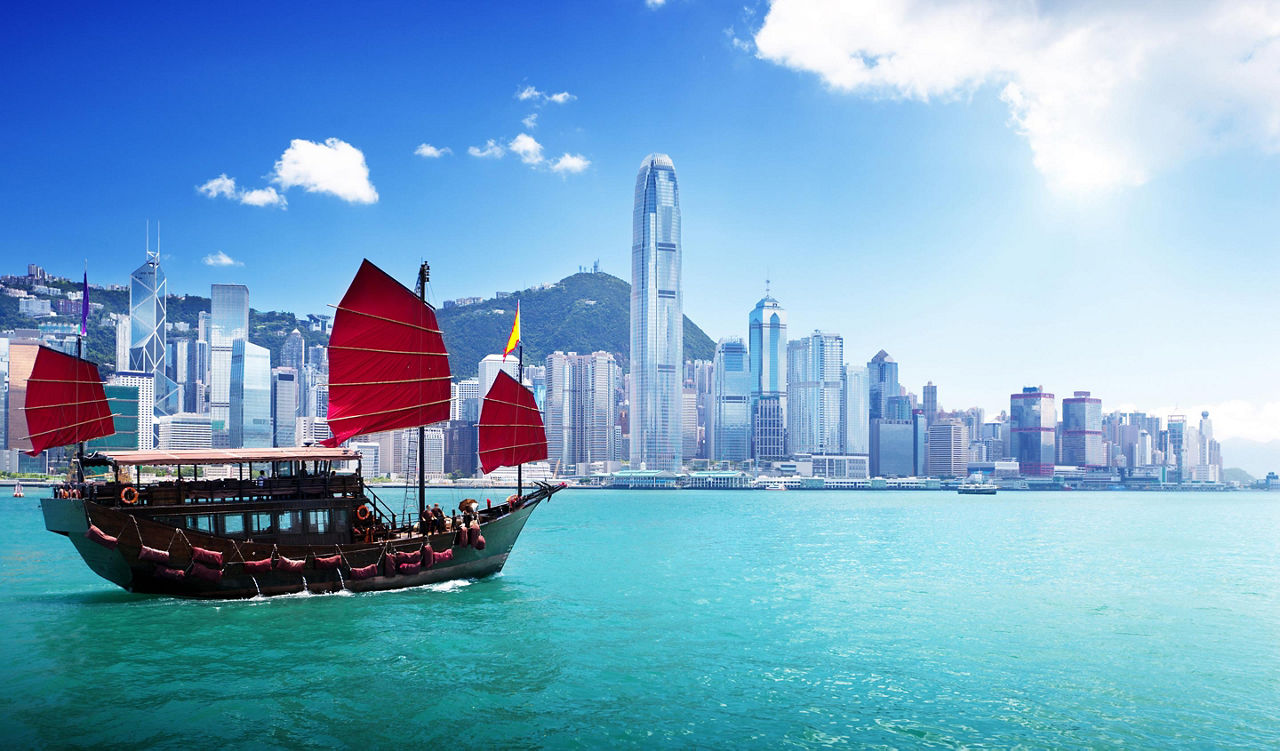
The best time to visit Hong Kong is in autumn (October to December) and spring (March to May). These seasons bring the most comfortable Hong Kong weather, with mild temperatures, low humidity and clear skies. Spring delivers blooming gardens and lively festivals, while autumn offers dry days and crisp air, perfect for exploring Victoria Peak or the city’s bustling markets.
Spring (March to May): Mild Breezes & Flowering Gardens

Spring is one of the most welcoming times in Hong Kong, with temperatures averaging 65 to 75 °F (18 to 24 °C). Humidity begins to rise by late May, but most days are mild and comfortable for sightseeing.
Seasonal highlights include:
- Strolling through Victoria Park’s flower markets when blooms are at their peak.
- Taking the tram up to Victoria Peak for sweeping views of the harbor in clear spring air.
- Joining local celebrations for Cheung Chau Bun Festival in May, a colorful island tradition with parades and food stalls.
Spring weather makes it easy to enjoy both the city’s skyscraper skyline and its lush hiking trails.
Summer (June to September): Hot, Humid & Rainy

Summer in Hong Kong is hot, humid and wet, with highs often reaching the upper '80s to '90s °F (30 to 35 °C). Typhoons are most common in July and August, bringing heavy rain and winds.
What makes summer stand out:
- Exploring indoor havens like the Hong Kong Museum of History or the expansive shopping malls along Causeway Bay.
- Experiencing the city’s vibrant Dragon Boat Festival in June, when colorful boats race across Victoria Harbour.
- Cooling off with a ferry ride to Lantau Island to visit the Big Buddha and enjoy ocean breezes.
Though the heat can be challenging, summer also delivers some of Hong Kong’s most energetic festivals.
Autumn (October to December): Clear Skies & Comfortable Days
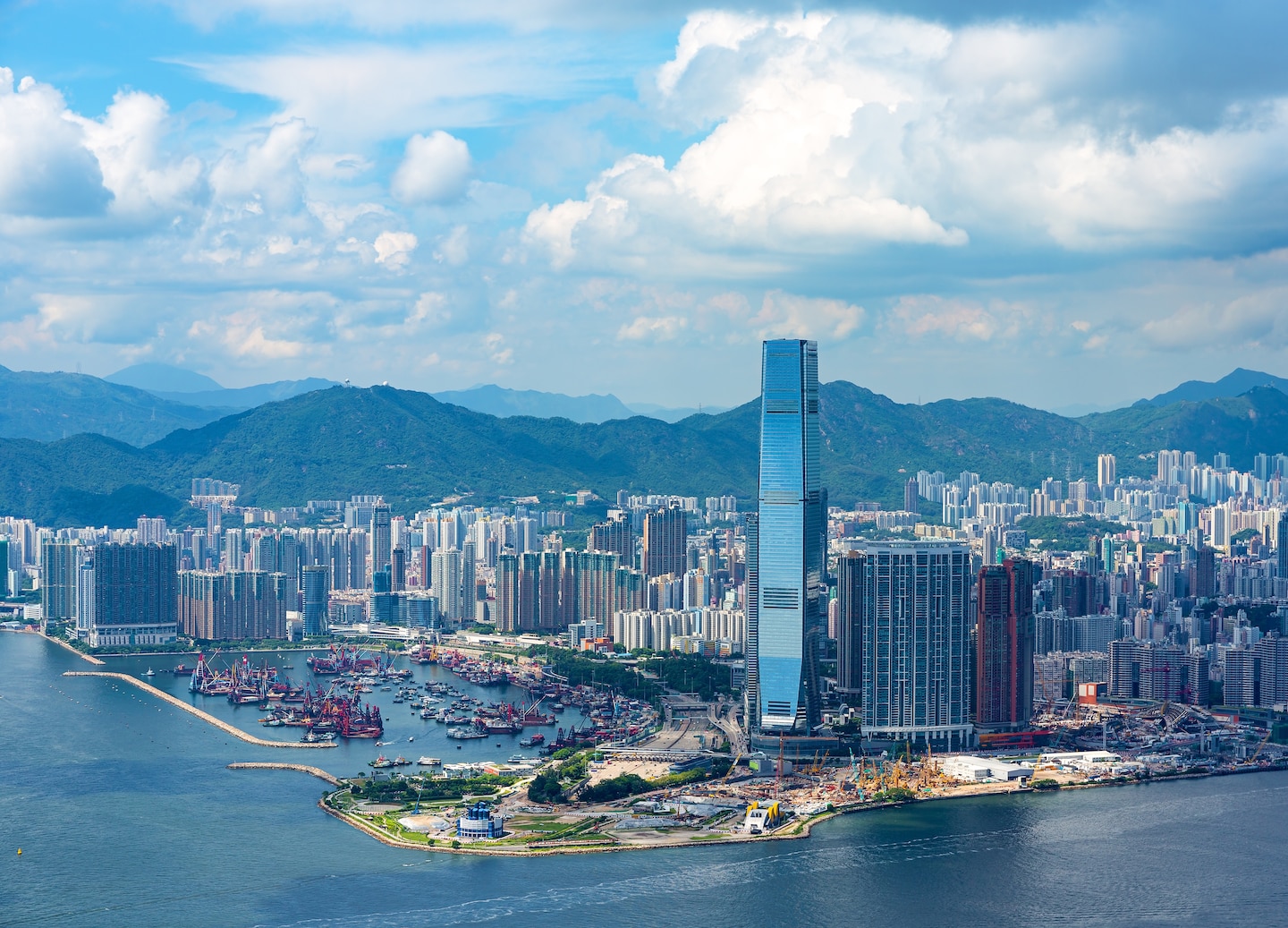
Autumn is widely considered the best time to visit Hong Kong. By October, humidity drops and days become cooler and drier. Hong Kong weather in November is particularly pleasant, with daytime highs around 73 °F (23 °C) and lows near 64 °F (18 °C).
Seasonal highlights include:
- Hiking the Dragon’s Back Trail under crisp, blue skies with panoramic island views.
- Experiencing the Mid-Autumn Festival, when lantern displays light up parks and neighborhoods.
- Wandering through lively street markets in Mong Kok or Temple Street without the discomfort of summer heat.
With its mix of cultural festivals and ideal weather, autumn is the sweet spot for visiting Hong Kong.
Winter (January to February): Cool & Festive

Winter in Hong Kong is mild compared to many destinations. Daytime highs hover around 59 to 66 °F (15 to 19 °C), with little rainfall and low humidity. Nights can feel cool, but are rarely cold.
Winter highlights include:
- Celebrating Chinese New Year, Hong Kong’s biggest festival, with dragon dances, parades and fireworks.
- Taking a ferry to Macau or enjoying a harbor cruise under twinkling skyline lights.
- Visiting Nan Lian Garden or Chi Lin Nunnery, where the crisp air enhances the peaceful setting.
It’s a quieter travel window, but still filled with cultural excitement.
The Best Time To Visit Hong Kong on a Cruise
For travelers arriving by sea, the best time to visit Hong Kong on a cruise is spring and autumn, when the weather in Hong Kong is at its most comfortable.
- In spring, shore excursions to Victoria Peak or Stanley Market are enhanced by mild breezes and blooming gardens.
- In autumn, November’s crisp, clear days are perfect for city tours, temple visits or day trips to nearby islands.
- Summer’s humidity and winter’s cool evenings make them less ideal for sightseeing-heavy itineraries.
Spring and autumn balance comfortable weather with seasonal festivals, making them prime cruise seasons to experience Hong Kong.
When Is the Best Time To Visit Hong Kong?
The best time to visit Hong Kong is in spring (March to May) and autumn (October to December). These seasons bring the mildest Hong Kong weather, with blue skies, low humidity and vibrant seasonal events. Travelers will find the most comfortable conditions for exploring the city’s skyline, markets and cultural landmarks — especially if arriving on a cruise during these months.
Keep Exploring Hong Kong
Want to learn more about this popular location in China? Check out these guides to plan your next trip:
- Hong Kong Shore Excursions - Plan your Hong Kong adventure with excursions showcasing temples, markets and unforgettable skyline views.
- What is Hong Kong Known For? - Find out why travelers love Hong Kong, from legendary food to unforgettable cityscapes.
- What Are the Top Things to Do in Hong Kong? - Build your perfect Hong Kong itinerary with essential landmarks, markets and panoramic viewpoints.
- What to Eat in Hong Kong - Experience Hong Kong’s vibrant cuisine with must‑try dishes, market bites and traditional flavors.
- What to Buy in Hong Kong - Choose meaningful Hong Kong gifts to bring home, from classic snacks to unique crafts.