The best time to visit Nova Scotia is from June through October, when pleasant weather, coastal cruises and seasonal festivals make it easy to explore the province. July and August offer the warmest conditions, while September and October are ideal for fall foliage, scenic road trips and Canada and New England cruises.
Nova Scotia has four distinct seasons and a coastal climate that can change quickly. Summer brings beach days and outdoor festivals, while fall transforms the Cabot Trail with red, orange and gold foliage. Spring is quieter and more affordable, while winter offers snowy landscapes and seasonal seafood celebrations.
Best Time to Visit Nova Scotia by Season
Spring: March to May
Best for: Fewer crowds, coastal road trips and spring scenery
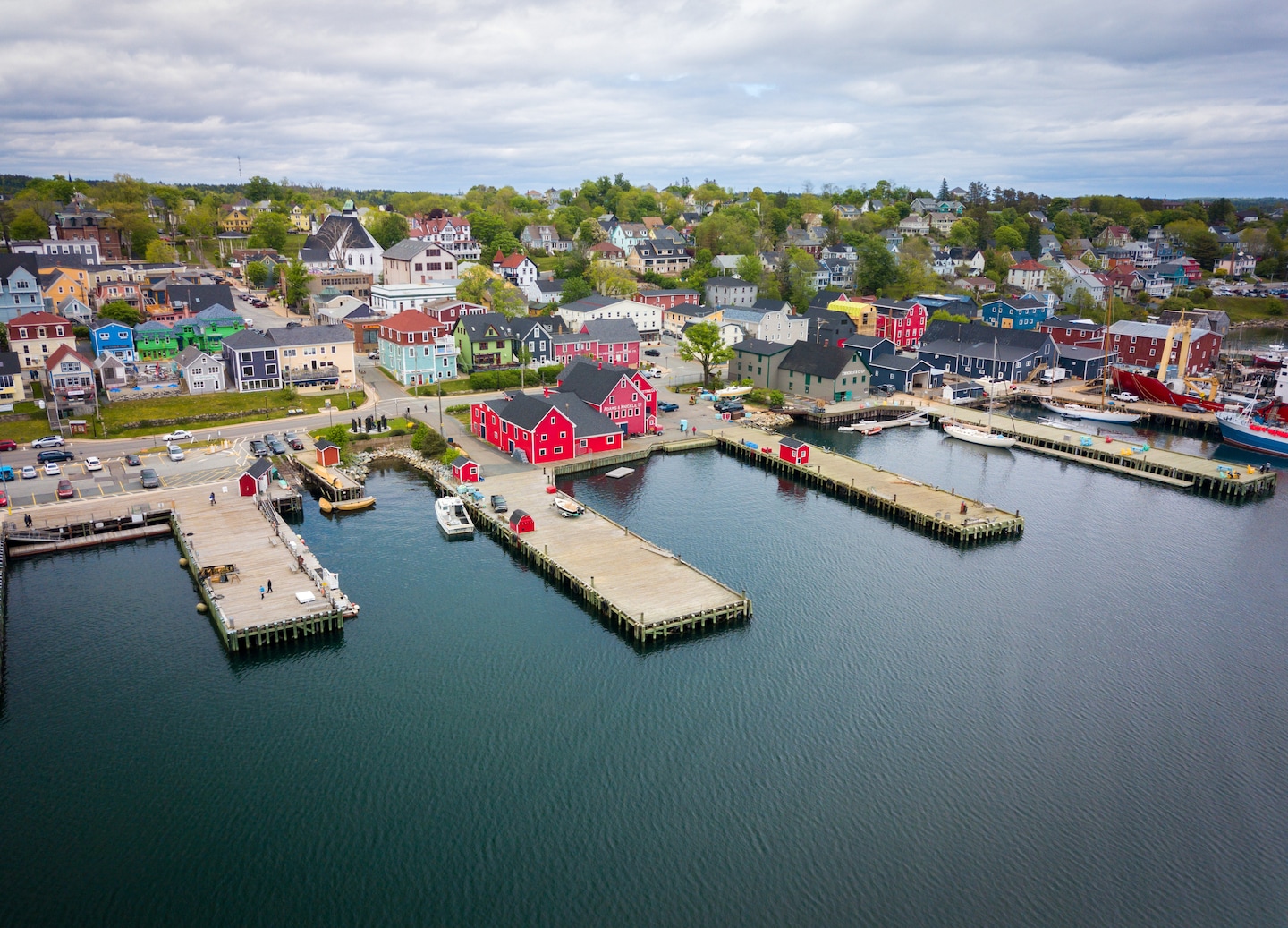
Spring begins slowly in Nova Scotia. March can still feel wintry, while April brings cool temperatures, rain and gradually longer days. By May, trails become greener, gardens begin blooming and seasonal attractions start reopening.
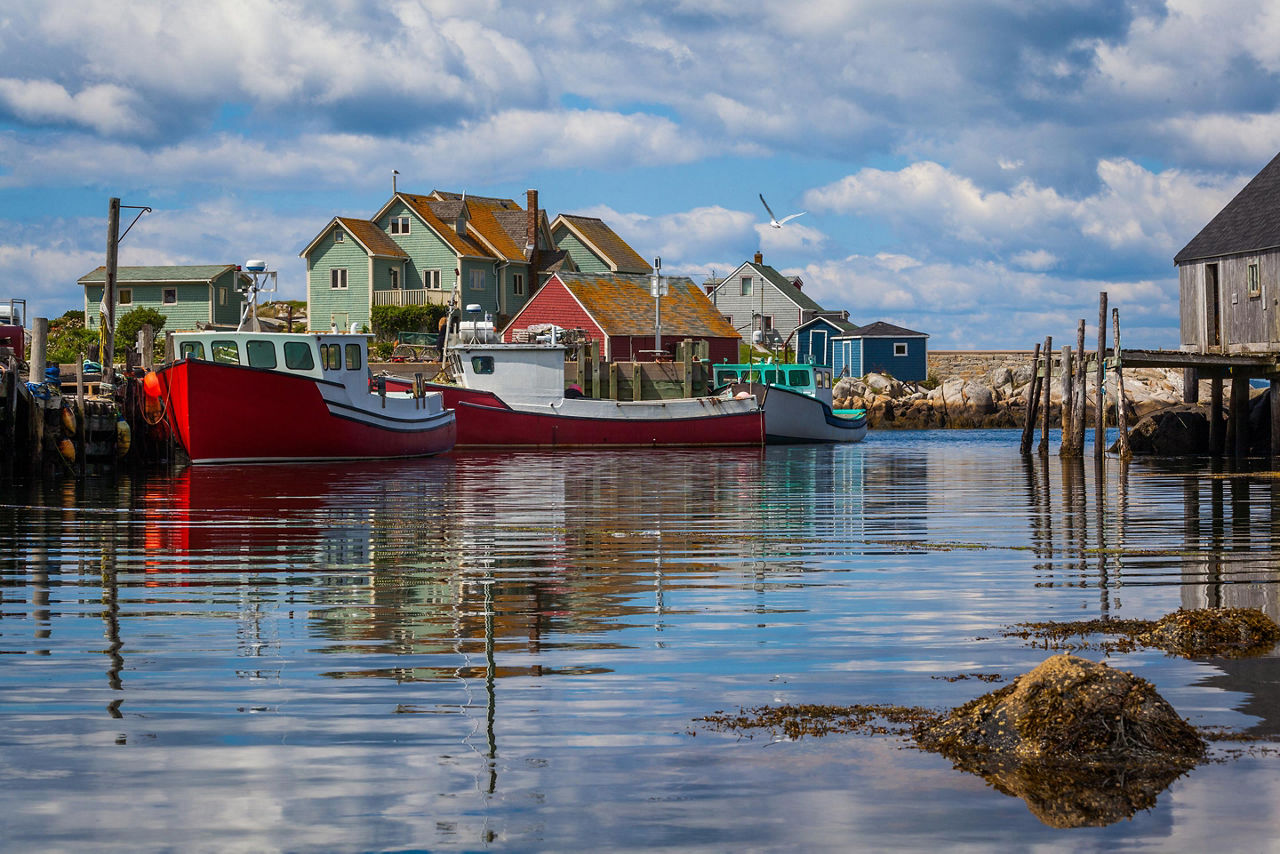
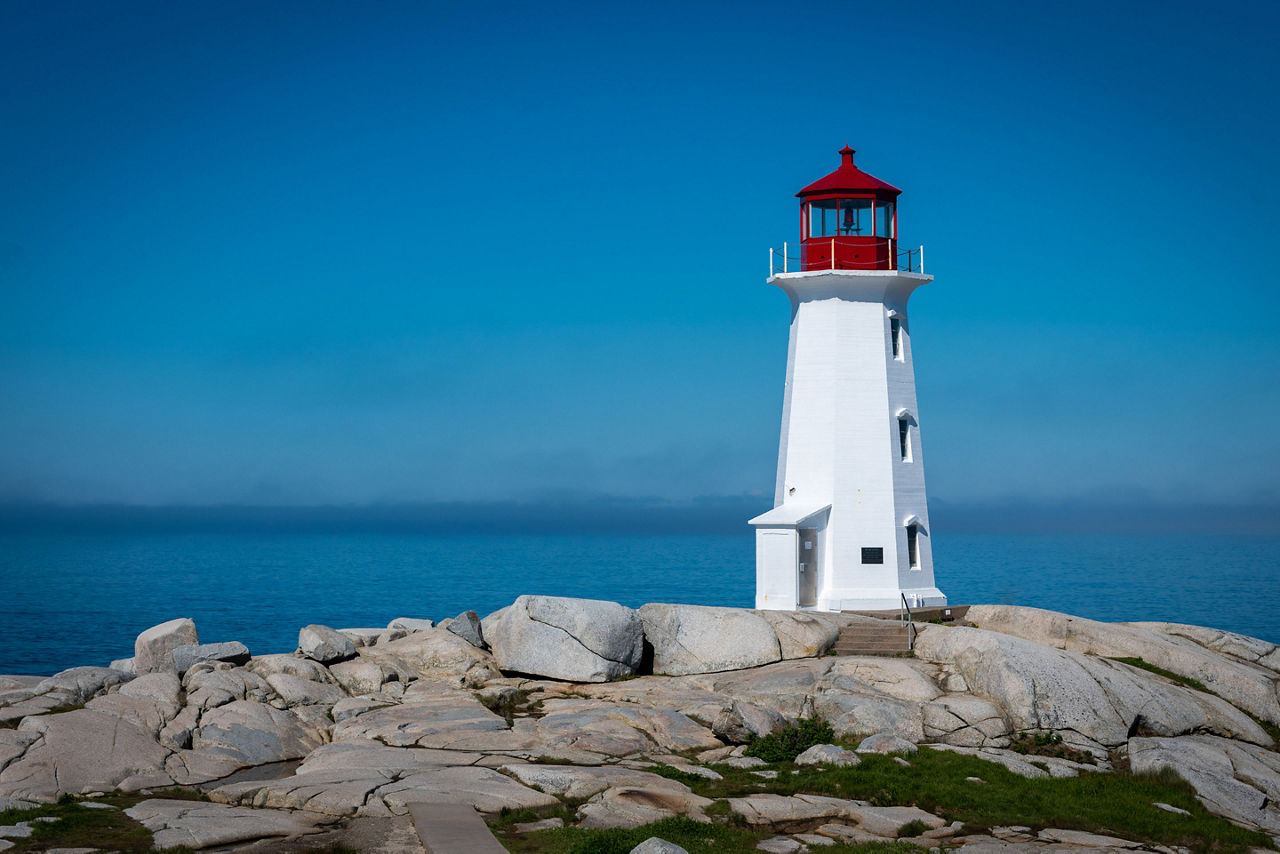
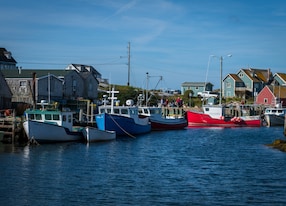
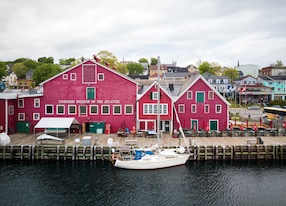
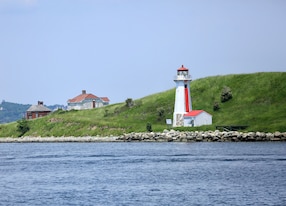
Late spring is a good time to explore Halifax, Peggy’s Cove and Lunenburg without peak summer crowds. Some coastal businesses may still have limited hours, particularly early in the season, so travelers should confirm availability before setting out.
Key events and activities:
- Annapolis Valley Apple Blossom Festival
- Spring birdwatching
- Lighthouse and coastal drives
- Halifax museum visits
- Quiet walks through historic towns
- Early-season hiking in provincial parks
Summer: June to August
Best for: Beaches, whale watching, festivals and outdoor adventures
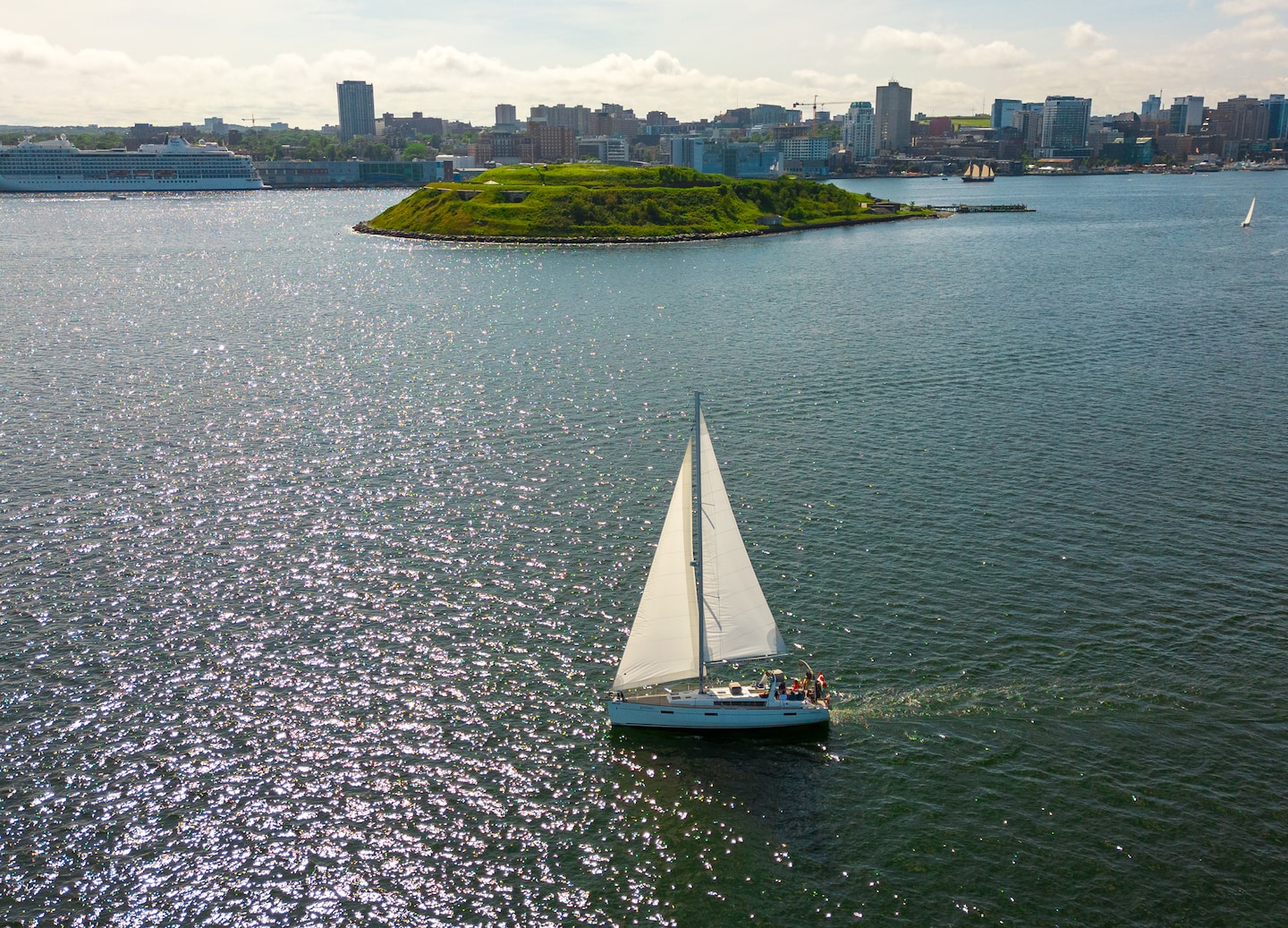
Summer is the most popular time to visit Nova Scotia. July and August bring the warmest weather, longest days and widest selection of tours, accommodations and seasonal attractions.
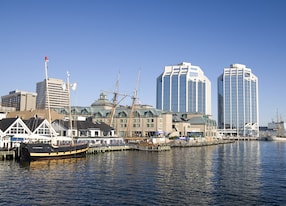
Travelers can explore Halifax’s waterfront, visit Peggy’s Cove, drive the South Shore to Lunenburg or follow the Cabot Trail through Cape Breton Highlands National Park. Summer is also ideal for kayaking, sailing, hiking and relaxing on beaches along the Northumberland Shore.
Key events and activities:
- Royal Nova Scotia International Tattoo
- Halifax Jazz Festival
- Stan Rogers Folk Festival
- Beach days and coastal hikes
- Whale-watching tours
- Sailing and kayaking
- Seafood festivals and waterfront dining
Fall: September to November
Best for: Fall foliage, cruises and Celtic culture
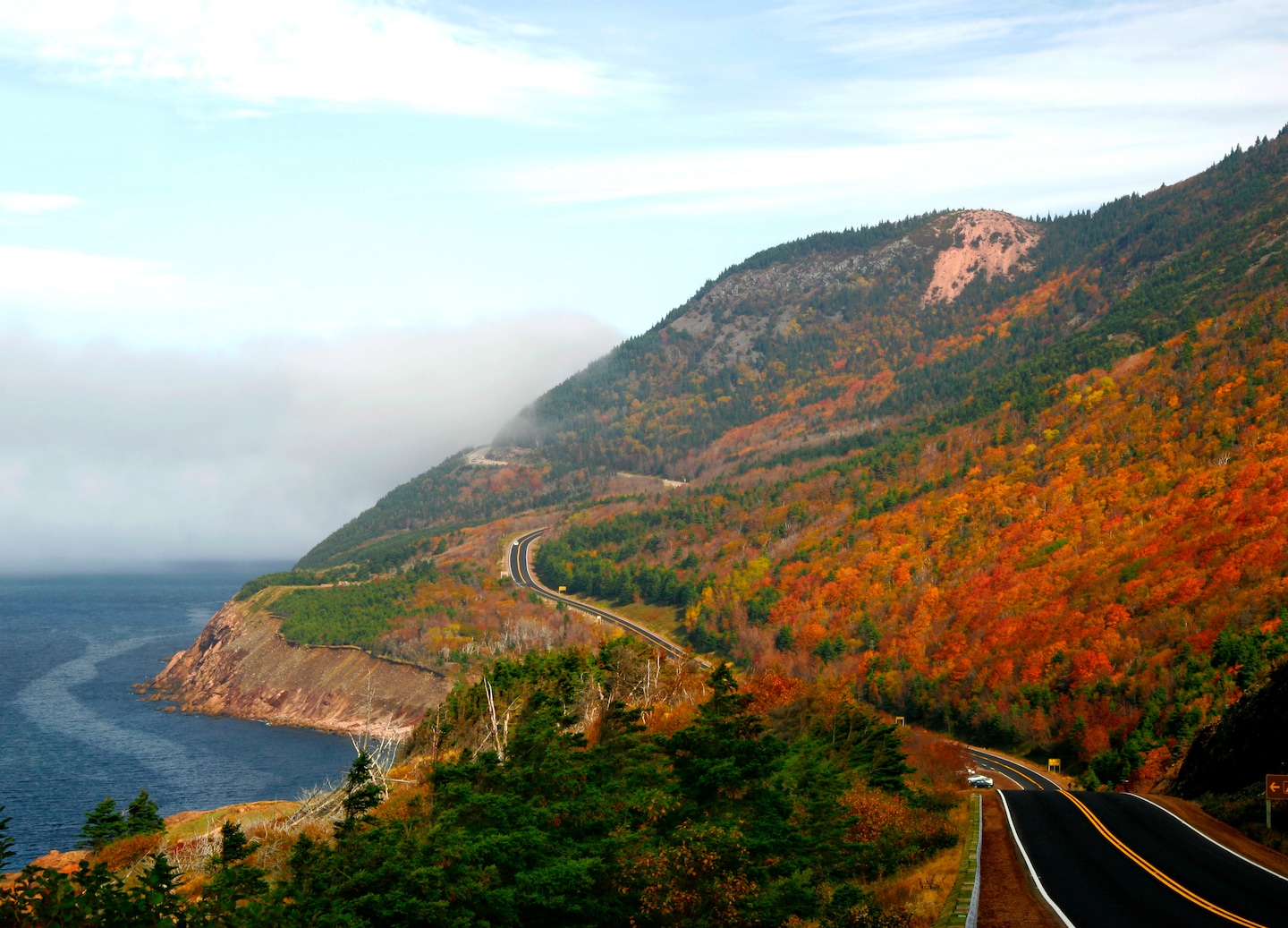
Fall is one of the best times to visit Nova Scotia. September often retains summer-like weather while bringing lower humidity and fewer road-trip crowds. By late September, foliage begins appearing across the province.
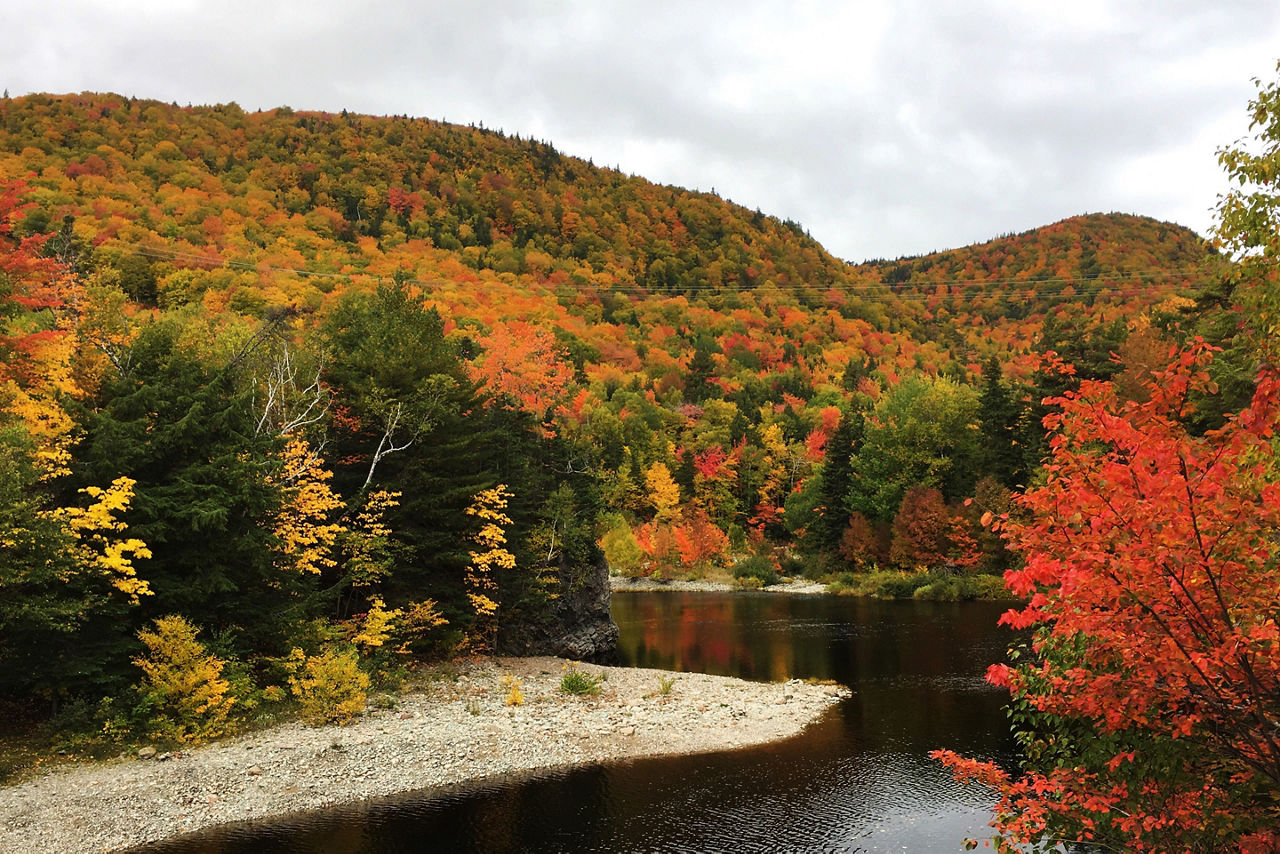
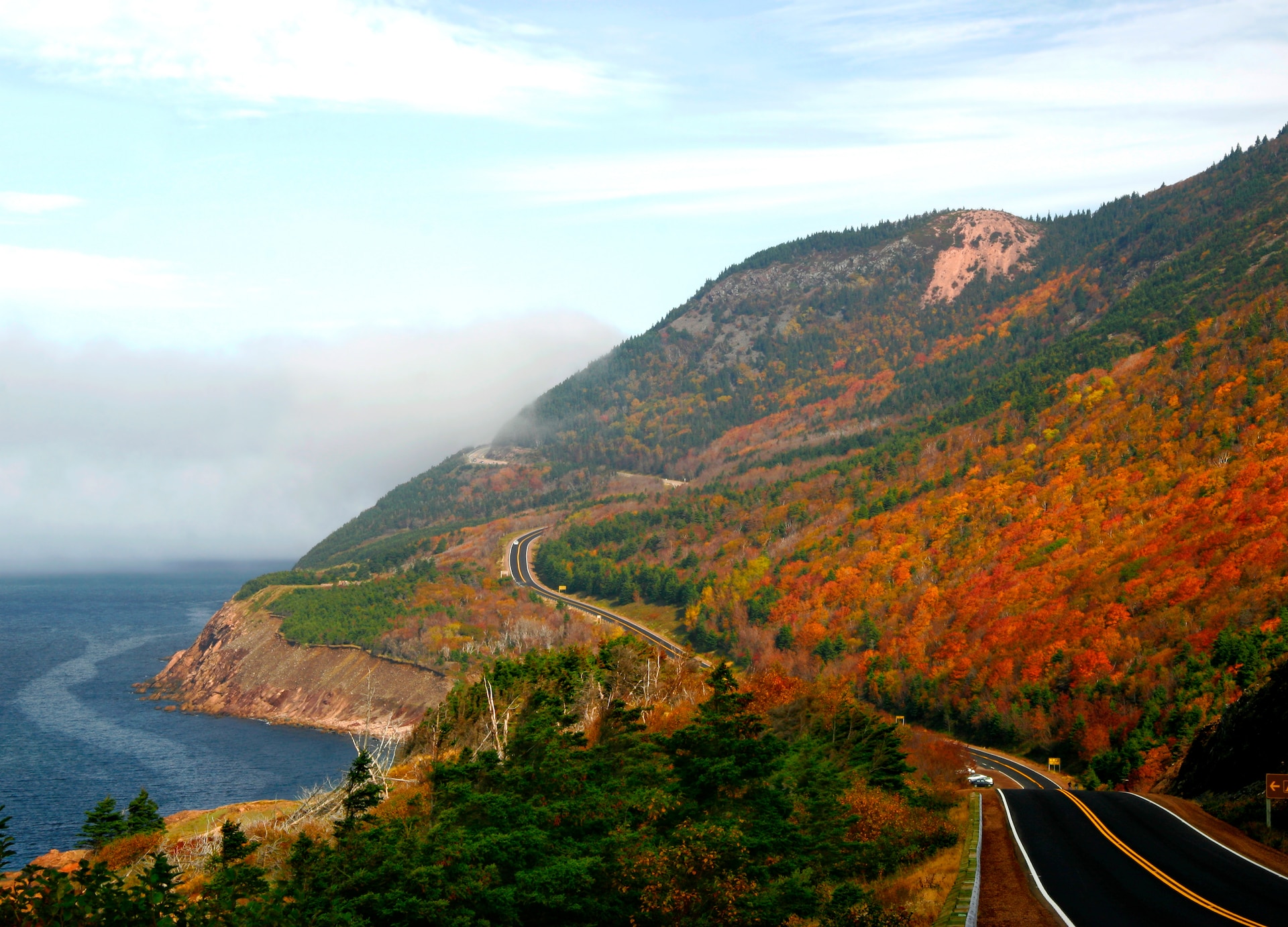
October is especially beautiful on Cape Breton Island, where the Cabot Trail winds through colorful forests and coastal highlands. The Celtic Colours International Festival brings concerts, community meals and cultural events to communities across Cape Breton.
Fall is also the heart of the Canada and New England cruise season. Travelers arriving in Cape Breton can explore the Cabot Trail, Fortress of Louisbourg, Baddeck and local Celtic traditions through Sydney, Nova Scotia shore excursions.
Key events and activities:
- Celtic Colours International Festival
- Fall foliage drives along the Cabot Trail
- Hiking in Cape Breton Highlands National Park
- Apple picking and harvest events
- Winery and vineyard visits
- Canada and New England cruises
Winter: December to February
Best for: Winter sports, lobster events and quiet getaways
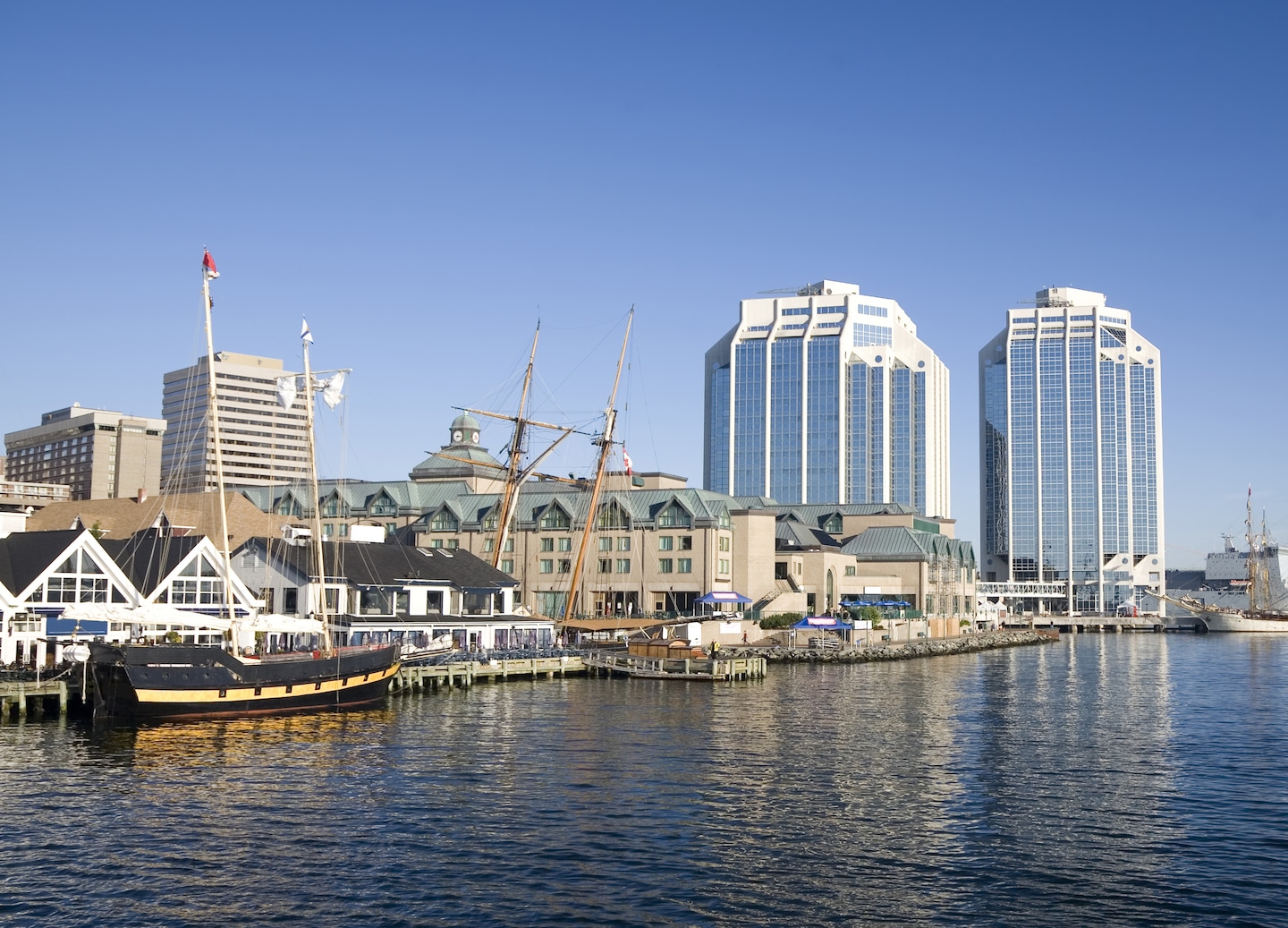
Winter is Nova Scotia’s quietest travel season. Coastal weather can be cold, windy and changeable, while inland areas may receive more snow.
Travelers can enjoy skiing, snowshoeing and winter hiking before warming up at a local restaurant or Nordic spa. February’s Nova Scotia Lobster Crawl celebrates the South Shore’s winter lobster season with dining events, competitions and community activities.
Some attractions and accommodations close or reduce their hours during winter, particularly outside Halifax. Winter travelers should check operating schedules and road conditions in advance.
Key events and activities:
- Nova Scotia Lobster Crawl
- Skiing and snowshoeing
- Winter surfing
- Nordic spa experiences
- Holiday markets
- Quiet Halifax city breaks
Best Time to Visit Nova Scotia on a Cruise
The best time to visit Nova Scotia on a cruise is from September through October. These months bring comfortable sightseeing weather, colorful landscapes and active seasonal attractions in Halifax and Sydney.
September offers warmer conditions for visiting Peggy’s Cove, Halifax’s waterfront and historic Lunenburg. October brings peak fall atmosphere, especially around Cape Breton Island and the Cabot Trail.
Nova Scotia frequently appears on Canada and New England itineraries alongside destinations such as Portland, Maine and Boston.
Best Time to Visit Nova Scotia for Fall Foliage
Late September through late October is generally the best time to visit Nova Scotia for fall foliage. Color timing varies by region and weather conditions.
Northern Nova Scotia and higher elevations may begin changing first. Cape Breton Island often delivers its most dramatic scenery in October, when the forests surrounding the Cabot Trail turn deep red, orange and yellow.
Best Time to Visit Nova Scotia for Whale Watching
June through October is the best time to visit Nova Scotia for whale watching, with July and August offering some of the most popular touring conditions.
Whale-watching excursions operate from several coastal communities, including locations around the Bay of Fundy and Cape Breton. Depending on the region and time of year, travelers may see humpback, fin, minke or pilot whales along with dolphins, seals and seabirds.
Wildlife sightings are never guaranteed, so travelers should choose experienced operators and leave room in their itinerary for changing marine conditions.
Best Time to Visit Nova Scotia for Beaches
July and August are the best months to visit Nova Scotia for beaches. Air and water temperatures are at their warmest, although the Atlantic Ocean remains cool.
Beaches along the Northumberland Shore generally have warmer water than those facing the open Atlantic. Popular summer activities include swimming, paddleboarding, kayaking and walking along the province’s sandy or rocky coastline.
Best Time to Visit Nova Scotia for Seafood
Summer and fall are excellent seasons for enjoying Nova Scotia seafood. Lobster, scallops, oysters, mussels and fresh fish appear on menus throughout the province.
Lobster fishing seasons vary by region, which helps make fresh lobster available during different parts of the year. Summer pairs seafood with busy waterfront patios, while fall adds harvest ingredients and local wines from the Annapolis Valley.
Best Time to Visit Nova Scotia for Low Crowds
May, early June and November are among the best times to visit Nova Scotia for fewer crowds. September may also feel calmer than July and August outside popular cruise ports and foliage destinations.
Late spring provides a good balance of improving weather and lighter demand. November is quieter and potentially more affordable, but some coastal attractions may have closed for the season.
Best Time to Visit Nova Scotia on a Budget
May, early June and November are often the best times to visit Nova Scotia on a budget. Accommodations may cost less outside the summer vacation and fall cruise seasons.
Winter can also provide good value in Halifax and along the South Shore. Travelers should balance lower prices with colder weather, shorter daylight hours and reduced seasonal services.
When Is the Best Time to Visit Nova Scotia?
The best time to visit Nova Scotia is from June through October. Choose July or August for beaches, whale watching and summer festivals. Visit in September for comfortable weather or October for fall foliage and Cape Breton’s Celtic celebrations.
Spring is ideal for lighter crowds and lower prices, while winter offers lobster events, snowy landscapes and quiet coastal getaways. Each season reveals a different side of this scenic Atlantic Canadian province.
Frequently Asked Questions
When is fall foliage at its peak in Nova Scotia?
Fall foliage usually appears from late September through late October. Cape Breton Island and the Cabot Trail are often particularly colorful during October.
When is whale-watching season in Nova Scotia?
Nova Scotia’s main whale-watching season generally runs from June through October, with July and August among the most popular months for boat tours.
How many days do you need to visit Nova Scotia?
Seven to 10 days allows time to explore Halifax, the South Shore, the Annapolis Valley and Cape Breton Island. A shorter trip can focus on Halifax and one nearby coastal region.
Is October a good time to visit Nova Scotia?
October is a good time to visit Nova Scotia for fall foliage, scenic drives, cruises and the Celtic Colours International Festival. Travelers should pack layers and prepare for changing coastal weather.
What is the warmest month in Nova Scotia?
July and August are generally the warmest months in Nova Scotia. These months provide the best conditions for beaches, boating and outdoor festivals.