From the last surviving Wonder of the Ancient World to Nile-side temples, royal tombs and surreal desert landscapes, the most famous landmarks in Egypt reveal why this country has captivated travelers for centuries. Here are 10 famous Egypt landmarks to visit, from the Pyramids of Giza and the Nile River to Luxor, Abu Simbel, Alexandria and the White Desert.
1. The Pyramids of Giza
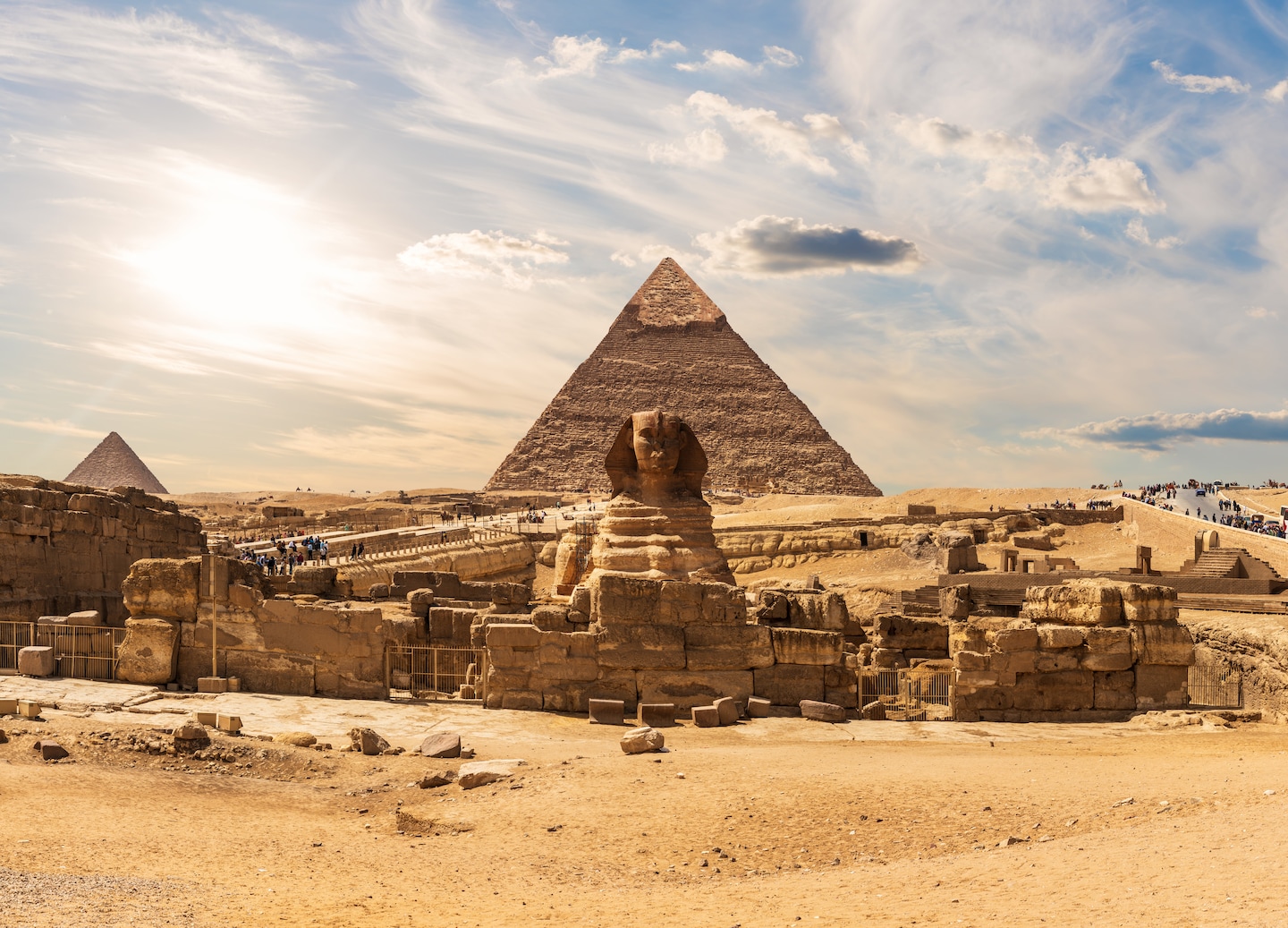
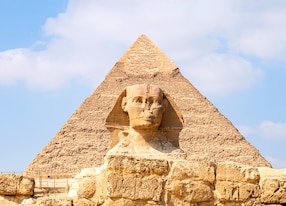
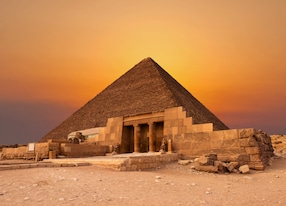
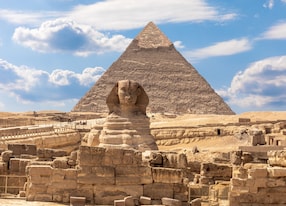
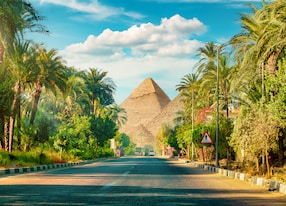
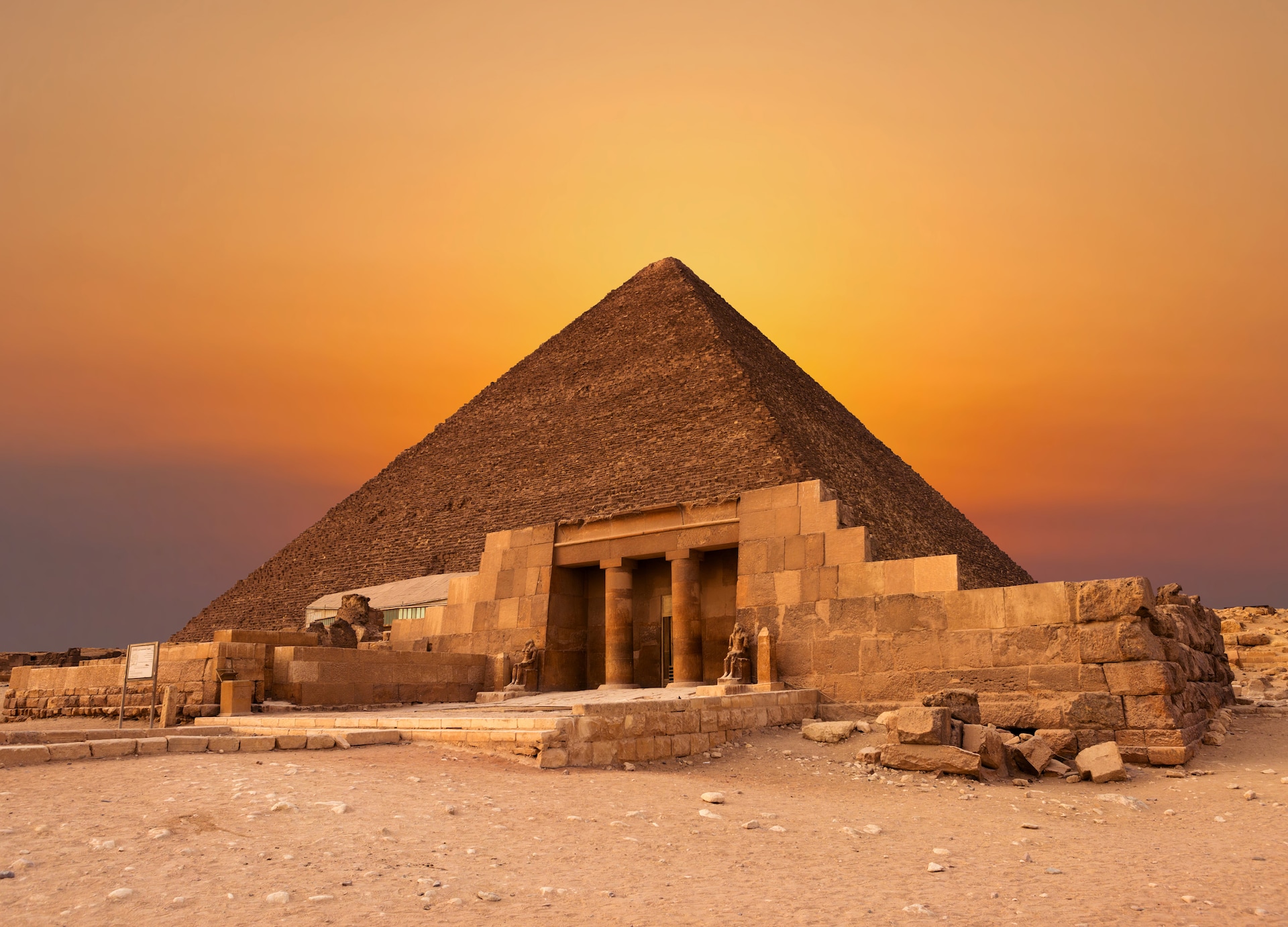
The Pyramids of Giza are the most iconic landmarks in Egypt and the only surviving Wonder of the Ancient World. The Great Pyramid was built around 2560 BC as the tomb of Pharaoh Khufu and stood 481 feet tall for more than 3,800 years as the tallest structure on Earth. The Great Sphinx crouches nearby, carved from a single limestone outcrop, its gaze fixed eternally eastward. Standing before them at dawn, before the crowds arrive, is one of the most overwhelming experiences travel has to offer.
2. The Nile River
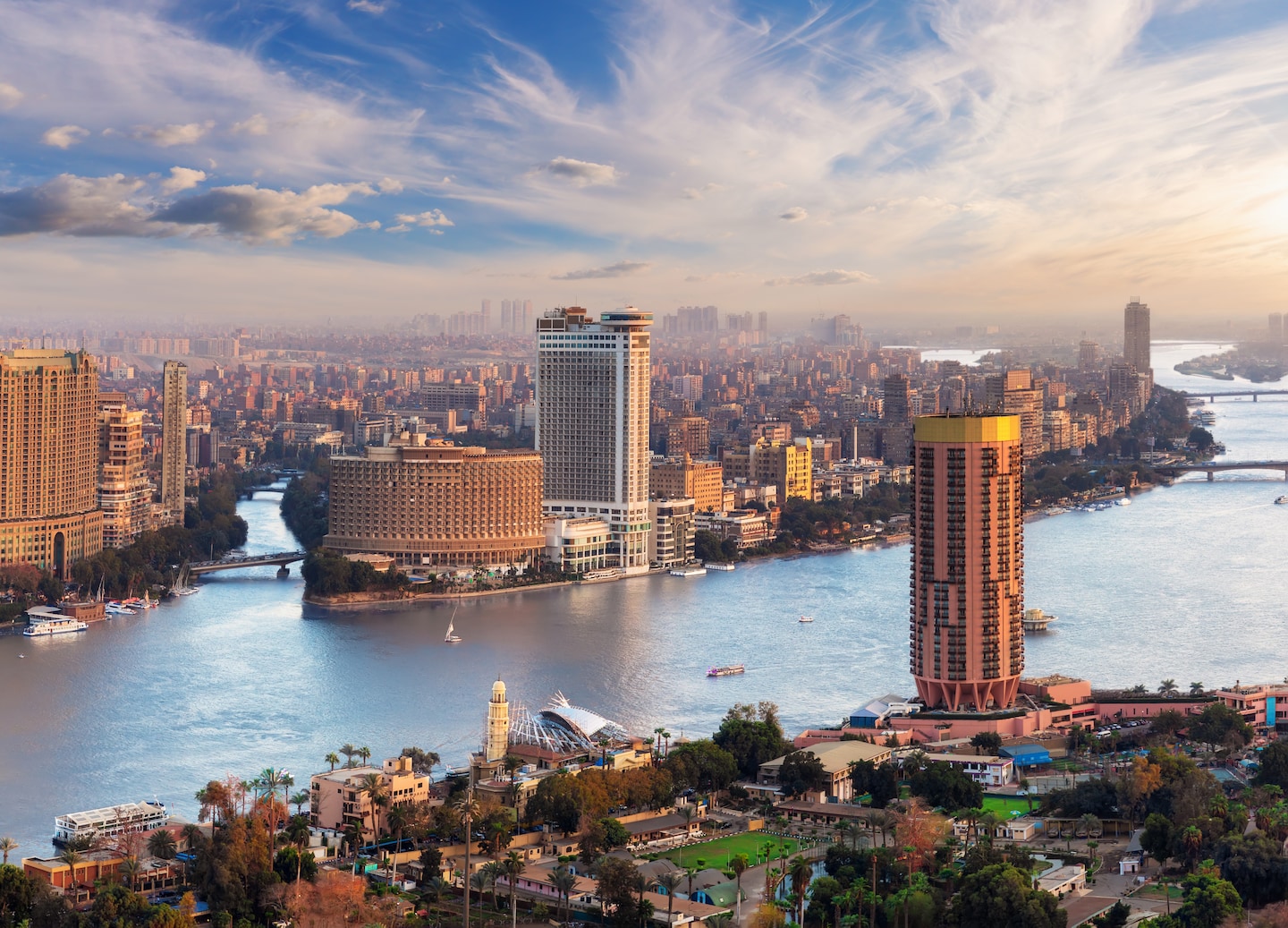
The Nile River is the thread that connects every great landmark in Egypt, the lifeblood that made this civilization possible and the most rewarding way to experience it. A Nile cruise between Luxor and Aswan remains one of the classic journeys of the world, gliding past temple facades and date palm groves while felucca sailboats drift by on the current. The river has changed little since the pharaohs sailed it, and few experiences in travel feel quite so timeless.
3. Luxor Temple
Luxor Temple is one of the most celebrated ancient sites in Egypt, its massive gateway pylons, colonnaded courts and inner sanctuaries standing beautifully preserved on the east bank of the Nile, illuminated at night in a golden glow that reflects in the water. The adjacent Karnak Temple complex is even larger, a vast sacred city of halls, obelisks and sanctuaries that took 2,000 years to build and once employed tens of thousands of priests.
4. The Valley of the Kings
The Valley of the Kings is one of Egypt's most famous landmarks, the burial ground of the New Kingdom pharaohs on Luxor's west bank, a dry desert valley hiding more than 60 royal tombs cut deep into the limestone cliffs. Tutankhamun's tomb, discovered almost completely intact in 1922, is the most famous, though the tombs of Seti I and Ramesses VI are considered the most spectacular for their painted walls and towering painted ceilings. The Colossi of Memnon, two enormous seated statues that once guarded a now vanished temple, stand at the valley entrance.
5. Abu Simbel
Abu Simbel is one of the most famous landmarks in Egypt, a pair of temples carved directly into a sandstone cliff by Ramesses II around 1265 BC. Four colossal seated statues of the pharaoh, each 65 feet tall, flank the entrance to the Great Temple, which was engineered so that sunlight penetrates all the way to the innermost sanctuary twice a year. In the 1960s, the entire complex was dismantled block by block and relocated to save it from the rising waters of Lake Nasser. The engineering feat was as remarkable as the monument itself.
6. Aswan
Aswan is Egypt's southernmost city, where the Nile narrows between granite boulders and the desert presses close to emerald water. The city is the base for visiting the Philae Temple, dedicated to the goddess Isis and relocated to its own island to save it from the same flooding that threatened Abu Simbel. Aswan's ancient Nubian villages, botanical garden island and languid felucca rides make it the most relaxed stop on any Nile journey, a welcome counterpoint to the intensity of the monument sites to the north.
7. The Egyptian Museum, Cairo
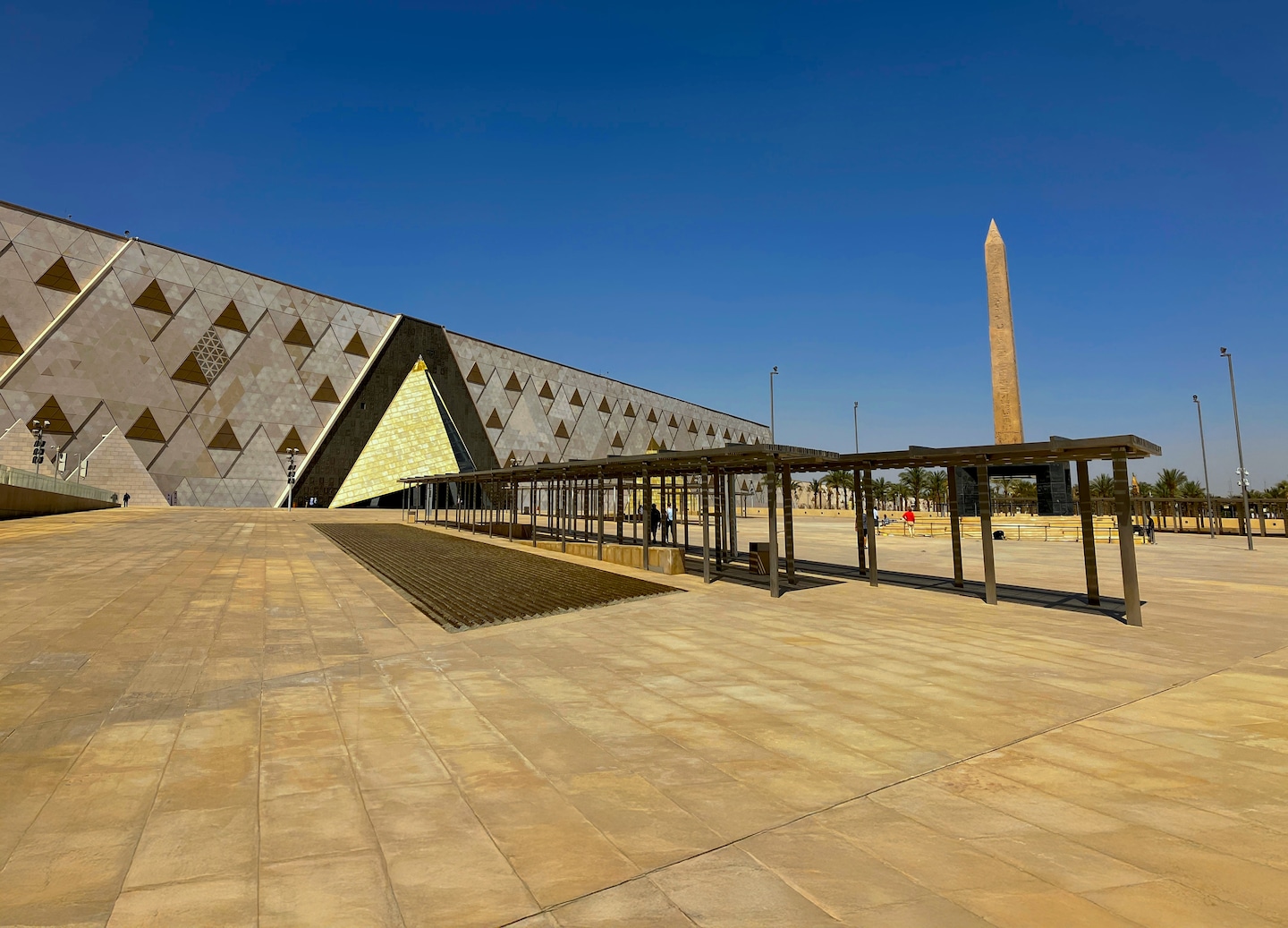
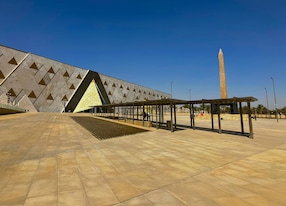
The Egyptian Museum in Cairo is the most iconic cultural landmark in Egypt, housing the most important collection of ancient Egyptian artifacts in the world, accumulated over more than a century. The treasures of Tutankhamun fill two floors of rooms, from the famous golden death mask to his alabaster canopic jars and gilded chariots. The museum is chaotic, overwhelming and absolutely unmissable, and the new Grand Egyptian Museum near the Pyramids has now opened to house the full collection in a purpose built space of extraordinary scale.
8. Alexandria
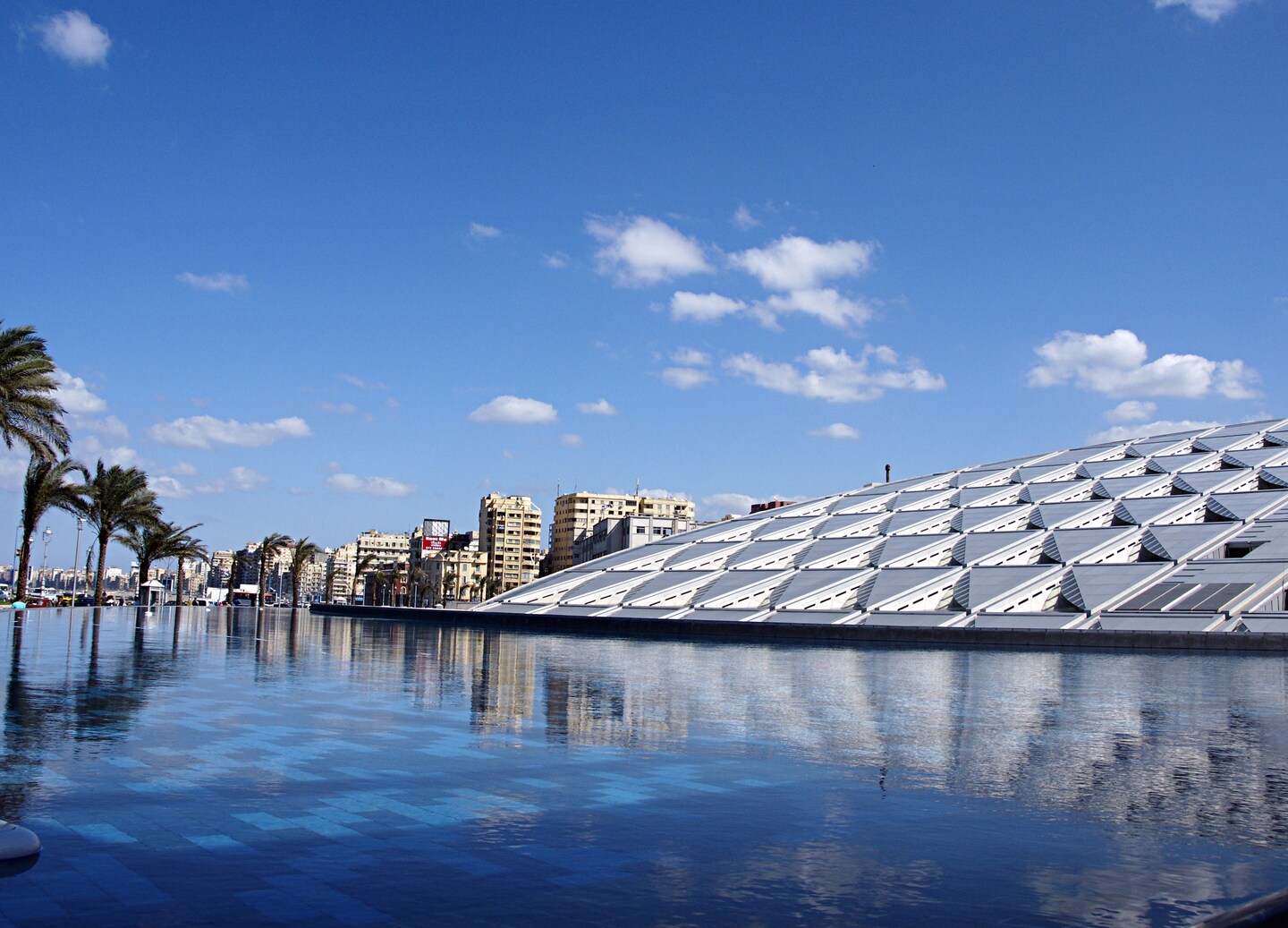
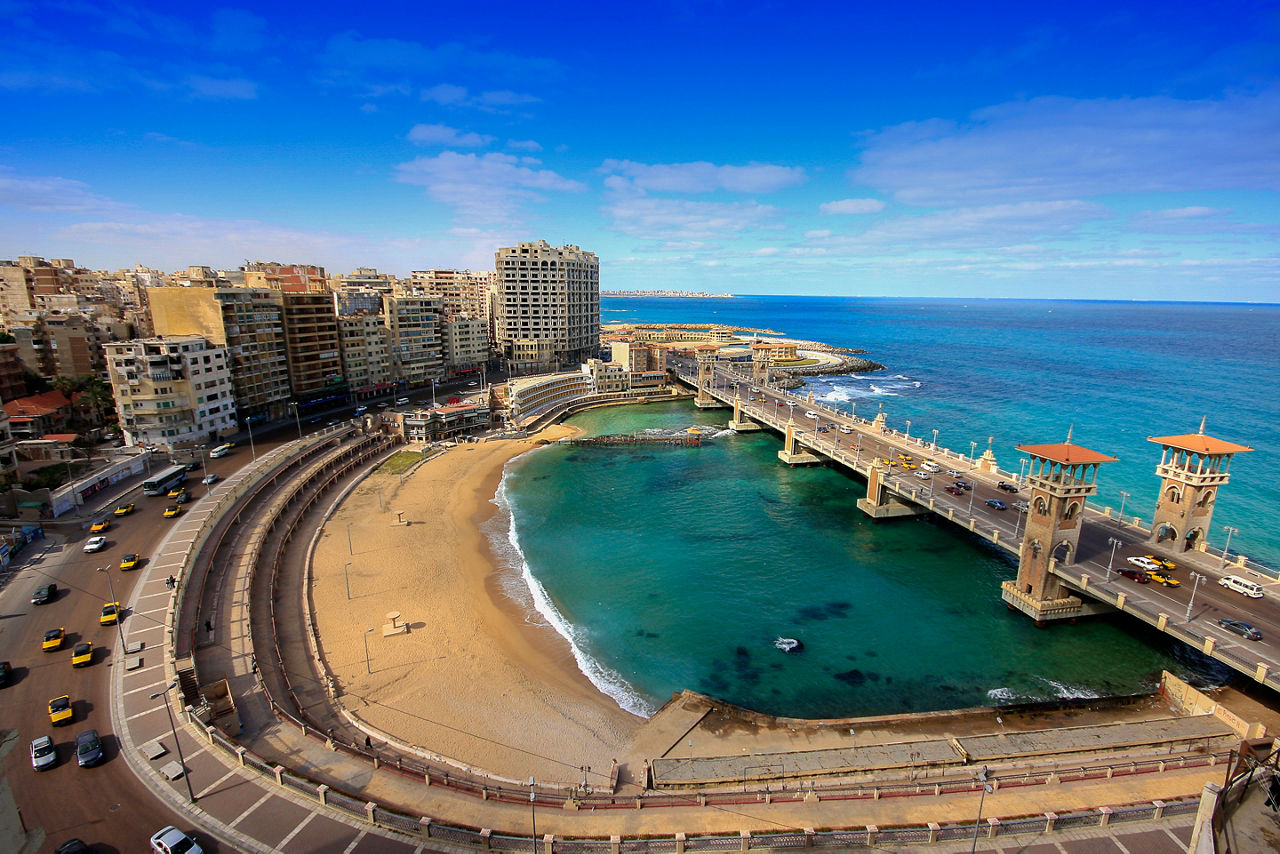
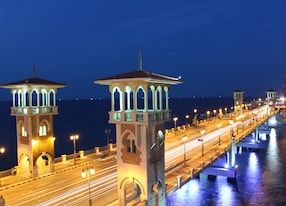
Alexandria is one of Egypt's most storied cities, a Mediterranean port founded by Alexander the Great in 331 BC whose layered history rewards every hour you spend exploring it. The ancient Royal Library of Alexandria was one of the greatest repositories of knowledge the world has ever seen, and the modern Bibliotheca Alexandrina built in its honor is an architectural landmark in its own right. The catacombs of Kom el Shoqafa, a subterranean necropolis blending Egyptian, Greek and Roman burial traditions, are among the most remarkable underground sites in the ancient world.
9. The White Desert
A few hours southwest of Cairo, the White Desert is one of the most surreal natural landscapes on Earth, where centuries of wind erosion have sculpted chalk formations into mushroom shapes, arches and towers that glow cream and gold in daylight and turn ghostly white under the moon. Camping overnight in the desert, surrounded by these formations beneath a sky blazing with stars, is an experience that belongs in a different category from ordinary sightseeing.
10. Karnak Temple
The Karnak Temple complex near Luxor is the largest religious building ever constructed and one of the most visited sites in Egypt, a sprawling sacred city covering more than 200 acres that was added to by successive pharaohs for 2,000 years. The Great Hypostyle Hall, a forest of 134 massive columns each carved with hieroglyphs, is one of the most breathtaking interior spaces in the ancient world. Walking through it at dawn, when slanted light cuts through the gaps between columns, is the closest most people will ever come to understanding the scale of ambition that built ancient Egypt.
Plan Your Visit to Egypt's Most Famous Landmarks
Egypt's famous landmarks span a country the size of Texas and Algeria combined, stretching from the Mediterranean coast at Alexandria all the way to the temples of Abu Simbel near the Sudanese border. Royal Caribbean calls at Alexandria, putting Cairo, the Pyramids of Giza and the Egyptian Museum within reach on a single day ashore. For the monuments of Luxor, Aswan and Abu Simbel, extending your trip before or after your cruise opens up one of the most extraordinary journeys in the world.