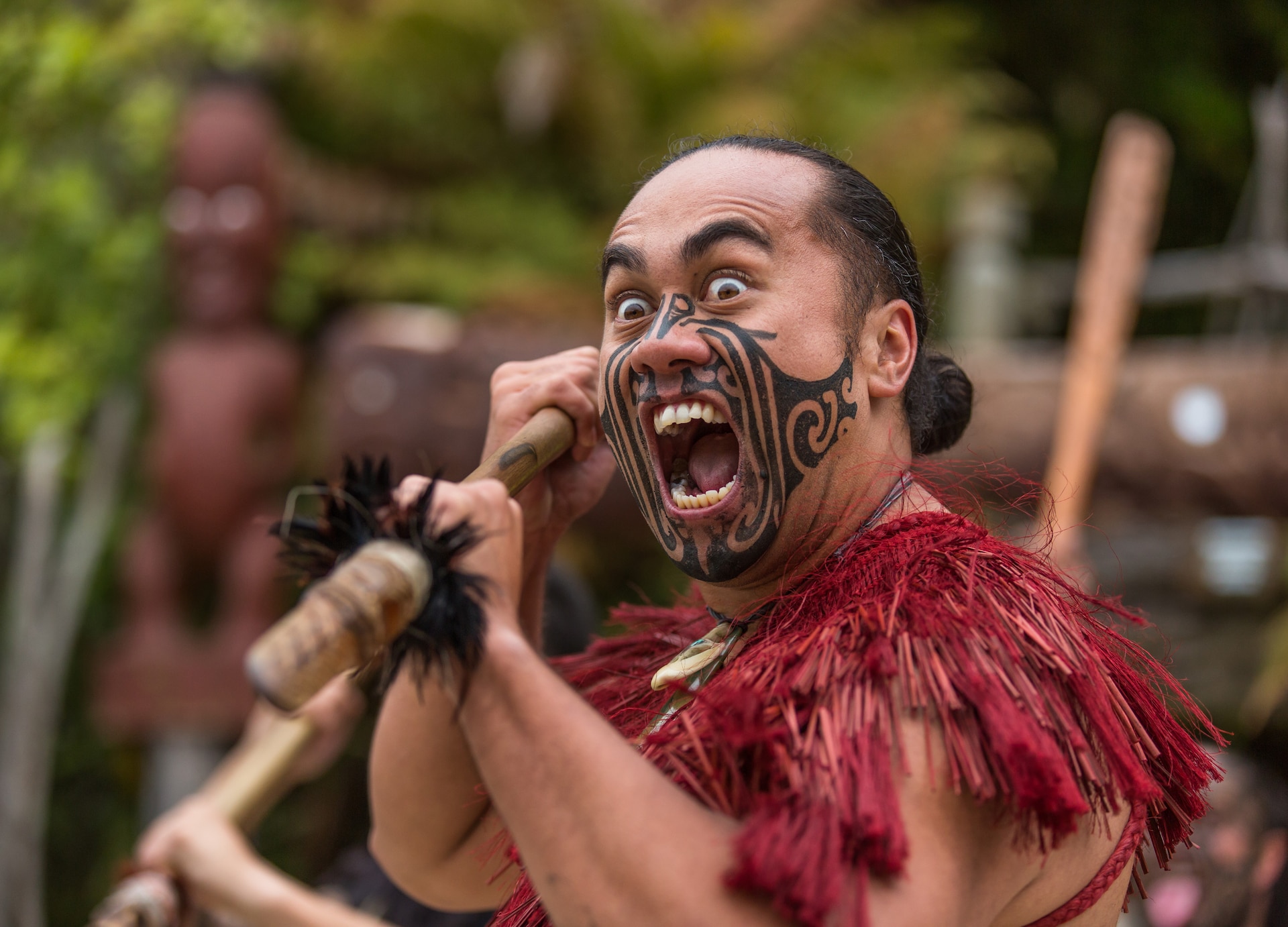
A haka is a Māori performance that combines chanted words, rhythmic movements and facial expressions to communicate a shared message. Often performed by a group, haka can express pride, welcome guests, honor someone or bring people together during an important occasion.
You might recognize haka from New Zealand’s rugby teams, but its story reaches far beyond the playing field. The words, movements and purpose of each haka connect it to particular people and traditions.
Learning that story makes watching a performance more meaningful. Explore cruises to New Zealand and discover opportunities to learn about Māori culture from local hosts during your time ashore.
What Is a Haka's Meaning?
A haka’s meaning comes from its words, its purpose and the people performing it. There isn’t one message shared by every haka.
Some haka offer a welcome or celebrate an achievement. Others express grief, remember someone important or make a strong statement about identity. The energy can be intense, but that intensity can convey respect and affection, as well as challenge.
Knowing the occasion helps you understand what you’re watching. A haka performed at a wedding carries a different meaning from one offered before a rugby match, though both bring people together through a shared expression of emotion.
Where Does Haka Come From?
Haka belongs to the traditions of Māori, the Indigenous people of Aotearoa New Zealand. It forms part of a wider heritage of storytelling, song and performance.
In Māori tradition, haka is associated with Tānerore, the son of the sun deity Tamanuiterā and the summer maiden, Hineraumati. His dance is seen in the shimmering air on a hot day. The trembling hand movement known as wiri reflects that motion.
It’s a lovely detail to recognize during a performance. A small movement of the hands carries a connection to the natural world, as well as the story being told.
Is Haka Always a War Dance?
Haka is not always a war dance. Some forms have historical connections to warfare, while others serve ceremonial, social or welcoming purposes.
For example, peruperu is a form traditionally associated with battle and performed with weapons. Haka taparahi is a ceremonial form performed without weapons, while haka pōwhiri forms part of a welcome.
These distinctions show why “war dance” tells only part of the story. Haka includes different forms, each with its own purpose and traditions. A host’s introduction can help you appreciate the particular performance being shared with you.
What Is the Difference Between Haka & Kapa Haka?

Kapa haka refers to Māori group performing arts, which can include haka alongside songs, coordinated movements and poi performances. A haka is one part of that broader tradition.
During a kapa haka presentation, you might experience:
- Waiata: Songs that share stories, feelings and connections to people or places.
- Waiata-ā-ringa: Action songs in which hand movements help express the words.
- Poi: Performances using balls attached to cords, swung with carefully timed movements.
- Haka: Chanted words and coordinated actions expressing a shared purpose.
This variety gives a cultural performance its changing pace. A flowing song or the soft rhythm of poi can lead into the strong voices and movements of a haka.
Why Do the All Blacks (Rugby Team) Perform a Haka?
The All Blacks perform haka to express identity, unity and pride before a rugby match. It brings the players together and connects the team with the people and heritage they represent.
The team performs both Ka Mate and Kapa o Pango. Ka Mate was composed by Ngāti Toa leader Te Rauparaha and tells a story of survival. Kapa o Pango was created specifically for the All Blacks and first performed in 2005.
Seeing the team move and chant together can be striking even if you’ve never watched rugby before. Understanding the meaning adds another dimension: It’s a statement of who they are — not simply a way to begin the game.
What Should You Notice During a Haka Performance?
The words, timing and expression work together to communicate the haka’s message. Looking beyond the larger movements helps you appreciate the detail.
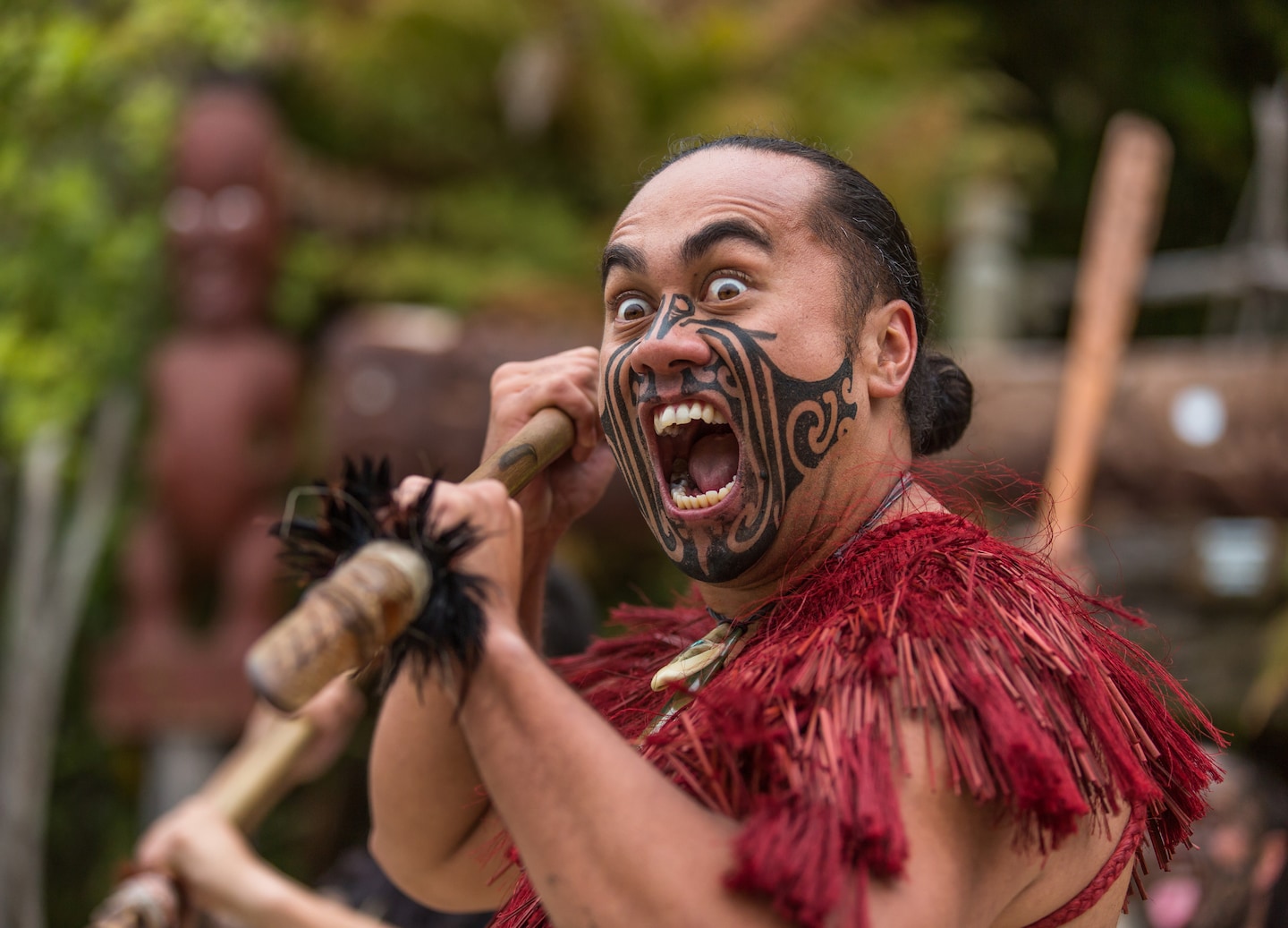
Notice how the voices come together and how movements emphasize particular moments. Facial expressions — including widened eyes known as pūkana — add intensity and feeling to the words.
Knowing who composed it or whom it honors can turn an unfamiliar performance into a story you can follow.
Discover Māori Culture on a New Zealand Shore Excursion
Royal Caribbean offers several experiences that introduce travelers to Māori performance and traditions. Some center on time with local hosts, while another explores haka through New Zealand’s rugby story.
Auckland: Cultural Performances & Rugby Heritage
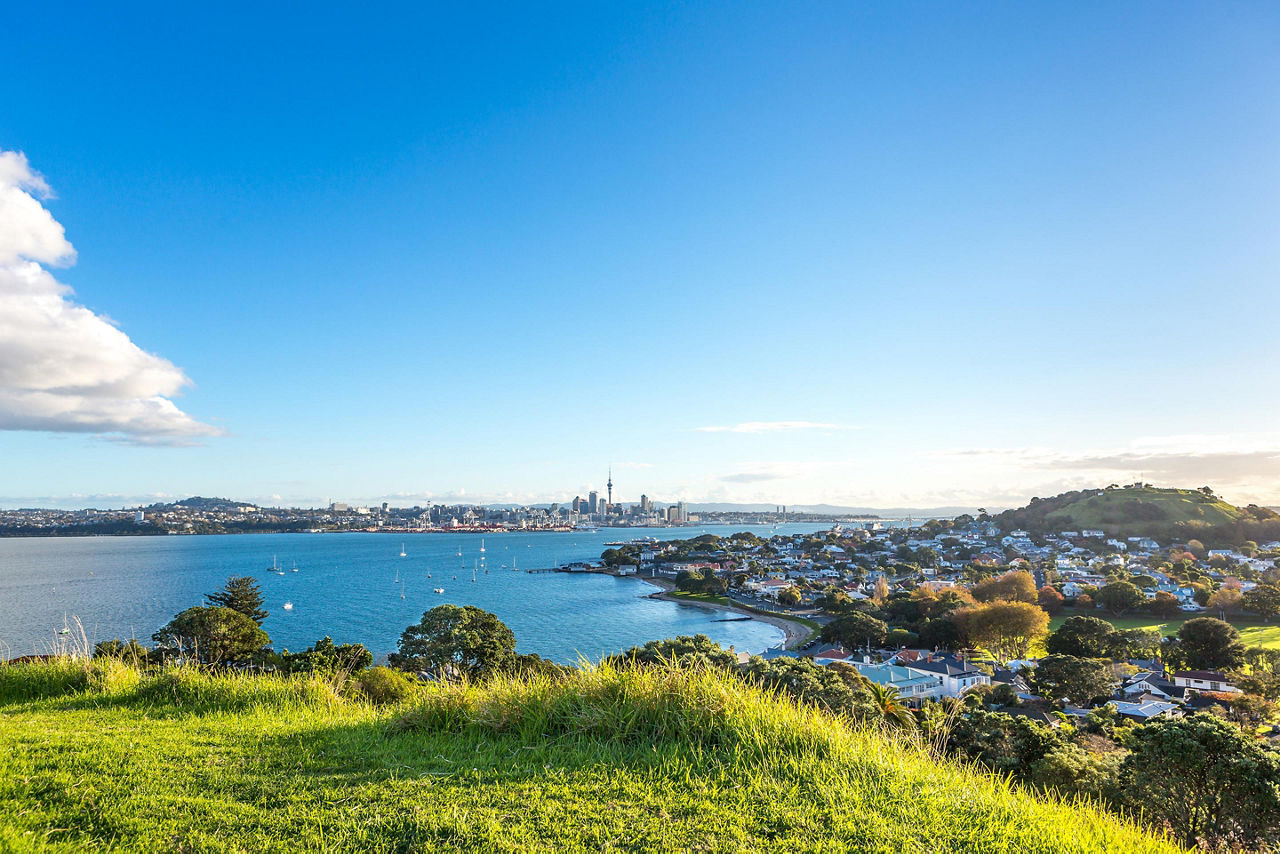
Auckland Heritage, Culture and Traditions includes time at Auckland War Memorial Museum and a Māori cultural performance featuring songs, stories and haka. The outing continues to the Auckland Wintergardens, combining cultural discoveries with time among its glasshouses and gardens.
Authentic Māori Experience travels to Te Hana for ceremonies, songs, dances and a meal cooked in an earth oven. This community visit offers a broader introduction to Māori traditions rather than focusing on a single performance.
All Blacks Experience and Sky Tower takes a different approach. Its rugby attraction includes an immersive digital haka presentation featuring the All Blacks and Black Ferns, followed by panoramic views from the Sky Tower. The haka presentation is a multimedia experience, rather than a live appearance by the teams.
Picton: Omaka Māori Marae Experience
The Omaka Māori Marae Experience introduces guests to a Māori community in Marlborough. The visit includes a traditional welcome, a guided tour of the carved meeting house, a haka performance by young performers and morning or afternoon tea.
The community setting gives the performance context. Alongside the haka, hosts share family history and the work they do to support their community.
Tauranga: Māori Culture in Rotorua
The Rotorua Maori Village Encounter visits Te Pā Tū, where hosts introduce Māori culture through a formal welcome, kapa haka, storytelling and demonstrations.
This experience brings several traditions together in a forest setting, with the people hosting your visit at the heart of the day.
Get To Know New Zealand Through Its People
A cultural visit offers time to hear local stories and see how traditions are shared across generations. Understanding the meaning behind haka gives you more to take away than the memory of a powerful performance.
Explore New Zealand cruises and make space for Māori cultural experiences alongside the country’s landscapes and coastal cities.
Frequently Asked Questions About Haka
-
Can women perform haka?
Yes, women perform haka. Women have roles in Māori haka traditions, and New Zealand’s Black Ferns rugby team performs its own haka, Ko Ūhia Mai. The roles and movements depend on the particular haka and its traditions.
-
Is every haka the same?
Each haka has its own words, movements and meaning. Different communities, groups and teams perform haka connected to their histories or shared identity. Ka Mate is one well-known example.
-
Is a pōwhiri the same as a haka?
A pōwhiri is a formal Māori welcome, while haka is a form of performance that may be included within that welcome. The terms are related, but they describe different things.
-
Can you experience haka without attending a rugby match?
Yes. Cultural experiences in New Zealand offer opportunities to see haka or broader kapa haka performances. Royal Caribbean’s options include museum performances in Auckland and hosted cultural visits in Marlborough and Rotorua.
Planning a Trip to New Zealand?
Want to learn more about New Zealand? Check out these guides to plan your next trip:
- Auckland, New Zealand Shore Excursions - Explore Māori cultural experiences, city sights and Auckland’s rugby heritage.
- Picton, New Zealand Shore Excursions - Discover Marlborough through cultural visits, local flavors and scenic outings.
- Tauranga, New Zealand Shore Excursions - Find experiences connecting Tauranga with Rotorua’s culture and landscapes.