Located along the Adriatic and Ionian Seas in southeastern Europe, it blends Mediterranean coastline with Ottoman-era towns, mountain villages and wild alpine landscapes.
From the Albanian Alps to the beaches of Ksamil, Albania offers a mix of nature, history, and culture that still feels surprisingly undiscovered. Here are ten highlights that help explain what Albania is famous for.
1. The Albanian Riviera
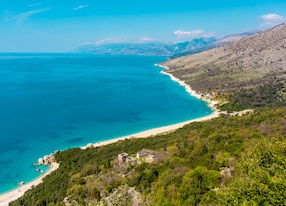
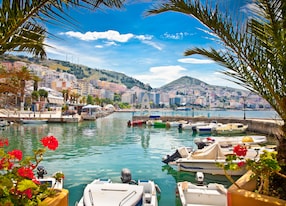
Albania is famous for the Albanian Riviera, one of the most beautiful coastal regions in the Mediterranean. This stretch of coastline along the Ionian Sea features clear turquoise water, rocky cliffs and small seaside villages.
Places like Dhërmi, Himarë and Ksamil attract visitors with quiet beaches and scenic views. Many travelers compare the Albanian Riviera to more famous Mediterranean coastlines, but it remains more affordable and far less developed than places like the Amalfi Coast or Greek islands. Long coastal drives reveal hidden coves, traditional villages and dramatic mountain scenery that meets the sea.
2. Berat, the City of a Thousand Windows
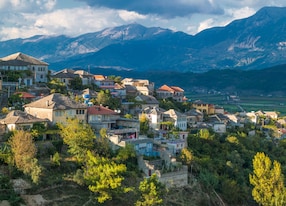
Berat is celebrated for its unique hillside architecture. The town’s white houses sit close together along the slopes above the Osum River, with rows of large windows that seem to look out over the valley. This visual effect earned Berat the nickname “The City of a Thousand Windows.”
Berat’s castle district is still home to families who live inside the ancient fortress walls. Small churches, museums and stone paths give the town a timeless atmosphere. Because of its historic importance and preserved architecture, Berat is recognized as a UNESCO World Heritage Site.
3. Gjirokastër’s Stone City
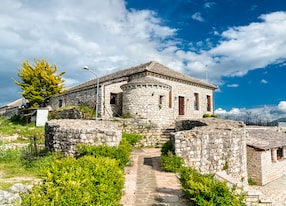
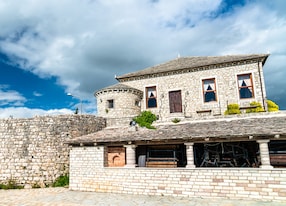
Another UNESCO treasure, Gjirokastër is known for its dramatic stone houses and steep streets. The town’s slate roofs and tall chimneys create a striking skyline against the surrounding mountains.
The large fortress that sits above the city tells stories of Albania’s long and complex history. Inside the castle, visitors can explore exhibits that explain the country’s past and its fight for independence. Below the fortress, the historic bazaar remains a lively center of local culture and craftsmanship.
4. Ancient Ruins at Butrint
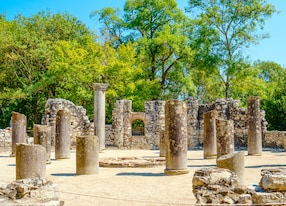
Albania is also recognized for its ancient history and the ruins of Butrint are among the country’s most important archaeological sites. This historic city has layers of Greek, Roman, Byzantine and Venetian influence.
Walking through Butrint feels like stepping through different periods of history. Visitors pass ancient theaters, stone gates, temples and early Christian churches surrounded by forests and lagoons. The setting makes Butrint both a historical treasure and a peaceful natural park.
5. Tirana’s Colorful Capital
Tirana, the capital of Albania, has become one of the most vibrant cities in the Balkans. The city is known for its colorful buildings, lively cafés and creative energy.
Skanderbeg Square sits at the center of the city and connects many of Tirana’s most important landmarks. Museums, mosques and historic buildings surround the plaza, while nearby streets are filled with restaurants and galleries. Tirana’s transformation from a quiet communist capital to a modern cultural center reflects Albania’s changing identity.
6. The Albanian Alps
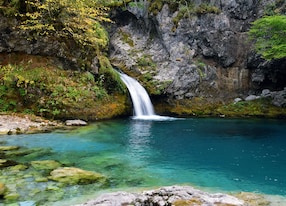
Northern Albania is famous for the Albanian Alps, a rugged mountain region filled with dramatic peaks and deep valleys. These mountains are among the most untouched landscapes in Europe.
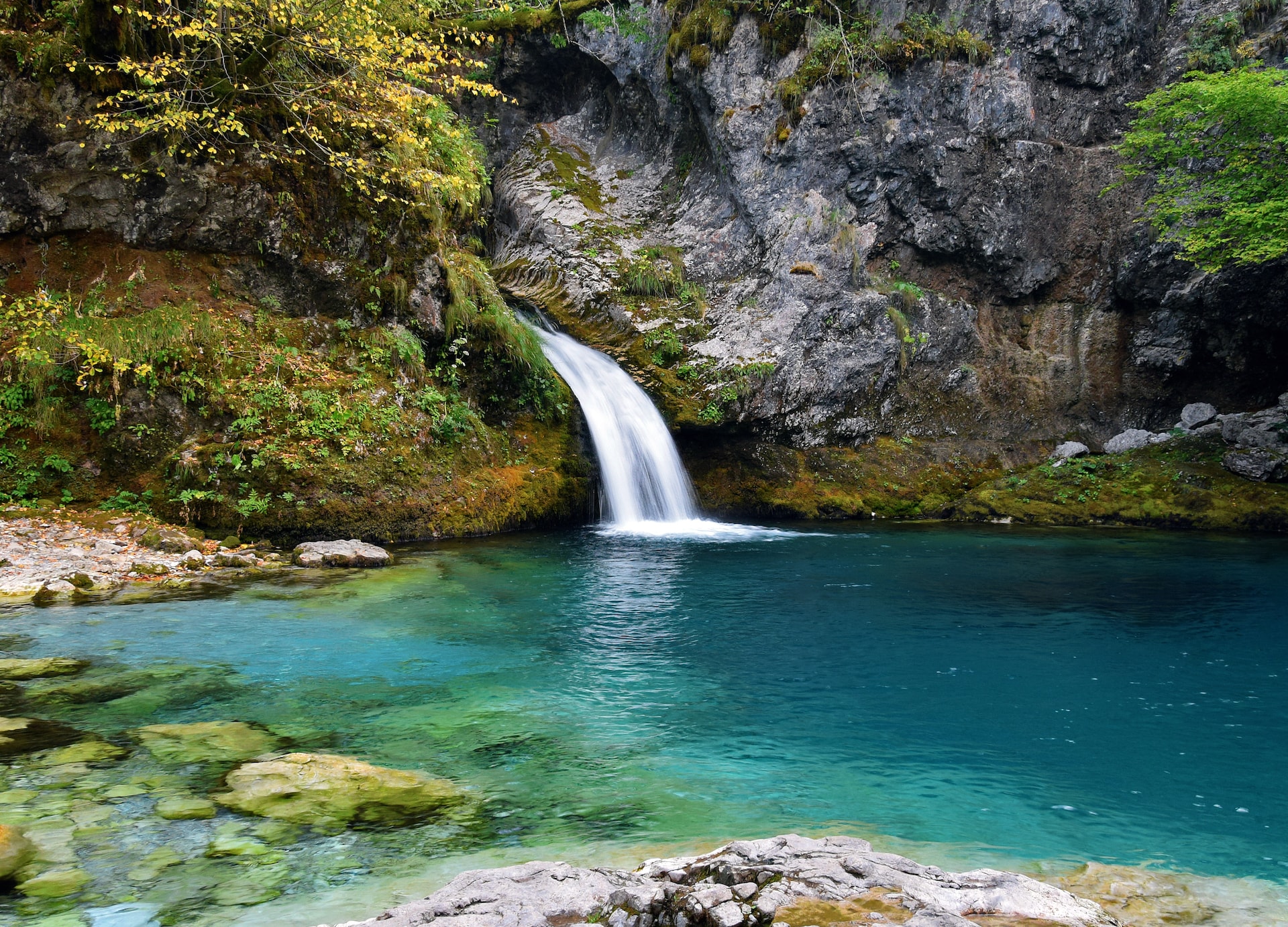
Small villages like Theth and Valbona sit between the mountains and offer a glimpse into traditional life in the region. Wooden homes, stone towers and rushing rivers create a peaceful atmosphere that feels far removed from modern city life. The scenery here is one of the reasons Albania is increasingly admired by outdoor travelers.
7. Historic Castles
Albania is recognized for its impressive collection of castles and fortresses. Many of these structures date back hundreds of years and reflect the country’s role as a crossroads between empires.
Krujë Castle is one of the most important landmarks in Albanian history. It was the stronghold of the national hero Skanderbeg during the 15th century. Today the castle complex includes museums and a traditional bazaar that celebrates Albanian craftsmanship and culture.
8. Albanian Cuisine
Albania is known for flavorful food that combines Mediterranean and Balkan traditions. Meals often include grilled meats, fresh vegetables, olive oil and homemade breads.
One of the most popular dishes is byrek, a flaky pastry filled with cheese, spinach, or meat. Another favorite is tavë kosi, a baked lamb dish with yogurt and herbs. Along the coast, seafood plays an important role in local cuisine. Meals are often shared with family and friends, reflecting Albania’s strong sense of hospitality.
9. Ksamil and the Ionian Coast
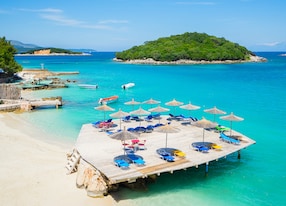
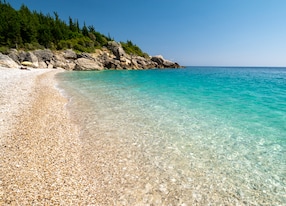
Ksamil has become one of Albania’s most talked-about coastal destinations. The small village sits near the southern edge of the Albanian Riviera and is famous for its bright blue water and tiny offshore islands.
From the shore, visitors can see several small islands just a short distance away. Many people swim or paddle out to them during calm weather. With its warm water and soft sand, Ksamil has helped introduce Albania to travelers searching for a quieter Mediterranean escape.
10. Albanian Hospitality
Perhaps what Albania is most celebrated for is its deep tradition of hospitality. The cultural idea of besa represents honor, kindness and the promise to treat guests with respect.
Visitors often find that locals are eager to share stories, offer help, or recommend their favorite places. This welcoming spirit creates a strong connection between travelers and the communities they visit. For many people, Albania’s hospitality becomes the most memorable part of their journey.
What is Albania Known For?
Albania is known for its dramatic Riviera coastline, historic UNESCO cities, ancient ruins and welcoming culture. From the mountain villages of the Albanian Alps to the turquoise waters of the Ionian Sea, the country offers a rich blend of nature and history.
As more travelers explore its breathtaking landscapes, rich traditions, and welcoming hospitality, Albania is steadily becoming one of Europe's most captivating and authentic destinations.