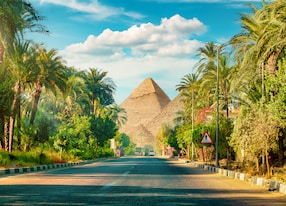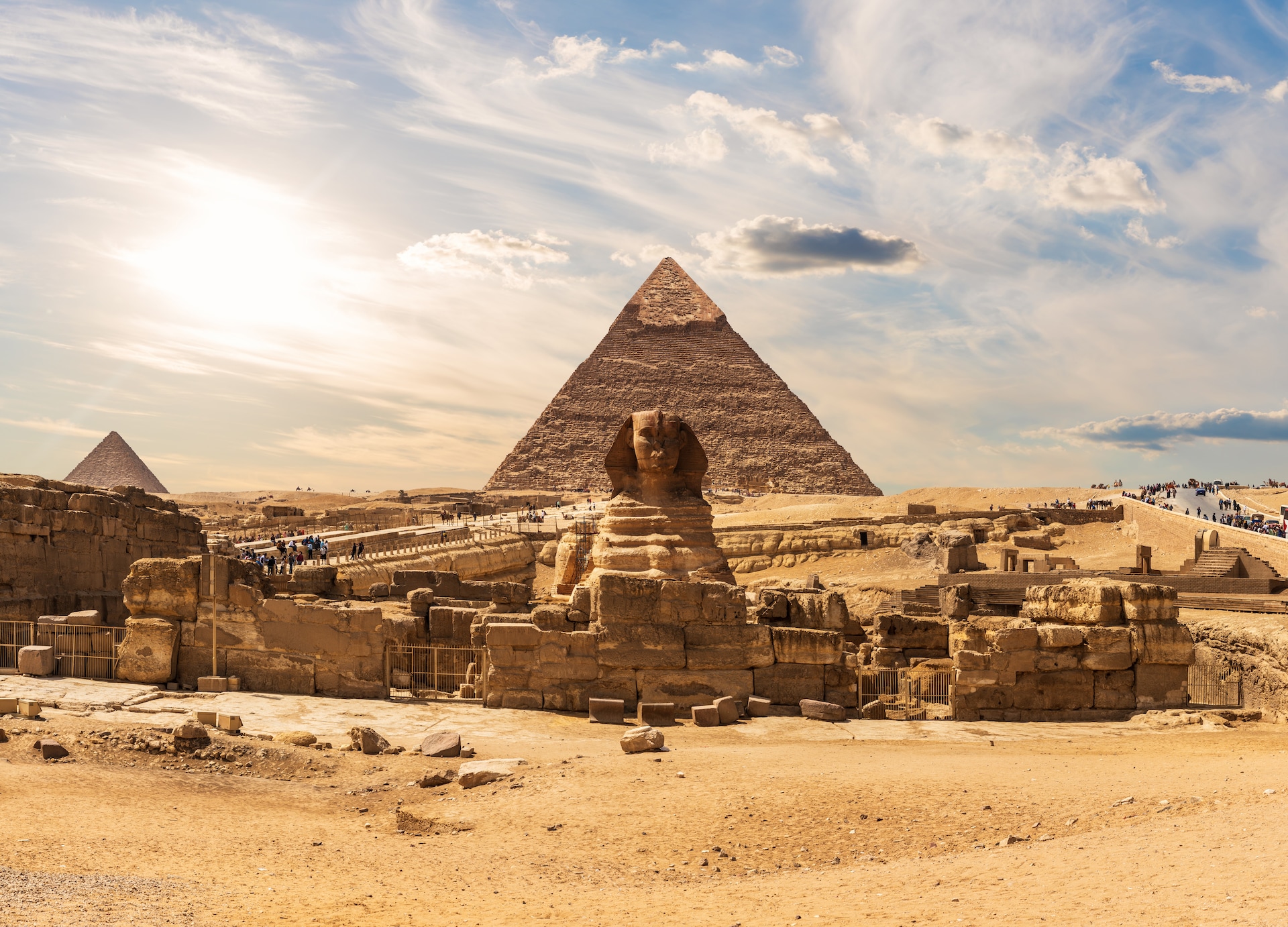
Founded by Alexander the Great, the city has long been shaped by scholars, sailors, empires and sea views, giving it a distinct identity from Egypt’s desert and Nile Valley destinations. Today, Alexandria blends historic sites, seaside dining, cultural attractions and a breezy coastal atmosphere that makes it one of Egypt’s most fascinating cities to explore.
1. The Bibliotheca Alexandrina
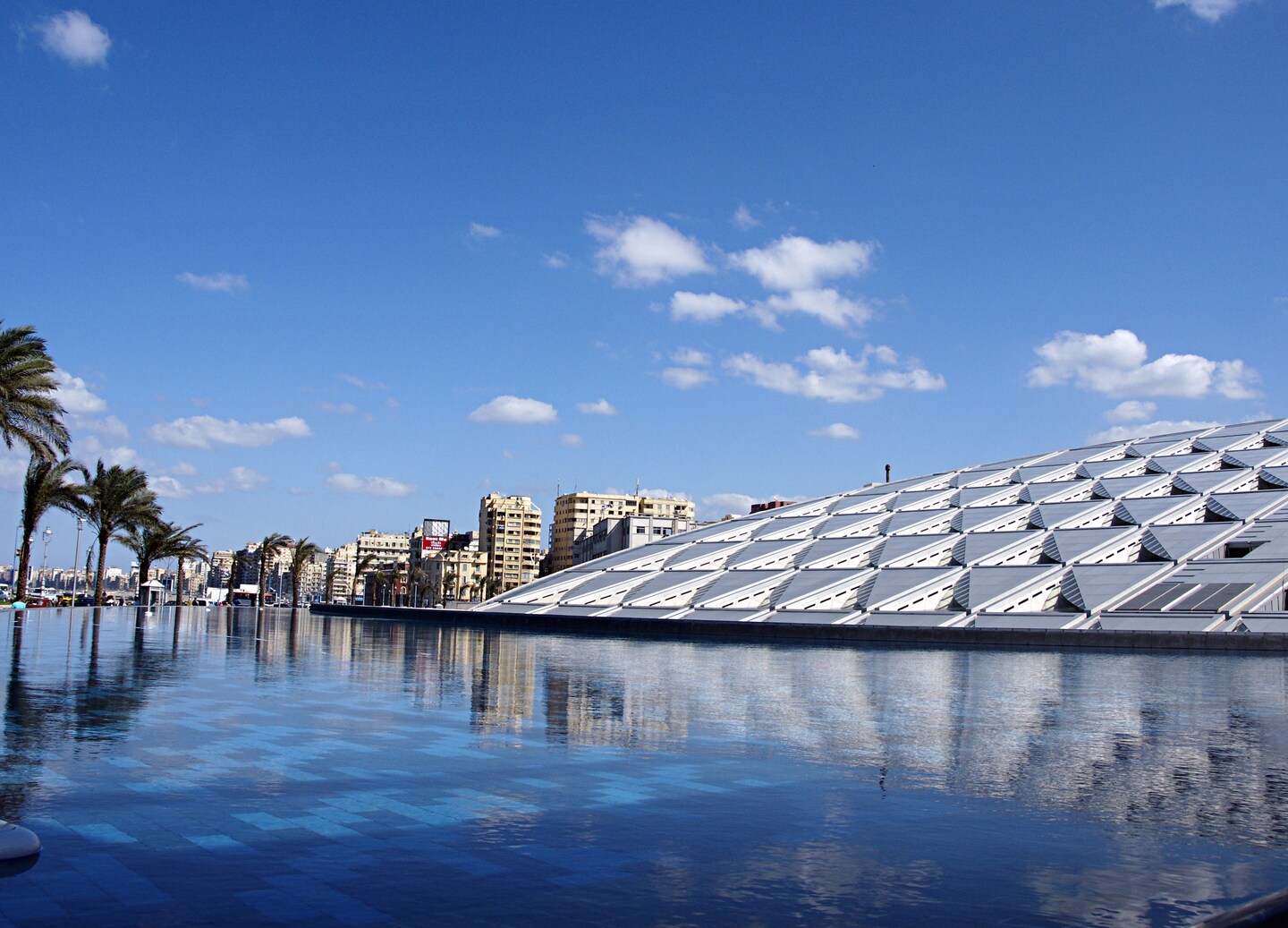
Alexandria is famous for its connection to one of the ancient world’s greatest centers of learning, and the modern Bibliotheca Alexandrina honors that legacy. The contemporary library is much more than a place for books, with museums, galleries, specialized libraries, cultural programs and a planetarium included within the complex. Its mission is rooted in knowledge, dialogue and understanding between cultures, making it one of the city’s most meaningful modern landmarks.
Set near the Mediterranean, the building also feels deeply connected to Alexandria’s identity as a city of scholarship and sea-facing architecture. Visitors come to admire the design, explore exhibitions and reflect on the city’s ancient reputation as a crossroads of ideas.
2. Qaitbay Citadel
Qaitbay Citadel is one of Alexandria’s most recognizable landmarks, standing on the coast where the ancient Lighthouse of Alexandria once stood. The Mamluk sultan al-Ashraf Abu al-Nasr Qaitbay built the fort between 1477 and 1479 over the ruins of the lighthouse, and it served as part of the city’s defense against naval attacks.
Today, the citadel is celebrated for its sea views, historic setting and powerful connection to Alexandria’s maritime past. Its stone walls, coastal position and views over the harbor make it one of the most memorable places to visit in the city.
3. The Lighthouse of Alexandria
Alexandria is closely associated with the Lighthouse of Alexandria, also called the Pharos of Alexandria, one of the Seven Wonders of the Ancient World. The lighthouse was commissioned during the Ptolemaic era and became one of antiquity’s most famous structures, guiding ships into the city’s harbor and symbolizing Alexandria’s importance as a Mediterranean port.
Although the original lighthouse no longer stands, its legacy remains central to the city’s story. The site later became associated with Qaitbay Citadel, linking Alexandria’s ancient and medieval histories in one dramatic waterfront location.
4. Mediterranean Sea Views
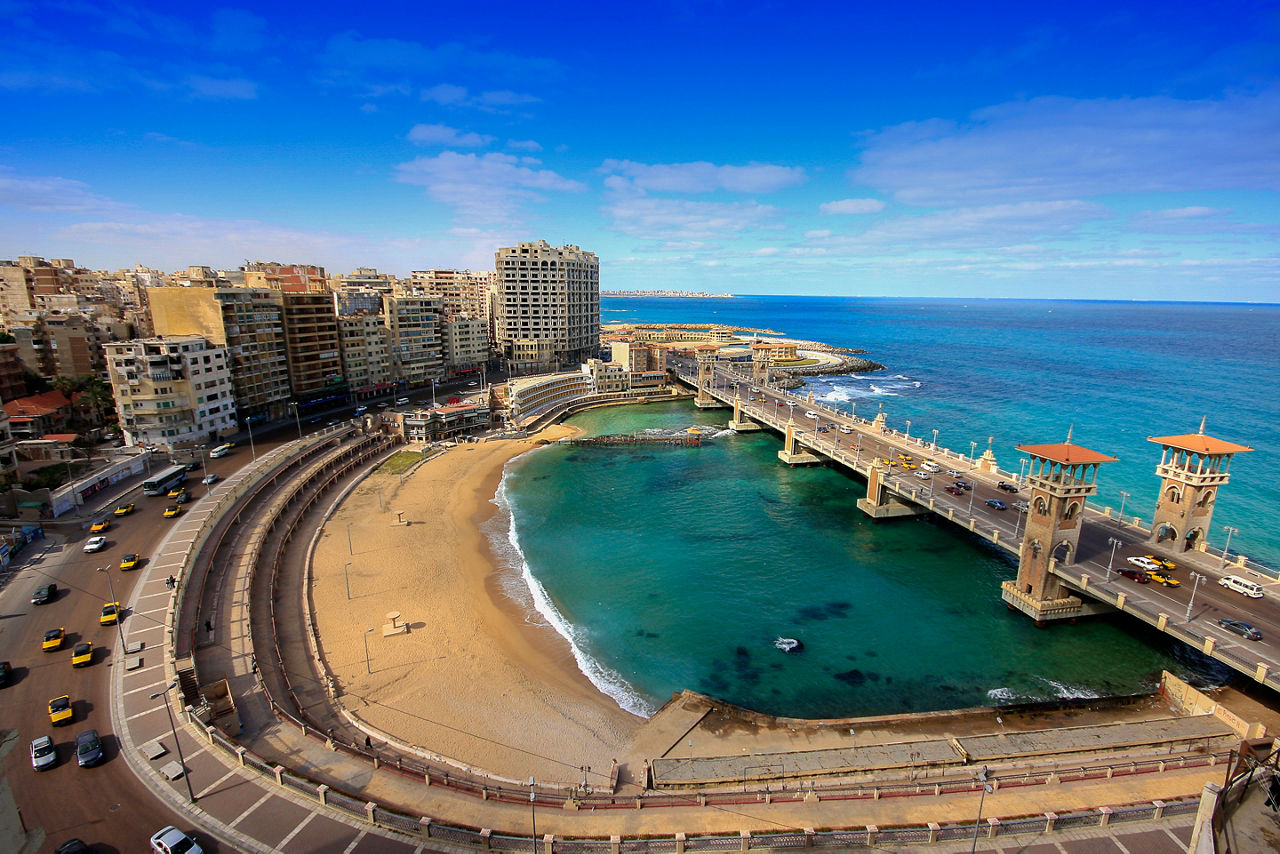
Alexandria has a different feel from many other Egyptian destinations because of its long Mediterranean shoreline. The sea shapes the city’s atmosphere, from the breezy Corniche to waterfront cafes, seafood restaurants and harbor views. This coastal setting gives Alexandria a relaxed, lived-in rhythm that feels distinct from Cairo, Luxor or Aswan.
A walk along the Corniche is one of the simplest ways to experience the city. You can watch fishing boats, admire the waves, stop for coffee or take in the skyline as it stretches along the water. For many visitors, Alexandria’s seaside character is one of its most appealing features.
5. The Catacombs of Kom El Shoqafa
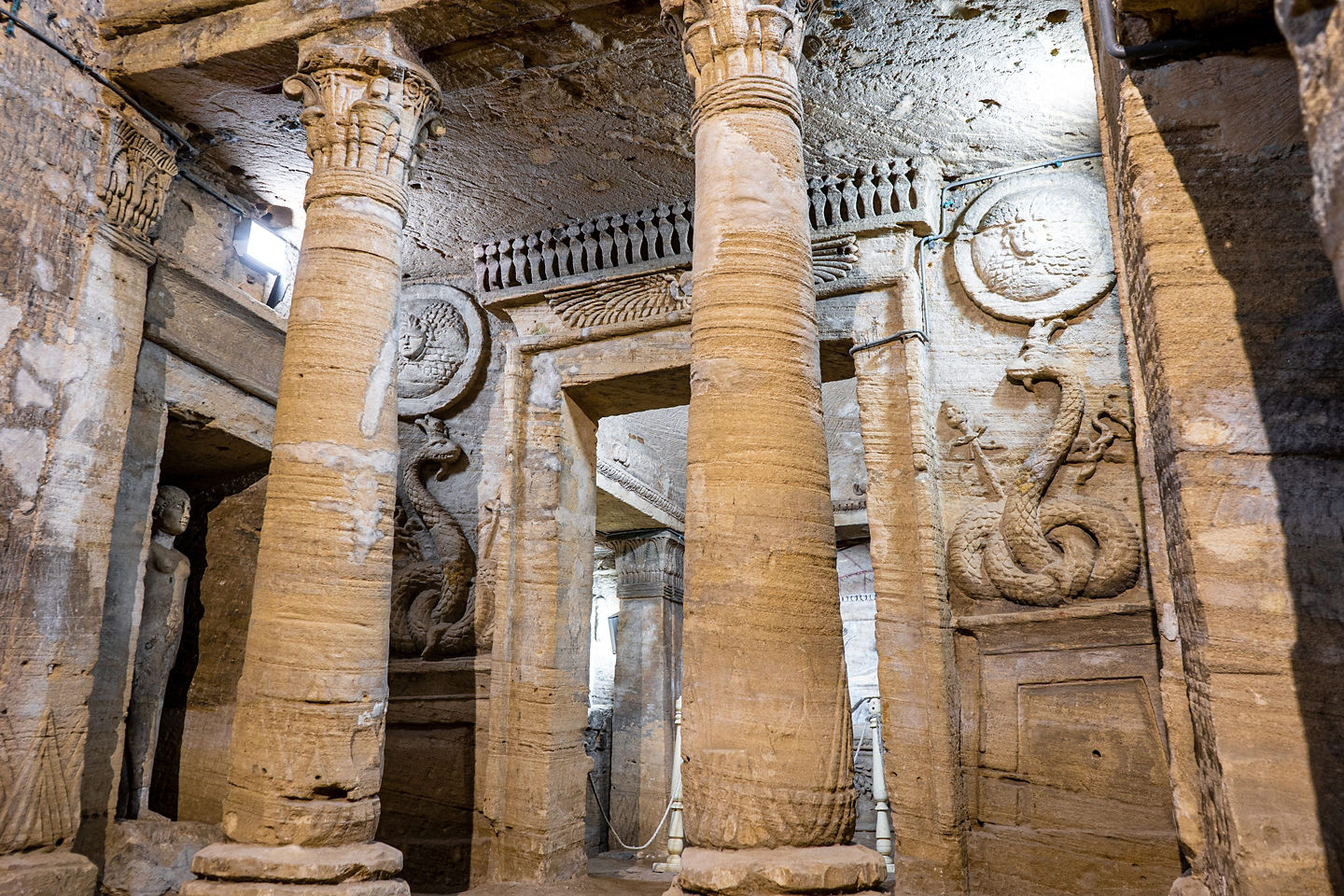
The Catacombs of Kom El Shoqafa are among Alexandria’s most fascinating archaeological attractions. Dating to the second century AD, the catacombs are recognized for their unusual blend of Egyptian, Greek and Roman artistic influences. The Alexandria Governorate describes them as unique for both their plan and their decoration.
Descending into the catacombs gives visitors a look at the city’s layered cultural history. Carved chambers, burial spaces and decorative details reveal how different traditions came together in ancient Alexandria, making the site especially interesting for travelers drawn to archaeology and ancient art.
6. Pompey’s Pillar & Greco-Roman History
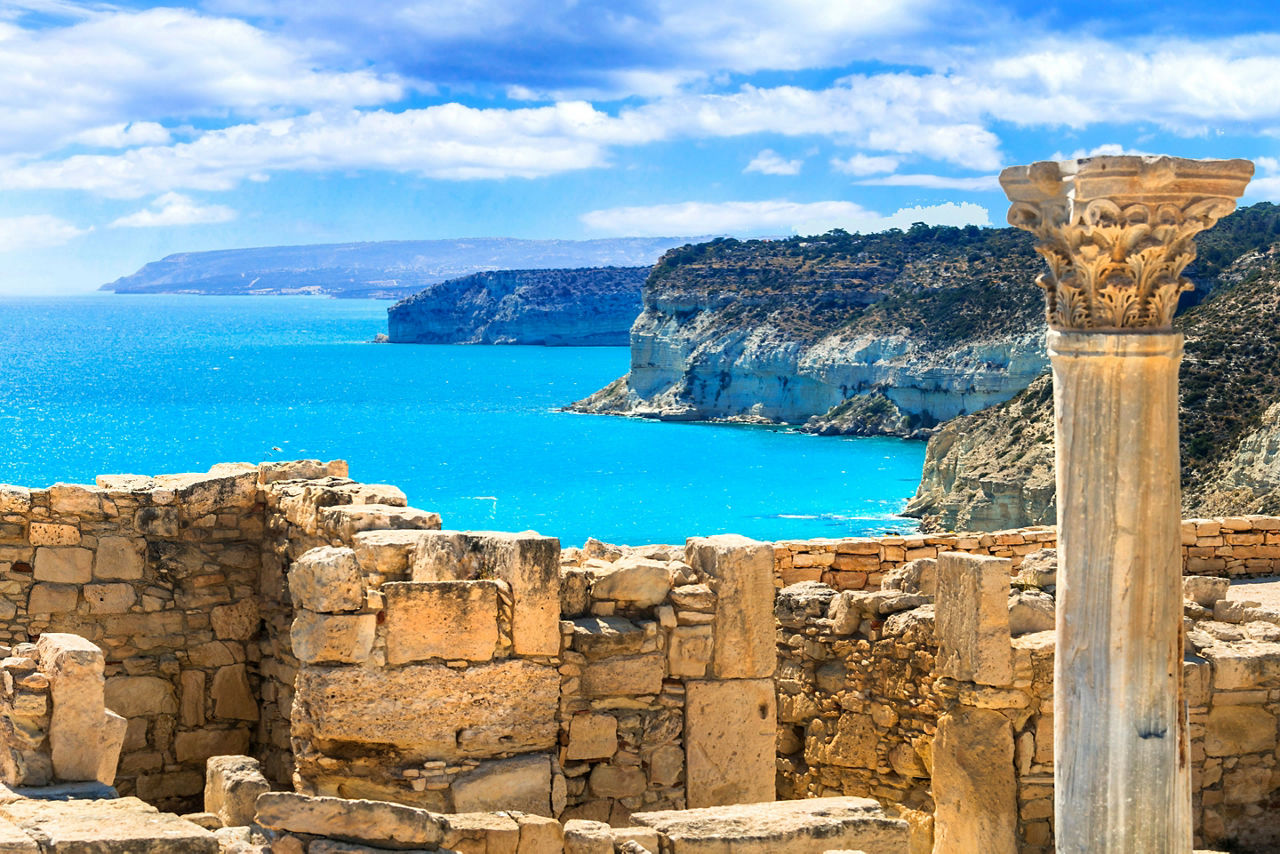
Alexandria is renowned for its Greco-Roman heritage, and Pompey’s Pillar is one of the clearest reminders of that era. The massive column rises from the ancient Serapeum area, where visitors can see traces of Alexandria’s classical past. It's often visited alongside the catacombs and other archaeological sites.
What makes Alexandria especially compelling is the way its history stretches across so many civilizations. Greek foundations, Roman influence, early Christian history, Islamic architecture and modern Egyptian culture all appear throughout the city. That layered past gives Alexandria a sense of depth that rewards curious travelers.
7. Montaza Palace & Gardens
Montaza Palace and Gardens offer a more scenic, leisurely side of Alexandria. Set along the coast, the area is admired for its landscaped gardens, sea views and elegant architecture. It's a popular place for walking, relaxing outdoors and enjoying a quieter break from the busier parts of the city.
The palace grounds reflect Alexandria’s appeal as a seaside retreat. Visitors can spend time among palms, gardens and waterfront views, making Montaza a strong contrast to the city’s ancient ruins and dense urban streets. It's especially appealing for those who want a relaxed coastal stop during a day of sightseeing.
8. Fresh Seafood & Waterfront Dining
Alexandria is a standout destination for seafood in Egypt. Its Mediterranean location means fish, shrimp, calamari and other fresh catches are central to the local dining scene. Many restaurants serve seafood simply grilled, fried or prepared with local spices, often paired with salads, bread and views of the water.
Dining in Alexandria is not only about the food, but also the setting. A seafood meal near the Corniche or harbor captures the city’s coastal personality. It's one of the easiest ways to experience Alexandria’s connection to the sea.
9. A Distinct Egyptian Coastal Culture
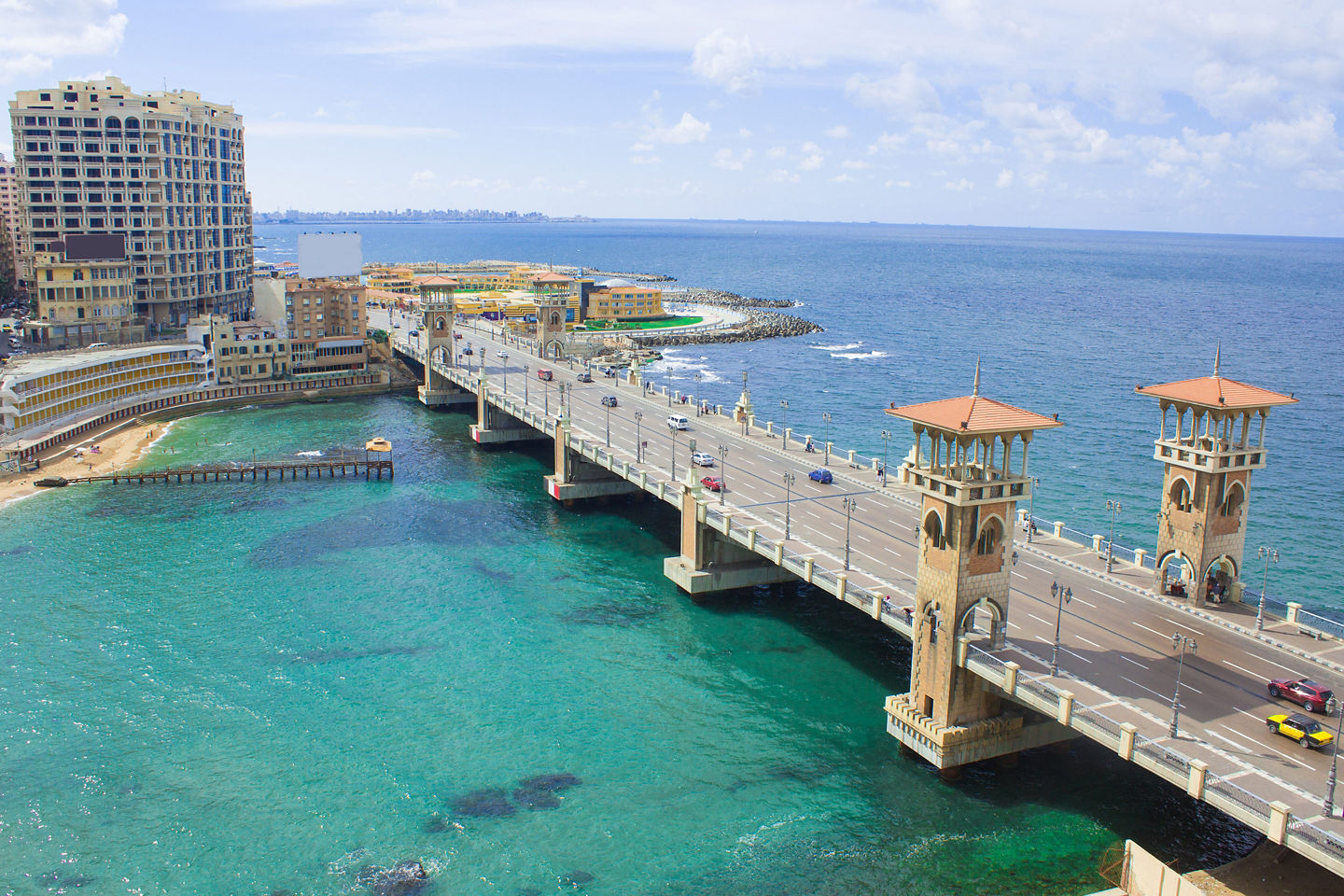
Alexandria is famous for feeling different from other major Egyptian cities. It has the energy of a port, the history of an ancient capital and the atmosphere of a Mediterranean seaside city. This gives it a distinctive personality that blends Egyptian culture with influences from the wider region.
The city’s cafes, architecture, waterfront neighborhoods and historic landmarks all contribute to that identity. Alexandria can feel nostalgic, busy, breezy and elegant all at once. That's why it has long captured the imagination of writers, historians and travelers.
10. Easy Day Trips From Cairo
Alexandria is often visited as a day trip or short overnight escape from Cairo. Its location on Egypt’s northern coast makes it a practical addition to many Egypt itineraries, especially for travelers who want to experience a Mediterranean city alongside the pyramids, museums and historic neighborhoods of Cairo.
A day in Alexandria can include Qaitbay Citadel, the Bibliotheca Alexandrina, the catacombs, Pompey’s Pillar and a seafood lunch by the water. While the city deserves more time for a slower visit, even a short trip can introduce travelers to its coastal beauty and remarkable history.
What Is Alexandria, Egypt Known For?
Alexandria, Egypt is known for its ancient library heritage, Mediterranean coastline, Greco-Roman ruins, Qaitbay Citadel, seafood and the legacy of the Lighthouse of Alexandria. The city stands out because it combines Egyptian history with a distinctly coastal atmosphere, offering visitors a mix of archaeological sites, cultural landmarks, sea views and waterfront dining.
FAQs:
1. Is Alexandria, Egypt worth visiting?
Yes, Alexandria is worth visiting for its mix of ancient history, Mediterranean scenery, cultural landmarks and seafood. It offers a different experience from Cairo or Luxor, with coastal views, Greco-Roman sites and attractions like the Bibliotheca Alexandrina and Qaitbay Citadel.
2. What are the best things to do in Alexandria?
The best things to do in Alexandria include visiting the Bibliotheca Alexandrina, exploring Qaitbay Citadel, seeing the Catacombs of Kom El Shoqafa, walking along the Corniche and enjoying a seafood meal by the Mediterranean. Montaza Palace and Gardens are also a popular stop for coastal views and outdoor scenery.
3. Can you visit Alexandria as a day trip from Cairo?
Yes, Alexandria can be visited as a day trip from Cairo, though staying overnight gives you more time to enjoy the city at a slower pace. A day trip usually focuses on the main landmarks, such as Qaitbay Citadel, the Bibliotheca Alexandrina, the catacombs and the Corniche.
4. How many days do you need in Alexandria?
One to two days is a good amount of time for Alexandria. One day allows you to see the major highlights, while two days gives you more time for Montaza, museums, local dining and a more relaxed walk along the waterfront.
5. Is the Library of Alexandria still there?
The ancient Library of Alexandria no longer exists, but the modern Bibliotheca Alexandrina was created to honor its legacy. Today, it functions as a major library and cultural center with museums, galleries, exhibitions, specialized libraries and learning spaces.
6. What happened to the Lighthouse of Alexandria?
The Lighthouse of Alexandria, one of the Seven Wonders of the Ancient World, was damaged and eventually lost over time. Qaitbay Citadel was later built on the site associated with the ancient lighthouse, preserving the area’s importance in Alexandria’s maritime history.
7. Is Alexandria different from Cairo?
Yes, Alexandria feels very different from Cairo. Cairo is larger, busier and centered around the Nile, Islamic Cairo, museums and nearby Giza, while Alexandria has a Mediterranean coastline, port-city atmosphere and a strong Greco-Roman heritage.
8. What food should you try in Alexandria?
Seafood is the top food to try in Alexandria, especially grilled fish, shrimp, calamari and Mediterranean-style dishes served near the water. The city is also a good place to enjoy Egyptian staples like ful, falafel, fresh bread, salads and local desserts.
Planning a Trip to Alexandria?
Want to learn more about this gem in Egypt? Check out these guides to plan your next trip:
- What to Buy in Alexandria, Egypt - Find your perfect Alexandria souvenir by comparing perfumes, crafts, jewelry, and coastal collectibles.