Barcelona is known for Antoni Gaudí’s architecture, including the Sagrada Família and Park Güell, along with the Gothic Quarter, Mediterranean beaches and FC Barcelona. The city is also famous for its food markets, Catalan culture and creative buildings such as Casa Batlló and Casa Milà.
Located on Spain’s northeastern coast, Barcelona is the capital of Catalonia. Its neighborhoods bring together historic streets, broad avenues and places to enjoy the sea. You can admire a mosaic-covered staircase, browse a market or settle into a cafe overlooking a busy square. Here are 10 things Barcelona is known for and what makes each one worth discovering.
1. The Sagrada Família
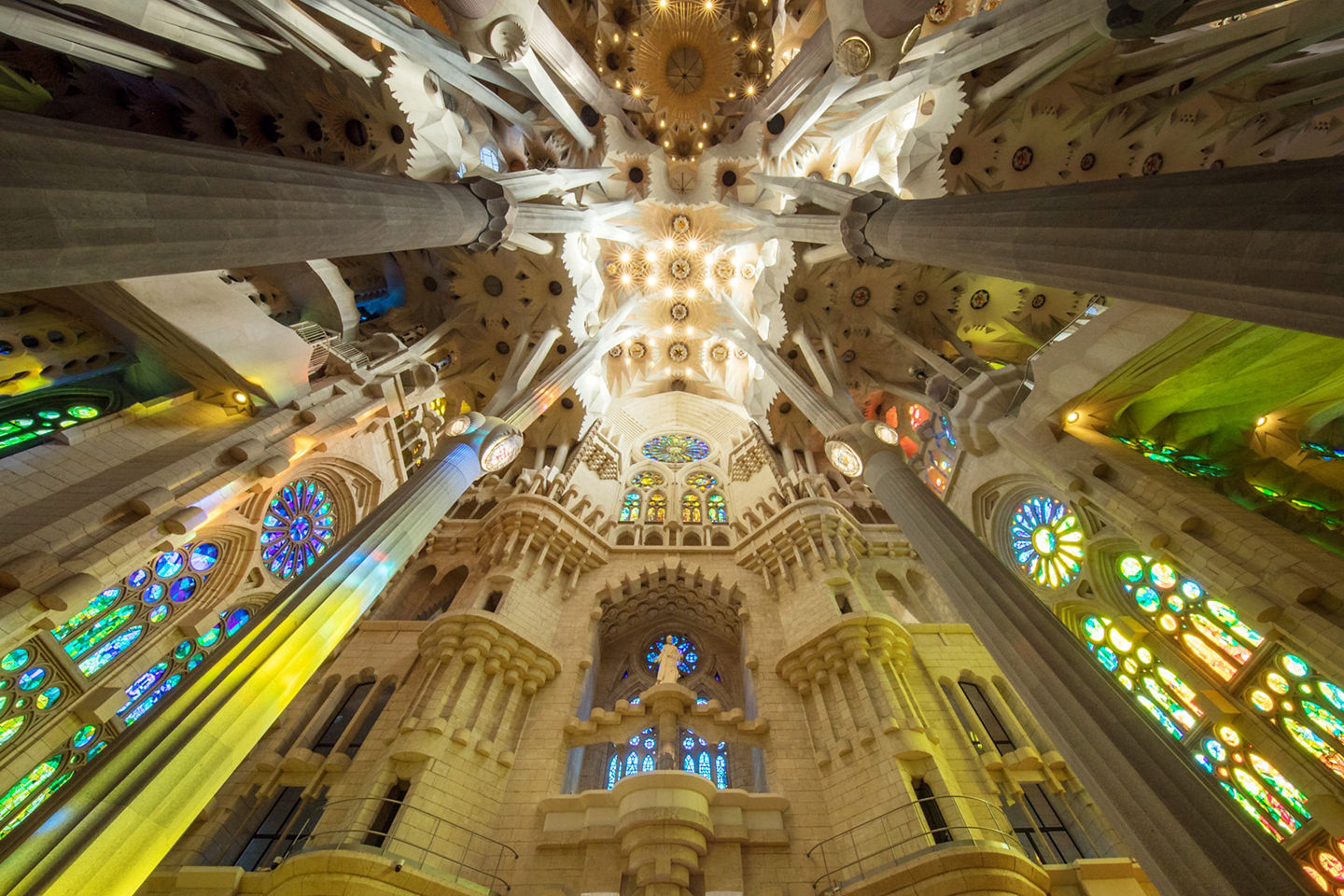
The Sagrada Família is Barcelona’s best-known basilica, celebrated for Antoni Gaudí’s imaginative architecture, sculpted façades and soaring towers. Construction began in 1882, and the building became the central project of Gaudí’s later life.
Outside, the façades invite you to look closely at figures and scenes worked into the stone. Inside, branching columns and colored light create a very different experience, with details inspired by the natural world.
A guided visit can help explain the symbolism, while a quiet moment looking upward lets you take in the scale.
2. Park Güell
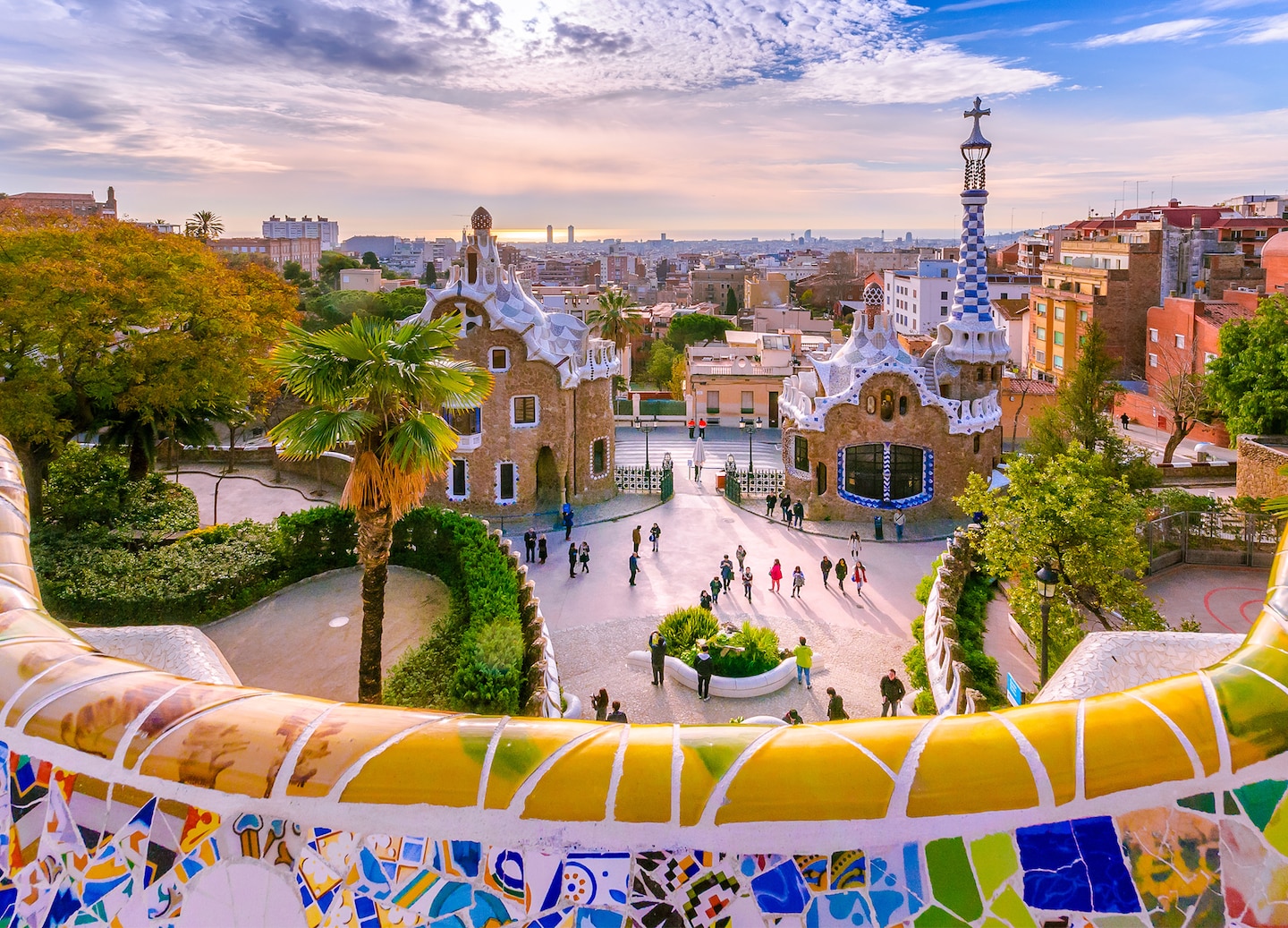
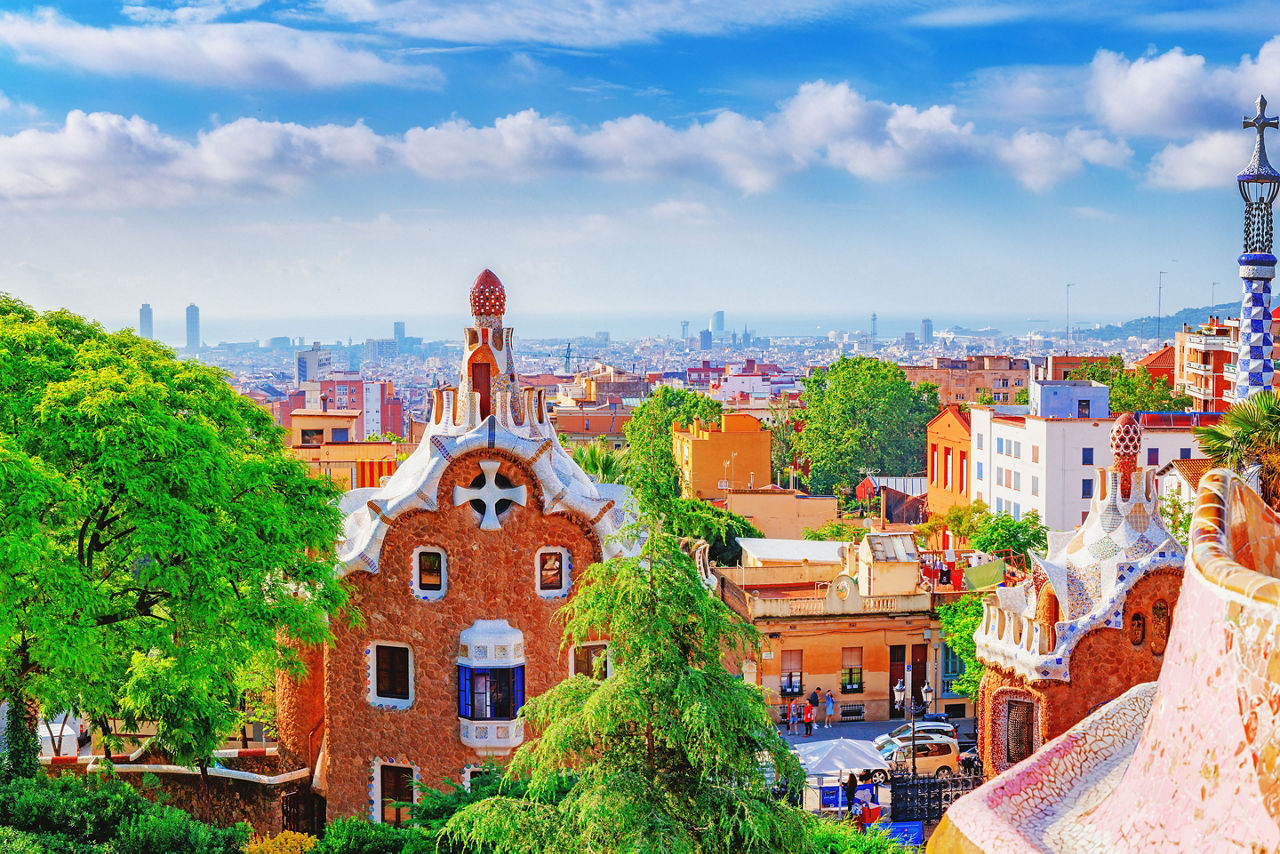
Park Güell is a hillside park known for Gaudí’s colorful mosaics, winding forms and views across Barcelona. Its decorated stairway, mosaic salamander and curved terrace bench are among the city’s most recognizable images.
The park began as a residential development before becoming a public space. Its stone structures and planted slopes show how Gaudí worked architecture into the landscape, with details that reward a closer look.
Allow time for the hillside paths, as well as the famous photo stops.
3. The Gothic Quarter
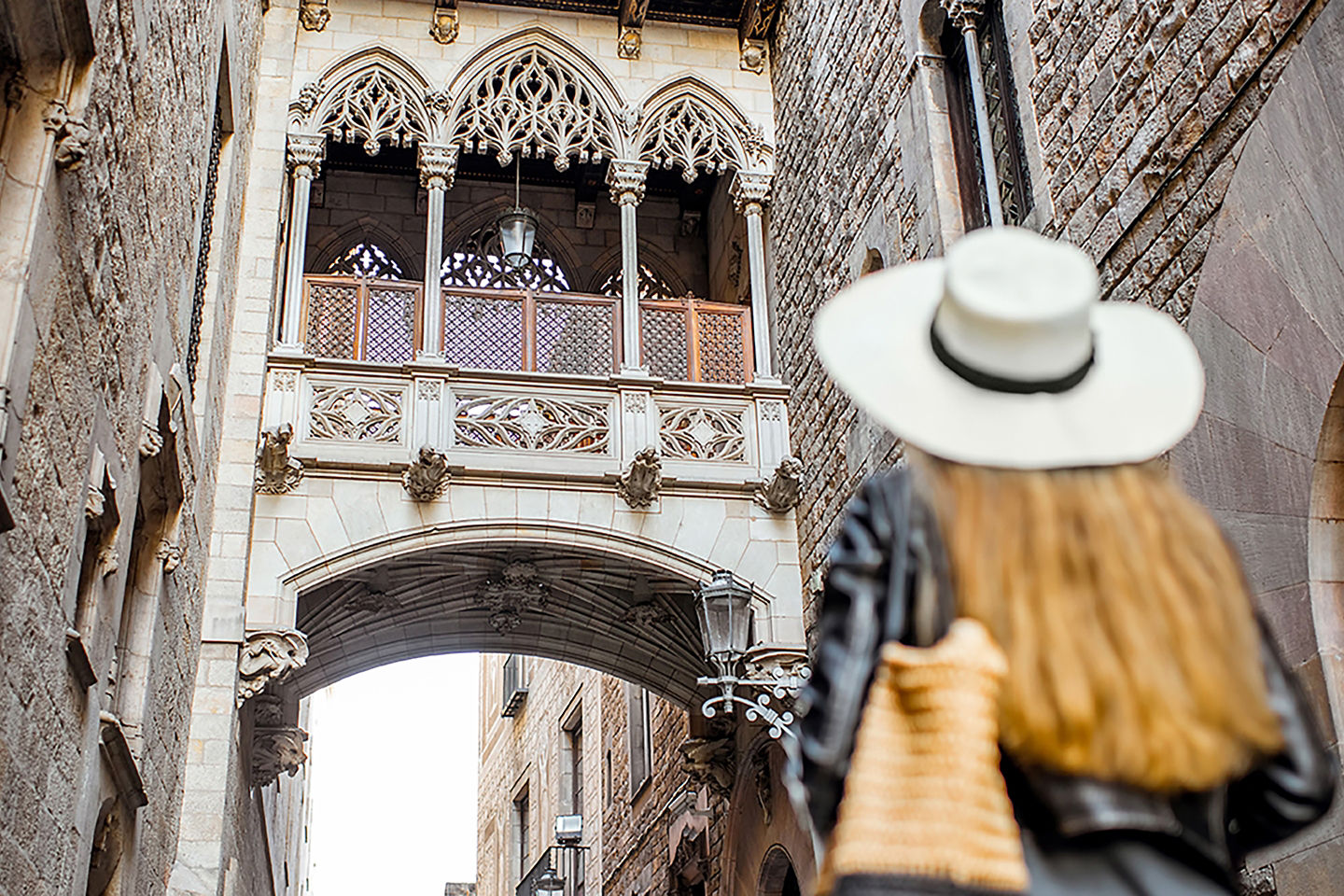
Barcelona’s Gothic Quarter, or Barri Gòtic, is known for narrow lanes, historic squares and buildings that reveal different periods of the city’s past. Roman remains and medieval architecture sit within a neighborhood that continues to change and evolve.
Around Barcelona Cathedral, small streets lead toward courtyards, shops and places to stop for coffee. The pleasure is often in the transitions: A shaded passage opens into a bright square, or a stone doorway reveals another detail you might otherwise miss.
A guided walk can help distinguish the neighborhood’s ancient remains, medieval buildings and later additions. Leave a little room to explore at your own pace, too.
4. La Rambla
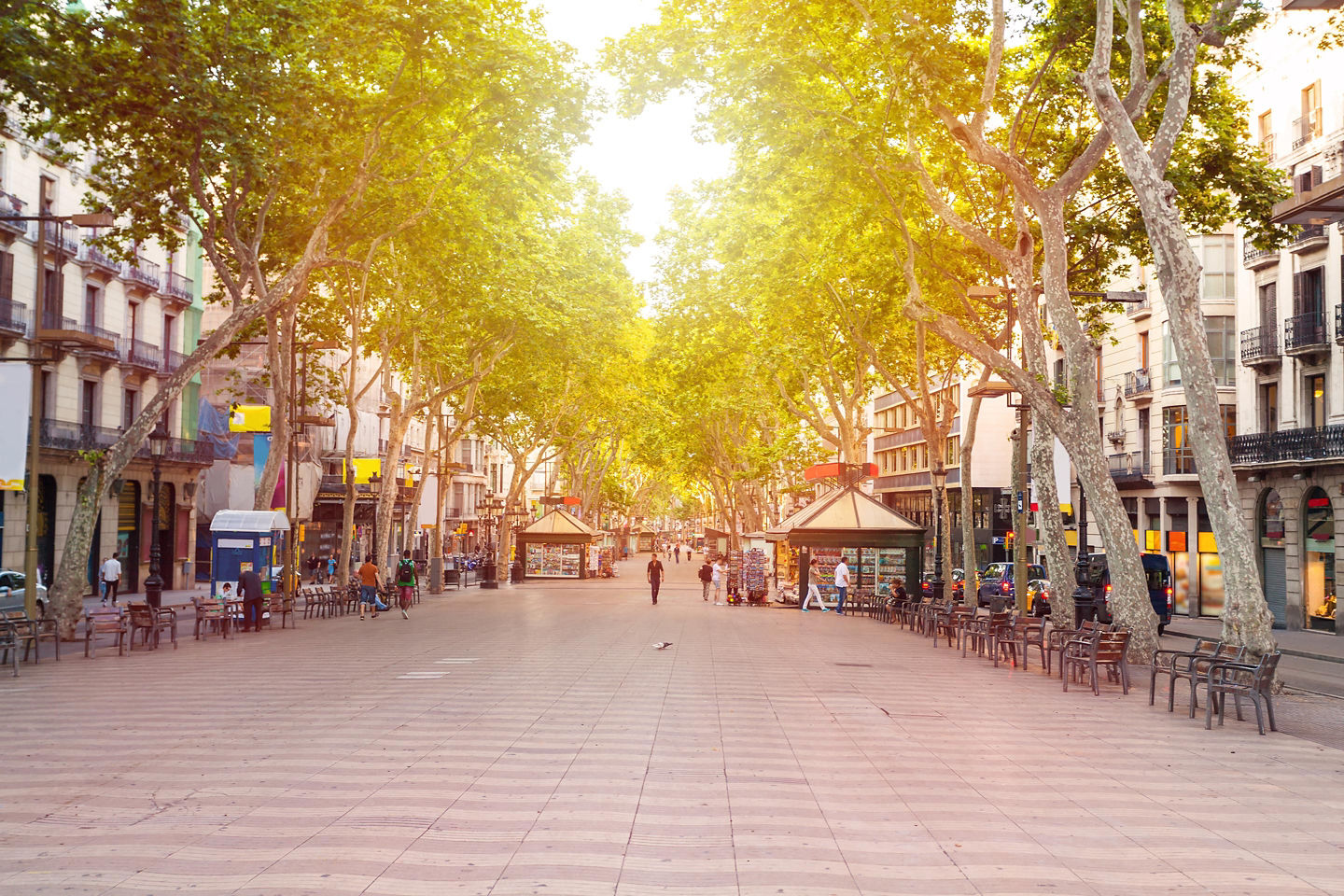
La Rambla is Barcelona’s famous central boulevard, connecting Plaça de Catalunya with the waterfront near the Columbus Monument. Its broad pedestrian promenade passes shops, cultural venues and entrances to the surrounding old-city streets.
The boulevard helps connect several parts of a Barcelona visit. La Boqueria sits beside it, while nearby lanes lead into the Gothic Quarter and El Raval.
Enjoy a stretch of the promenade, then give yourself time to explore beyond it. Some of the most interesting details are just a turn away, whether that's a small square, a shopfront or somewhere inviting to sit.
5. La Boqueria & Market Culture
La Boqueria is one of Barcelona’s best-known food markets, with stalls selling produce, seafood, cheeses, cured meats and other ingredients. Its location beside La Rambla makes it a familiar stop for visitors exploring the center.
The displays offer an introduction to the city’s appetite for good food. Browse seasonal ingredients, watch the activity around the counters or stop for a bite where seating is available.
Markets also provide context for Barcelona’s wider dining culture. Simple dishes such as pa amb tomàquet, bread rubbed with tomato and finished with olive oil, show how much flavor can come from a few well-chosen ingredients.
6. Casa Batlló, Casa Milà & Catalan Modernisme
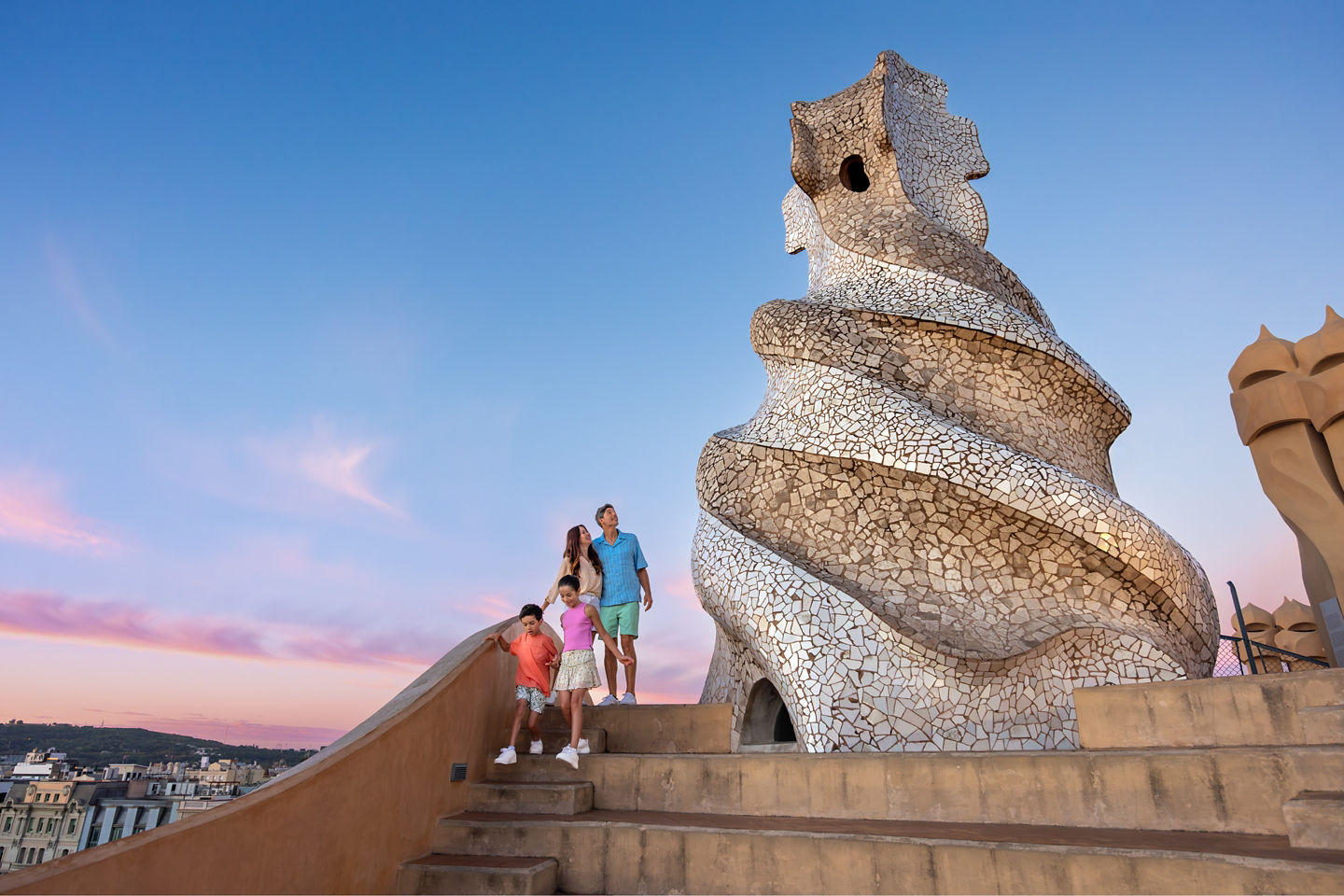
Casa Batlló and Casa Milà are famous Gaudí buildings on Passeig de Gràcia, known for their expressive façades and unconventional shapes. They're defining examples of Barcelona’s association with Catalan Modernisme, the artistic movement that helped transform the city’s architecture.
Casa Batlló draws the eye with shimmering surfaces and sculptural balconies. Casa Milà, also called La Pedrera, has an undulating stone exterior and a rooftop known for its distinctive chimneys.
Even a walk along the avenue gives you plenty to admire. Look beyond the best-known buildings to notice decorative balconies, doors and façades that make architecture part of the everyday streetscape.
7. Mediterranean Beaches & Waterfront Life
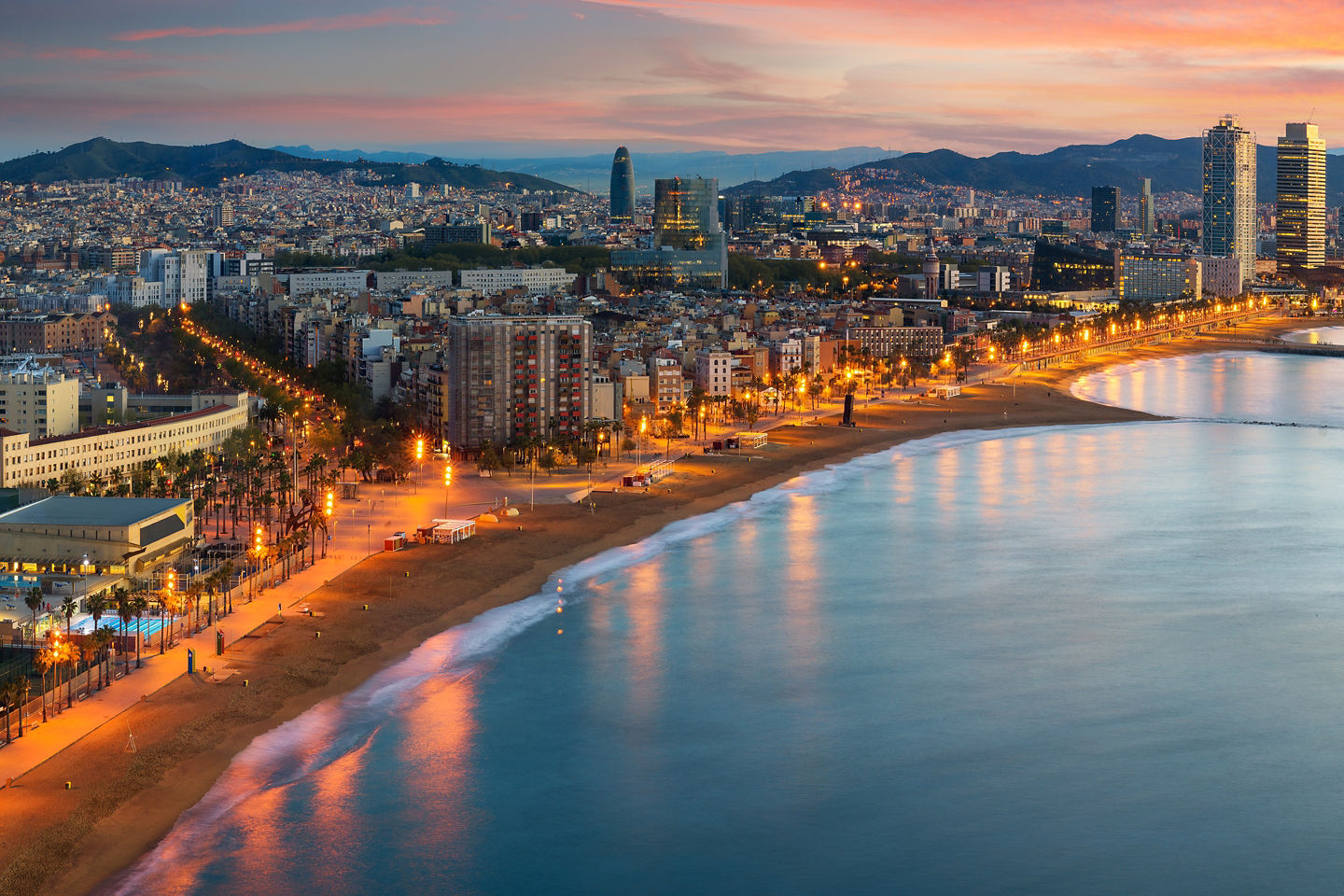
Barcelona is known for combining a major city with beaches along the Mediterranean Sea. Barceloneta is one of its most familiar seaside areas, where the waterfront offers a change of pace from the historic center.
Promenades, sand and open views create space to slow down. You might take a walk beside the sea, stop for lunch or simply enjoy the breeze after a morning of sightseeing.
8. Montjuïc & the Olympic Legacy
Montjuïc is a hill overlooking Barcelona and its harbor, known for gardens, museums, a castle and venues associated with the 1992 Summer Olympics. It brings several parts of the city’s cultural and sporting history together in one area.
A visit can focus on art, outdoor spaces or views, depending on what interests you. The Museu Nacional d’Art de Catalunya and the Olympic facilities offer very different reasons to explore the hill.
Choose a few stops rather than trying to cover everything in one outing. Montjuïc spreads across a substantial area, and time to enjoy the gardens or a viewpoint is part of its appeal.
9. FC Barcelona & Football Culture
FC Barcelona is one of the city’s most internationally recognized institutions. Known to fans as Barça, the club has a worldwide following and a strong connection to Catalan identity.
Its blue-and-red colors appear on shirts, scarves and shop displays across Barcelona. For supporters, the club’s history and its association with Camp Nou give a visit an added sense of occasion.
10. Catalan Culture & Neighborhood Life
Barcelona is known for its Catalan identity, expressed through language, food, architecture and local traditions. Catalan and Spanish are both part of daily life, and you’ll encounter Catalan place names throughout the city.
Neighborhoods offer different ways to experience that identity. Gràcia’s squares invite a slower pause, while the streets of El Born bring together historic surroundings, independent shops and cafes.
Sitting in a square, browsing a small shop or sharing a meal can help you get a feel for Barcelona beyond its most familiar photographs.
Why Visit Barcelona?
Barcelona is a wonderful choice if you enjoy architecture, local food and a city with plenty of variety. You can move from Gaudí’s colorful designs to historic lanes and then spend part of the day beside the Mediterranean.
A cruise visit can introduce you to a few highlights, while time before or after a sailing allows for a more relaxed look around. Make sure to leave space for a cafe or market stop. Barcelona’s famous sights are memorable, but so are the moments between them.
Frequently Asked Questions About Barcelona
-
What is Barcelona most famous for?
Barcelona is most famous for Gaudí’s architecture, particularly the Sagrada Família, Park Güell, Casa Batlló and Casa Milà. The city is also known for the Gothic Quarter, Mediterranean beaches, food markets, FC Barcelona and Catalan culture.
-
What makes Barcelona unique?
Barcelona combines distinctive Modernista architecture, historic neighborhoods and a Mediterranean waterfront within one city. Its Catalan identity, food culture and football traditions add to that character, giving visitors several different ways to experience the destination.
-
Why is Barcelona associated with Antoni Gaudí?
Barcelona is associated with Antoni Gaudí because many of his best-known works are in the city. His use of curved forms, natural inspiration and decorative craftsmanship helped create some of Barcelona’s most recognizable buildings and spaces, including the Sagrada Família and Park Güell.
-
What architectural style is Barcelona known for?
Barcelona is especially known for Catalan Modernisme, an artistic and architectural movement associated with imaginative forms, decorative detail and craftsmanship. Gaudí’s buildings are famous examples, while the city also contains Roman remains, Gothic architecture and contemporary designs.
-
Why is football important to Barcelona’s identity?
Football is important to Barcelona’s identity largely because of FC Barcelona’s sporting history, global following and connection to Catalan culture. The club gives supporters a shared source of pride, and its colors and traditions are visible throughout the city.
-
Is Barcelona known for Catalan culture?
Yes. Barcelona is the capital of Catalonia, and Catalan culture shapes its language, architecture, food and local traditions. Visitors encounter that identity in street names, menus, neighborhood life and the city’s celebrated Modernista buildings.
-
Is Barcelona worth visiting on a cruise?
Barcelona is worth visiting on a cruise if you enjoy architecture, history, food and Mediterranean scenery. A focused outing can introduce you to several highlights, while a stay before or after your sailing gives you more time to explore.
Keep Exploring Barcelona
Ready to discover more of Barcelona? These guides can help you plan your visit:
- Barcelona Shore Excursions - Explore guided experiences featuring the city’s architecture, history and surrounding scenery.
- When Is the Best Time To Visit Barcelona? - Compare the seasons and find a time that suits your sightseeing and seaside plans.
- What To Eat in Barcelona - Discover Catalan dishes, market flavors and local favorites to try during your visit.
- What To Buy in Barcelona - Find inspiration for souvenirs, local treats and keepsakes to bring home.
- Famous Landmarks in Barcelona - Take a closer look at the buildings and historic places behind Barcelona’s famous skyline.
- A Guide to the Best Neighborhoods in Barcelona - Get acquainted with the city’s historic quarters, creative streets and seaside districts.