Cabo Rojo is known for its turquoise waters, sandy beaches and access to Bahía de las Águilas and Jaragua National Park. Located in the Dominican Republic’s southwestern province of Pedernales, it introduces visitors to a region celebrated for coastal scenery, dry forests and wildlife.
The appeal extends from the shoreline into the surrounding countryside. You can enjoy a beach outing, see the coast from a boat or explore the landscapes that give this corner of the country its character.
Here are 10 things Cabo Rojo is known for, including nearby highlights in the wider Pedernales region.
1. Cabo Rojo’s Beaches
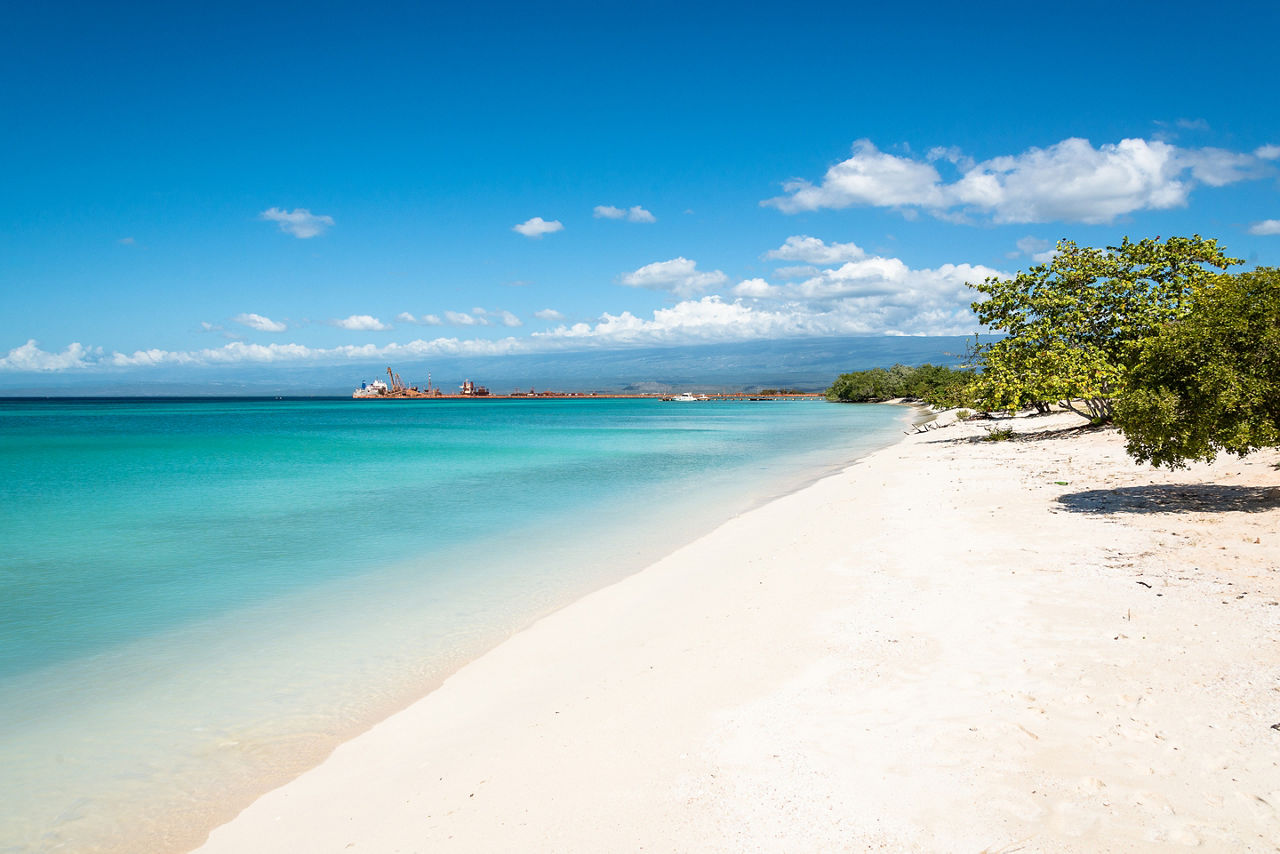
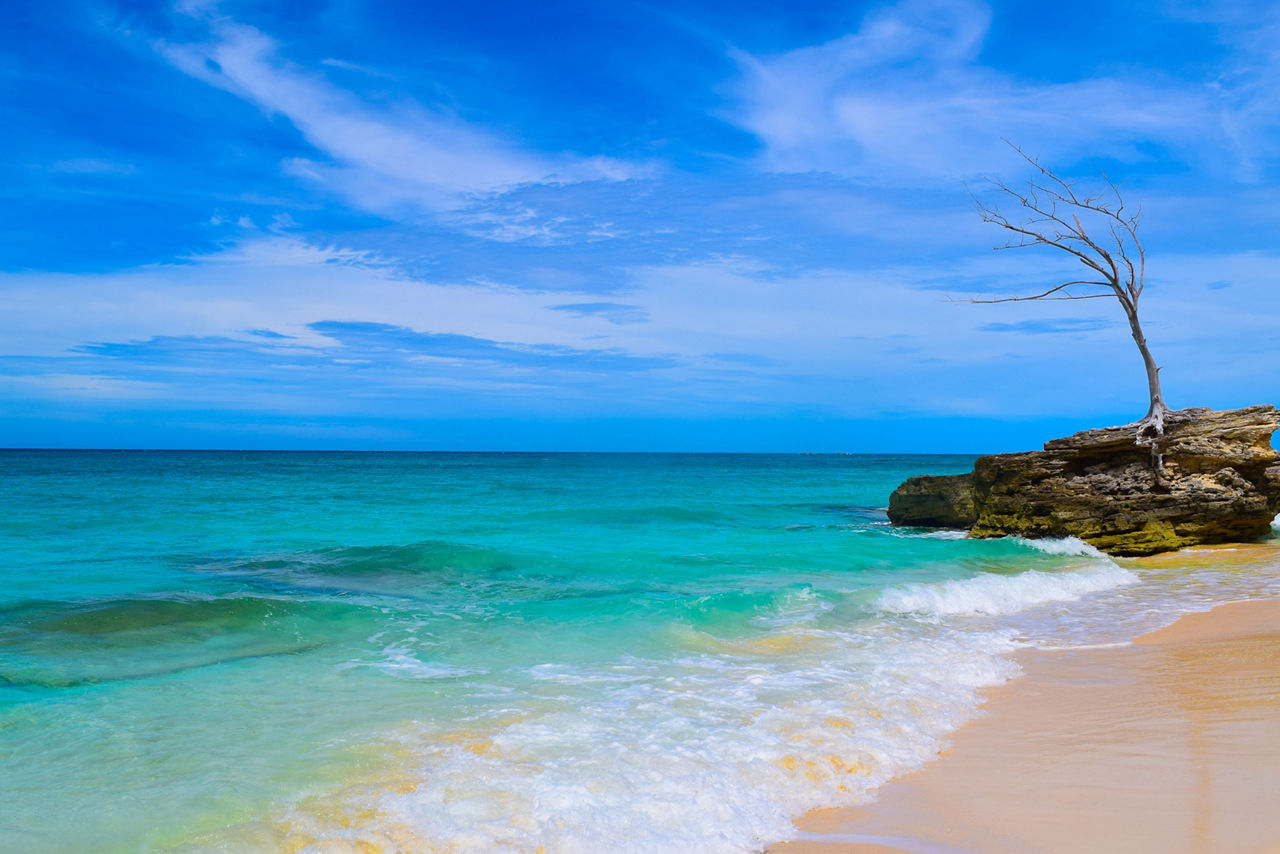
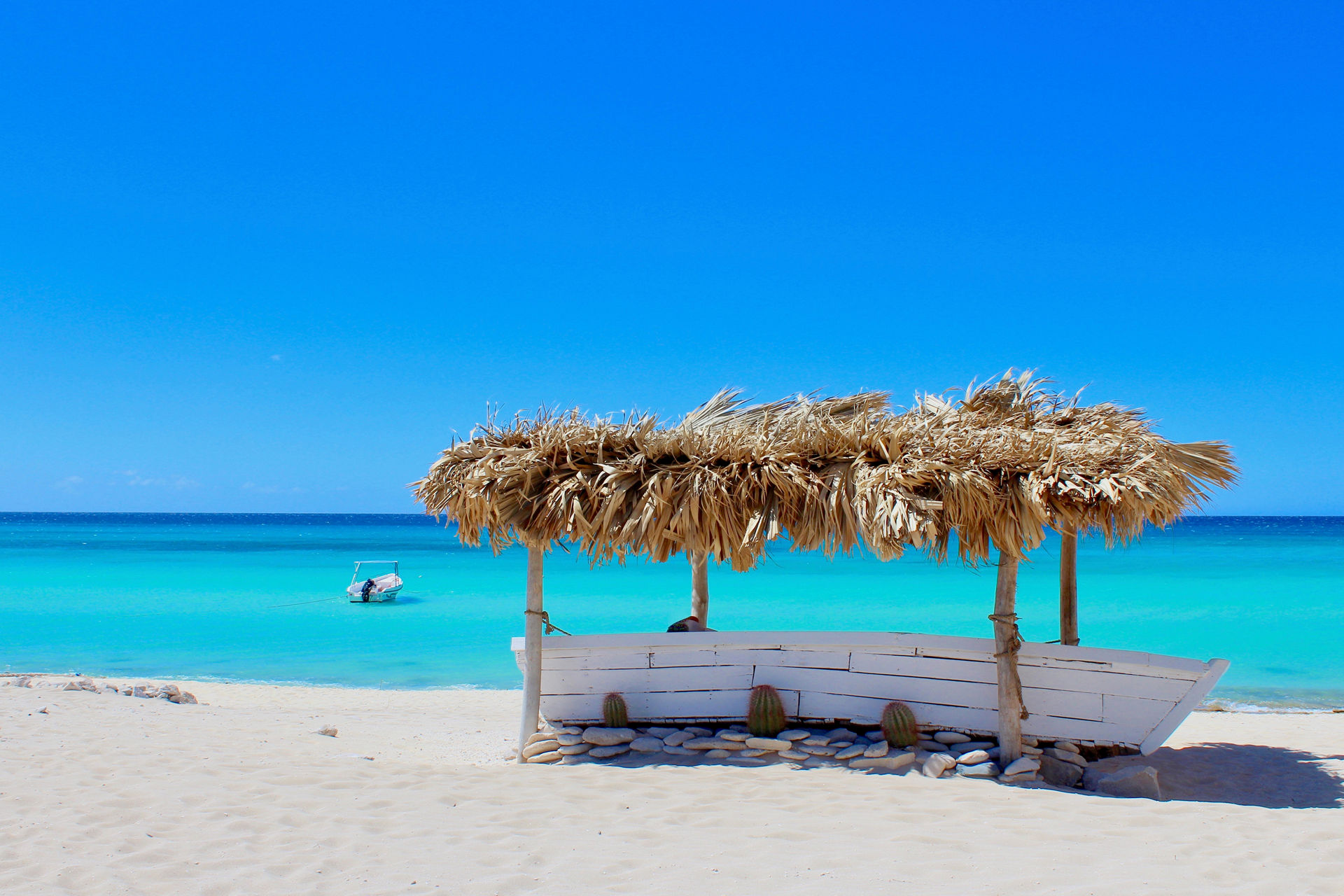
Cabo Rojo is known for beaches where pale sand meets clear Caribbean water. The shoreline is a central part of the destination’s appeal, whether your ideal outing involves swimming or simply finding somewhere comfortable to enjoy the sea.
The colors make an immediate impression. Shallow water gives way to deeper blues, while the open horizon provides a lovely backdrop for a leisurely walk or a pause beside the beach.
Choose a beach experience that suits your plans. An organized beach break can help bring transportation and time by the water together, leaving you free to enjoy the setting.
2. Bahía de las Águilas
Bahía de las Águilas is a beach in Jaragua National Park and one of the best-known natural attractions near Cabo Rojo. Its long shoreline, clear water and protected surroundings make it a highlight of the Pedernales region.
The setting encourages you to slow down. Take in the sweep of the bay, watch the changing color of the water or enjoy a walk along the sand. Much of the experience comes from having time to appreciate the landscape.
Excursions from Cabo Rojo can combine a scenic boat journey with a beach stop. Check the itinerary to see how you will reach the bay and how much time you will have ashore.
3. Jaragua National Park
Jaragua National Park is a protected area in southwestern Dominican Republic known for its coastal and marine habitats, dry forests and biodiversity. It forms part of the Jaragua-Bahoruco-Enriquillo Biosphere Reserve. UNESCO’s Jaragua overview explains its ecological importance.
The park helps put the surrounding scenery into context. Beaches, vegetation and stretches of rocky coast belong to a larger environment that supports a wide variety of plants and animals.
A guided visit offers a chance to learn about those connections. Even a beach outing within the park can become more memorable when you understand a little about the place around you.
4. Dry Forests and Coastal Landscapes
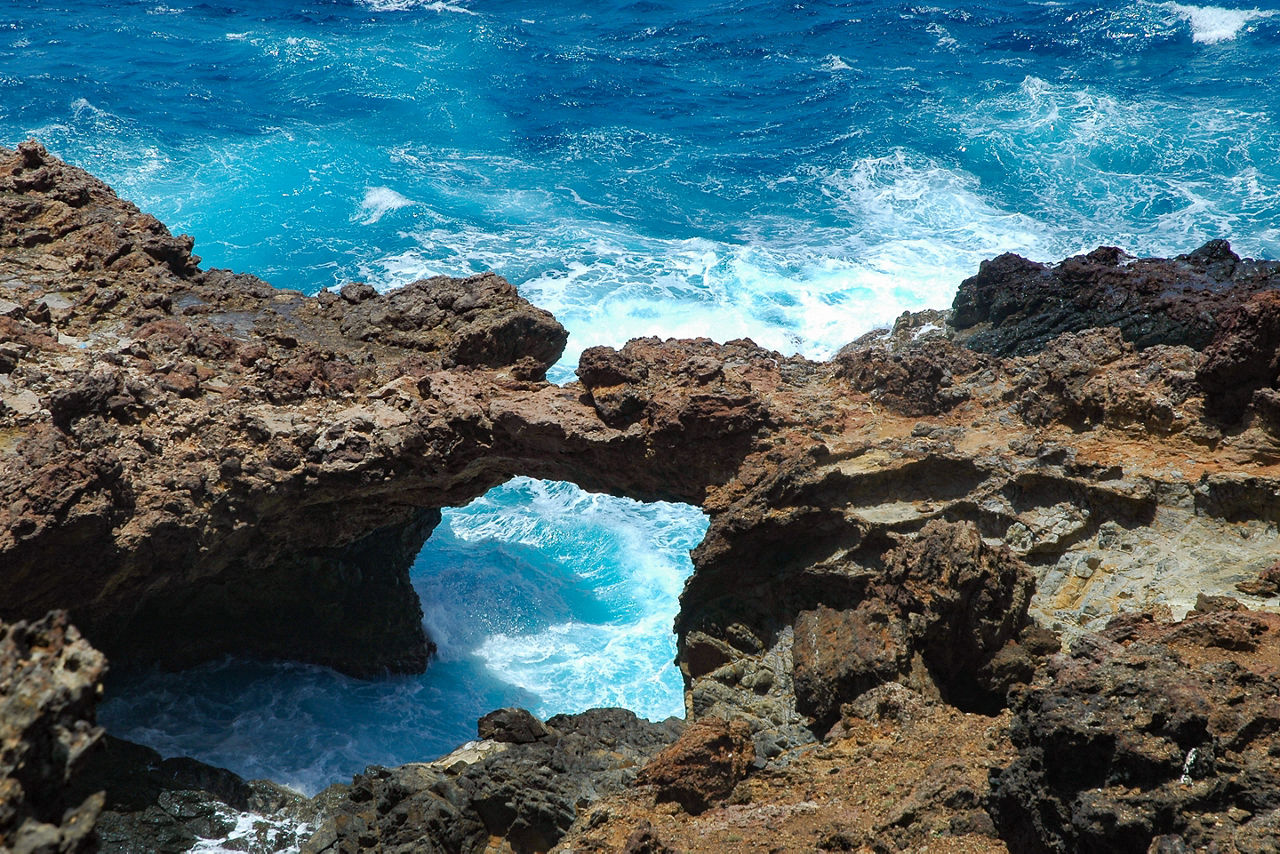
The Cabo Rojo area is known for the striking meeting of dry countryside and Caribbean shoreline. Across the wider Pedernales region, arid landscapes and rugged terrain add another dimension to a beach-focused visit.
Notice how the colors change as you travel inland. Earthy ground, low vegetation and exposed rock create a different scene from the bright water along the coast.
A countryside excursion can help you appreciate both settings in one outing. The journey itself becomes part of the experience, with new views appearing as the route moves away from the shore.
5. Laguna de Oviedo and Birdlife
Laguna de Oviedo is a wildlife attraction in the wider Pedernales region, known for flamingos and other birds. It offers another reason nature lovers are drawn to the Dominican Republic’s southwest. The Dominican Republic’s tourism guide to Pedernales highlights the lagoon alongside the region’s beaches and protected areas.
Birdwatching rewards a different pace from a sightseeing drive. Spend time looking across the water, following movement along the shore and listening as a guide points out what you might otherwise miss.
6. Snorkeling and Marine Scenery
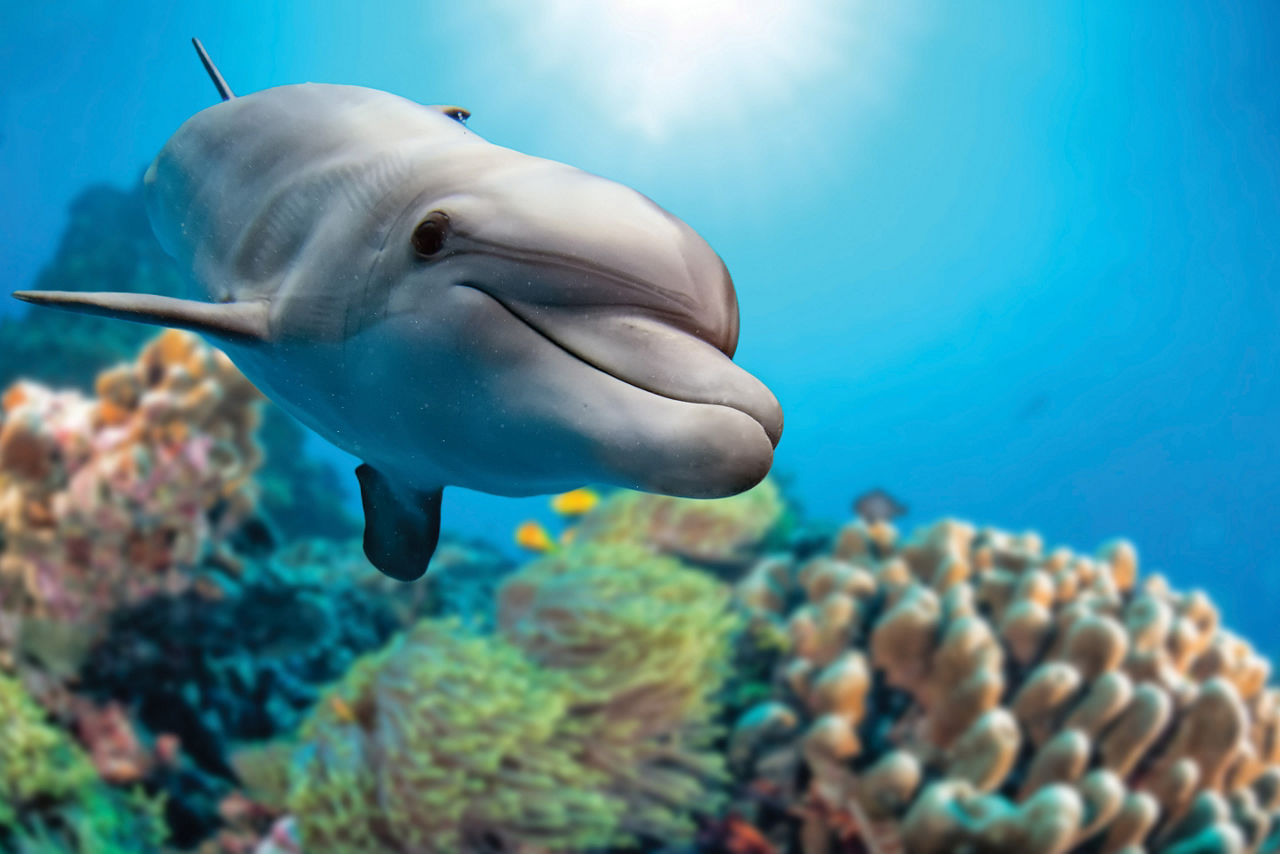
Cabo Rojo offers access to snorkeling experiences along the surrounding coast, including excursions around Bahía de las Águilas. These outings introduce visitors to the underwater side of a destination often admired for its beaches.
Looking beneath the surface adds a new perspective to the day. A guide can help identify marine life and explain how to explore carefully around reef habitats.
Choose an excursion that matches your swimming ability and experience. Conditions influence visibility, so treat the outing as an opportunity to discover what the sea reveals that day.
7. Scenic Boat Trips
Scenic boat trips are a familiar part of visiting Cabo Rojo, with routes that showcase the surrounding shoreline and Bahía de las Águilas. Seeing the coast from the water makes its beaches and rocky stretches easier to appreciate together.
The journey offers its own pleasures. Watch the shoreline change, enjoy the breeze and look back toward places that appear very different from the beach.
Some outings focus on sightseeing, while others include swimming, snorkeling or lunch. Browse the details to find a balance of time on the water and time ashore that appeals to you.
8. Hoyo de Pelempito and Inland Scenery
Hoyo de Pelempito is an inland natural attraction in the wider Pedernales region, known for its dramatic geological depression and surrounding mountain scenery. It broadens the picture of a destination whose coastline often gets the most attention.
A viewpoint visit offers a chance to take in the scale of the terrain. The shapes of the slopes and the vegetation below give you plenty to notice, especially with a guide explaining the landscape.
This is an excursion to plan around travel time rather than a quick addition to a beach stop. If inland scenery is your priority, give it room in the day.
9. Outdoor Adventures
Cabo Rojo is becoming known among cruise visitors for outdoor excursions that combine rugged terrain with coastal scenery. Buggy outings, kayaking experiences and countryside tours provide different ways to explore beyond a beach chair.
The variety lets you choose how active you want the day to be. You might prefer a guided drive through the landscape or an outing that puts you closer to the water.
Available experiences vary by sailing, so use the excursion description to understand the route and activity level. Royal Caribbean’s Cabo Rojo shore excursions guide introduces several ways to experience the area.
10. Coastal Dominican Flavors
A visit to Cabo Rojo offers an introduction to Dominican cooking, with seafood, plantains and familiar rice-and-beans dishes among the flavors you may encounter. Fried fish with tostones, twice-fried plantain slices, makes an inviting coastal meal.
Food adds another enjoyable layer to a day of exploring. A lunch stop gives you time to settle in, try something different and talk about what you have seen.
Look for an outing that includes a local meal if food is part of your travel wish list. The experience can be as simple as sharing a satisfying lunch with a sea view.
Why Visit Cabo Rojo?
Cabo Rojo is an inviting choice if you enjoy beaches, boat trips and discovering a destination through its natural surroundings. Its coastal setting offers plenty to appreciate, while excursions into the wider Pedernales region reveal a different side of the Dominican Republic.
A cruise to Cabo Rojo can introduce you to the area through a beach break, scenic boat outing or guided adventure. Choose an experience that fits your time ashore and leaves room to enjoy the surroundings, whether that means a walk beside the water or a relaxed lunch.
Frequently Asked Questions About Cabo Rojo
-
What is Cabo Rojo most famous for?
Cabo Rojo in the Dominican Republic is best known for its beaches, turquoise waters and access to Bahía de las Águilas. Its location in Pedernales also connects visitors with the protected landscapes and wildlife of the country’s southwest.
-
Is Cabo Rojo in the Dominican Republic or Puerto Rico?
Both the Dominican Republic and Puerto Rico have places named Cabo Rojo. This article covers the Dominican Republic destination in Pedernales province. Puerto Rico’s Cabo Rojo is a separate destination associated with attractions such as Los Morrillos Lighthouse and its salt flats.
-
What makes Cabo Rojo distinctive?
Cabo Rojo combines Caribbean beaches with access to dry countryside and protected natural areas. That mix gives visitors opportunities to enjoy the shore while learning about the varied landscapes of southwestern Dominican Republic.
-
How is Cabo Rojo connected to Bahía de las Águilas?
Cabo Rojo serves as a starting point for excursions to Bahía de las Águilas, a beach within Jaragua National Park. The bay is a separate attraction from Cabo Rojo Beach, and reaching it is part of a planned outing.
-
Why is the Cabo Rojo region associated with nature tourism?
Cabo Rojo lies within a region known for beaches, dry forests, coastal habitats and protected areas. Nearby Jaragua National Park and regional attractions such as Laguna de Oviedo give visitors ways to learn about wildlife and the surrounding environment.
-
Is Cabo Rojo worth visiting on a cruise?
Cabo Rojo is worth visiting on a cruise if you enjoy beach scenery, time on the water and outdoor experiences. A focused excursion can introduce you to the coast or surrounding countryside. Choose your priorities and plan around the travel time included in your outing.
Keep Exploring Cabo Rojo, Dominican Republic
Ready to discover more of Cabo Rojo? Start planning with these guides and cruise options:
- Cabo Rojo Shore Excursions - Explore beach breaks, scenic boat trips and outdoor experiences.
- Cruises to Cabo Rojo - Find sailings that introduce you to the Dominican Republic’s southwestern coast.