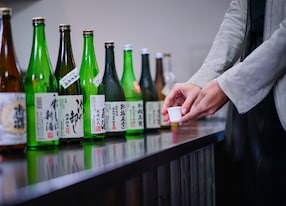
Sake is a Japanese alcoholic drink made by fermenting rice with water, yeast and koji, a mold culture that helps turn rice starch into sugar. Often called Japanese rice wine, sake is brewed rather than distilled. Its flavors range from light and fruity to rich and savory, and it can be served chilled, at room temperature or warm.
Learning about sake opens a window into Japan’s food and culture. Behind each bottle are choices about rice, water and brewing methods, along with traditions passed between generations. A museum visit or a conversation over a meal can turn an unfamiliar drink into a memorable part of your trip.
What Is Sake Made From?

Sake starts with four main ingredients, each with a different job:
- Rice: Supplies the starch used to make the drink.
- Water: Forms the base of sake and influences the brewing process.
- Koji: Rice grown with a special mold culture whose enzymes break starch down into sugar.
- Yeast: Converts that sugar into alcohol during fermentation.
Some styles also include a small amount of added brewer’s alcohol to influence aroma and flavor. Sake labeled junmai is made without that added alcohol.
These simple ingredients allow for plenty of variety. Different rice, water and yeast, along with the brewer’s techniques, help shape the finished sake.
How Is Sake Made?
Sake brewing turns the starch in rice into sugar, then converts that sugar into alcohol. Koji and yeast handle those two jobs together during fermentation.
The process includes several main stages:
- Prepare the rice: Brewers polish, wash, soak and steam the rice.
- Make koji: A portion of the steamed rice is grown with koji mold.
- Build the fermentation mixture: Koji rice, steamed rice, water and yeast come together.
- Let fermentation develop: Koji breaks down starch while yeast turns the resulting sugar into alcohol.
- Press and finish the sake: The liquid is separated from the rice solids, then prepared for bottling according to the style.
Temperature and timing matter throughout. Small changes can influence the aroma, texture and taste, which is why brewing relies on both careful measurements and experience.
What Does Sake Taste Like?
Sake can taste fruity, floral, earthy or savory, depending on how it's made. Some styles feel light and crisp, while others are fuller and richer. Sweetness also varies, so sake can taste dry, sweet or somewhere between the two.
When tasting sake, look for a few broad qualities:
- Fruity aromas: Some styles suggest apple, melon or banana.
- Savory depth: Sake can have umami, the rich, savory quality also found in foods such as mushrooms.
- Texture: Many sakes feel smooth, while cloudy styles can have a creamier texture.
- Finish: Notice whether the flavor fades quickly or stays with you.
Those fruit aromas can develop during brewing without fruit being added.
If you’re trying sake for the first time, tell your host whether you usually enjoy light, fruity drinks or richer, drier flavors. That gives them a useful starting point for a recommendation.
What Are the Main Types of Sake?
A few common terms can make a sake menu easier to understand:
- Junmai: Sake made without added brewer’s alcohol. Many examples have a full, savory character.
- Ginjo: Sake made using highly polished rice and careful brewing techniques, often with fruity aromas.
- Daiginjo: A style made with rice polished further than the minimum required for ginjo.
- Junmai ginjo or junmai daiginjo: Styles that combine those brewing standards with no added brewer’s alcohol.
- Nigori: Cloudy sake that retains fine rice particles after coarse filtering, giving it a different texture.
Is Sake Served Hot or Cold?

Sake can be served chilled, at room temperature or warm. The best choice depends on the style and the brewer’s recommendation.
Fruity ginjo styles are often served chilled to highlight their delicate aromas. Some richer or aged sakes work well warm, bringing out a different side of their flavor.
Temperature can change how the same sake tastes. If your host offers a comparison, notice how its aroma and texture shift between servings.
What Is the History of Sake in Japan?
Sake’s history stretches back to ancient Japan and the spread of rice cultivation. Over the centuries, brewing developed through the work of the imperial court, religious communities and commercial brewers.
As techniques improved, sake production became an established industry. Brewers refined how they prepared rice, managed fermentation and preserved the finished drink, building the foundations of the styles enjoyed today.
In 2024, UNESCO recognized Japan’s traditional knowledge and skills of sake-making with koji mold as Intangible Cultural Heritage. The recognition celebrates the knowledge and craftsmanship passed through brewing communities.
Why Is Sake Important in Japanese Culture?
Sake has a long connection to hospitality, celebrations and religious traditions. It's offered at Shinto shrines and shared during events such as weddings and ceremonial openings of sake barrels.
You may notice decorated sake barrels displayed at a shrine during your travels. These reflect offerings and ties between brewers and the shrine, giving a familiar sightseeing detail a deeper meaning.
Why Is Kobe Famous for Sake?
Kobe’s Nada area is one of Japan’s major sake-producing regions. Its brewing heritage developed around suitable water, high-quality rice and generations of local expertise.
Today, brewery museums help visitors understand that history. Displays of traditional equipment and brewing scenes show the work behind the finished bottle, from preparing ingredients to handling large batches of rice.
For travelers, Kobe offers a chance to connect what they’ve learned about sake with a place known for making it.
Discover Sake on a Japan Shore Excursion
Royal Caribbean’s Mt Rokko and Sake Brewery Museum – English Guide excursion combines views of Kobe with an introduction to its brewing traditions.
The listed itinerary includes a visit to Mount Rokko, a ride down the mountain on the Rokko Cable funicular and a tour of a sake brewery museum in the Nada district. It brings together the city’s mountain scenery and the story of a local industry.
At the museum, learning about the ingredients and traditional methods gives you more to appreciate when you next see sake on a menu. Check the excursion offered for your sailing for current stops and inclusions, including whether a tasting is part of the visit.
Discover Niigata’s Sake Tradition
Niigata is famous for its rice and sake, with many local brewers known for a light, dry style. Exploring this region is a chance to connect the ingredients in your cup with the place they come from.
Interested in learning more during your visit? Royal Caribbean lists a Heritage and Sake in Niigata shore excursion with a Mandarin-speaking guide. Browse the excursions for your sailing to find the experience and guide language that suit your plans.
Why Discover Sake in Japan?
Learning about sake brings you closer to the people, ingredients and traditions behind a familiar part of Japanese dining. A museum display, a brewer’s story or a helpful recommendation at dinner can give you a new way to understand the places you visit.
Explore cruises to Kobe, Japan and discover how the city’s sake heritage could become part of your next cultural adventure.
Frequently Asked Questions About Sake
-
Is sake wine or liquor?
Sake is a fermented rice drink. It is often called rice wine, although its production differs from grape wine because rice starch must first become sugar. Sake is brewed rather than distilled like vodka or whiskey.
-
How much alcohol is in sake?
Many sakes contain around 15% alcohol by volume, though the amount varies by bottle. Brewers often add water after fermentation to reach the intended strength. Check the label for the alcohol content of a particular sake.
-
Is sake sweet or dry?
Sake can be sweet or dry. Its perceived sweetness depends on the balance of sugar, acidity and other flavor components. Asking for a light, dry or sweeter style can help your host recommend a suitable choice.
-
Is sake meant to be sipped?
Sipping sake gives you time to notice its aroma, flavor and texture. Even when it's served in a small cup, you can enjoy it slowly and see how it pairs with your meal.
-
What is the difference between junmai and ginjo?
Junmai means sake is made without added brewer’s alcohol. Ginjo describes a style made with highly polished rice and specific brewing techniques. A sake can meet both descriptions, which is why bottles may be labeled junmai ginjo.
-
Can you learn about sake on a cruise excursion in Japan?
Yes. Royal Caribbean’s Mt Rokko and Sake Brewery Museum excursion from Kobe includes a museum visit focused on the city’s sake-brewing traditions.
-
Does a sake museum visit include a tasting?
Tasting inclusions vary by museum and tour. Review the details for your sailing when choosing the experience.
Planning a Trip to Kobe?
Want to learn more about Kobe? Check out these guides to plan your next trip:
- Kobe, Japan Shore Excursions - Explore mountain scenery, local traditions and sightseeing experiences from Kobe.
- What Is Kobe Known For? - Discover the city’s famous beef, sake heritage, hot springs and harbor views.
- Niigata, Japan Shore Excursions - Explore local culture and experiences during your day in port.
- What Is Niigata Known For? - Discover the region’s rice, sake, seafood and seasonal scenery.