Valencia is known as the birthplace of paella and for its striking mix of medieval landmarks, futuristic architecture, Mediterranean beaches and green public spaces. The Spanish coastal city is also famous for the colorful Las Fallas festival, the vast Turia Gardens, Albufera Natural Park and a food culture shaped by rice fields, farms and the sea.
Located on Spain’s eastern coast, Valencia balances centuries of history with a creative, forward-looking spirit. Gothic trading halls and historic plazas sit within easy reach of modern museums, sandy beaches and lively neighborhoods. Here are 10 defining features Valencia, Spain is famous for.
1. The Birthplace of Paella
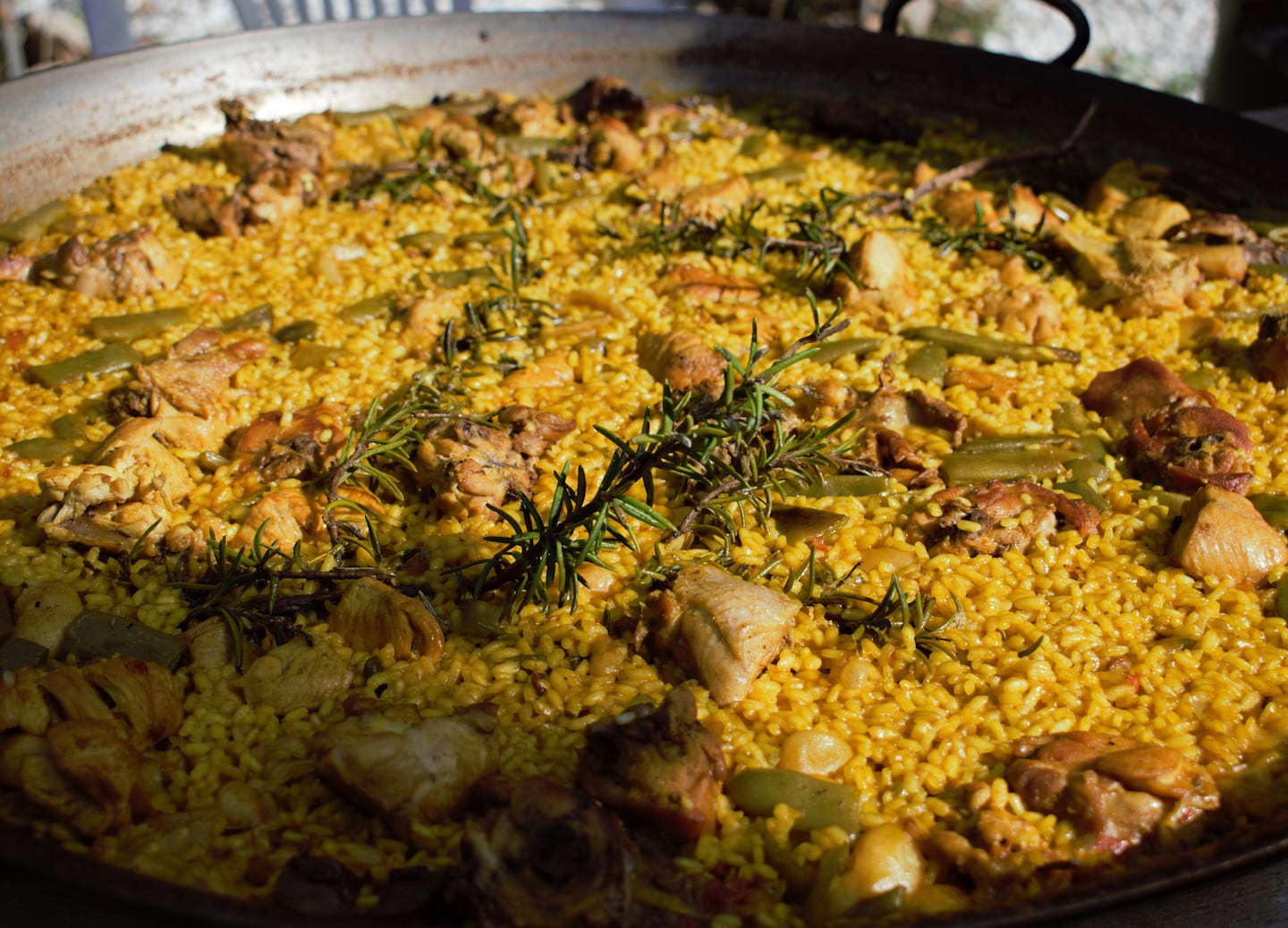
Valencia is best known as the birthplace of paella. The traditional local version, paella Valenciana, is typically prepared with rice, chicken, rabbit, green beans, garrofó beans, saffron and other regional seasonings.
The dish reflects the agricultural landscape surrounding the city, particularly the rice-growing areas near Albufera Natural Park. It's traditionally cooked in a wide, shallow pan that allows the rice to form a flavorful bottom layer known as socarrat .
Seafood and vegetable variations can be found throughout Spain, but paella Valenciana remains closely connected to the region’s culinary identity. In Valencia, paella is traditionally enjoyed as a leisurely midday meal shared with family or friends.
2. The City of Arts and Sciences

The City of Arts and Sciences is one of Valencia’s most recognizable landmarks. This futuristic cultural complex rises from the former Turia riverbed with sweeping white structures, curved walkways and reflective pools.
Designed principally by Valencian architect Santiago Calatrava, with contributions from Félix Candela, the complex includes a science museum, planetarium, performing arts center and landscaped public spaces. It's also home to Oceanogràfic, a large aquarium featuring marine environments from around the world.
The bold architecture provides a dramatic contrast to Valencia’s historic center and has become a symbol of the city’s modern, innovative character.
3. Valencia’s Historic Center

Valencia’s historic center reflects more than 2,000 years of Roman, Islamic and Christian history. Its streets connect grand plazas, churches, towers, markets and residential neighborhoods representing different periods of the city’s development.
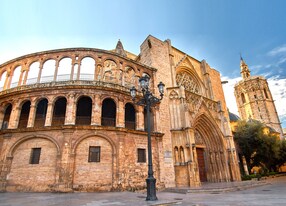
Valencia Cathedral brings several architectural styles together, including Romanesque, Gothic and Baroque elements. One of its chapels contains a chalice traditionally venerated as the Holy Grail. The cathedral’s Miguelete bell tower, also known as El Micalet, is another recognizable feature of the city’s skyline.
Nearby, Plaza de la Virgen and Plaza de la Reina create inviting gathering spaces surrounded by some of Valencia’s most important historic buildings.
4. La Lonja de la Seda & the Silk Trade
La Lonja de la Seda, or the Silk Exchange, represents Valencia’s prosperity as a Mediterranean trading center. Built primarily during the 15th century, the UNESCO-listed landmark is considered an outstanding example of late Gothic civic architecture.
Its main trading hall features soaring columns that twist toward a vaulted ceiling, creating the appearance of stone palm trees. Other areas of the complex include a courtyard planted with orange trees and rooms once used by merchants and civic officials.
The building reflects a period when Valencia’s position, trade networks and silk industry helped make it one of the most influential commercial cities in the Mediterranean.
5. The Las Fallas Festival
Valencia is famous for Las Fallas, a spectacular annual festival held each March. Neighborhood groups spend months creating elaborate sculptures known as fallas , which combine artistry, satire and local storytelling.
During the celebration, the city fills with parades, music, traditional clothing, flower offerings and fireworks. The festival concludes with La Cremà , when most of the towering sculptures are ceremonially burned.
Las Fallas is recognized by UNESCO as part of the world’s intangible cultural heritage. Visitors traveling outside the festival dates can learn about its history and craftsmanship at Valencia’s Fallas Museum, which preserves select figures saved from the flames.
6. Turia Gardens
The Turia Gardens are one of Valencia’s most distinctive public spaces. After a devastating flood in 1957, the Turia River was diverted away from the city center, and much of its former riverbed was transformed into a long urban park.
Today, the gardens wind through Valencia with walking paths, bike routes, sports areas, fountains and shaded green spaces. Historic bridges still cross the former riverbed, connecting the park to surrounding neighborhoods.
The gardens also link several prominent destinations, including the City of Arts and Sciences. Their unusual history and central location make them an important part of everyday life in Valencia.
7. Albufera Natural Park

Located south of the city, Albufera Natural Park is known for its lagoon, wetlands, rice fields and birdlife. The landscape provides a peaceful contrast to central Valencia while helping tell the story of the region’s food and agricultural traditions.
Rice has been cultivated around Albufera for centuries, and the area is closely connected to the development of paella. Small communities around the lagoon continue to celebrate this relationship through local dishes and traditional ways of life.
Boat rides offer a relaxing perspective of the lagoon and surrounding wetlands. The park is especially beautiful near sunset, when the water reflects the changing colors of the sky.
8. Mercado Central & Valencian Food Culture
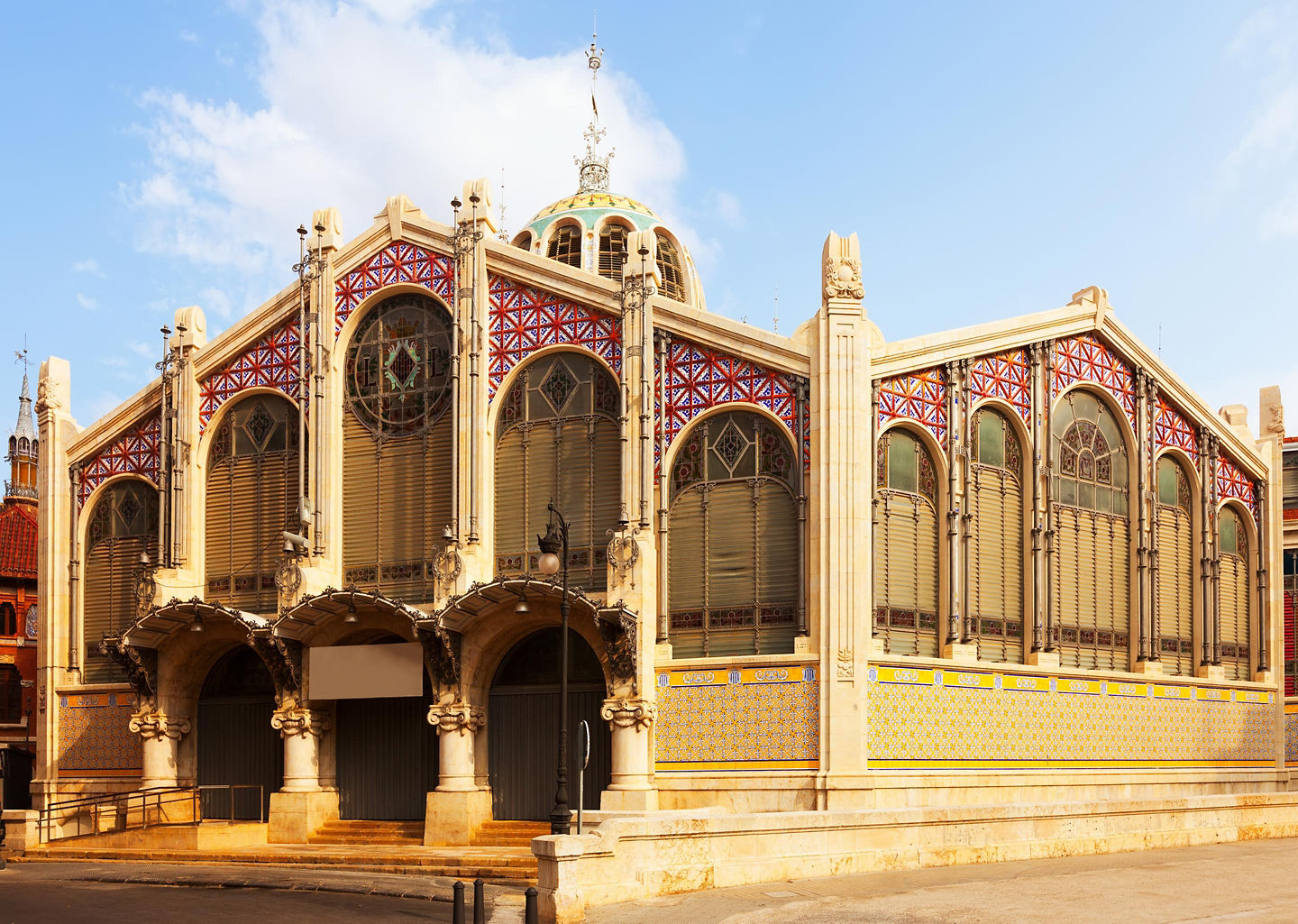
Valencia’s Mercado Central, or Central Market, is both an architectural landmark and a showcase for the region’s culinary abundance. Its colorful tiles, iron framework, glass and domed interior create a lively setting for stalls filled with produce, seafood, meats, cheeses, spices and prepared foods.
The market reflects Valencia’s connection to the Mediterranean Sea and the fertile agricultural area surrounding the city, often called the huerta . Rice, citrus fruit, vegetables and seafood all play important roles in local cooking.
Beyond paella, Valencia is known for specialties such as fideuà , rice dishes, esgarraet and horchata de chufa , a cool drink traditionally served with long pastries called fartons .
9. Mediterranean Beaches & El Cabanyal

Valencia combines an energetic city experience with easy access to the Mediterranean coast. Malvarrosa and Cabanyal beaches are known for their broad stretches of sand, waterfront promenades and nearby restaurants.
El Cabanyal, the historic maritime neighborhood beside the beach, is recognized for its colorful tiled façades and connection to Valencia’s fishing traditions. Its streets now bring together long-standing neighborhood culture with cafes, restaurants and creative spaces.
The relationship between the city and the sea shapes Valencia’s food, architecture and relaxed outdoor lifestyle. Visitors can explore historic landmarks and modern museums before spending time along the coast— all within the same city.
10. Valencian Language, Ceramics & Regional Traditions
Valencia has a strong regional identity expressed through language, festivals, music, food and decorative arts. Both Spanish and Valencian are used throughout the city, and visitors may see signs and place names written in either language.
The wider Valencia region is also known for colorful ceramics and tilework. Nearby Manises has a centuries-old pottery tradition, while decorative tiles can be seen across the city’s markets, train stations, homes and historic buildings.
These traditions give Valencia a visual and cultural identity that's distinct from other Spanish destinations. They also demonstrate how local craftsmanship continues to influence the city’s modern design scene.
Why Is Valencia So Famous?
Valencia is famous for paella, the City of Arts and Sciences, Las Fallas and its combination of historic architecture and Mediterranean scenery. The city is also recognized for the Turia Gardens, Albufera Natural Park, Valencia Cathedral and La Lonja de la Seda.
Together, these places and traditions reveal a city shaped by food, commerce, creativity and its close relationship with the sea.
What Food Is Valencia Known For?
Valencia is most famous for paella Valenciana, a traditional rice dish commonly prepared with chicken, rabbit, local beans and saffron. The region’s rice-growing traditions are closely connected to the fields surrounding Albufera Natural Park.
Other Valencian specialties include fideuà , esgarraet , all i pebre and horchata de chufa served with fartons . Local cuisine draws from the Mediterranean, nearby farms and the region’s long history of rice cultivation.
Is Valencia Known for Beaches?
Yes. Valencia is known for sandy Mediterranean beaches including Malvarrosa and Cabanyal. These beaches feature broad shorelines and promenades lined with restaurants and gathering places.
The neighboring El Cabanyal district adds local character with colorful architecture and a history connected to Valencia’s maritime community.
What Is the City of Arts and Sciences?
The City of Arts and Sciences is a modern cultural and architectural complex in Valencia’s former Turia riverbed. It includes a science museum, planetarium, performing arts center, aquarium and public gardens.
Its sweeping white structures and reflective pools have become some of Valencia’s most photographed sights and a defining symbol of the modern city.
Is Valencia Worth Visiting?
Valencia is worth visiting for travelers interested in Spanish food, history, architecture, beaches and outdoor spaces. Its compact mix of historic landmarks, modern attractions, markets and coastal scenery offers several ways to experience the city.
Visitors can taste paella in its home region, explore the historic center, stroll through the Turia Gardens or discover Valencia’s futuristic architecture — all during the same trip.
Keep Exploring Valencia
Want to learn more about this Spanish gem? Check out these guides to plan your next trip:
- Valencia, Spain Shore Excursions - Uncover the best of Valencia with shore excursions featuring historic landmarks, culinary experiences, modern architecture and Mediterranean scenery.
- When Is the Best Time to Visit Valencia? - Compare Valencia’s seasons, weather and cultural celebrations to find the right time for your visit.
- What To Eat in Valencia - Savor paella, horchata, rice dishes and other specialties that showcase the flavors of the Valencia region.