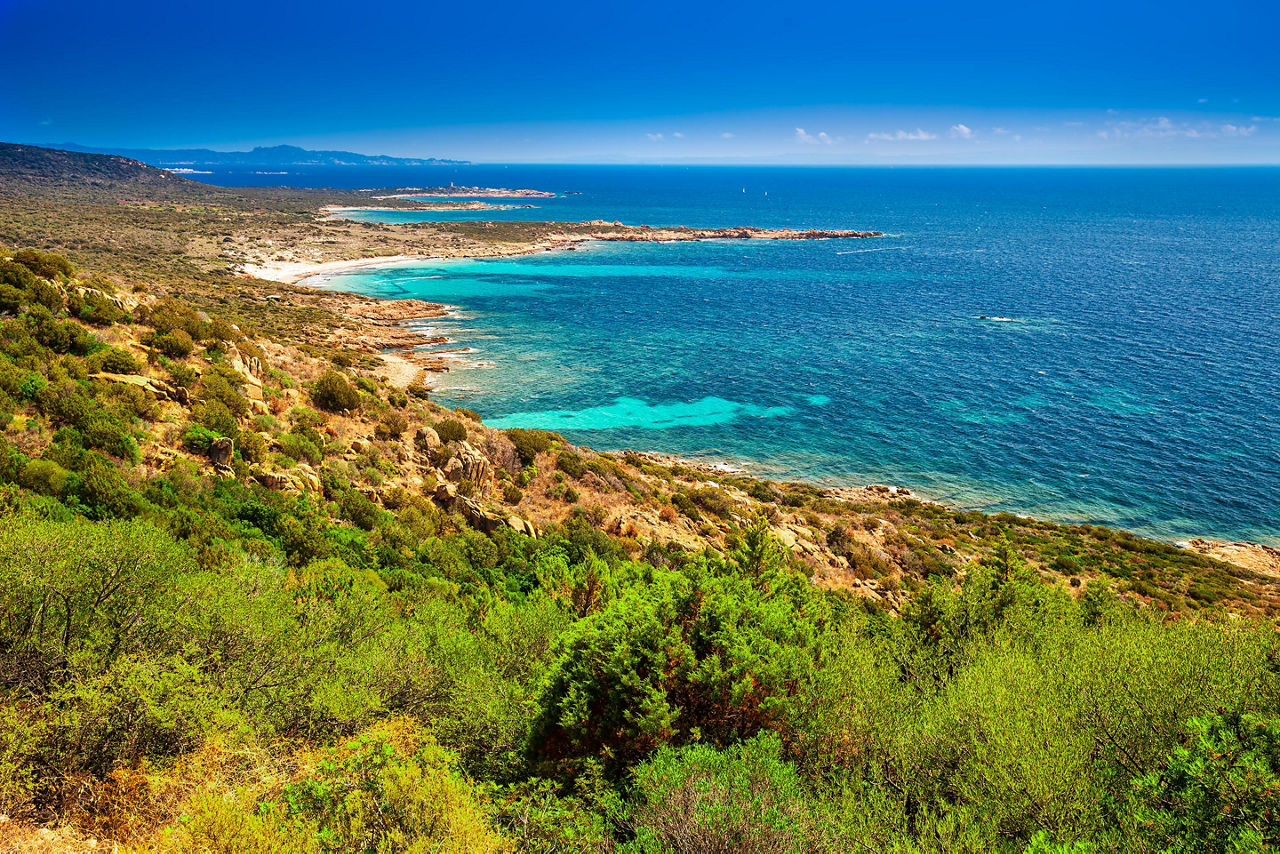
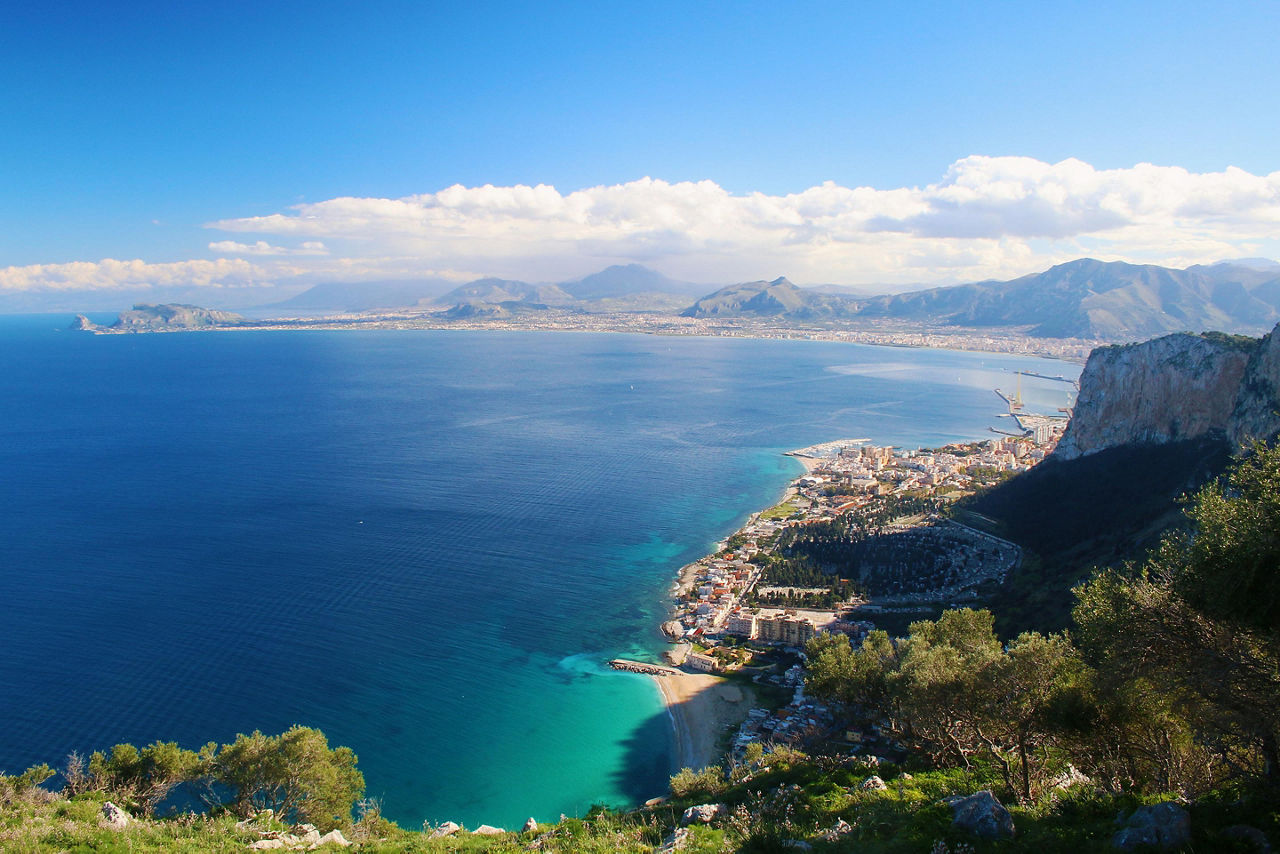
Corsica isn’t just a place of rugged mountains and turquoise coves—it’s also a culinary crossroads where French finesse meets rustic Mediterranean tradition. Known as the “Island of Beauty,” Corsica’s cuisine is deeply tied to its landscape. Local specialties celebrate ingredients grown in the island’s maquis-covered hills, harvested from chestnut forests, raised on highland pastures and fished from the surrounding sea. Whether you’re wandering through Ajaccio’s morning markets or sitting down to a seaside meal in Bonifacio, the best foods in Corsica offer an authentic taste of island life.
Wondering what to eat in Corsica on your next visit? Here are 10 flavorful dishes and ingredients that highlight the island’s unique culinary heritage.
1. Figatellu (Corsican Sausage)
A staple in traditional Corsican cooking, figatellu is a dark, robust sausage made with pork liver and meat, seasoned with garlic, wine and spices. It’s typically smoked and eaten grilled or baked, often served with polenta or lentils. During colder months, locals simmer it in red wine or add it to hearty stews. Figatellu is rich, earthy and full of character—an essential taste of Corsica’s rustic mountain cuisine.
2. Brocciu (Corsican Cheese)
Often called the “cheese of Corsica,” brocciu is a soft, fresh cheese made from sheep or goat’s milk whey. Similar in texture to ricotta, it’s incredibly versatile and used in both sweet and savory dishes across the island. You’ll find brocciu in everything from omelets and pasta to pastries like fiadone. Light, creamy and slightly tangy, it’s a key ingredient in Corsican kitchens—and one of the best foods in Corsica to try fresh at a market.
3. Veau aux Olives (Veal with Olives)
Veal with olives is one of Corsica’s most iconic comfort foods. This slow-cooked dish combines tender veal, green olives, onions, tomatoes and local herbs like thyme and bay leaf. The result is a rich, slightly briny stew that reflects the island’s blend of French and Mediterranean influences. Often served with crusty bread or buttery mashed potatoes, it’s a dish that warms you from the inside out.
4. Civet de Sanglier (Wild Boar Stew)
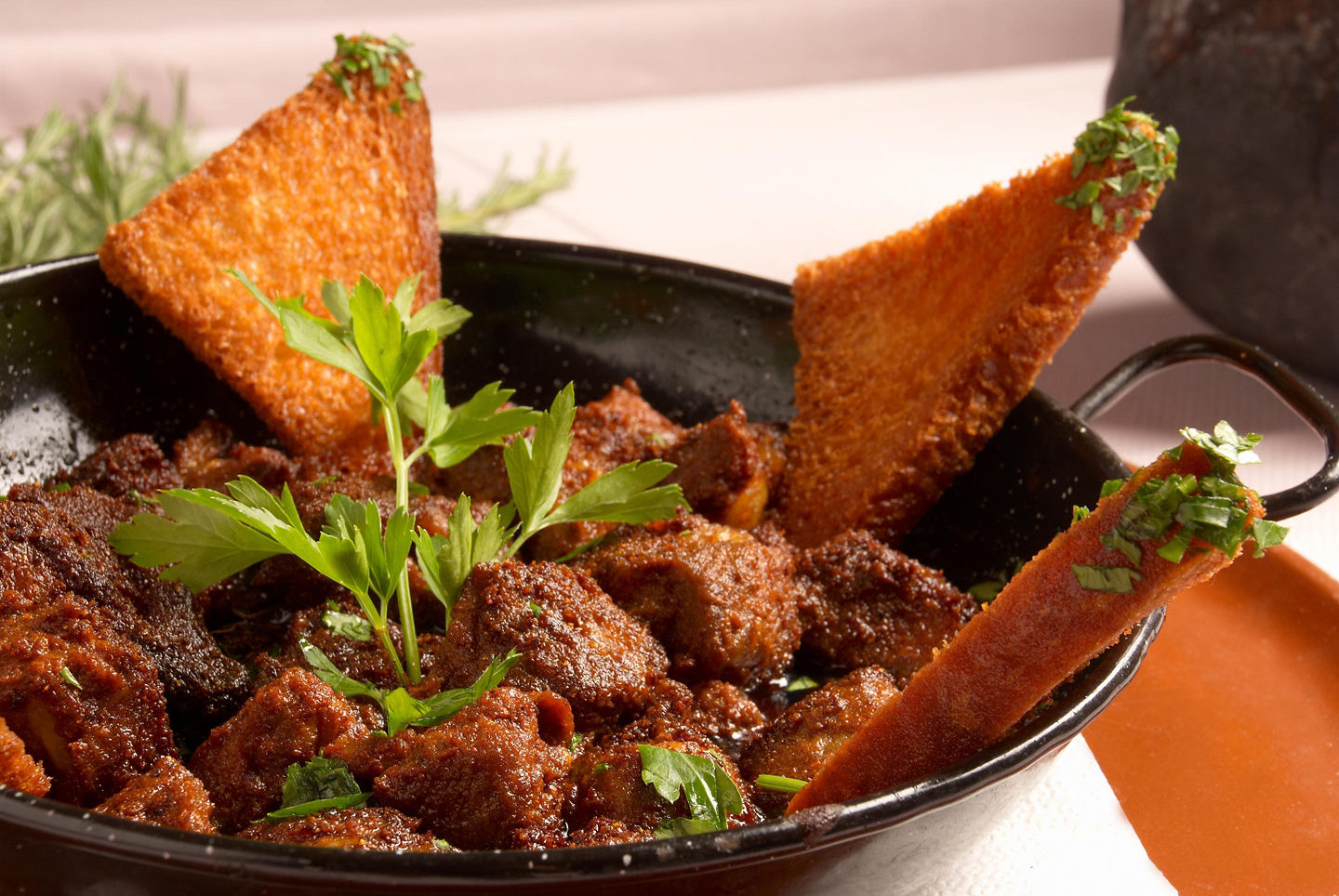
Corsican cuisine embraces the wild and civet de sanglier is a shining example. This slow-cooked wild boar stew features meat marinated in red wine and simmered with chestnuts, herbs and aromatic vegetables until fork-tender. It’s earthy, flavorful and deeply satisfying, especially when served in a rustic mountain village taverna. You’ll often see it on menus during autumn and winter, when the dish truly shines.
5. Chestnut Polenta (Pulenta Castagnina)
Chestnuts are a cornerstone of Corsican agriculture and chestnut flour is used in a variety of traditional recipes. Pulenta castagnina is a type of polenta made with chestnut flour, giving it a slightly sweet, nutty flavor and a soft, dense texture. It’s often served as a side with grilled meats, sausages or brocciu. This humble dish offers a taste of Corsica’s forested interior and a nod to its centuries-old farming traditions.
6. Fiadone
This Corsican dessert is light, fragrant and unique to the island. Fiadone is a cheesecake-like treat made with brocciu, eggs, lemon zest and sugar, baked until golden and slightly puffed. It’s not overly sweet, making it the perfect way to end a meal without feeling too heavy. You’ll often find fiadone at bakeries and restaurants across Corsica, especially during festive occasions.
7. Canistrelli
These crunchy, shortbread-style biscuits are flavored with ingredients like lemon, anise or white wine and are a beloved snack across Corsica. Canistrelli are perfect with coffee or tea and are often found in local markets, wrapped up for gifting or taking on the go. Their crumbly texture and subtle sweetness make them a favorite souvenir—and a staple of island life.
8. Aziminu (Corsican Bouillabaisse)
If you’re craving seafood, look no further than aziminu. This Corsican fish soup is a cousin of Marseille’s bouillabaisse, made with a variety of local fish like red mullet, sea bass or John Dory. It’s simmered with tomato, garlic, white wine and herbs to create a flavorful broth, sometimes finished with a dollop of rouille or aioli. Aziminu is the best of Corsica’s coastal bounty in a single bowl.
9. Aubergines à la Bonifacienne
This dish of stuffed eggplant is a specialty of southern Corsica, particularly the port town of Bonifacio. Eggplants are halved, hollowed and filled with a savory mixture of breadcrumbs, garlic, parsley, cheese and sometimes minced meat, then baked until golden. It’s a perfect example of how Corsican cuisine uses simple ingredients and herbs to create bold, satisfying flavors. Vegetarian versions are just as popular and incredibly flavorful.
10. Corsican Honey (Miel de Corse AOP)
Corsica’s wild landscape is reflected in the taste of its honey. Made from the pollen of native maquis plants like lavender, thyme and chestnut, Corsican honey has a deep, complex flavor profile that changes by season and region. Whether drizzled over yogurt, spread on bread or paired with cheese, it’s a sweet and aromatic way to sample the island’s floral richness. Look for jars labeled Miel de Corse AOP to ensure it’s the real deal.
Food Excursions in Corsica

If you’re craving a deeper taste of the island, a food-focused walking tour is one of the best ways to connect with Corsican culture:
- Market & Corsican Delicacies
- Explore the heart of Ajaccio on foot while sampling some of the island’s most beloved flavors. This guided two-hour tour begins with a stroll through Ajaccio’s historic streets—including stops at Place Foch, Maison Napoleon and the town cathedral—before leading you to the bustling market square. Here, you’ll have a chance to try local delicacies like figatellu, brocciu, canistrelli and Corsican wine. It’s the perfect blend of culture, history and flavor packed into one memorable morning.
What Foods is Corsica Known For?
Corsica is known for its bold and rustic cuisine, with signature ingredients like brocciu cheese, chestnuts, wild boar and fresh seafood. The best foods in Corsica reflect the island’s unique blend of French, Italian and Mediterranean influences—whether you’re sampling figatellu sausage, a wild boar stew or a sweet slice of fiadone. From forested mountains to fishing ports, every region offers its own specialties, making Corsica a destination full of flavor and heart.
Want to learn more about Corsica? Check out these memorable shore excursions to make the most of your time. When preparing your trip, learn about the best time of year to visit and identify souvenirs to buy as lasting mementos of your stay.