How To Find the 10 Best Waterfalls in Costa Rica
By Chantae Reden | Published on December 16, 2025
Wandering to the most famous waterfalls in Costa Rica is a delight for the senses. Listen to the roar of water soaring into a pool of teal below, feel cool vapor blow against your skin, search for rainbows as sunlight catches the cascades and witness a vibrancy rivaled only by the plumage of quetzals, toucans and macaws perched in the rainforest canopy.
You might be surprised by how many waterfalls there are in Costa Rica. As a country cloaked in forest (over 25% of which is protected), Costa Rica is home to more than 400 of Central America's most spectacular waterfalls. If you're interested in getting misted, you won't want to miss these magical waterfalls when you cruise to Costa Rica.
Key Takeaways: Must-See Waterfalls in Costa Rica
- ● La Fortuna Waterfall: The waterfall in La Fortuna is found in a biological reserve on the foothills of Arenal Volcano and stands 246 feet high.
- ● Rio Celeste Waterfall: Rio Celeste’s powdery blue waters look as vivid in person as they do in photographs.
- ● Puma Waterfall: Located in the Veragua Rainforest, Puma Waterfall is a peaceful place to observe the forest's birdlife. There’s an aerial tram tour running through the rainforest’s canopy.
- ● Nauyaca Waterfalls: This tiered waterfall flows off volcanic rocks into a teal pool. You can reach the waterfall on a 4X4, horseback or on foot a little under two miles from the park entrance.
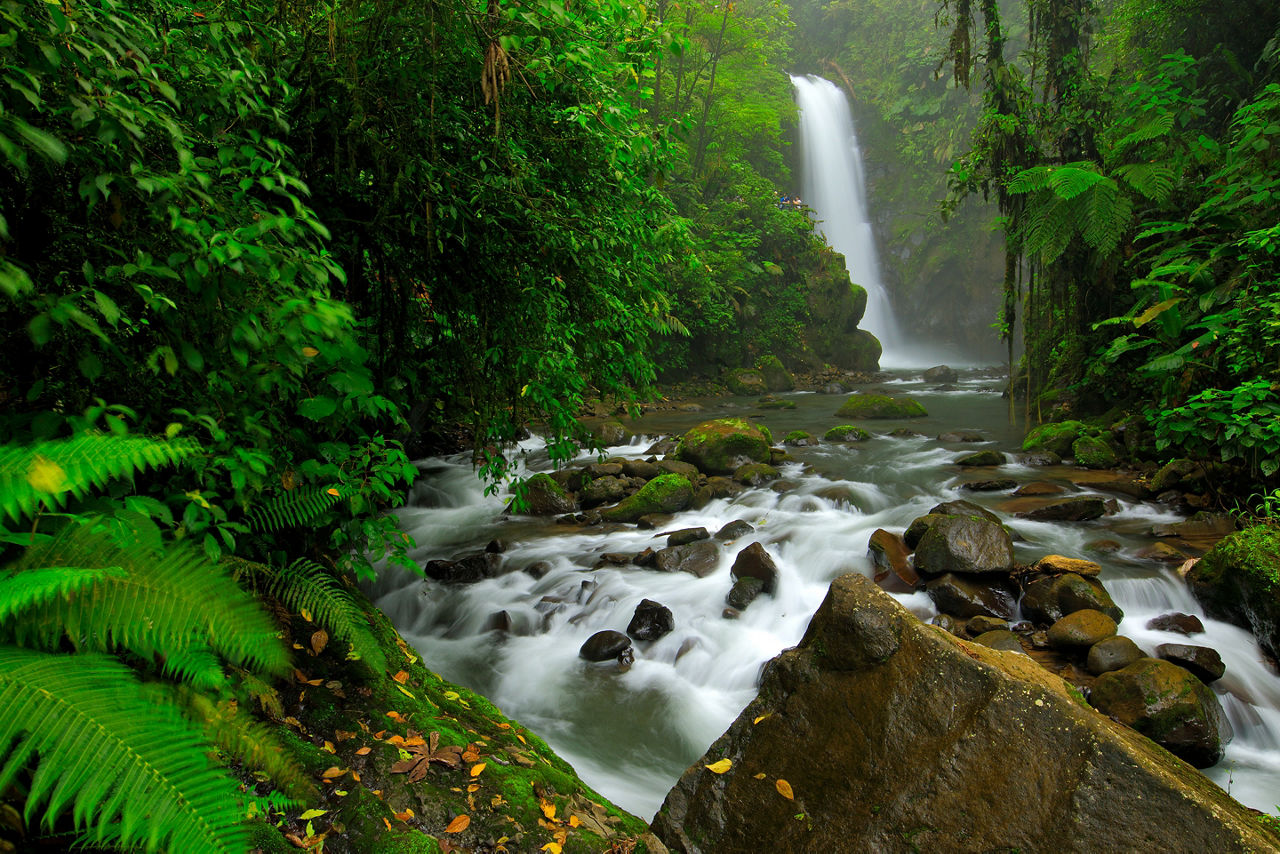
- ● La Paz Waterfall Gardens: La Paz Nature Park features five waterfalls within its grounds, ranging from tall bridal veils to wide roaring cascades.
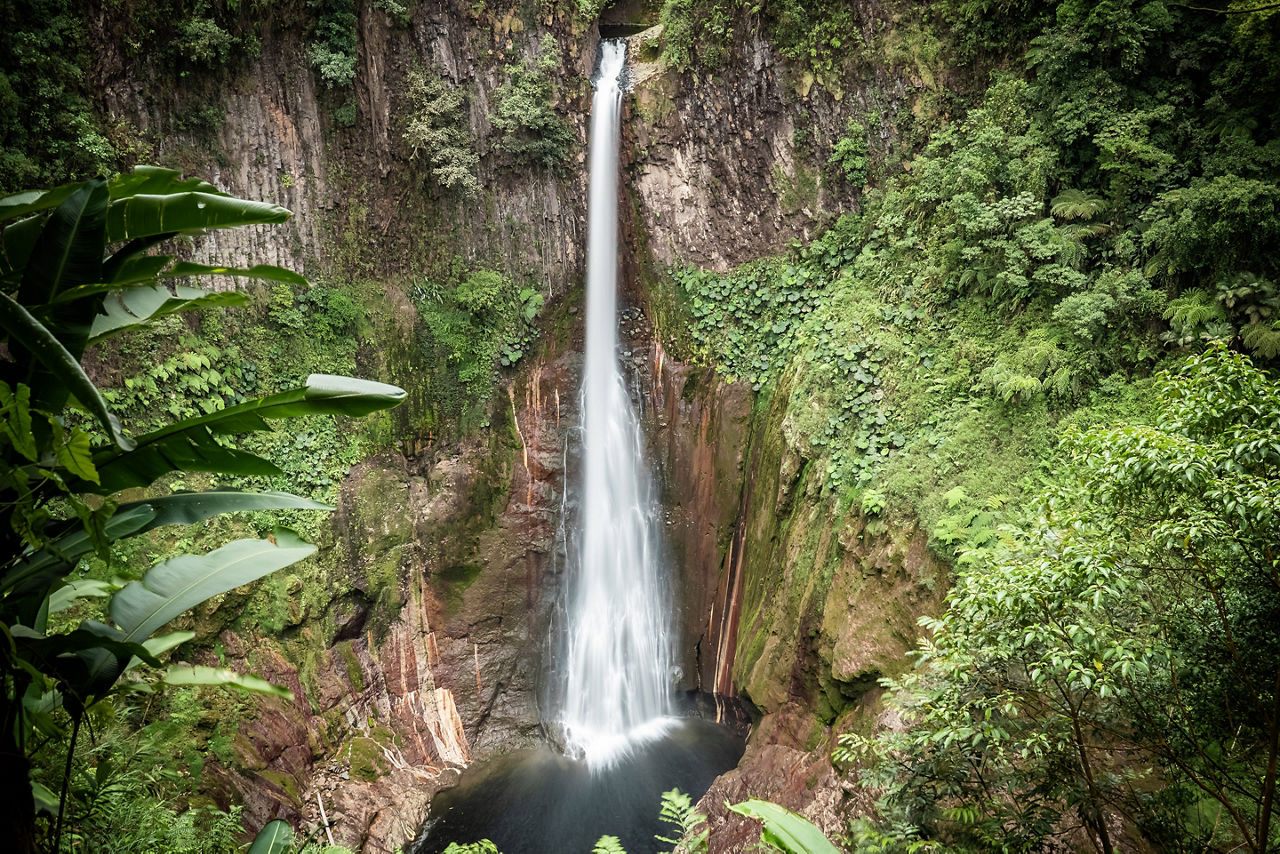
- ● Cantara del Toro: The second-largest waterfall in Costa Rica, Catarata del Toro, plummets 270 feet off the cliff of a volcanic caldera.
- ● La Leona Waterfall: To get to this waterfall, you'll need to wade through rivers, scramble over rocks and swim through a narrow slot canyon.
- ● Volio Waterfall: Only an hour south of Puerto Limon, you’ll find Volio Waterfall, one of Costa Rica's most underrated cascades.
- ● Catara Ma-Cu Waterfall: This is the largest waterfall in its area and one of the best places to swim and relax for a few hours.
- ● Blue Falls: Both of these twin waterfalls exhibit a unique blue hue found in few other places in the world.
- ● Explore our cruises to Costa Rica to experience some of Central America’s most incredible rainforests and waterfalls.
1. La Fortuna Waterfall
Hidden in a biological reserve on the foothills of Arenal Volcano and standing at 246 feet high, La Fortuna Waterfall is one of the most beautiful sights in Costa Rica. The waterfall trailhead begins 10 minutes outside the town of La Fortuna, and your journey starts with a parrot's-eye-view of the waterfall from an observation platform. Use this part of the trail to search for birds like wrens, woodpeckers, tanagers, parrots, honeycreepers and toucans who flit about the treetops. You'll also find a restaurant, gift shop and restroom near the observation platform.
The waterfall is accessible from both of Costa Rica’s ports, although the drive time is slightly shorter from Puerto Caldera in Puntarenas, at just over two-and-a-half hours.
There are around 450 steps along the path to the base of the La Fortuna Waterfall, and the view is worth each one with a pair of sturdy shoes underfoot. Benches along the way provide a scenic place to rest and soak in the scenery. Once you reach the trail's end, a pool of brisk water awaits for a refreshing swim. Many travelers prefer to take a dip a little further from the waterfall in a tranquil pool ideal for wading.
For a full day of adventure, combine your trip to the waterfall with a kayak down the Arenal River or around Lake Arenal, walk amid the treetops on a hanging bridge tour or search for tiny waterfalls along the trails near the town of La Fortuna.
So to recap, is La Fortuna Waterfall worth seeing? Yes, the La Fortuna Waterfall is widely considered the most famous waterfall in Costa Rica.
2. Rio Celeste Waterfall
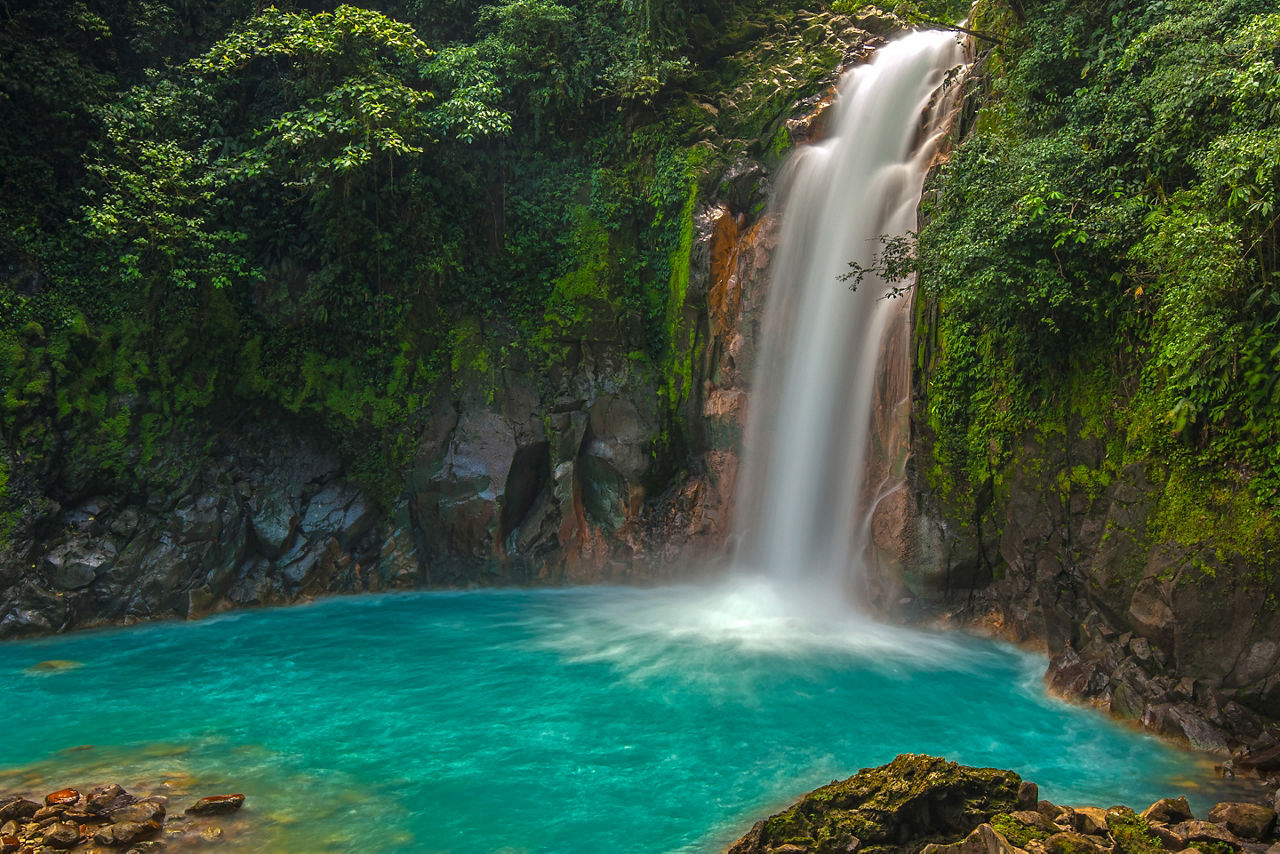
Your next stop on your Costa Rica waterfall tour is to Rio Celeste Waterfall. Photographers have often been accused of altering the color of the water of the Rio Celeste Waterfall to make it seem bluer and brighter than it is. However, if you visit for yourself, you'll see that the colors of the river truly are as vivid in person as they are online.
Local legend states that the powder blue waters of the Rio Celeste were formed when a god swirled his paintbrush in the river after painting the sky its signature hue. Unsatisfied with this explanation, researchers from the University of Costa Rica sought to answer what gives the river its distinguishing color. As soon as they placed some of the water in test tubes, the bright blue water turned transparent. Eventually, they discovered the color was caused by minerals, called aluminosilicate, reflecting sunshine. This creates an optical illusion, turning transparent waters bright blue to the camera lens and human eye. This is one of the best places to visit in Costa Rica for photographers.
By car, Rio Celeste Waterfall in Tenorio Volcano National Park is a little over two and a half hours away from the port town of Puntarenas. The hike from the trailhead to the waterfall is about a mile long, mostly along a dirt trail with around 250 steep steps. Wear hiking sandals or closed-toe shoes just in case the trail is muddy. Look for monkeys, frogs, birds and tapirs hiding in the greenery along the trail. Then, stop at the top of the staircase leading to the pool of Rio Celeste Waterfall for an iconic photo of the fall.
3. Puma Waterfall in Veragua Rainforest

Caribbean cruises that pass through the Panama Canal often stop in the tranquil town of Puerto Limon, just an hour away by car from the cloud-topped beauty of Veragua Rainforest. This rainforest reserve is teeming with wildlife, where sloths embrace the on-vacation lifestyle by lazing the day away on tree branches. Butterflies, monkeys, bats, frogs, snakes and over 400 species of birds add a pop of color against the forest's greenery. If you keep a sharp eye out, you might be able to see the rainforest's more camouflaged critters, such as green tree frogs, along the reserve's well-kept trails.
Inside the Veragua Rainforest you'll find the tiered Puma Waterfall, a peaceful place to observe the forest's birdlife. For an unforgettable eco-adventure, embark on an aerial tram tour of Veragua Rainforest, which roams through the centuries-old rainforest canopy, offering an up-close view of resident wildlife. The tram stops at a biological research station where you can learn more about the forest’s flora and fauna. If that's not enough, you can head off to a zip-lining tour, enjoy winged beauties in the butterfly garden or mountain bike along a rumbling trail.
4. Nauyaca Waterfalls

If you're wondering where to visit in Costa Rica to see the largest waterfalls in Central America, the Puntarenas Province, which spans the western coastline, is one of the best options. Trickling on the province's southern end is stunning Nauyaca Waterfall. The tiered waterfall flows off volcanic rocks into a teal pool with a few calm pools nearby. If you appreciate the beauty of a wide cascade, you must visit the Nauyaca Waterfalls in Costa Rica.
The waterfall is found in the heart of Nauyaca Waterfall Nature Park, where a 4X4 or horseback ride whisks you from the park entrance to the start of the 100-meter trail and on to the falls. If you prefer to hike the entire route, the trail is a little over two miles long each way with some steep sections.
Steps lead to the upper and lower falls, where mist cools your skin as you climb from one tier to the next. The steps can be slippery, so bring along rubber-soled shoes. Once it's time to cool off, take a dip in the lower waterfall. Changing rooms ensure you'll return to your room with dry clothes. It's easy to spend a full day rotating between the picnic-worthy lounge spots, the pool and the trail. Be on the lookout for white faced monkeys!
5. La Paz Waterfall Gardens in Costa Rica
La Paz Waterfall Gardens is located in the Alajuela Province of Costa Rica. It’s about an hour and a half’s drive north of San José, near the town of Vara Blanca, along a scenic route that winds through the cloud forest and coffee farms. If you’re arriving from Puntarenas, the drive is just over two hours, and it’s three-and-a-half hours from Puerto Limon.
"Paz" means "peace" in Spanish, and you'll find a relaxing experience at La Paz Waterfall Gardens, a little over an hour north of San Jose by car. This rejuvenating nature park has five waterfalls within its grounds, ranging from tall bridal veils to wide roaring cascades.
Spend a day wandering along the trails from waterfall to waterfall in search of spider monkeys, white faced monkeys, jaguars, pumas, sloths, birds, frogs, snakes and other wild animals. Two miles of well-maintained walking trails lead to the waterfalls with lookout points throughout. For the best views, head to the top of Templo Waterfall, a waterfall tucked in between a forest of large ferns.
6. Cantara del Toro Waterfall
Journey to just outside the town of Bajos del Toro to see one of the second-largest waterfalls in Costa Rica. The Catarata del Toro plummets 270 feet off the cliff of a volcanic caldera. From the entrance of the trail, admire the bird's-eye-view of whitewater as it crashes into an azure pool surrounded by carpets of emerald green moss.
A restaurant and hummingbird garden offer a nice place to rest before or after you trek 200 steps to the base of the waterfall. Because of its size and power, swimming is not allowed in the pool of the waterfall, but its spray will keep you cool as you trek along the trail.
7. La Leona Waterfall
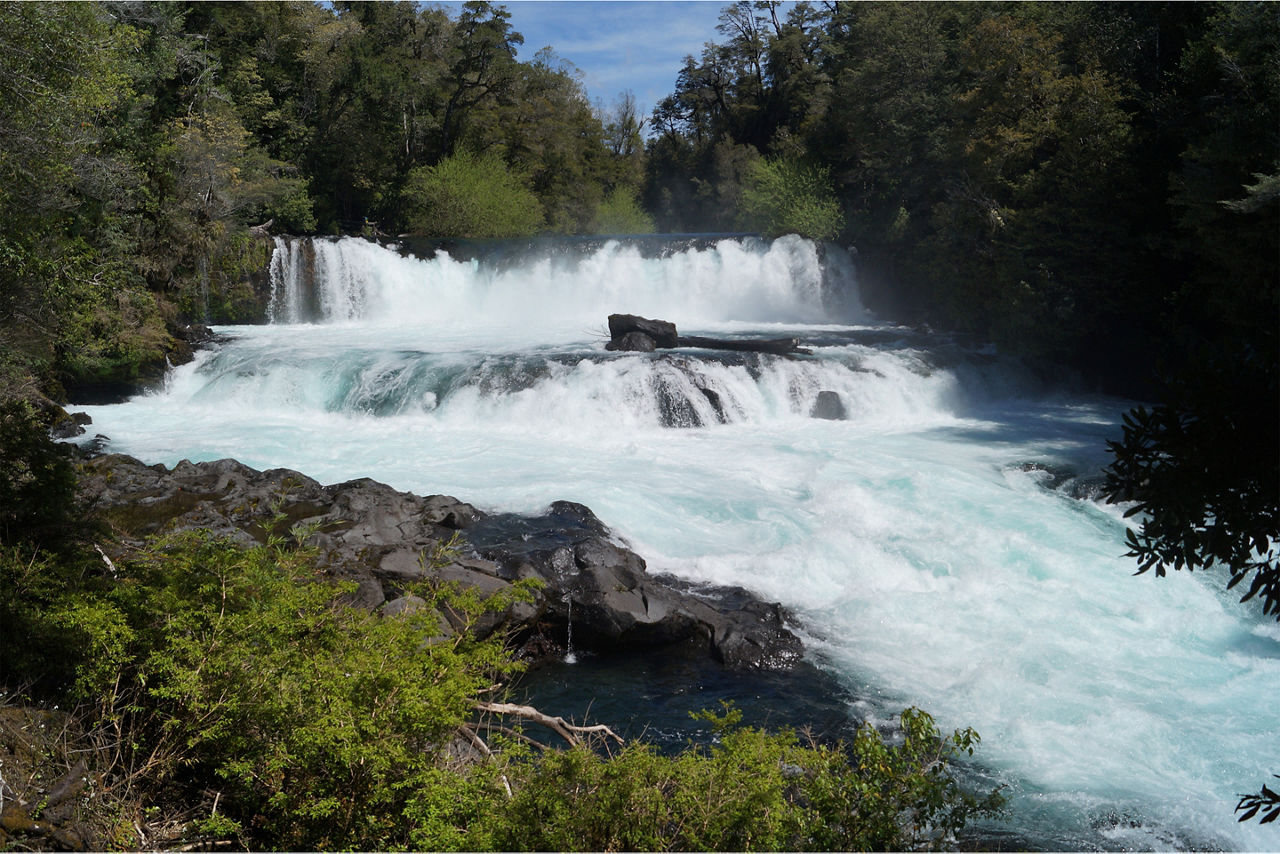
Tucked into the volcanic foothills near Rincón de la Vieja National Park, La Leona Waterfall in Costa Rica isn’t a natural phenomenon you just stumble across — you have to earn it. To get there, you'll wade through rivers, scramble over rocks and swim through a narrow slot canyon flanked by volcanic stone. What you’ll find at the end is a wild blue-green pool fed by the powerful cascade.
The guided hike is just less than a mile one way, and it’s no paved path — you’ll cross rivers (your shoes will probably get wet) and navigate handrails, rock ladders and sharp turns. The final stretch is through a water-filled canyon, where you’ll need to swim. Once you reach the waterfall, you can float in the cool plunge pool beneath the falls or perch on nearby rocks for a misty rest.
8. Volio Waterfall
9. Catara Ma-Cu Waterfall
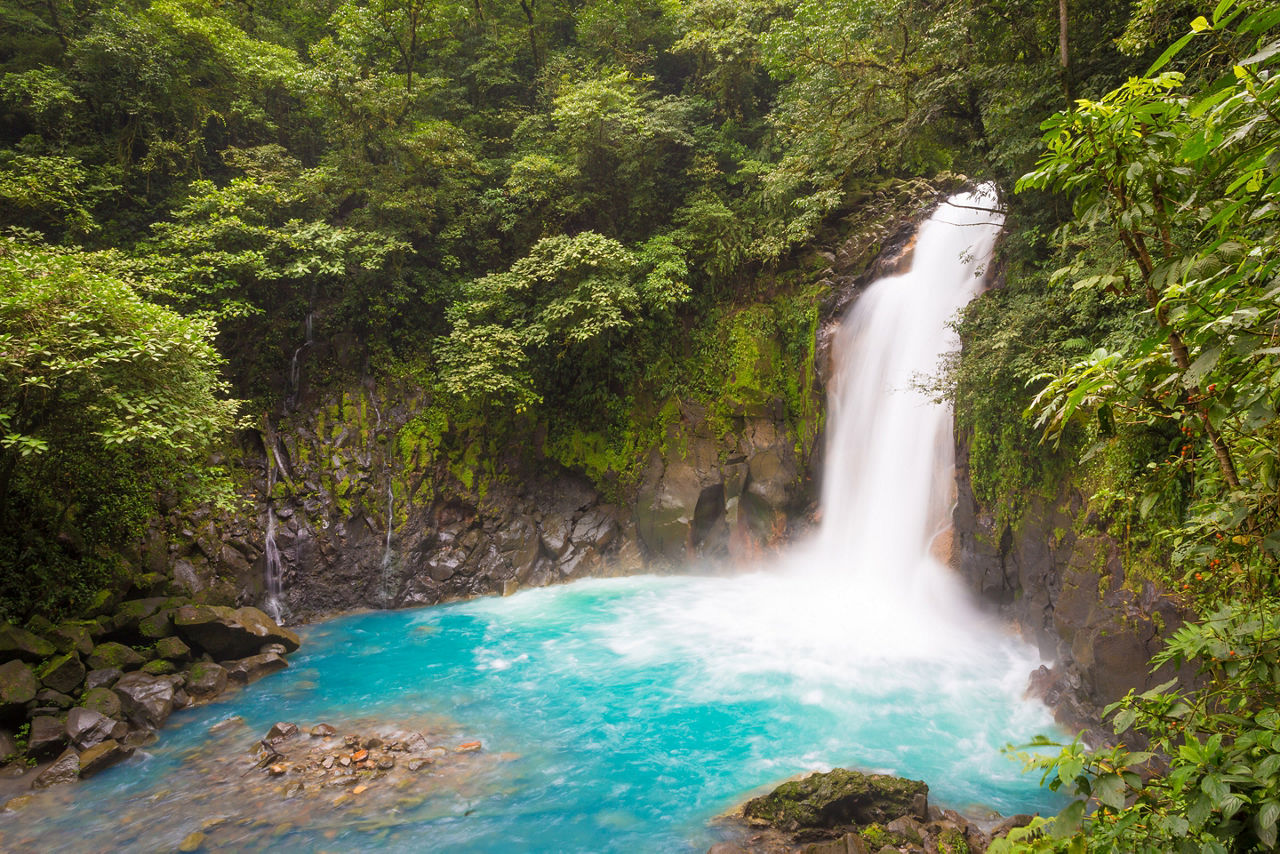
Another spectacular waterfall (that's a bit easier to find) is the Catarata Ma-Cu Waterfall, the largest in the region and one of the best waterfalls you can swim and relax in for a few hours. Catarata Ma-Cu Waterfall is about a 10-minute walk along a steep trail from the trailhead. Don't miss the bright red tree frogs that sunbathe on the rocks near the base of the falls!
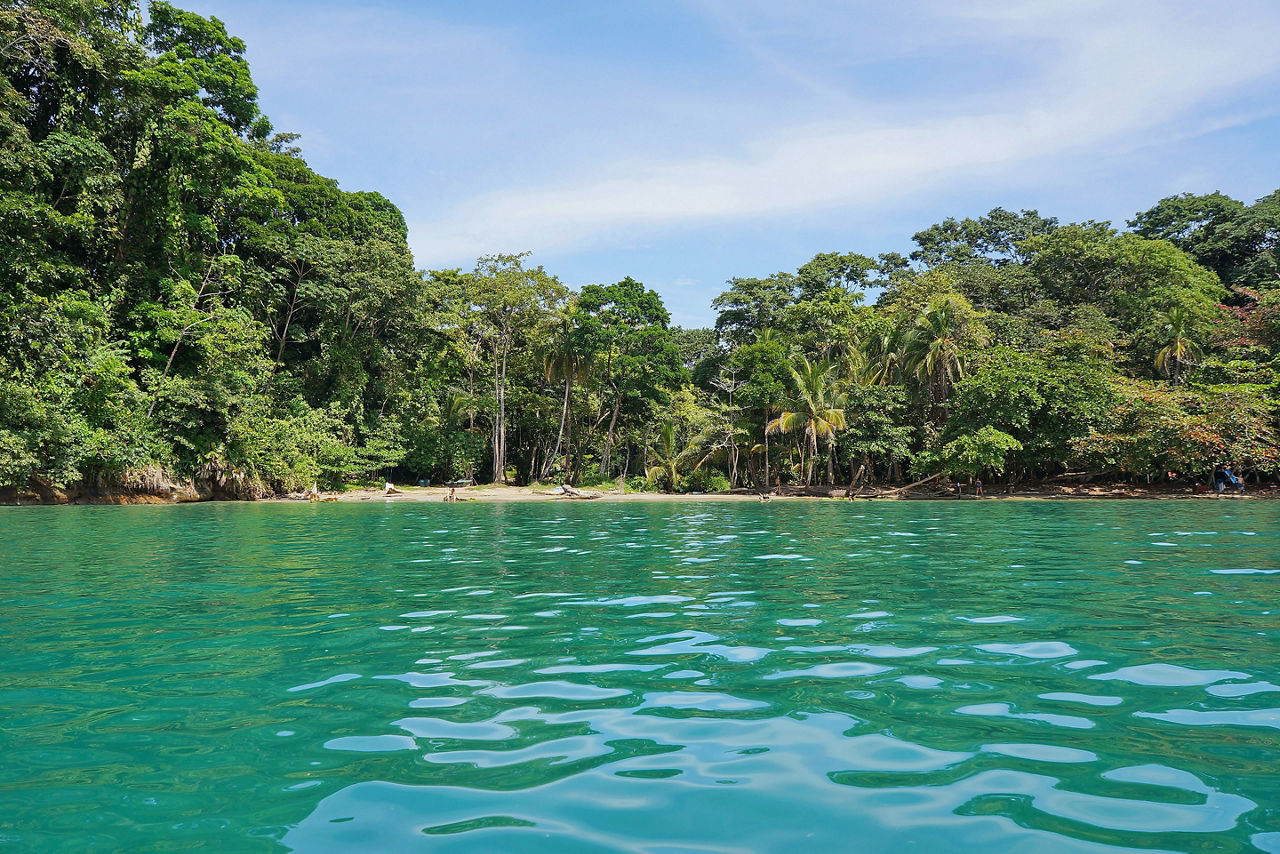
The Catara Ma-Cu and Volio waterfalls are both easily accessible by car from the cruise port in Puerto Limon.
10. Blue Falls

Travel Tips for Seeing the Best Costa Rican Waterfalls
When Is the Best Time To Visit Costa Rica?
Can You Swim in Waterfalls in Costa Rica?
How To Plan Your Costa Rican Travel Wardrobe
Most of the must-see waterfalls in Costa Rica are found deep in its cloud rainforests, where humidity trapped under the tree canopy supports the vibrant flora. Wear sturdy hiking sandals or closed-toed shoes to navigate slippery steps, tree roots and rocks. A downpour the night before can make trails slick and muddy the next day.
Pack a hiking stick if you'd like, as well as your own water. A rain jacket will keep you dry once you get closer to the waterfall — it's bound to be a misty experience, after all. Pack any valuables and snacks in a dry bag to keep them protected, and don't forget binoculars if you'd like to stop and search for wildlife.
How To Photograph Waterfalls: Fine-Tuning Your Camera Settings
Using an iPhone, you can achieve the best waterfall photo even without a tripod by taking a live photo, then setting the picture to prolonged exposure when you edit. You don't have to be a pro photographer or carry a fancy camera to capture silky smooth waterfall photographs.
To blur flowing water, making the waterfall softer, go to your camera's settings and slow down your camera's shutter speed. Placing your camera on a stable surface, like a travel tripod, or getting creative and propping it on a sturdy rock can help improve your waterfall photography. Setting a lower ISO will also increase your image quality, making your waterfall shot nice and crisp, giving you vivid memories to last a lifetime.
From Coastlines to Cascades: Explore The Best Waterfalls in Costa Rica
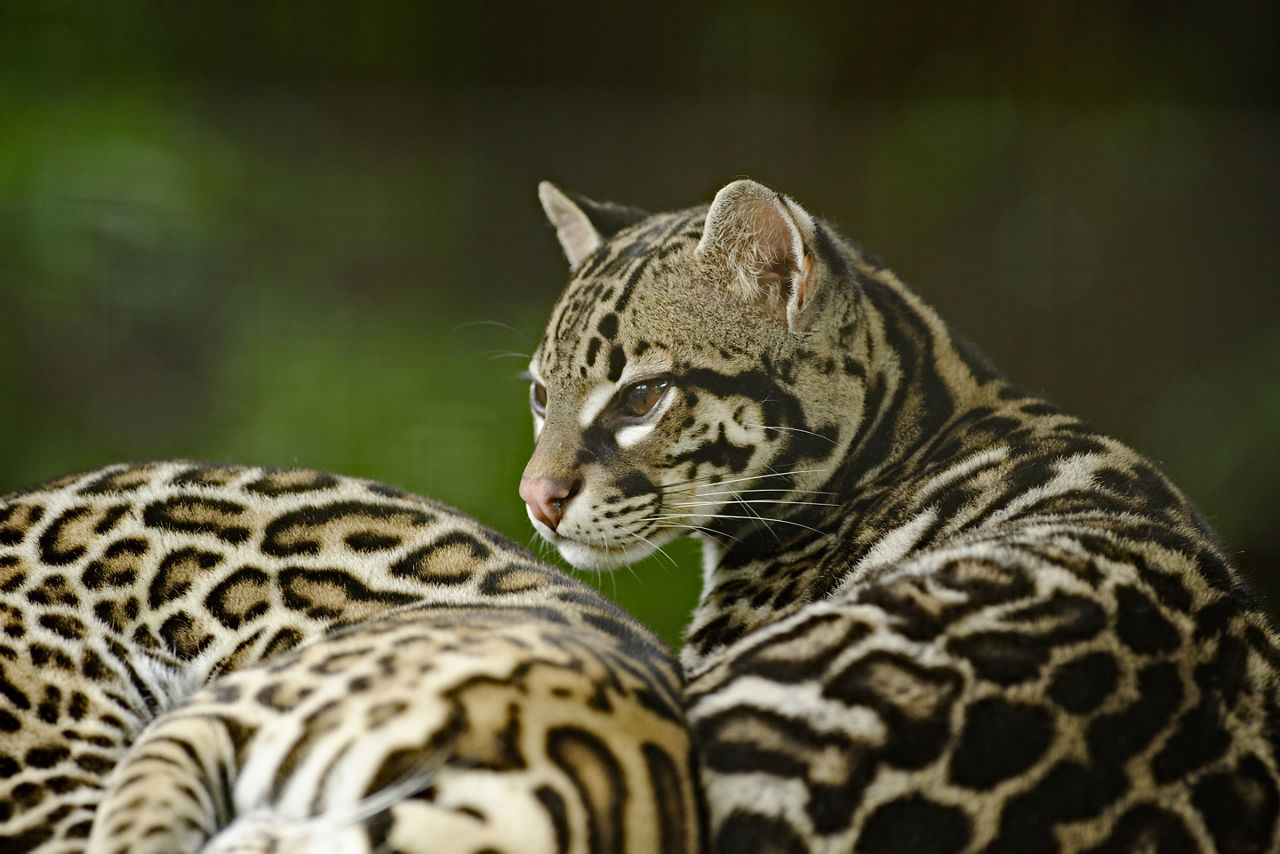
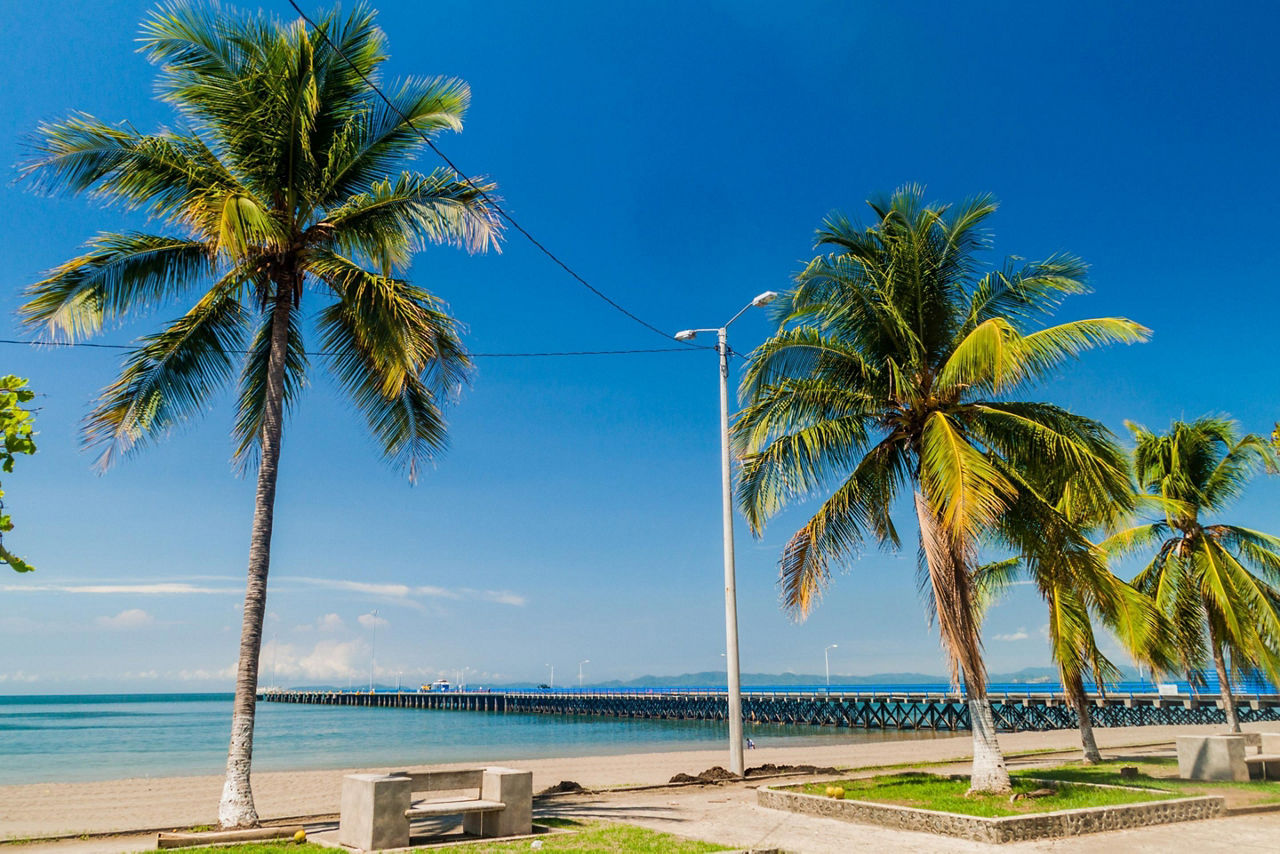
Costa Rican waterfalls are immersive, active experiences that bring you through the rainforests, onto the trails and into the water. From canyon swims to misty hikes, they’re an accessible way to experience the country’s wild side, especially if you’re venturing out from one of Costa Rica’s ports.
If you’re cruising through Costa Rica, plan to tack on an inland detour. Whether it’s a short hike or a full-day adventure, these waterfalls add a memorable dose of nature to your time onshore.
Explore our Costa Rica cruises to experience Central America’s unforgettable waterfalls and wildlife.