By Robert Schrader | Published on December 11, 2025
Costa Rican coffee tours are one of the best ways to discover "Pura Vida," the phrase that's both Costa Rica's national motto and the magical feeling of "pure life" that travelers take with them when they leave the country. Visit a coffee farm for a day during your Costa Rica cruise, or plan your itinerary around the various finca estates of Costa Rica's coffee route.
No matter how centrally the grano de oro, or "golden grain," figures into your travel to Costa Rica, you'll marvel at the process that transforms a humble bean into a cup of fragrant coffee — and all the ways your cruise to Costa Rica will transform you, too. Here are the best coffee tours in Costa Rica, and what to expect once you arrive.
Key Takeaways: Best Coffee and Chocolate Tours in Costa Rica
- ● Britt Coffee Tour (Heredia): Explore coffee plantations, harvesting processes and learn how to prepare coffee like a professional. Combine your coffee tour with adventure, wildlife or waterfall excursions.
- ● Don Juan Coffee Tour (Puntarenas): Experience a hands-on tour and learn about traditional production methods. Discover the trifecta of coffee, chocolate and sugar cane production.
- ● Eden Coffee and Chocolate Tour (Puntarenas): Tour an organic farm where you’ll explore the process of harvesting and making chocolate and coffee. There are also options to enjoy a delicious local farm-to-table lunch.
- ● North Fields Coffee and Chocolate Tour (Alajuela): This coffee tour walks you through the entire process, from nursery and plantation to drying, roasting, preparing and tasting coffee and cacao. There is a shop offering a variety of coffee, chocolate and other souvenirs.
- ● Finca Rosa Blanca Coffee Tour (Alajuela): Experience a tour through an award-winning organic coffee plantation. Finca Rosa Blanca is located in a lush rainforest with over 137 species of birds.
- ● Explore cruises that go to Costa Rica to taste your way through the thriving local coffee plantations.
History of Costa Rican Coffee Culture

Although coffee now seems like an inextricable part of Costa Rica's identity, the plants are not actually native to the country. Coffee first arrived there from Cuba in the late 18th century, when Costa Rica was still a Spanish colony. It only took about 40 years for colonial Ticos (the name Costa Ricans now affectionately give themselves) to turn coffee into a profitable cash crop. The country exported its first batches in 1820, just a year before Costa Rica became independent.
Throughout the early and mid-19th century, coffee quickly became Costa Rica's most profitable export, even more so than other crops such as tobacco and cacao, the source material for chocolate. During this time, the coffee trade funded the expansion of roads and railways across the country. Today, you’ll find Arabica plantations throughout the country, in particular, caturra and catuai varieties. These are by far the best beans to try for a taste of typical local flavors.
Coffee and Culture in Costa Rica
Costa Rican coffee serves as a global advertisement for the country. Many tourists decide to visit Costa Rica after having a delicious cup of it in their home city. This is particularly true in cities where expats from Costa Rica own and operate coffee shops and can tell stories about their native country and the importance of coffee to their own families or cultural pride.
Some might even pair coffee with typical Costa Rican cuisine, such as gallo pinto (a rice and bean dish often served for breakfast) and casado, a rich and complex platter that combines rice and beans with eggs, vegetables and any number of meats.
Despite the many changes during Costa Rica's long coffee cultivation history, most fincas (farms) in the country remain family-owned. As a result, coffee in Costa Rica has always embodied the fair trade principles that have become increasingly important for conscious consumers. No matter where or how you buy coffee during your Costa Rica vacation, you can be sure the money will be fairly distributed not only to the people who grow and harvest it but also to the families who've nurtured coffee farms for decades or even centuries
Journey Through Costa Rica's Coffee Route

While some travelers are content with a coffee farm day trip from one of Costa Rica's tourist destinations, others want to focus their adventures more intently on the grano de oro. The good news is that there are plenty of coffee farms in more than half a dozen coffee-growing regions throughout the country. By some estimates, there are approximately 25,000 pickers employed during peak seasons in a country of just 5 million people!
Costa Rica doesn't have an established "coffee route" like other destinations, although you can create your own depending on where in the country you're traveling. If your cruise ship docks in Puntarenas, for example, you can head north through the Guanacaste growing region to the mysterious Monteverde Cloud Forest — a typical first stop for travelers arriving in Costa Rica.
Another option would be to hold off until later in your trip when you're in or near the Costa Rican capital of San Jose. Several Costa Rican coffee regions surround the city, namely Tarrazú, Orosi and the famous Valle Central, Costa Rica's largest and most prolific coffee-producing area.
If you’re making time for a coffee tour before or after your cruise, you could find a hotel within the city center, then plan to visit a different finca every day. Or, you could take a multi-day road trip, and stay at or near a different farm each night or two — assuming you can sleep after drinking all that coffee!
Organized Coffee Tour Options

For some travelers, organized Costa Rican coffee tours are a more appealing option. Organized tour operators in San Jose, Liberia and many other local cities and towns may offer coffee packages. Here are some of the best coffee tours in Costa Rica:
- ● Britt Coffee Tour (Heredia): Explore the coffee plantations, harvesting processes and how to prepare coffee like a professional. You can combine your coffee tour with adventure, wildlife or waterfall excursions.
- ● Don Juan Coffee Tour (Puntarenas): Experience a hands-on tour and discover traditional production methods. During a Don Juan coffee tour in Costa Rica, you can learn about coffee, chocolate and sugar cane. There’s also a souvenir shop where you can pick up goodies to take home.
- ● Eden Coffee and Chocolate Tour (Puntarenas): Tour an organic farm where you can learn about the process of harvesting and making chocolate and coffee. There are also options to enjoy a delicious local farm-to-table lunch.
- ● North Fields Coffee and Chocolate Tour (Alajuela): This La Fortuna coffee tour walks you through the entire process, from nursery and plantation to drying, roasting, preparing and tasting the coffee and cacao. There is a shop offering a variety of coffee, chocolate and other souvenirs.
- ● Finca Rosa Blanca Coffee Tour (Alajuela): Experience a tour through an award-winning organic coffee plantation. Finca Rosa Blanca is located in a lush forest with over 137 species of birds.
If you’re interested in doing a coffee tour during a cruise to Costa Rica, you can always check for available coffee tour excursions as you’re planning your cruise. The country has no shortage of options in this department.
Generally, you can cruise and fly internationally with coffee beans, provided they’re sealed, roasted and whole. Many international borders require you to declare agricultural products on arrival, so it’s a good idea to keep them at hand. If you’re unsure of your cruise line’s regulations, it’s a good idea to ask in advance.
What To Expect on Your Costa Rican Coffee Tour
No matter where you take your coffee tour in Costa Rica, certain aspects will remain similar. Upon arrival at the finca, your guide will provide a brief overview of the farm's history — and likely the family's, too. You'll be led out into the rows of coffee trees, where, depending on the time of year, the ripening beans may be different colors.
In Costa Rica, coffee beans are usually planted during the early rainy season in April and May. If they're green or gray when you visit, they're newly grown and likely far from harvesting. The harvesting season in Costa Rica takes place between October and March each year — this is the best time to visit the plantations because you can see the harvesting in action. The peak harvesting period across the country is usually between December and February, although climate variations and a particular farm's growing methods may require harvesting to start earlier or run later.
If the coffee fruit is red, it has reached the "cherry stage" and is ready for processing. Your guide might have some coffee cherries on hand for you to touch or smell as you move on to the factory part of the farm. Here, you'll likely see a combination of modern machinery and more traditional assemblies of chutes, compartments and sorting equipment. This is where the beans are sorted and washed before being dried and eventually roasted. At some farms, you may be able to see and smell the roasting process.
Taking your time is an important part of Costa Rican culture, and coffee tours are no different. The exploring phase of your coffee tour will likely take at least an hour. Since most farms are family-run, you can be sure your host will have lots of interesting stories, some that may go back decades. During this time, as you watch the transformative process that takes the coffee from the tree to a processing plant, you're probably wondering one thing: When do I get to take a sip?
Not to worry: Your guide is saving the best part for the end! After finishing the tour, the finca staff will most likely treat you and all the rest of the participants to a cup of Café de Costa Rica, likely filtered using the traditional chorreador or "sock" apparatus Costa Ricans have been using for over 200 years.
Sip slowly and mindfully — can you taste a difference between this and the machine-brewed coffee you might have enjoyed elsewhere? Afterward, you'll have the opportunity to buy some coffee, which is not only a great souvenir but also a wonderful way to support local farmers.
Exploring Costa Rica: Beyond the Coffee

Most travelers to Costa Rica want to take a coffee tour, although few end their trips only having done one. Costa Rica, despite its small footprint, is one of the world's most eclectic travel destinations, with a huge variety of landscapes and biomes.
Besides coffee plantations in Costa Rica, you’ll also find beaches and jungles on both the Pacific and Caribbean sides, with ports like Quepos and Puerto Limon as common arrival points. If your cruise ship docks in Puntarenas and you feel like sunbathing, you might want to head south to Jaco or even further down the coast into Manuel Antonio National Park, a sanctuary of protected, paradisaical beaches.
Another option would be to head north (possibly stopping along the way at a coffee finca or two) to the Monteverde Cloud Forest. After traipsing across suspension bridges that seem to float amid the canopy of the misty rainforest, you can continue driving northward, preferably to Rio Celeste. This mesmerizing waterway shimmers a fluorescent blue-green due to volcanic minerals and ends at a pool where a waterfall dramatically thunders into a spacious basin. As beautiful as it looks, you can't swim here — it's prohibited by the park for safety reasons.
Waterfalls, jungle terrain and volcanoes are some of Costa Rica's most iconic landscapes. The most famous Costa Rican volcano is probably Arenal, a perfectly conical mountain located on the way from Monteverde back to the capital, San Jose. Situated above a lake and acting as the source of many hot springs in the area, Arenal sits at a high altitude, giving the region a cool, fresh climate. The Catarata Rio Fortuna waterfall is not far from here. Other amazing Costa Rican volcanoes include Irazú and Poas, which sit near the dramatic La Paz waterfall.
Although your cruise to Costa Rica will likely dock on the country's Pacific Coast, the Caribbean side of the country holds many treasures as well. Most travelers head to laid-back Puerto Viejo when they visit Costa Rica. If the center of town doesn't have you feeling as relaxed as all the sloths that are native to this part of the country, dramatic beaches like Manzanillo and Punta Uva will get you in that "Pura Vida" mood.
Another option is to visit Limón, where quieter beaches complement the more local vibe that dominates here. You'll definitely want to practice your Spanish before your Costa Rica vacation!
Costa Rican Coffee and Coastlines: Get the Best of Both Worlds
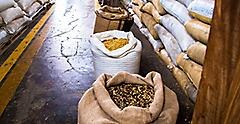
There's nothing quite like Costa Rican coffee tours to distill the country's vibrant essence into something you can both drink and appreciate. Some travelers are drawn primarily to the flavor and buzz of the coffee itself, while others can't resist the dramatic landscapes of coffee fincas or the tales told by the families who run them.
Turn your coffee dreams into the aromatic, complex, rich reality you can only savor on the ground in the land of Pura Vida.

Get Royal Deals, Sign Up Today

Getting There
Explore Our Most Affordable Itineraries
Plan a day trip with blissful enjoyment! Sip your way through Costa Rica, one coffee at a time on your cruise to Puntarenas.