By Robert Schrader | Published: December 8, 2022 | Updated: March 10, 2026
Who says a cruise can't be a vehicle for cultural vacations? No matter where in the world your ship docks, historic sites and cultural attractions are never more than a short bus or taxi ride away. This is as true in seemingly ordinary cities and towns as it is at bucket-list destinations like the Pyramids of Giza or Machu Picchu.
Whether you're a fan of ancient chronicles or tomes written closer to modern times, continue reading to learn how history buffs can make the most of an adventure at sea, with the why and how of history cruises.
Key Takeaways
- ● Beyond stunning beaches and specialty restaurants, cruises offer access to historic sites and cultural attractions across the world.
- ● Visiting landmarks like the Colosseum or St. Peter’s Basilica allows travelers to connect directly with centuries of human achievement.
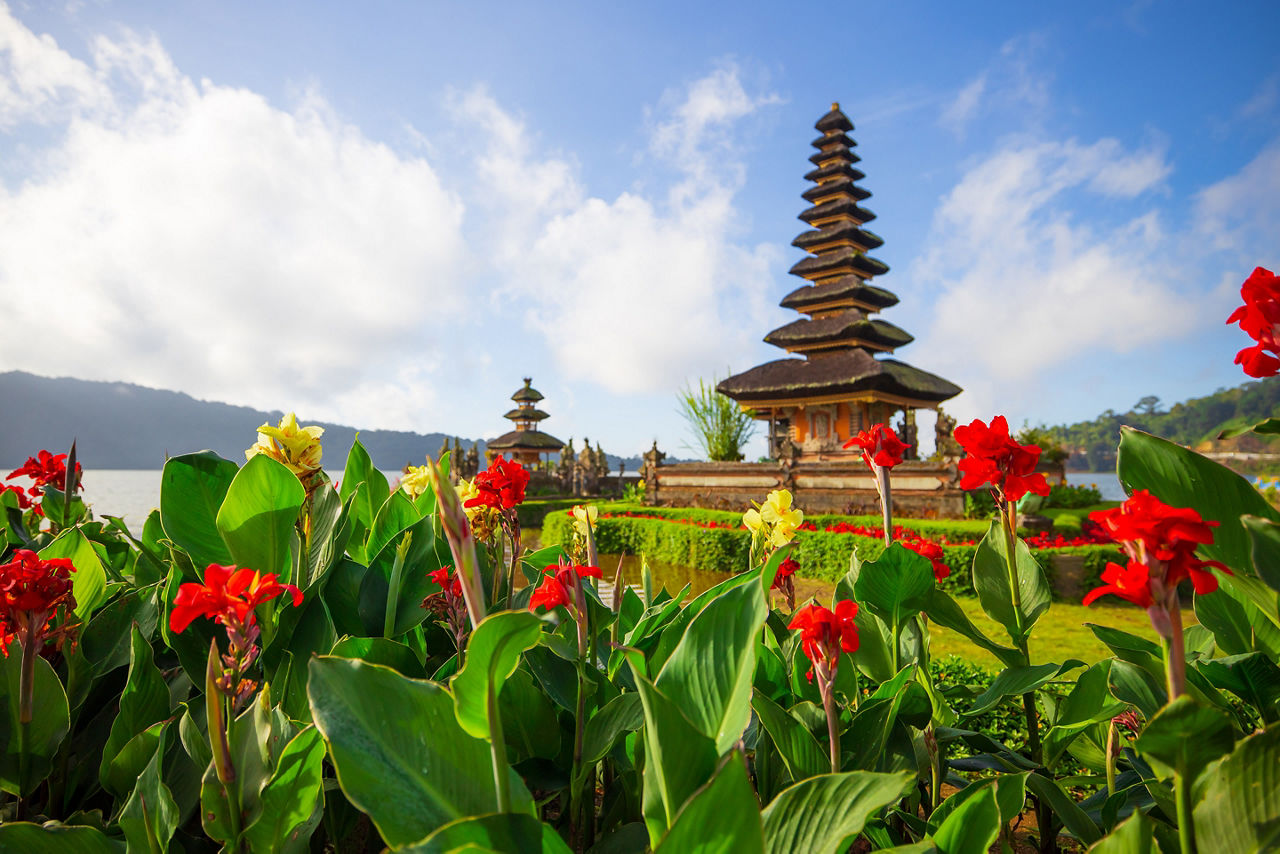
- ● Observing cultural practices, such as Buddhist monk processions in Southeast Asia or Bedouin life in Jordan, links ancient customs to modern life.
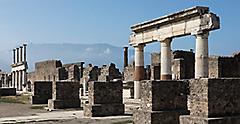
- ● Pompeii’s ruins offer hands-on insight into ancient life.
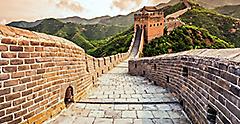
- ● The Great Wall highlights the ingenuity of early civilizations.
- ● Visiting spice farms and tea plantations in Sri Lanka uncovers trade history.
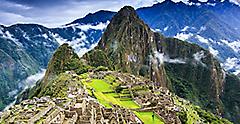
- ● Machu Picchu inspires reflection on the mysteries of lost civilizations.
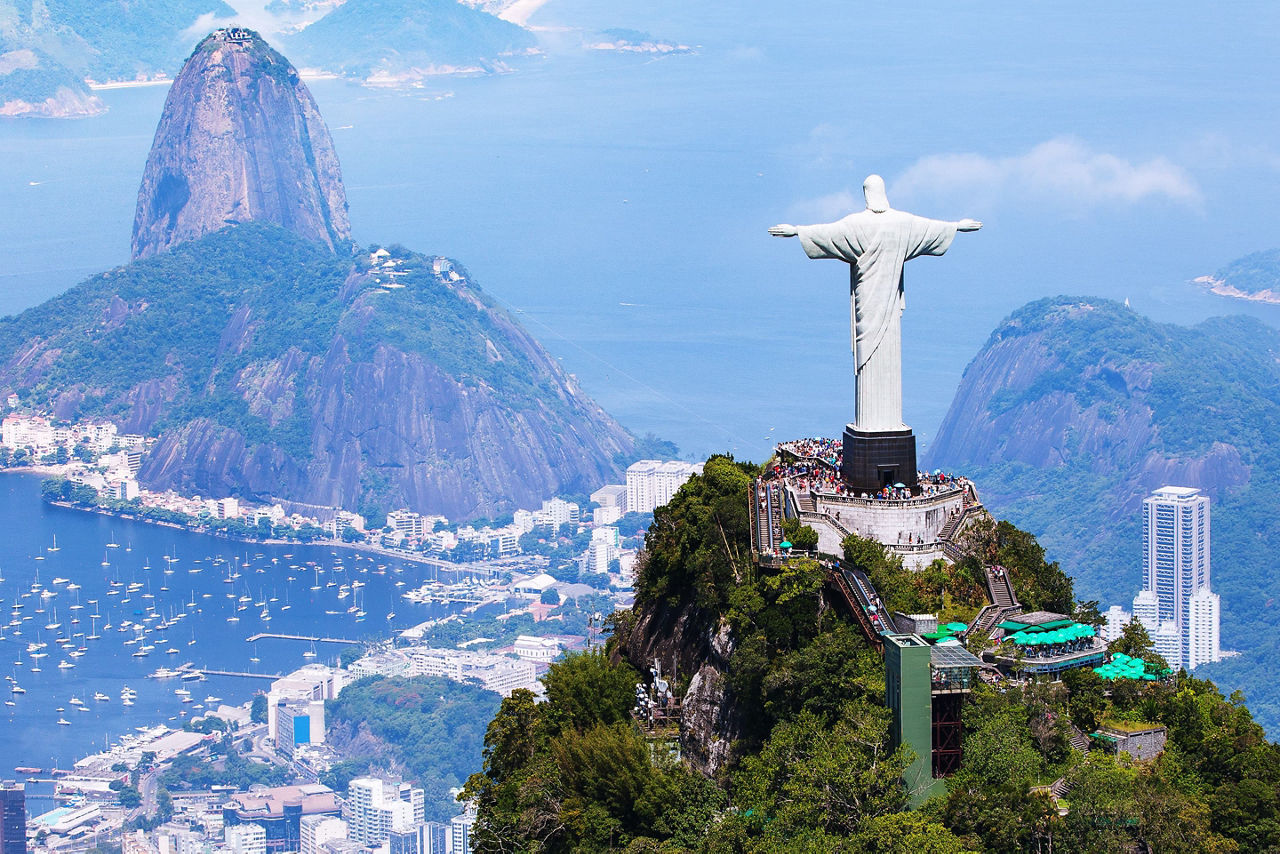
- ● Christ the Redeemer and Rio’s landmarks show how modern and ancient histories intertwine.
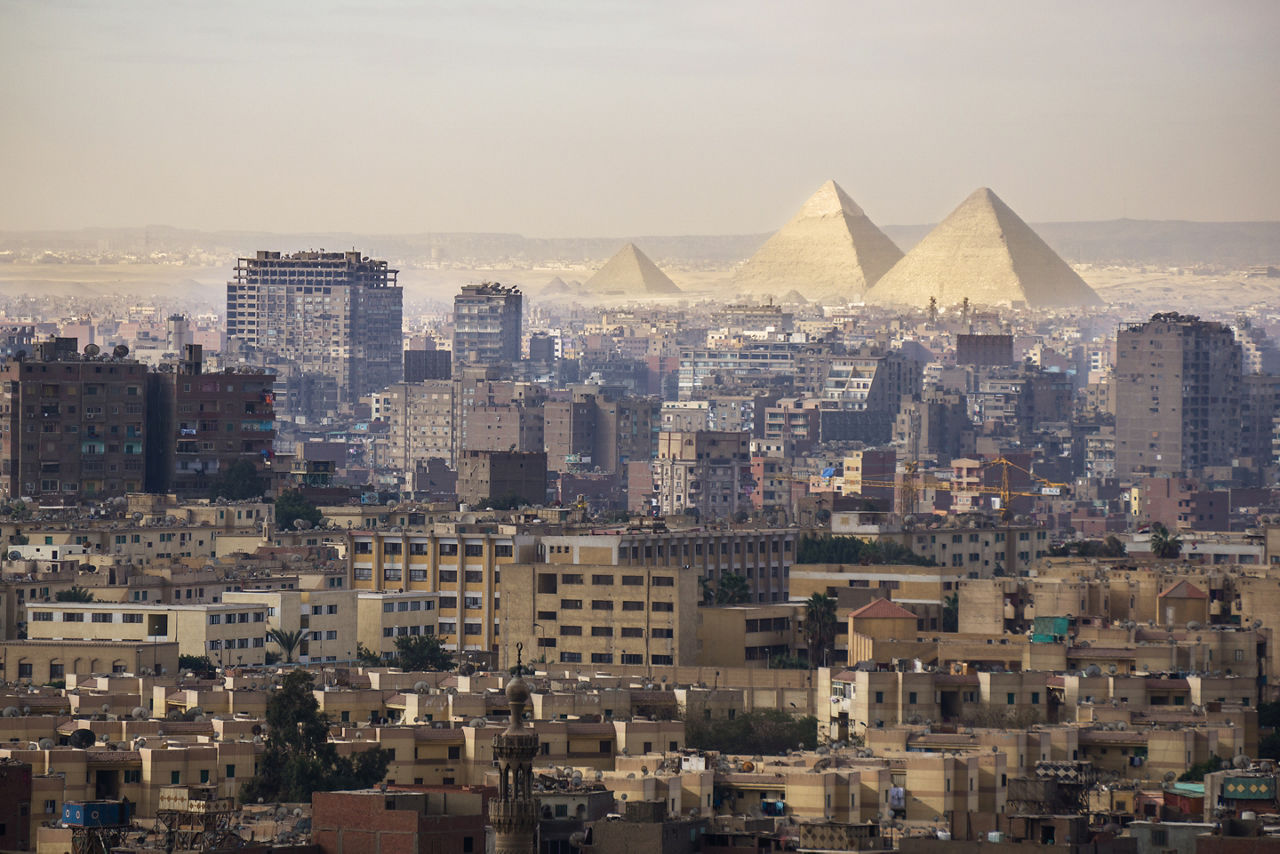
- ● Egypt’s combination of pyramids and modern life reveals ongoing cultural evolution.
- ● Sites like Australia’s Great Barrier Reef, Costa Rica’s volcanic landscapes and Norway’s fjords demonstrate that nature is part of history, too.
- ● Experience cultural vacations with your family or friends by exploring Royal Caribbean cruises.
How (And Why) History Lovers Travel
History-minded cultural vacations take many forms, but architecture is an important element for nearly all of them. As you traipse through the streets of ancient Rome after docking at Civitavecchia, for example, seeing millennia-old structures like the Colosseum provides a real context for the tales you read about in guidebooks and on historical plaques. This is also true when it comes to more modern history: Looking westward from the balcony of St. Peter's Basilica in Vatican City allows you to grapple with the gravity of popes' pronouncements over the years.

What Is a Cultural Trip, and What Are The Benefits?

Cultural tourism is when you travel specifically to learn about a destination's culture. While cultural travel can provide a window into the distant past, it can also be totally modern, like video game arcades in Japan and Formula 1 race car tracks in Europe. More often than not, however, history lovers prioritize the cultural traditions of yesterday that have stuck around until today — and not just for great pictures or stories to tell their friends.
Using cultural travel as a means to understand the ancient world helps you make more sense of your own life in today's world. Travel is all about expanding your horizons, whether that's seeing mountains taller than you could ever imagine or eating foods more delicious than you ever dreamed possible. The benefits of traveling with an eye for culture and history just expand this concept into another dimension: time.
How To Find Authentic Cultural Experiences: Culturally Significant Historical Destinations
While some travelers explore historical cruise itineraries in pursuit of broader understandings, heritage tourism is also a great way to dig deep into specific cultures and civilizations. Here are some countries with amazing cultural tourist attractions you don’t want to miss:
Italy
Visiting the ruins of Pompeii in southern Italy is like a living textbook. As you walk in and out of volcano-doomed homes, you can often see archaeologists dusting off mosaic floors, or collections of dinnerware and cutlery arranged atop stoves and kilns that have been extinguished for centuries. Even visiting places like this as a tourist can make you feel like you're part of a dig team.
China
Seeing world wonders also offers first-person insight into pressing historical questions, even if you sometimes find additional questions instead of answers. The Great Wall of China, for instance, looks easy for a modern army to breach, though when you consider the technology used to build it in the 3rd century B.C., it's easier to accept the wall (which is "great," even by today's standards) for the revolutionary construction that it is.
Barcelona
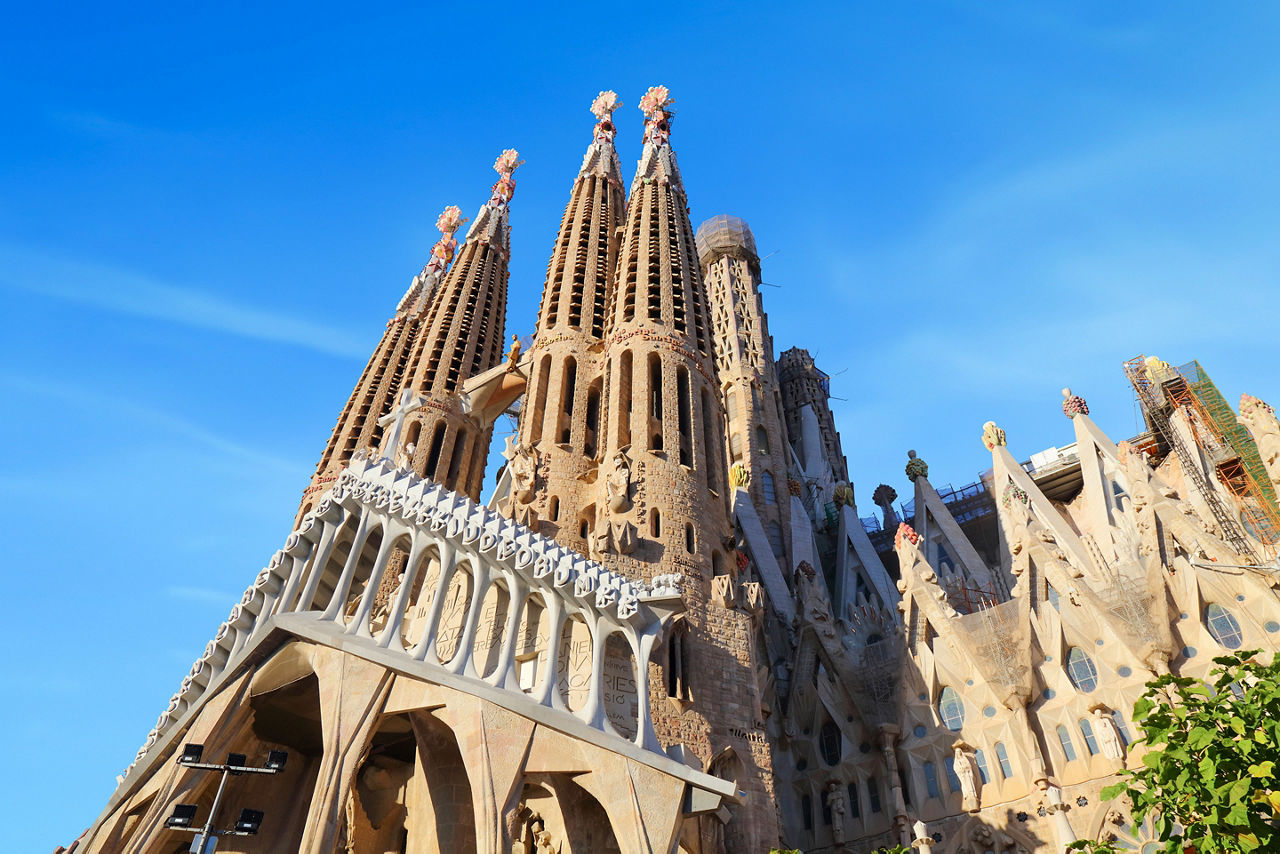
Other questions you ask might be broader than any particular historical event. If your ship docks in Barcelona, you might take a food tour to learn why paella recipes are so hotly debated or how eating tapas became a Spanish custom. You could also explore the city’s artistic legacy, asking why the Sagrada Familia remains unfinished after a century.
Sri Lanka
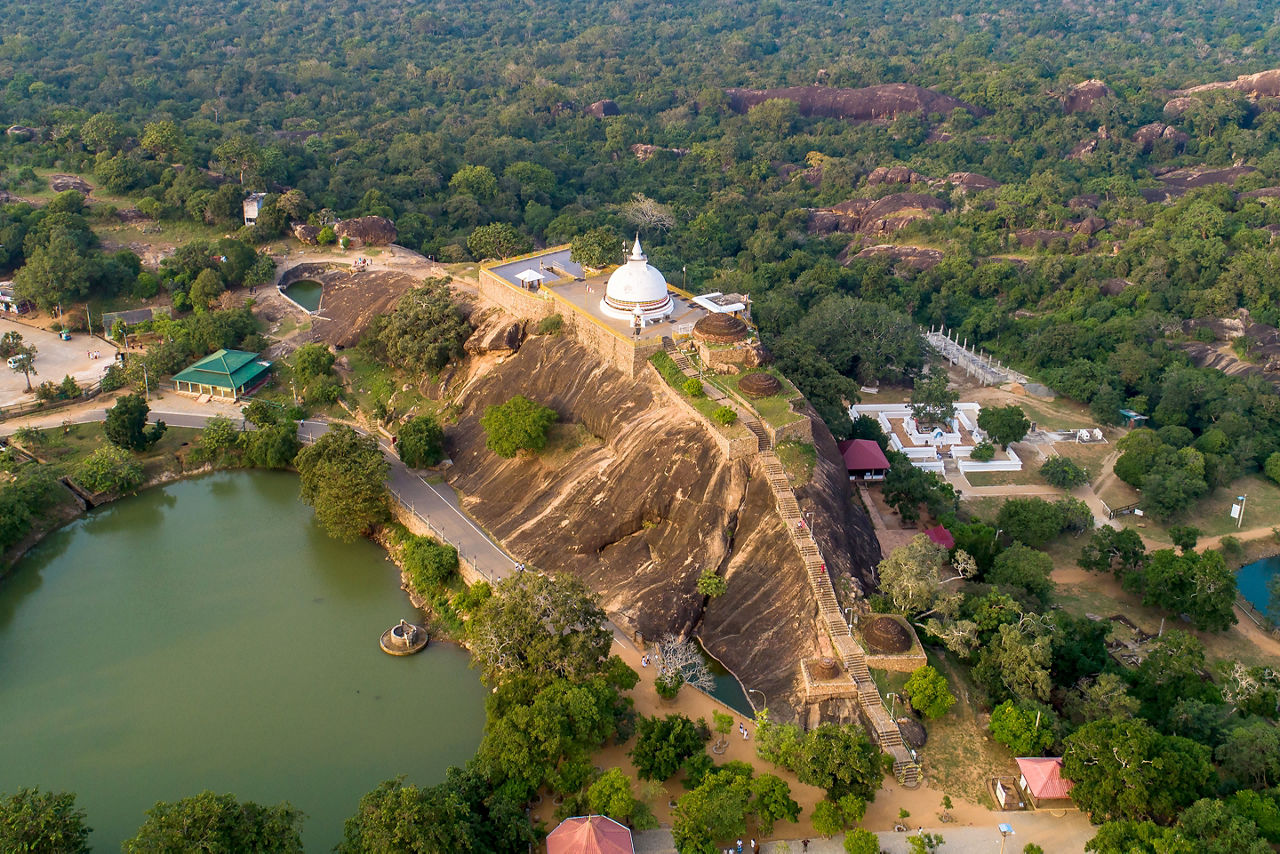
Visiting Sri Lanka on your cruise? You might stop at a spice farm to see how cinnamon or nutmeg grows, and wonder why both were once highly prized treasures before they became ordinary pantry staples. Take a train to Nuwara Eliya, in the heart of Sri Lanka's tea country, and you'll be surprised to learn the plant is not indigenous to the island, in spite of how central it seems to its landscape.
Peru
As you hike or ride a bus up to the peak of Huayna Picchu, you might ask yourself, "Why was Machu Picchu abandoned?" And while there may be theories such as strategic choice of relocating or illness of its native population, the truth is, it can be difficult to ponder this in the middle of so many hiking tourists and locals. Oftentimes, the best option for this is to find a quieter corner of the Machu Picchu site, where there are more llamas around you than people, and reflect on this world wonder.
Brazil
But not all history is especially old — and not all history buffs are fixated on the ancient past. If your cruise stops in Rio de Janeiro, for example, you might ride the funicular up to Corcovado Mountain, where the enormous Christ the Redeemer statue stands. Although the statue seems like an eternal symbol of Brazil's "Cidade Maravilhosa," it was only built in 1922. Pairing this with a cable car ride up the Sugar Loaf, which towers over the much older neighborhood of Urca, can help you piece together the story that takes Brazil into the modern era.
Egypt
Many travelers remark about how dusty sprawling modern Cairo has been built right up to the edge of the millennia-old pyramids. But exploring Cairo, from the "thousand minarets" of its countless mosques to its many high-rises and high-class hotels to the more understated vegetable markets and Coptic Christian Churches, paints a picture of how desert cultures have adapted and developed continuously since the time of the pharaohs. Whether it's Cairo or Chichen Itza, the stunning constructions of yesterday somehow seem even more amazing compared to the skyscrapers of today.
Nature's Wonders Are Culture, Too

It's easy to think of history only in the context of what people have built. However, natural history can often be just as fascinating. For instance, if your cruise stops in Cairns, Australia, you'll have the opportunity to snorkel or scuba dive at the Great Barrier Reef, where corals tell a story that stretches back thousands or even millions of years. Modern efforts to preserve this natural wonderland from climate change and pollution help to preserve that history for our descendants, too.
In the jungles of Costa Rica, on the other hand, you can drink in the sight of active volcanoes bubbling and rainforests strung with rope bridges. As you swim in the azure waters of volcano-heated Rio Celeste, particularly if it's not a very busy day, you might wonder how indigenous peoples even discovered such a place if they didn't know to look for it.
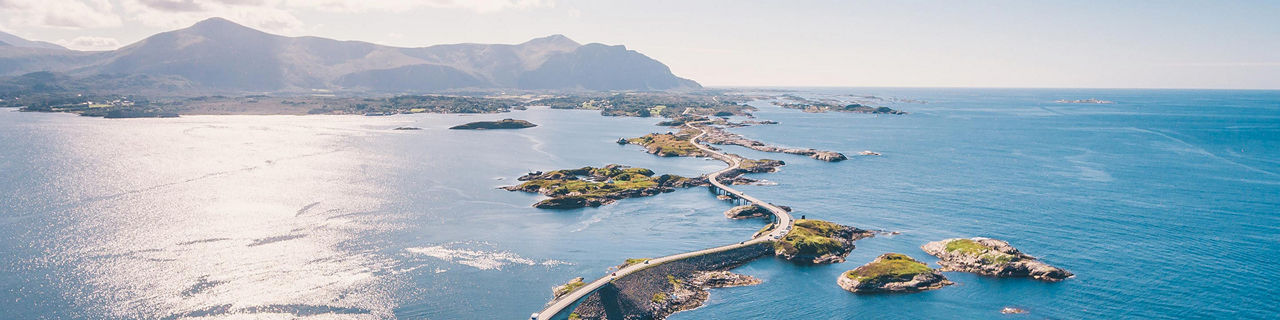
Another destination where culture mingles with natural history is Norway. The unique architecture and folklore of small villages within the country's finger-shaped inlets are directly linked to how difficult they were to access until about a century ago. As you sail through the fjords, either onboard your cruise ship or on a smaller excursion vessel, your guide may also explain to you how tsunamis within these waterways carved them out over the eons, and how these events (which would be considered catastrophes by today's standards) are part of the reason so many 21st-century travelers flock to Scandinavia.
Visit Cultural Tourist Attractions on Your Next Cruise
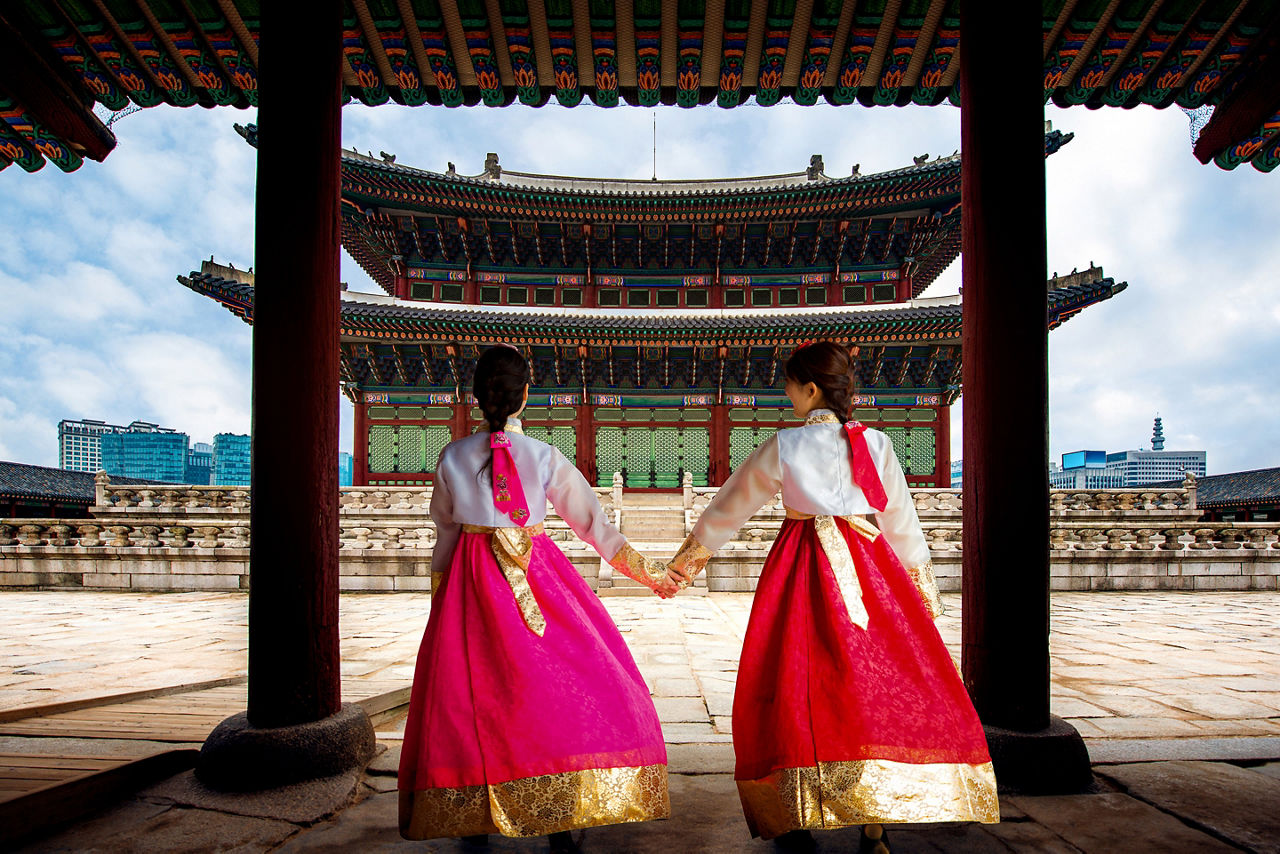
History buffs, no matter their particular interest or where they're traveling, are often trying to look at the world from a broader perspective. Marveling at architecture, culture, nature or archeology is a part of exploring the world and trying to make sense of it all. Booking a cruise is a good way to facilitate this, thanks to the diversity of destinations you can access during a single trip. Who says you can't take advantage of cutting-edge travel technology to delve into the past?
A cruise can be the perfect way to partake in cultural tourism. Travelers who want to see world wonders can book longer trips, while shorter excursions through the Caribbean and Mediterranean can be gold mines for history-minded travelers. No matter where your next cruise takes you, or what your particular interest is, letting your curiosity guide you will always lead to unforgettable discoveries.

Get Royal Deals, Sign Up Today

Getting There
Explore Our Most Affordable Itineraries
Take a journey through history on the Ultimate World Cruise.