Some of the most memorable moments in Hawaii come from understanding the stories behind the places you visit. Hawaiian culture is woven into the language, music, hula, food, craftsmanship and deep connection to the land and ocean, and these traditions continue to be practiced and shared today. By learning from local cultural practitioners and approaching each experience with curiosity and respect, you can come away with a much deeper appreciation for the islands. Here are some of the best ways to experience Hawaiian culture.
1. Walk Through Hawaiian Royal History at 'Iolani Palace
ʻIolani Palace in Honolulu was completed in 1882 for King Kalākaua, housed Hawaii’s final reigning monarchs and remains the only royal palace in the United States. A guided or audio tour introduces the Hawaiian Kingdom through royal rooms, objects and personal stories. Make sure to reserve ahead.
2. Explore Hawaiian & Pacific History at Bishop Museum
Bishop Museum is a strong starting point for first-time visitors. Hawaiian Hall and its collections explore Native Hawaiian history, daily life, belief systems and relationships across the Pacific.
Check the schedule for demonstrations, planetarium programs or cultural presentations.
3. Experience Hula as Storytelling
Hula preserves genealogy, history and mythology through movement, chant and music. Seek programs that identify the kumu hula, or teacher, and explain what is being shared.
4. Attend a Luau With Cultural Context
A thoughtful luau can introduce Hawaiian food, music, hula and storytelling. Some productions include other Polynesian traditions. Choose programs that credit cultural advisors, explain traditions and source locally.
5. Learn Lei Making, Weaving or Other Traditional Arts
Workshops may teach lei making, lauhala weaving, kapa-inspired printing, feather work or traditional games under skilled practitioners.
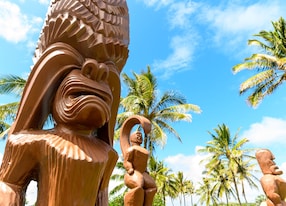
6. Visit Puʻuhonua o Hōnaunau on Hawaii Island
Puʻuhonua o Hōnaunau National Historical Park preserves Royal Grounds and a place of refuge protected under the kapu system. Structures, kiʻi and the setting illuminate Hawaiian governance, spirituality and community life.
7. Discover Hawaiian Culture Through Food
Food reveals Native Hawaiian traditions, immigration and plantation history. Try poi, laulau, poke and kālua-style foods alongside cuisine shaped by Hawaii’s many communities.
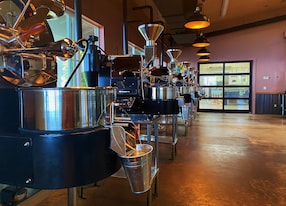
Markets, local restaurants and guided tastings provide context. Hawaii Island coffee and cacao farms also connect flavor with landscape and agricultural history.
8. Practice Mālama by Giving Back
Mālama means to care for or protect. Visitor programs may include beach cleanups, native planting, fishpond restoration or other projects organized with community partners.
Cultural Experiences on a Royal Caribbean Cruise
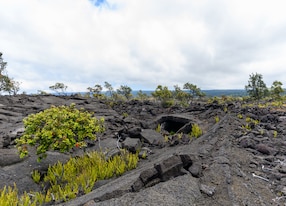
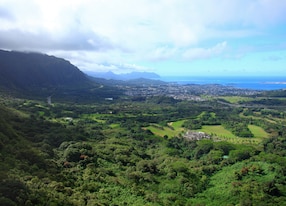
Royal Caribbean cruises may visit Honolulu and Kailua-Kona. Honolulu excursions may include ʻIolani Palace, Kawaiahaʻo Church, the Royal Mausoleum and Nuʻuanu Pali. Kona tours may feature villages, fishponds, petroglyphs, sacred sites, coffee farms and local food.
Frequently Asked Questions About Hawaiian Cultural Experiences
What are the best cultural experiences in Hawaii?
The best cultural experiences include 'Iolani Palace, Bishop Museum, practitioner-led hula, a contextual luau, traditional arts workshops, sacred historic sites, local food and mālama programs.
Which Hawaiian island is best for cultural experiences?
Oahu offers the broadest range of museums, royal landmarks and cultural programs. Hawaii Island is especially strong for sacred landscapes, historic sites and living traditions connected to Kona.
What is the best cultural experience for a first visit to Hawaii?
'Iolani Palace and Bishop Museum provide the strongest introduction to Hawaiian history and culture. Visiting both creates context for experiences elsewhere in the islands.
Is a luau an authentic Hawaiian cultural experience?
A luau can offer meaningful cultural learning when practitioners explain the food, music and stories being shared. Some even include traditions from across Polynesia.
What is the cultural meaning of hula?
Hula is a Hawaiian art form that communicates stories, genealogy, history and mythology through movement, chant and music. It requires disciplined study under knowledgeable teachers.
How can visitors respectfully experience Hawaiian culture?
Visitors can show respect by learning correct place names, listening to local practitioners, following site rules, requesting permission before photographing and supporting Native Hawaiian-led experiences.
What does mālama mean in Hawaii?
Mālama means to care for, preserve or protect. Mālama visitor programs connect travelers with community-approved work involving land, ocean, wildlife or cultural resources.
Are Hawaiian cultural experiences suitable for families?
Yes, many museums, historic parks, workshops, food tours and cultural programs welcome families.
Do cultural experiences in Hawaii require reservations?
Popular palace tours, luaus, workshops and cruise excursions often require reservations. Booking ahead is especially important during school breaks and holidays.
What should visitors wear to Hawaiian cultural sites?
Wear comfortable, respectful clothing and follow any site-specific instructions. Closed-toe shoes may be required for farms, volunteer projects or uneven historic grounds.
Can cruise travelers experience Hawaiian culture?
Yes, cruise travelers can visit cultural sites from Honolulu and Kailua-Kona. Organized excursions help fit museums, historic landmarks, food and guided interpretation into a port day.
How can travelers support Hawaiian culture?
Travelers can support Hawaiian culture by choosing locally or Native Hawaiian-owned businesses, buying authentic work and participating in approved mālama programs.
Keep Exploring Hawaii
Want to learn more about the culture and experiences of Hawaii? Explore these guides: