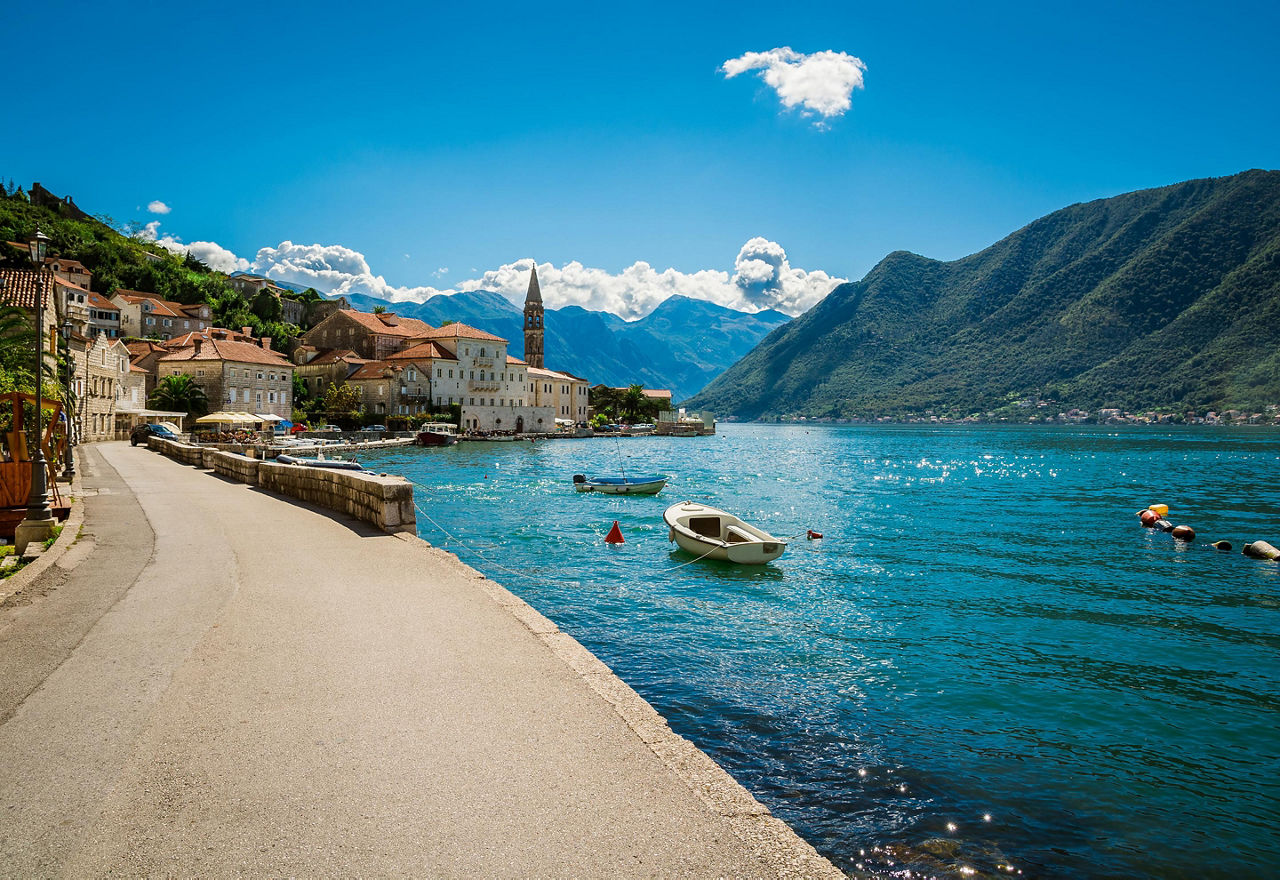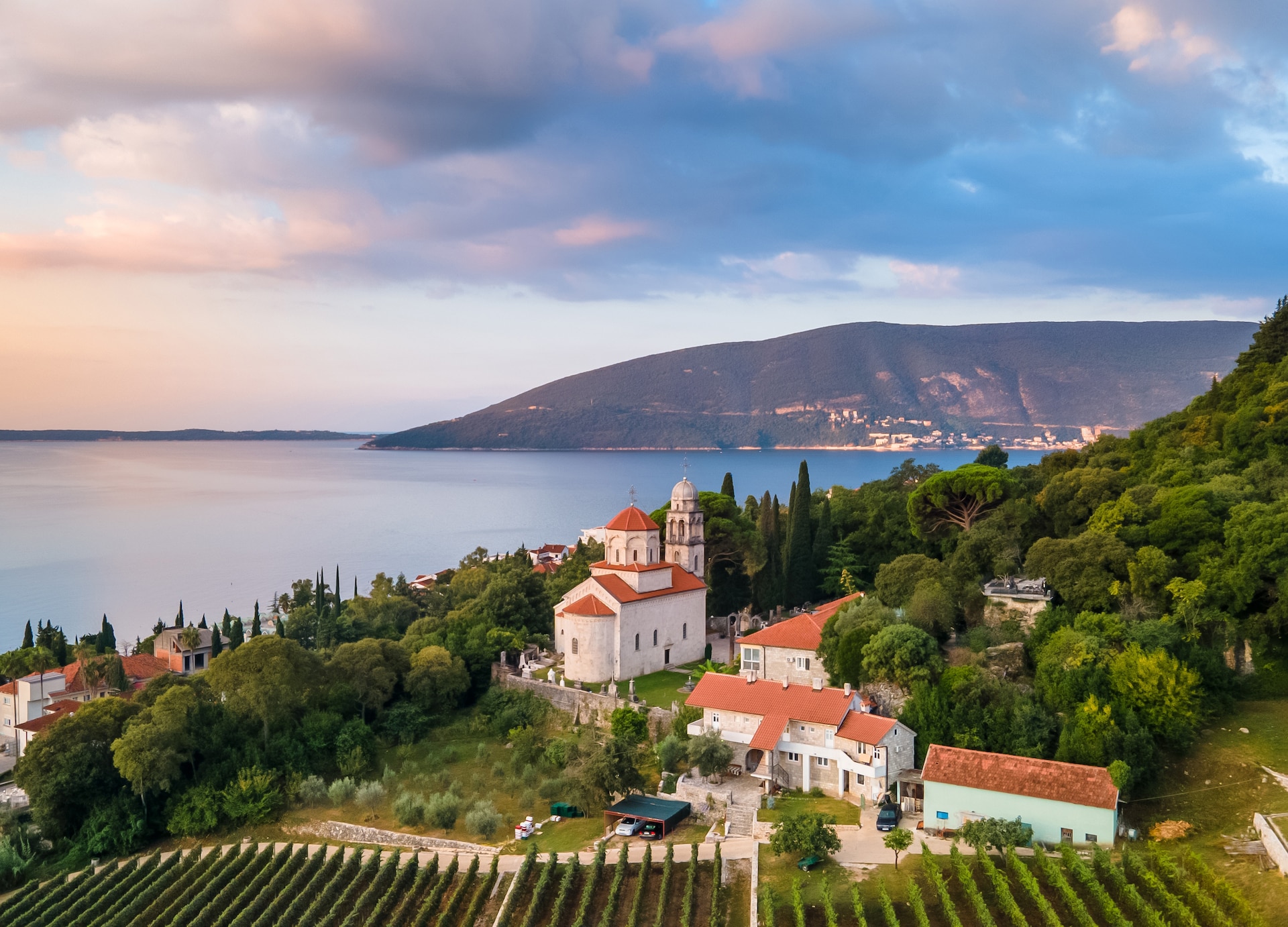
The best time to visit Montenegro is from May to early October, when the weather is warm, the Adriatic Sea is swimmable and coastal towns buzz with energy. These months deliver the ideal mix of sunshine, scenic hikes and seaside relaxation—without the full summer crowds of more well-known Mediterranean destinations.
Montenegro is a country of contrast—where dramatic mountain ranges tumble into sapphire waters and medieval towns meet modern marina life. Whether you’re drawn to the beaches of Budva, the bay views of Kotor or inland adventures in Durmitor National Park, here’s your full guide to the weather in Montenegro and the best time to experience it all.
Spring in Montenegro (March–May)

Best for: Sightseeing, nature walks and fewer crowds
Average temperatures: 54°F (12°C) in March to 72°F (22°C) in May
Spring is a wonderful time to explore Montenegro’s mix of coastline, countryside and mountain villages. The weather in Montenegro during this season starts cool but warms quickly by May, making it great for hiking and road-tripping before the summer crowds arrive.
From the blooming Bay of Kotor to peaceful Old Town strolls in Budva, spring delivers long daylight hours and a peaceful atmosphere. It’s also a great time to explore inland gems like Cetinje or Lake Skadar.
Key Events and Activities:
- Mimosa Festival in Herceg Novi (February–March)
- Biking and hiking around Lake Skadar
- Exploring the fortified towns of Kotor and Perast
- Birdwatching in Skadar Lake National Park
- Local Easter celebrations (Orthodox and Catholic dates may vary)
Summer in Montenegro (June–August)

Best for: Beach time, nightlife, festivals and full coastal life
Average temperatures: 79°F (26°C) in June to 88°F (31°C) in August
If you’re craving that sun-soaked Mediterranean escape, summer is the best time to visit Montenegro. The beaches are lively, the sea is crystal-clear and seaside towns like Budva, Ulcinj and Petrovac are in full swing. Expect a lively atmosphere with concerts, beach bars and plenty of action along the coast.
The weather in Montenegro during summer is hot and dry, especially in July and August. While it’s also the busiest time of year, the coastline handles the influx well—and there are plenty of quiet corners if you know where to look (like Drobni Pijesak or the Luštica Peninsula).
Key Events and Activities:
- Sea Dance Festival (August) – an international music fest on Jaz Beach
- KotorArt (July–August) – a prestigious art and music festival
- Sunset swims and cocktails in Budva
- Whitewater rafting in the Tara River Canyon
- Boat trips to the Blue Cave or Our Lady of the Rocks island
Fall in Montenegro (September–November)

Best for: Warm seas, wine harvests and a slower pace
Average temperatures: 80°F (27°C) in September to 60°F (16°C) in November
Autumn in Montenegro is a hidden gem. September still offers warm, sunny beach days, but with fewer tourists. By October, the coast grows quieter and the mountains start to change color—perfect for scenic drives and cool-weather hikes.
The weather in Montenegro in early fall is still very pleasant, especially along the Adriatic coast. You can enjoy the tail end of swimming season while also taking in vineyard tours and seasonal produce festivals inland.
Key Events and Activities:
- Grape and Wine Festival in Virpazar (September)
- Kotor International Fashion Festival (September)
- Swimming and kayaking in the Bay of Kotor
- Exploring Lovćen National Park with fall foliage
- Visiting the Ostrog Monastery in cooler weather
Winter in Montenegro (December–February)
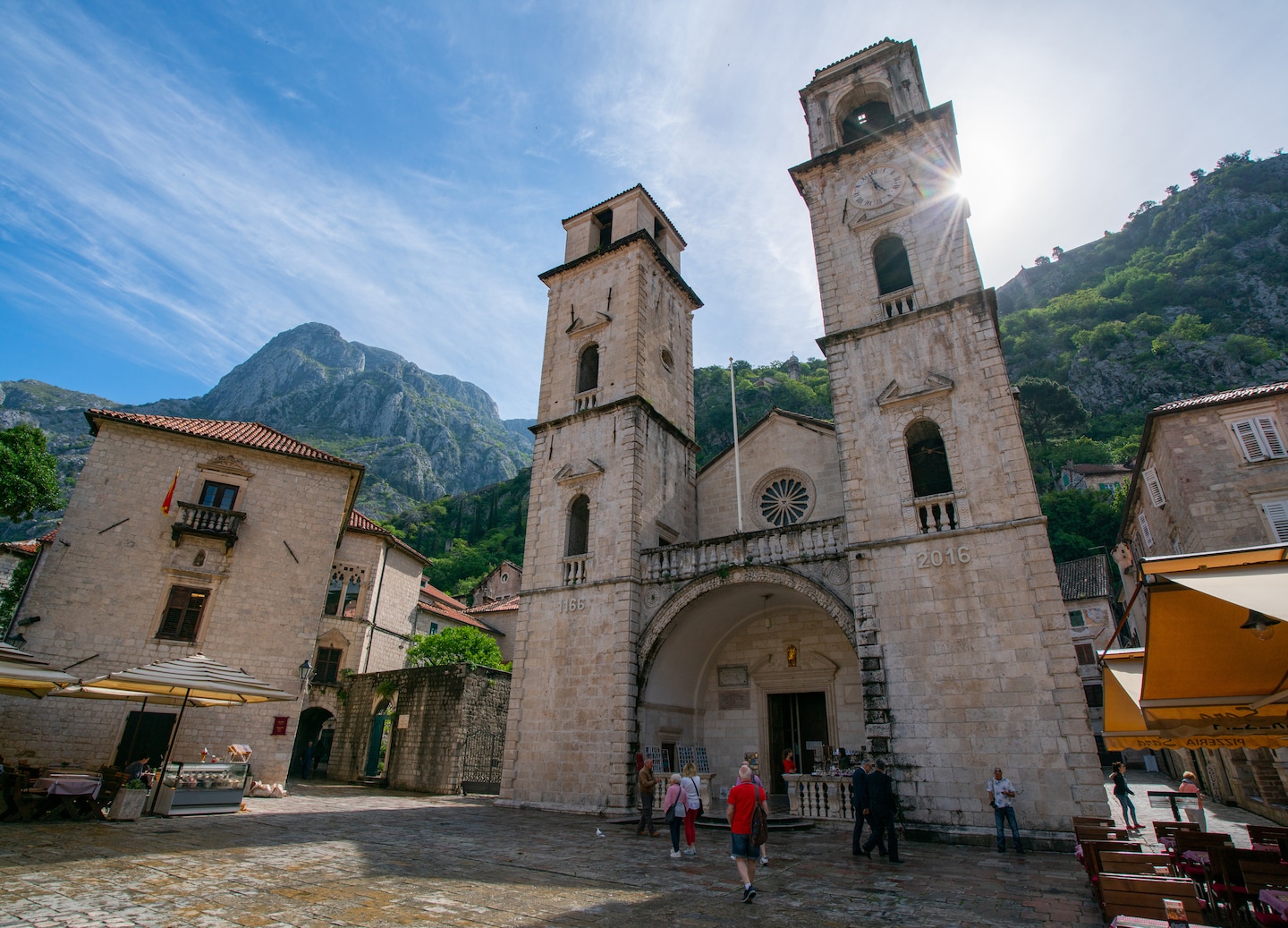
Best for: Mountain escapes, skiing and cultural experiences
Average temperatures: 48°F (9°C) in December to 40°F (4°C) in February (lower in the mountains)
While Montenegro’s coast quiets down in winter, its mountains come alive. Ski season kicks off in areas like Kolasin and Žabljak, where powdery slopes attract locals and in-the-know travelers. Inland villages offer a glimpse into local traditions, Orthodox holiday celebrations and a much slower pace.
The weather in Montenegro varies significantly between the coast and the mountains in winter. While coastal towns like Kotor and Bar remain milder, the north is cold and snowy—ideal for winter sports or scenic retreats.
Key Events and Activities:
- Skiing and snowboarding in Durmitor and Bjelasica
- Orthodox Christmas and Epiphany festivals (January)
- New Year’s concerts in Podgorica and coastal towns
- Visiting Cetinje for Montenegrin heritage and museums
- Winter photography in UNESCO-protected Kotor Bay
Want to Explore More of Montenegro?From historic towns to artisan finds, there’s plenty more to discover. Learn what Montenegro is known for or explore what to buy in Kotor, Montenegro for local treasures that capture the spirit of this Adriatic gem.
Frequently Asked Questions
What is the best time to visit Montenegro?
The best time to visit Montenegro is from May to early October, when the weather is warm, the Adriatic is swimmable and towns like Kotor and Budva are in full swing without peak-season crowds.
What is the weather like in Montenegro year-round?
The weather in Montenegro is Mediterranean along the coast and continental in the mountains. Summers are hot and dry, while winters are mild on the coast and snowy inland.
Can you swim in Montenegro in September?
Yes! September is still perfect for swimming in Montenegro. The sea remains warm and the beaches are far less crowded than in July or August.
Is Montenegro crowded in summer?
Yes, July and August bring the most tourists, especially to Budva, Kotor and Herceg Novi. For a quieter trip, visit in June or September when the weather is still ideal but the crowds are smaller.
Is Montenegro good for skiing?
Absolutely. Montenegro has two main ski areas—Durmitor (Žabljak) and Bjelasica (Kolašin)—offering slopes from December to March, with reliable snow and fewer crowds than more famous European resorts.
Is there a rainy season in Montenegro?
Montenegro’s wettest months are typically November through January, especially along the coast and in mountainous regions. Spring and summer are mostly dry and sunny.
Keep Exploring Kotor, Montenegro
Want to learn more about this gem? Check out these guides to plan your next trip:
- Kotor, Montenegro Shore Excursions - Uncover the best of Kotor with shore excursions that take you on unforgettable adventures.
- What to Buy in Kotor, Montenegro - Discover the best souvenirs, from Montenegrin wine to hand-painted ceramics.
/overview/scenic-panorama-view-historic-town-perast-famous-bay-kotor.jpg?$800x450$)