Florence is the heart of Tuscany and a must-visit for travelers drawn to Renaissance art, rich history and iconic architecture. From strolling the cobbled streets of the historic center to admiring masterpieces in the Uffizi Gallery, every season in Florence offers a unique experience.
While the city is a year-round destination, the best time to visit Florence, Italy is late September through October for ideal weather and fewer crowds — but depending on whether you’re seeking art-filled sightseeing, outdoor café culture or quiet museum visits, every season offers something special.
Here’s a detailed look at each season to help you plan your perfect Florence getaway.
Spring: March to May
Best for: Pleasant Weather & Cultural SightseeingAverage temperatures: 50°F to 72°F (10°C to 22°C)
Spring breathes new life into Florence. With mild temperatures and blooming gardens, it’s a wonderful time to explore museums, piazzas and scenic viewpoints without the intensity of summer crowds.
Key Events & Activities:
- Uffizi & Accademia Galleries: Visit iconic art museums to see works by Botticelli, Michelangelo and Da Vinci before peak season lines build up.
- Boboli Gardens & Bardini Gardens: Enjoy spring blooms while wandering through historic Renaissance gardens.
- Scoppio del Carro (Explosion of the Cart): Delight in a unique Easter Sunday tradition, featuring fireworks in front of Florence Cathedral.
- Outdoor Dining: Relax in café terraces at Piazza della Signoria and Piazza Santo Spirito.
Spring offers a perfect mix of cultural activities and outdoor enjoyment, making it one of the best times for a first-time visit.
Summer: June to August

Best for: Festivals, Evening Strolls & Open-Air EventsAverage temperatures: 75°F to 90°F (24°C to 32°C)
Summer in Florence brings long sunny days, vibrant festivals and plenty of energy. However, it’s also the busiest and hottest time of year, with many locals escaping to the coast.
Key Events & Activities:
- Calcio Storico Fiorentino (June): Experience Florence's historic (and intense) medieval soccer tournament in Piazza Santa Croce.
- Nighttime Views From Piazzale Michelangelo: Beat the daytime heat and enjoy panoramic sunsets over the city.
- Gelato Sampling: Cool off with Florence’s famous artisan gelato, especially in shops like Gelateria dei Neri.
- Evening River Walks: Stroll along the Arno River after sunset for a more peaceful, cooler experience.
While summer offers lively events and beautiful evenings, be prepared for high temperatures and large crowds in major attractions.
Autumn: September to November

Best for: Fewer Crowds, Wine Harvests & Comfortable SightseeingAverage temperatures: 55°F to 80°F (13°C to 27°C)
Autumn might be the best time to visit Florence, Italy. The weather remains pleasant, cultural events are in full swing and the summer crowds begin to fade.
Key Events & Activities:
- Wine Tours in Chianti: Enjoy excursions from Florence to nearby vineyards during Tuscany’s grape harvest season.
- Florence Biennale (October): Discover contemporary art exhibitions showcasing artists from around the world.
- Chestnut & Truffle Festivals: Explore local food markets celebrating autumn specialties in the surrounding countryside.
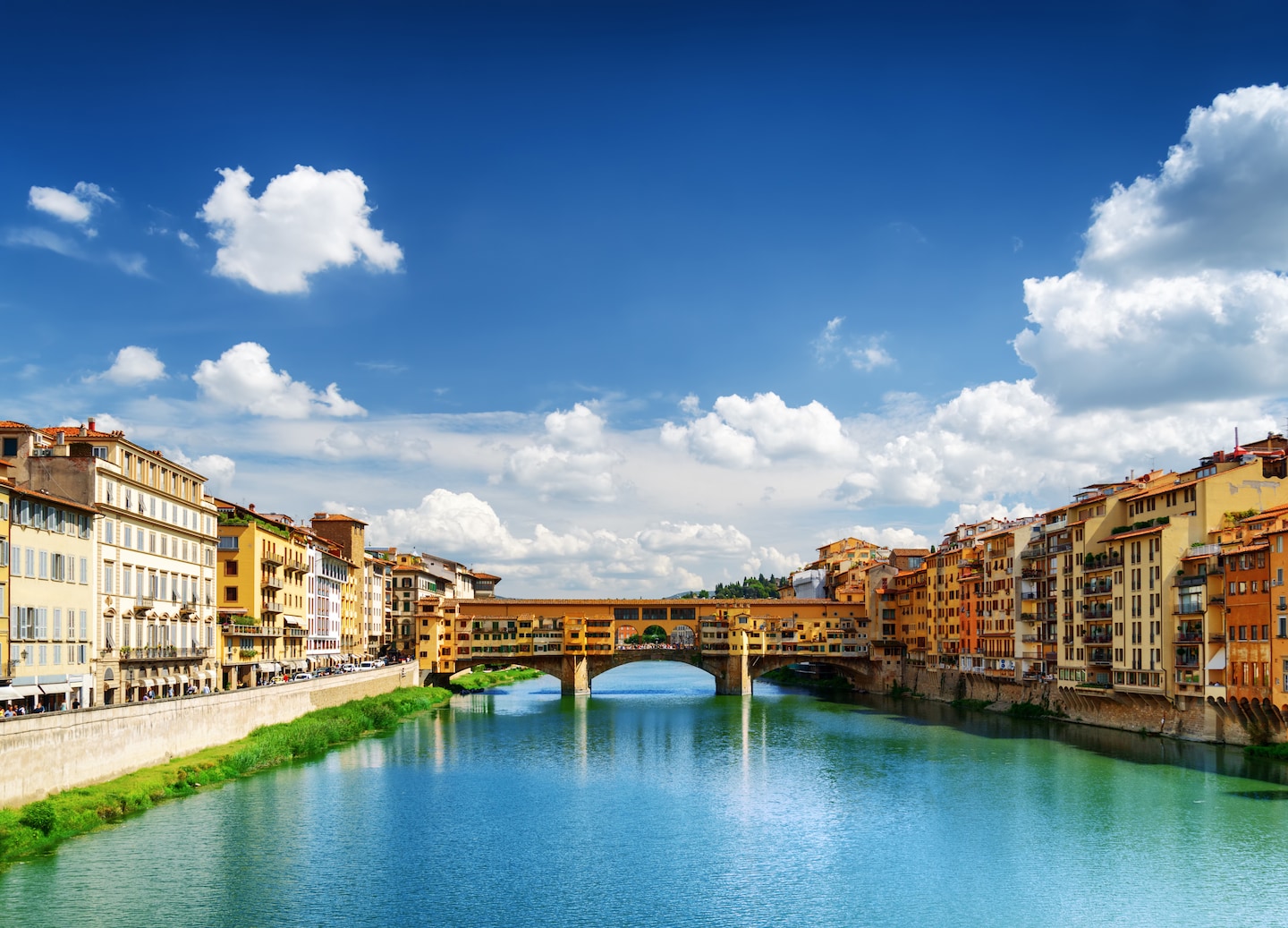
- Ponte Vecchio Strolls: With fewer tourists, the historic bridge becomes far more enjoyable for leisurely walks and photos.
Autumn offers the best of Florence’s culture and cuisine with more breathing room for relaxed exploration.
Winter: December to February

Best for: Art Lovers, Holiday Markets & Budget-Friendly VisitsAverage temperatures: 40°F to 55°F (4°C to 13°C)
Winter in Florence is quieter but still enchanting. While it’s too chilly for al fresco dining, it’s the perfect time to dive into museums and experience the city’s festive charm.
Key Events & Activities:
- Christmas Markets (December): Visit festive markets in Piazza Santa Croce, featuring artisan gifts, mulled wine and seasonal treats.
- Art Without the Crowds: Enjoy uncrowded visits to the Uffizi Gallery, Palazzo Pitti and Accademia Gallery.
- Florentine Steak Indoors: Warm up with a hearty bistecca alla fiorentina in traditional trattorias.
- Budget-Friendly Travel: Lower hotel rates and flight prices make winter a smart choice for value-conscious travelers.
Winter is ideal for travelers who prioritize art, history and a more intimate Florence experience without the tourist rush.
When is the Best Time to Visit Florence, Italy?
For a well-balanced experience of great weather, cultural events and fewer crowds, the best time to visit Florence, Italy is late September through October. You’ll enjoy warm days perfect for sightseeing, vibrant local festivals and the beauty of Tuscany’s autumn harvest season. Whether you're exploring art treasures, savoring regional cuisine or strolling scenic streets, early fall provides the most rewarding Florence adventure.
FAQs: Visiting Florence
1. What is the best month to go to Florence?
The best month to visit Florence is October, when the weather is mild and crowds are smaller than in summer. Autumn also brings wine harvest festivals and cultural events that showcase Tuscany at its best.
2. What is the cheapest time to visit Florence, Italy?
The cheapest time to visit Florence is in winter (December to February), when hotels and flights drop in price. While it’s cooler, you’ll enjoy quieter museums, festive markets and fewer tourists in the historic center.
3. What are the hottest months in Florence?
July and August are the hottest months in Florence, with daytime highs often reaching 90°F (32°C) or more. Many locals leave for the coast, so attractions feel busy with tourists and midday sightseeing can be uncomfortable.
4. What are the rainiest months in Florence?
The rainiest months in Florence are October and November, with more frequent showers than other seasons. Rain is usually steady but manageable, making it a good time for museum visits and cozy trattorias.
5. When is Florence least crowded?
Florence is least crowded in January and February after the holiday season. Attractions like the Uffizi Gallery and Accademia are far easier to enjoy without long lines.
6. Is Florence expensive to visit?
Florence is more expensive in spring and summer, when demand for hotels and tours is highest. Traveling in the off-season or early autumn often brings better value without sacrificing good weather.
7. Can you visit Florence in December?
Yes, December is a lovely time to visit Florence, with festive markets, holiday lights and fewer tourists. While it’s chilly, the atmosphere is cozy and indoor attractions like museums and cathedrals are at their best.
8. How many days do you need in Florence?
Most travelers need at least three days in Florence to see highlights like the Uffizi, Duomo, Ponte Vecchio and Accademia. Staying longer allows time for day trips to Tuscan towns and vineyards.