Germany is a destination that transforms with the seasons — vibrant spring blooms, sun-soaked rivers in summer, golden vineyards in autumn and festive charm in winter. Whether you're planning a river cruise, a cultural deep-dive or a cozy getaway, timing your trip makes all the difference.
Here's a friendly guide to help you figure out the best time to visit Germany, with average temperatures, key activities and what to expect each season.
Spring: March to May

Best for: Flowers, Mild Weather & Quieter Sights
Average temperatures: 41°F to 59°F (5°C to 15°C)
Spring breathes new life into Germany’s landscapes and cities. Parks are in bloom, outdoor cafés reopen and there’s a fresh, welcoming energy as the country warms up after winter.
Key Events & Activities:
- Frühlingsfest (Spring Festival): Celebrate Bavarian culture with carnival rides, beer tents and traditional food in cities like Stuttgart and Munich.
- Elbe River Excursions: Enjoy blooming scenery during river cruises or walking tours in Hamburg and Wismar.
- Cherry Blossoms: Catch early spring color in Bonn, famous for its stunning cherry tree-lined streets.
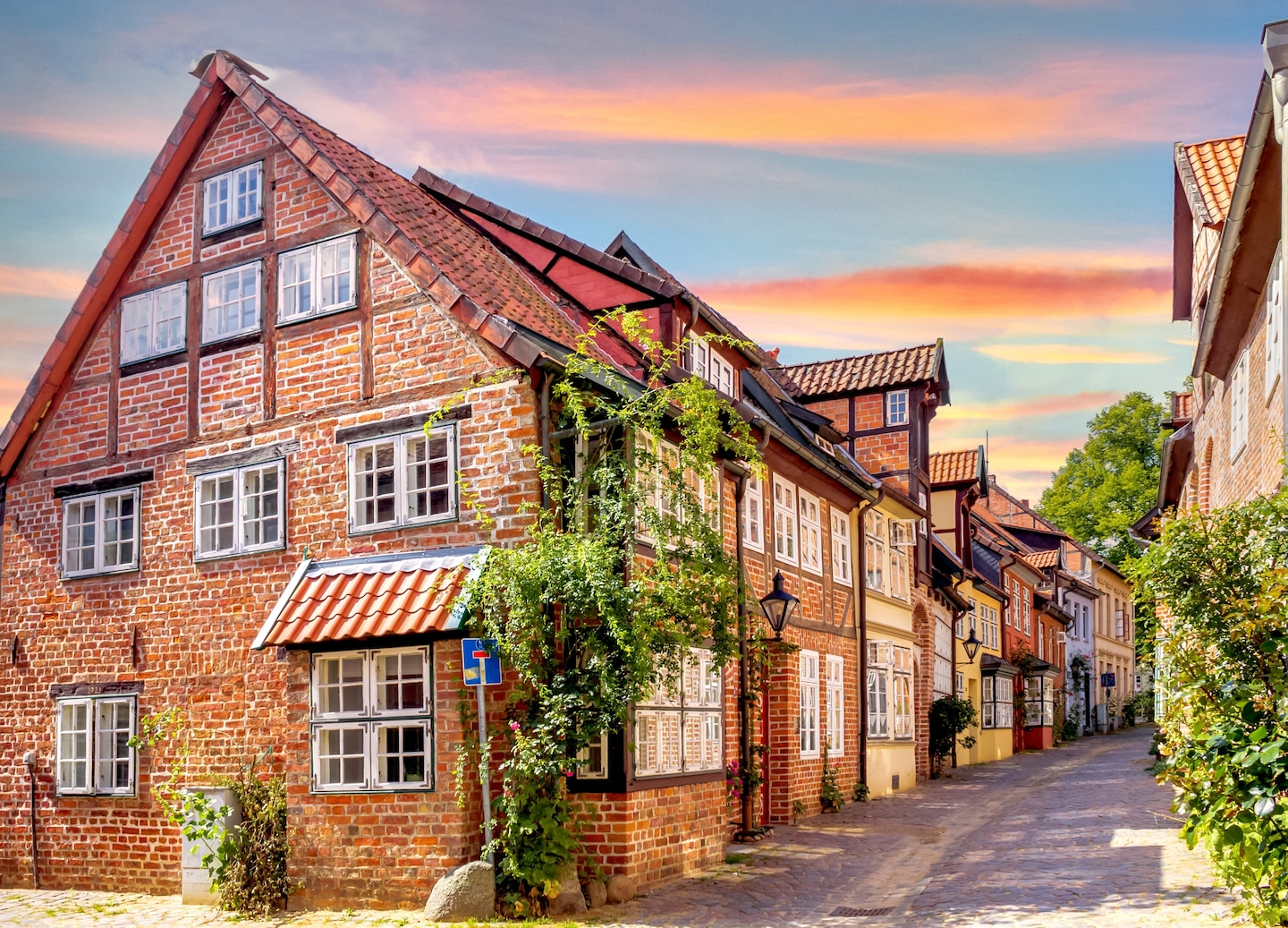
- City Sightseeing: Explore historic old towns like Lübeck and Rostock before summer crowds arrive.
Spring is ideal for sightseeing, especially if you want mild weather and smaller crowds without sacrificing cultural experiences.
Summer: June to August

Best for: Festivals, Long Days & Outdoor Adventure
Average temperatures: 66°F to 70°F (19°C to 21°C)
Germany comes alive in summer. From bustling beer gardens to riverside cycling paths and music festivals, it’s the most active time of year — and often the most popular.
Key Events & Activities:
- Open-Air Concerts & Theater: Enjoy everything from classical music to rock festivals in cities like Berlin, Hamburg and Dresden.
- Baltic Sea Excursions: Visit beach towns from Rostock or enjoy a relaxed day trip to the charming island of Warnemünde.
- Rhine River Castles: Cruise past vineyards and castle-topped cliffs on a sunny day from ports like Rüdesheim.
- Local Beer & Wine Tastings: Join shore excursions that visit breweries and wineries in picturesque countryside towns.
With its lively atmosphere, summer is perfect if you're seeking energy, sunshine and a calendar full of events.
Autumn: September to November

Best for: Wine Festivals, Fall Foliage & Fewer Tourists
Average temperatures: 41°F to 61°F (5°C to 16°C)
If you're looking for the best time to visit Germany, early autumn is a standout. The air is crisp and pleasant, the scenery is stunning and seasonal festivals offer the perfect blend of culture and flavor.
Key Events & Activities:
- Wine Festivals: Celebrate harvest season in Moselle Valley towns like Cochem or Bernkastel-Kues with tastings and music.
- Scenic River Cruises: Sail the Rhine or Elbe past golden vineyards and timber-framed villages.
- Oktoberfest (late September to early October): Even if you’re not in Munich, smaller regional versions offer the same festive spirit.
- Historic Town Tours: Explore cities like Bremen or Hamburg with crisp air and fewer crowds.
Autumn offers the perfect balance of good weather, cultural experiences and postcard-worthy scenery.
Winter: December to February
Best for: Christmas Markets, Cultural Charm & Budget-Friendly Travel
Average temperatures: 34°F to 36°F (1°C to 2°C)
Winter transforms Germany into a festive wonderland. Twinkling lights, cozy cafés and traditional food make this season especially inviting for culture lovers and holiday travelers.
Key Events & Activities:
- Christmas Markets: Visit iconic markets in Cologne, Hamburg and Kiel, featuring handcrafted goods, mulled wine and regional treats.
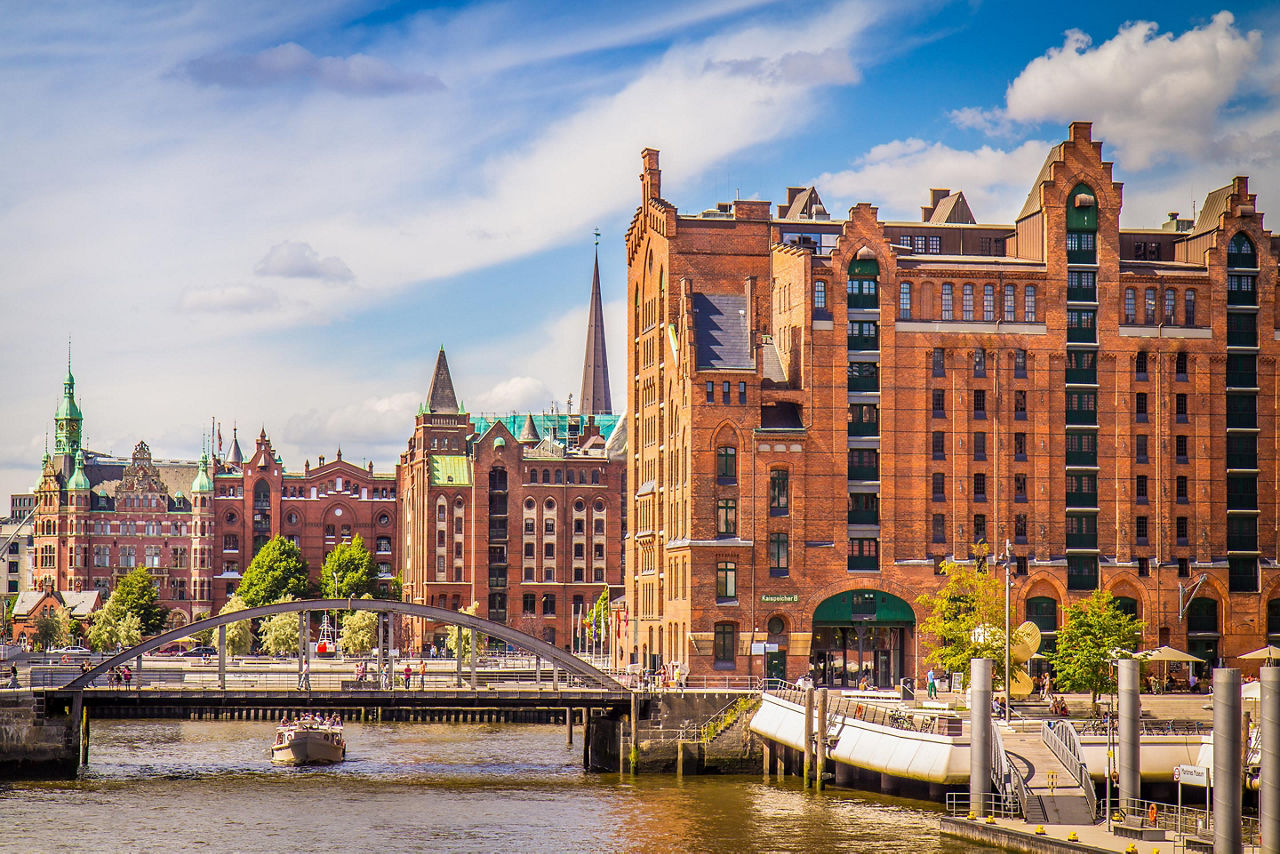
- Harbor Cruises in Hamburg: See the historic port and Speicherstadt warehouse district lit up with winter lights.
- Museums & Indoor Attractions: Warm up in world-class museums or catch a classical concert in cities like Leipzig or Dresden.
While it’s chilly, winter offers a cozy and cultural experience, with holiday traditions that make Germany feel straight out of a snow globe.
When is the Best Time to Visit Germany?
For a perfect mix of pleasant weather, stunning landscapes, local festivals and fewer tourists, the best time to visit Germany is September. Early fall offers golden vineyards, sunny afternoons and plenty of seasonal events — from wine festivals to river cruises — making it the ideal month for a well-rounded and memorable trip.