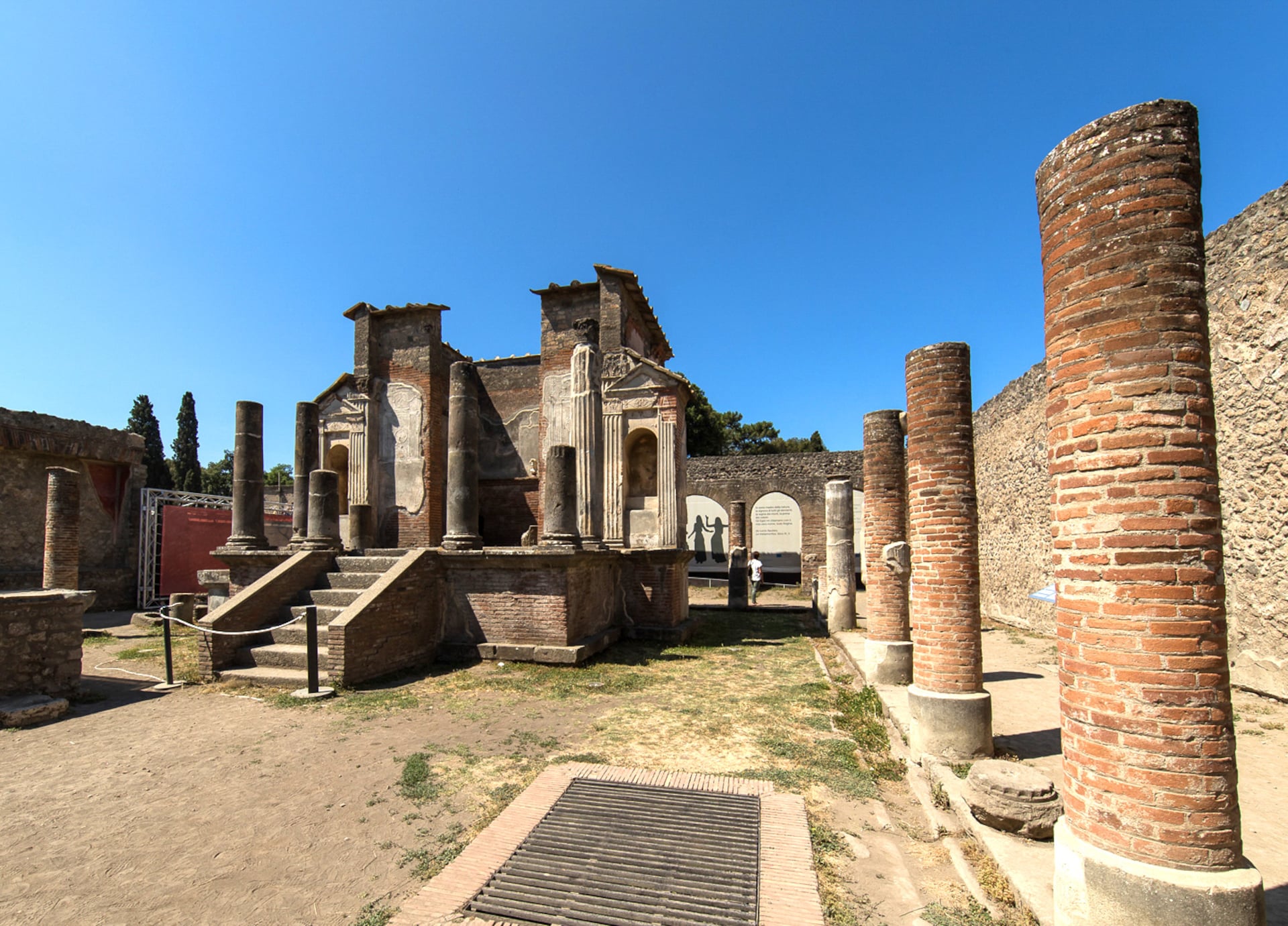
The ruins of Pompeii are one of the most fascinating archaeological sites in the world. Frozen in time by the eruption of Mount Vesuvius in 79 AD, this ancient Roman city offers a rare glimpse into everyday life nearly two thousand years ago.
Located near Naples in southern Italy, Pompeii was once a thriving Roman town filled with homes, shops, temples and bathhouses. When Mount Vesuvius erupted, volcanic ash buried the city, preserving streets, buildings and artifacts for centuries.
Today, travelers can walk through the remarkably preserved Pompeii ruins, explore ancient streets and see the dramatic remains of one of history’s most famous natural disasters. Whether you join a guided Pompeii tour or explore sections independently, visiting Pompeii is an unforgettable experience.
What Are the Ruins of Pompeii?
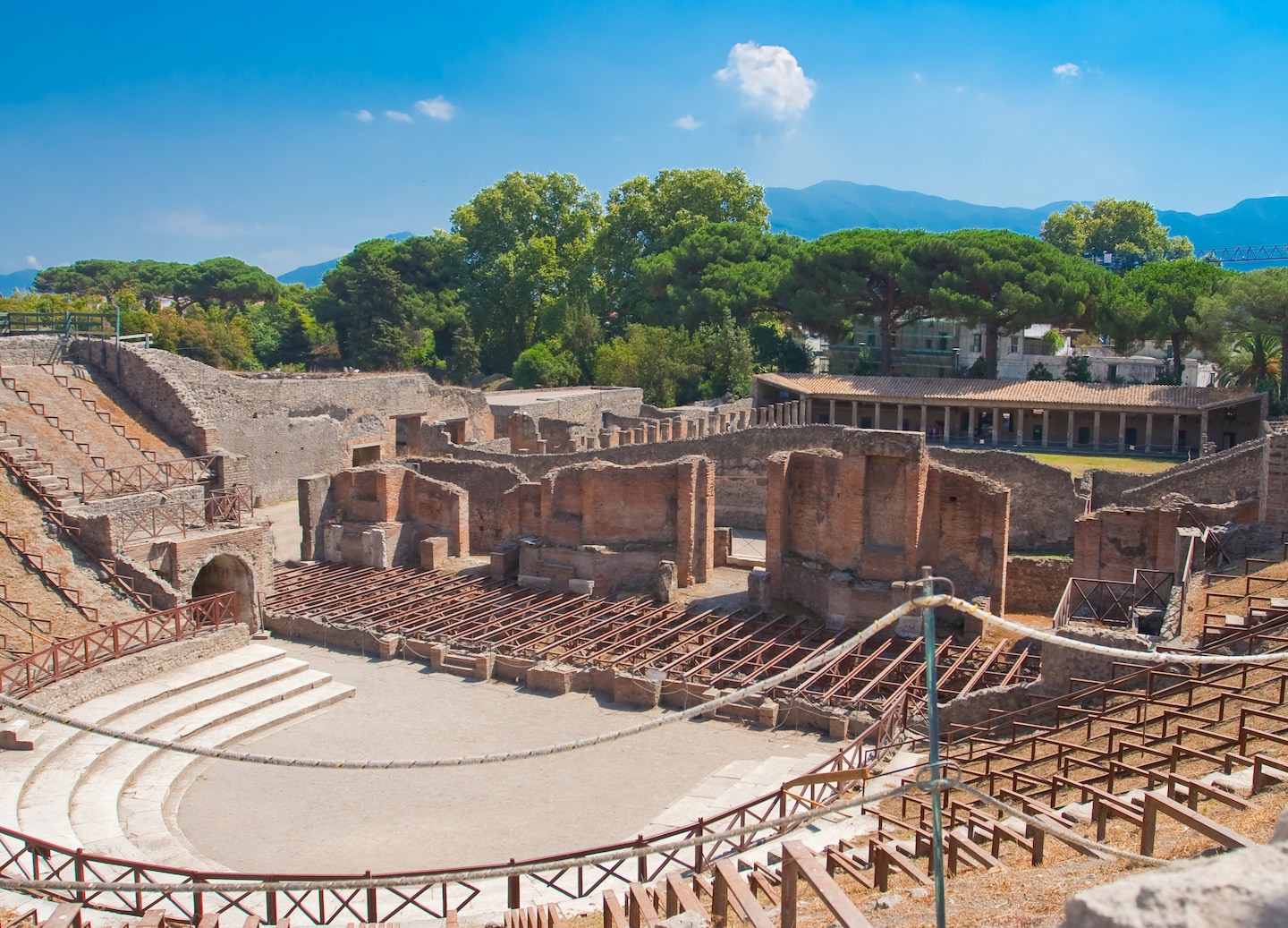
The ruins of Pompeii are the preserved remains of an ancient Roman city that was buried by a volcanic eruption in 79 AD.
Pompeii was a prosperous town with markets, villas, temples and public baths. When Mount Vesuvius erupted, ash and pumice buried the city under more than 20 feet of volcanic material. Over time, the buried city was forgotten until excavations began in the 18th century.
Today, Pompeii is one of the most important archaeological sites in the world and a UNESCO World Heritage Site. Visitors can walk through the ancient streets and see buildings, frescoes and everyday objects that reveal what life was like in Roman times.
What to Expect When Visiting the Pompeii Ruins

Visitors can explore ancient streets, houses, temples and public buildings while learning about life in the Roman Empire.
Pompeii is a large archaeological site that covers more than 150 acres. Walking through the ruins feels like stepping into a Roman city frozen in time.
Highlights of visiting the Pompeii ruins include:
- Walking through ancient Roman streets
- Seeing preserved homes and villas
- Visiting Roman baths and temples
- Viewing frescoes and mosaics
- Exploring the city’s forum and public squares
- Seeing plaster casts of Pompeii residents preserved by volcanic ash
Many visitors are surprised by how large the site is. Exploring Pompeii allows you to imagine what daily life looked like in a Roman city nearly 2,000 years ago.
The Best Time to Visit the Pompeii Ruins
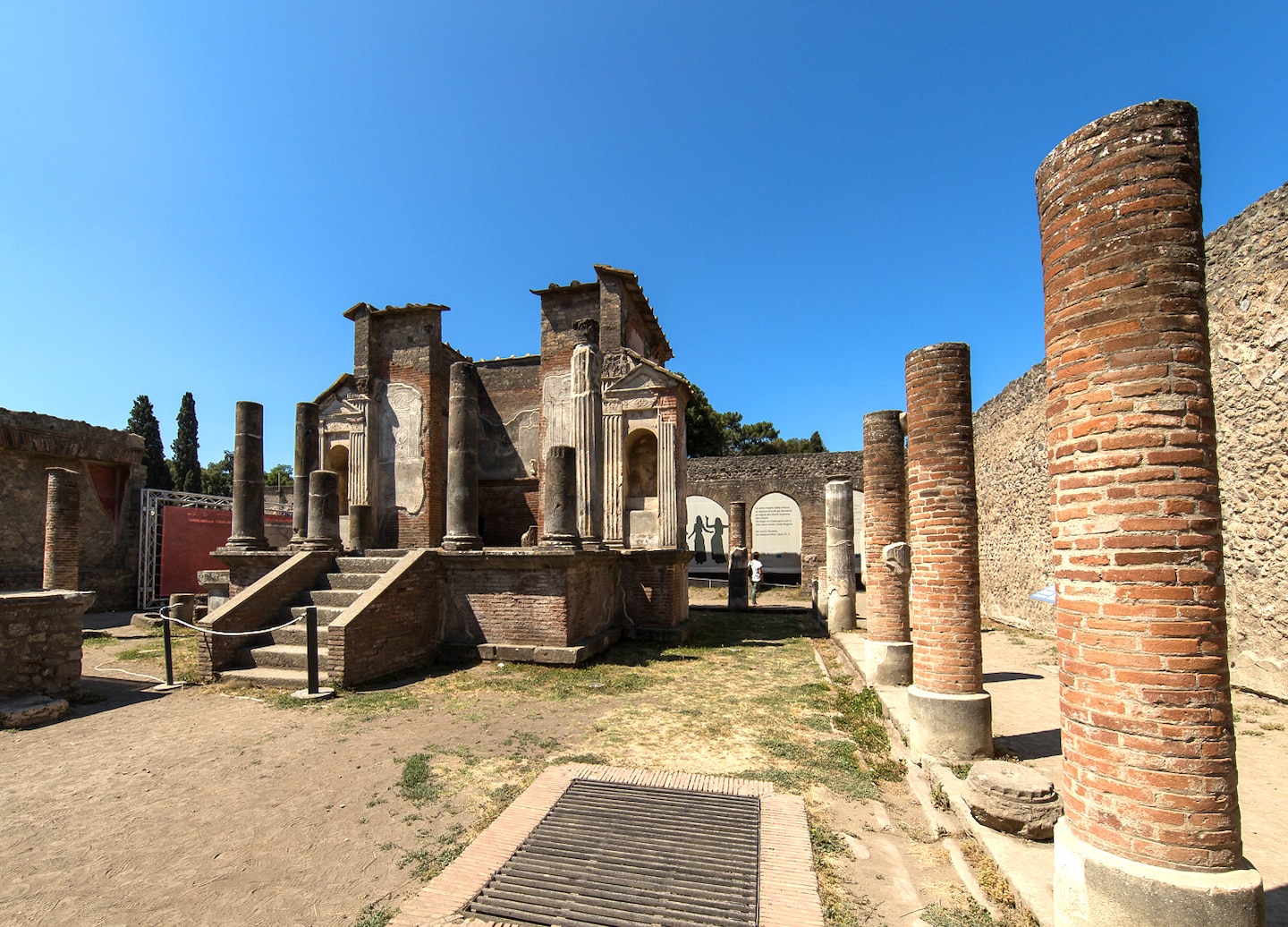
The best time to visit Pompeii is early in the morning or later in the afternoon when crowds are smaller. Pompeii is one of Italy’s most popular historic attractions, so visiting early often provides a more relaxed experience.
Spring and fall are excellent seasons to visit because the weather is comfortable for walking through the ruins. During summer, temperatures can become very hot since much of the site has little shade.
Bringing water, sunscreen and comfortable walking shoes can make exploring Pompeii much more enjoyable.
Are the Pompeii Ruins Worth Visiting?
Yes, the ruins of Pompeii are considered one of the most important archaeological sites in the world.
The city’s preservation allows visitors to see Roman homes, streets and public buildings in incredible detail. Unlike many ancient ruins, Pompeii gives travelers a clear sense of how a Roman city once functioned.
For history lovers, the site offers an unforgettable opportunity to walk through a place that was dramatically shaped by one of history’s most famous volcanic eruptions.
How Much Time Does It Take to Visit Pompeii?
Most visitors spend two to four hours exploring the Pompeii ruins. The site is large and there are many buildings and landmarks to see. Some travelers focus on key areas such as the forum, bathhouses and villas, while others spend half a day exploring more of the ancient streets.
Many travelers visit Pompeii as part of Pompeii tours or day excursions that combine the ruins with nearby destinations such as Sorrento or Mount Vesuvius.
Do You Need Tickets to Visit the Pompeii Ruins?
Yes, visitors need tickets to enter the Pompeii archaeological site. Tickets allow visitors to explore large sections of the ruins, including streets, homes and public buildings. Because Pompeii is such a popular destination, purchasing tickets in advance is often recommended.
Guided Pompeii tours may include entry tickets as part of the experience.
How Much Does It Cost to Visit Pompeii?
Admission to Pompeii usually requires a paid ticket, although prices vary depending on ticket types and visitor categories.
Standard tickets allow access to the main archaeological site, while some experiences may include guided tours or additional areas.
Because ticket prices occasionally change, checking the latest information before your visit is recommended.
Can You Visit Pompeii Without a Tour?
Yes, visitors can explore Pompeii independently. Many travelers enjoy walking through the ruins at their own pace using maps or audio guides. However, because the site is so large and filled with historical details, guided Pompeii tours are a popular option.
A knowledgeable guide can explain the history of the eruption, the layout of the city and the significance of many buildings throughout the site.
What Are the Rules for Visiting Pompeii?
Visitors should follow several guidelines while exploring the Pompeii ruins.
Common rules include:
- Stay on designated walking paths
- Do not climb on ruins or historic structures
- Respect preservation areas and artifacts
- Wear comfortable shoes for uneven terrain
- Follow instructions from guides or site staff
These rules help protect the historic site so future generations can experience Pompeii.
Is Pompeii Wheelchair Accessible?
Some areas of Pompeii are accessible for visitors with mobility needs.
Certain paths within the archaeological site have been paved to make navigation easier for wheelchairs and visitors with limited mobility. However, some areas still contain uneven stones and ancient pathways.
Accessible tours and routes allow more visitors to experience this historic site.
What Is the Best Way to Visit the Pompeii Ruins?
One of the best ways to explore the Pompeii ruins is through guided Pompeii tours or archaeological excursions. Because the site is large and full of historical details, guided experiences help visitors better understand what they are seeing while exploring the ancient city.
Here are a few memorable Pompeii tours and sightseeing experiences available through a cruise that bring the history of the ruins to life.
The Ruins of Pompeii
Uncover the fascinating history of Pompeii during a guided walking tour through the ancient Roman city beneath Mount Vesuvius. Walk through the historic forum, see temples, villas and Roman baths and view artifacts recovered from the eruption that buried the city in 79 AD. The experience also includes dramatic views of Mount Vesuvius overlooking the archaeological site.
Glimpse of Pompeii
Explore Pompeii on a guided walking route designed to accommodate wheelchairs and visitors with mobility needs. Your guide leads you along a paved path through the ancient city while sharing stories about the eruption of Mount Vesuvius and the lives of Pompeii’s residents. Along the way, you’ll see preserved architecture, artifacts and beautiful frescoes from the Roman era.
Taste of Sorrento & Pompeii
Combine the flavors of southern Italy with the history of Pompeii on a journey that includes the scenic town of Sorrento. Enjoy tastings of fresh mozzarella, salami and local specialties before exploring the ancient ruins of Pompeii on a guided tour. This experience blends cultural discovery with regional cuisine and historic exploration.
Tips for Visiting Pompeii
A few simple tips can make your visit more enjoyable.
- Wear comfortable walking shoes
- Bring water and sun protection
- Start your visit early in the day
- Consider joining a guided Pompeii tour
- Allow time to explore nearby towns
Because Pompeii is a large archaeological site, planning ahead can help you see more during your visit.
Pompeii FAQs:
1. What happened to Pompeii?
Pompeii was destroyed when Mount Vesuvius erupted in 79 AD, covering the city in ash, pumice and volcanic debris. The sudden burial preserved homes, streets, artwork and even human remains, creating one of the most remarkable archaeological sites in the world.
2. How big are the Pompeii ruins?
The Pompeii archaeological site covers more than 150 acres, making it one of the largest ancient Roman ruins ever discovered. Visitors can walk through miles of ancient streets and explore houses, temples, bathhouses and public squares.
3. Can you walk through the Pompeii ruins?
Yes, visitors can walk through large sections of the Pompeii ruins. Many ancient streets, buildings and courtyards are open to the public, allowing travelers to explore preserved homes, shops, bathhouses and the city’s central forum.
4. What is the best way to visit Pompeii?
The best way to explore Pompeii is often through a guided Pompeii tour or archaeological excursion. Guides help explain the history of the eruption, the layout of the ancient city and the significance of important landmarks throughout the ruins.
5. Can you visit Pompeii in one day?
Yes, most travelers visit Pompeii on a half-day or full-day trip. A typical visit lasts two to four hours, though some visitors spend longer exploring the archaeological site or combining Pompeii with nearby destinations such as Sorrento or Mount Vesuvius.
6. Do you need a guide for Pompeii?
You can explore Pompeii on your own, but many visitors prefer a guided Pompeii tour. Guides provide historical context, explain the ruins and help visitors understand how the ancient Roman city functioned before the eruption.
7. What are the most famous things to see in Pompeii?
Some of the most famous sights in Pompeii include the Forum, the Amphitheater, the House of the Faun, Roman bathhouses and preserved plaster casts of victims from the eruption of Mount Vesuvius.