

A fjord is a long, narrow inlet of the sea that fills a valley carved by glaciers. Fjords are typically deep, with steep sides that rise above the water. Norway is especially well known for them, with waterways that reach far inland between mountains and coastal communities.
You may recognize Norway’s fjords from photos of blue water beneath towering cliffs. Visiting gives you a closer look at the details, including waterfalls, hillside farms and villages along the shore. On a cruise to Norway, you can explore a fjord by sightseeing boat, join a faster RIB adventure or head into the mountains for a view from above.
How Are Fjords Formed?

Fjords form when glaciers carve deep valleys that later fill with seawater. During past ice ages, thick, moving ice widened and deepened existing valleys as it traveled toward the coast.
The process took place over long periods:
- Glaciers moved through valleys: The weight and movement of the ice wore away the rock beneath and beside it.
- The valleys became deeper and wider: Glacial erosion created the broad floors and steep sides associated with U-shaped valleys.
- The ice retreated: As glaciers melted back, they exposed the landscape they had carved.
- Seawater entered the valleys: Valleys connected to the ocean filled with water, forming fjords.
The cliffs you see above the surface are only part of that landscape. The valley continues below the water, which helps explain why a fjord can be so deep close to shore.
Is a Fjord Salt Water or Fresh Water?
A coastal fjord contains seawater because it connects to the ocean. Rivers, rainfall and melting snow or glaciers also bring fresh water into it.
That fresh water is less dense than salt water, so it often forms a less-salty layer near the surface. Deeper water can remain much saltier.
Despite looking like a mountain lake, a fjord is an arm of the sea. As you travel inland, the surrounding mountains can hide that connection from view.
Why Is Norway Known for Its Fjords?
Norway’s western coast was shaped by repeated periods of glaciation. Moving ice carved valleys through the mountainous landscape, leaving a coastline with long inlets and branching waterways.
The fjords are also places where people live and work. Villages, farms, harbors and ferry routes are part of the scenery, alongside the cliffs and waterfalls.
On a boat trip, you can see how communities fit into the available land. Some sit on gentler slopes beside the water, while others occupy small areas between the shoreline and the mountains. It’s an interesting part of the view that’s easy to miss in photographs focused only on the peaks.
What Is the Difference Between a Fjord & a Lake?
A coastal fjord connects to the sea and occupies a glacier-carved valley. A lake is an inland body of water surrounded by land.
Both can have steep mountain sides, clear water and glacial origins. Their appearance alone does not always make the difference obvious.
A map helps. Follow a fjord’s branches toward the coast and you’ll find its connection to the ocean. In Norway, smaller fjord arms can join larger ones, creating a network of waterways that stretches well inland.
Which Fjords Can You Explore From Stavanger & Skjolden?
Stavanger and Skjolden offer access to different fjord settings. Stavanger is a starting point for trips to Lysefjord, while Skjolden sits at the head of Lustrafjord, an arm of the larger Sognefjord.
Lysefjord

Lysefjord is known for its steep rock walls and Preikestolen, also called Pulpit Rock. This flat-topped cliff is one of the area’s best-known landmarks.
From a boat, you can look up at the cliff and see how it rises above the surrounding water. A hike offers a different perspective, with views along the fjord from high above.
If you’re deciding between the two, think about how you’d like to spend your day. A sightseeing cruise keeps the focus on the scenery, while a guided hike makes the walk part of the experience.
Lustrafjord
Lustrafjord extends toward Skjolden within the Sognefjord system. Mountains, villages and green slopes line its shores, and glacier meltwater contributes to its distinctive green coloring.
The setting gives you a different view of fjord country from Lysefjord’s exposed rock walls. Exploring from Skjolden brings you onto the water near the inland end of this extensive fjord system.
What Is It Like to Visit a Fjord by Boat?
A boat trip lets you see the shoreline without needing to climb above it. As the route follows the water, cliffs, smaller inlets and buildings come into view from different angles.
The type of boat makes a difference. A sightseeing vessel offers a more leisurely outing, while a RIB, or rigid inflatable boat, adds speed and an open-air ride.
For a first visit, choose the experience that suits your interests and comfort level. You can enjoy the fjord’s scale from either type of boat, but the pace and seating will be quite different.
Explore Norway’s Fjords on a Shore Excursion
Royal Caribbean offers several ways to explore fjord scenery from Stavanger and Skjolden. These excursions range from a relaxed cruise to faster boat rides and a guided mountain hike.
A Sightseeing Cruise Through Lysefjord
Lysefjord Cruise travels through the Stavanger archipelago and into Lysefjord with a guide. The excursion includes views of Pulpit Rock from the water, along with coastal scenery and rock formations.
Tea, coffee and waffles are included. If you’d like time to enjoy the views at an easygoing pace, this is a good place to start.
Lysefjord by RIB Boat

Lysefjord By RIB Boat explores the fjord aboard a high-speed rigid inflatable boat. The route includes views of Pulpit Rock from below, with steep rock walls rising beside the water.
The crew provides a safety briefing and protective equipment before departure. This option suits travelers who want a more active boat experience.
Hiking to Pulpit Rock
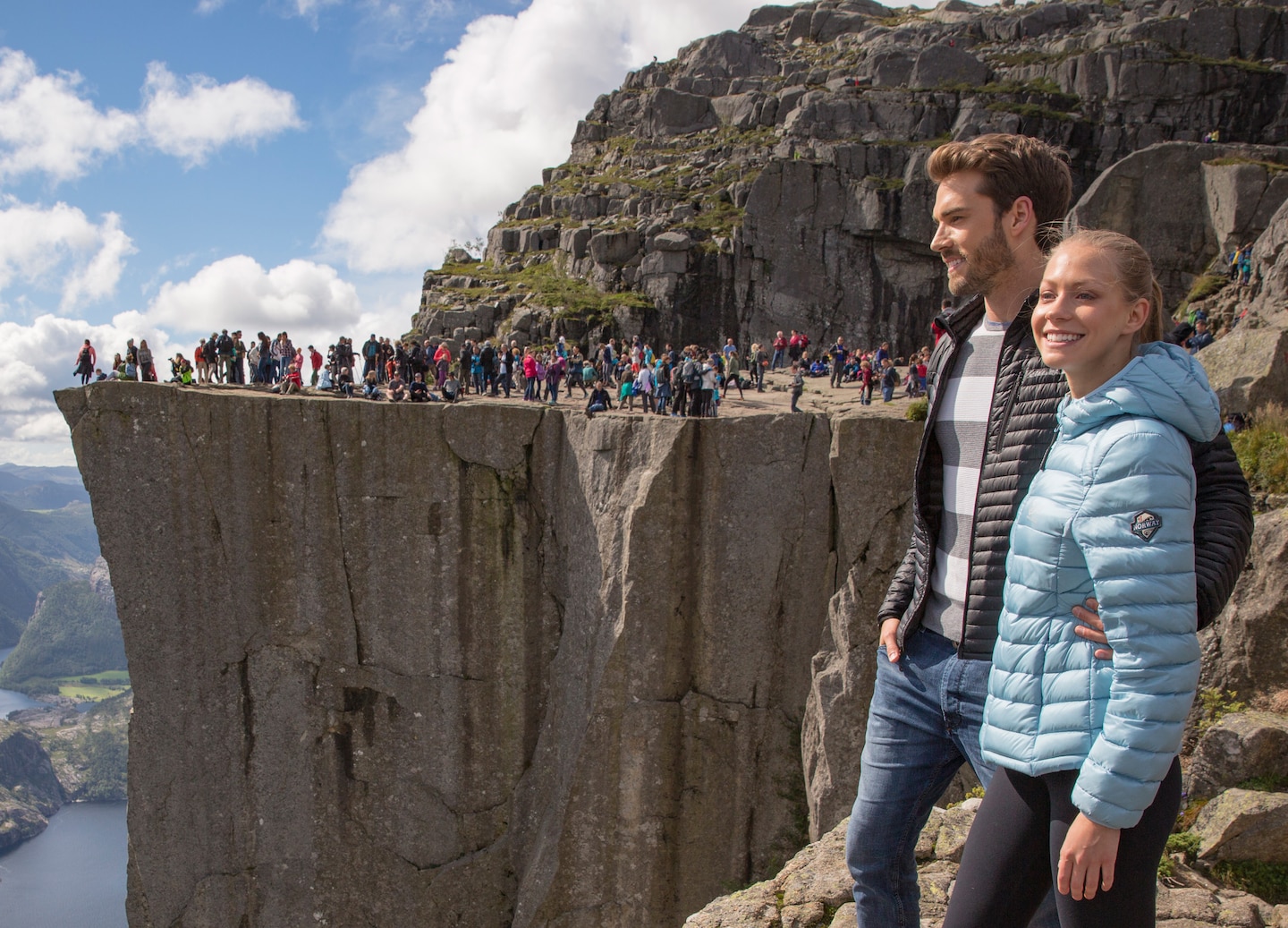
Pulpit Rock Adventure Hike follows mountain trails to the viewpoint above Lysefjord. A guide leads the walk through rocky terrain, with lakes and mountain scenery along the way.
This is a hiking excursion rather than a quick stop at an overlook. Review the walking demands before choosing it, especially if you’re comparing it with a boat tour.
A RIB Adventure From Skjolden
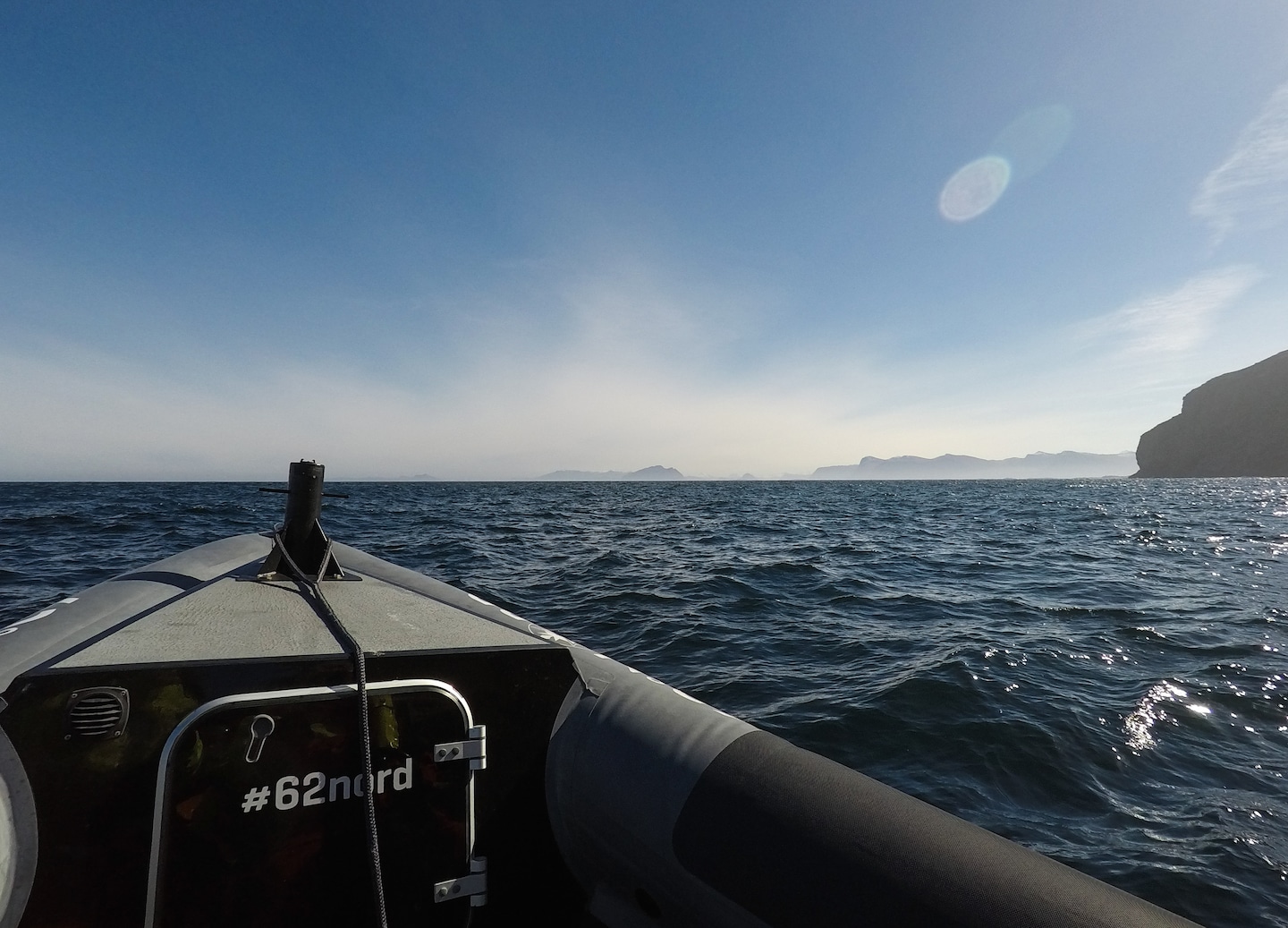
RIB Adventure takes travelers onto Lustrafjord for a high-speed excursion through the surrounding mountain scenery.
If your itinerary includes Skjolden, it offers another opportunity to experience a Norwegian fjord from the water. Check the excursion for your sailing for current availability, activity requirements and inclusions.
Discover Norway From the Water
Make time for a fjord excursion during your visit to Norway. You can enjoy the views with a coffee on a sightseeing cruise, head out on a faster boat ride or choose a hike that takes you above the water.
Explore cruises to Stavanger, Norway or Skjolden, Norway and find a fjord experience that fits your day ashore.
Frequently Asked Questions About Fjords
-
How do you pronounce fjord?
In English, “fjord” is commonly pronounced “fyord,” as one syllable. The “j” makes a sound similar to the “y” in “yes.”
-
Are fjords only found in Norway?
Fjords are found in several parts of the world, including Alaska, Canada, Greenland, Chile and New Zealand. They occur in coastal regions where glaciers carved valleys that later filled with seawater.
-
Does every fjord have a glacier at its end?
A fjord does not need to have a glacier at its end today. Many glaciers retreated long ago, leaving the valleys that became fjords. Other fjords still have glaciers reaching the water.
-
Do you need to hike to see Norway’s fjords?
You do not need to hike to see Norway’s fjords. Sightseeing cruises and other boat excursions provide views from the water. Hiking is a separate option for travelers who want to reach elevated viewpoints.
-
Are fjords always calm?
Fjords can have sheltered stretches of water, but conditions change with wind and weather. A fjord’s enclosed setting does not guarantee a smooth boat ride.
-
Can you explore Norway’s fjords on a cruise excursion?
Yes. Royal Caribbean offers fjord excursions from Stavanger and Skjolden, including Lysefjord Cruise, Lysefjord By RIB Boat, Pulpit Rock Adventure Hike and RIB Adventure on Lustrafjord. Options include sightseeing cruises, high-speed boat rides and guided hiking, with availability depending on your sailing.
Planning a Trip to Norway?
Want to learn more about Norway’s ports and scenery? Check out these guides to plan your next trip:
- What Is Stavanger Known For? - Discover Lysefjord, the city’s historic streets and other local highlights.
- Skjolden Shore Excursions - Explore options for fjord adventures and mountain scenery.
- What Is Skjolden Known For? - Get to know the village and its setting beside Lustrafjord.