
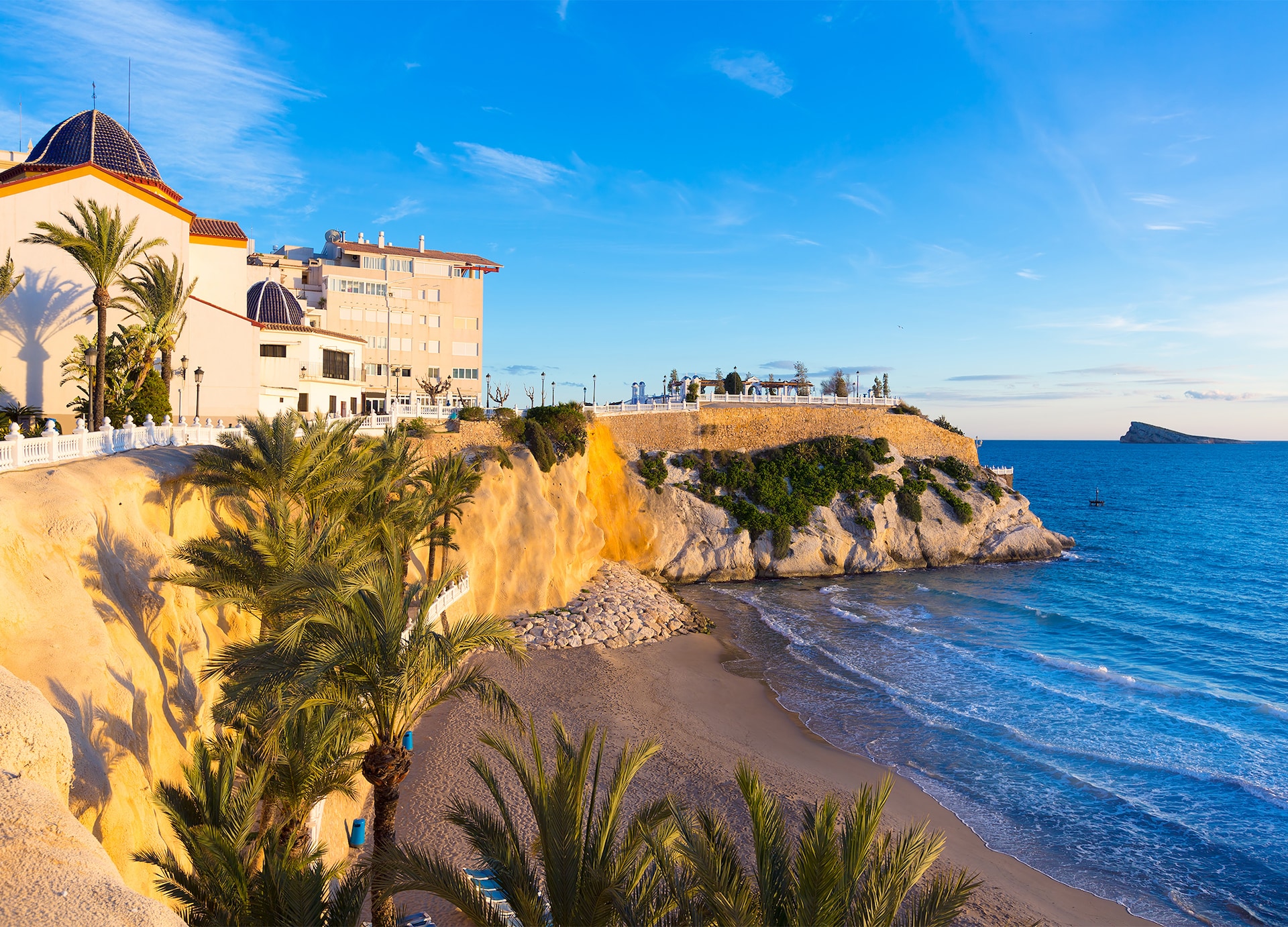
Alicante is known for Santa Bárbara Castle, its Mediterranean beaches, the palm-lined Explanada de España and its setting along Spain’s Costa Blanca. The city is also recognized for its colorful Old Town, rice-based cuisine, Bonfires of Saint John festival, nearby Tabarca Island and the wine and palm-growing traditions of the surrounding province.
Here are 10 defining features that reveal what makes Alicante one of Spain’s most inviting coastal cities.
1. Santa Bárbara Castle
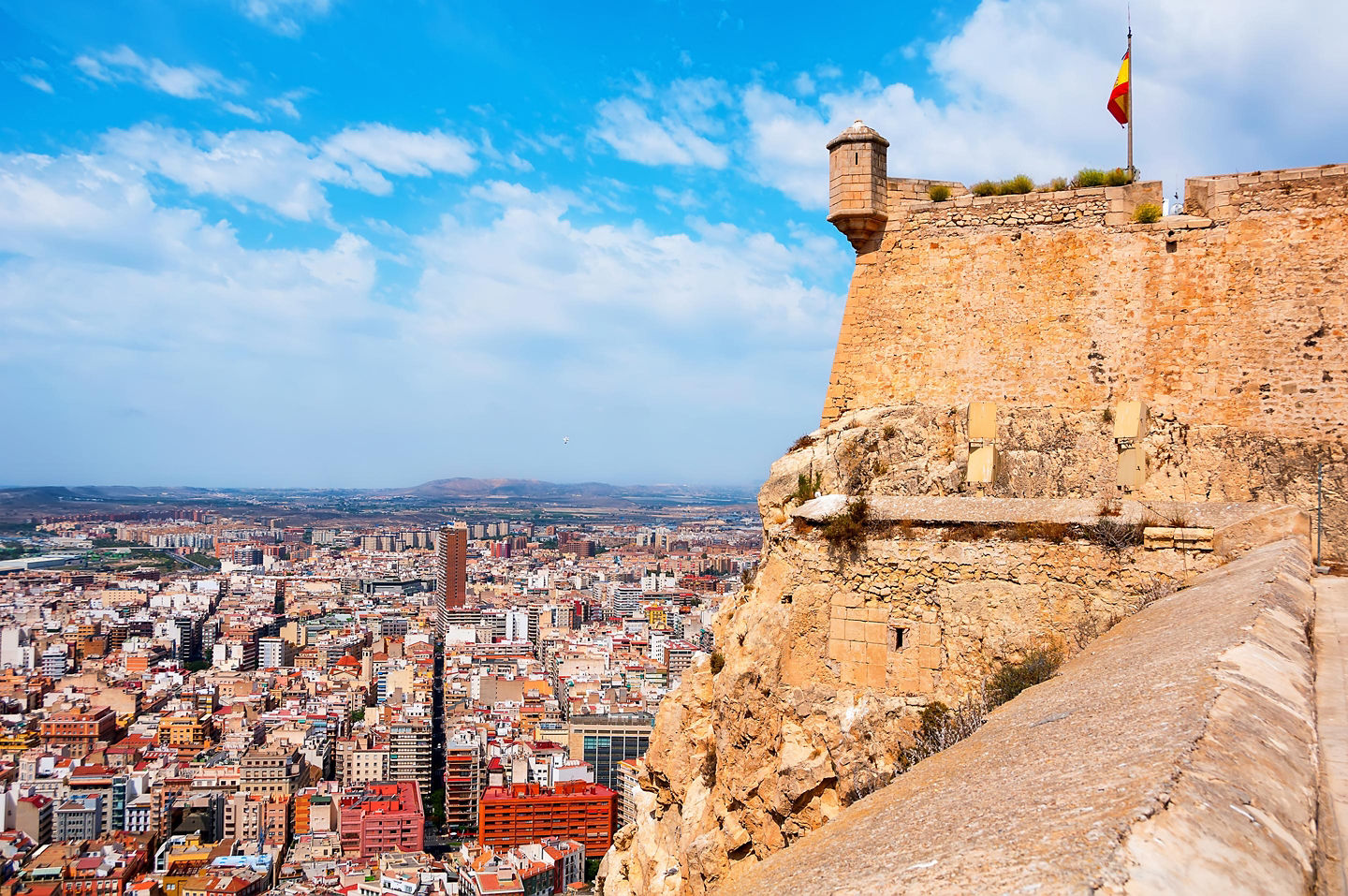
Santa Bárbara Castle is Alicante’s most recognizable landmark. The fortress rises above the city from Mount Benacantil, creating a dramatic backdrop visible from the waterfront, Old Town and surrounding neighborhoods.
The site’s history stretches back to the period of Muslim rule on the Iberian Peninsula, with later additions reflecting centuries of conflict and change. Its elevated terraces provide expansive views across Alicante, the marina and the Mediterranean Sea.
More than a historic monument, the castle helps define Alicante’s appearance. Its position above the modern city captures the blend of coastal beauty and layered history for which Alicante is known.
2. The Explanada de España
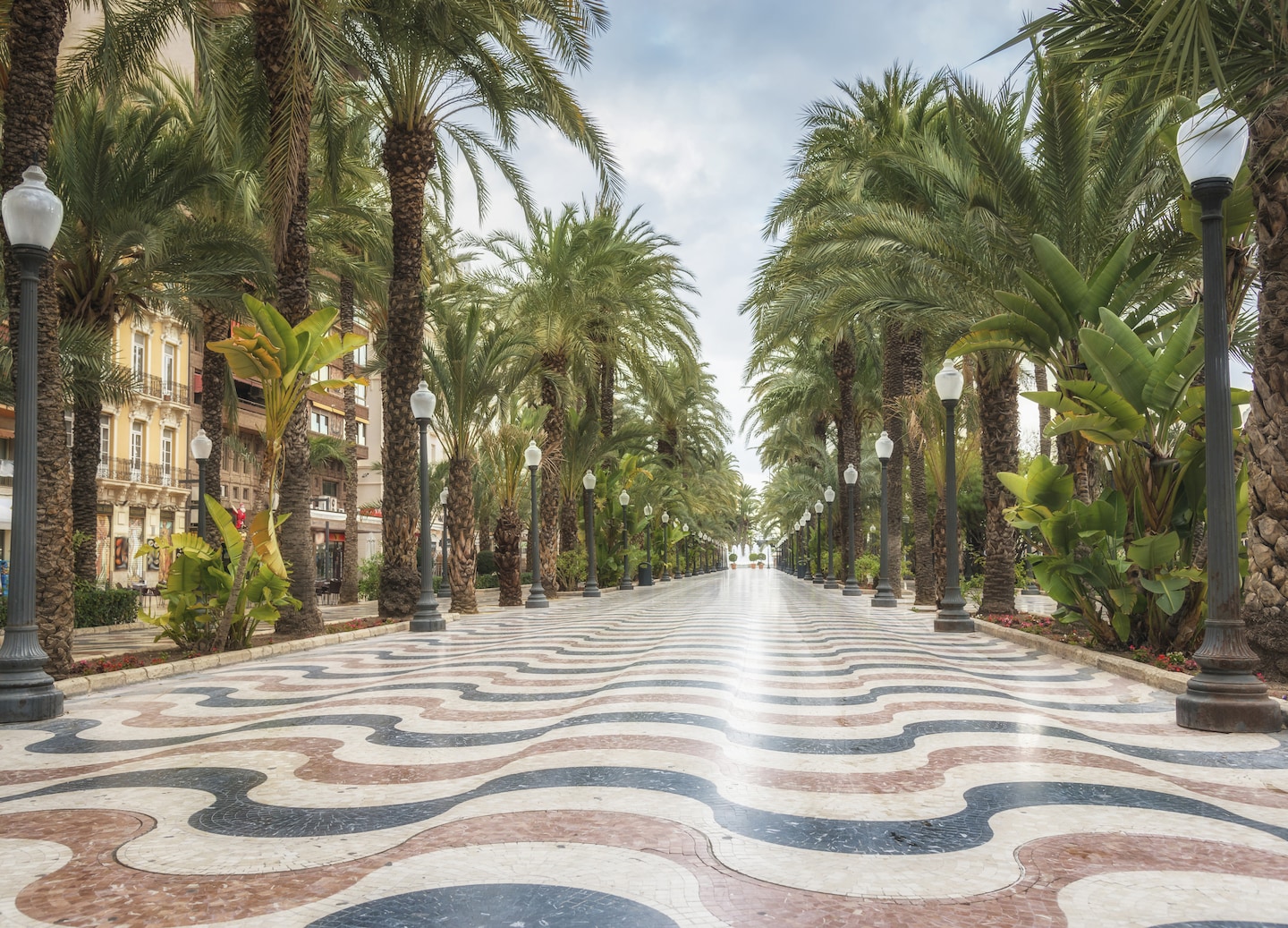
Alicante is famous for the Explanada de España, a palm-lined waterfront promenade decorated with a flowing mosaic pattern. Running alongside the marina, it serves as one of the city’s main gathering places.
Residents and visitors come here to stroll beneath the palms, browse small market stalls and enjoy the sea breeze from nearby cafes. The promenade’s wave-shaped design reflects Alicante’s close connection to the Mediterranean.
Its central location also connects the waterfront with the historic center, making the Explanada an enduring symbol of Alicante’s relaxed, outdoor lifestyle.
3. Mediterranean Beaches & the Costa Blanca
Alicante is one of the principal cities of the Costa Blanca, the stretch of Mediterranean coastline associated with sandy beaches, sheltered coves and sunny seaside communities.
Postiguet Beach is Alicante’s signature urban beach. Located below Santa Bárbara Castle and close to the historic center, it places the Mediterranean within easy reach of the city’s cultural attractions and waterfront restaurants.
Longer stretches of sand, including San Juan Beach, extend beyond the center. Together, these coastal areas help Alicante feel like both a historic Spanish city and a laid-back Mediterranean escape.
4. Alicante’s Old Town & Barrio de Santa Cruz
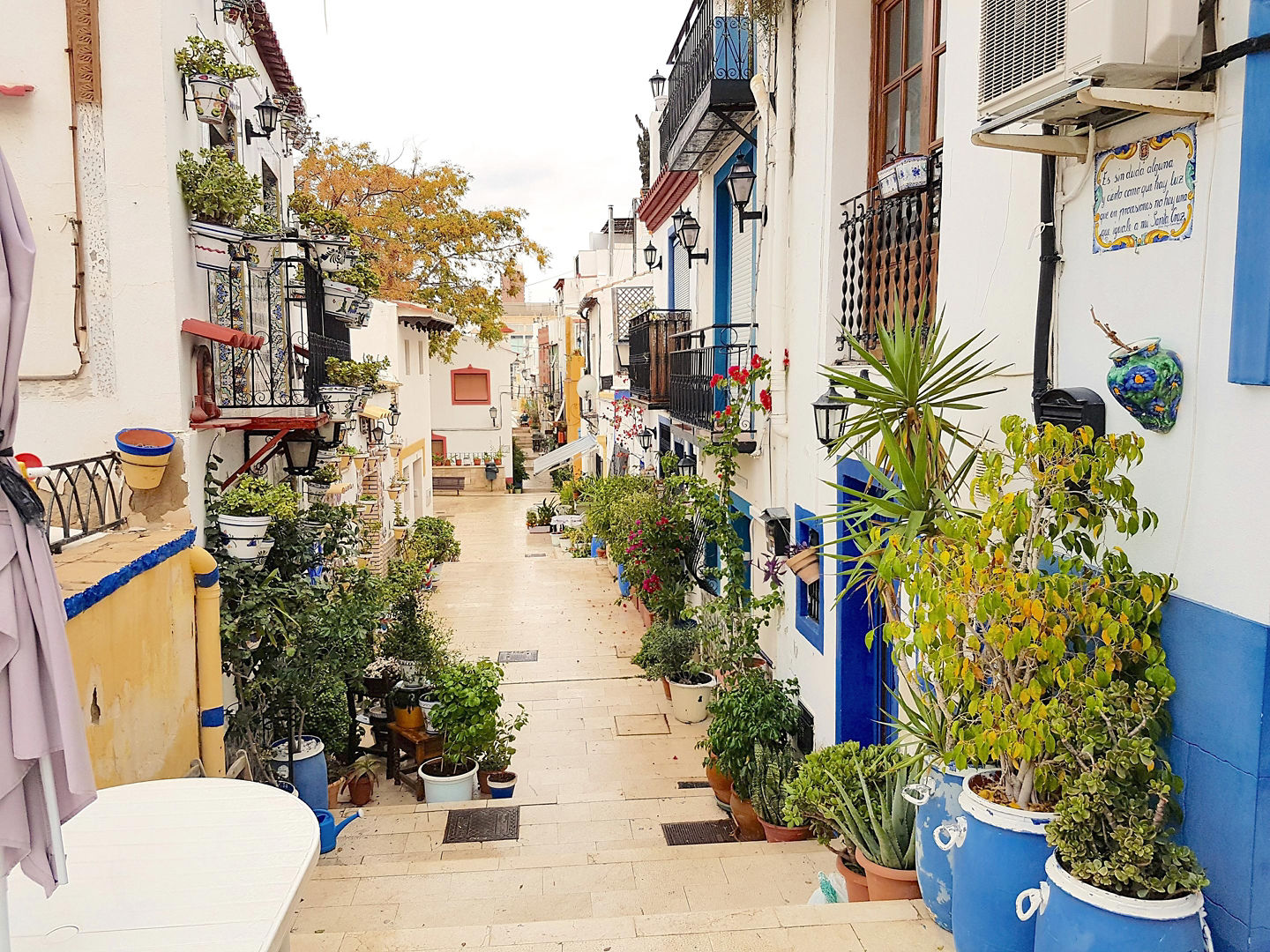
Alicante’s Old Town is known for narrow streets, inviting plazas and architecture shaped by different periods of the city’s history. Within this historic area, Barrio de Santa Cruz climbs the lower slopes of Mount Benacantil.
The neighborhood is distinguished by whitewashed homes, colorful doors, tiled details and balconies filled with flowers. Its hillside lanes provide occasional views across the rooftops toward the water.
Nearby churches, plazas and evening gathering places add to the atmosphere. This combination of history and everyday city life gives central Alicante a character that feels distinctly Mediterranean.
5. The Bonfires of Saint John
The Bonfires of Saint John, known locally as Hogueras de San Juan, are among Alicante’s most important cultural traditions. Held in June, the festival fills the city with elaborate artistic monuments, parades, music and fireworks.
Local groups spend months creating the large sculptures displayed throughout Alicante. The celebration culminates with the burning of the monuments, followed by festivities across the city.
The event reflects Alicante’s creative, social and celebratory spirit. It also demonstrates how deeply community traditions remain woven into the identity of this modern coastal destination.
6. Rice Dishes & Mediterranean Flavors
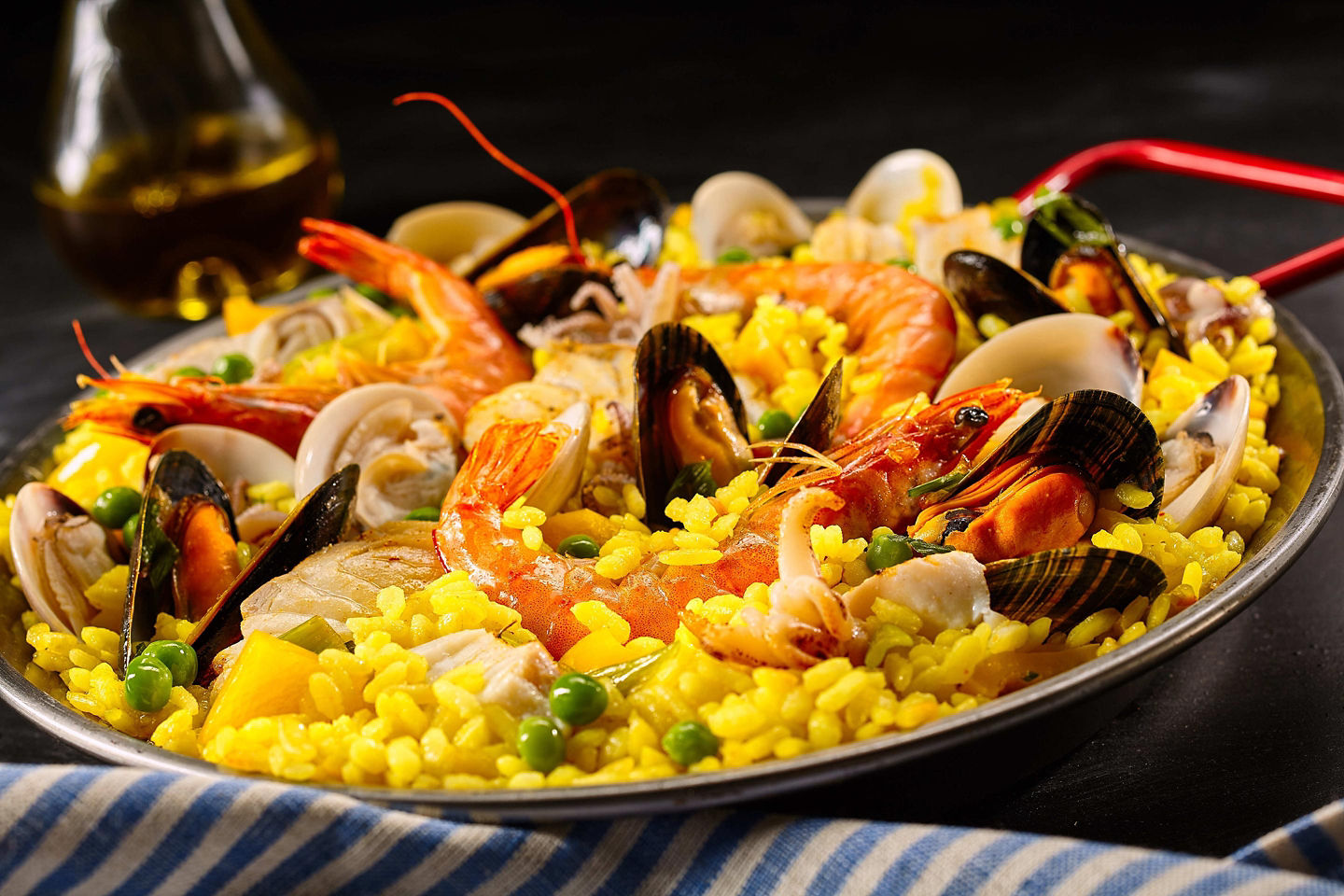
Alicante is known for rice dishes shaped by its coastal setting and the agricultural traditions of the surrounding region. Local preparations may combine rice with seafood, fish stock, vegetables or meat, creating flavors that differ from better-known versions of paella.
One of the region’s characteristic dishes is arroz a banda, traditionally prepared using a flavorful fish broth. Seafood, salted fish, olive oil and fresh produce also appear throughout Alicante’s cuisine.
These culinary traditions connect the city to both the Mediterranean Sea and the wider Valencian Community, where rice has long played an important role in regional cooking.
7. Mercado Central & Local City Life
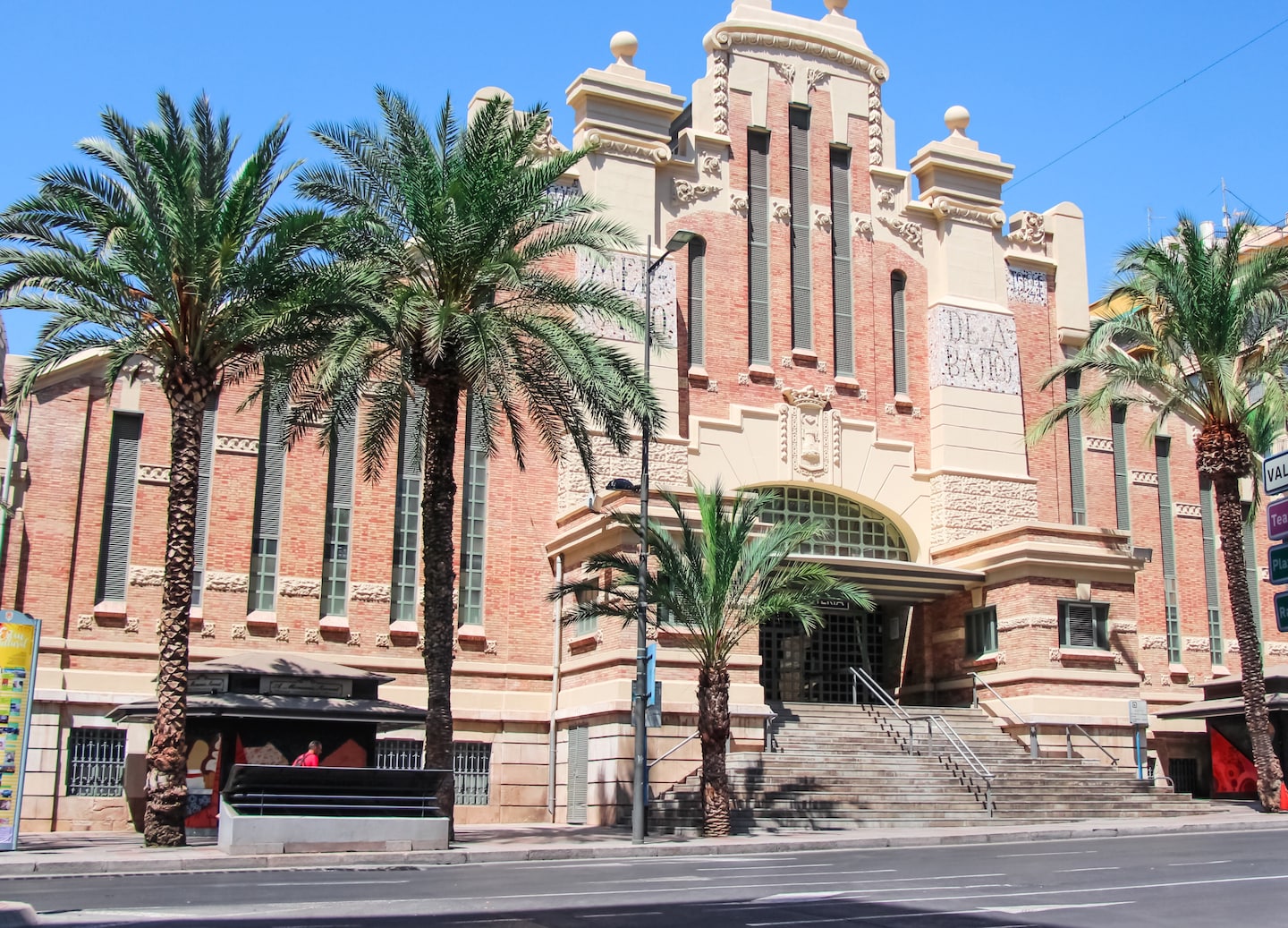
Mercado Central is known as one of the liveliest places to experience everyday Alicante. Located in a prominent early-20th-century building, the market brings together vendors selling seafood, produce, meat, cheese, olives and other regional ingredients.
The market reflects the city’s strong connection to fresh Mediterranean food and social dining. Residents shop for daily ingredients while visitors can see the products that shape Alicante’s culinary traditions.
Surrounding cafes and streets contribute to the energy, making the market area a vibrant expression of Alicante beyond its beaches and historic landmarks.
8. Tabarca Island
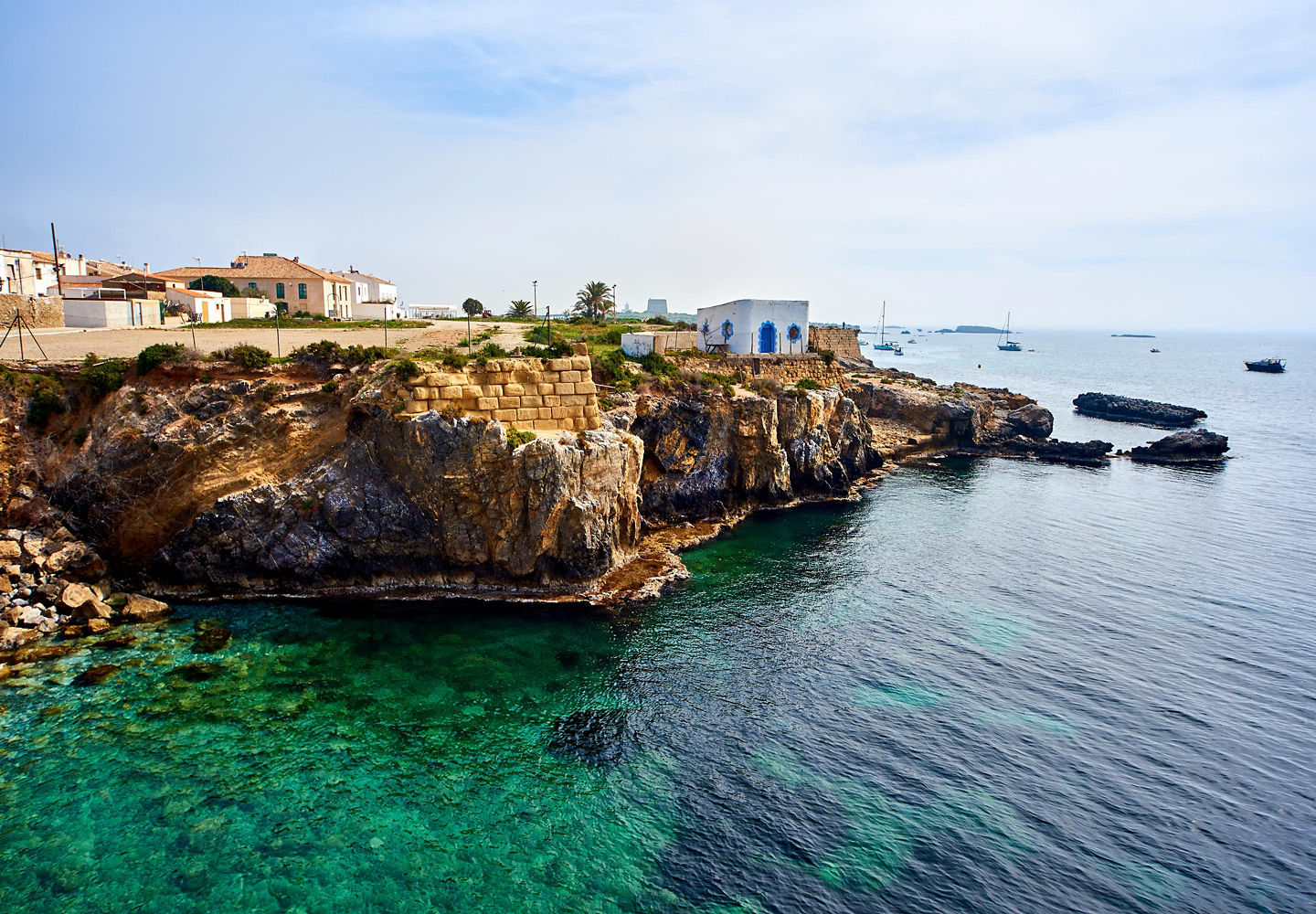
Tabarca Island is one of the best-known coastal destinations near Alicante. Located offshore in the Mediterranean, the small inhabited island is recognized for its fortified village, clear water and surrounding marine environment.
The island’s compact settlement contains low-rise buildings, historic walls and narrow streets that are easy to explore on foot. Its protected waters also make the area appealing for swimming, snorkeling and boat trips.
Tabarca adds another dimension to Alicante’s coastal identity, pairing maritime history with a slower island atmosphere just beyond the city.
9. The Palm Grove of Elche
The Palm Grove of Elche, located in Alicante province, is known for its extensive landscape of date palms and historic irrigation traditions. Recognized as a UNESCO World Heritage Site, the grove reflects agricultural practices introduced and developed over many centuries.
Walking paths and gardens allow visitors to experience sections of the palm-filled landscape while learning how it became part of Elche’s cultural identity.
Although Elche is a separate city, its proximity makes the palm grove one of the Alicante region’s most distinctive cultural landscapes.
10. Alicante’s Wine Traditions
The Alicante province is known for a long winemaking tradition supported by its Mediterranean climate and inland vineyards. Monastrell is one of the grape varieties most closely associated with the region, producing wines with rich fruit and depth.
Alicante is also connected to Fondillón, a historic aged wine traditionally made from Monastrell grapes. Its production represents a specialized part of the province’s wine heritage.
The vineyards surrounding the city provide a contrast to the coastline, revealing the rural landscapes and agricultural traditions that help shape Alicante’s broader identity.
Why Is Alicante Famous?
Alicante is famous for combining a historic Spanish city with an accessible Mediterranean waterfront. Santa Bárbara Castle overlooks the city, while Postiguet Beach, the Explanada de España and the marina place coastal scenery at the center of daily life.
Its Old Town, festivals, markets and regional traditions give Alicante a stronger cultural identity than a destination defined only by beaches.
Frequently Asked Questions About Alicante
Why is Alicante famous?
Alicante is famous because it combines historic landmarks, an active city center and a Mediterranean beach destination in one compact setting. Its hilltop castle and waterfront promenade create one of the most recognizable coastal cityscapes in southeastern Spain.
What makes Alicante unique?
Alicante’s defining feature is the close relationship between its history and coastline. Visitors can see a medieval fortress, explore old-town streets, walk along the marina and reach a sandy beach without leaving the central part of the city.
Is Alicante part of the Costa Blanca?
Yes. Alicante is one of the principal cities of the Costa Blanca, a Mediterranean coastal region in southeastern Spain. The city also serves as the capital of Alicante province within the Valencian Community.
Is Alicante known more for its history or its coastline?
Alicante is known for both. Santa Bárbara Castle and its historic neighborhoods represent the city’s layered past, while its beaches, marina and waterfront promenade reflect its Mediterranean identity. The close proximity of these experiences is a major part of Alicante’s appeal.
What kind of destination is Alicante?
Alicante is a Mediterranean city destination that combines cultural sightseeing with a relaxed coastal atmosphere. Its compact center, historic architecture, public beaches and lively promenades make it welcoming for couples, families and travelers interested in both culture and time beside the sea.
Keep Exploring Alicante, Spain
Want to learn more about this Mediterranean gem? Check out these guides to plan your next trip:
- Things To Do in Alicante - Explore Alicante’s historic castle, colorful neighborhoods, waterfront attractions and nearby destinations.
- What To Buy in Alicante - Find destination-specific souvenirs ranging from turrón and regional wine to ceramics and Spanish leather goods.
- Alicante Shore Excursions - Browse experiences available for your Alicante port day and compare options for your sailing.
- Cruises to Alicante, Spain - Learn more about visiting Alicante on a Royal Caribbean cruise.