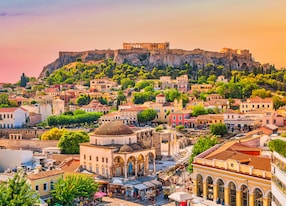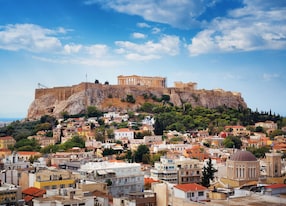
Athens is known for the Acropolis and Parthenon, its role in the development of democracy and its connections to ancient Greek philosophy. Greece’s capital is also famous for the Ancient Agora, neighborhoods such as Plaka and Monastiraki, Greek cuisine and archaeological collections that bring its history into focus.
Located in the Attica region of mainland Greece, Athens surrounds its ancient landmarks with the activity of a modern capital. You can explore an archaeological site, browse a small shop or settle into a cafe with a view of the city above you. Here are 10 things Athens is known for and what makes each one worth discovering.
1. The Acropolis & Parthenon
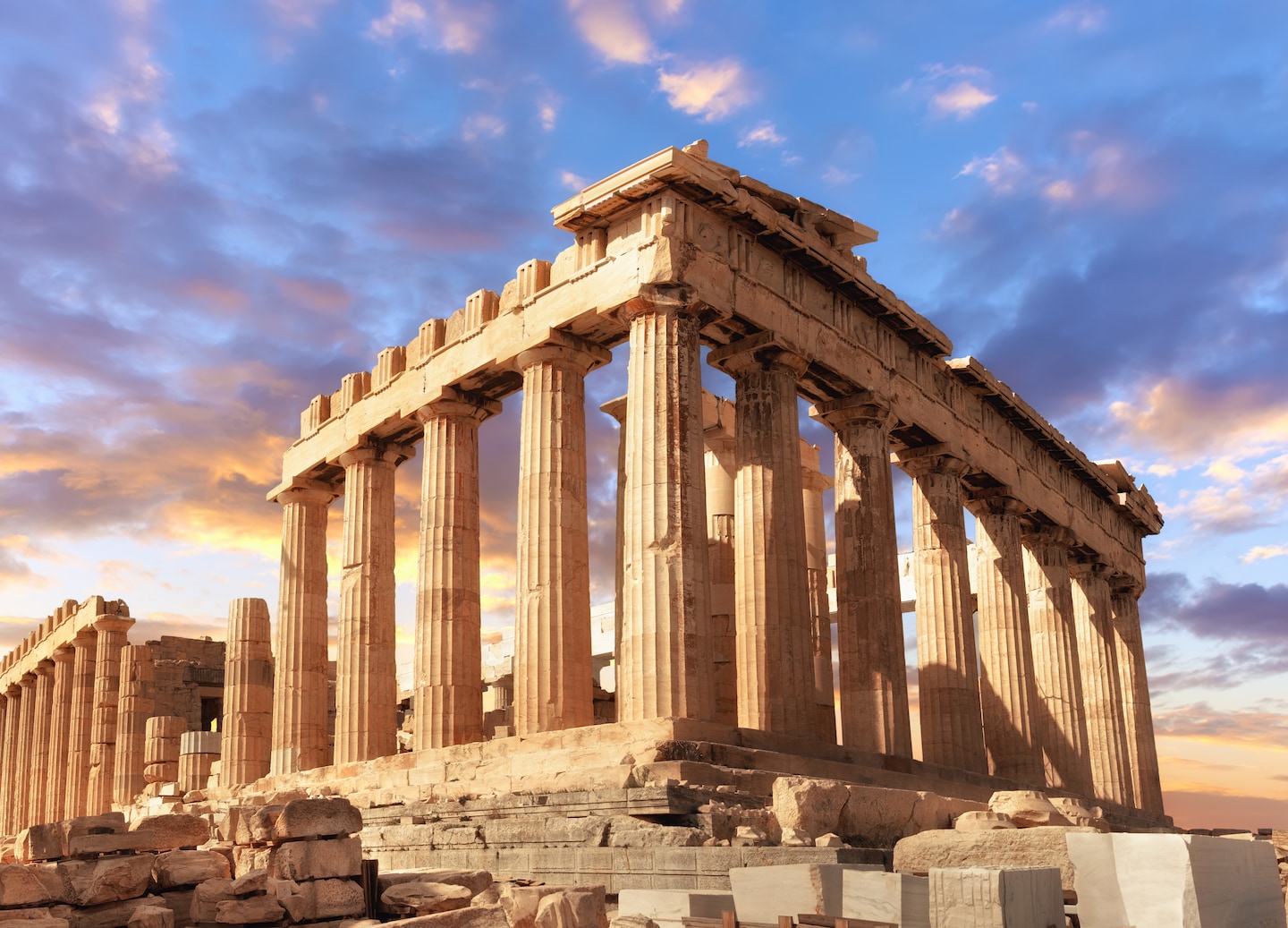
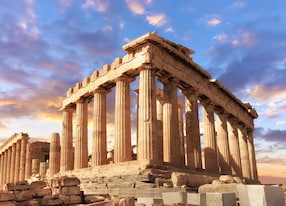
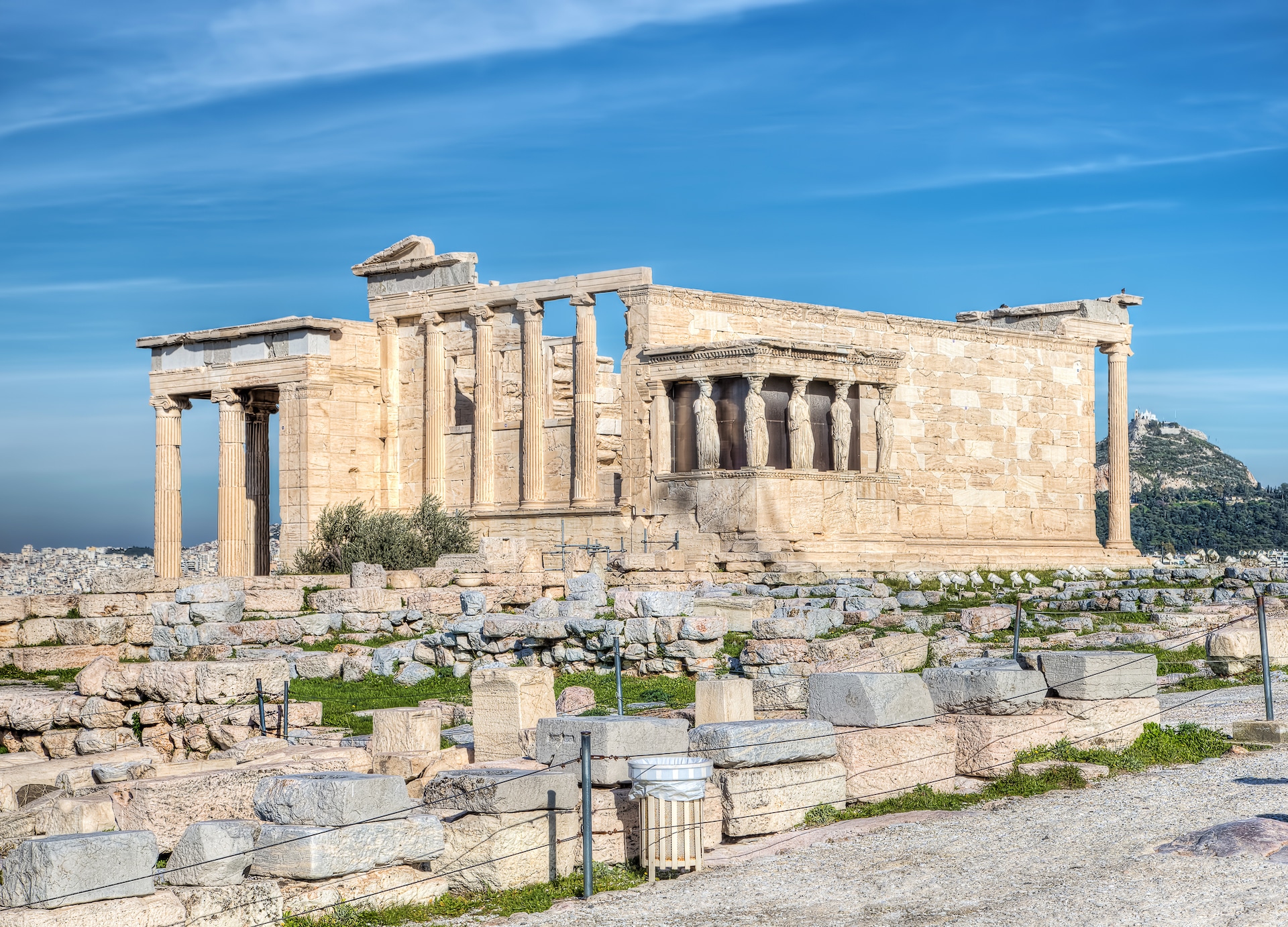
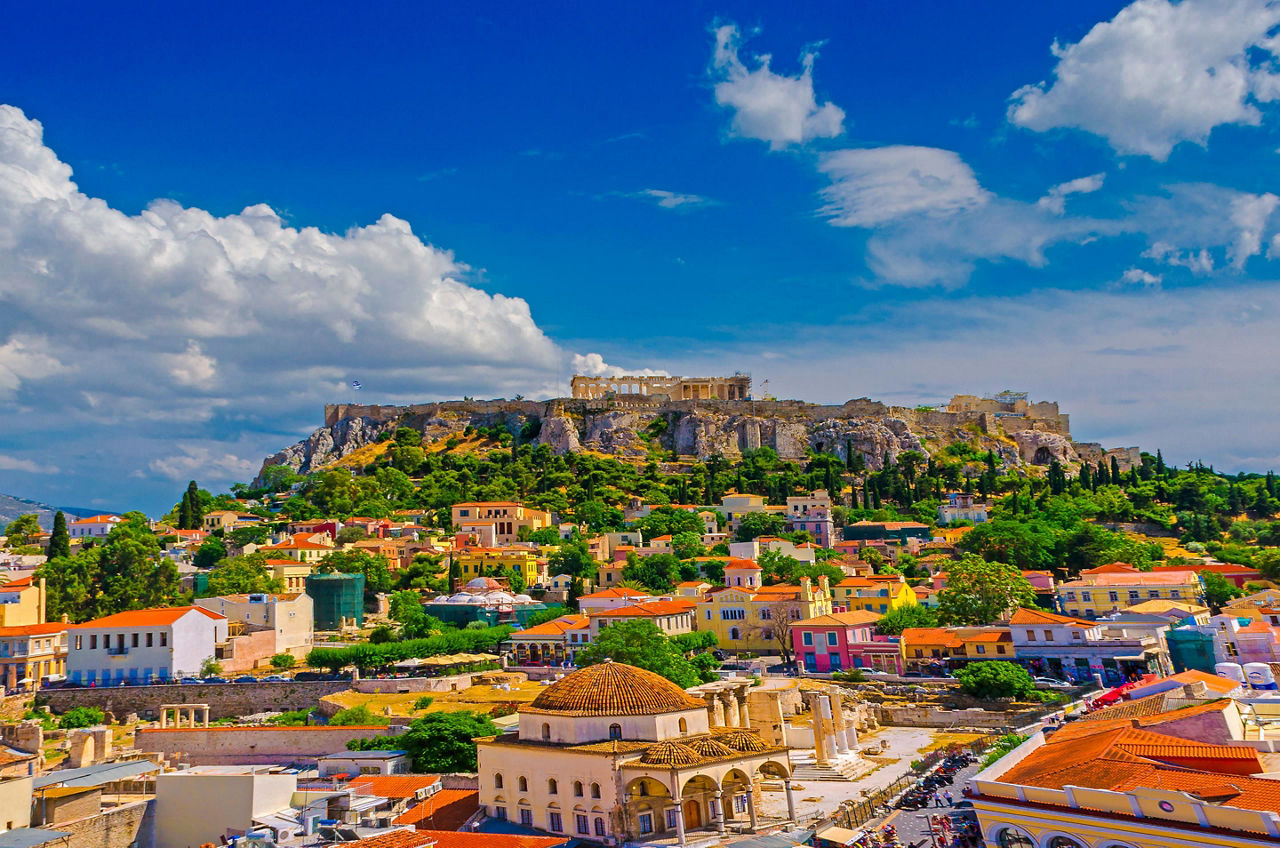
The Acropolis is Athens’ best-known archaeological site, a rocky hill crowned by ancient monuments including the Parthenon. The Parthenon was built in the fifth century B.C. as a temple dedicated to Athena, the city’s patron goddess.
UNESCO recognizes the Acropolis of Athens for its architectural and cultural significance. Seeing its columns against the sky gives familiar photographs a new sense of scale.
Allow time to appreciate the setting as well as the individual buildings. A guide can explain the monuments’ religious and civic roles, while a pause along the route lets you take in the city spreading below.
2. Ancient Democracy & Philosophy
Athens is famous for its influence on democratic government and philosophy. Ancient Athenian democracy gave male citizens a direct role in public decisions, although women, enslaved people and foreign residents were excluded from political participation.
The city was also home to thinkers whose questions continue to shape discussions about knowledge, justice and how people should live. Stanford’s account of Socrates and his philosophical legacy offers background on one of Athens’ most influential figures.
Exploring Athens with this history in mind adds meaning to its public spaces. The ruins represent places where people worked, argued, gathered and considered ideas that traveled far beyond the city.
3. The Ancient Agora
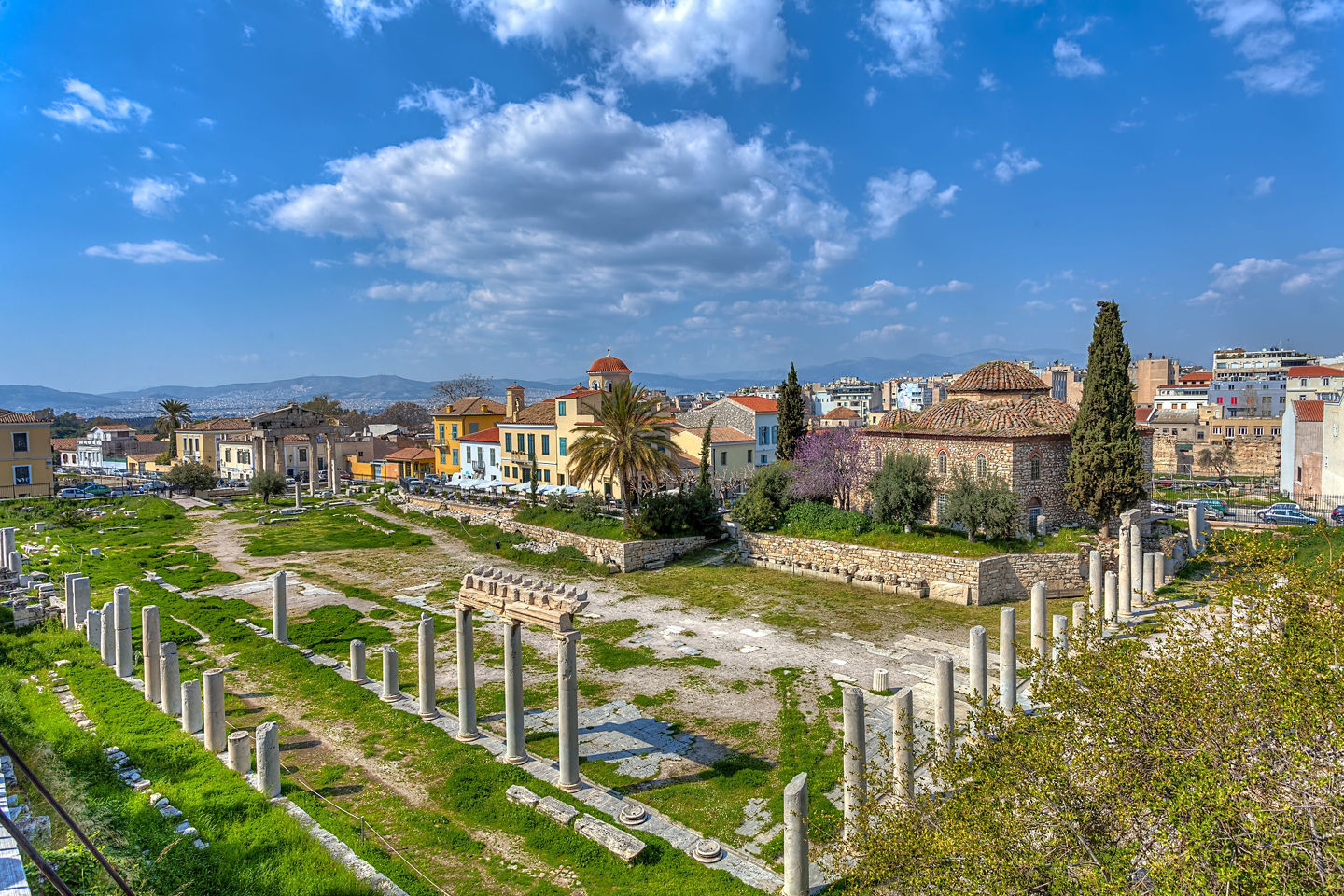
The Ancient Agora is known as a center of commercial, political and social life in ancient Athens. Its remains help visitors imagine the activity of a city where buying goods, conducting public business and exchanging ideas often happened near one another.
The Temple of Hephaestus and reconstructed Stoa of Attalos provide different perspectives on the site. One preserves an ancient building, while the other helps convey the scale and appearance of a colonnaded public space.
You can explore Athens shore excursions to find guided experiences that connect the city’s archaeological heritage with its modern neighborhoods.
4. Plaka & Anafiotika

Plaka is one of Athens’ best-known historic neighborhoods, with narrow streets, neoclassical buildings and places to eat beneath the Acropolis. Its lanes invite you to slow down after visiting the larger archaeological sites.
Nearby Anafiotika has a different character, with small whitewashed houses associated with builders who came from the island of Anafi in the 19th century. The close-set homes and stepped passages create an intimate setting.
5. Monastiraki’s Markets & Street Life
Monastiraki is known for its lively square, shopping streets and flea-market atmosphere. It's a place to browse, people-watch and experience the energy of central Athens, with historic buildings sharing the scene with busy storefronts.
You might spot leather sandals, jewelry, records or decorative objects as you explore. The enjoyment often comes from looking closely and discovering something you had not planned to find.
Browse our guide to what to buy in Athens for ideas before choosing a keepsake.
6. Greek Cuisine & Taverna Dining
Athens is famous for its food culture, from bakery breakfasts and street food to meals shared around a taverna table. Familiar Greek ingredients such as olive oil, herbs, vegetables and cheese appear in dishes suited to both a quick bite and a leisurely lunch.
A piece of spanakopita offers flaky pastry filled with spinach, while souvlaki brings grilled skewers to the table. Meze, or small dishes for sharing, gives everyone a chance to taste a little of everything.
Explore what to eat in Athens to choose a few favorites, then leave time to enjoy the meal and the conversation.
7. The Acropolis Museum

The Acropolis Museum is known for its collections connected to the Acropolis and the surrounding slopes. Sculpture and other archaeological finds provide a closer look at the people, religious traditions and artistic skill behind the monuments.
Pairing the museum with the archaeological site can make both visits more rewarding. Details that are difficult to appreciate from a distance become easier to examine, helping you picture how the ancient buildings were decorated.
8. Hilltop Views
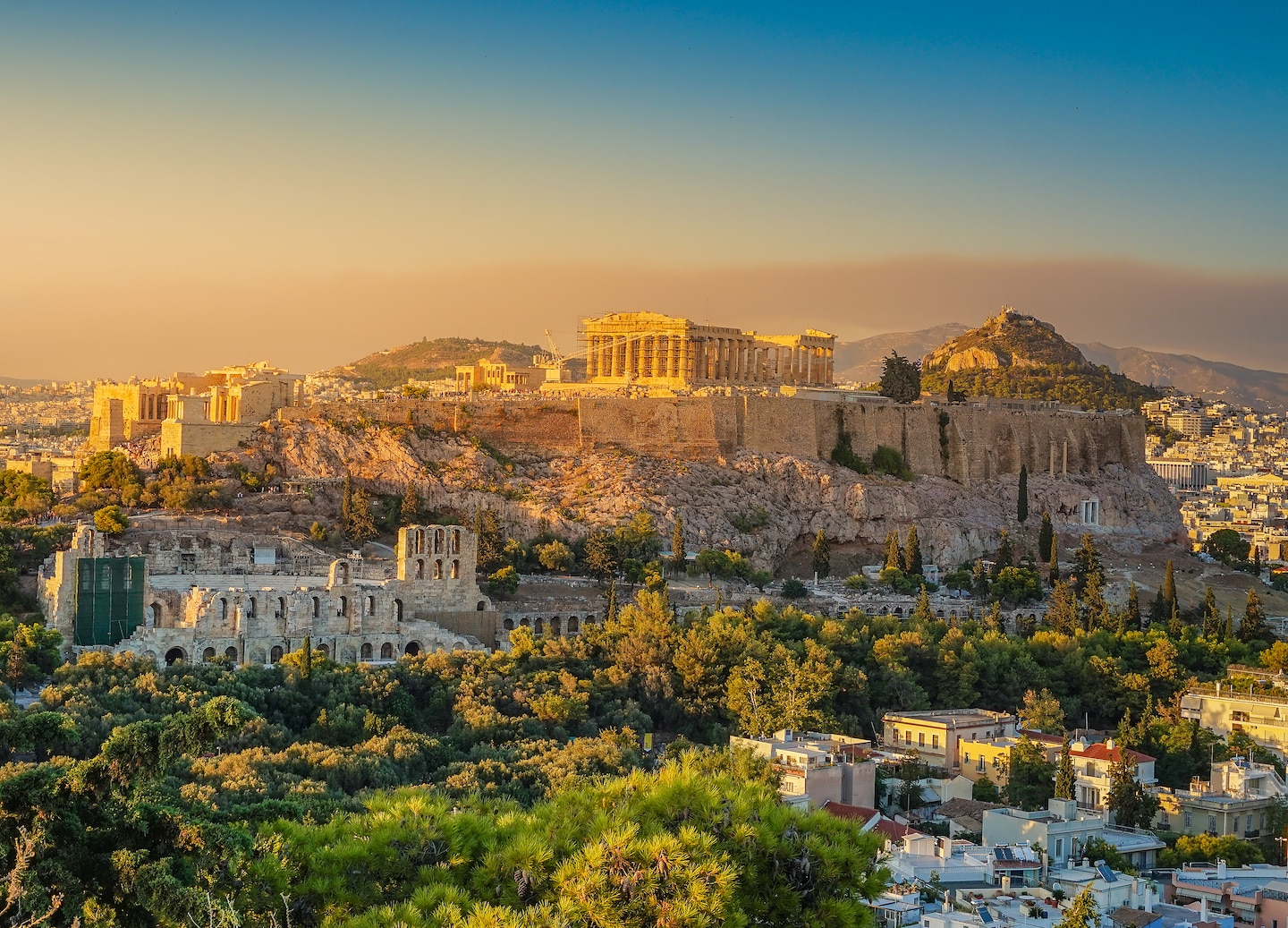
Athens is known for viewpoints that reveal the relationship between its ancient landmarks and modern neighborhoods. Lycabettus Hill is one of the most familiar places to see the city spread across the surrounding landscape.
From above, streets and buildings take on a different pattern, with the Acropolis providing a recognizable focal point. The view helps you understand how the places you have visited fit together.
You can also enjoy Athens from a terrace, where a drink and an open view offer a relaxed pause between sightseeing stops.
9. Street Art & Contemporary Culture
Athens is known for a contemporary creative scene that includes street art, galleries, music and design. Neighborhoods such as Psiri show this side of the city through murals and independent spaces.
Looking at the artwork adds another layer to a neighborhood walk. Some pieces respond to local life or public issues, while others bring color and unexpected imagery to a familiar wall.
A guided art walk can help explain the context behind what you see. Discover how artists use the city’s buildings and streets as places for expression.
10. Syntagma Square & the Evzones
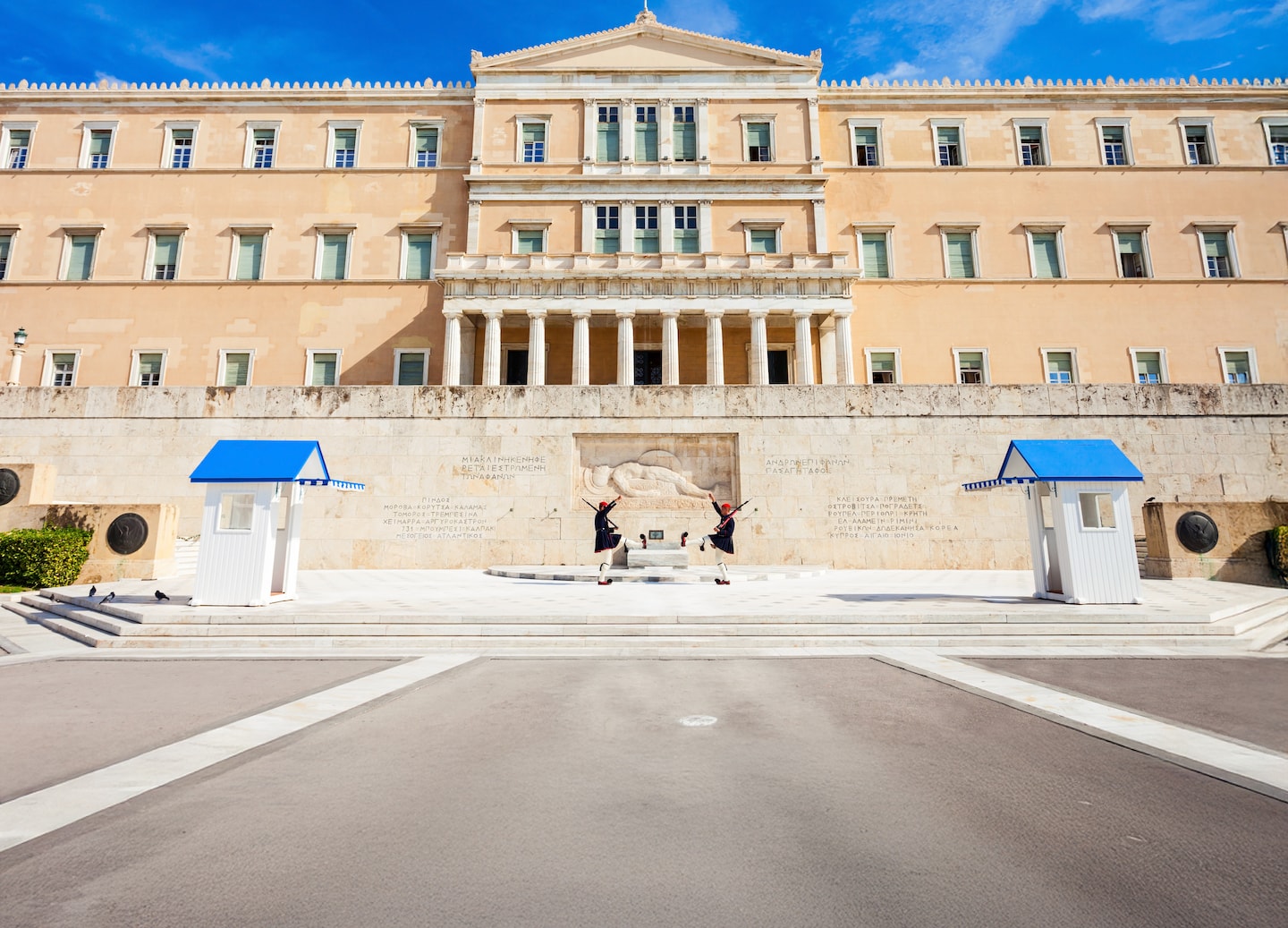
Syntagma Square is known for its central role in modern Athens and its setting in front of the Hellenic Parliament. Nearby, the Evzones, members of the Presidential Guard, keep ceremonial watch at the Tomb of the Unknown Soldier.
Their traditional uniforms and carefully coordinated movements make the changing of the guard a distinctive experience. Watching the ceremony offers a different perspective on Greek identity from the ancient sites elsewhere in the city.
Allow time to observe from the designated public areas. The precision of the movements rewards attention, even during a brief stop.
Why Visit Athens?
Athens is an appealing choice if you enjoy history alongside the pleasures of a lively city. Ancient buildings give you plenty to explore, while neighborhood walks, market browsing and meals introduce you to the capital as it's lived in today. A satisfying visit can include both a major sight and an unhurried hour at a cafe.
For cruise travelers, Athens sailings through Piraeus offer a gateway to the Greek capital. Plan for transportation between your terminal and the city. A stay before or after a sailing gives you more room for museums, neighborhood exploring and relaxed evenings.
Frequently Asked Questions About Athens
What is Athens most famous for?
Athens is most famous for the Acropolis and Parthenon, its role in the development of democracy and its philosophical heritage. The city is also known for archaeological collections, Greek cuisine and lively neighborhoods such as Plaka and Monastiraki.
What makes Athens unique?
Athens combines visible remains of ancient civilization with the everyday activity of a modern capital. Archaeological sites sit close to homes, shops, cafes and creative spaces, allowing visitors to experience several periods of the city’s history within the same outing.
Why is Athens called the birthplace of democracy?
Athens is called the birthplace of democracy because an influential system of direct citizen participation developed there in antiquity. Eligible male citizens could take part in political decisions, although participation excluded much of the population. Its institutions became an important reference point in later discussions of government.
Why is Athens associated with philosophy?
Athens is associated with philosophers including Socrates, Plato and Aristotle, whose work influenced generations of thinkers. Their questions about knowledge, ethics, politics and human life helped establish traditions of inquiry that remain central to philosophy.
How is Athens connected to Greek mythology?
Athens is closely connected to Athena, the goddess who served as the city’s divine patron. Temples and sculptures on the Acropolis reflect her importance, while myths about gods and heroes formed part of the city’s religious traditions and public identity.
What is Athens known for beyond ancient ruins?
Beyond its ancient sites, Athens is known for Greek food, neighborhood cafes, markets, street art and contemporary culture. Places such as Monastiraki and Psiri offer a look at the city’s shopping, creativity and everyday social life.
Is Athens worth visiting on a cruise?
Athens is worth visiting on a cruise if you enjoy archaeology, culture and local food. Ships use the port of Piraeus, so transportation to central Athens is part of the day. A focused itinerary can combine a major historic sight with time for a neighborhood walk or meal.
Frequently Asked Questions About Athens
-
What is Athens most famous for?
Athens is most famous for the Acropolis and Parthenon, its role in the development of democracy and its philosophical heritage. The city is also known for archaeological collections, Greek cuisine and lively neighborhoods such as Plaka and Monastiraki.
-
What makes Athens unique?
Athens combines visible remains of ancient civilization with the everyday activity of a modern capital. Archaeological sites sit close to homes, shops, cafes and creative spaces, allowing visitors to experience several periods of the city’s history within the same outing.
-
Why is Athens called the birthplace of democracy?
Athens is called the birthplace of democracy because an influential system of direct citizen participation developed there in antiquity. Eligible male citizens could take part in political decisions, although participation excluded much of the population. Its institutions became an important reference point in later discussions of government.
-
Why is Athens associated with philosophy?
Athens is associated with philosophers including Socrates, Plato and Aristotle, whose work influenced generations of thinkers. Their questions about knowledge, ethics, politics and human life helped establish traditions of inquiry that remain central to philosophy.
-
How is Athens connected to Greek mythology?
Athens is closely connected to Athena, the goddess who served as the city’s divine patron. Temples and sculptures on the Acropolis reflect her importance, while myths about gods and heroes formed part of the city’s religious traditions and public identity.
-
What is Athens known for beyond ancient ruins?
Beyond its ancient sites, Athens is known for Greek food, neighborhood cafes, markets, street art and contemporary culture. Places such as Monastiraki and Psiri offer a look at the city’s shopping, creativity and everyday social life.
-
Is Athens worth visiting on a cruise?
Athens is worth visiting on a cruise if you enjoy archaeology, culture and local food. Ships use the port of Piraeus, so transportation to central Athens is part of the day. A focused itinerary can combine a major historic sight with time for a neighborhood walk or meal.
Keep Exploring Athens
These guides can help you plan a visit around the experiences that interest you:
- Explore Athens shore excursions to compare guided sightseeing, cultural experiences and outings from Piraeus.
- Discover what to eat in Athens before choosing your bakery, street food or taverna stops.
- Browse ideas for what to buy in Athens to find local treats, crafts and keepsakes to bring home.
/overview/scenic-panorama-view-historic-town-perast-famous-bay-kotor.jpg?$800x450$)

/things-to-do/aerial-view-island-sveti-stefan-kotor-bay-montenegro.jpg?$800x450$)