Barbados is known for its beautiful beaches, rum-making heritage, flying fish and cou-cou, and the Crop Over festival. The island is also famous for cricket, Harrison’s Cave, historic Bridgetown and being the birthplace of Rihanna.
Set in the Atlantic Ocean east of the main Caribbean island chain, Barbados brings together sheltered bays, rugged coastal scenery and lively Bajan traditions. Colorful wooden houses line neighborhood streets, cricket grounds draw devoted fans and the smell of freshly cooked fish fills the air around Oistins.
Here are 10 things Barbados is known for and what makes each one worth discovering.
1. Beautiful Beaches and Contrasting Coastlines

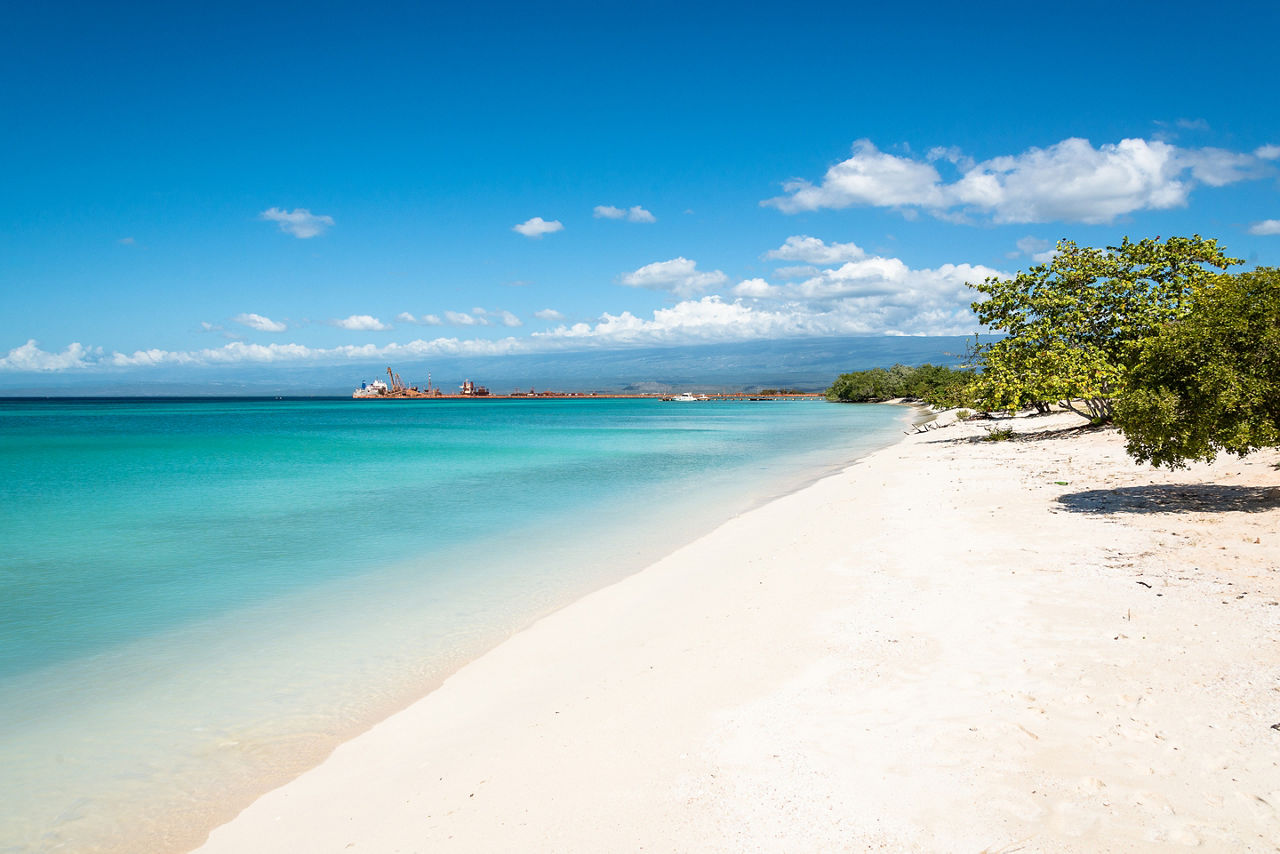
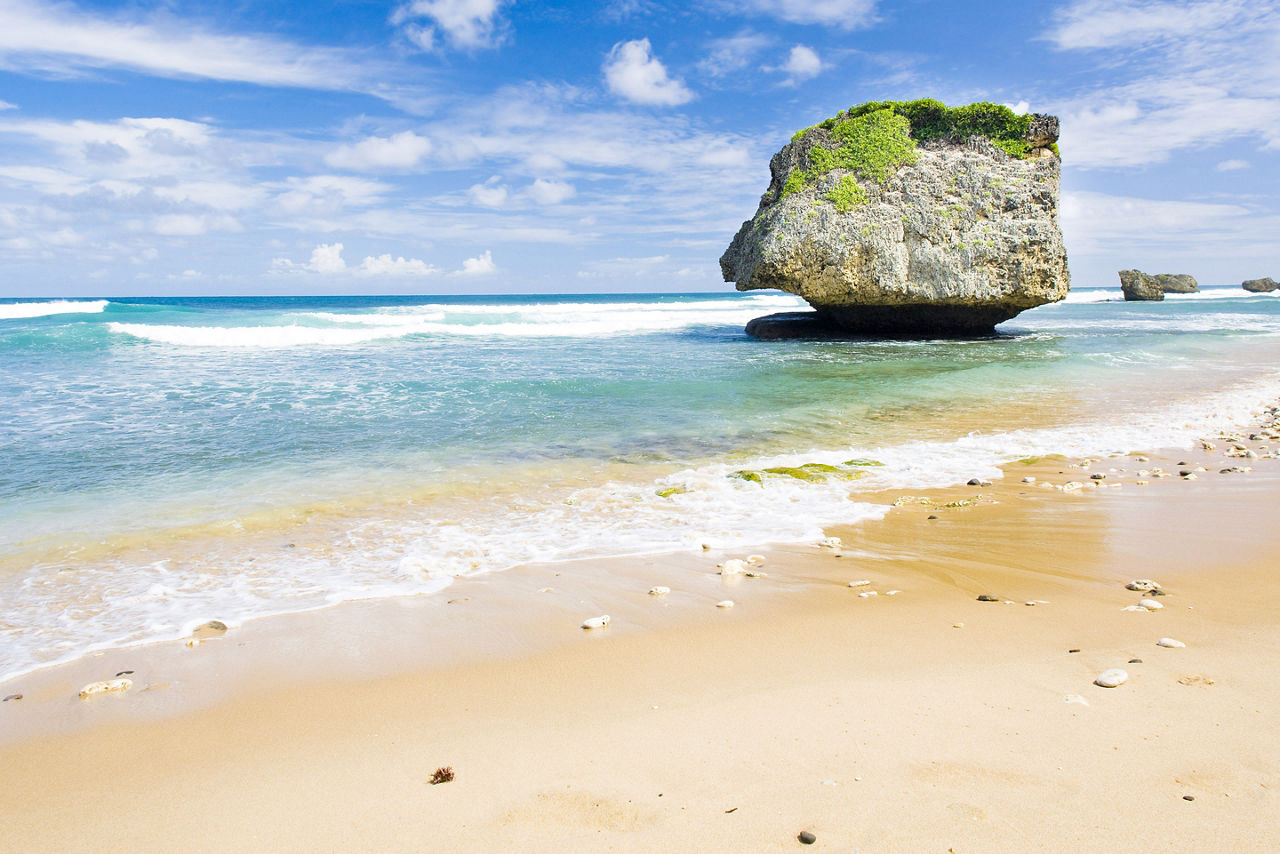
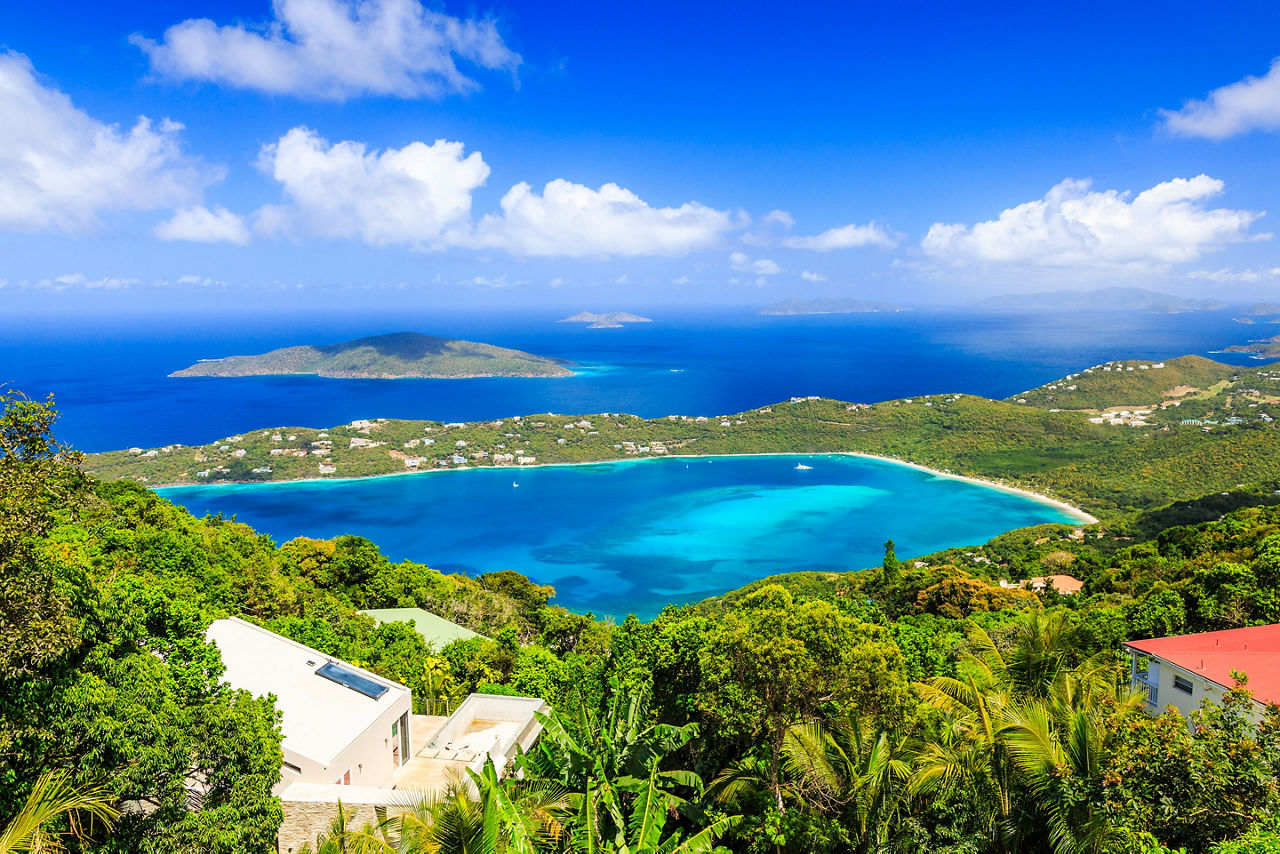
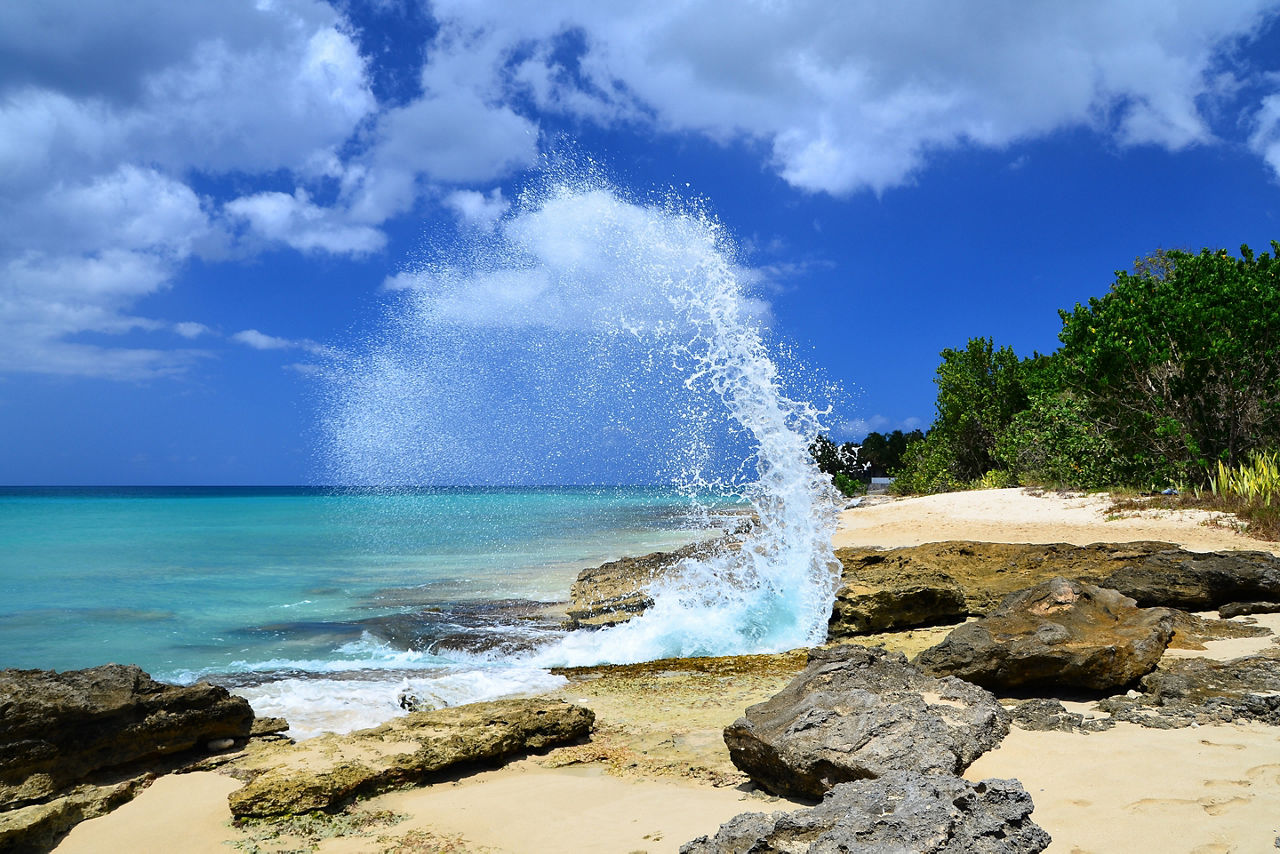
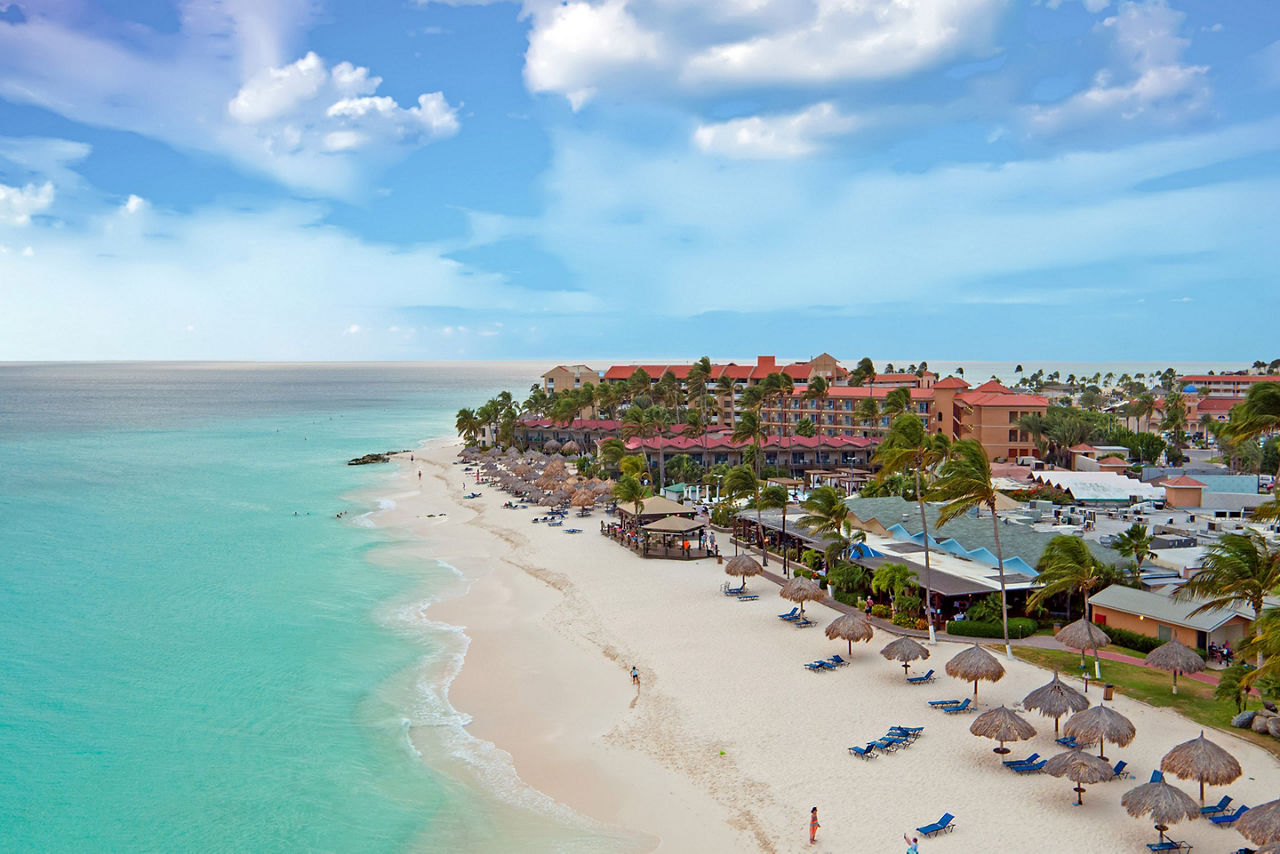
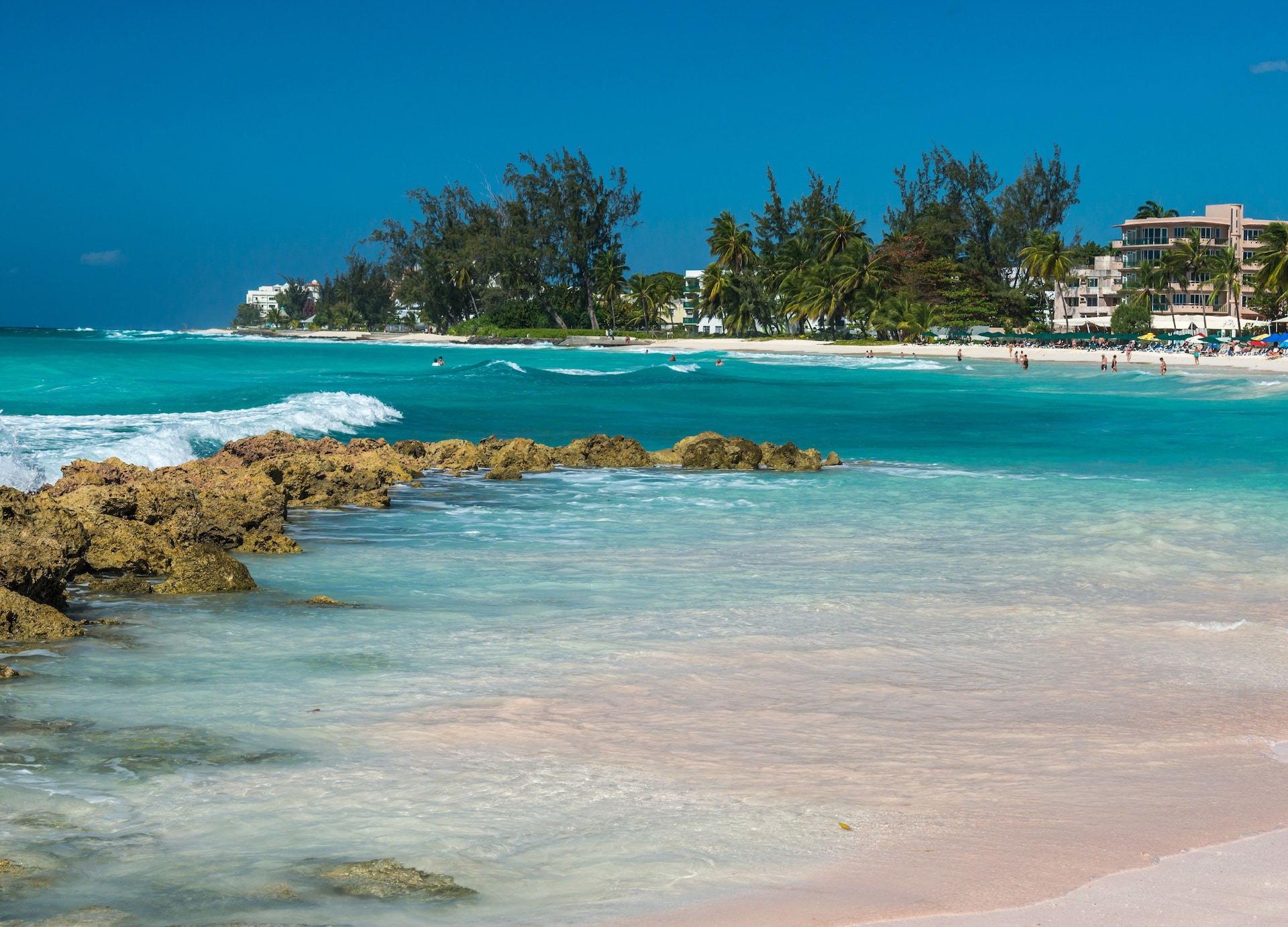
Barbados is famous for its sandy beaches, with sheltered stretches along the west coast and a more rugged shoreline facing the Atlantic. These contrasting coastlines give the island some of its most recognizable scenery.
Places such as Paynes Bay and Mullins Beach offer the familiar picture of Barbados: pale sand, blue-green water and boats resting offshore. Along the eastern coast, rolling surf and an open ocean horizon create a different setting.
The variety is part of the island’s appeal. You can see the gentle curve of a western bay and the windswept Atlantic shore on the same island, with each revealing a different side of Barbados.
2. Rum-Making Heritage
Barbados is the birthplace of rum, with a distilling tradition tied to its history of sugar cane cultivation. Mount Gay, Foursquare and Cockspur are among the names that have helped make Barbadian rum known around the world.
The spirit developed through the use of molasses, a byproduct of sugar production. Its history is also connected to the labor and knowledge of enslaved Africans within the island’s plantation economy.
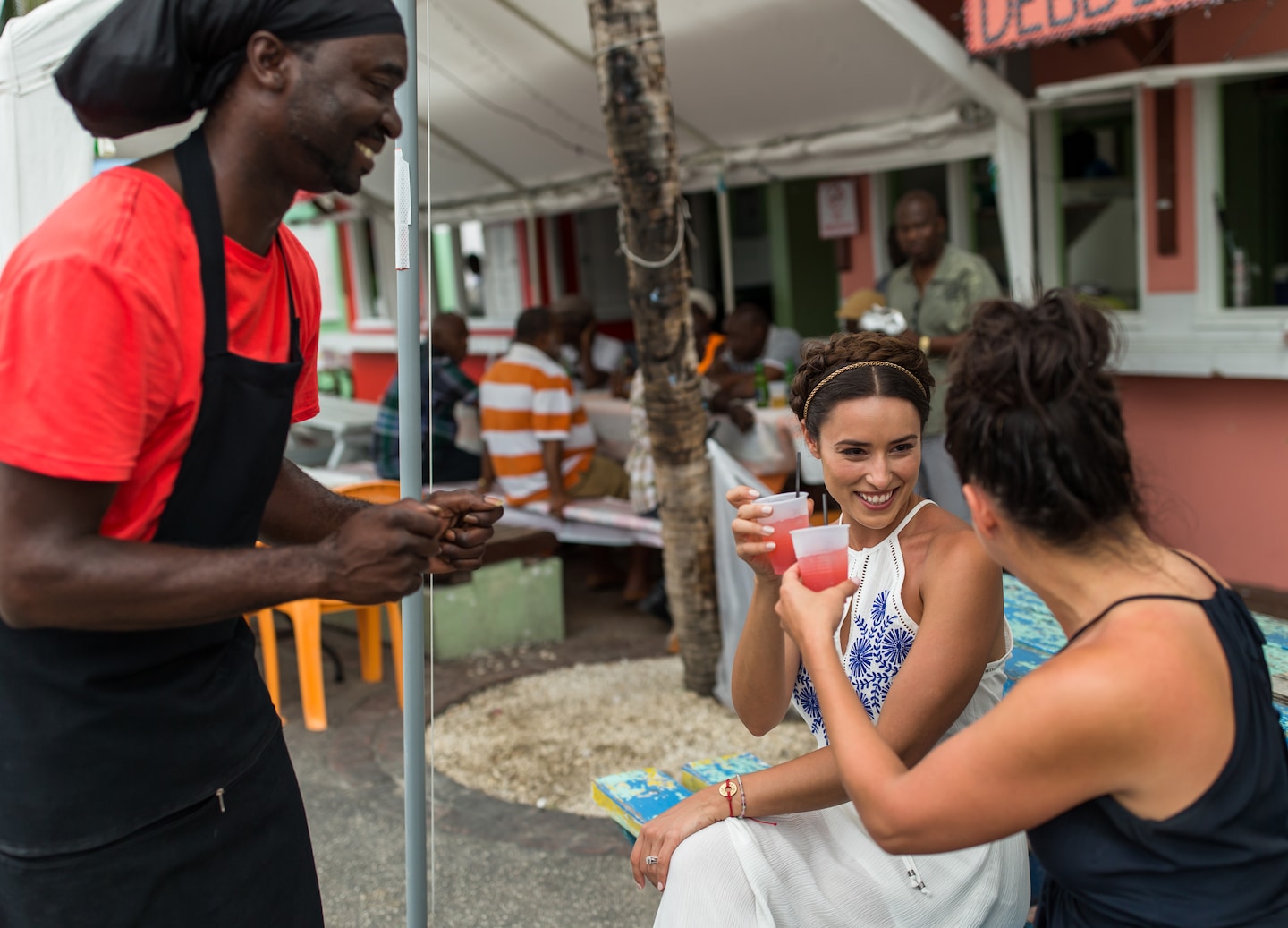
Today, that heritage extends beyond the distilleries. The traditional Barbados rum shop is a neighborhood meeting place where people gather for food, conversation and a drink. These small establishments help explain why rum is woven into the island’s social life as well as its exports.
3. Flying Fish and Bajan Food

Barbados is closely associated with flying fish, which features in the island’s national dish, flying fish and cou-cou. Cou-cou combines cornmeal and okra, reflecting the African influences found throughout Bajan cooking.
Other familiar foods include crisp fish cakes, macaroni pie and cutters, sandwiches made with local salt bread. Together, they offer a taste of the everyday dishes that give Barbadian food its character.
Oistins is one of the best-known settings for this food culture, with fish cooking at outdoor stalls and diners gathering around shared tables. Our guide to what to eat in Barbados introduces the dishes and local flavors you may encounter during your visit.
4. Crop Over and Festival Traditions
Crop Over is Barbados’ signature festival, with roots in celebrations marking the end of the sugar cane harvest. Today, it brings together music, elaborate costumes and community events in a celebration of Barbadian culture.
Grand Kadooment is the festival’s most recognizable spectacle. Masqueraders wear colorful, decorated costumes and move through the streets to soca music. Calypso is another important part of the season, with songs that combine storytelling, humor and social commentary.
The festival shows how much creative work goes into the celebrations. Costume makers, musicians and performers help turn a tradition linked to the harvest into one of the island’s most famous expressions of Bajan pride.
5. Historic Bridgetown and Its Garrison
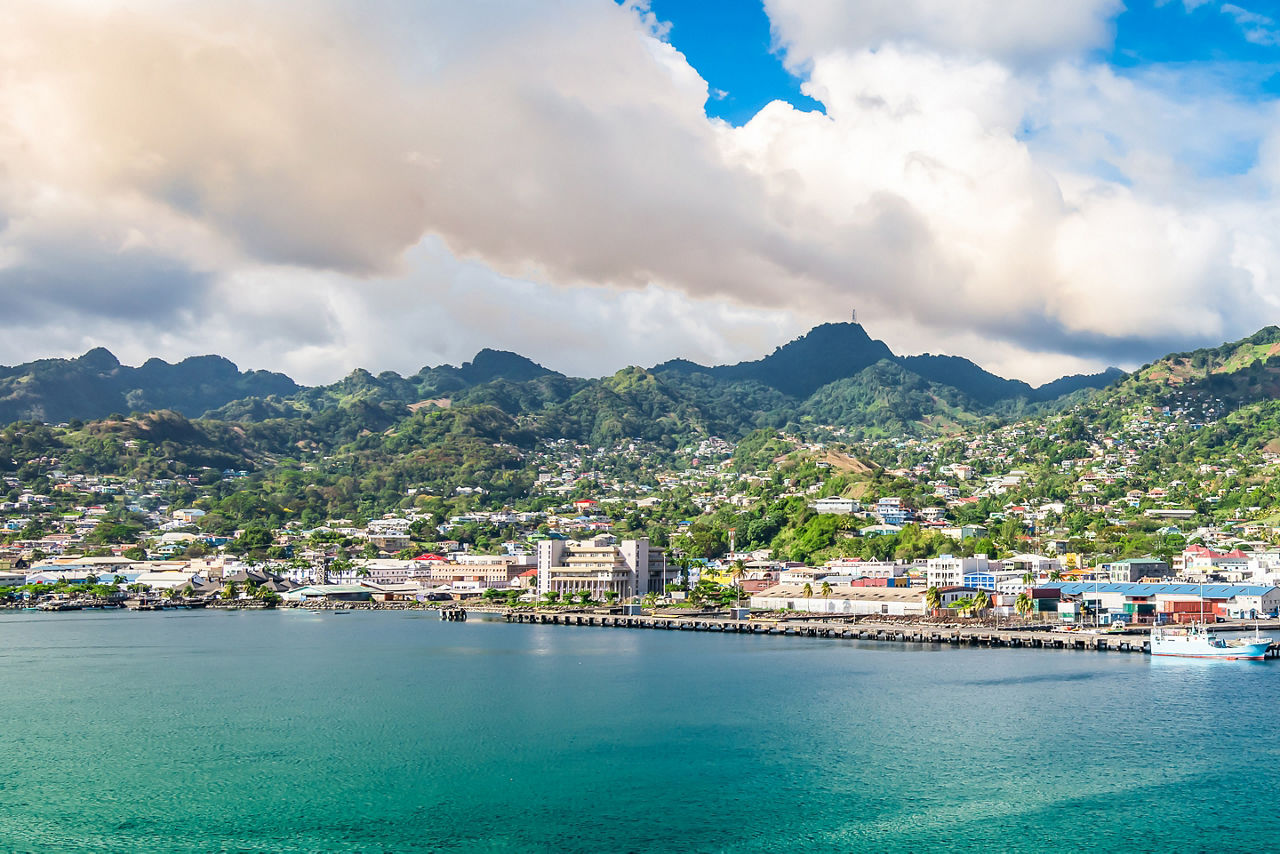
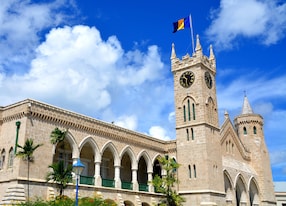
Bridgetown is known for its historic waterfront, winding streets and buildings connected to centuries of maritime trade. The capital and nearby Garrison together form the UNESCO World Heritage property of Historic Bridgetown and its Garrison .
The area preserves evidence of British colonial rule and the Atlantic sugar economy, including its reliance on enslaved Africans. Waterfront buildings and military structures help tell that history, while the streets follow the layout of an early port settlement.
Bridgetown is also a working city. Shops, offices and busy streets surround its historic buildings, so the capital’s heritage is part of everyday life. That combination gives the area a different feel from a historic site set apart from its surroundings.
6. Cricket and Sporting Pride
Cricket is one of Barbados’ best-known sporting traditions. The island has produced celebrated players for the West Indies team, and the game remains a familiar subject of conversation among local fans.
Kensington Oval is its most famous cricket ground. A statue of Sir Garfield Sobers stands outside, honoring the Barbadian player widely celebrated for his skill as an all-rounder.
You do not need to know every rule to appreciate the sport’s place here. The stadium, local grounds and pride surrounding Barbadian players show how closely cricket is connected to the island’s identity.
7. Harrison’s Cave and Limestone Landscapes

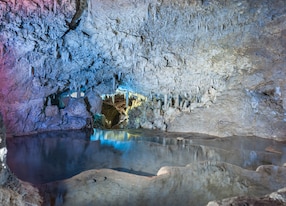
Harrison’s Cave is one of Barbados’ most famous natural landmarks, known for its underground streams, pools, stalactites and stalagmites. Beneath the island’s green interior, it reveals a landscape quite different from the beaches.
Much of Barbados is covered by coral limestone. Over time, water moving through the rock has created underground passages, while mineral deposits have gradually formed the shapes found inside the cave.
Flowing water and pale stone formations make Harrison’s Cave a memorable example of the island’s geology. It's one of the Barbados shore excursions that introduce visitors to the scenery beyond the coast.
8. Rihanna and Her Barbadian Roots
Barbados is famous as Rihanna’s home island. Her success in music, beauty and fashion has made her one of the country’s most recognizable figures and brought international attention to her Barbadian roots.
The street where she grew up is now called Rihanna Drive. Located near Bridgetown, it includes the colorful house associated with her childhood.
The neighborhood gives a local setting to a story known around the world. Alongside the island’s long-established traditions, Rihanna is a familiar part of what people associate with Barbados today.
9. Colorful Chattel Houses
Chattel houses are among Barbados’ most distinctive architectural features. These wooden homes often have bright paintwork, shuttered windows, gabled roofs and decorative trim.
Their appearance comes with a practical history. The houses were designed so they could be dismantled and moved, allowing owners to take their homes with them when they relocated.
Today, chattel houses add color and detail to village streets and residential neighborhoods. Notice the different paint combinations, rooflines and patterns in the woodwork. Each home has its own character within a building tradition closely associated with Barbados.
10. Shipwrecks and Marine Life
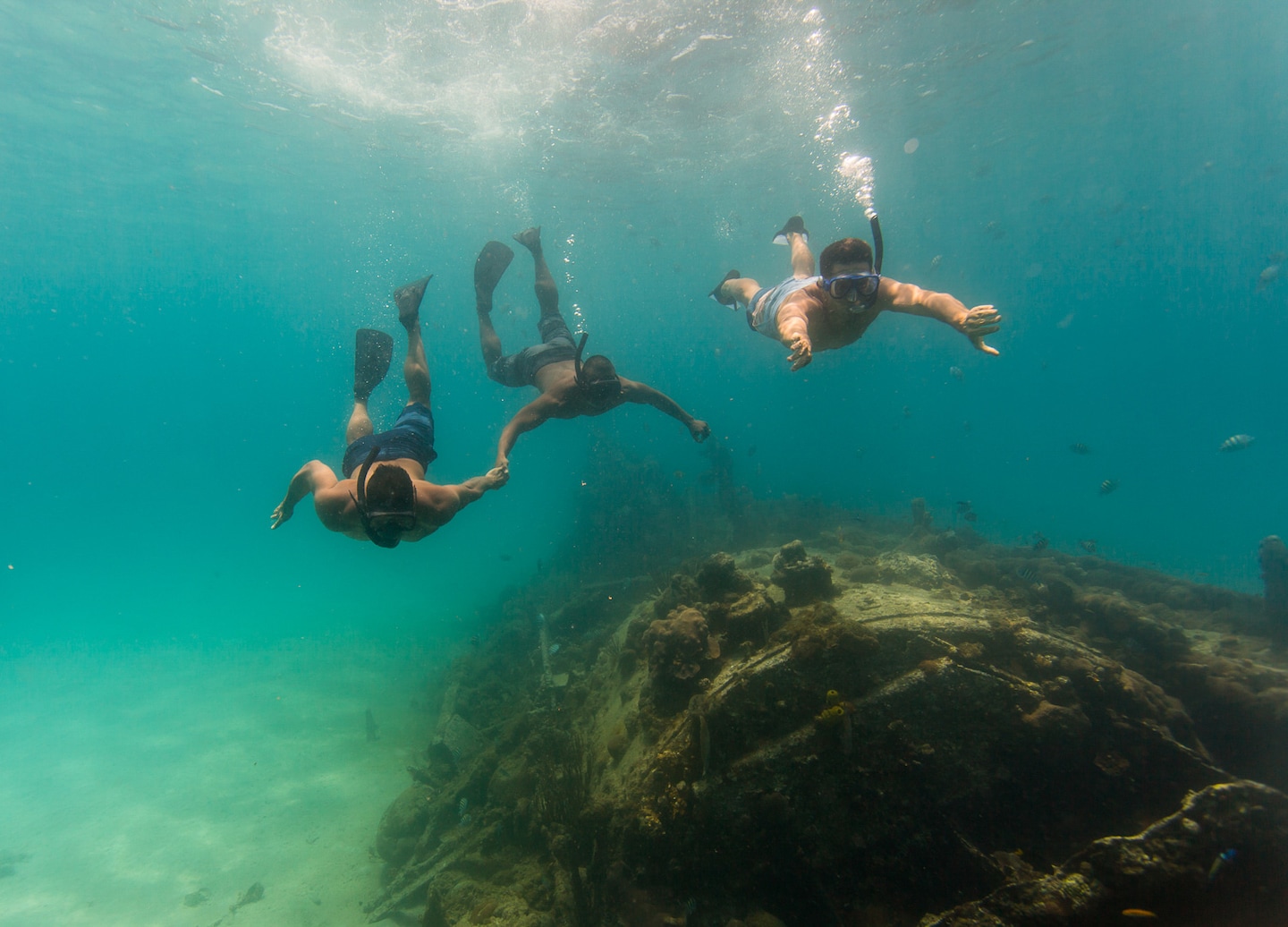
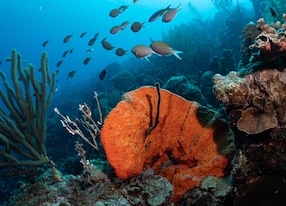
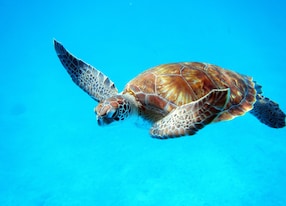
Barbados is known for coastal waters that are home to sea turtles, tropical fish and shipwrecks. Carlisle Bay is especially associated with submerged vessels that have become habitats for marine life.
The wrecks provide surfaces for marine growth and shelter for fish. Their outlines remain recognizable beneath the water, creating underwater scenes where the island’s maritime history meets its marine environment.
This combination helps explain Barbados’ appeal for snorkeling and diving. Clear conditions can reveal both the wrecks and the life around them, although visibility and wildlife sightings vary from day to day.
Why Visit Barbados?
Barbados is an inviting choice if you enjoy beaches, regional food and getting to know the traditions behind a destination. Flying fish and cou-cou, colorful chattel houses and conversations about cricket give the island a character that extends well beyond its shoreline.
A cruise to Bridgetown, Barbados can introduce you to several of these highlights. You might explore the historic capital, discover the limestone scenery inland or spend time beside a sheltered bay. Leave room for a Bajan meal along the way to enjoy another of the island’s best-known pleasures.
Frequently Asked Questions About Barbados
-
What is Barbados most famous for?
Barbados is most famous for its beaches, rum-making heritage, flying fish and cou-cou, and Crop Over festival. The island is also known for cricket, Harrison’s Cave, historic Bridgetown and its connection to Rihanna.
-
What makes Barbados distinctive?
Barbados combines Bajan cultural traditions with varied coastal scenery and limestone landscapes. Colorful chattel houses, neighborhood rum shops and a strong cricket following give the island a distinctive character, while its west and east coasts offer contrasting seaside settings.
-
What does Bajan mean?
Bajan is a commonly used term for someone or something from Barbados. It can refer to the island’s people, food, traditions and local speech. You’ll often see it used in phrases such as Bajan cuisine and Bajan culture.
-
Why is Barbados associated with rum?
Barbados is associated with rum because of its long tradition of distilling spirits from sugar cane byproducts such as molasses. Its well-known distilleries helped build that reputation internationally, while neighborhood rum shops remain part of local social life.
-
What is Crop Over in Barbados?
Crop Over is a Barbadian festival that developed from celebrations marking the end of the sugar cane harvest. It features music, cultural events and costume traditions, with the Grand Kadooment parade among its best-known celebrations.
-
Why does Barbados have movable wooden houses?
Barbados’ traditional chattel houses were designed to be dismantled and moved so owners could take their homes with them when relocating. Their portable construction explains the name and is an important part of this distinctive Barbadian building tradition.
-
Is Barbados worth visiting on a cruise?
Barbados is worth visiting on a cruise if you enjoy beaches, local food, historic surroundings and natural scenery. Arriving in Bridgetown provides a starting point for exploring the capital or traveling farther afield. Allow for transportation and your ship’s departure time when choosing your plans.
Keep Exploring Barbados
Ready to discover more of the island? These guides can help you plan your visit:
- Barbados Shore Excursions — Explore experiences featuring historic sites, coastal scenery and natural attractions.
- Best Time to Visit Barbados — Compare the seasons and find the right time for your island getaway.
- What to Eat in Barbados — Discover flying fish and cou-cou, local snacks and other Bajan favorites.
- What to Buy in Barbados — Find inspiration for locally made pottery, Bajan pepper sauce and island keepsakes.