Batik is a way of decorating fabric using wax and dye. Artists apply wax to the areas they want to protect, then add color to the exposed cloth. When the wax is removed, a pattern appears. The word batik can describe both the technique and the finished fabric.
A finished piece might feature tiny dots, flowing lines or bold shapes. Seeing how those details are made is part of the pleasure. What begins as plain cloth becomes a design built through careful choices about where to place the wax and color.
Batik has deep roots in Indonesia and is practiced in other parts of the world, including the Caribbean. In St. Lucia, a demonstration offers a chance to watch the process and discover the work behind a colorful keepsake.
How Does Batik Work?
Batik uses wax as a barrier that keeps dye from reaching certain parts of the fabric. This is called wax-resist dyeing.
For a simple example, imagine drawing a flower in wax on white cloth, then dyeing the cloth blue. The wax protects the flower, so it stays white while the surrounding fabric turns blue. Removing the wax reveals the design.
Artists can repeat the process to create several colors. Each new layer of wax protects another part of the design before the next color is added.
Where Does Batik Come From?
Batik is especially closely associated with Java, Indonesia, where it has a long history as both a craft and a part of daily life. Wax-resist textile traditions also developed in other places, so the wider story reaches beyond one country.
In Indonesia, batik can mark important moments, express regional identity and carry meanings passed down through generations. Certain designs are connected with ceremonies, while other fabrics are worn in everyday settings.
In 2009, UNESCO added Indonesian batik to its Representative List of the Intangible Cultural Heritage of Humanity. The recognition celebrates the knowledge, skills and cultural traditions surrounding the cloth.
Today, discovering batik can be a way to learn about both a creative process and the people who practice it. A maker’s choice of pattern, color and fabric helps tell that story.
How Is Batik Fabric Made?
Making batik involves applying wax, adding dye and removing the wax to reveal the finished design. More detailed pieces may go through several rounds of waxing and coloring.
The basic stages include:
- Prepare the fabric: Clean cloth provides the starting surface.
- Apply the wax: The maker draws or stamps a design onto the fabric using melted wax.
- Add color: Dye colors the areas left exposed.
- Build the pattern: More wax and dye can create additional layers of color.
- Remove the wax: The cloth is treated to release the wax, revealing the finished pattern.
Watching these stages helps explain why batik takes planning. The maker has to think ahead about which areas to protect and how the colors will work together.
What Are the Different Types of Batik?
Two traditional Indonesian methods are batik tulis, which uses hand-drawn wax designs, and batik cap, which uses stamps to apply the wax.
Hand-Drawn Batik
In batik tulis, the maker draws wax lines with a tool called a canting. It has a small reservoir for melted wax and a narrow spout that allows the artist to create fine details.
Stamped Batik
In batik cap, a copper stamp applies the wax pattern to the fabric. Repeating the stamp helps create an even arrangement of shapes. Some pieces combine stamped patterns with hand-drawn details.
Contemporary artists also use brushes and other tools to explore different effects. These approaches give batik a wide range of looks, from closely repeated patterns to flowing, picture-like designs.
What Do Batik Patterns Mean?
Batik patterns can have cultural meanings, but those meanings depend on the design and the community that uses it. There is no single meaning shared by every flower, shape or color.
UNESCO describes Indonesian batik as reflecting influences from different cultures, along with local traditions and beliefs. Some patterns are associated with particular occasions or stages of life.
When you visit a studio, ask the maker about the pattern that catches your eye. It might refer to a local tradition, draw inspiration from nature or be the artist’s own creation.
What Is Batik Fabric Used For?
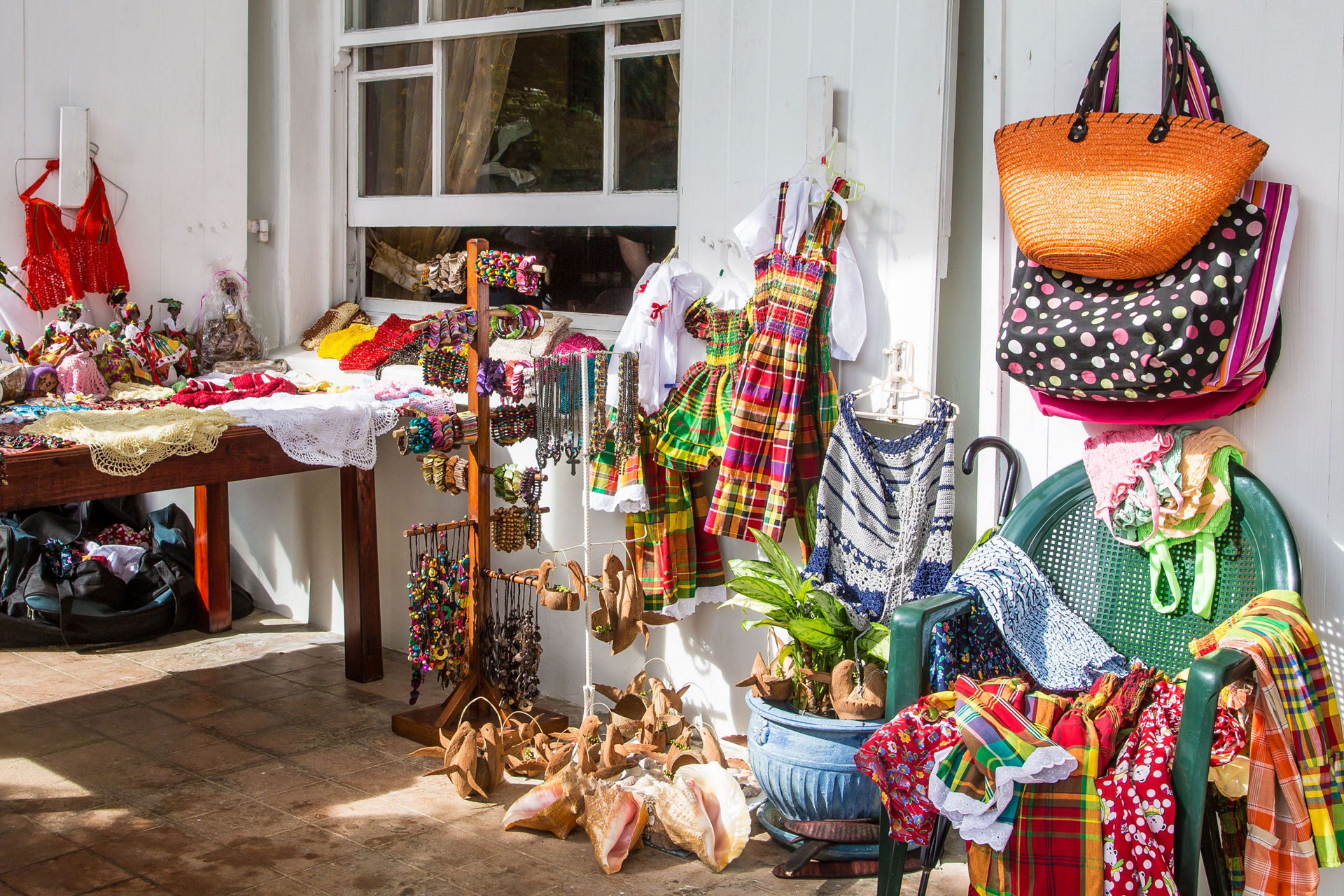
Batik fabric can be worn, displayed or made into useful everyday items. Depending on the maker, you may find:
- Clothing: Shirts, dresses, wraps and other garments.
- Accessories: Scarves and smaller fabric pieces.
- Art for home decor: Wall hangings and decorative textiles.
Cotton and silk are familiar materials for batik, though artists also work with other fabrics. The word describes the decorating process rather than a particular fiber.
If you’re choosing a souvenir, think about how you would enjoy it at home. A wearable piece can bring a little vacation color into your day, while a wall hanging gives the design a place to shine.
Discovering Batik in St. Lucia
In St. Lucia, Caribelle Batik offers visitors a look at batik production through demonstrations. Its Caribbean-designed clothing and textiles bring the craft into an island setting.
A demonstration gives you something to look for when browsing finished pieces. Notice how a line outlines a shape, how colors sit beside one another and which details may have needed extra care.
You can make the most of the visit with a few simple questions:
- How was this pattern created?
- Which parts were protected with wax?
- How many stages did the design need?
- Where was this piece made?
- How should I wash or care for it?
You don’t need an art background to enjoy the answers. Watching someone work can make the technique much easier to understand than looking at the finished fabric alone.
See Batik on a St. Lucia Shore Excursion
Royal Caribbean’s St. Lucia Scenic Drive and Batik Creations excursion combines a batik demonstration with views of the island.
The described itinerary includes:
- Caribelle Batik: Watch a demonstration and learn how colorful batik designs are made.
- A scenic drive: Travel through rural communities and the Rodney Bay area.
- A Pigeon Island photo stop: Enjoy views of the coastline.
The batik visit focuses on watching the craft. It offers an introduction for travelers who enjoy art, local shopping or learning how things are made, with island scenery adding to the day.
Why Discover Batik in St. Lucia?
Batik adds a creative stop to a day of Caribbean sightseeing. Watching wax and dye become a finished design gives you a closer look at the skill behind the fabric (and a chance to ask questions along the way).
Whether you find a favorite pattern or simply enjoy seeing the process, it’s an experience you can carry into your next visit to a craft shop or gallery. Explore cruises to Castries, St. Lucia and discover how a batik demonstration could become part of your island adventure.
Frequently Asked Questions About Batik
-
What is batik fabric?
Batik fabric is cloth decorated using wax and dye. Wax protects selected areas from absorbing color, creating a pattern when it's removed. Batik can be made on cotton, silk and other fabrics, so the name describes the decorating technique rather than the material.
-
What does kain batik mean?
Kain batik means “batik cloth,” or “batik fabric” in Indonesian and Malay. The term refers to the finished textile, which may be used for clothing, wraps or other fabric items. It describes the cloth rather than a separate batik technique.
-
How is batik made?
Batik is made by applying melted wax to fabric, adding dye and removing the wax to reveal a design. Artists may repeat the waxing and dyeing stages to create several colors. Each layer of wax protects parts of the pattern from the next dye color.
-
What is the difference between batik tulis and batik cap?
The difference is how the wax design is applied. Batik tulis uses hand-drawn wax lines, usually made with a small spouted tool called a canting. Batik cap uses copper stamps to apply repeating wax patterns. Both methods use wax to protect parts of the cloth during dyeing.
-
Where does batik come from?
Batik is especially associated with Java, Indonesia, where it has deep cultural roots and traditions passed down through generations. Wax-resist dyeing also has a long history in other parts of the world. UNESCO recognized Indonesian batik as Intangible Cultural Heritage in 2009.
-
What is the difference between batik and batik print?
Traditional batik uses wax and dye to create patterns in cloth. A batik-style print reproduces the appearance of those patterns through textile printing.
-
Can you see batik being made in St. Lucia?
Visitors can watch a batik demonstration at Caribelle Batik in St. Lucia. Royal Caribbean’s St. Lucia Scenic Drive and Batik Creations excursion includes this stop, along with island sightseeing and a coastal photo stop at Pigeon Island.
-
Does the St. Lucia batik excursion include a hands-on class?
Royal Caribbean’s St. Lucia Scenic Drive and Batik Creations excursion includes a demonstration where guests watch how batik is made. The listed itinerary does not include making your own fabric. The experience combines learning about the craft with a scenic island drive.
-
How do you wash batik fabric?
Wash batik fabric according to the maker’s instructions or the garment’s care label. The best method depends on the fabric, dyes and finish. When buying a piece, ask whether it should be hand-washed, machine-washed or dry-cleaned, and how to dry and iron it.
Planning a Trip to St. Lucia?
Want to learn more about St. Lucia? Check out these guides to plan your next trip:
- Castries, St. Lucia Shore Excursions - Explore island sightseeing, coastal adventures and experiences for your time ashore.
- Sightseeing Excursions in Castries, St. Lucia - Discover scenic drives, batik demonstrations and views of the island’s landscapes.
- What To Buy When Shopping in St. Lucia - Find local keepsakes, from colorful textiles to island flavors.
- What Is St. Lucia Known For? - Get to know the island through its Pitons, volcanic scenery and cultural traditions.