From its majestic Piton Mountains to its lush rainforests and pristine beaches, St. Lucia offers a mosaic of experiences that captivate tourists from around the world. Here, we explore the top ten things St. Lucia is known for, showcasing why this island is a must-visit destination for anyone seeking a blend of adventure, relaxation and cultural enrichment.
1. The Majestic Pitons

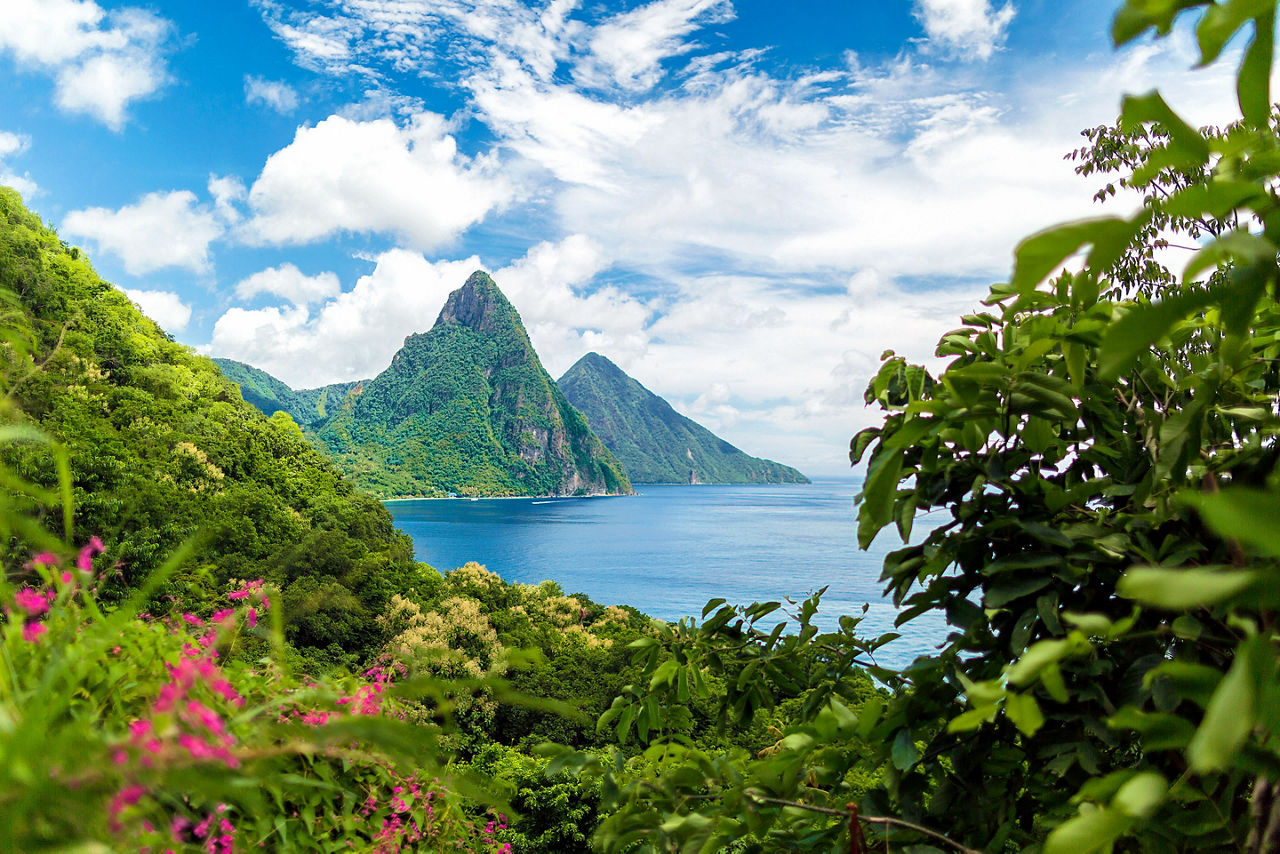
A visit to St. Lucia is incomplete without witnessing the iconic Piton Mountains. These twin volcanic peaks, Gros Piton and Petit Piton, are among the most celebrated natural landmarks in the Caribbean. Hiking up Gros Piton offers a challenging yet rewarding experience with panoramic views of the island and the sparkling Caribbean Sea below. These peaks are not only a Unesco World Heritage Site, but also a symbol of St. Lucia’s natural beauty.
2. Sulphur Springs Park - The "Drive-In" Volcano
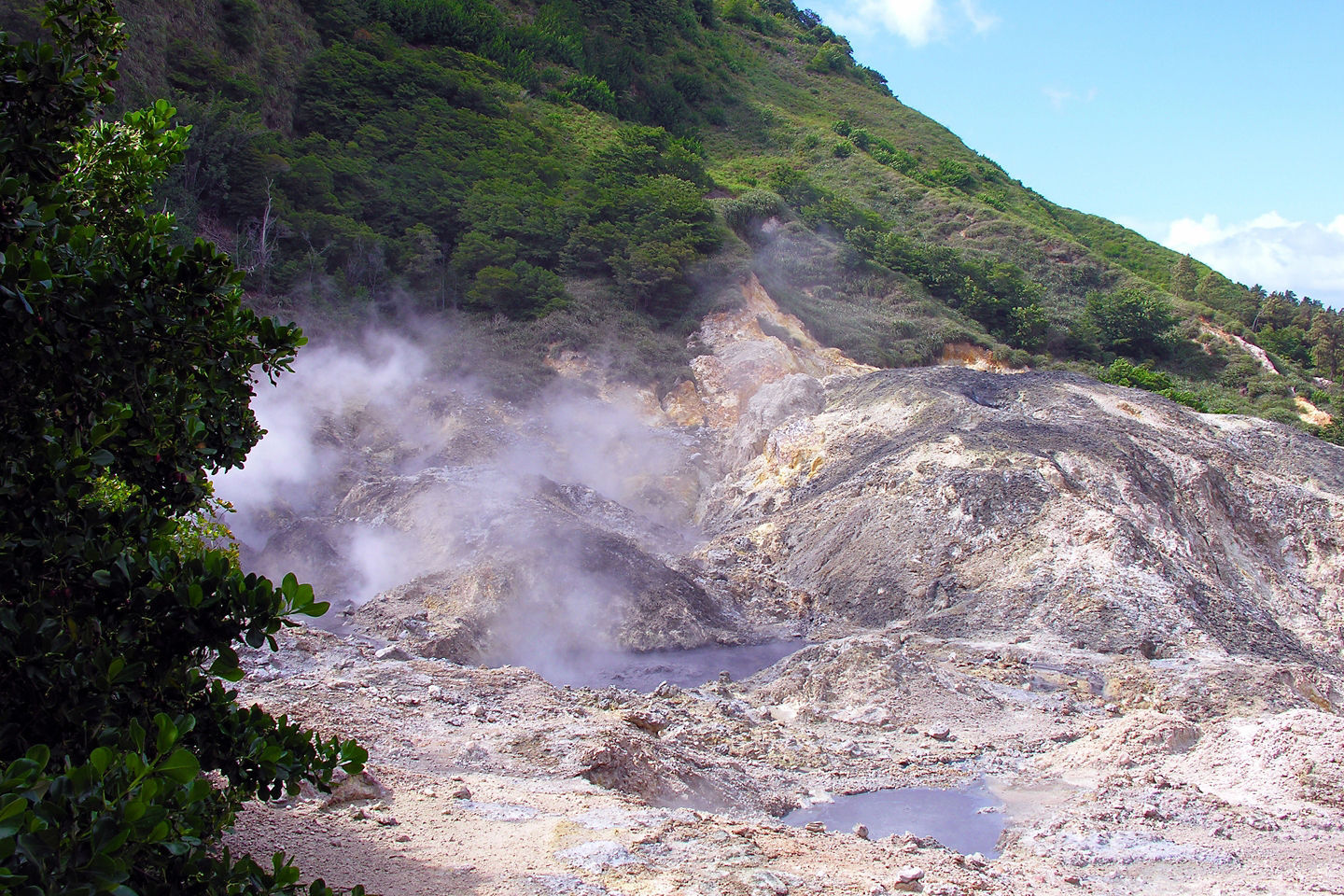
One of the most unique things St. Lucia is known for is its drive-in volcano. The Sulphur Springs Park in Soufrière is a unique geothermal area with bubbling mud pools and hot springs. Visitors can take a guided tour to learn about the volcano’s history and end their trip with a therapeutic mud bath, renowned for its healing properties.
3. Exquisite Beaches
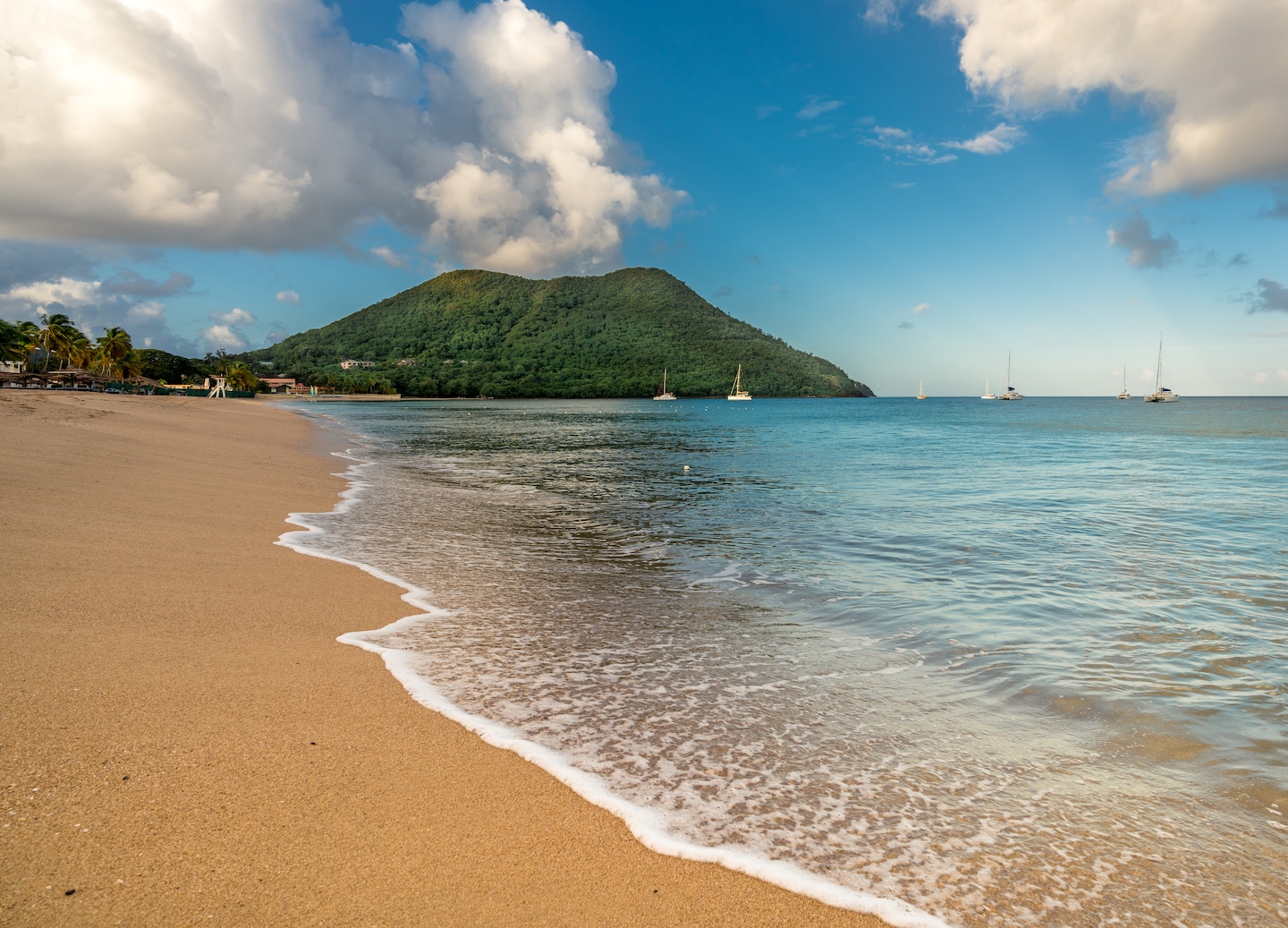
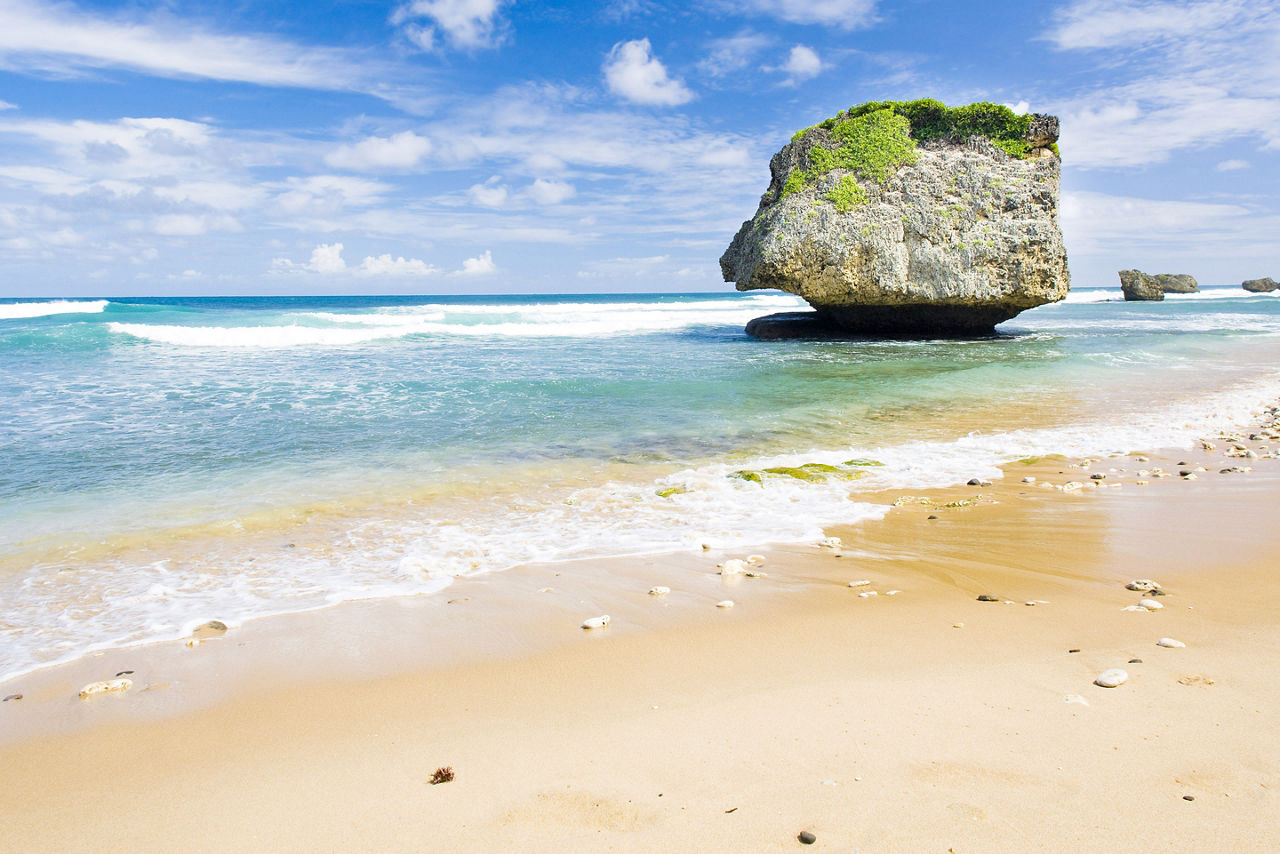
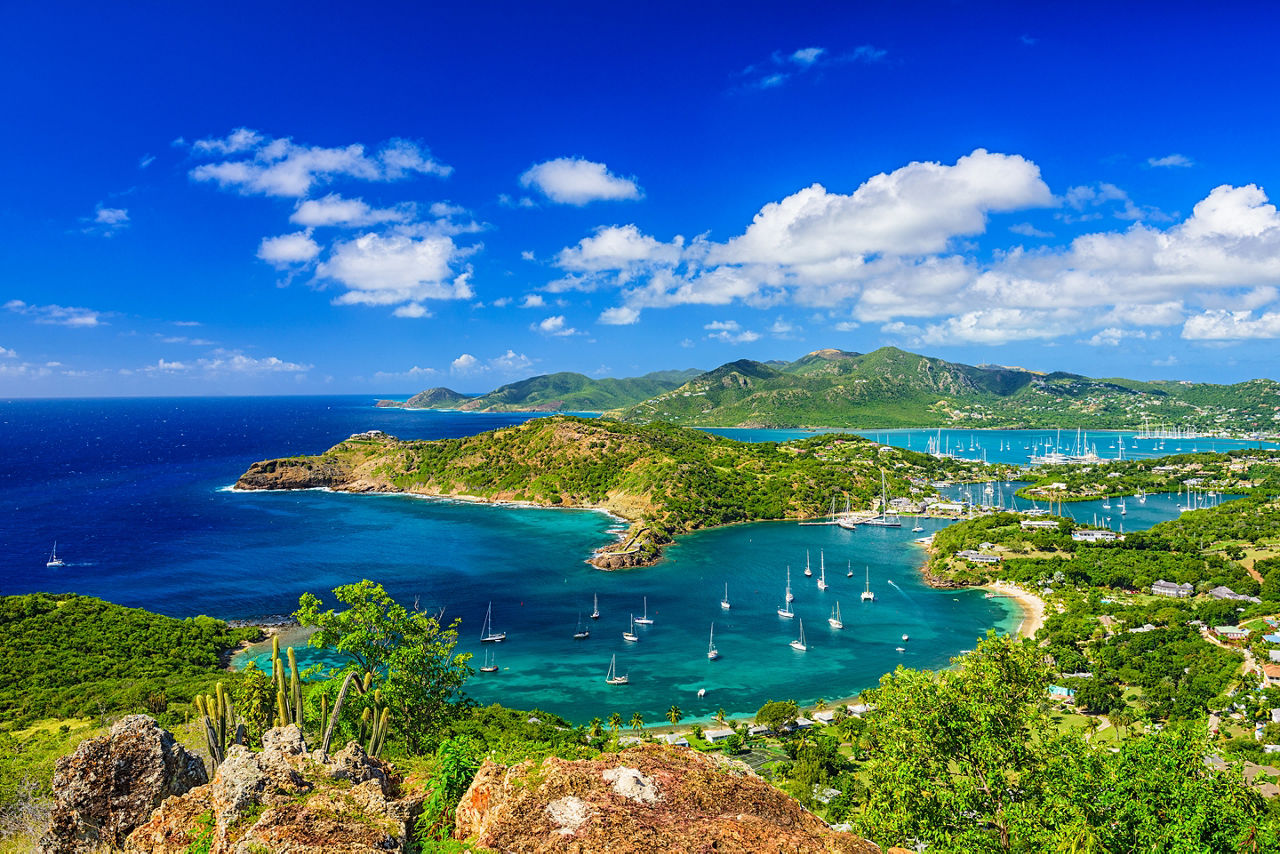
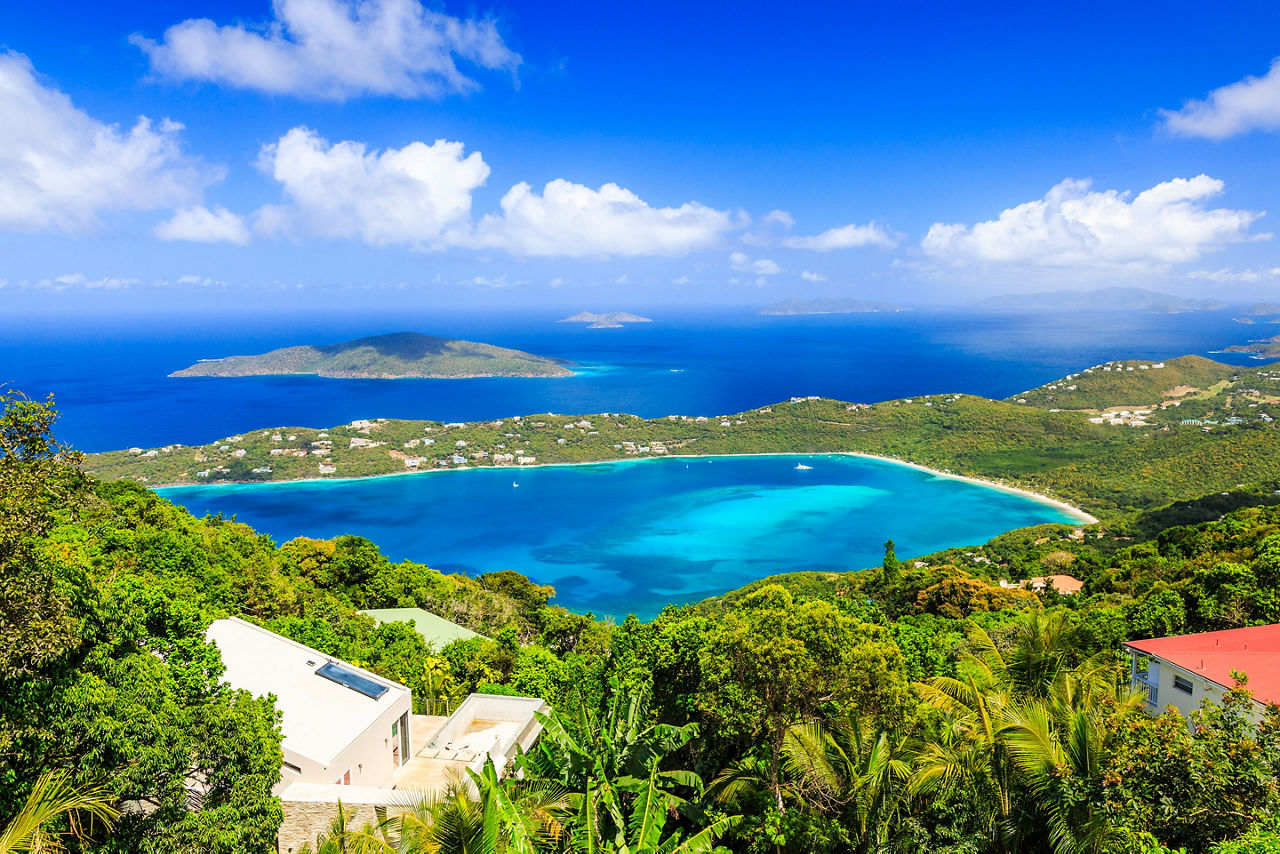
St. Lucia's beaches are renowned for their beauty and variety. From the secluded coves of Anse Chastanet to the popular Reduit Beach, each offers its own unique charm and activities. Soft sands, clear turquoise waters and the opportunity for snorkeling or simply soaking up the sun make St. Lucia’s beaches a highlight of any Caribbean visit.
4. Lush Rainforests

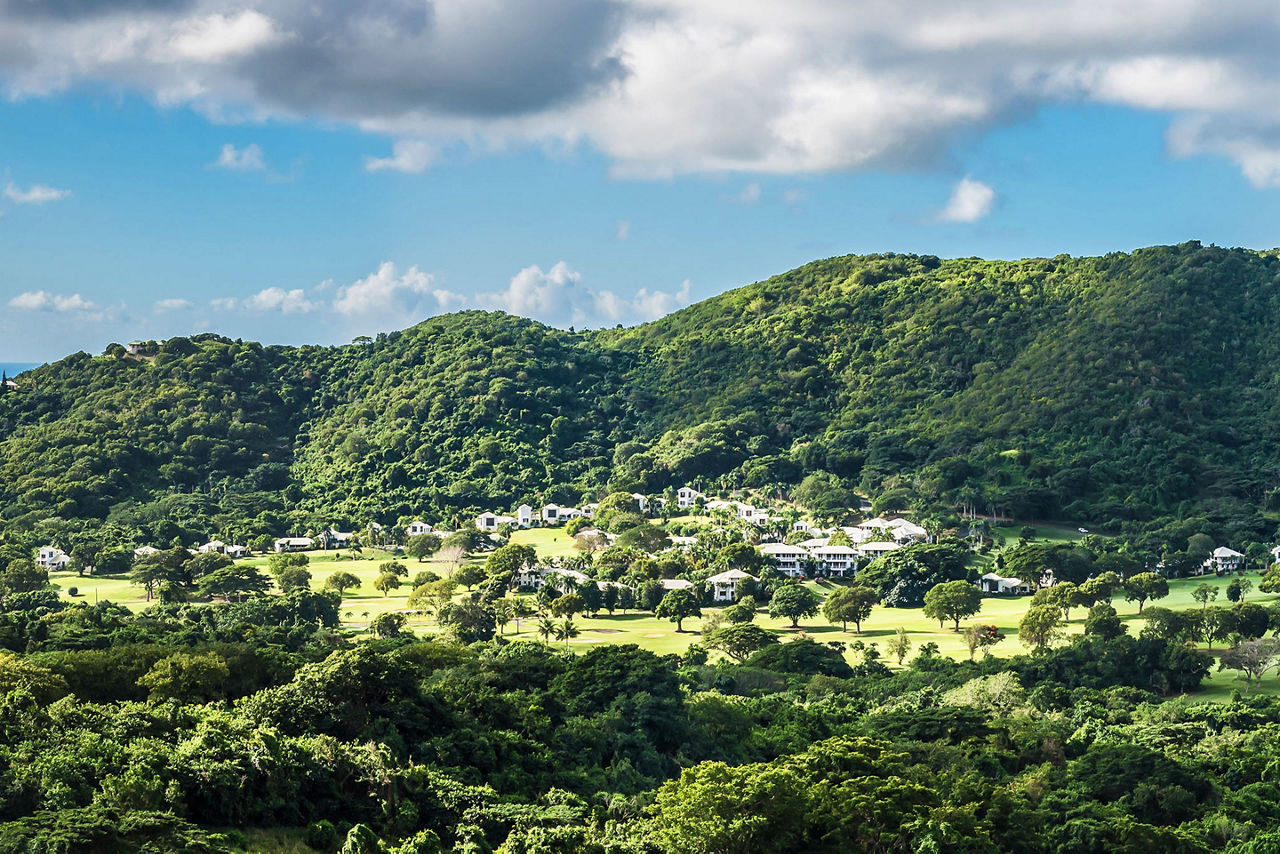
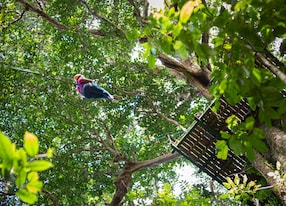
Exploring St. Lucia’s lush rainforests is a must-do for nature lovers. The island's interior is a dense canopy of greenery, featuring a variety of flora and fauna. Rainforest hikes can lead you to hidden waterfalls, such as the enchanting Toraille, which offers a cool, refreshing dip beneath its cascades.
5. Vibrant Cultural Festivals
St. Lucia’s cultural calendar is dotted with vibrant festivals that celebrate the island’s heritage and arts. The St. Lucia Jazz Festival attracts global artists and music lovers, while the Carnival, held every July, features colorful parades, calypso music and dance performances that showcase the island’s festive spirit.
6. Delicious Creole Cuisine
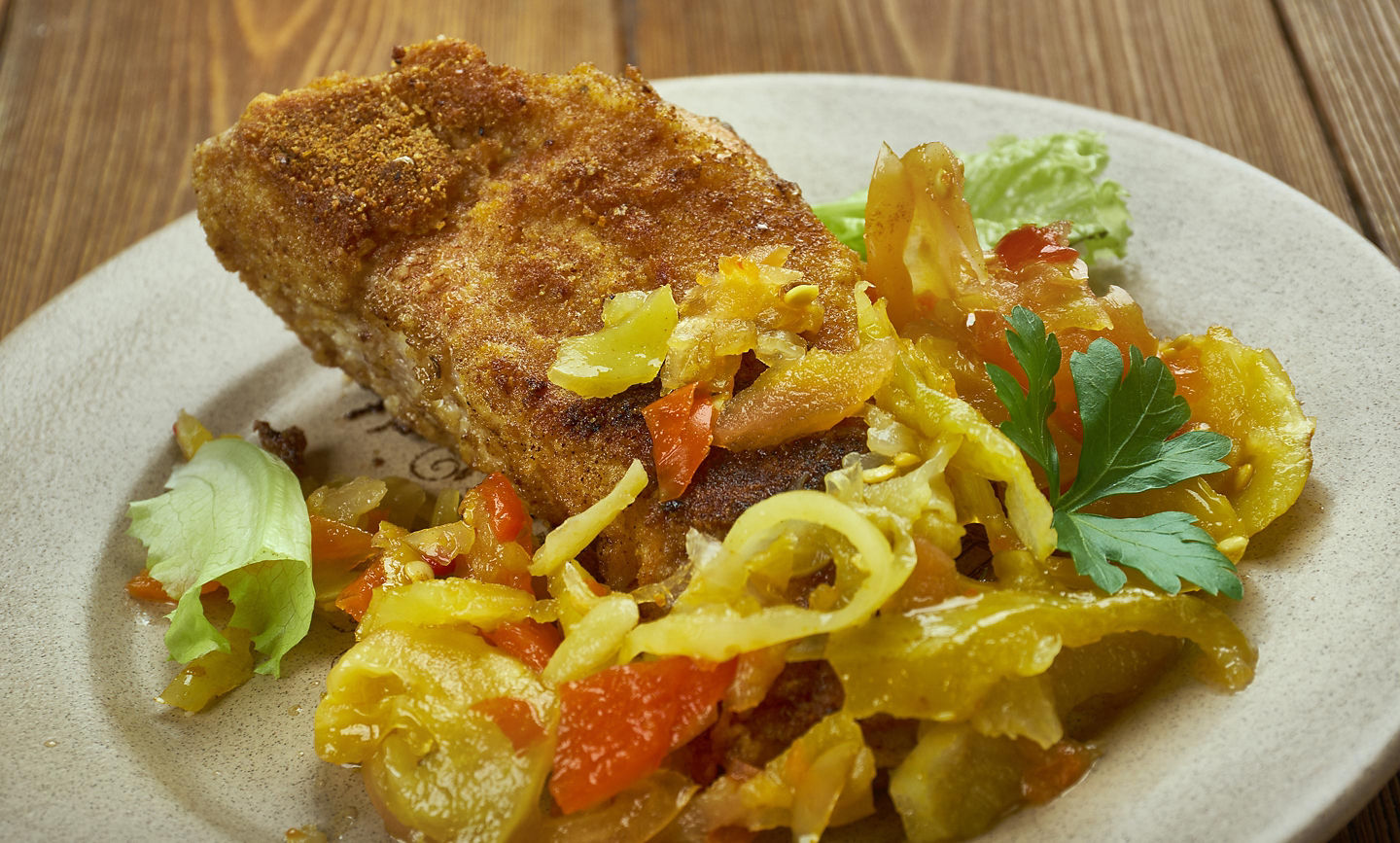
The culinary landscape in St. Lucia is as diverse as its culture. Local dishes often feature freshly caught seafood, tropical fruits and Creole influences. Be sure to try the national dish, green figs and saltfish, which combines bananas (green figs) with salted cod for a truly Lucian flavor.
7. Botanical Gardens

The Diamond Falls Botanical Gardens is a natural paradise that features a mineral waterfall colored by its volcanic surroundings, vibrant flora and soothing hot mineral springs. This tranquil garden is perfect for a leisurely stroll to unwind in the midst of nature’s bounty.
8. Scuba Diving and Snorkeling

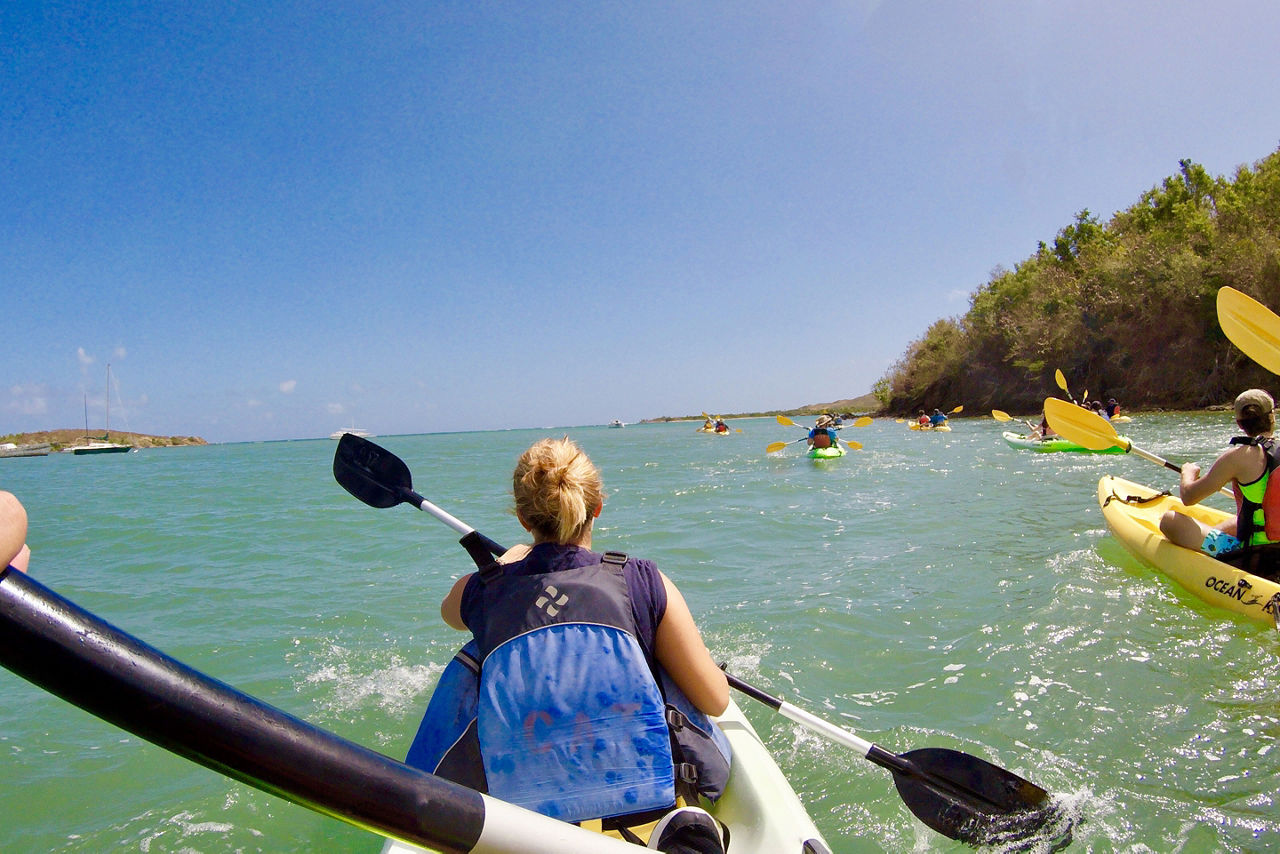
St. Lucia is a premier destination for scuba diving and snorkeling, with numerous dive sites that cater to all skill levels. The island’s clear waters and abundant marine life offer divers and snorkelers a chance to explore underwater landscapes, including coral reefs and old shipwrecks, teeming with colorful fish and other sea creatures.
9. Pigeon Island National Landmark
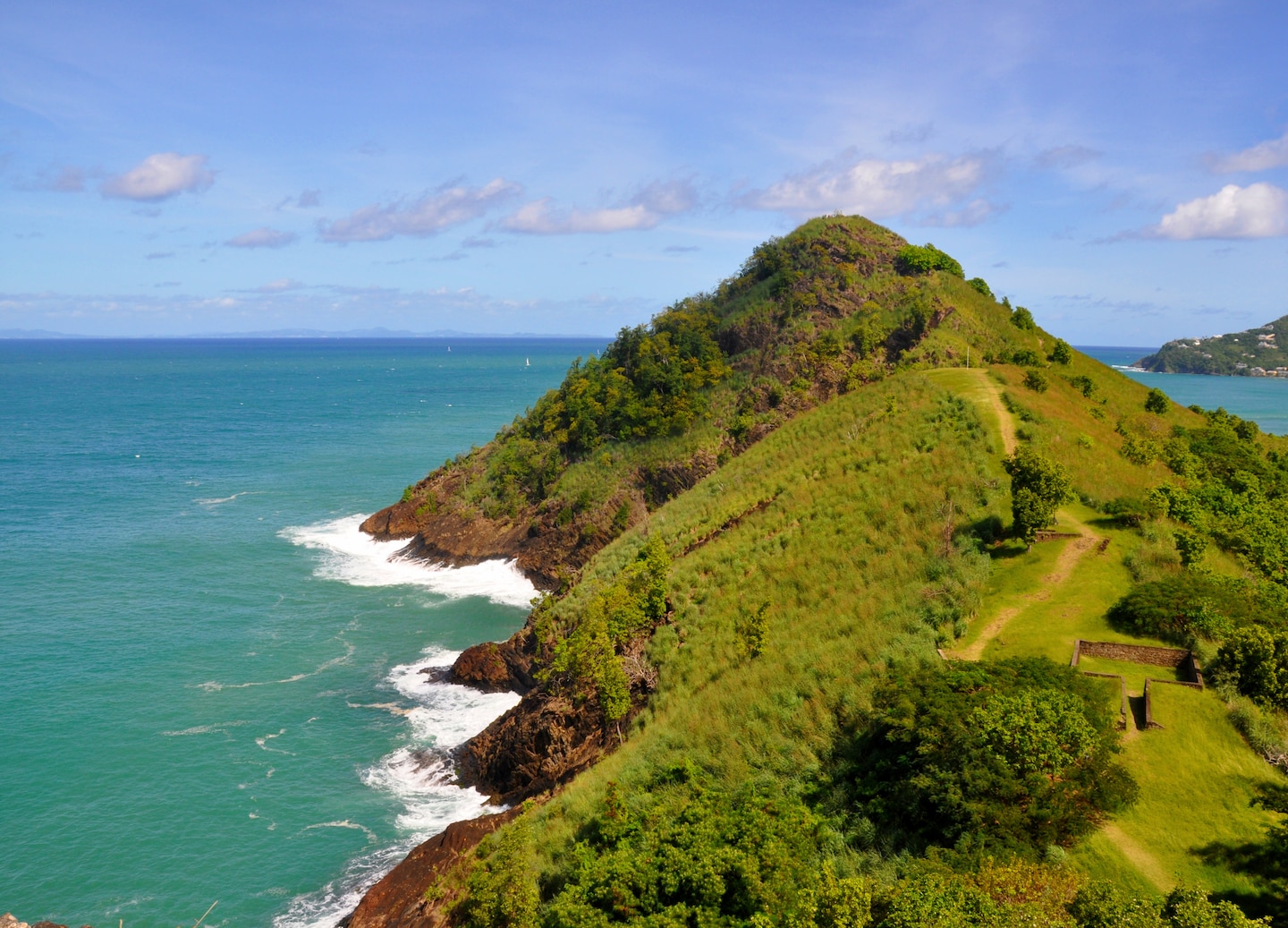
Pigeon Island, a historic site linked to the mainland by a causeway, is one of the most significant landmarks in St. Lucia. It's known for its well-preserved forts, beautiful beaches and as a venue for the St. Lucia Jazz Festival. A hike to the top of the fort ruins offers spectacular views of the northwest coastline.
10. Locally Grown Chocolate
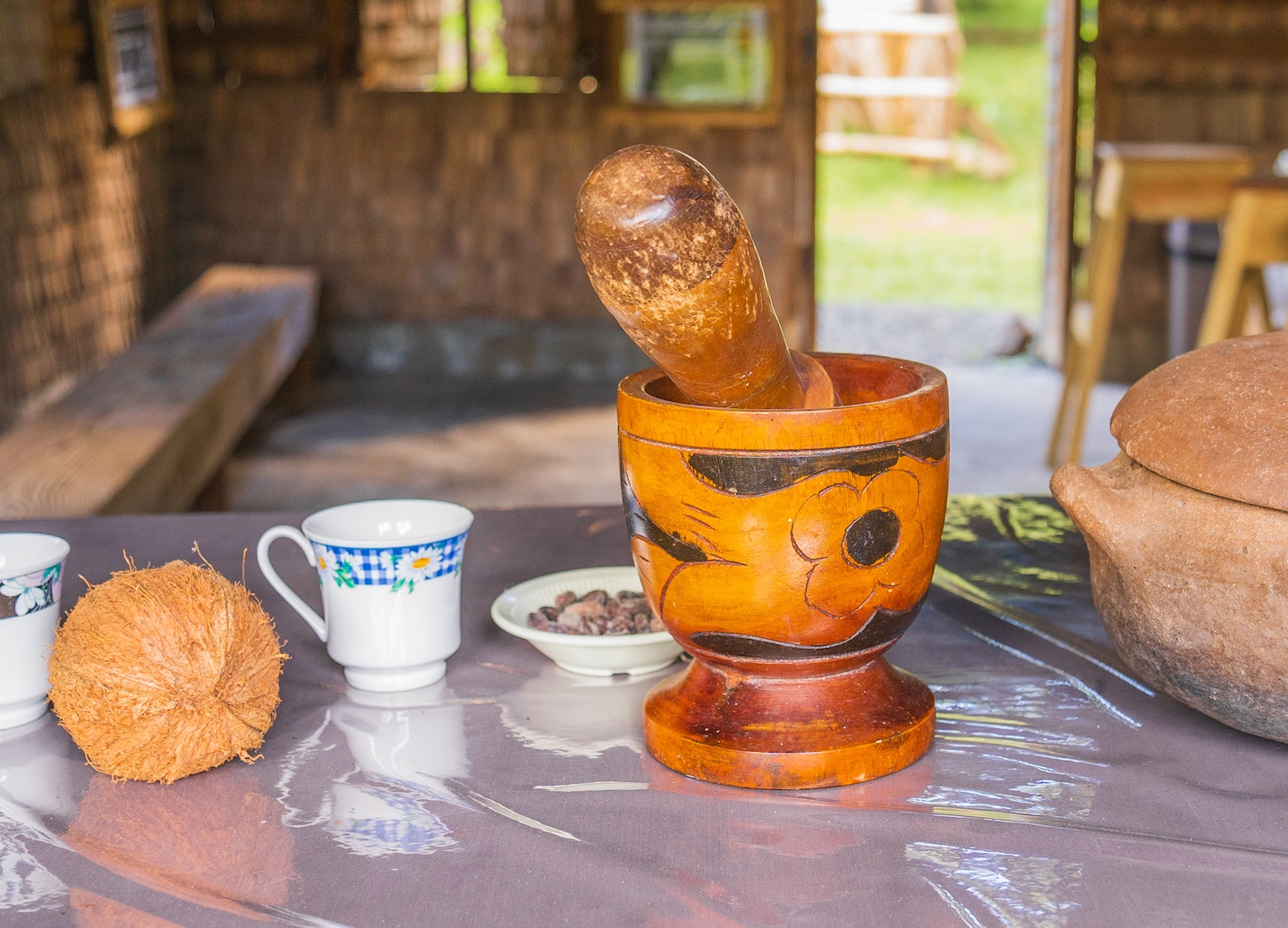
St. Lucia is quickly gaining a reputation for producing some of the finest chocolate in the world. The island's volcanic soil and tropical climate create perfect conditions for growing cacao. Chocolate lovers can visit local plantations to learn about the chocolate-making process and indulge in tastings of rich, locally produced chocolate.
What is St. Lucia Known For?
St. Lucia is known for the iconic Piton mountains, volcanic landscapes and lush rainforests that define its dramatic Caribbean scenery. From soaking in the geothermal waters of Sulphur Springs to snorkeling along vibrant coral reefs and relaxing on scenic beaches, the island offers a balance of adventure and laid-back coastal experiences. Its rich cultural heritage and reputation for romantic, nature-driven escapes make it a standout destination for a wide range of travelers.
FAQs About St. Lucia
1. Is St. Lucia worth visiting?
Yes, St. Lucia is worth visiting if you want a Caribbean island that combines beach time with adventure and culture. Visitors can hike Gros Piton, soak in volcanic mud baths, dive colorful reefs and still enjoy upscale resorts, spas and local Creole cuisine.
2. What is St. Lucia best known for in the Caribbean?
Within the Caribbean, St. Lucia is best known for its iconic Pitons, often seen on postcards and travel posters. The island’s combination of rainforest hikes, geothermal attractions, waterfalls and high-end beachfront and hillside resorts sets it apart from more flat, purely beach-focused islands.
3. What is St. Lucia’s national dish?
St. Lucia’s national dish is green figs and saltfish, which pairs boiled green bananas (“green figs”) with seasoned salted cod. It’s often served with vegetables and Creole-style sauces, reflecting the island’s blend of African, European and Caribbean influences.
4. What activities is St. Lucia known for?
St. Lucia is known for activities such as hiking Gros Piton, visiting Sulphur Springs for mud baths, touring the Diamond Falls Botanical Gardens and exploring Pigeon Island. The island is also popular for snorkeling, scuba diving, sailing, ziplining and sunset cruises.
5. Does St. Lucia have good beaches?
Yes, St. Lucia has a range of good beaches, from lively stretches near resorts to quieter coves. Popular spots include Reduit Beach, Sugar Beach beneath the Pitons and Anse Chastanet, which is known for its house reef and excellent snorkeling.
Keep Exploring St. Lucia
Want to learn more about the adventures that await you? Check out these guides: