Bilbao is known for the Guggenheim Museum, distinctive modern architecture, Basque culture and pintxos, the small bites served in local bars. The city is also famous for its historic Casco Viejo, La Ribera Market and the transformation of its industrial waterfront into spaces for art, walking and everyday life.
Located in Spain’s northern Basque Country, Bilbao sits along an estuary surrounded by green hills. You can explore narrow old-town streets, admire a building that looks like a sculpture or settle into a square with something delicious to try. Here are 10 things Bilbao is known for and what makes each one worth discovering.
1. The Guggenheim Museum Bilbao
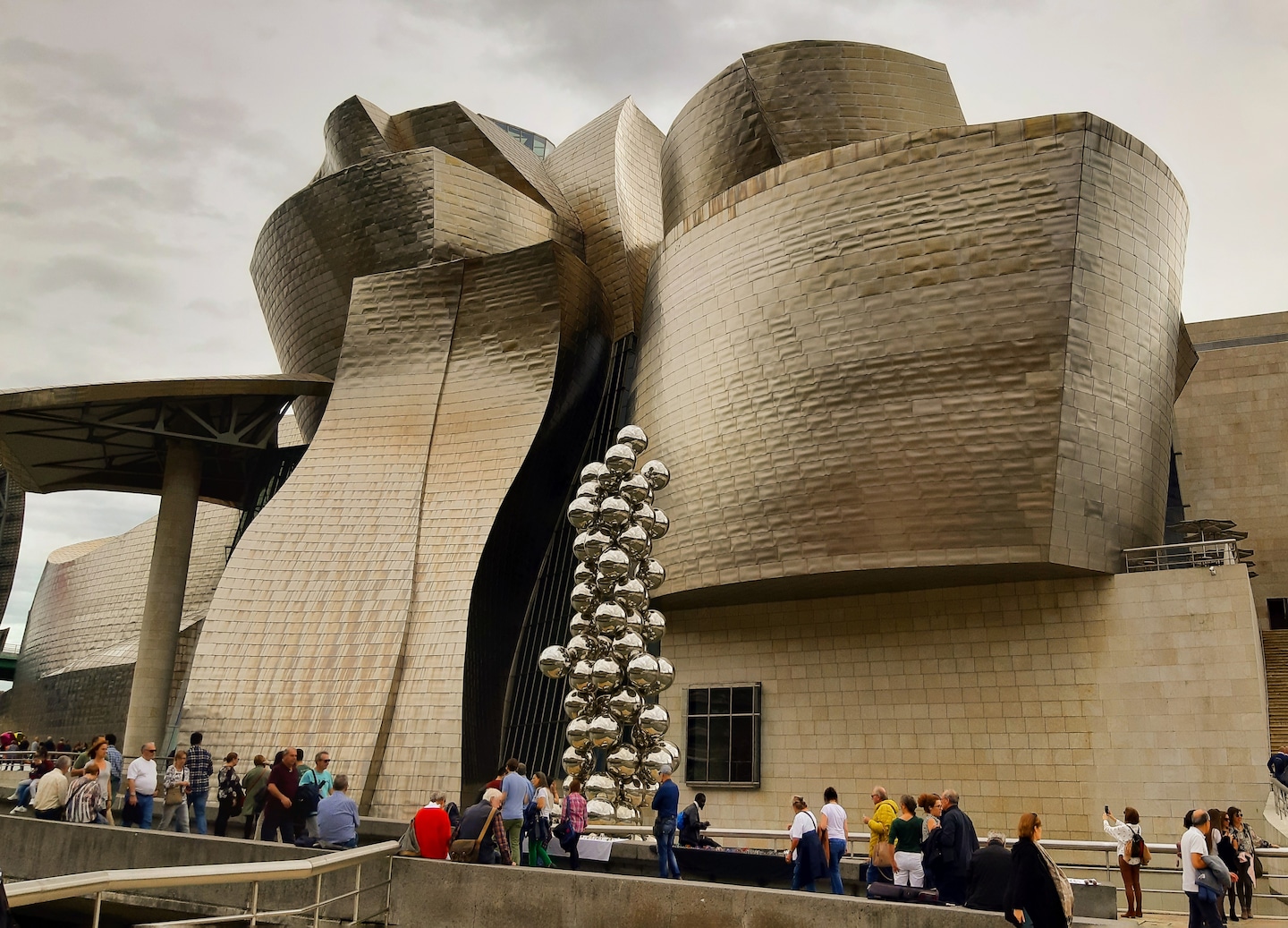
The Guggenheim Museum Bilbao is the city’s best-known landmark, celebrated for Frank Gehry’s architecture and its modern and contemporary art. Opened in 1997, the museum’s curved titanium surfaces have become a defining image of Bilbao.
The building rewards a look from more than one angle. Walk toward the river and its shapes seem to shift, with changing light bringing out different tones in the metal.
If you plan to explore inside, leave time for the galleries, as well as the exterior. The architecture makes a memorable first impression, while the art gives you another reason to linger.
2. Casco Viejo & the Seven Streets
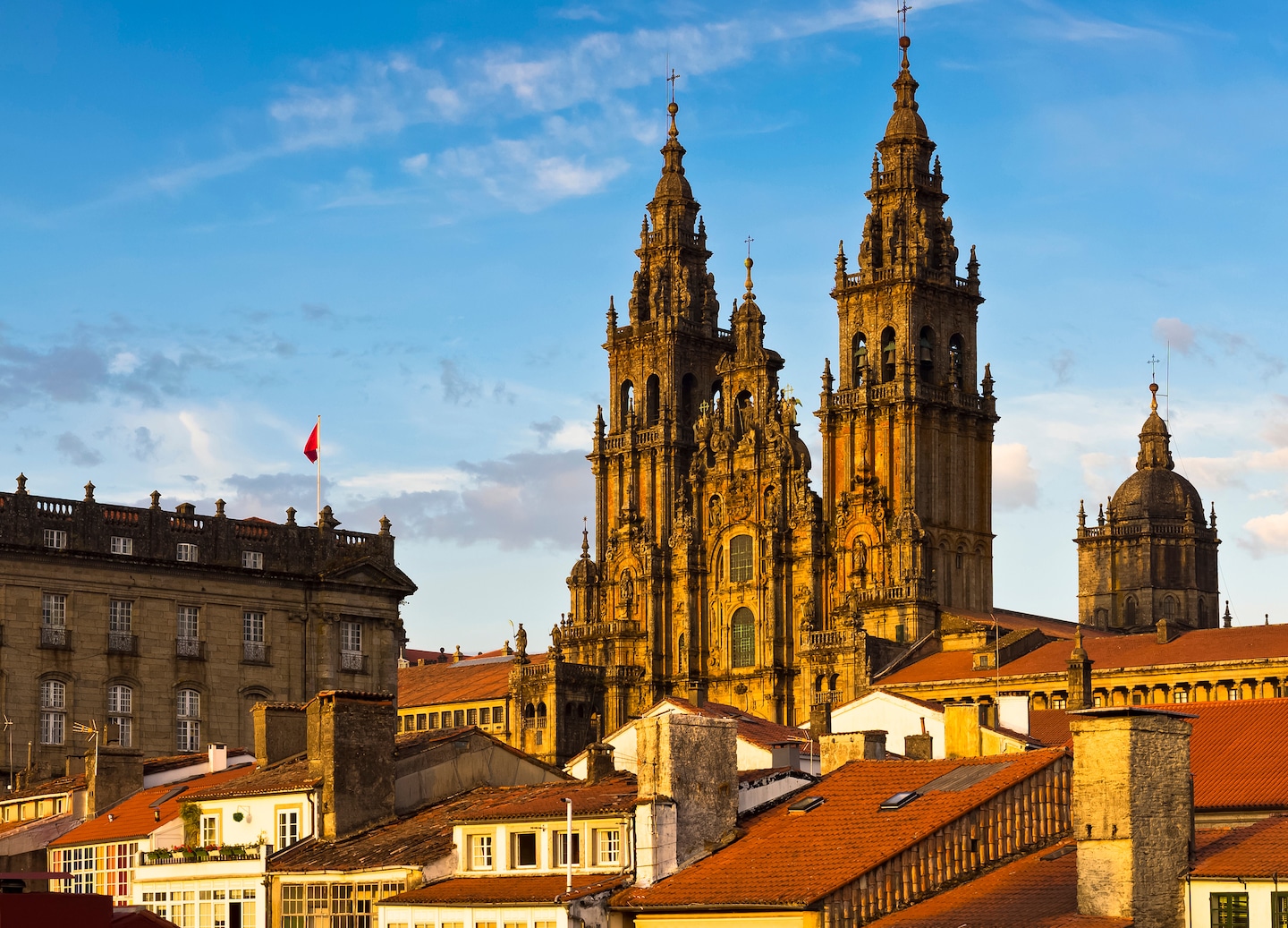
Bilbao’s Casco Viejo is its historic old town, known for the Siete Calles, or Seven Streets, along with churches, shops and lively squares. This neighborhood offers a close look at the city’s earlier history.
Around Santiago Cathedral, narrow streets lead past bakeries, small businesses and places to stop for a bite. Plaza Nueva opens up the scene with an arcaded square where cafe tables and pintxos bars invite a longer pause.
A walk here is as much about the atmosphere as the buildings. Notice the balconies above the shopfronts, explore a side street and give yourself time to enjoy the neighborhood between sightseeing stops.
3. Pintxos Culture
Bilbao is famous for pintxos, small servings of food that are central to Basque bar culture. They range from simple combinations on bread to warm dishes prepared to order, making each counter an invitation to try something different.
Part of the pleasure is moving between places and discovering what each does well. Choose a bite that catches your eye, ask about a house specialty and enjoy the conversation around you. Spain’s tourism board highlights this tradition in its guide to Bilbao’s pintxos .
4. The Riverfront & Zubizuri Bridge

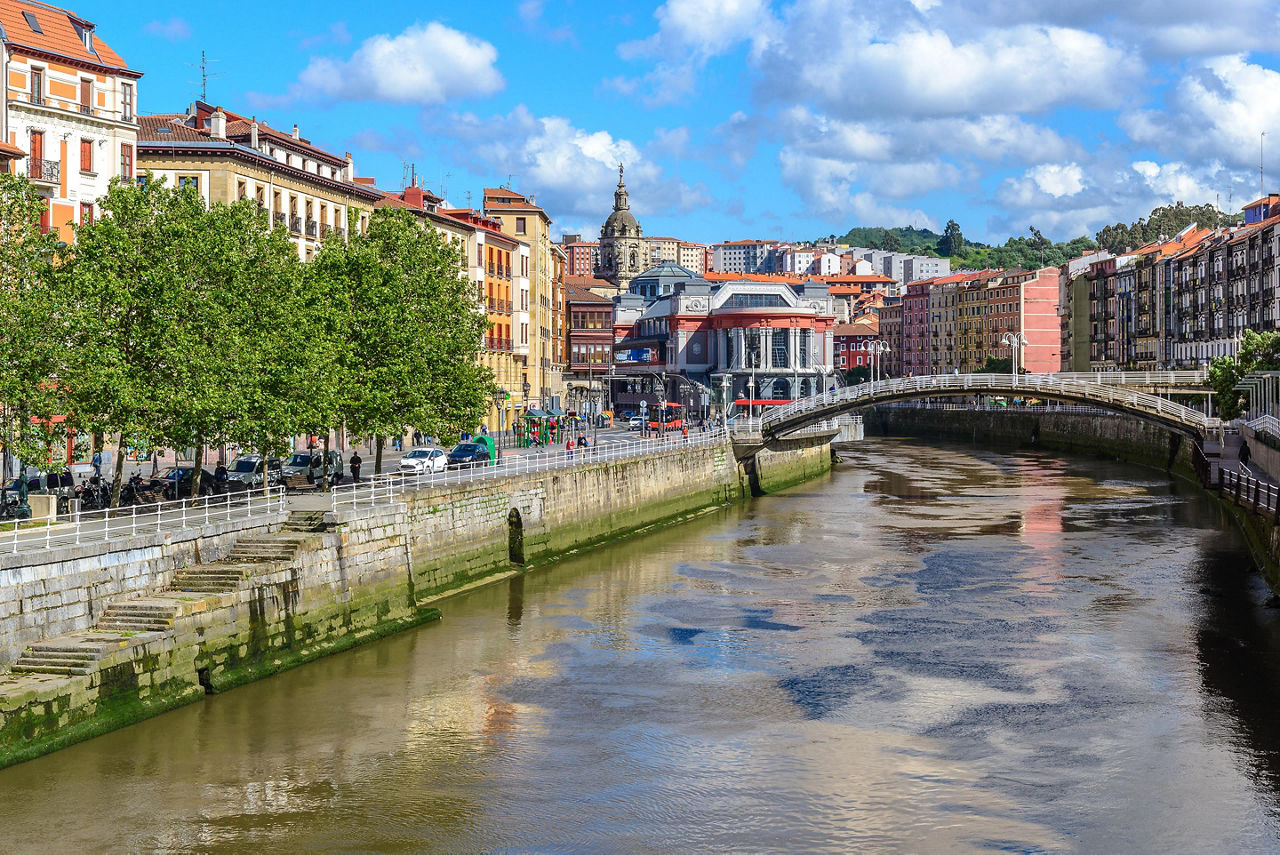
Bilbao is known for a regenerated riverfront that reflects its evolution from an industrial center into a city of cultural attractions and public spaces. Walking beside the estuary offers a clear view of that change.
The Zubizuri Bridge, designed by Santiago Calatrava, is one of the waterfront’s recognizable features. Its white arch adds another distinctive shape to a city where bridges and buildings are part of the sightseeing experience.
A riverside stroll gives you room to take it all in. Follow a stretch of the promenade, pause for a photograph or simply watch people moving between the neighborhoods on either bank.
5. La Ribera Market
La Ribera Market is Bilbao’s landmark food market beside the estuary, known for its Art Deco building and connection to the city’s food culture. Its position near Casco Viejo makes it a natural stop while exploring the historic center.
The market offers a different perspective from a restaurant menu. Looking at the produce, fish and other ingredients helps connect the dishes you encounter with the food people buy for everyday cooking.
6. Basque Culture & Language
Bilbao is known for its Basque identity, expressed through language, food and local traditions. Euskara, the Basque language, appears alongside Spanish in signs and place names, including the Basque name for the city, Bilbo.
These details give a visit a strong sense of place. You’ll encounter unfamiliar words on menus, regional products in shops and customs that connect Bilbao with the wider Basque Country.
A local guide can help explain those connections. Even learning a greeting or asking about a traditional dish can add something personal to your experience of the city.
7. Modern Architecture Beyond the Guggenheim
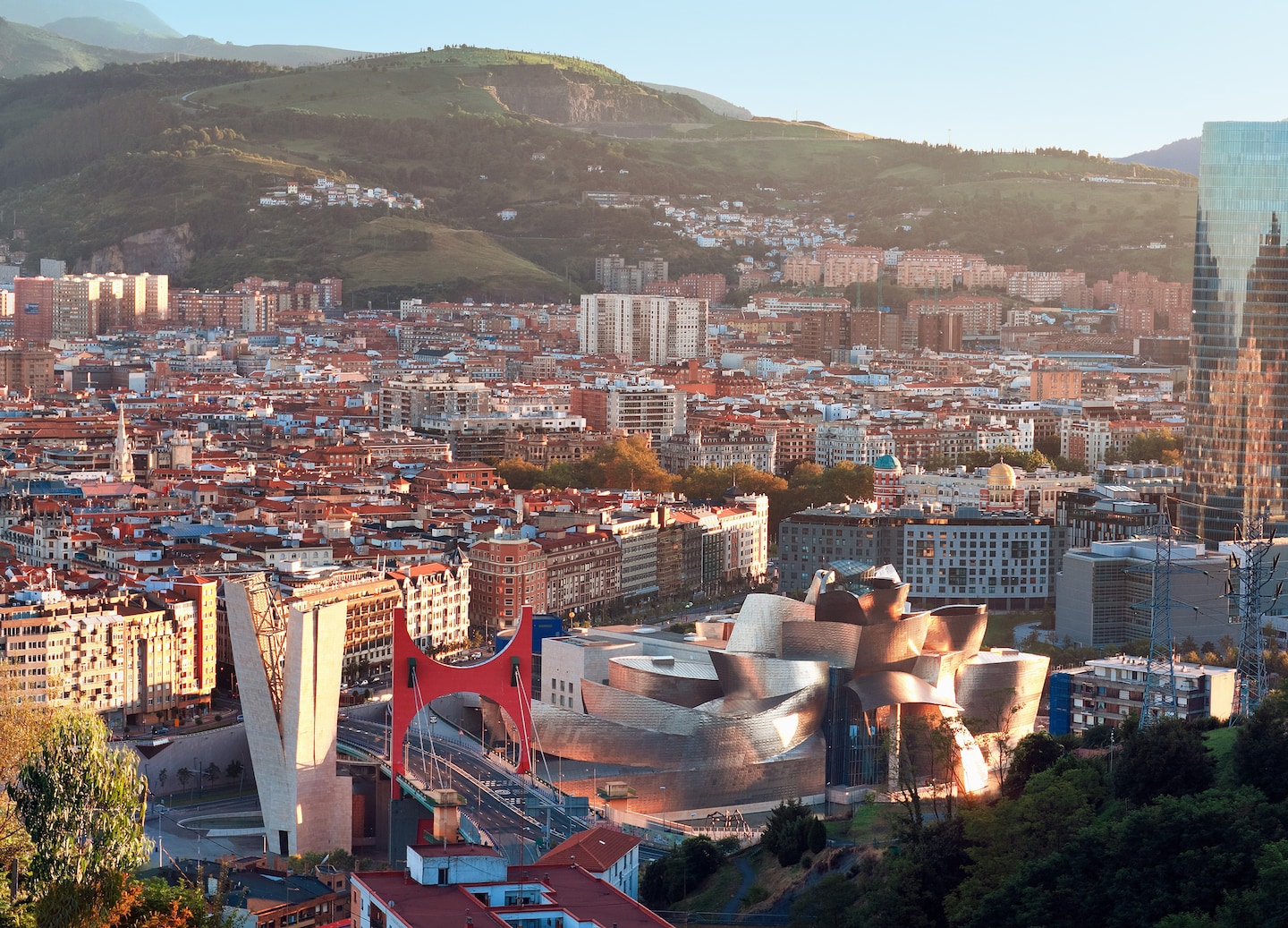
Bilbao is famous for contemporary architecture that extends well beyond its most recognizable museum. Norman Foster’s metro entrances, the Euskalduna Conference Centre and Concert Hall and other ambitious projects make design part of the streetscape.
Some buildings draw your attention immediately, while others become interesting when you notice how they fit into their surroundings. An entrance, bridge or public square can be as rewarding to examine as a major landmark.
8. Azkuna Zentroa
Azkuna Zentroa is a cultural center in Bilbao housed in a former wine warehouse transformed with a design by Philippe Starck. It's known for bringing contemporary culture into a building with a very different working past.
Inside, an assortment of decorative columns gives the central space a playful character. Their different shapes and styles encourage you to look closely as you move through the building.
A visit offers another way to experience Bilbao’s creative life. Check the program for exhibitions and events, or stop in to appreciate how the architecture gives this historic space a new purpose.
9. Artxanda & Green Hillside Views
Bilbao is known for its setting among green hills, with Artxanda offering a familiar viewpoint above the city. The Artxanda Funicular, a hillside railway, connects the urban streets with this elevated perspective.
From above, the city’s layout becomes easier to understand. Buildings gather along the valley, the estuary curves through the center and the surrounding slopes frame the view.
10. Nearby Vizcaya Bridge & Industrial Heritage
The Vizcaya Bridge is a UNESCO World Heritage landmark near Bilbao, connecting Portugalete and Getxo at the estuary’s mouth. Completed in 1893, it was the first bridge to carry people and vehicles in a suspended gondola while leaving room for ships to pass beneath its high span.
Its iron structure offers a striking reminder of the area’s engineering and industrial history. Watching the gondola cross helps you understand the practical idea behind the design.
The bridge is outside central Bilbao, so treat it as a separate stop when planning your visit. It pairs naturally with time around Getxo or Portugalete and adds another perspective on the city’s relationship with the estuary.
Why Visit Bilbao?
Bilbao is an inviting choice if you enjoy art, architecture and discovering a destination through its food. You can admire the Guggenheim’s curves, explore the Seven Streets and pause for pintxos, with riverside walks connecting different parts of the day.
A cruise to Bilbao can introduce you to the city through a guided outing or a few carefully chosen highlights. Cruise arrivals use the terminal in Getxo, so allow for transportation into central Bilbao. Leave room for a cafe or pintxos stop alongside the sights you most want to see.
Frequently Asked Questions About Bilbao
-
What is Bilbao most famous for?
Bilbao is most famous for the Guggenheim Museum, designed by Frank Gehry. The city is also known for Basque pintxos, its historic Casco Viejo, modern architecture and the regeneration of its industrial waterfront.
-
What makes Bilbao distinctive?
Bilbao combines Basque cultural traditions with contemporary architecture and a strong industrial heritage. Its old-town streets, riverside public spaces and surrounding green hills give visitors several different ways to experience the city.
-
Why is Bilbao associated with the Guggenheim?
Bilbao is associated with the Guggenheim because the museum became an internationally recognizable symbol of the city after opening in 1997. Its architecture and cultural appeal helped draw attention to Bilbao’s broader transformation.
-
What is the “Bilbao effect”?
The “Bilbao effect” describes the idea that a major cultural landmark can help attract visitors, investment and international attention to a city. The term is associated with the Guggenheim Museum, although Bilbao’s renewal also involved wider improvements to infrastructure and public spaces.
-
Is Bilbao known for Basque culture?
Yes. Bilbao is a major city in Spain’s Basque Country, and Basque culture shapes its language, food and local identity. Visitors encounter it through Euskara place names, pintxos traditions and regional products in shops and markets.
-
What architectural style is Bilbao known for?
Bilbao is especially known for contemporary architecture, including the Guggenheim Museum and distinctive bridges and public buildings. Its architecture also includes historic churches, traditional old-town streets and buildings connected to its industrial past.
-
Is Bilbao worth visiting on a cruise?
Bilbao is worth visiting on a cruise if you enjoy museums, architecture, regional food and historic neighborhoods. A focused outing can introduce you to several of these highlights. Plan around the transfer from Getxo’s cruise terminal and any attraction bookings.
Keep Exploring Bilbao
Ready to discover more of Bilbao? These guides can help you plan your visit:
- Bilbao Shore Excursions - Explore guided experiences featuring art, historic neighborhoods and the surrounding coast.
- What to Eat in Bilbao - Discover Basque dishes, pintxos and local flavors to try during your visit.
- What to Buy in Bilbao - Find inspiration for regional treats, crafts and keepsakes to bring home.