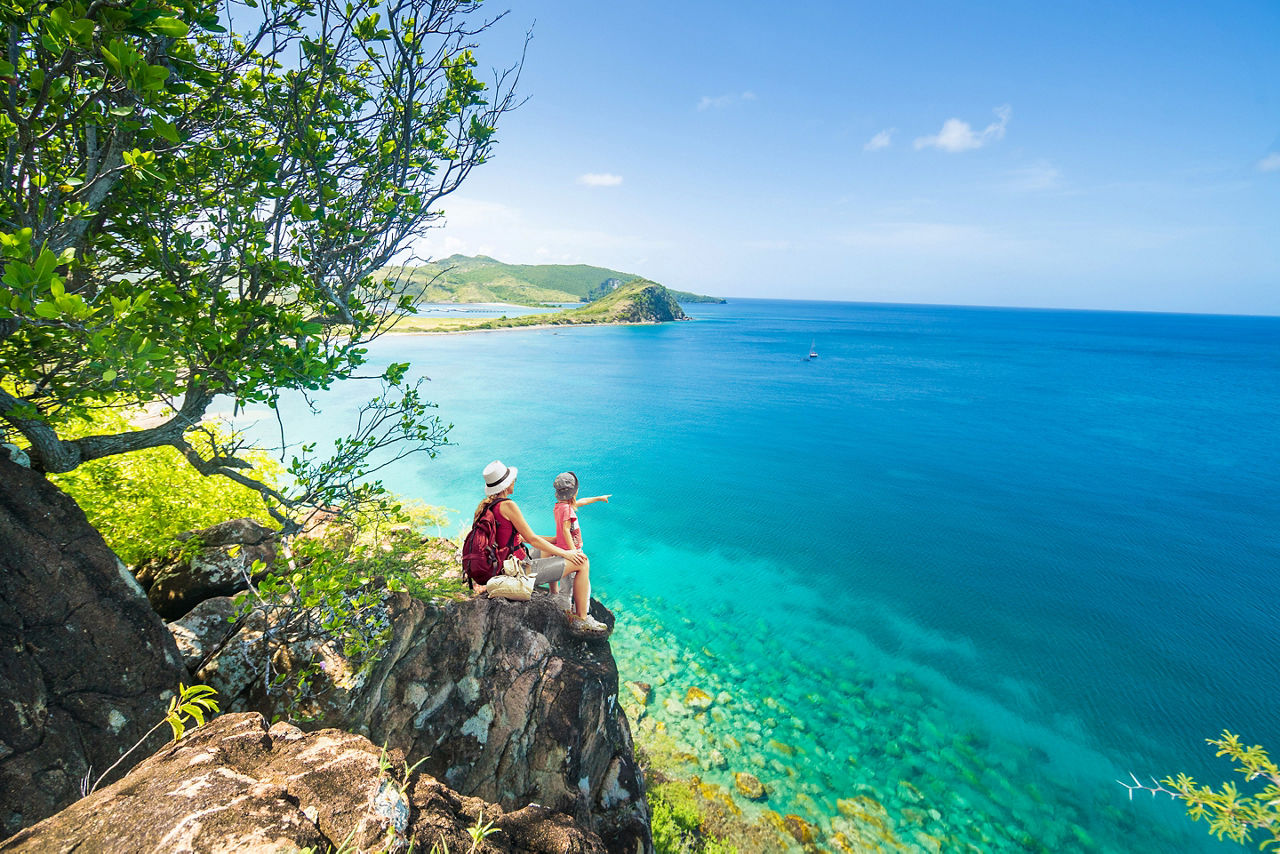
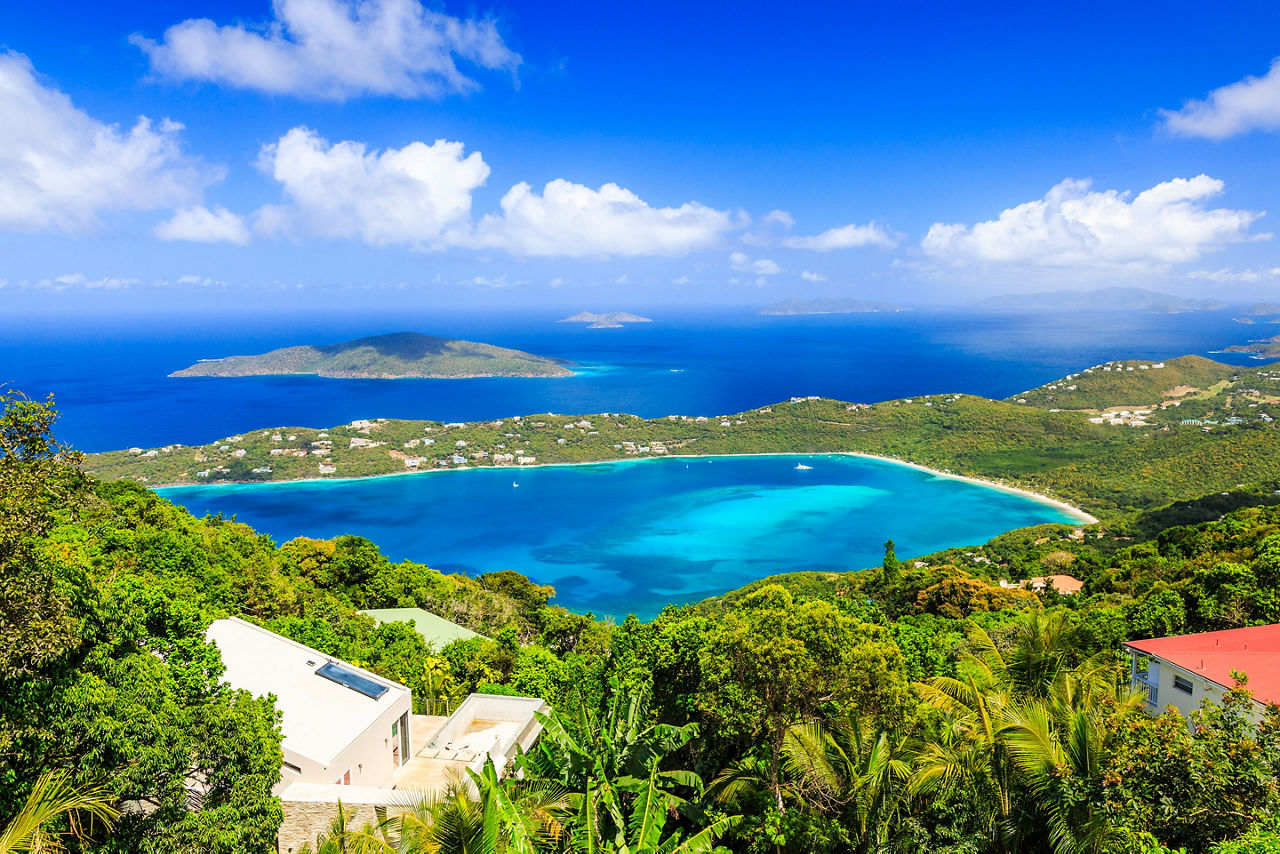
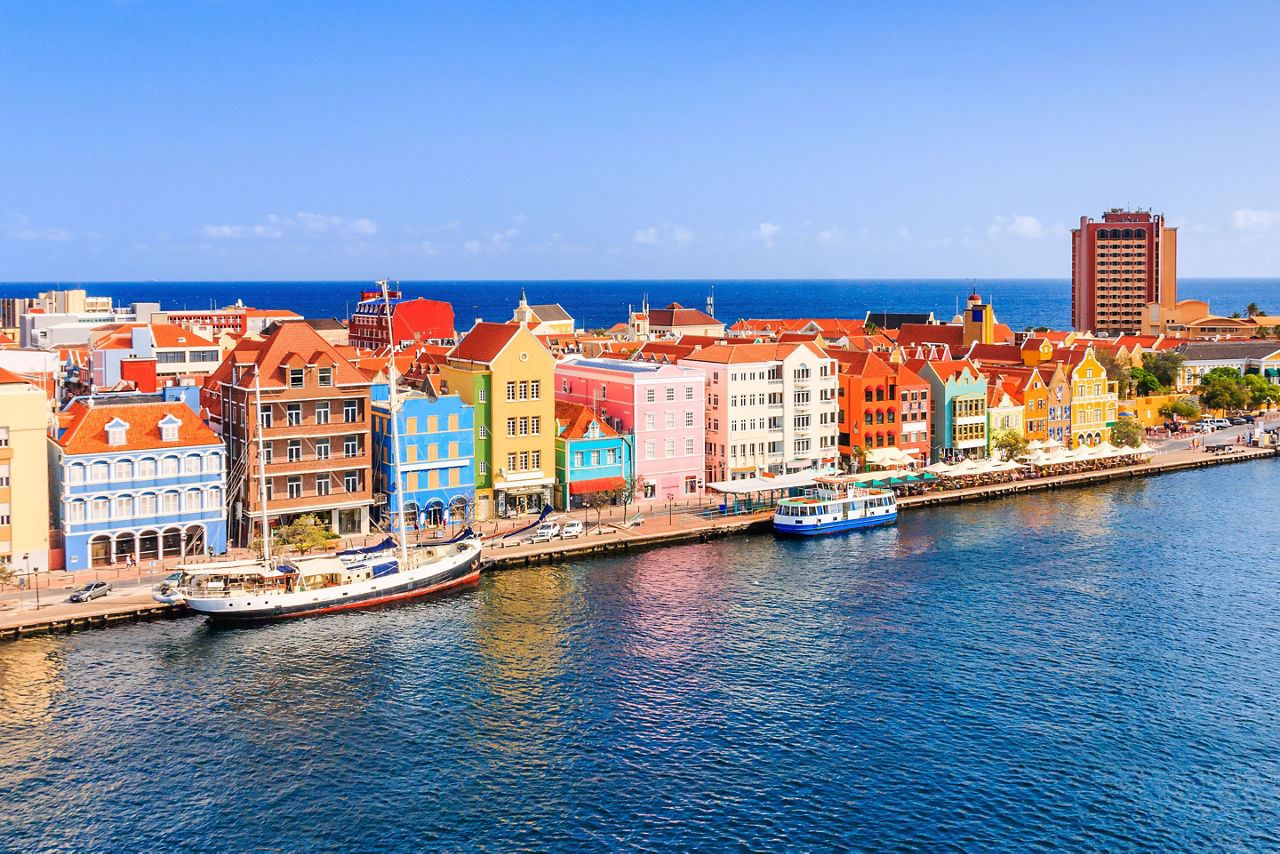
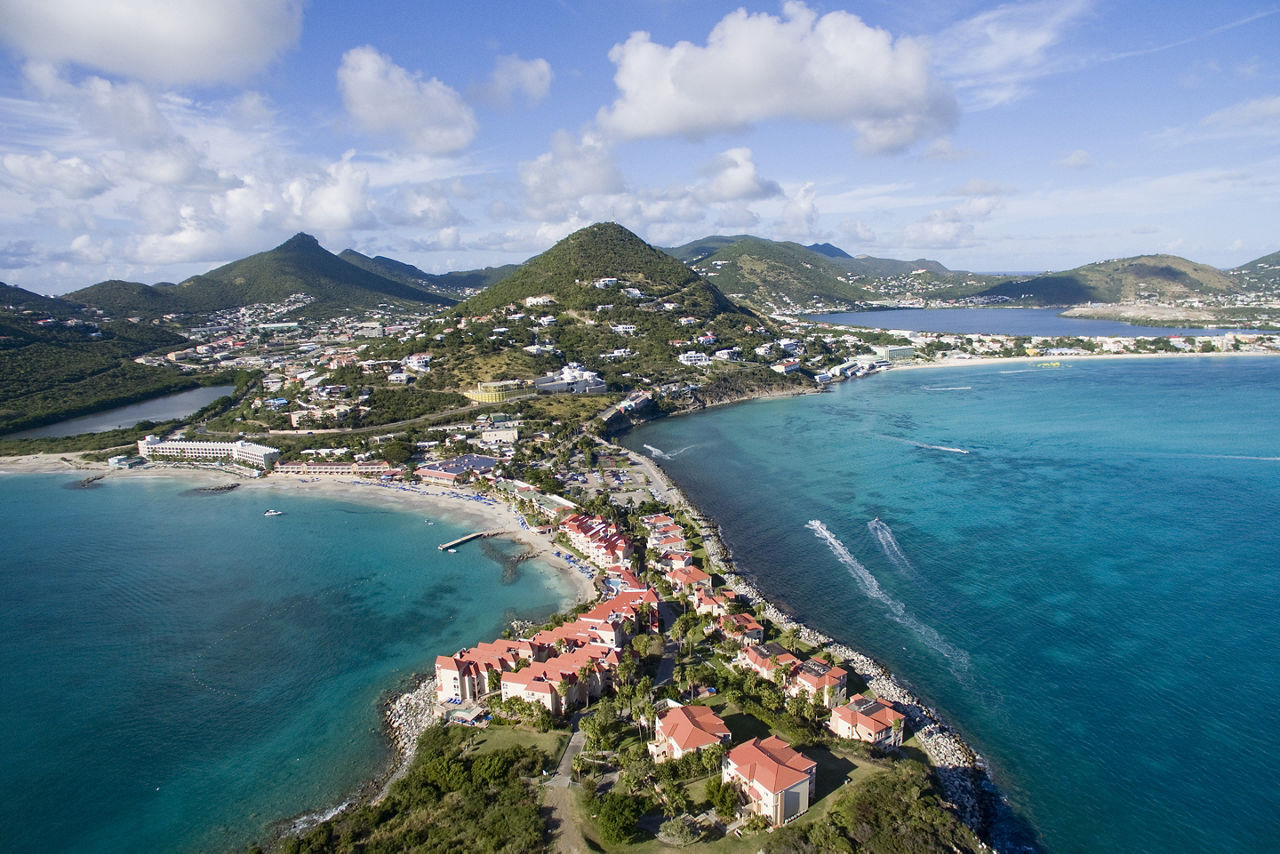
Bonaire is best known for shore diving, protected coral reefs, flamingos, colorful salt flats and excellent windsurfing conditions. The Dutch Caribbean island also stands out for the uninhabited beaches of Klein Bonaire, the rugged landscapes of Washington Slagbaai National Park and the colorful waterfront of its capital, Kralendijk.
For travelers arriving on a Caribbean cruise, Bonaire offers an inviting mix of underwater adventure, wildlife, island history and laid-back exploration. These are the experiences and landmarks that make Bonaire famous.
1. Shore Diving
Bonaire is especially famous for shore diving. Rather than relying exclusively on boats, divers can reach dozens of marked dive sites directly from the coastline, making it easier to explore the island’s reefs at a comfortable pace.
Popular sites such as 1,000 Steps, Hilma Hooker and Salt Pier each offer a different underwater setting. Depending on the site and conditions, divers may encounter parrotfish, angelfish, sea turtles, rays and other Caribbean marine life.
Entry conditions vary, and some shorelines are rocky or covered with coral fragments. Joining a guided dive excursion can help visitors choose a site suited to their experience level and the day’s water conditions.
2. Bonaire National Marine Park
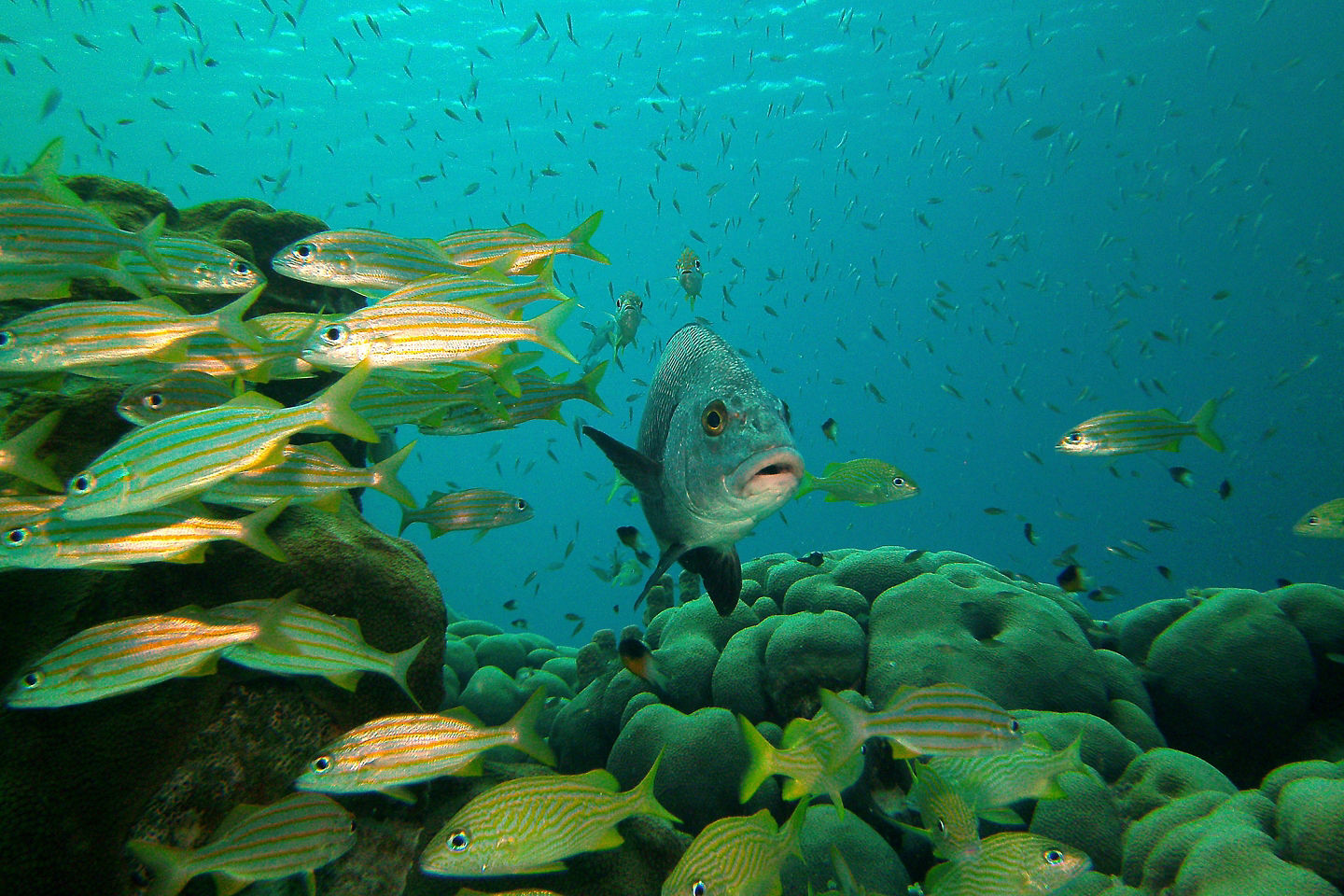
Much of Bonaire’s reputation as a diving and snorkeling destination comes from Bonaire National Marine Park. The protected marine environment surrounds Bonaire and Klein Bonaire, helping conserve coral reefs, seagrass beds and mangrove habitats.
The reefs begin close to shore in many areas, allowing visitors to see marine life without traveling far from the island.
The marine park makes Bonaire an appealing destination for both experienced divers and travelers discovering the Caribbean’s underwater landscapes for the first time.
3. Snorkeling in Clear Caribbean Water

Bonaire is also known for snorkeling, with clear water and reefs that can often be reached from shore or by a short boat ride. Snorkelers may see butterflyfish, blue tangs, parrotfish, sea turtles and colorful coral formations.
Guided Bonaire snorkeling excursions can take visitors to reefs selected for the day’s conditions. Excursions may also include equipment, transportation and guidance on how to explore without disturbing the marine environment.
4. Klein Bonaire

Klein Bonaire is a small, uninhabited island located just off Bonaire’s western coast. Its name means “Little Bonaire,” and its undeveloped shoreline offers a peaceful contrast to the shops, restaurants and waterfront activity in Kralendijk.
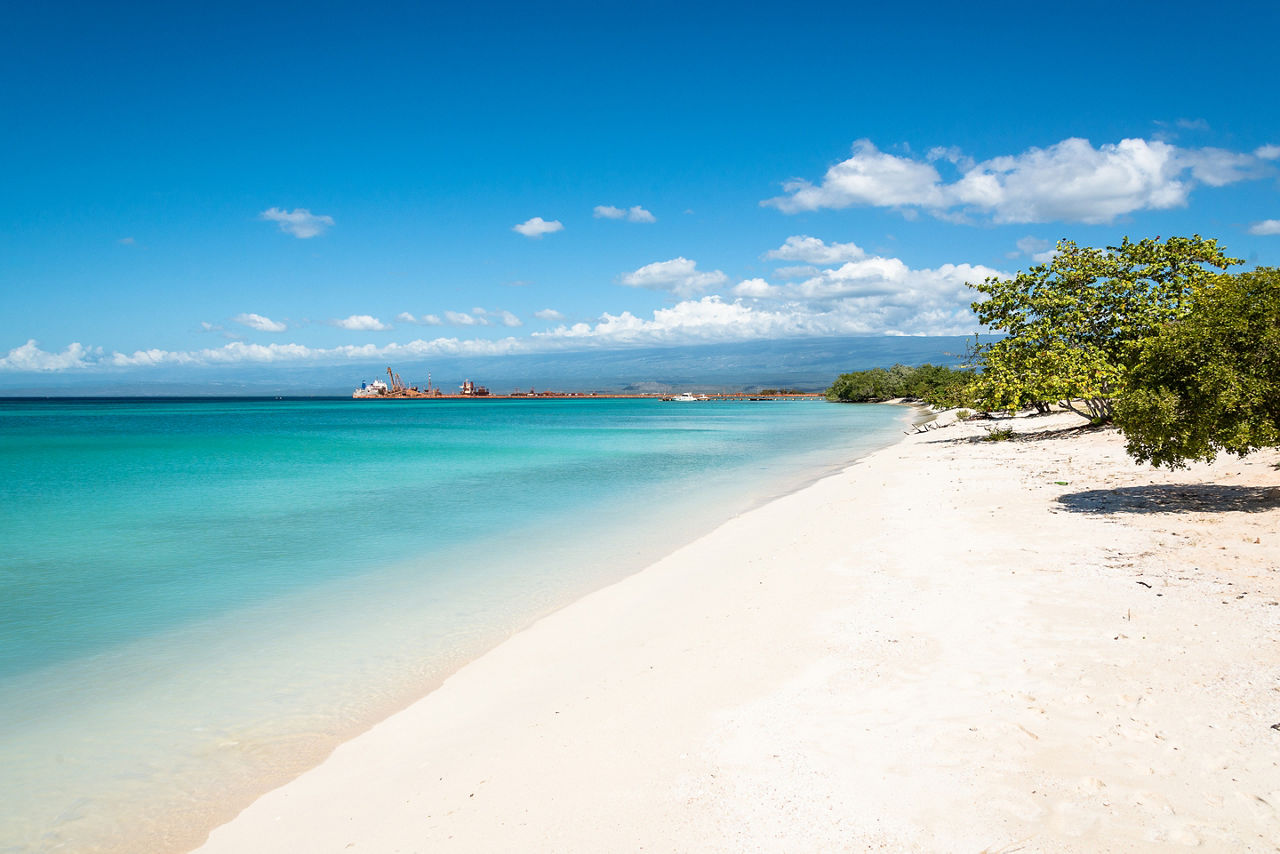
No Name Beach is one of Klein Bonaire’s best-known places to relax, swim and snorkel. Visitors can reach the island by water taxi or organized excursion, and some trips combine beach time with snorkeling along nearby reefs.
Facilities are limited, which is part of Klein Bonaire’s natural appeal.
5. Salt Flats & Salt Pyramids
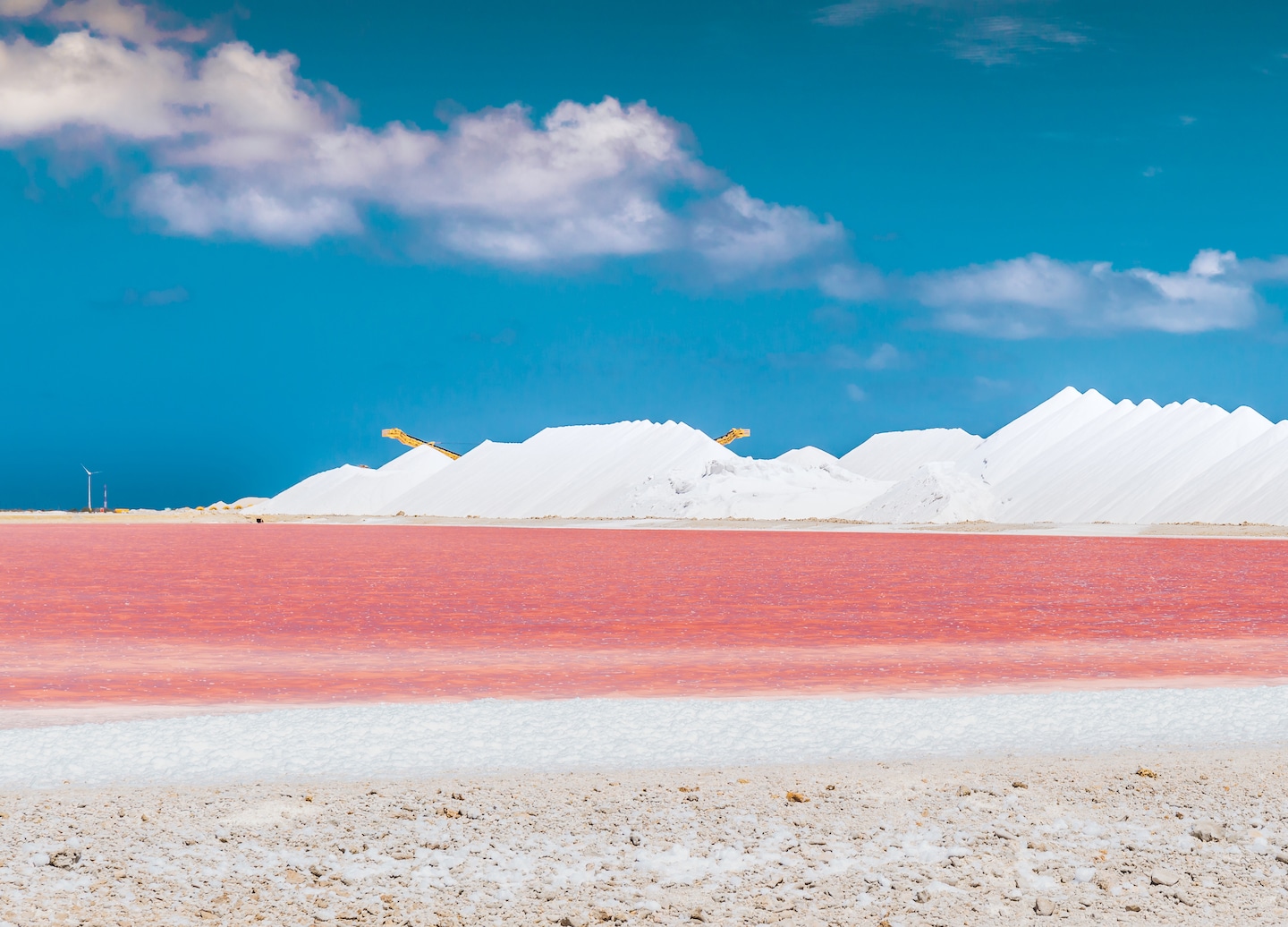
Bonaire’s southern landscape is defined by expansive salt ponds and striking white salt pyramids. Salt production has shaped the island’s economy and scenery for centuries, and the contrast between the ponds, pale salt mounds and blue Caribbean water creates one of Bonaire’s most recognizable views.
The historic slave huts along the southern coast also preserve an important and difficult part of this story. These small shelters bear witness to the enslaved people who were forced to labor in Bonaire’s salt industry. Visiting the area offers an opportunity to understand both the island’s economic history and the people whose labor sustained it.
Many island sightseeing excursions travel through the salt-producing region and stop near scenic overlooks and historical landmarks.
6. Flamingos & Pekelmeer Flamingo Sanctuary
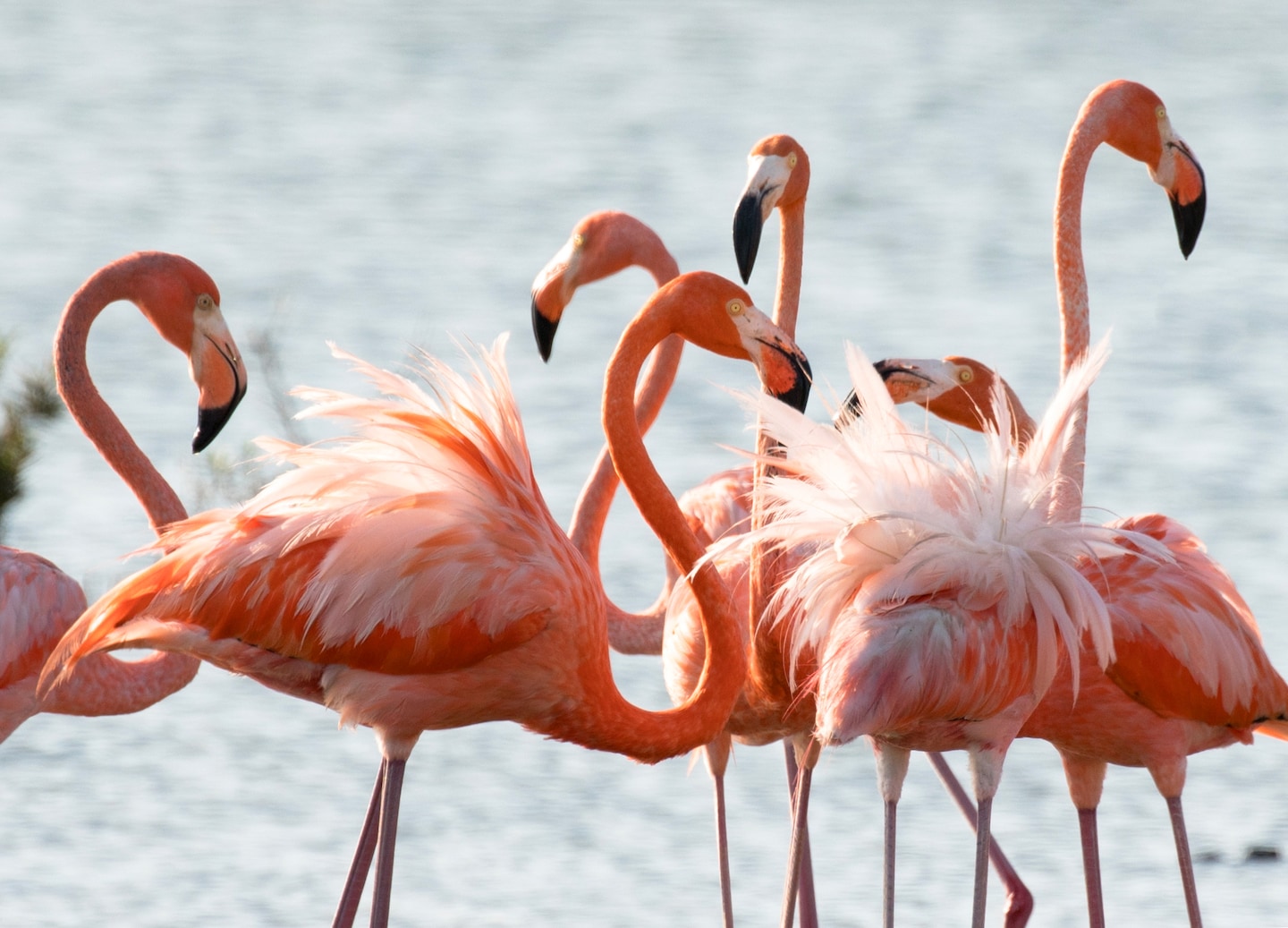
Bonaire is one of the Caribbean’s best-known destinations for seeing flamingos. The island’s salt ponds and shallow lagoons provide feeding areas for Caribbean flamingos, whose pink coloring comes from pigments in the small organisms they eat.
Pekelmeer Flamingo Sanctuary protects an important breeding area in southern Bonaire. Access to the sanctuary itself is restricted, but visitors may be able to observe flamingos from designated roads and viewing areas.
Sightings depend on season, weather and the birds’ movements, so their location and numbers can vary.
7. Washington Slagbaai National Park
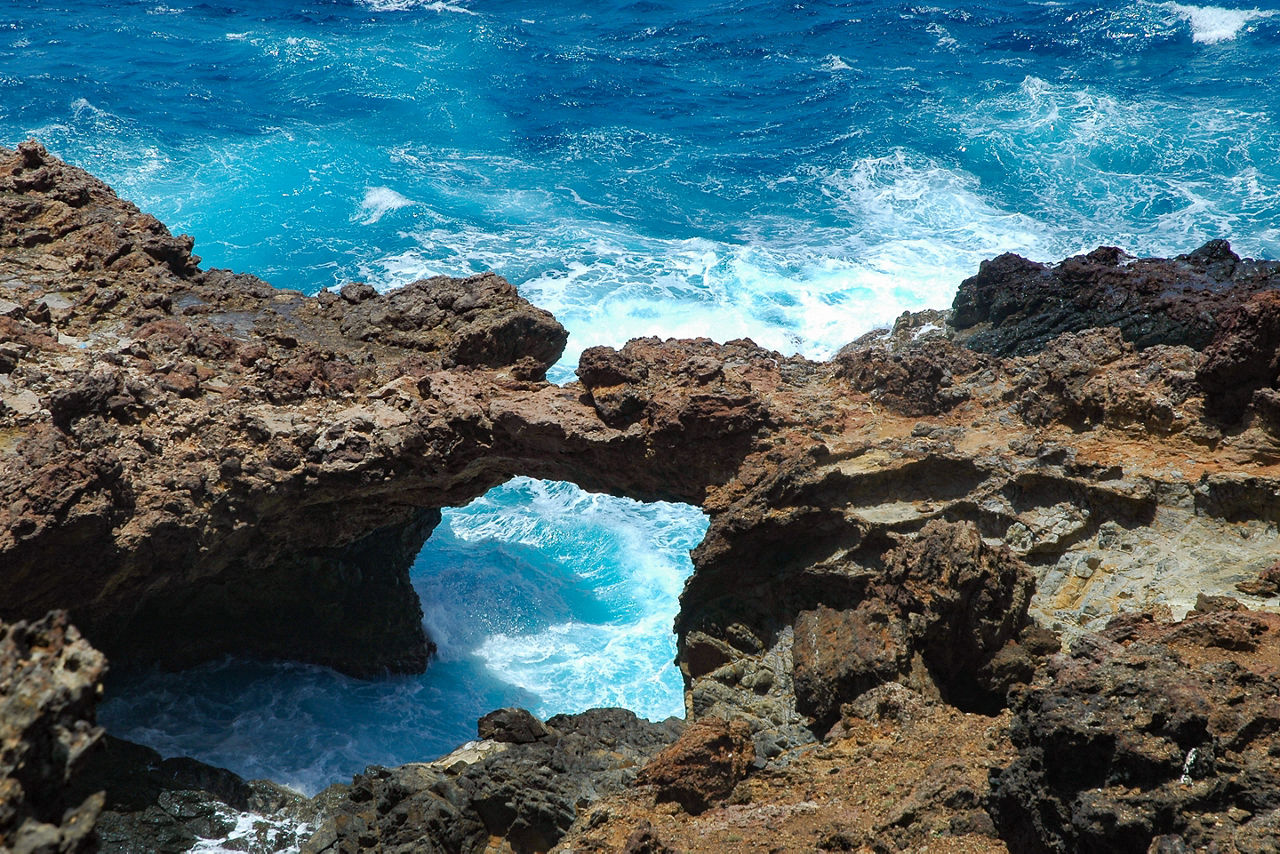
Washington Slagbaai National Park showcases Bonaire beyond its reefs. Located in the island’s northwestern region, the park protects an arid landscape of cacti, hills, coastal cliffs, beaches and saltwater lagoons.
Visitors may spot iguanas, lizards, tropical birds and native plants while exploring the park. Scenic locations include Boca Slagbaai, Playa Chikitu and viewpoints near Brandaris, Bonaire’s highest point.
The roads can be rugged, and exploring the park requires more time than visiting attractions near Kralendijk. A guided excursion can simplify transportation while providing background on the landscape, wildlife and history.
8. Windsurfing at Lac Bay
Warm, shallow water and reliable trade winds have made Lac Bay one of Bonaire’s signature windsurfing locations. Sorobon Beach on the bay’s eastern side offers conditions that can work for beginners, as well as more experienced windsurfers.
Visitors who prefer a slower pace can enjoy the shallow water, watch windsurfers cross the bay or relax along the shoreline. Lessons and equipment rentals may be available through local operators, depending on the experience booked.
Lac Bay is also connected to an important mangrove ecosystem, adding another dimension to Bonaire’s coastal environment.
9. Mangroves & Kayaking
Bonaire’s mangrove forests provide sheltered habitat for juvenile fish, birds and other wildlife. Guided kayaking excursions offer a quiet way to travel through the narrow channels while learning about the role mangroves play in the island’s ecosystem.
Some excursions combine kayaking with snorkeling, allowing visitors to experience the connection among the mangroves, seagrass beds and coral reefs. These nature-focused outings are a good fit for travelers who want an active adventure without spending the entire day underwater.
10. Kralendijk & Dutch Caribbean Culture

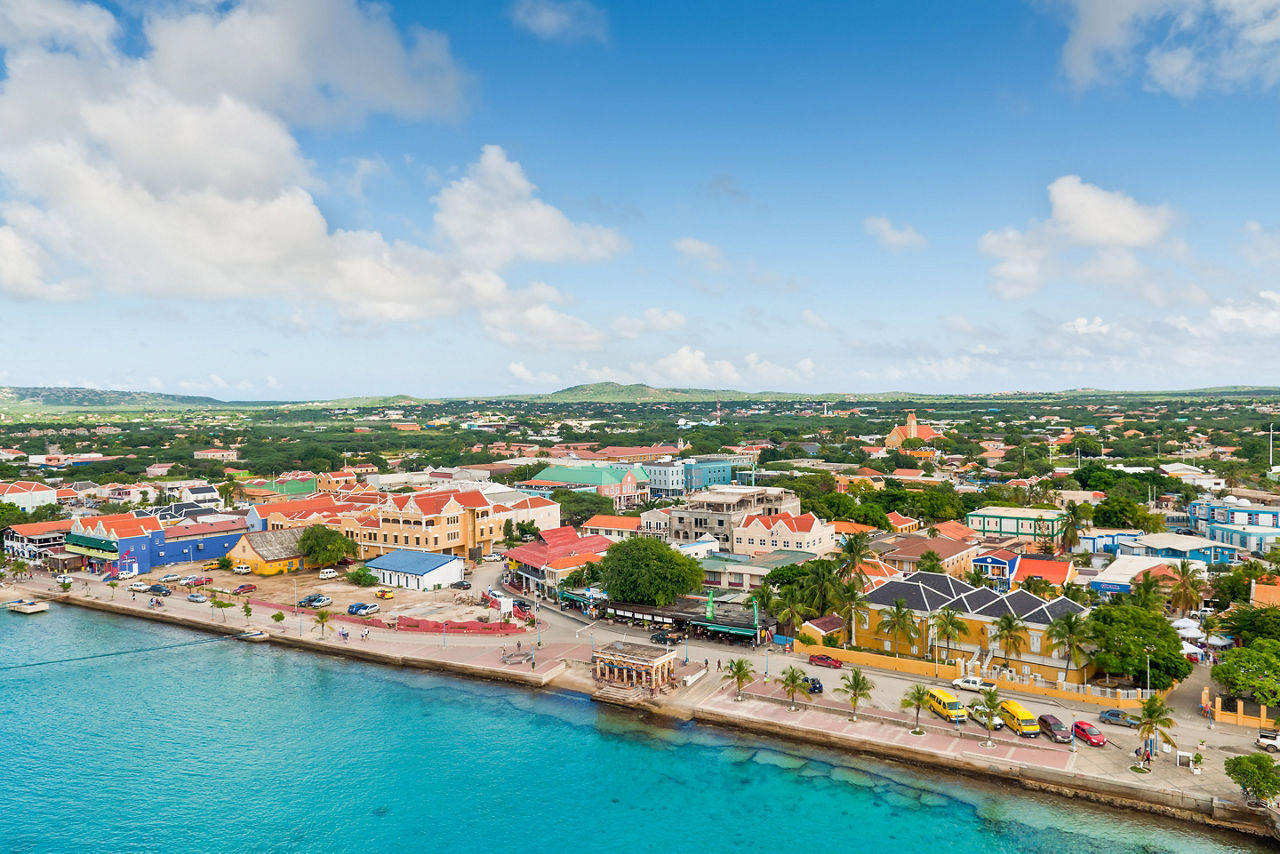
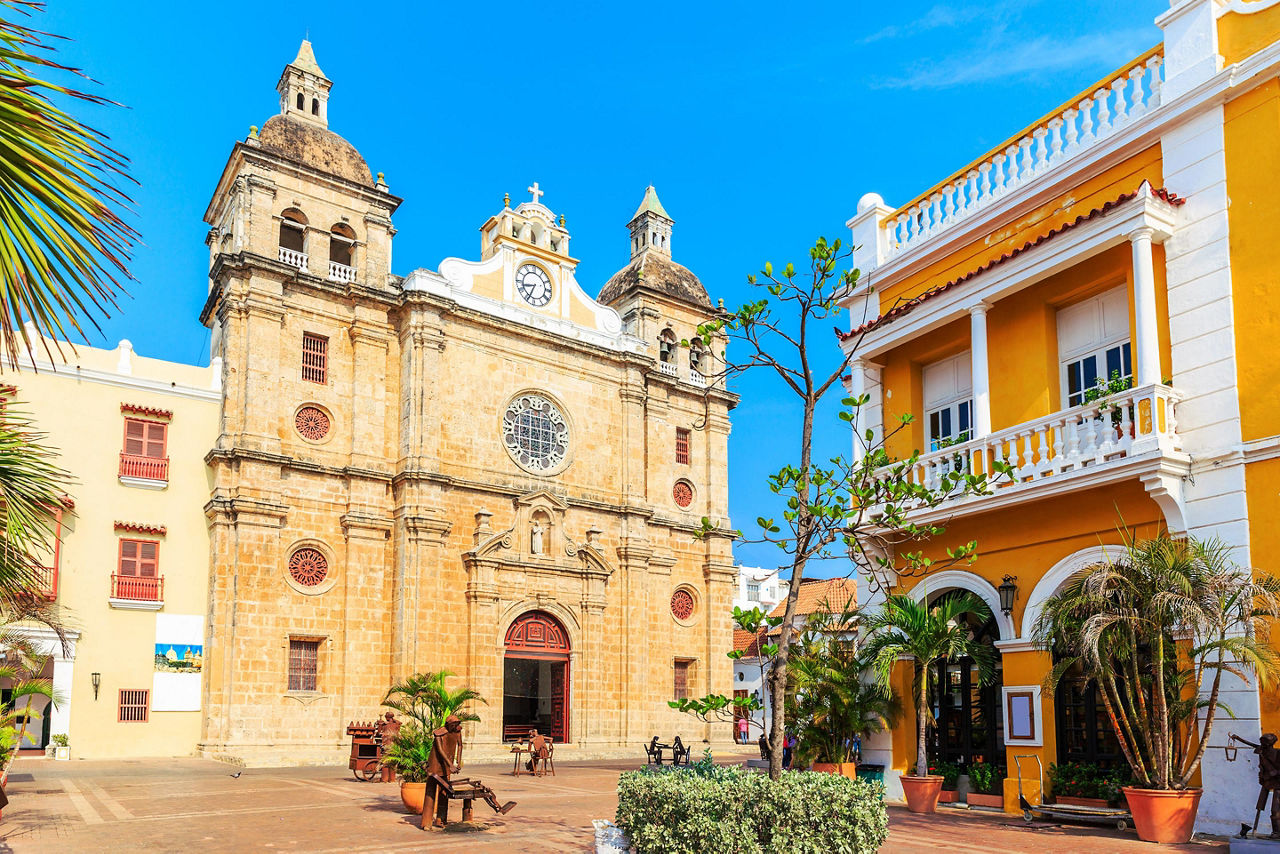
Kralendijk, Bonaire’s capital and main cruise port, is known for its colorful buildings, relaxed waterfront and compact downtown. Visitors can browse local shops, stop at cafes and see landmarks such as Fort Oranje and the historic government buildings around Plaza Wilhelmina.
Bonaire’s culture reflects Indigenous, African, Latin American, Caribbean and Dutch influences. Papiamentu and Dutch are widely used, while English and Spanish are also commonly heard.
Local food adds another layer to the experience. Depending on the restaurant or market, visitors may find seafood, stews, grilled meats and Caribbean side dishes influenced by the island’s multicultural history.
Why Visit Bonaire?
Bonaire is a rewarding destination for travelers who enjoy nature, water activities and a relaxed island atmosphere. Divers and snorkelers can explore reefs close to shore, wildlife enthusiasts can look for flamingos and visitors interested in history can discover the stories behind the island’s salt industry and Dutch Caribbean heritage.
The island also offers flexibility during a port day. Guests can choose an active dive, snorkeling or kayaking excursion, take a scenic tour through the salt flats or spend a quieter afternoon exploring Kralendijk and the coastline.
Frequently Asked Questions About Bonaire
Why is Bonaire famous?
Bonaire is famous for shore diving, protected coral reefs, snorkeling, flamingos, salt flats and windsurfing. Klein Bonaire, Washington Slagbaai National Park and the colorful capital of Kralendijk are also among the island’s defining attractions.
Is Bonaire known for scuba diving?
Yes. Bonaire is widely known for scuba diving because dozens of sites can be accessed from shore and many reefs begin close to the coastline. The island also offers boat dives and guided excursions for different certification and experience levels.
Can you snorkel from shore in Bonaire?
Several Bonaire snorkeling sites can be reached from shore, although entry conditions vary. Some beaches have rocks or coral fragments rather than soft sand, so visitors should choose locations suited to their swimming ability and follow local guidance.
Why are there flamingos in Bonaire?
Bonaire’s shallow saltwater lagoons provide feeding and nesting habitat for Caribbean flamingos. Pekelmeer Flamingo Sanctuary protects one of the island’s most important breeding areas, although access is restricted to help safeguard the birds.
Is Bonaire good for beaches?
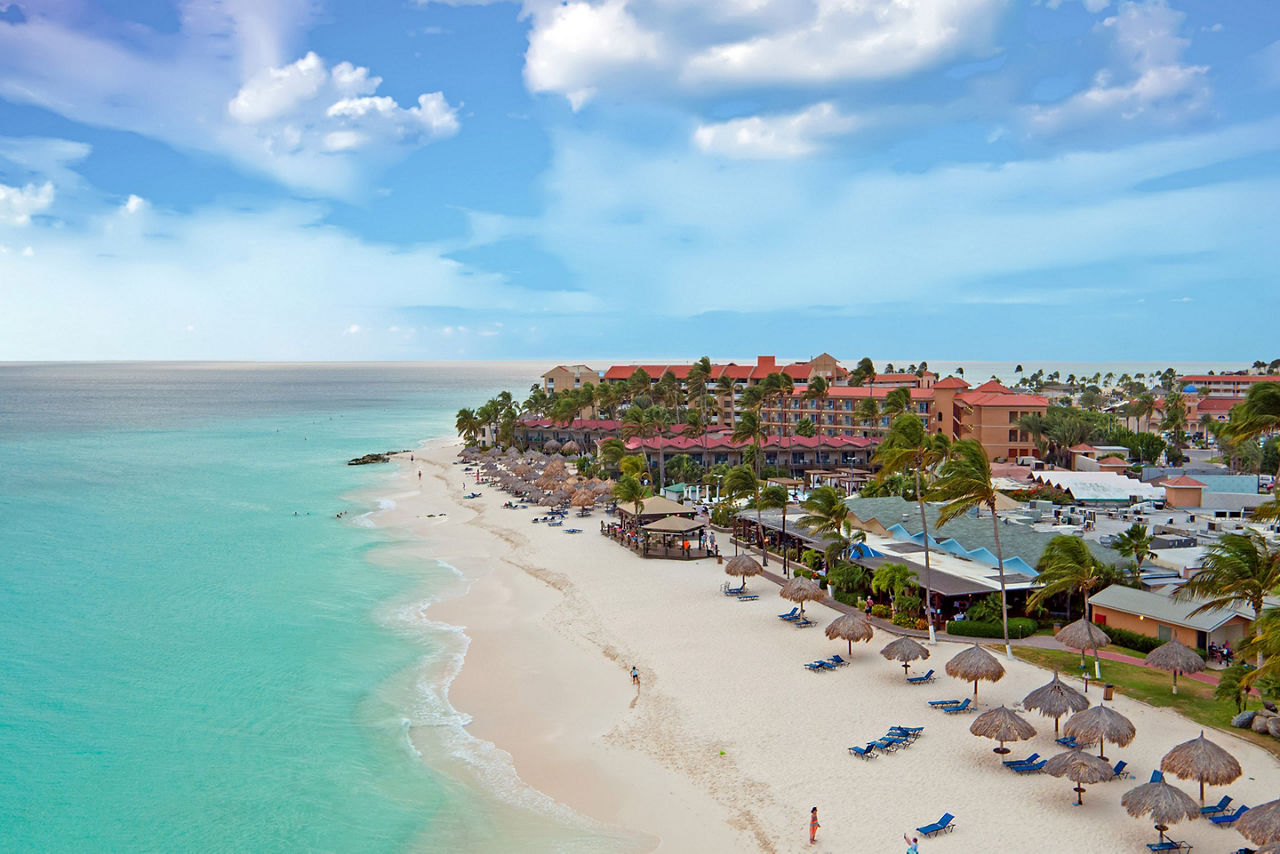
Bonaire has beautiful beaches, but many have rugged, rocky or coral-covered shorelines rather than long stretches of soft sand. Sorobon Beach and No Name Beach on Klein Bonaire are popular choices for travelers seeking calmer water and a more traditional beach experience.
What is the best way to explore Bonaire during a cruise?
The best option depends on your interests. A guided dive or snorkeling excursion highlights Bonaire’s reefs, while an island tour can cover the salt flats, flamingo viewing areas and historical landmarks. Kayaking, windsurfing and trips to Klein Bonaire provide additional ways to experience the coastline.
Keep Exploring Bonaire
Want to learn more about this Dutch Caribbean gem? Check out these guides to plan your next trip:
- Bonaire Shore Excursions - Discover snorkeling, diving, sightseeing and outdoor adventures available from Kralendijk.
- Things To Do in Bonaire - Explore memorable ways to experience the island’s reefs, landscapes and local culture.
- The Best Beaches in Bonaire - Find inviting places for swimming, snorkeling, windsurfing and waterfront relaxation.
- When Is the Best Time To Visit Bonaire? - Compare seasonal conditions and plan the right time for your island getaway.
- What To Buy in Bonaire - Browse ideas for locally inspired gifts and souvenirs from your visit.
- Bonaire Snorkeling Excursions - Explore clear Caribbean water and vibrant marine environments on a guided snorkeling adventure.