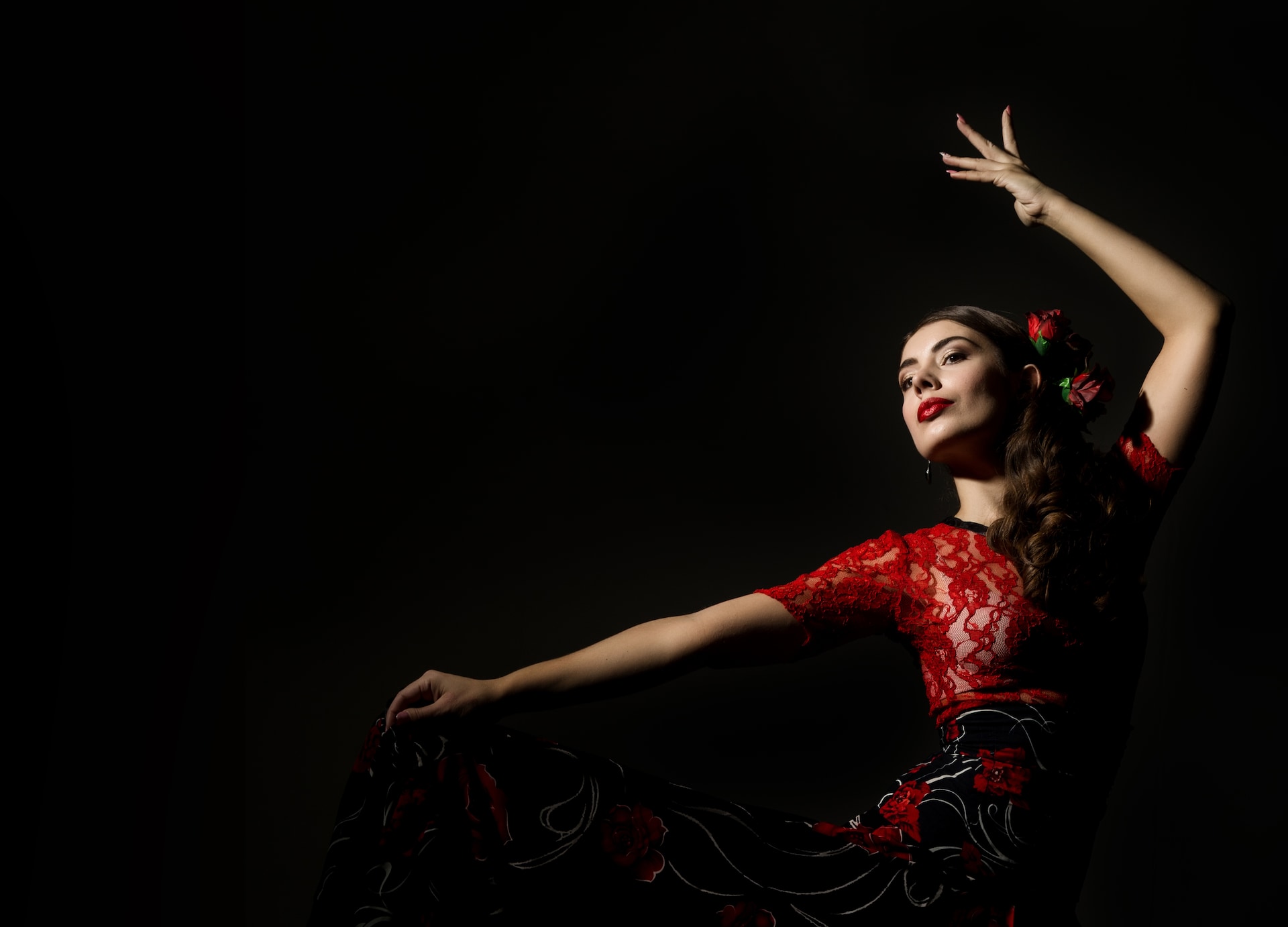
Flamenco is a Spanish art form that brings together singing, guitar playing and dance. Closely associated with Andalusia in southern Spain, it is known for expressive vocals, rhythmic handclapping and intricate footwork. Spain’s Gitano, or Roma, communities have played a central role in developing and passing down the tradition.
You may picture a dancer in a ruffled dress when you think of flamenco. At a live performance, you’ll also notice how much happens between the artists: a guitarist responding to a singer, a dancer changing pace or handclaps keeping the rhythm. Seeing them work together is part of the pleasure of watching a show in Spain. On a cruise to Spain, you can pair a live flamenco show with time exploring the streets, landmarks and local flavors of your port of call.
Where Does Flamenco Come From?
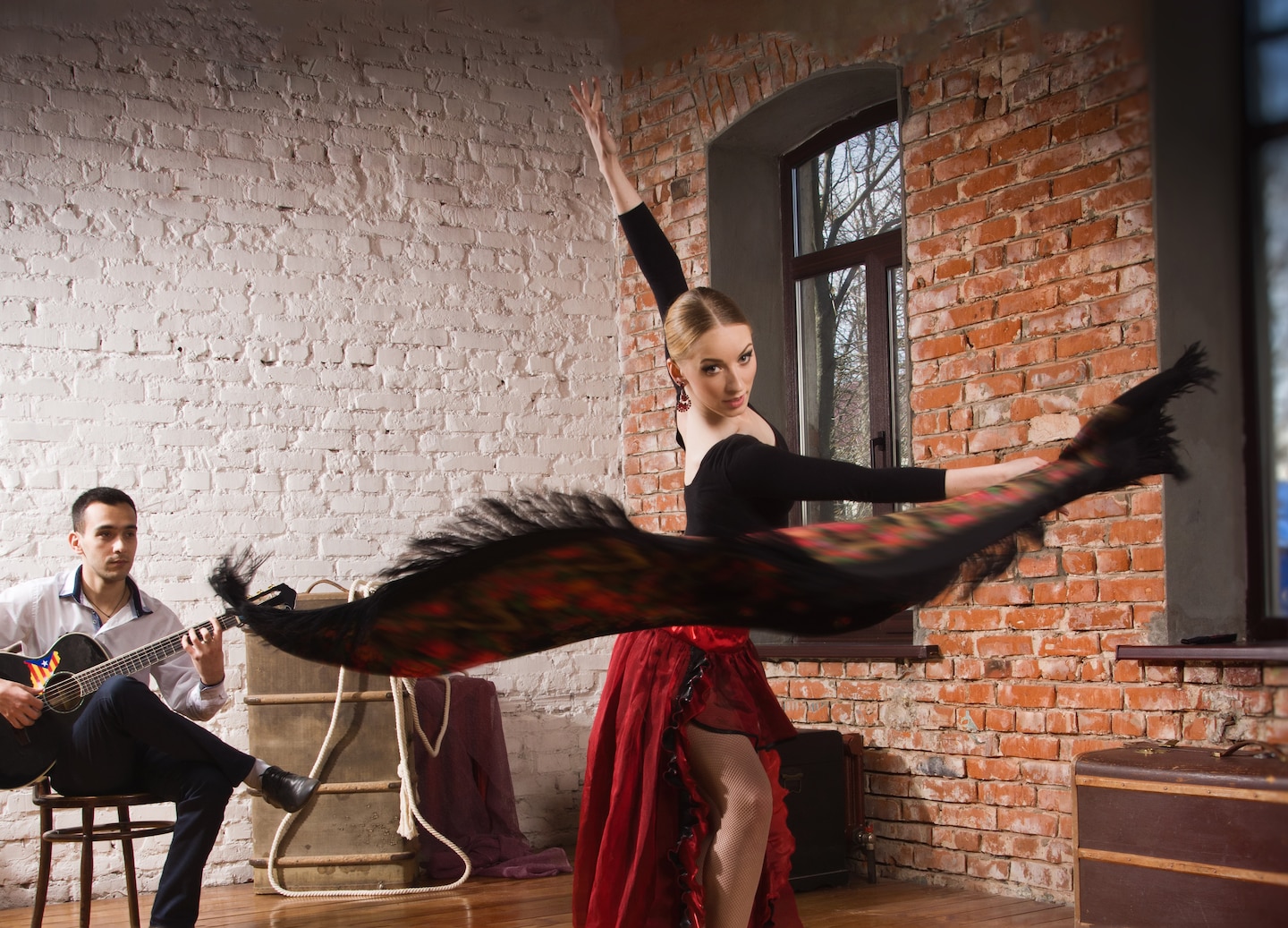
Flamenco developed in southern Spain, with Andalusia as its heartland and roots extending into neighboring regions such as Extremadura and Murcia. It grew through the musical traditions of communities who lived there, with Gitano families making an especially important contribution.
Cities including Cádiz, Jerez de la Frontera and Seville have strong connections to flamenco. The art continues through families, schools, performance venues and local clubs known as peñas.
Today, you can see flamenco across Spain. If your cruise visits Cádiz, you’ll be exploring a part of Andalusia where the tradition has deep local roots.
What Are the Main Elements of Flamenco?
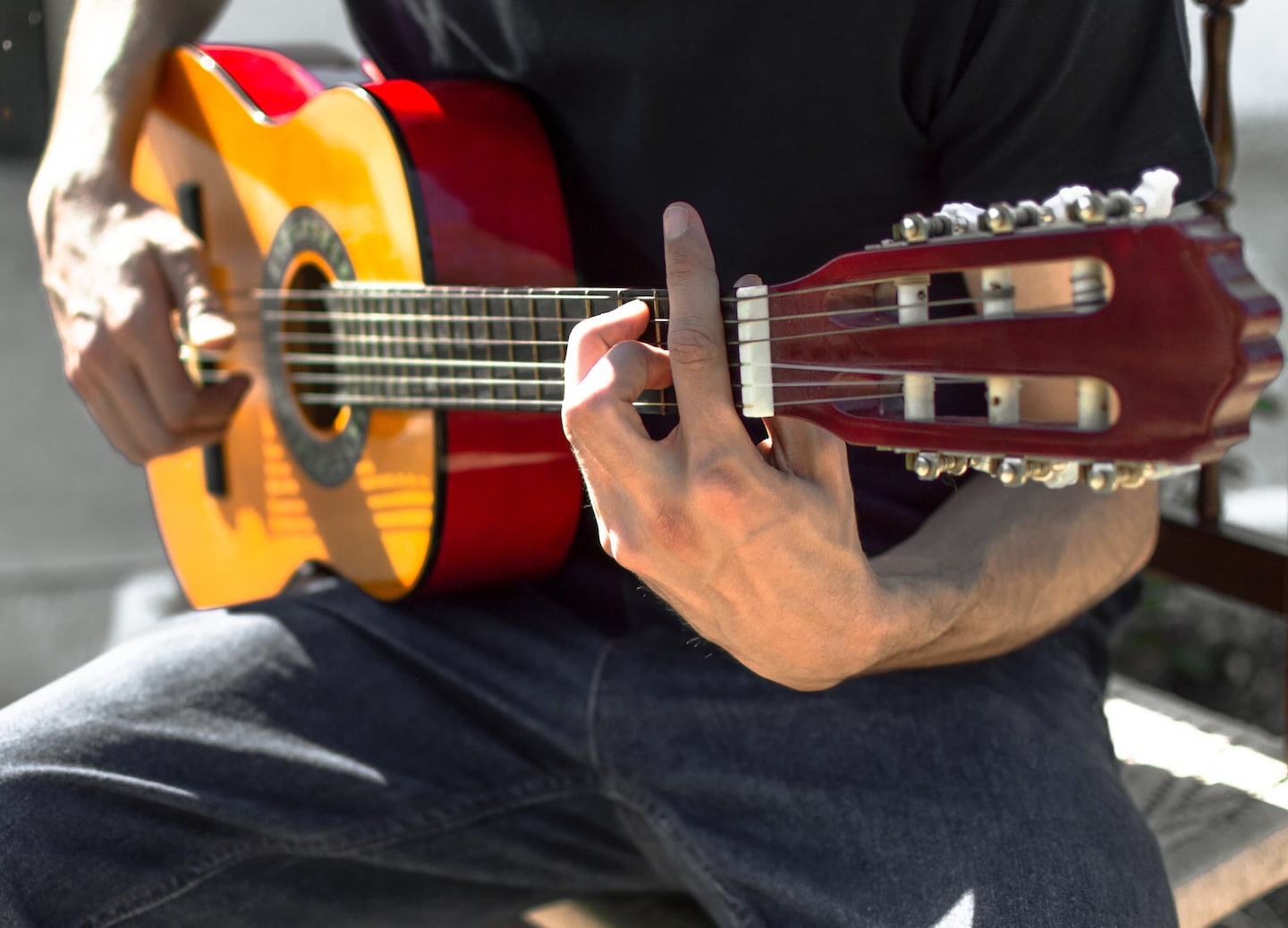
Flamenco has three main elements: cante, or singing; baile, or dance; and toque, which refers to instrumental playing, particularly the guitar. Different performances give each element more or less attention.
- Cante: The singer uses phrasing, tone and changes in intensity to express emotion. Singing is central to flamenco, even when the dance draws your attention first.
- Baile: Dancers combine footwork with movements of the arms, hands and body. Some passages are quick and rhythmic, while others are slower and more restrained.
- Toque: Guitarists accompany the other performers and can also play solo passages, adding melody and rhythm.
During a show, try following the guitarist or singer for a few moments as well as the dancer. You’ll start to notice how their parts fit together.
Why Do Flamenco Performers Clap & Stamp Their Feet?
Handclapping and footwork help create flamenco’s rhythm. The clapping is called palmas, while rhythmic footwork is often described as zapateado. These sounds are part of the music.
Dancers use their shoes to produce different beats, building patterns that can become increasingly quick and complex. Other performers support the rhythm with handclaps, sometimes while waiting for their own turn to sing or play.
A show may also include a cajón, a box-shaped percussion instrument. Together, these sounds explain why even a small group of performers can fill a room without a large band.
Are There Different Styles of Flamenco?
Flamenco includes many styles, known as palos. They differ in rhythm, musical structure and mood, so a performance can move between lively passages and quieter, more serious ones.
Some names you might encounter include:
- Alegrías: A lively style strongly associated with Cádiz.
- Soleá: Often performed with a measured pace and a serious, expressive character.
- Bulerías: A fast, rhythmically complex style closely associated with Jerez.
- Seguiriyas: Known for their intensity and deeply expressive singing.
You don’t need to recognize each style to enjoy the show. Knowing that flamenco has this variety simply helps explain why one piece can feel so different from the next.
What Is a Flamenco Tablao?
A tablao is a venue where live flamenco is performed. Many offer a relatively intimate setting, with the audience seated near a raised stage.
That proximity makes it easier to hear the footwork and see the small gestures between performers. A glance or change in movement can signal a transition that the rest of the group follows.
Some venues offer drinks or meals alongside the performance, while others focus on the show. Check what is included when choosing your visit, especially if you’re planning it around other sightseeing.
What Can You Expect at a Flamenco Show?
A flamenco show can include singing, guitar solos and dance, with performers taking turns leading different parts. The pace often changes, giving quieter moments as much attention as the faster footwork.
Costumes vary by production. You might see ruffled skirts, shawls or more understated clothing. A small tablao performance and a larger theater show can look quite different while sharing the same musical traditions.
For a first visit, there’s no need to study the music beforehand. Listen to the changes in rhythm, watch how the performers respond to one another and enjoy the parts that catch your attention.
Discover Flamenco on a Spain Shore Excursion
Royal Caribbean offers excursions that combine live flamenco with time exploring Spanish destinations. You can make a performance part of a day of historic sightseeing or pair it with local food.
Cádiz Sightseeing & Flamenco
Cadiz and Flamenco introduces the city through a narrated drive and a walk past local squares and historic buildings. The excursion includes a traditional flamenco performance at La Cava, featuring dance and guitar.
This is a good option if you’d like to explore Cádiz and see a show during the same outing. You’ll spend time getting to know the city before sitting down for the performance.
Flamenco & Tapas in Valencia
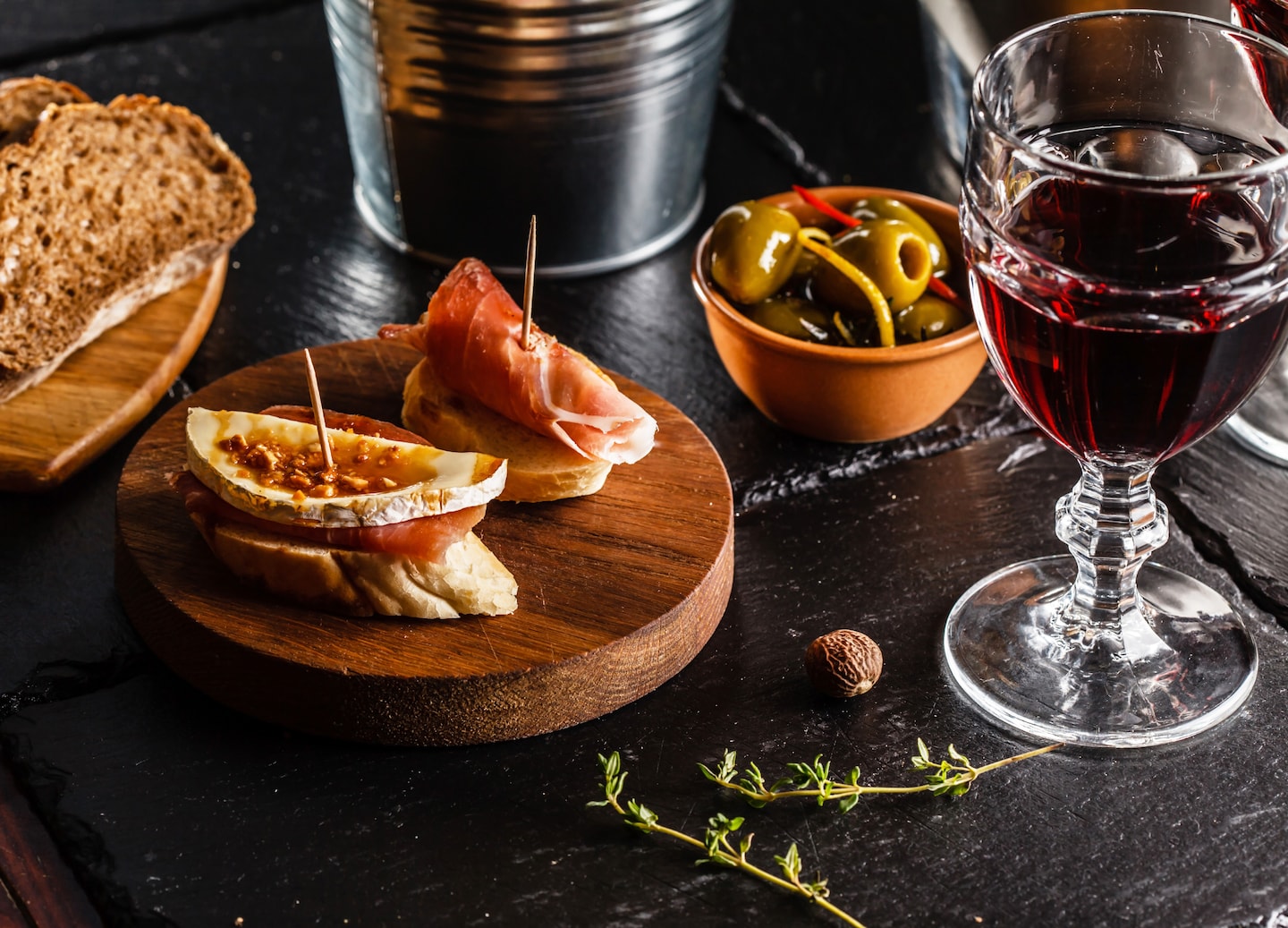
Flamenco Rhythm and Tapas combines a flamenco show with tapas in Valencia’s El Cabañal neighborhood. The excursion also includes a visit to the City of Arts and Sciences.
If you’d like a mix of performance, food and sightseeing, this outing brings all three into your day ashore.
A Theater Performance in Mallorca
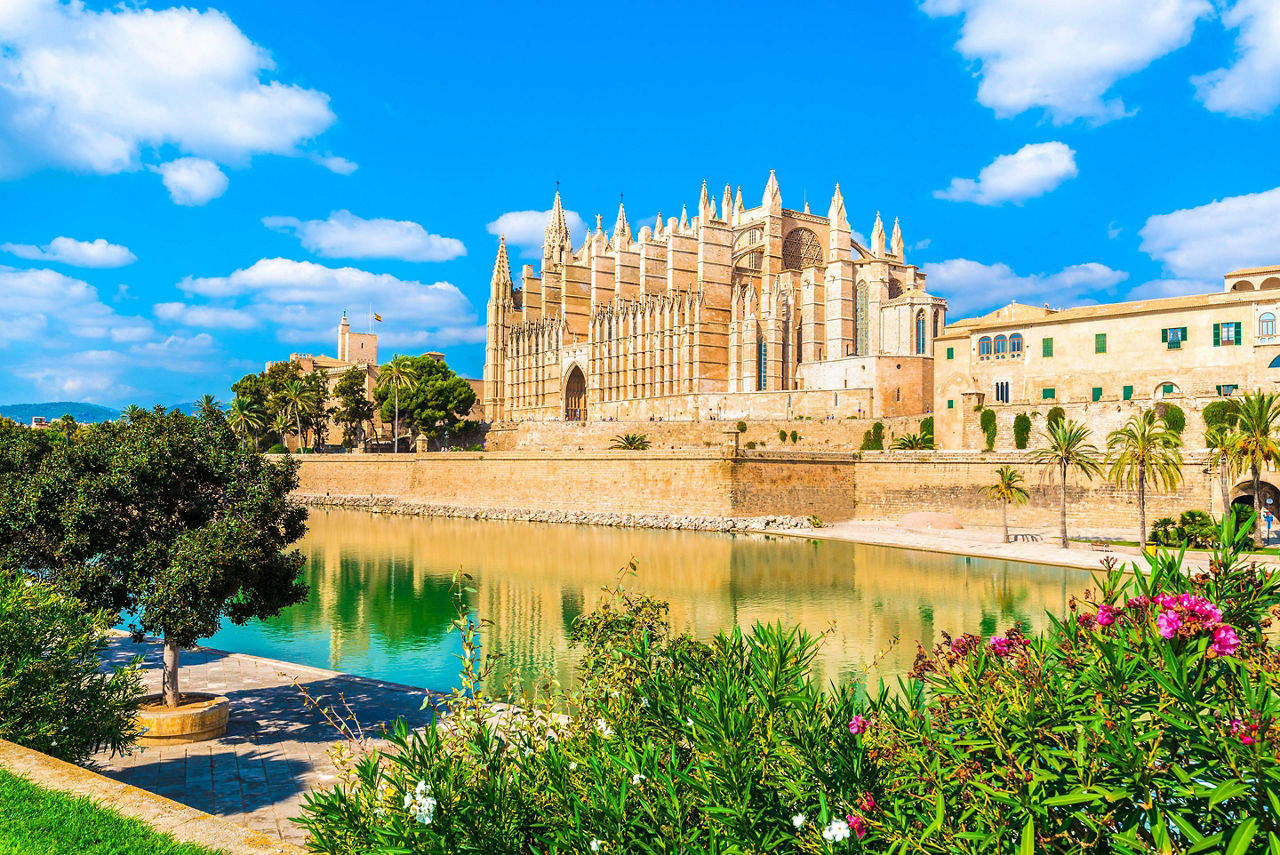
Flamenco Show at Son Amar pairs a sightseeing drive through Palma de Mallorca with a performance by Spanish flamenco dancers and musicians at Son Amar.
The sightseeing route passes landmarks including La Seu Cathedral and Almudaina Palace. It offers a different setting from a small tablao, with the show presented in a larger theater venue.
Make Time for Flamenco in Spain
A live flamenco show is worth adding to your visit if you enjoy music, dance or local performances. You can spend part of the day exploring the city, then take a seat and watch the artists perform.
Discover cruises to Cádiz, Spain and include a flamenco experience in your plans for Andalusia.
Frequently Asked Questions About Flamenco
-
Do you need to understand Spanish to enjoy flamenco?
You do not need to understand Spanish to enjoy a flamenco performance. Understanding the lyrics adds context, but the singing, rhythm and movement offer plenty to follow without a translation.
-
Is flamenco always performed with castanets?
Castanets are used in some flamenco performances, but they are not required. Many shows rely on guitar, handclapping, footwork and other percussion.
-
Do you need to dance during a flamenco excursion?
A flamenco show is generally a seated viewing experience. Dance lessons or audience participation are separate activities and should be identified in the excursion description.
-
Can you take photos during a flamenco show?
Photography rules depend on the venue. Some allow photos only at certain points, while others restrict photography or recording. Follow the guidance given before the performance and avoid using flash.
-
Is flamenco recognized by UNESCO?
UNESCO added flamenco to its Representative List of the Intangible Cultural Heritage of Humanity in 2010. The recognition highlights its cultural importance and the communities that continue to practice and transmit it.
Planning a Trip to Spain?
Want to explore more options for your day ashore? Check out these guides to plan your next trip:
- Seville and Cádiz Shore Excursions - Explore historic sightseeing, local traditions and excursions departing from Cádiz.
- Valencia Shore Excursions - Discover city landmarks, culinary experiences and ways to explore Valencia.
- Palma de Mallorca Shore Excursions - Find sightseeing and cultural experiences for your visit to Mallorca.