Kona coffee is coffee grown in the North and South Kona districts of Hawaii’s Big Island. Its name tells you where the beans come from. Coffee grown elsewhere in Hawaii belongs to a different growing region, even if it comes from the same island.
For coffee lovers, trying Kona coffee can be a highlight of a Hawaiian vacation. You can taste different roasts, explore a working farm and meet people who help turn a small fruit into your morning cup.
Here’s what makes this island favorite worth getting to know.
Where Is Kona Coffee Grown?
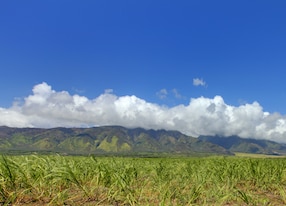
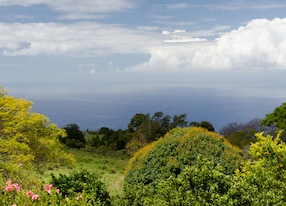
Kona coffee grows on the western side of Hawaii’s Big Island, in an area often called the Kona Coffee Belt. Farms dot the upland slopes above the coast, including areas around Holualoa and Captain Cook.
Volcanic soil, elevation and cloud cover help create favorable growing conditions. A trip into coffee country takes you beyond the waterfront and into green hills where coffee trees grow above the Pacific. Many farms welcome visitors for tours that explain how the crop is grown and processed.
The setting is part of the pleasure. You can spend time among the plants, learn how farmers care for them and enjoy a cup close to where it began.
What Does Kona Coffee Taste Like?
Kona coffee can have flavors that remind you of chocolate, caramel, nuts or fruit. The exact taste varies by farm, bean variety, processing method and roast.
For example, some Kona coffees offer bright citrus notes, while others bring out softer flavors of caramel or chocolate. These are tasting notes, which describe flavors you may notice in the coffee itself. They don’t necessarily mean those ingredients have been added.
You don’t need special coffee knowledge to enjoy a tasting. Try a few sips before adding milk or sugar, then notice what stands out. Does it taste rich and toasty? Light and fruity? Which cup would you want to drink again?
Comparing two coffees side by side can make those differences easier to notice. It’s also a fun way to find a favorite roast to bring home.
What Is the History of Kona Coffee?
Coffee farming took hold in Kona during the 1800s. Over time, small farms became central to the industry, with Japanese immigrants playing an important role in its growth.
Many Japanese plantation workers moved to Kona to begin farming for themselves. Families built their lives around coffee, while neighbors formed support groups and cooperatives to help one another through difficult times.
That spirit continues across the region’s independent farms today. The Hawaii Coffee Association’s history of Kona coffee shares how these farming communities helped the industry survive and grow.
Learning about that history adds another reason to visit. Along with the coffee, you’re discovering the work and family traditions behind a familiar Hawaiian name.
How Does Kona Coffee Go From Tree to Cup?
Coffee beans begin as seeds inside small fruits called coffee cherries. After harvest, the seeds go through several steps before they’re ready to grind and brew.
The main stages include:
- Harvesting: Ripe coffee cherries are picked from the trees.
- Processing: The fruit is removed from around the seeds. The order of processing and drying depends on the method used.
- Drying and milling: The coffee is dried, and the remaining protective layers are removed to prepare the green beans.
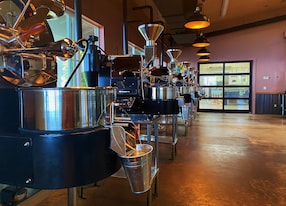
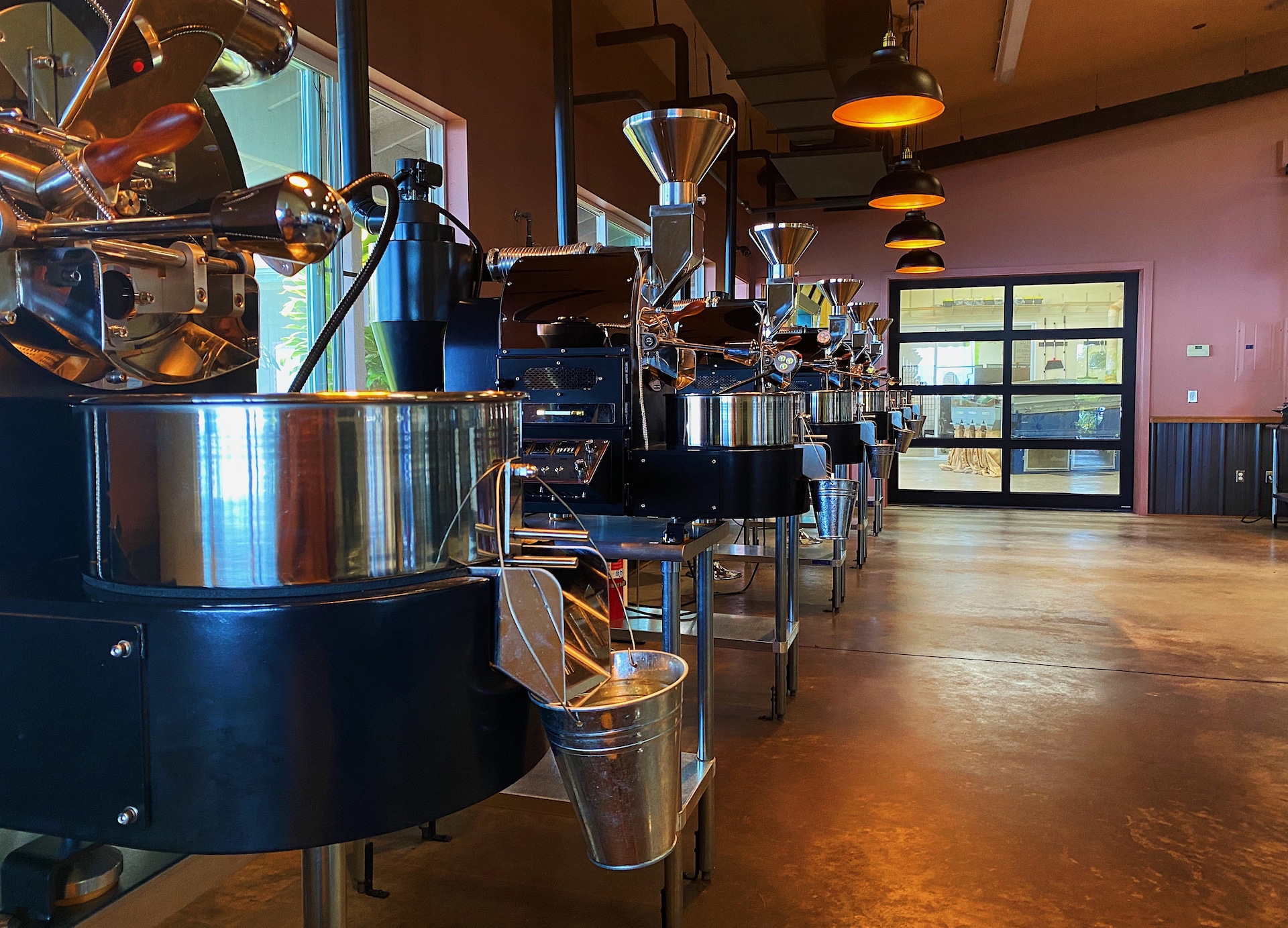
- Roasting: Heat develops the color, aroma and flavor we recognize as coffee.
- Brewing: The roasted beans are ground and combined with water to make the finished drink.
The University of Hawaii’s overview of coffee processing explains several ways growers prepare their beans. Those choices are part of what makes coffees taste different from one another.
On a farm tour, seeing the plants and equipment helps make these steps easy to follow. It can change the way you think about a drink you enjoy every day.
Why Is Kona Coffee So Expensive?
Kona coffee often costs more because it comes from a limited growing area and takes a great deal of work to produce. Farming and shipping costs in Hawaii also contribute to the price.
Several factors matter:
- Limited supply: Coffee must come from the Kona growing region to carry that origin.
- Hand harvesting: Sloped land and fruit that ripens at different times make careful picking an important part of the work.
- Processing and sorting: Beans need attention after harvest, including drying, milling and checking for defects.
- Island operating costs: Labor, equipment, supplies and transportation all add to production costs.
Prices vary by producer and product, but the work begins long before the coffee reaches the roaster. Visiting a farm gives you a closer look at the steps behind each bag.
What Is the Difference Between 100% Kona Coffee and a Kona Blend?
100% Kona coffee contains only coffee grown in Kona. A Kona blend combines Kona-grown coffee with coffee from other regions.
If you’d like to taste coffee entirely from the region, look for “100% Kona coffee” on the package. A blend offers a different mix, so reading the label helps you understand what you’re buying.
When choosing a bag, a few details can help:
- Origin: Does the label say 100% Kona or describe a blend?
- Roast: Which roast did you enjoy most during your tasting?
- Whole bean or ground: Which works with your coffee setup at home?
- Producer: Can you find the name of the farm or roaster?
A bag from a farm you visited can make a thoughtful gift, especially when you can share a little about the place it came from.
Experience a Kona Coffee Farm on a Shore Excursion
Royal Caribbean’s Kona Joe Coffee Roasting Experience and Coffee Farm Tour offers a chance to roast your own coffee during a visit from Kailua-Kona.
Kona Joe grows coffee on trellises, using supports similar to those found in vineyards. The farm also overlooks the Kona Coast and Pacific Ocean, pairing the coffee experience with sweeping island views.
For travelers who enjoy learning how food and drinks are made, the roasting experience adds something special to a farm visit. You can take part in a step that helps shape the coffee’s final flavor.
Look for the excursion among the options for your sailing for availability and full details.
Why Try Kona Coffee in Hawaii?
Trying Kona coffee where it grows brings together local flavors, farming history and time in the island’s countryside. You might discover a roast you love, learn something new from a grower or find a gift for the coffee lover back home.
Explore cruises to Kailua-Kona, Hawaii and make a coffee-country visit part of your Big Island adventure.
Frequently Asked Questions About Kona Coffee
-
Is Kona coffee the same as Hawaiian coffee?
Kona coffee is one type of Hawaiian coffee. Hawaii has other coffee-growing regions, including Ka‘u, Puna and Hamakua on the Big Island, along with farms on other islands. “Kona” refers specifically to its growing region.
-
Is Kona coffee a dark roast?
Kona describes where the coffee grows, rather than its roast level. Producers offer different roasts, so you can choose one that suits your taste.
-
What is Kona peaberry coffee?
A peaberry forms when a coffee cherry develops one rounded seed instead of the usual two. Kona peaberry coffee comes from these beans grown in the Kona region. It’s a bean type, rather than a separate growing area.
-
Can you visit a Kona coffee farm?
Yes. Many Kona coffee farms welcome visitors for tours. Depending on the farm, you may see coffee trees, learn about harvesting and processing, and sample the finished coffee. The activities vary by experience.
Planning a Trip to Hawaii?
Want to learn more about Hawaii? Check out these guides to plan your next trip:
- Kailua-Kona, Hawaii Shore Excursions - Explore coffee farms, coastal adventures and cultural sights during your time on the Big Island.
- What to Eat in Hawaii - Discover island favorites, from poke and plate lunches to sweet treats and local food experiences.
- The Best Time to Visit Hawaii - Get to know Hawaii’s seasons and plan around the experiences you’d most like to enjoy.