Japan's imperial capital for over a millennium, Kyoto preserves the country's traditions like nowhere else — from formal tea ceremonies to kaiseki cuisine and Zen gardens raked into perfect stillness. Here are the top 10 things Kyoto is known for, and the experiences that make this city unforgettable.
1. Historic Temples & Golden Pavilions
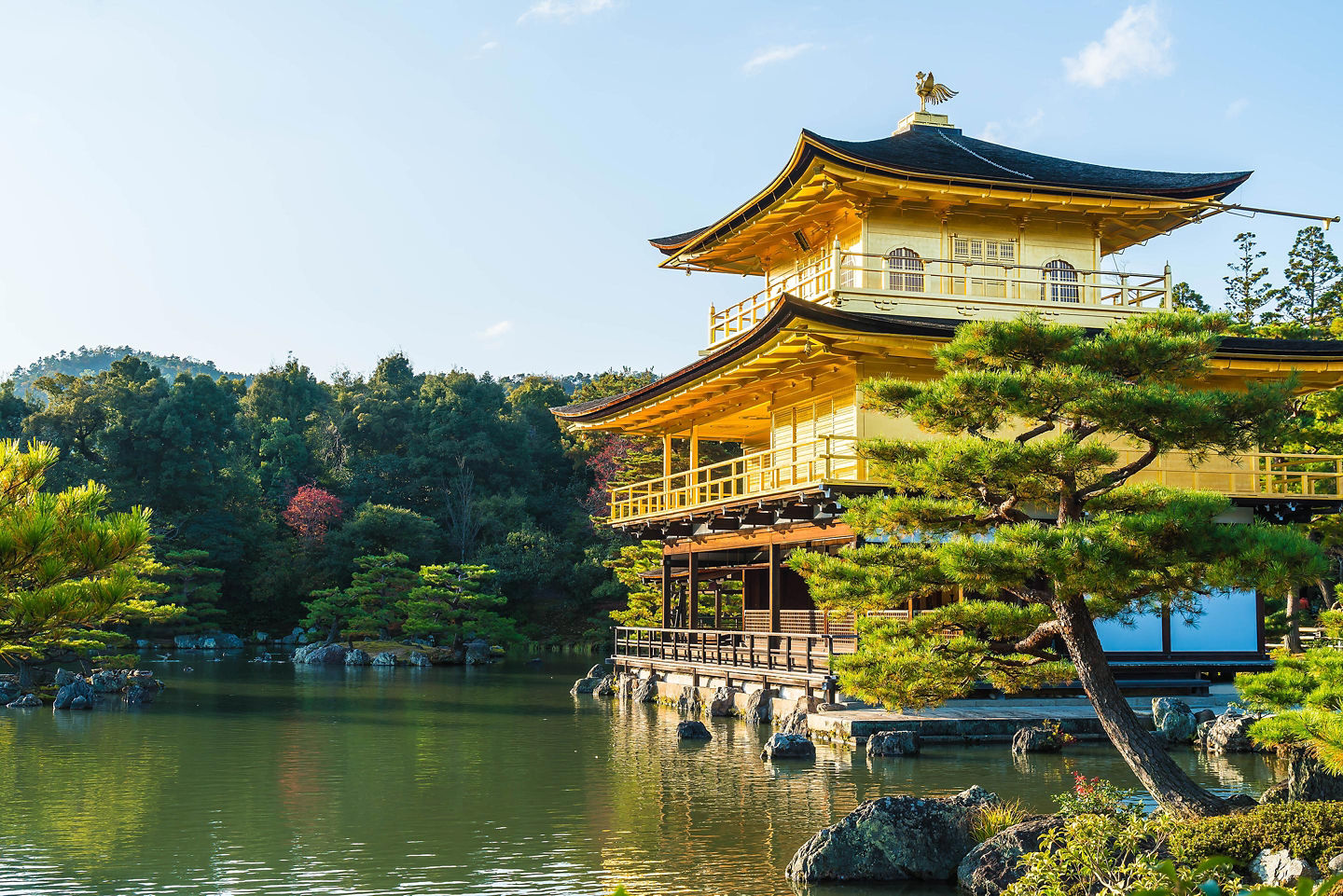
Kyoto served as Japan's imperial capital for more than 1,000 years, and its skyline of temples proves it. The city is home to roughly 1,600 Buddhist temples, including the dazzling Kinkaku-ji, the Golden Pavilion whose gilded upper floors shimmer above a glassy pond. Seventeen of Kyoto's temples, shrines and castles are collectively recognized as a UNESCO World Heritage Site, making the city one of the most concentrated collections of historic architecture on Earth.
2. Fushimi Inari Taisha & Its Thousand Torii Gates
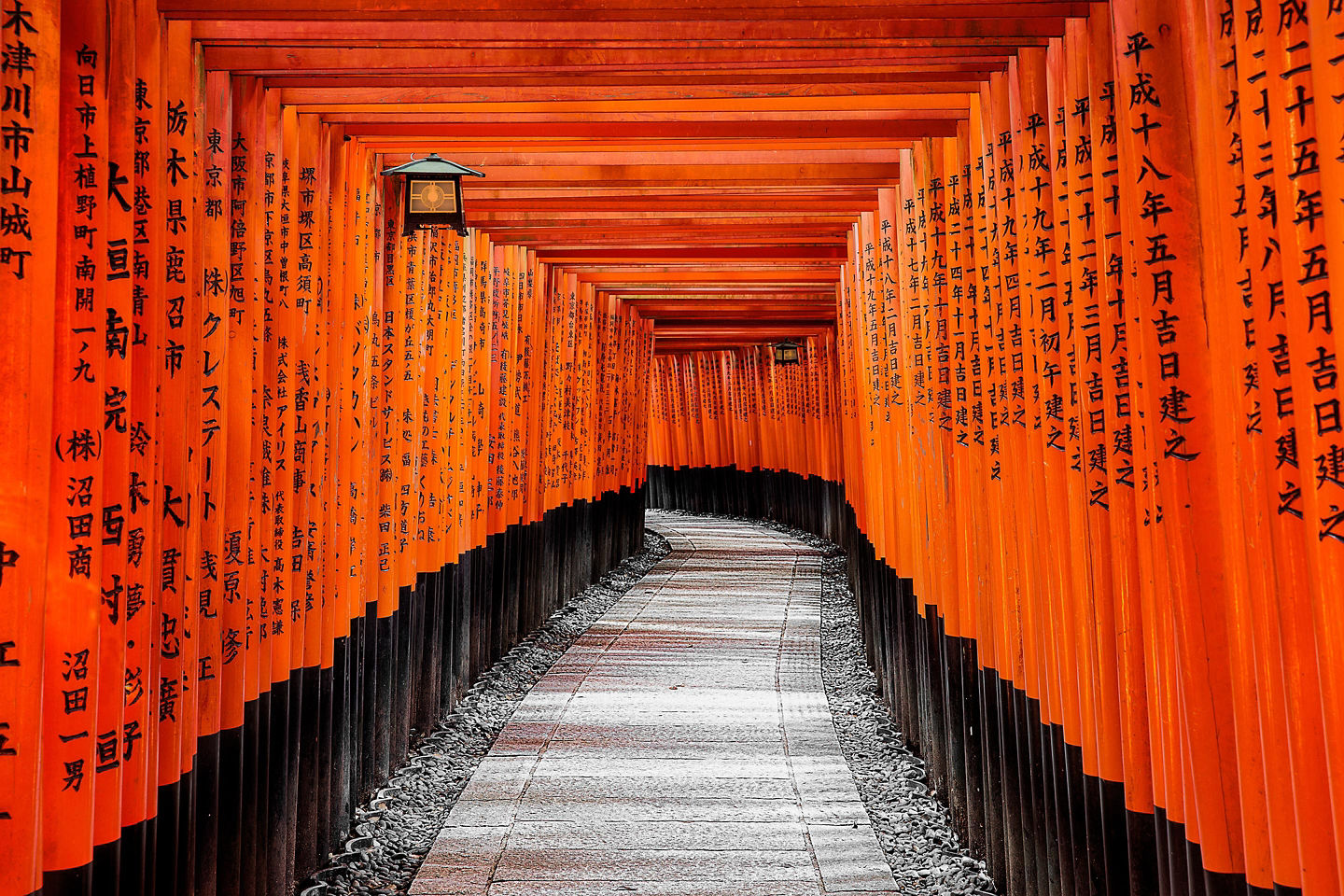
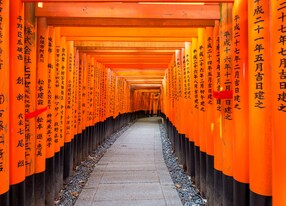
Fushimi Inari Taisha is famous for its seemingly endless tunnel of vermilion torii gates, and no image says Kyoto quite like it. Thousands of gates wind up the forested slopes of Mount Inari, each donated by individuals and businesses seeking good fortune. The full hike to the summit takes a couple of hours, but even a short stroll through the lower gates delivers one of Japan's most unforgettable sights, especially in the early morning before the crowds arrive.
3. The Arashiyama Bamboo Forest
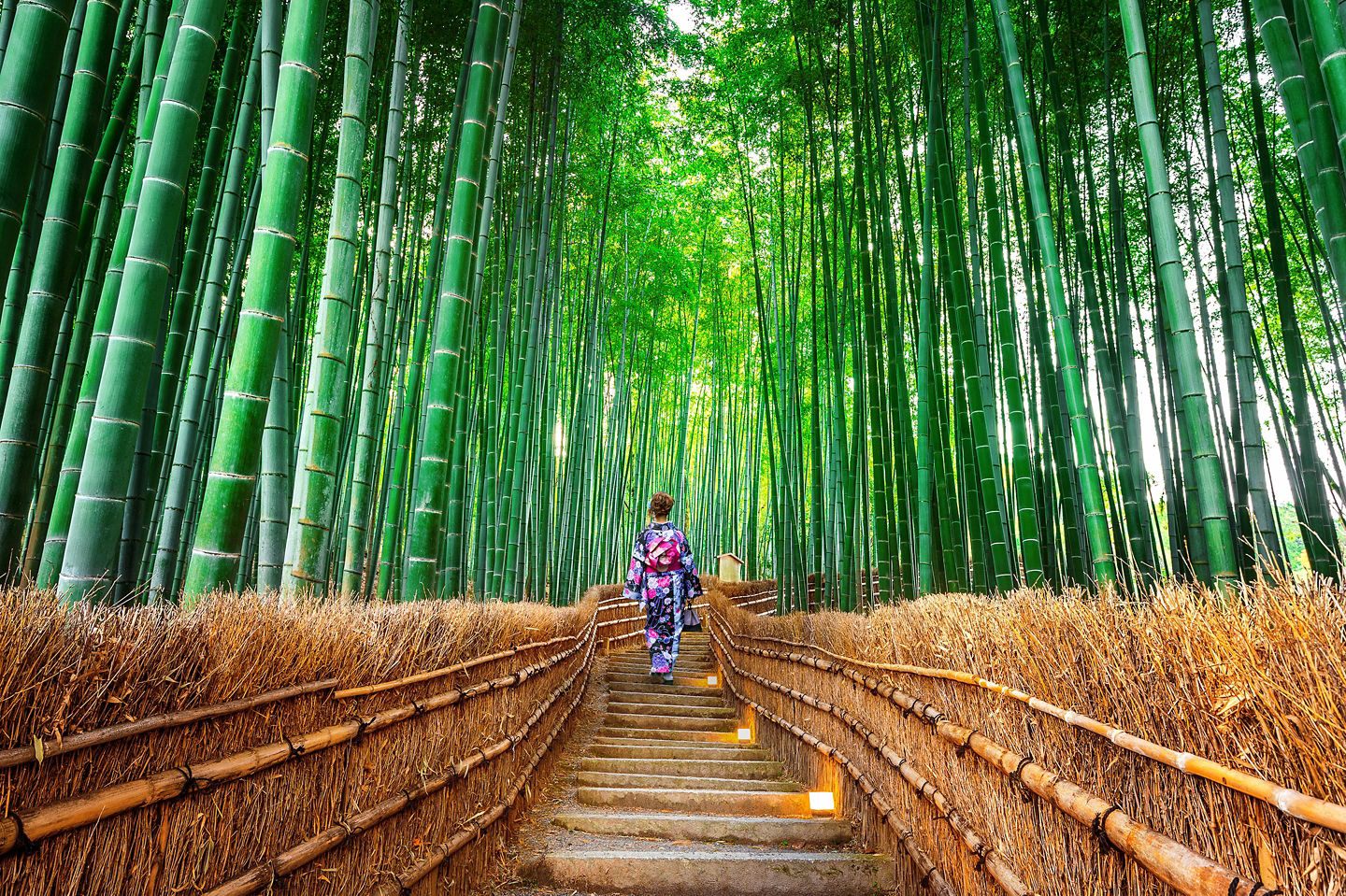
On Kyoto's western edge, the Arashiyama Bamboo Forest surrounds you with towering green stalks that sway and creak in the breeze, creating a sound so distinctive that Japan has designated it one of the country's protected soundscapes. Pair your walk with a visit to nearby Tenryu-ji Temple, a ride on the scenic Sagano Railway or a stop at the Iwatayama Monkey Park overlooking the city.
4. Geisha Culture in Gion
Kyoto is famous for its geisha culture, and the historic Gion district is its living heartland. In the evenings, you might glimpse a geiko or apprentice maiko in exquisite kimono gliding between wooden teahouses on Hanamikoji Street beneath glowing lanterns. Traditional performances, tea ceremonies and cultural shows offer respectful ways to experience this artistic tradition up close — which spans centuries.
5. Cherry Blossom Season
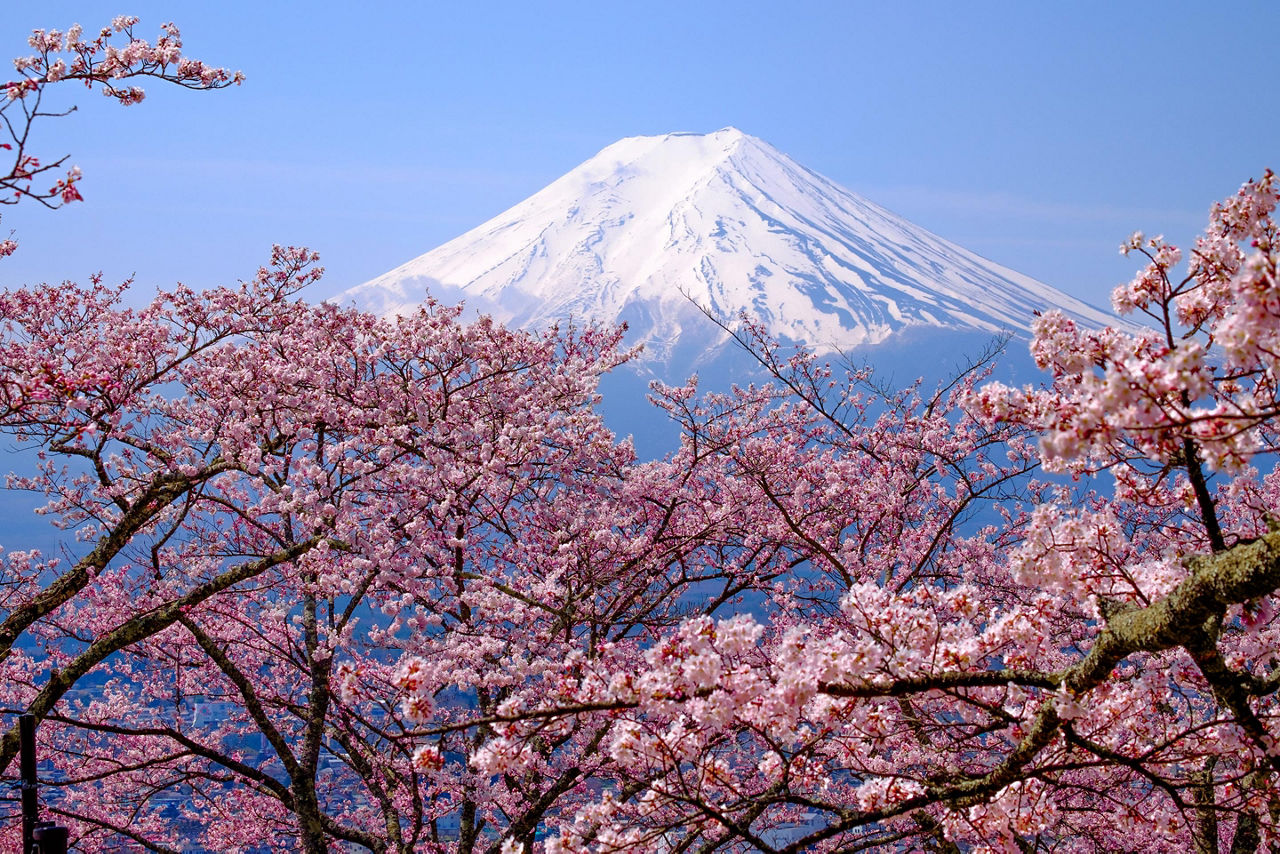
Kyoto is known around the world for its cherry blossom season. Come spring, the Philosopher's Path becomes a tunnel of pink petals. Maruyama Park fills with hanami picnics beneath its famous weeping cherry tree and temple gardens across the city burst into bloom. Late March through early April brings peak season and peak magic, though autumn's fiery maple leaves give the blossoms real competition.
6. Kiyomizu-dera & Its Hillside Views
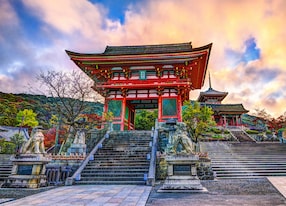
Perched on the slopes of Mount Otowa, Kiyomizu-dera is famous for its vast wooden stage, built without a single nail, that juts out over a hillside of cherry and maple trees. The panoramic views across Kyoto are breathtaking in any season. On the walk up, the preserved lanes of Sannenzaka and Ninenzaka, lined with traditional shops and sweets stalls, are an attraction all their own.
7. Matcha & Green Tea Culture
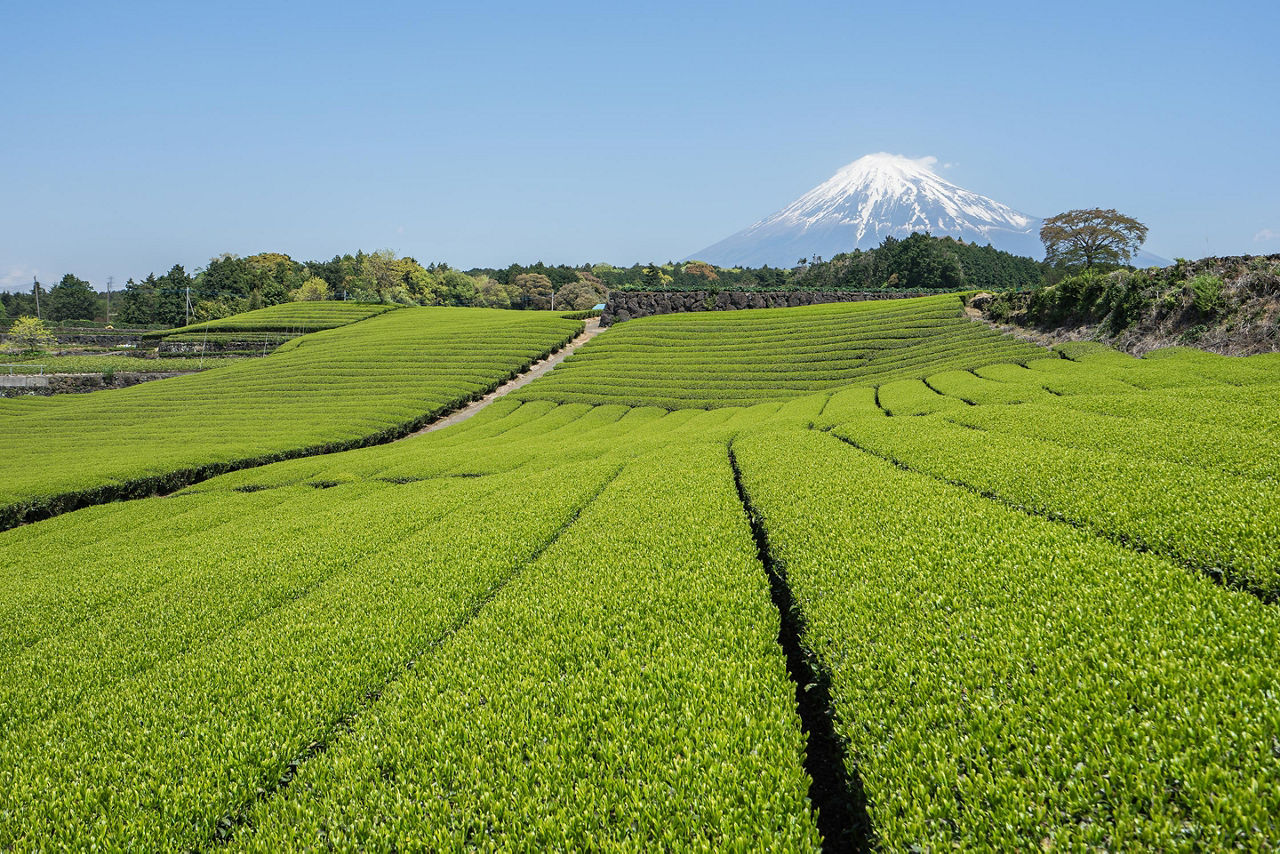
Kyoto is also known for its green tea culture as the spiritual home of matcha in Japan. The nearby town of Uji has grown some of the country's finest matcha for over 800 years, and the formal tea ceremony was refined in Kyoto's temples and teahouses. Today, you can join a traditional ceremony, tour a historic tea shop or simply indulge in matcha everything — from lattes and soft serve to parfaits and delicate sweets — all over the city.
8. Kyoto Cuisine
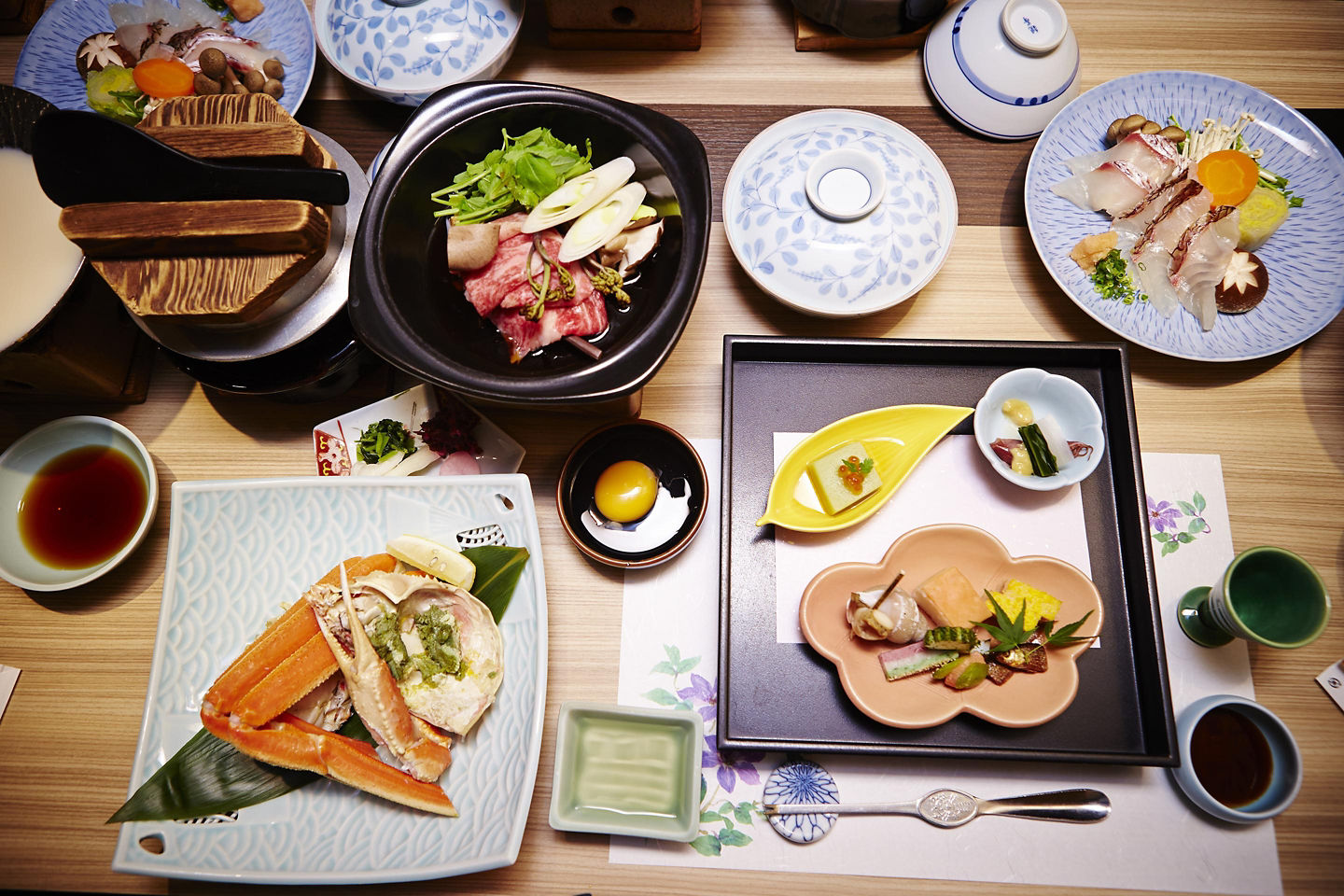
If you're wondering what Kyoto is known for when it comes to food, the answer is refinement. This is the birthplace of kaiseki, Japan's exquisite multi-course haute cuisine, along with Buddhist temple fare like yudofu (simmered tofu) and shojin ryori vegetarian cooking. Slurp handmade soba and delight in buckwheat noodles served hot or chilled, then browse Nishiki Market — a food hall with more than 400 years of history. And don't skip yatsuhashi, the city's beloved cinnamon sweet.
9. Traditional Crafts & Kimono
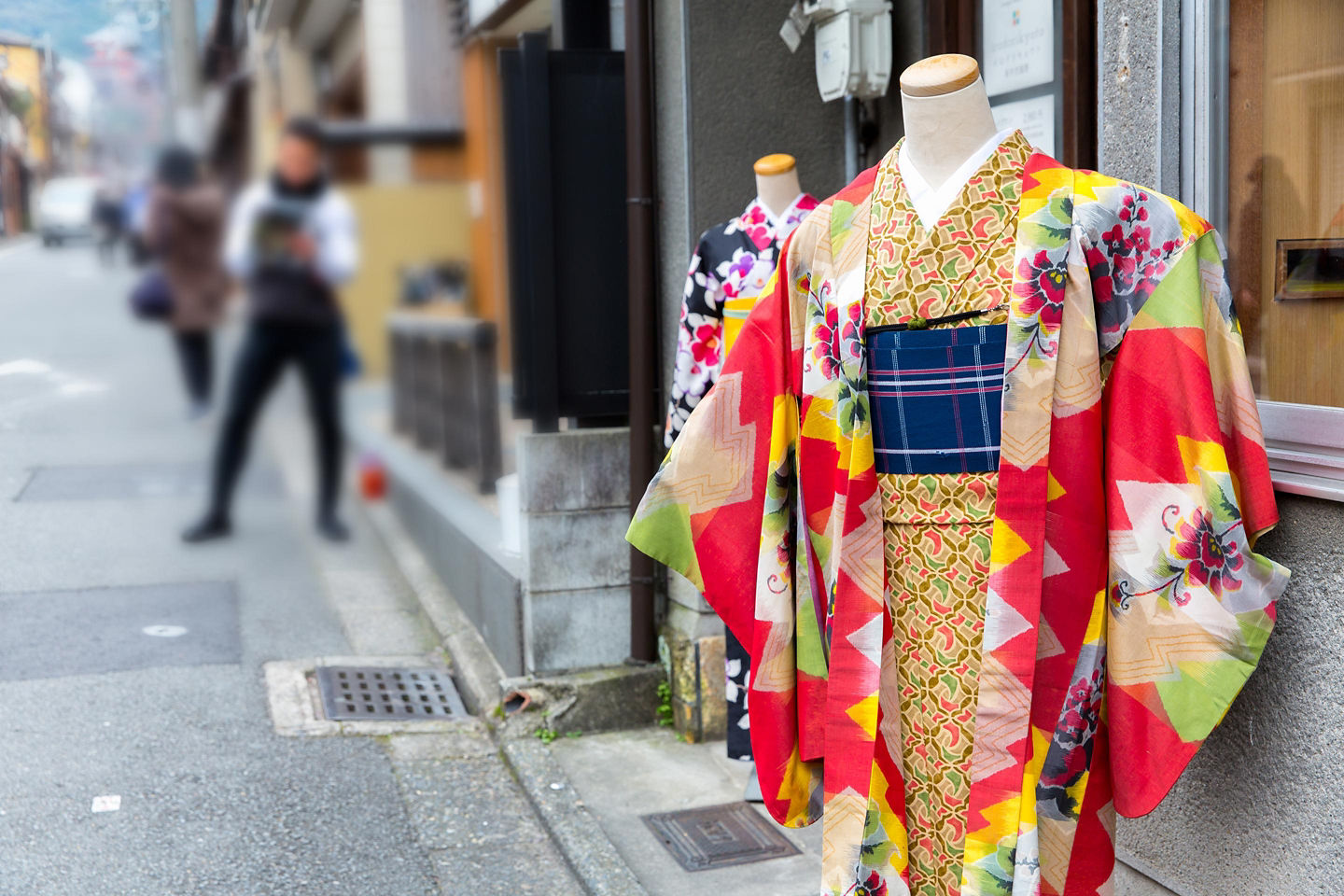
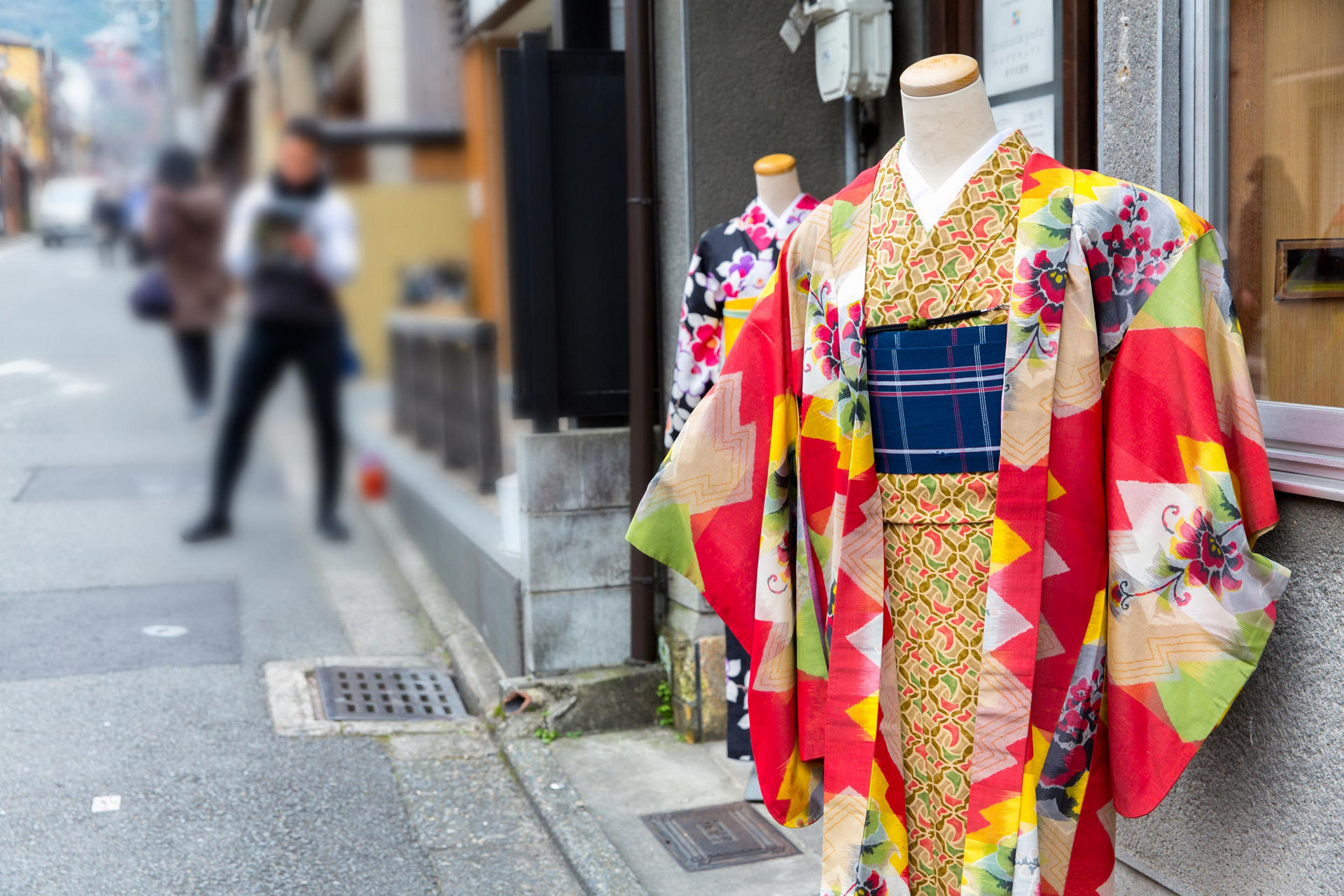
Kyoto is equally famous for its traditional crafts. Centuries as the imperial capital made this city the artisan center of Japan, and the Nishijin district still weaves some of the world's most luxurious silk textiles. Local artisans carry on traditions of Kiyomizu pottery, lacquerware, folding fans and incense. Renting a kimono for a day of strolling the historic districts is a beloved visitor tradition, and it makes for spectacular photos.
10. Imperial Palaces & Zen Gardens
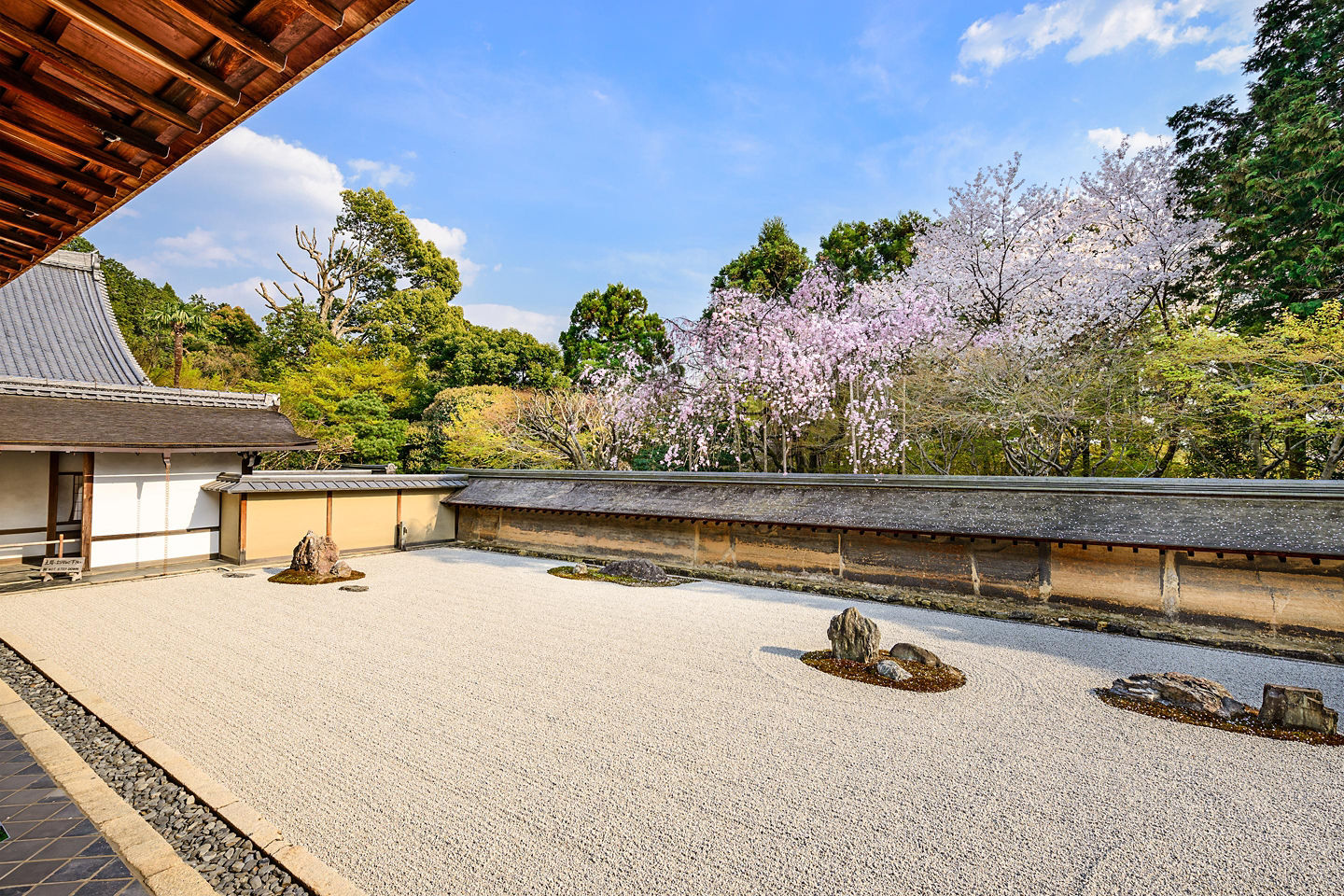
Kyoto's royal legacy lives on at the Kyoto Imperial Palace and UNESCO-listed Nijo Castle, where nightingale floors were designed to chirp underfoot and betray intruders. Just as iconic are the city's Zen gardens, and none is more famous than Ryoan-ji, where 15 carefully placed stones rest in raked white gravel. It's said you can never see all 15 at once, a fitting metaphor for a city that always leaves you something to come back for.
What Is Kyoto Known For?
Kyoto is known for its 1,600 temples and shrines, including Kinkaku-ji, Fushimi Inari and Kiyomizu-dera, along with geisha culture, cherry blossoms, matcha green tea and the refined flavors of kaiseki cuisine. It's a city where Japan's living traditions meet everyday life on streets aglow with lanterns. And with cruise ships calling at nearby Osaka and Kobe, Kyoto's timeless wonders are just a scenic train ride away, making for an unforgettable day in Japan's cultural heart.
Planning a Trip to Kyoto?
Want to learn more about this Japanese gem? Check out these guides to plan your next trip:
- Kyoto (Maizuru) Shore Excursions - Plan your Kyoto adventure with curated stops for culture, cuisine and scenic exploration.
- A Guide to the Best Neighborhoods in Kyoto - Wander through iconic Kyoto areas discovering shrines, artisan boutiques, cafes and scenic viewpoints.