Martinique is known for Mount Pelée, beautiful beaches, rhum agricole and its blend of French and Caribbean Creole culture. The island is also famous for the historic town of Saint-Pierre, Balata Gardens, Fort-de-France’s markets and traditional sailing boats called yoles.
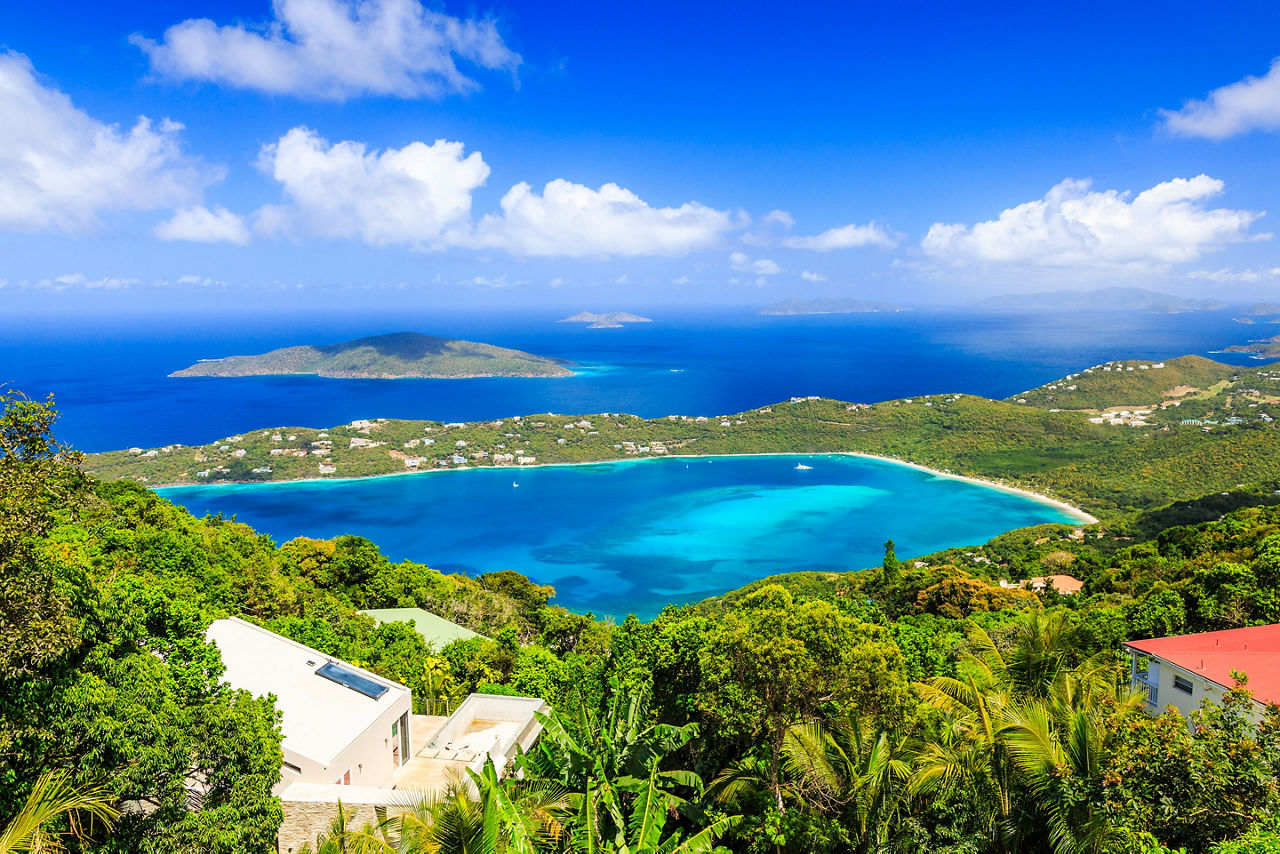
Located in the eastern Caribbean between Dominica and Saint Lucia, Martinique is part of the French West Indies. Forested mountains rise in the north, while coastal towns and sandy bays invite you to explore farther south. You can browse a spice stall, discover volcanic history or settle into a seaside restaurant.
Here are 10 things Martinique is known for and what makes each one worth discovering.
1. Mount Pelée and Volcanic Landscapes
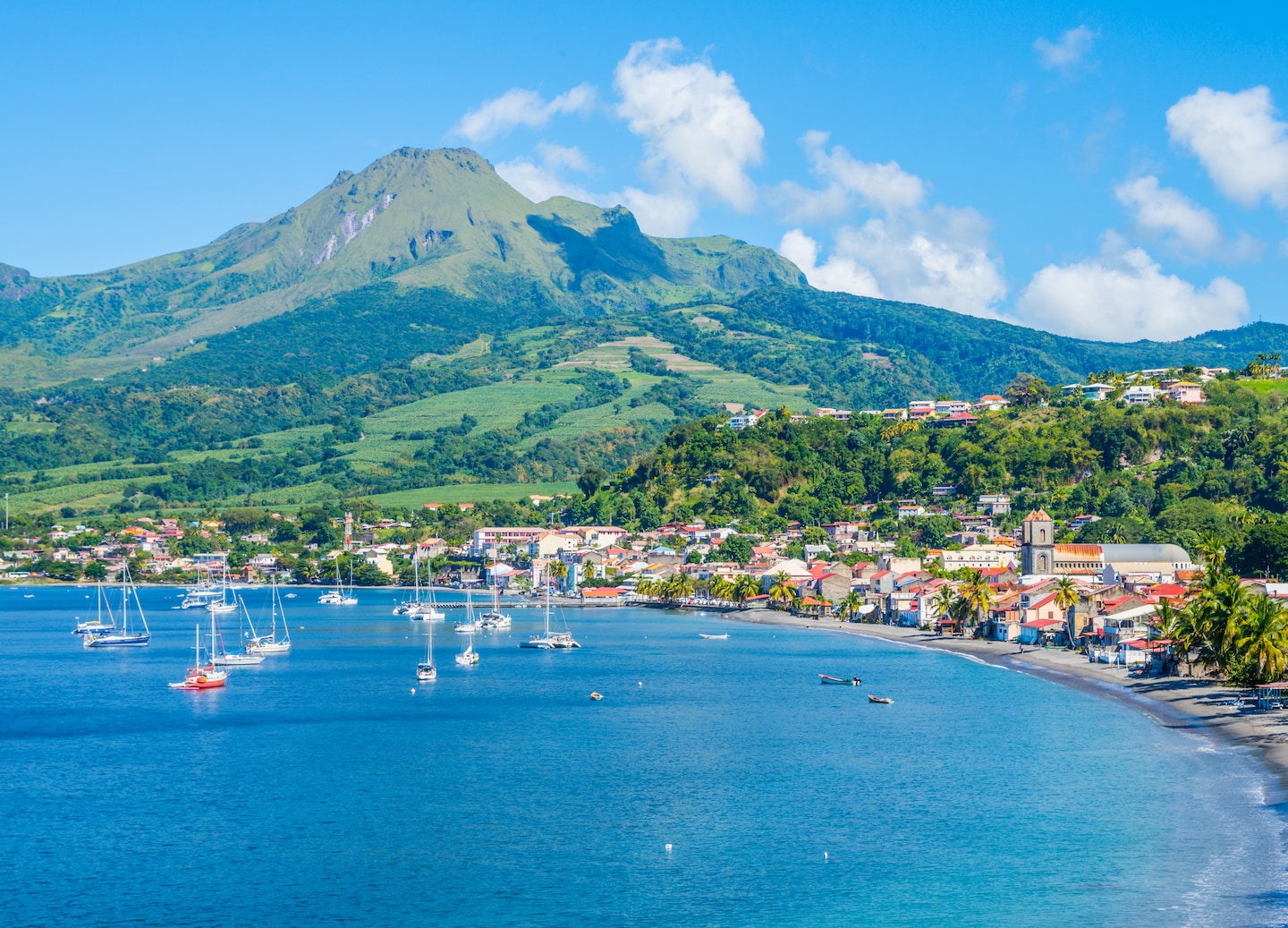
Mount Pelée is Martinique’s best-known volcano, famous for its dramatic northern landscape and the 1902 eruption that destroyed Saint-Pierre. Its slopes are part of a wider region of volcanic peaks and forests.
The UNESCO-listed volcanoes and forests of northern Martinique are recognized for their geological importance and biodiversity. Forest habitats extend from the coast toward the summits, supporting plants and wildlife found only in this part of the world.
A visit to northern Martinique gives you a chance to appreciate this mountainous scenery. If hiking is part of your plans, choose a route that suits your experience and check local conditions before setting out.
2. Saint-Pierre’s History
Saint-Pierre is a historic coastal town known for the ruins left by Mount Pelée’s devastating eruption in 1902. Before the disaster, it was an important commercial and cultural center on the island.
Surviving structures and museum displays help explain what happened and how the eruption changed Martinique. Walking through the town brings that history into focus, with reminders of the past set among streets where daily life continues.
Give yourself time to understand the places you see. A guided visit can connect the ruins with the people who lived here, while the waterfront offers a view of the landscape that shaped the town’s story.
3. Les Salines and Caribbean Beaches
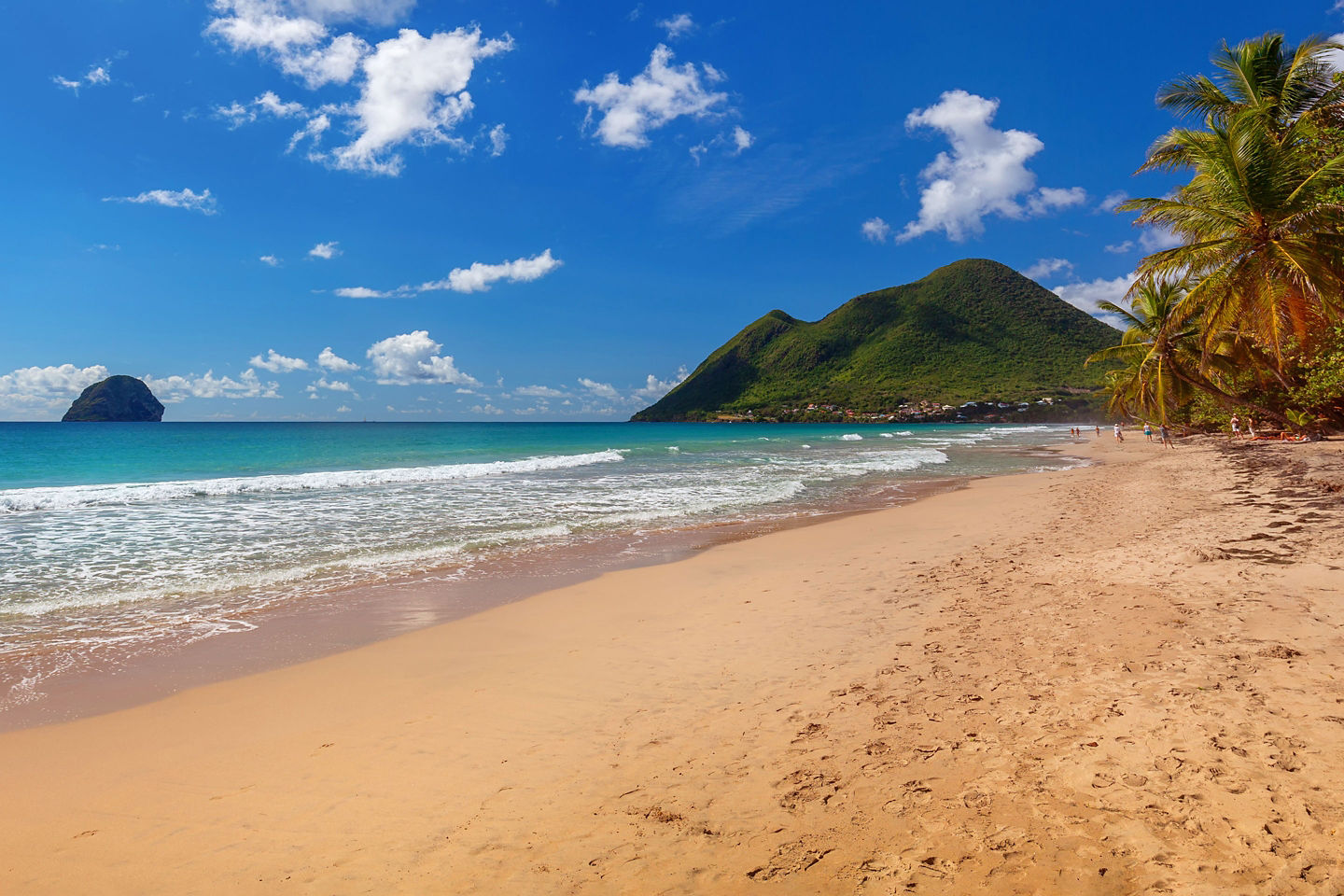
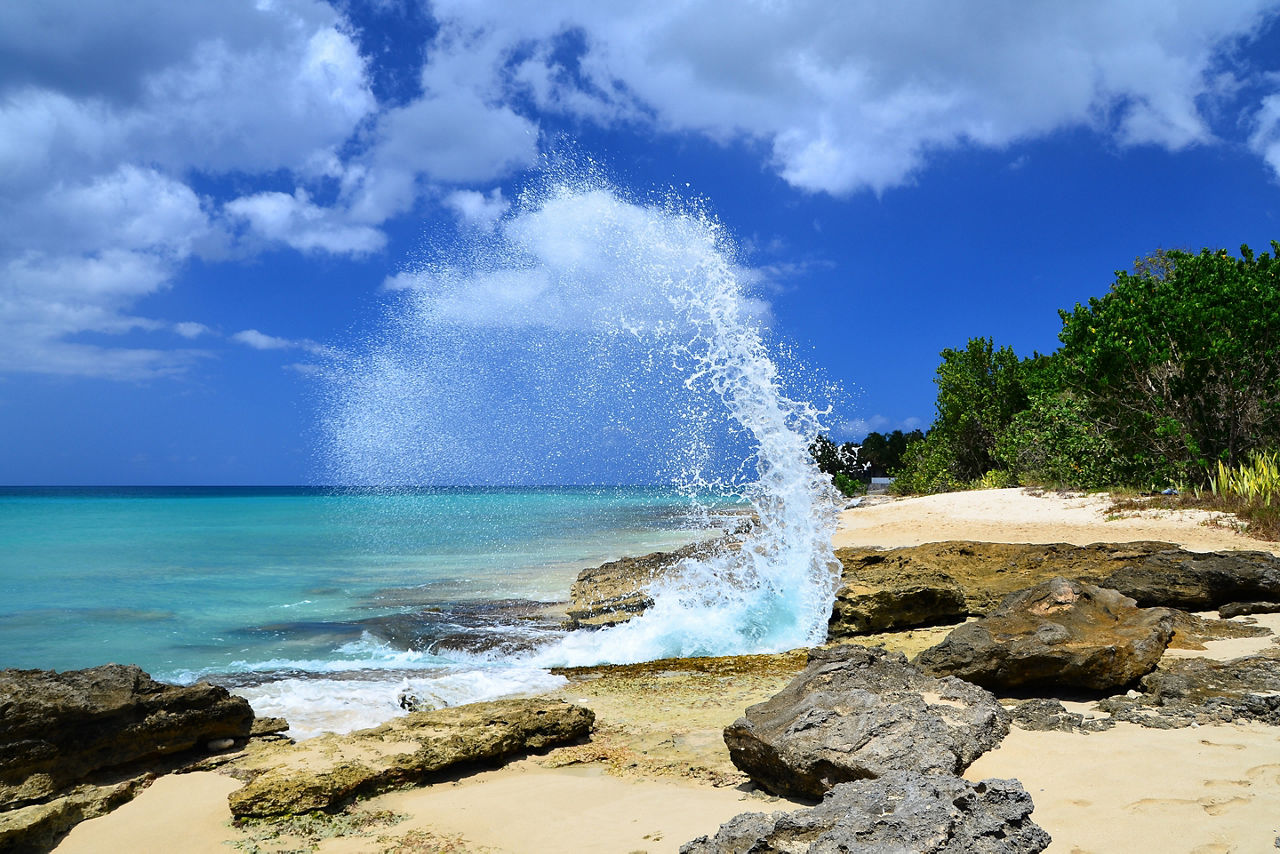
Martinique is known for its varied coastline, with Les Salines near Sainte-Anne among its most familiar beaches. Its broad curve of pale sand, coconut palms and blue water makes it a favorite image of the island.
The appeal is easy to appreciate once you reach the shore. Walk beside the water, find a comfortable place to pause or leave time for a leisurely beachside lunch.
Your choice of beach will help shape the day. Les Salines lies in the south, so allow for transportation from Fort-de-France and choose an outing that gives you enough time to enjoy the coast.
4. Balata Gardens
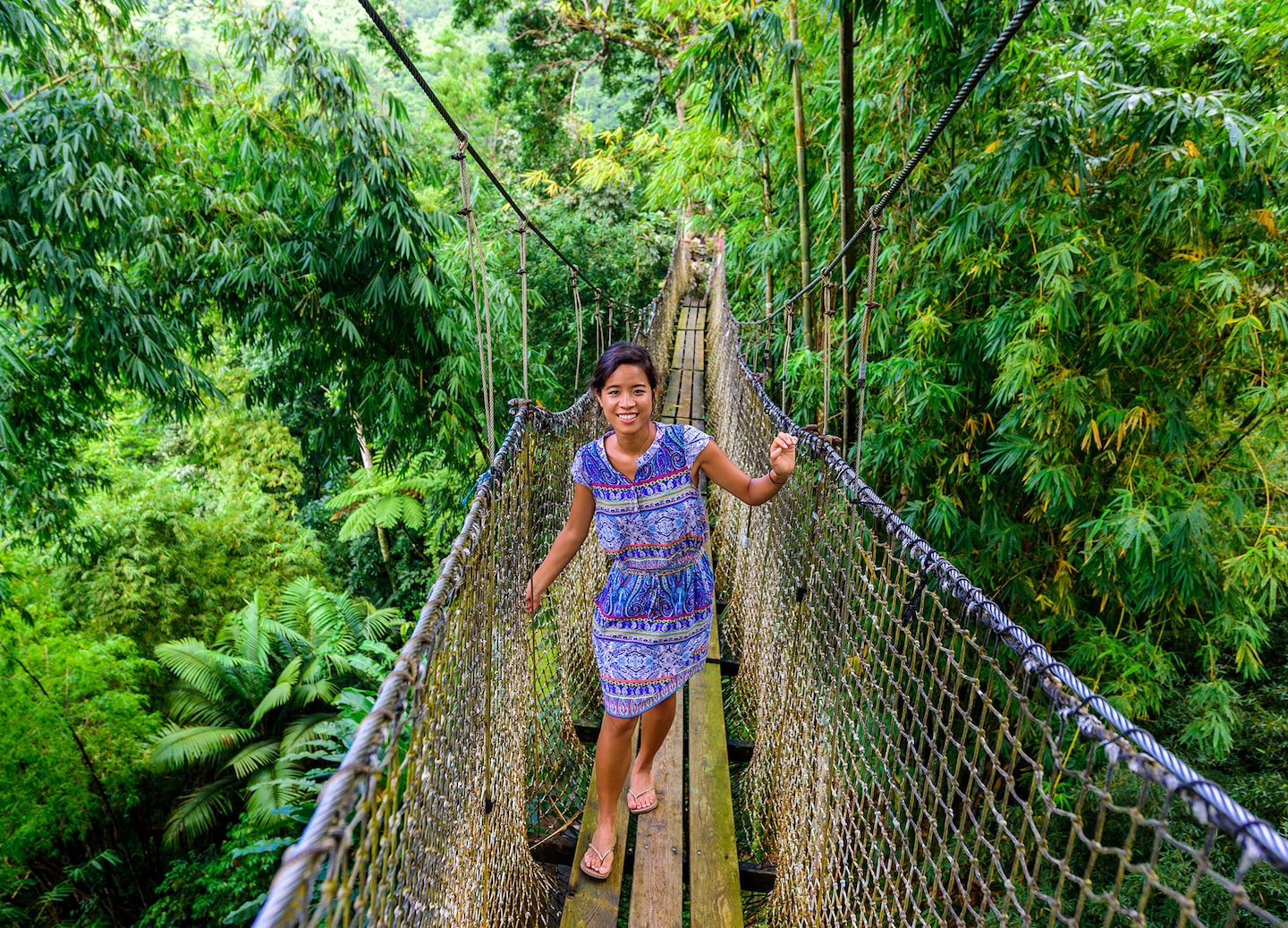
Balata Gardens, or Jardin de Balata, is a botanical garden near Fort-de-France known for tropical plants, palms and carefully arranged garden landscapes. Its greenery offers a different perspective on Martinique from the beaches and waterfront.
Paths lead through changing combinations of foliage and flowers, while suspended walkways offer views among the trees. There is plenty to notice at ground level, too, from the shapes of large leaves to the colors tucked between them.
A garden visit is a lovely way to spend part of the day outdoors. Take your time along the paths and let the smaller details hold your attention alongside the wider views.
5. Rhum Agricole
Martinique is famous for rhum agricole, a style of rum distilled from fresh sugarcane juice. Its connection to the island’s agriculture and its protected Martinique appellation make it an important part of local identity.
A rum heritage visit can introduce the stages of production, from harvested cane to distillation and aging. Some properties also offer historic buildings and grounds that place the industry within the island’s wider story.
For adults interested in the craft, a tasting provides an opportunity to compare styles and ask questions. Exploring Fort-de-France shore excursions can help you find a rum-focused outing that fits your visit.
6. Fort-de-France

Fort-de-France is Martinique’s capital, known for its waterfront, markets and distinctive historic buildings. It is an inviting place to begin getting acquainted with the island’s urban life.
Landmarks such as the Schœlcher Library and Saint-Louis Cathedral give a city walk architectural interest. Around them, shops and busy streets offer opportunities to pause, browse and notice everyday details.
Choose a few sights and leave room between them. A walk through the center can become as much about a café stop or an interesting shopfront as the buildings on your list.
7. Creole Cuisine

Martinique is known for Creole cooking shaped by African, French, Indian and Caribbean influences. Seafood, aromatic spices and locally grown ingredients feature in dishes that reflect the island’s history.
Accras de morue, or salt cod fritters, are a familiar introduction. Colombo brings fragrant spices to a hearty stew, while fish dishes offer another way to enjoy the island’s connection to the sea.
Exploring what to eat in Martinique can help you recognize local favorites on a menu. Whether you choose a few freshly cooked fritters or sit down for lunch, make the meal part of your visit.
8. Colorful Markets and Local Crafts
Martinique’s markets are known for displays of spices, produce and souvenirs, with Fort-de-France’s Grand Marché among the best-known places to browse. The stalls offer a close-up look at ingredients and objects associated with island life.
You might notice patterned madras fabrics, baskets or bottles of pepper sauce alongside the food displays. Ask vendors about unfamiliar ingredients or how an item was made to learn more about what catches your eye.
If you are deciding what to buy in Martinique , a little background can make browsing more rewarding. Look for something with a clear connection to the island and a story you will enjoy remembering.
9. French and Caribbean Creole Culture
Martinique is known for a cultural identity that brings together its ties to France and its Caribbean Creole heritage. French and Martinican Creole are part of island life, while food, clothing and artistic traditions express its varied influences.
You can notice this identity in everyday settings, from a bakery counter to a display of colorful madras fabric. These details offer another way to understand the island alongside its major attractions.
Leave time for conversation and observation as you explore. Asking about a dish, a handmade object or a local tradition can make a brief stop feel more personal and memorable.
10. Traditional Yole Sailing
Martinique is known for the yole, a traditional sailing boat with a narrow hull and a distinctive way of balancing under sail. Crew members extend their weight outward on long poles, working together to keep the boat steady.
The Martinique yole tradition recognized by UNESCO includes knowledge passed between boatbuilders, sailors and communities. It connects practical craftsmanship with skills learned on the water.
Watching these boats offers a different view of the island’s maritime culture. If your visit coincides with sailing activity, take a moment to appreciate the coordination behind each movement and the shared effort that keeps the boat moving.
Why Visit Martinique?
Martinique is a wonderful choice if you enjoy coastal scenery, local food and discovering a destination through its culture. You can explore historic streets, admire tropical gardens or spend time beside the sea, with opportunities along the way to learn about the island’s traditions.
A cruise to Fort-de-France, Martinique offers an introduction to these different experiences. Depending on your time in port, you might focus on the capital or choose an excursion to a garden, historic town or beach. Plan around travel times so you can enjoy each stop at a comfortable pace.
Frequently Asked Questions About Martinique
-
What is Martinique most famous for?
Martinique is most famous for Mount Pelée, rhum agricole, Caribbean beaches and its French and Creole cultural identity. Saint-Pierre, Balata Gardens and Fort-de-France’s markets are also among its best-known highlights.
-
What makes Martinique unique?
Martinique combines volcanic mountains and tropical coastline with a distinctive French Caribbean identity. Its Creole food, sugarcane-based rum and traditional yole sailing give visitors several ways to experience the island’s culture as well as its scenery.
-
Why is Martinique associated with Mount Pelée?
Mount Pelée is a defining feature of northern Martinique, and its 1902 eruption profoundly changed the island’s history. The volcano remains important to the study of volcanic activity and forms part of a UNESCO World Heritage site recognized for its geology and forests.
-
Why is Martinique famous for rum?
Martinique is famous for rhum agricole, which is distilled from fresh sugarcane juice. The island’s rum-making traditions and protected appellation connect production with a specific place and set of standards, contributing to its international reputation.
-
What culture is Martinique known for?
Martinique is known for its Caribbean Creole culture and close connection to France. Its language, cuisine, fabrics and maritime traditions reflect the island’s history and the communities that have shaped it.
-
What is a Martinique yole?
A Martinique yole is a traditional sailing boat with a narrow hull, sailed by a crew that uses long poles to help balance it. Boatbuilding and sailing knowledge are passed between generations, making the yole an important part of the island’s maritime heritage.
-
Is Martinique worth visiting on a cruise?
Martinique is worth visiting on a cruise if you enjoy gardens, history, Creole food and Caribbean scenery. Fort-de-France offers a starting point for exploring the capital or joining an excursion farther afield. Choose your priorities and allow enough time for transportation and each stop.
Keep Exploring Martinique
Ready to discover more of Martinique? These guides can help you plan your visit:
- Explore Fort-de-France shore excursions for ideas featuring the island’s history, gardens and local flavors.
- Find the best time to visit Martinique by comparing the seasons with your sightseeing and beach plans.
- Discover what to eat in Martinique before choosing the Creole dishes you would most like to try.
- Browse ideas for what to buy in Martinique , from colorful fabrics to locally made keepsakes.
- Plan what to pack for Martinique so you are ready for garden walks, sightseeing and time beside the sea.