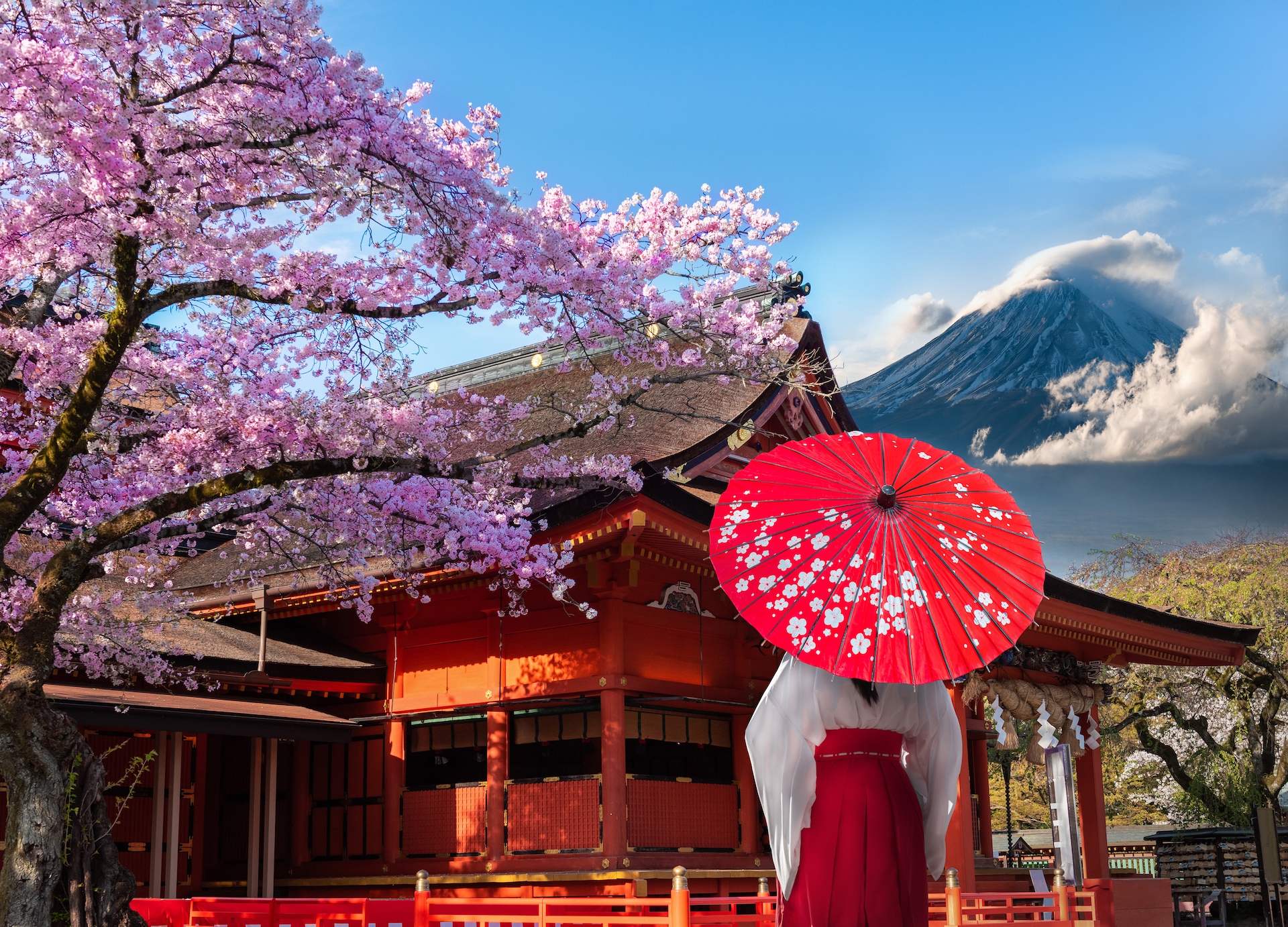
Mount Fuji is known for its symmetrical volcanic cone, snowcapped summit, sacred significance and enduring presence in Japanese art. At 3,776 meters, or 12,389 feet, it is Japan’s highest mountain and one of the country’s most recognizable cultural symbols.
Mount Fuji is also famous as an active stratovolcano, a centuries-old pilgrimage destination and the inspiration behind works such as Hokusai’s Thirty-Six Views of Mount Fuji . From the Fuji Five Lakes to the shrines and scenic landscapes around Shizuoka, these are the qualities that have made Mount Fuji an international icon.
1. Its Symmetrical Volcanic Cone

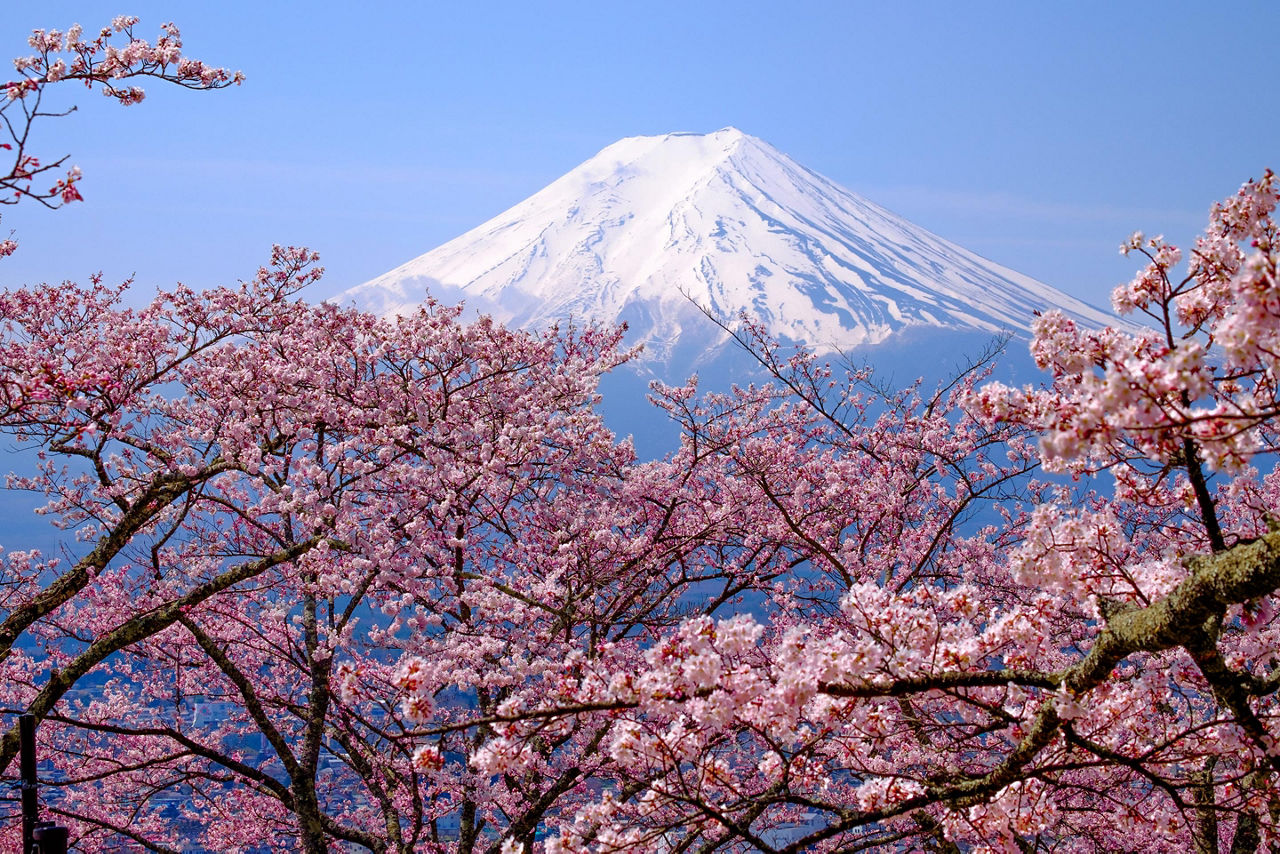
Mount Fuji is immediately recognizable for its broad base and remarkably symmetrical cone. Its isolated position on central Honshu allows the mountain to rise prominently above the surrounding landscape.
The summit is often covered in snow during the colder months, creating the white-capped appearance seen in photographs, paintings and prints. Views change with the weather and season, but the mountain’s distinctive silhouette remains one of the most familiar images of Japan.
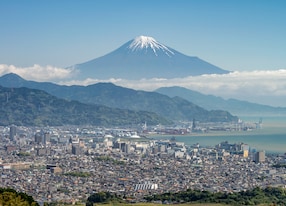
Mount Fuji can be seen from numerous locations in Shizuoka and Yamanashi prefectures and, on especially clear days, from parts of Tokyo and Yokohama.
2. Being Japan’s Highest Mountain
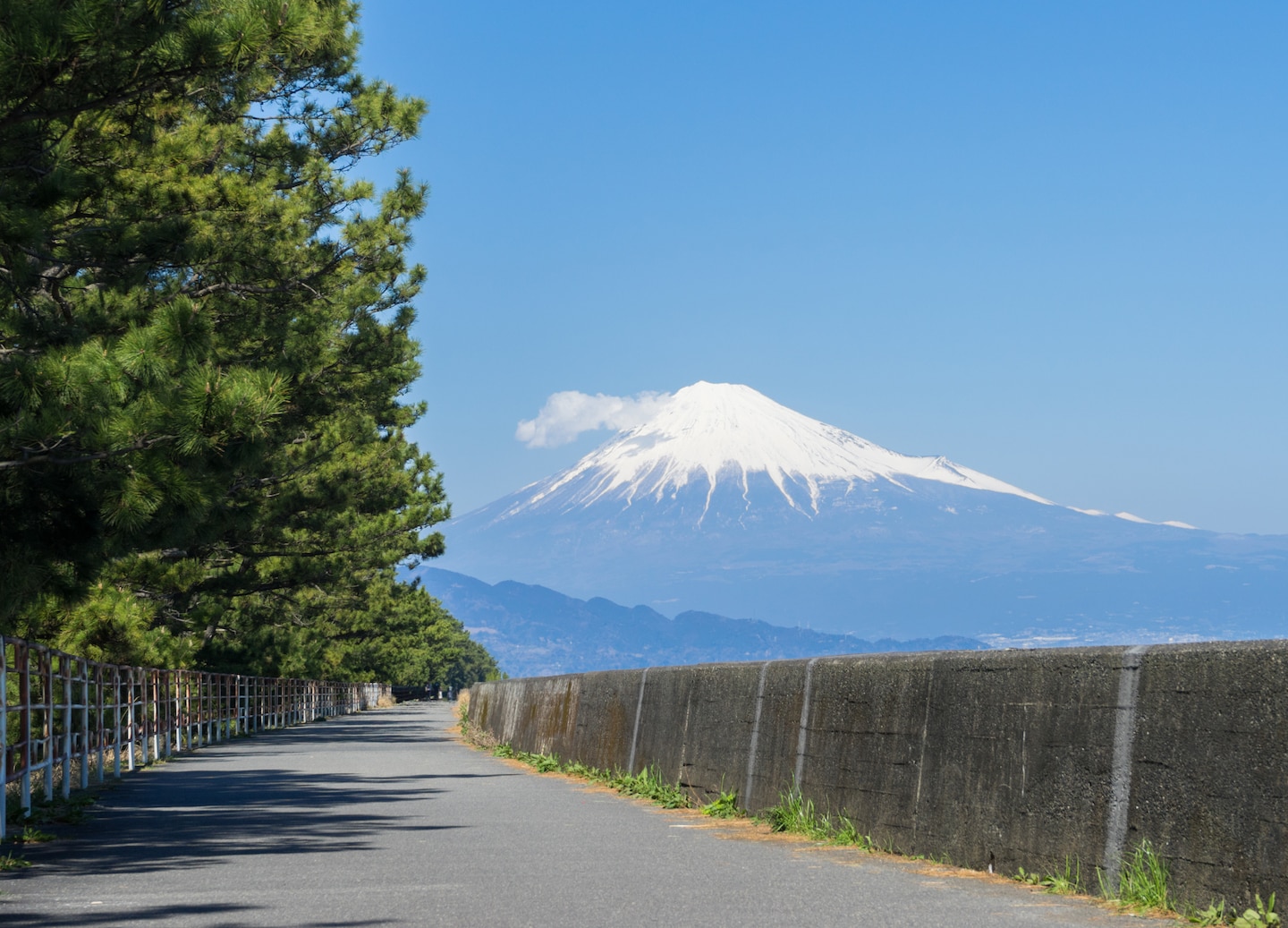
At 3,776 meters above sea level, Mount Fuji is the highest mountain in Japan. Its height and solitary profile give it a commanding presence over the surrounding region.
The summit sits along the boundary between Shizuoka and Yamanashi prefectures. Four major climbing routes approach it from different sides, reflecting the mountain’s geography and its long history as a destination for pilgrims and hikers.
Its status as Japan’s tallest peak contributes to both its national importance and its appeal to travelers from around the world.
3. Sacred Pilgrimage Traditions
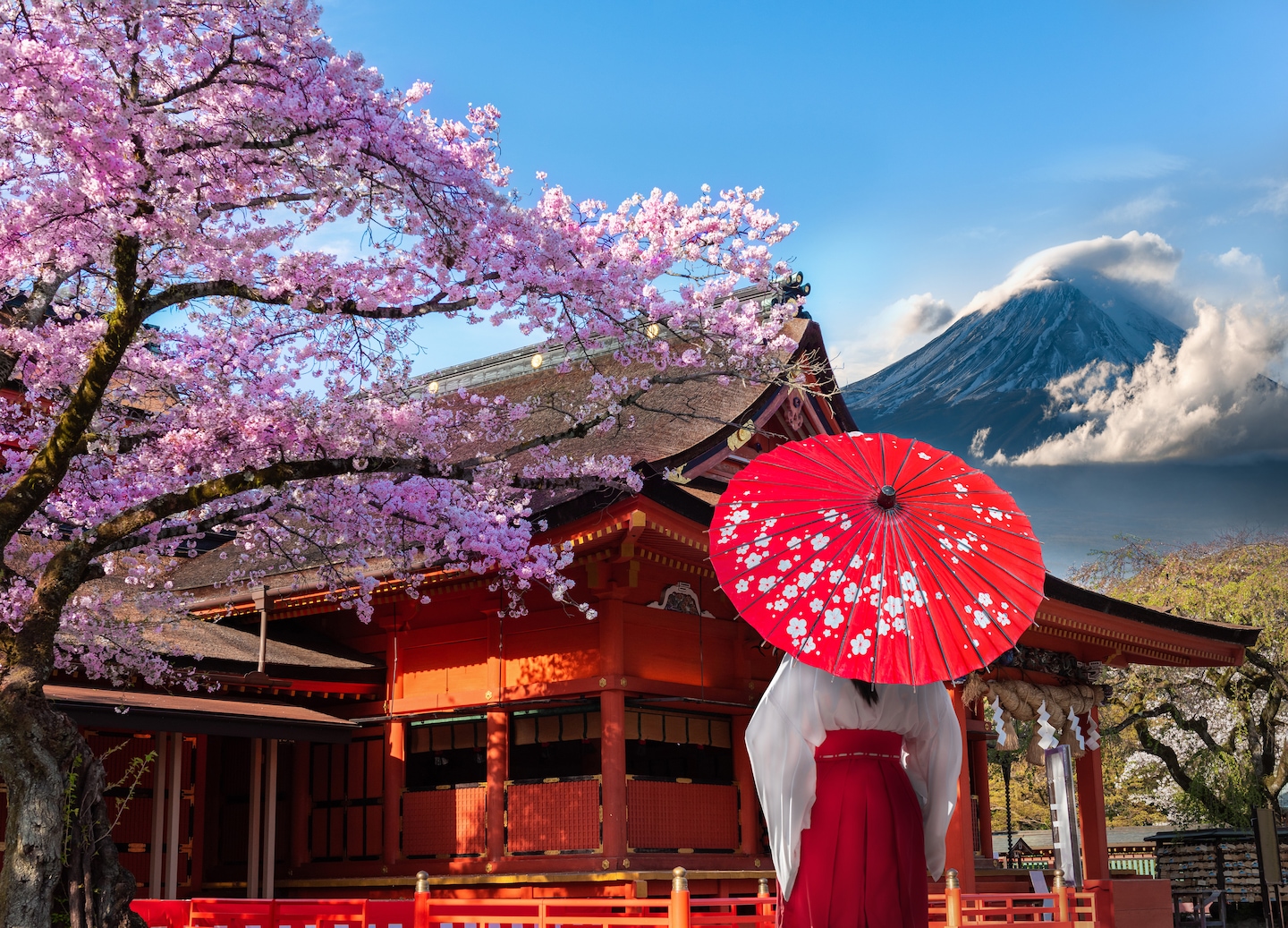
Mount Fuji has been considered sacred for centuries. Shinto and Buddhist traditions developed around the mountain, and pilgrims historically climbed its slopes as an act of faith and spiritual renewal.
Shrines dedicated to Mount Fuji’s divine associations stand around its base and along traditional pilgrimage routes. Fujisan Hongu Sengen Taisha in Fujinomiya is the head shrine of the Sengen shrine network and has deep ties to the worship of the mountain.
The summit itself also contains sacred sites. This spiritual history distinguishes Mount Fuji from a mountain valued only for its natural beauty.
4. UNESCO World Heritage Recognition
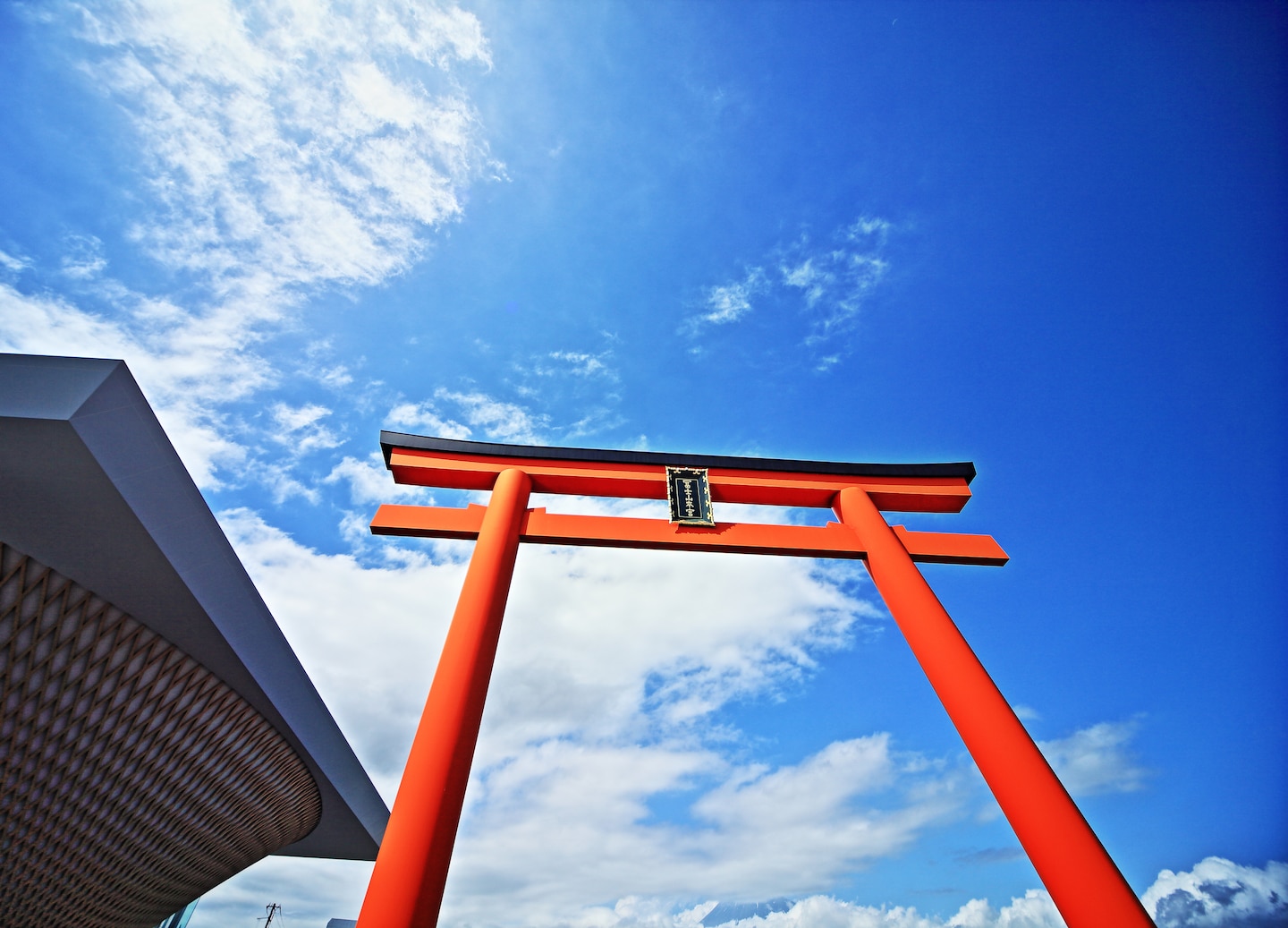
Mount Fuji became a UNESCO World Heritage Site in 2013 under the official designation “Fujisan, sacred place and source of artistic inspiration.” It was recognized as a cultural site rather than solely as a natural landmark.
The designation includes the mountain alongside a collection of shrines, pilgrimage routes, lakes, springs and other places connected to its religious and artistic history.
This recognition reflects how Mount Fuji has shaped Japanese beliefs, creative expression and national identity over many centuries.
5. Its Volcanic History
Mount Fuji is an active stratovolcano formed through repeated volcanic activity. Its familiar shape developed over multiple stages, with the present mountain rising over the remains of older volcanic formations.
Its most recent confirmed eruption was the Hōei eruption, which began in 1707. That eruption opened vents on the mountain’s southeastern slope and spread ash across a wide area, including what is now Tokyo.
Although Mount Fuji has remained quiet for centuries, it is still classified as active and is continuously monitored. Its volcanic origins are essential to understanding both its shape and the surrounding landscape.
6. Sunrise Climbs and Goraikō
Climbing Mount Fuji has become one of Japan’s most recognized outdoor traditions. Many climbers time their ascent to watch the sunrise from near the summit, an experience known as goraikō .
The official climbing season generally takes place during summer, although exact opening dates, trail rules and reservation requirements may change. The Yoshida, Subashiri, Gotemba and Fujinomiya trails each offer a different route up the mountain.
Reaching the summit requires preparation for altitude, changing weather and strenuous terrain. Travelers planning a climb should consult current official guidance rather than treating it as a casual walk.
7. Hokusai and Japanese Art
Mount Fuji has inspired Japanese artists and writers for centuries. It appears in religious paintings, poetry, literature, photography and contemporary popular culture.
Katsushika Hokusai’s woodblock print series Thirty-Six Views of Mount Fuji includes some of the mountain’s most famous artistic representations. The series features Fuji from different locations, seasons and perspectives, sometimes as the central subject and sometimes as a distant presence.
Utagawa Hiroshige also depicted the mountain in influential landscape prints. Together, these works helped establish Mount Fuji as an internationally recognized image of Japan.
8. The Fuji Five Lakes
The Fuji Five Lakes region lies along the mountain’s northern side in Yamanashi Prefecture. It includes Lakes Kawaguchi, Yamanaka, Sai, Shōji and Motosu.
These lakes are known for views of Mount Fuji reflected in the water when skies are clear and winds are calm. Lake Kawaguchi is among the most accessible and developed, while the other lakes offer different landscapes and viewing angles.
The region demonstrates how strongly Mount Fuji shapes the scenery and identity of the communities around its base.
9. Scenic Views From Shizuoka
Shizuoka Prefecture offers several celebrated views of Mount Fuji, making it especially relevant to cruise travelers arriving at the port of Shimizu.
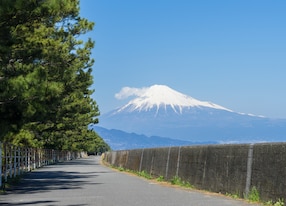
Nihondaira provides an elevated perspective across tea-growing landscapes toward the mountain. Miho no Matsubara is known for a pine-lined shoreline where Mount Fuji can appear beyond Suruga Bay on clear days.
Fujisan Hongu Sengen Taisha and the Mount Fuji World Heritage Centre in Fujinomiya provide additional ways to understand the mountain’s cultural and spiritual importance. Visibility depends on clouds and weather, so the mountain may not be fully visible during every visit.
10. Seasonal Views of Japan
Mount Fuji’s appearance changes dramatically throughout the year. Snow creates its classic white-capped profile, while spring blossoms and autumn foliage add color to views from the surrounding region.
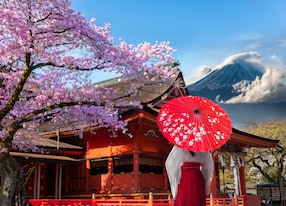
Chureito Pagoda is famous for compositions that frame Mount Fuji with a five-story pagoda, cherry blossoms or red autumn leaves. Tea fields in Shizuoka create another distinctly Japanese foreground for the mountain.
These seasonal settings have helped turn Mount Fuji into more than a geographic landmark. It represents a lasting connection between nature, culture and the changing seasons in Japan.
Why Is Mount Fuji So Important?
Mount Fuji is important because it brings together Japan’s natural landscape, religious traditions and artistic history in a single symbol. Its height and volcanic form make it geographically significant, while centuries of pilgrimage and creative interpretation have given it much deeper cultural meaning.
For visitors, seeing Mount Fuji can be memorable even without climbing it. Shrines, museums, lakes, coastal viewpoints and tea-growing landscapes offer different ways to experience the mountain and understand why it holds such a prominent place in Japanese culture.
Frequently Asked Questions About Mount Fuji
What is Mount Fuji best known for?
Mount Fuji is best known for its symmetrical volcanic cone, snowcapped appearance and status as Japan’s highest mountain. It is also recognized as a sacred pilgrimage site, a UNESCO World Heritage Site and an enduring subject in Japanese art.
Why is Mount Fuji famous?
Mount Fuji is famous because of its distinctive shape, cultural importance and visibility across central Japan. Centuries of religious worship, pilgrimage and artistic representation transformed the mountain into an internationally recognized symbol of the country.
Why is Mount Fuji important to Japanese culture?
Mount Fuji is important to Japanese culture as a sacred place and source of artistic inspiration. It has influenced Shinto and Buddhist traditions, pilgrimage practices, poetry, woodblock prints, literature and modern visual culture.
What does Mount Fuji symbolize?
Mount Fuji commonly symbolizes beauty, endurance, spiritual renewal and the relationship between people and nature. Its meaning has developed through centuries of religious practice, storytelling and artistic interpretation rather than from one single tradition.
Why is Mount Fuji a UNESCO World Heritage Site?
Mount Fuji is a UNESCO World Heritage Site because of its cultural significance as a sacred pilgrimage destination and artistic inspiration. The designation recognizes the mountain together with associated shrines, routes, lakes and other culturally important places.
What type of volcano is Mount Fuji?
Mount Fuji is an active stratovolcano built through multiple periods of volcanic activity. Its last confirmed eruption was the Hōei eruption of 1707, and the mountain continues to be monitored.
Keep Exploring Mount Fuji
Want to learn more about Japan’s most iconic mountain? Check out these guides to plan your next trip:
- Visiting Mount Fuji: Everything You Need To Know - Learn when and where to see Mount Fuji, how cruise visitors can explore from Shimizu and what to consider when planning a visit.
- What To Buy at Mount Fuji - Discover locally inspired souvenirs, from Fuji-shaped sweets and artisan glassware to shrine charms, sake and Japanese textiles.