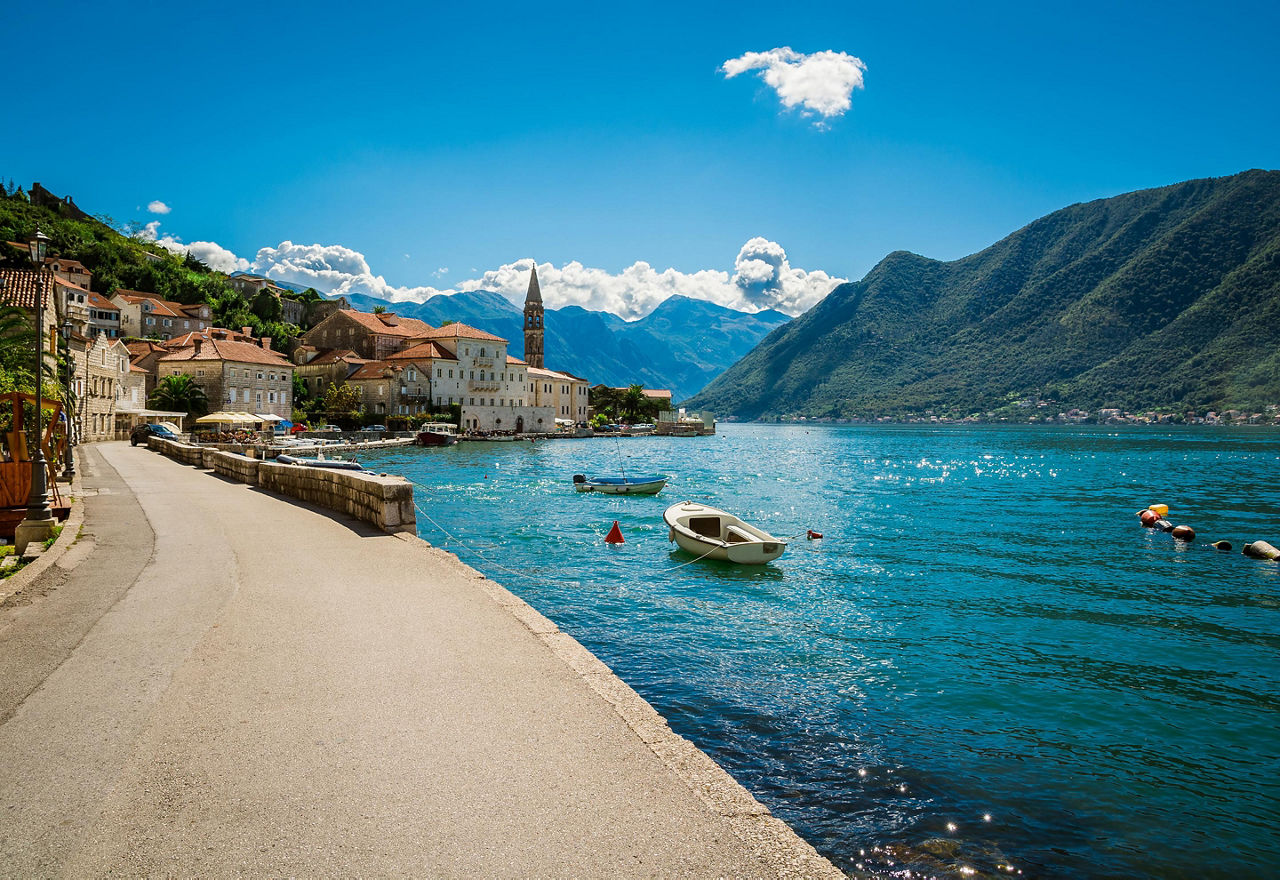
Naples is known for being the birthplace of pizza, its UNESCO-listed historic center, energetic street life and dramatic setting between the Bay of Naples and Mount Vesuvius. The city is also celebrated for its archaeological treasures, centuries-old churches, distinctive pastries and easy access to Pompeii, Herculaneum, Capri and the Amalfi Coast.
Founded by ancient Greeks and shaped by Roman, Spanish, French and Bourbon rule, Naples has developed a character all its own. Historic streets, neighborhood cafes and grand waterfront landmarks reveal different layers of the city’s history. Here are 10 defining features Naples, Italy is famous for.
1. Authentic Neapolitan Pizza

Naples is best known as the birthplace of pizza. Traditional Neapolitan pizza is recognizable by its soft, thin center, airy crust and simple ingredients, all brought together in a very hot oven.
Two of the city’s most famous styles are pizza marinara, traditionally made with tomato, garlic, oregano and olive oil, and pizza Margherita, topped with tomato, mozzarella and basil. The art of the Neapolitan pizzaiuolo , or pizza maker, has become an important expression of local cultural heritage.
Across Naples, pizzerias range from historic dining rooms to casual neighborhood spots. Watching dough being stretched, topped and quickly baked is part of experiencing a culinary tradition closely tied to the city’s identity.
2. The UNESCO-Listed Historic Center

Naples has one of Europe’s largest historic centers, with streets and buildings reflecting more than 2,000 years of development. Greek and Roman foundations sit beneath medieval churches, Baroque interiors, residential palaces and lively public squares.
The historic center is recognized by UNESCO for its cultural importance and remarkably layered urban history. Rather than feeling like a preserved museum district, it remains an active part of the city where residents, artisans, students and visitors share the same narrow streets.
Churches, courtyards, small workshops and architectural details appear throughout the neighborhood, making the historic center one of the clearest expressions of what Naples is known for.
3. Spaccanapoli & Naples’ Vibrant Street Life
Spaccanapoli is the name commonly given to the long, narrow route that appears to divide the historic center when viewed from above. The street passes churches, palaces, artisan shops, cafes and small food vendors while cutting through some of Naples’ oldest neighborhoods.
The surrounding streets capture the movement and personality for which Naples is famous. Laundry hangs between balconies, conversations carry across the lanes and scooters navigate passages lined with centuries-old buildings.
Nearby neighborhoods such as the Spanish Quarter add another layer to the city’s street culture. Murals, shrines, family-run businesses and tightly connected residential streets create an atmosphere that feels distinctly Neapolitan.
4. Mount Vesuvius
Mount Vesuvius rises beyond Naples and forms one of the world’s most recognizable volcanic landscapes. Its silhouette can be seen from numerous points around the city and across the Bay of Naples.
The volcano is closely connected to the region’s history, particularly because of the eruption in A.D. 79 that buried Pompeii and Herculaneum. It has also influenced the area’s fertile volcanic soil, agricultural traditions and enduring cultural identity.
For Naples, Vesuvius is more than a scenic backdrop. It's an unmistakable part of the city’s landscape and its relationship with the surrounding region.
5. Pompeii & Herculaneum
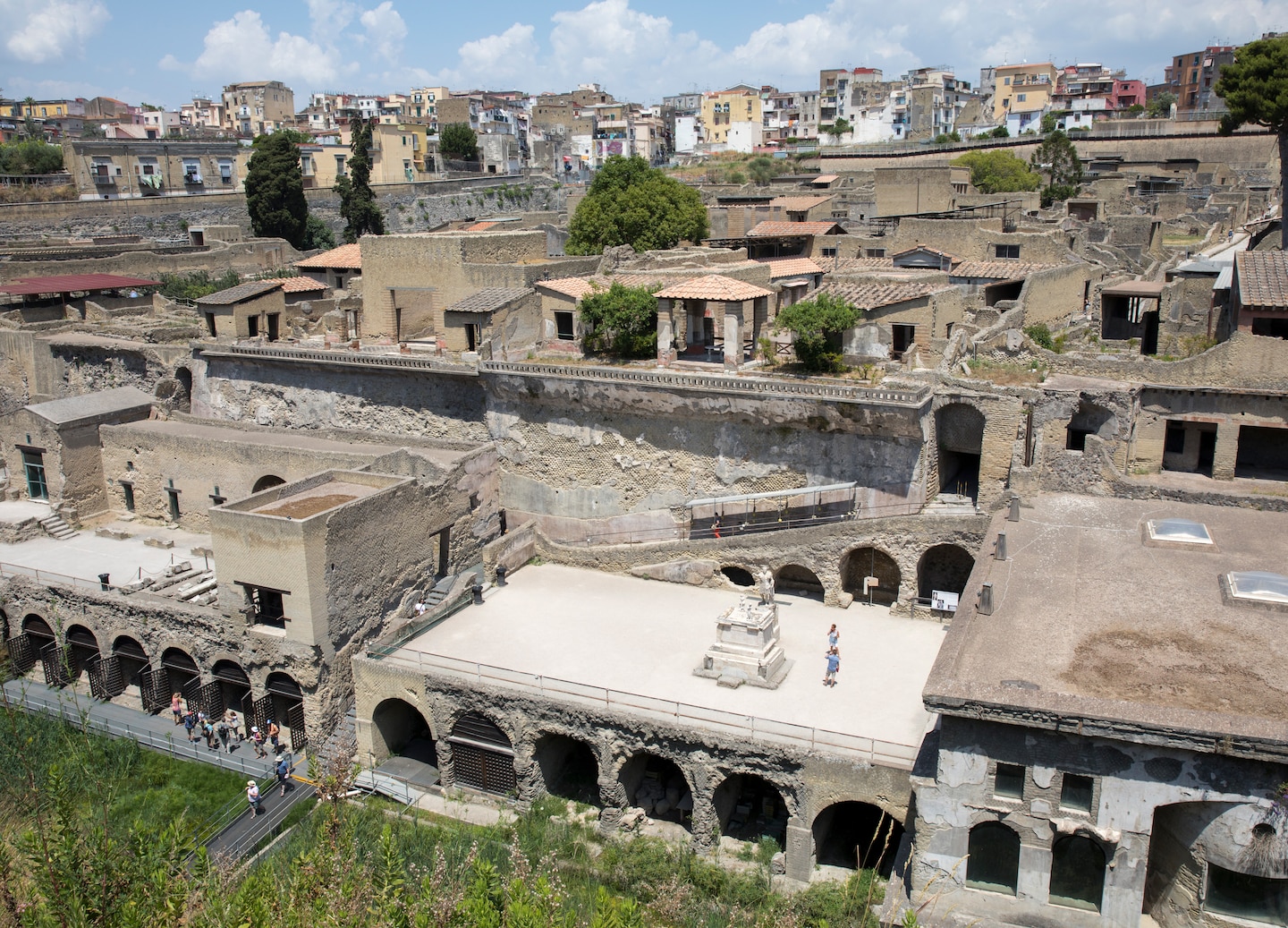
Naples is known as a gateway to Pompeii and Herculaneum, two ancient Roman cities preserved by the eruption of Mount Vesuvius in A.D. 79. Both archaeological sites provide remarkable insight into Roman homes, businesses, public spaces and daily life.
Pompeii is the larger and more expansive site, with streets, villas, temples and public buildings covering a broad area. Herculaneum is more compact and is especially notable for the preservation of structures and organic materials.
Although the ruins are located outside Naples, their history is deeply connected to the city. Many significant mosaics, sculptures and artifacts recovered from the sites are displayed at the National Archaeological Museum of Naples.
6. The National Archaeological Museum of Naples
The National Archaeological Museum of Naples is celebrated for its extensive collections from Pompeii, Herculaneum and other sites in southern Italy. Its galleries contain Roman mosaics, frescoes, sculptures and everyday objects that add context to the region’s archaeological landmarks.
The museum also houses the Farnese Collection, which includes monumental sculptures from ancient Rome. Together, these works illustrate the artistic achievements and daily experiences of civilizations that shaped Naples and the surrounding area.
For travelers interested in ancient history, the museum helps connect the modern city with the Greek and Roman settlements beneath and around it.
7. The Bay of Naples & Its Waterfront
Naples is famous for its sweeping waterfront and views across the bay toward Mount Vesuvius. The Lungomare promenade follows part of the shoreline, creating a scenic setting for walking, dining and enjoying the city’s coastal atmosphere.
Castel dell’Ovo stands on the small island of Megaride near the waterfront. The fortress is associated with a medieval legend claiming that the Roman poet Virgil concealed a magical egg within its foundations to protect the city. Its seaside position makes it one of Naples’ most recognizable landmarks.
Farther along the waterfront, historic buildings, marinas and public gathering places demonstrate how closely Neapolitan life is connected to the sea.
8. Neapolitan Street Food, Pastries & Coffee
Pizza may be Naples’ most famous culinary contribution, but the city’s food culture extends well beyond it. Fried snacks are a local specialty, including pizza fritta , pasta-based bites and small paper cones filled with fried seafood or vegetables.
Naples is also known for pastries such as sfogliatella , which features crisp layers or a softer pastry shell around a sweet ricotta filling. Another favorite is babà , a light cake traditionally soaked in rum-flavored syrup.
Coffee is woven into daily life throughout the city. A quick espresso enjoyed while standing at a cafe counter is a classic Neapolitan ritual, providing a small but memorable taste of the city’s social culture.
9. Churches, Art & Artisan Traditions
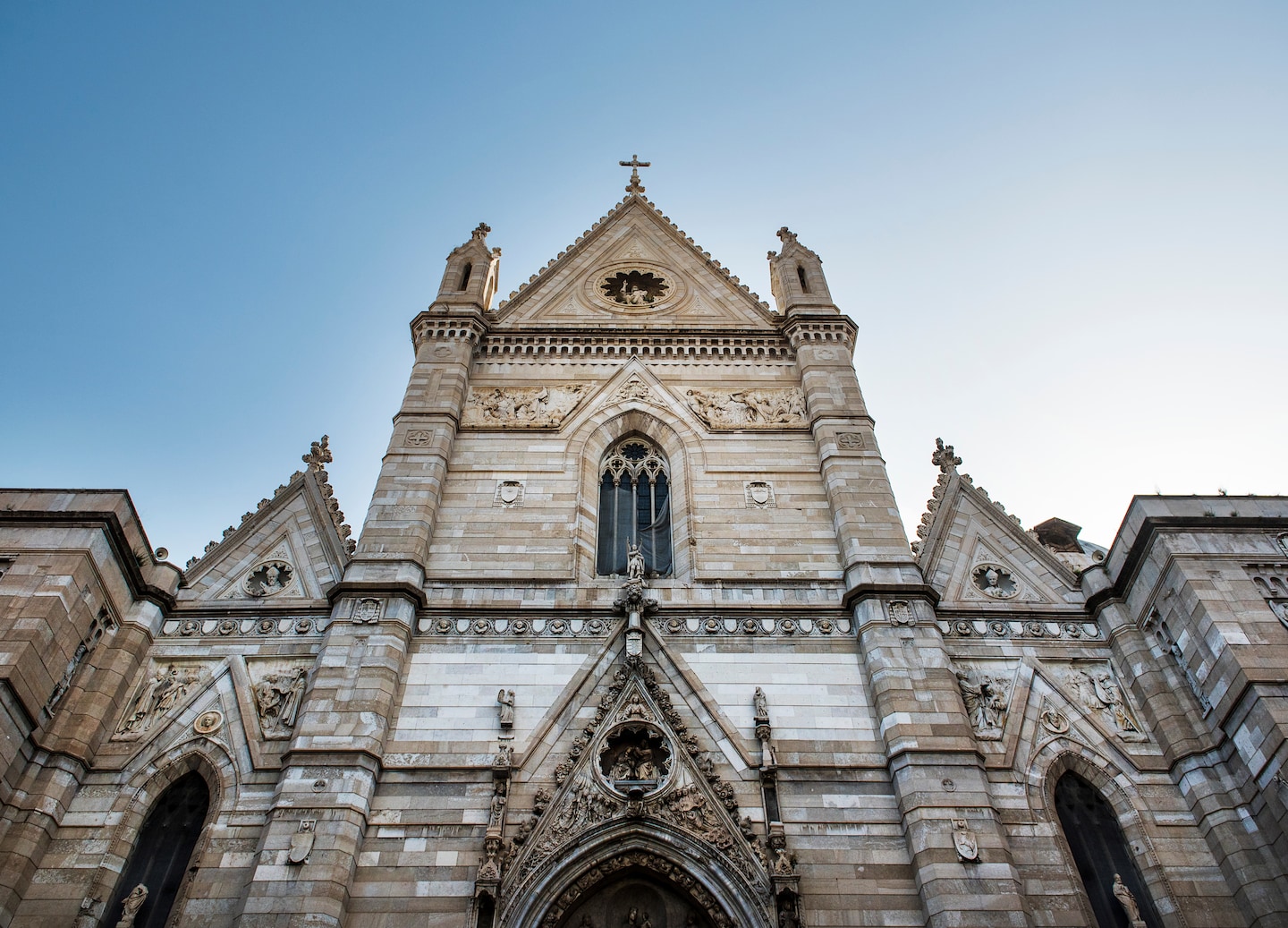
Naples is home to hundreds of churches, ranging from medieval complexes to richly decorated Baroque interiors. Religious art, carved chapels, tiled cloisters and neighborhood shrines reflect the city’s long artistic and spiritual traditions.
The Sansevero Chapel is particularly known for the Veiled Christ , a celebrated marble sculpture admired for the delicate appearance of its carved veil. Other landmarks throughout the historic center reveal works by influential painters, sculptors and architects.
Via San Gregorio Armeno highlights another famous Neapolitan tradition. Artisans along this street create detailed presepi , or nativity scenes, along with miniature figures representing historical, religious and contemporary characters. The craft is especially visible during the Christmas season, but can be experienced throughout the year.
10. A Gateway to Capri, Sorrento & the Amalfi Coast
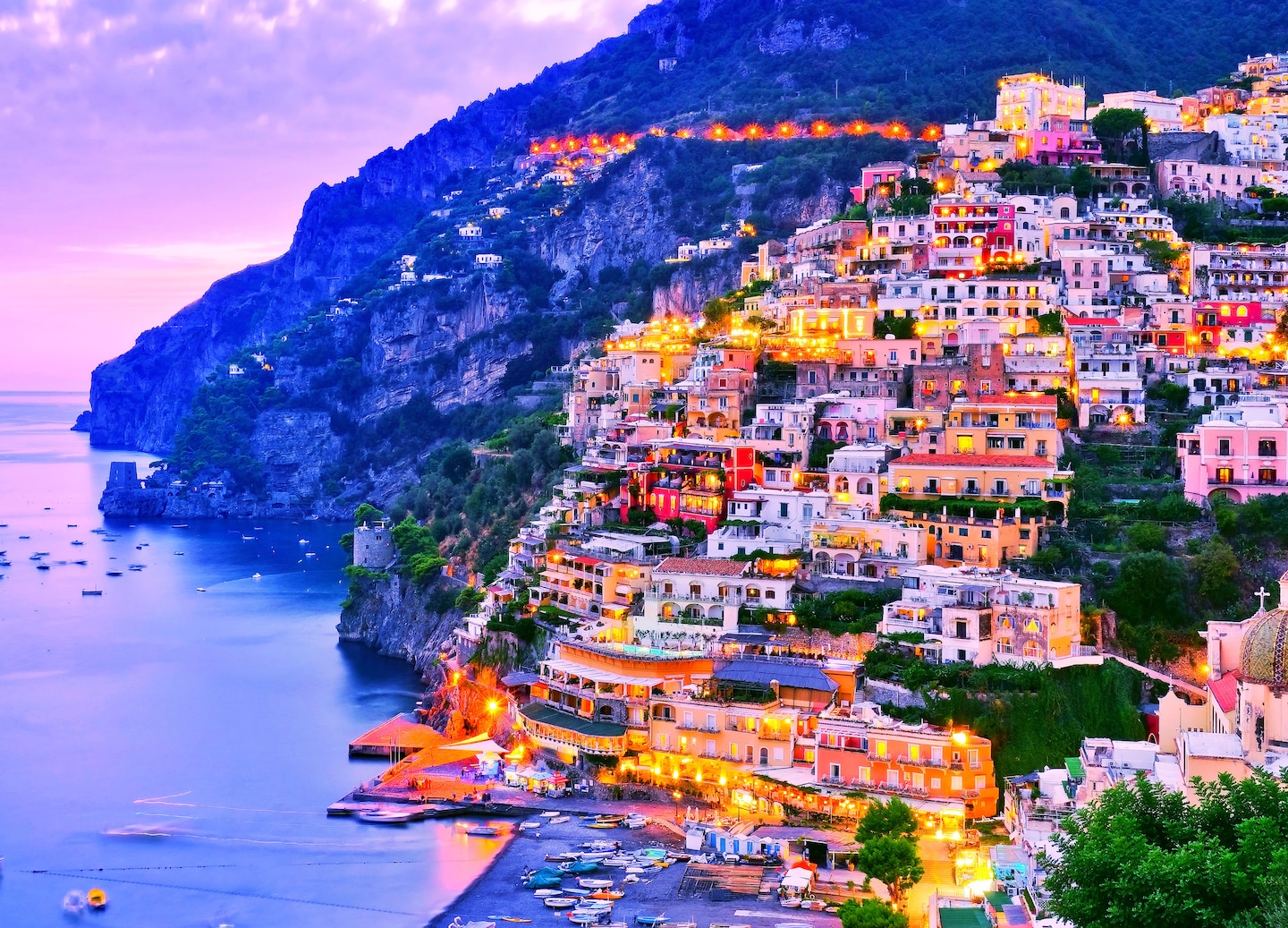
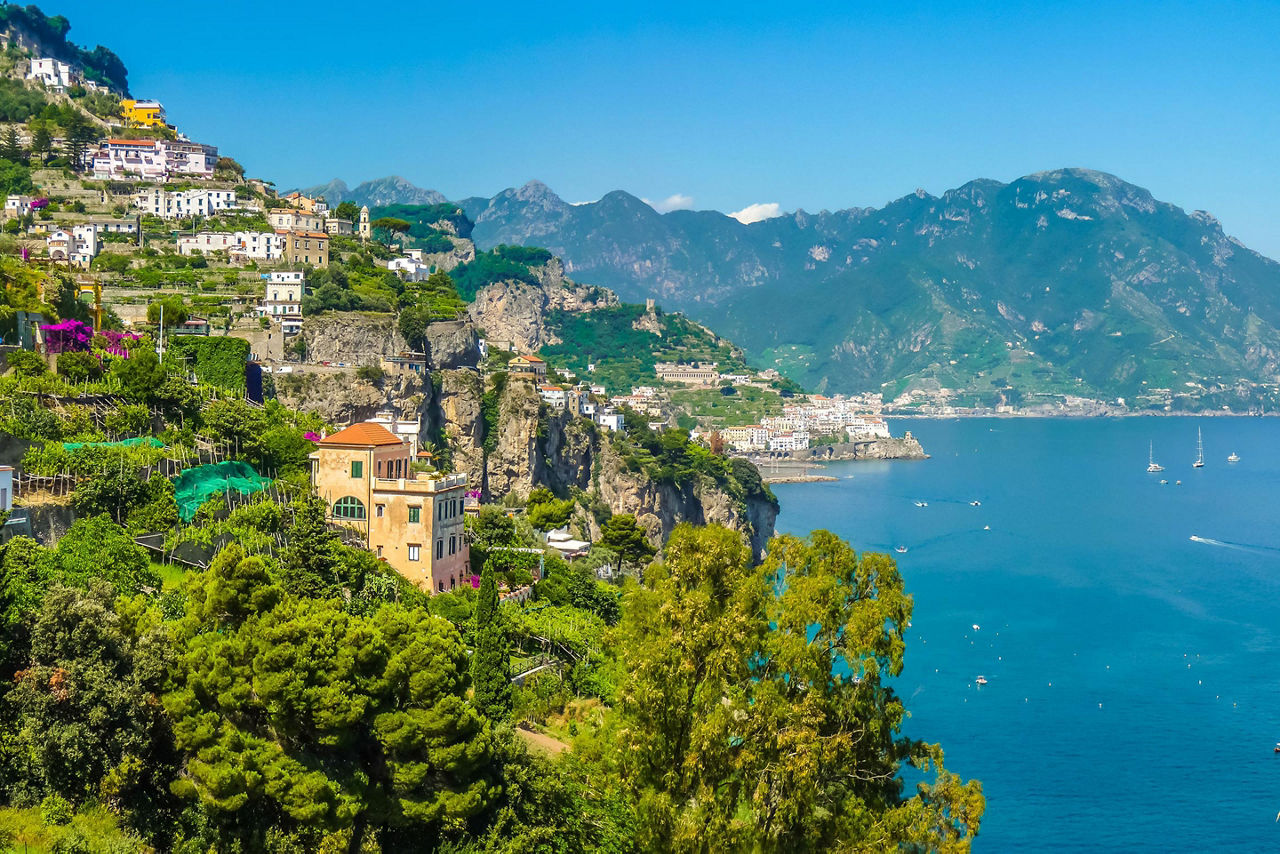
Naples is an important starting point for exploring some of southern Italy’s most famous coastal destinations. Ferries connect the city with islands such as Capri and Ischia, while excursions may continue toward Sorrento and the Amalfi Coast.
Capri is known for its rocky coastline, glamorous town centers and brilliant coastal scenery. Sorrento overlooks the Bay of Naples from the opposite side, while the Amalfi Coast is recognized for its cliffside communities and winding shoreline.
These destinations are separate from Naples, but the city’s port and central location make it an important gateway to the wider region. Visitors can choose between experiencing Naples itself and using their day to explore one of the surrounding archaeological, island or coastal destinations.
Why Is Naples So Famous?
Naples is famous for its contribution to Italian food, art, archaeology and urban culture. It's the birthplace of pizza, home to an extraordinary historic center and closely connected to Mount Vesuvius, Pompeii and Herculaneum.
The city’s appeal also comes from its atmosphere. Busy streets, neighborhood markets, waterfront views and centuries of architecture give Naples an energy that differs from other Italian destinations.
What Food Is Naples Known For?
Naples is most famous for Neapolitan pizza, including the traditional marinara and Margherita styles. The city is also known for fried street food, fresh seafood, pasta dishes and pastries such as sfogliatella and babà .
Espresso is another important part of Neapolitan food culture. Coffee is commonly enjoyed quickly at a cafe counter and often serves as a moment for conversation throughout the day.
Is Naples Close to Pompeii?
Yes. Naples is the closest major city to Pompeii and serves as a common departure point for visits to the archaeological site. Herculaneum and Mount Vesuvius are also within the surrounding metropolitan region.
Travel times depend on the transportation method, traffic and excursion selected.
Is Naples Worth Visiting?
Naples is worth visiting for travelers who enjoy history, local food, architecture and energetic city culture. Its historic center, archaeological museum, waterfront and celebrated pizzerias provide plenty to experience without leaving the city.
It's also a valuable starting point for guests interested in Pompeii, Herculaneum, Capri, Sorrento or the Amalfi Coast. The best choice depends on whether the priority is discovering Naples itself or exploring the surrounding region.
What Is the Historic Center of Naples Known For?
The historic center of Naples is known for its ancient street plan, churches, palaces, workshops and continuously evolving neighborhood life. Greek and Roman foundations coexist with medieval and Baroque architecture, creating visible layers of history.
Spaccanapoli, Via dei Tribunali and Via San Gregorio Armeno are among its best-known streets. Visitors can encounter historic landmarks, artisan traditions and local food within a relatively concentrated area.
Plan Your Visit to Naples
Naples offers a memorable mix of history, flavor and coastal scenery. Guests can explore the historic center, taste pizza in its birthplace, visit archaeological collections or travel beyond the city to Pompeii, Capri and other celebrated destinations around the Bay of Naples.
Explore available Naples shore excursions to compare city sightseeing, archaeological sites, island experiences and coastal adventures for your visit.
Keep Exploring Naples, Italy
Want to learn more about this historic Italian city? Check out these guides to plan your next trip:
- Naples, Italy Shore Excursions - Explore ancient ruins, vibrant city streets, coastal destinations and unforgettable culinary experiences.
- When Is the Best Time To Visit Naples, Italy? - Compare the weather, seasonal experiences and best times for sightseeing around Naples.
- The Best Foods To Eat in Naples - Taste authentic Neapolitan pizza, traditional pastries, street food and other local favorites.
- What To Buy When Shopping in Naples - Discover locally inspired gifts, artisan goods and flavorful souvenirs from southern Italy.
- Visiting the Pompeii Ruins: Everything You Need To Know - Plan a visit to Pompeii and learn what to expect while exploring this remarkable archaeological site.