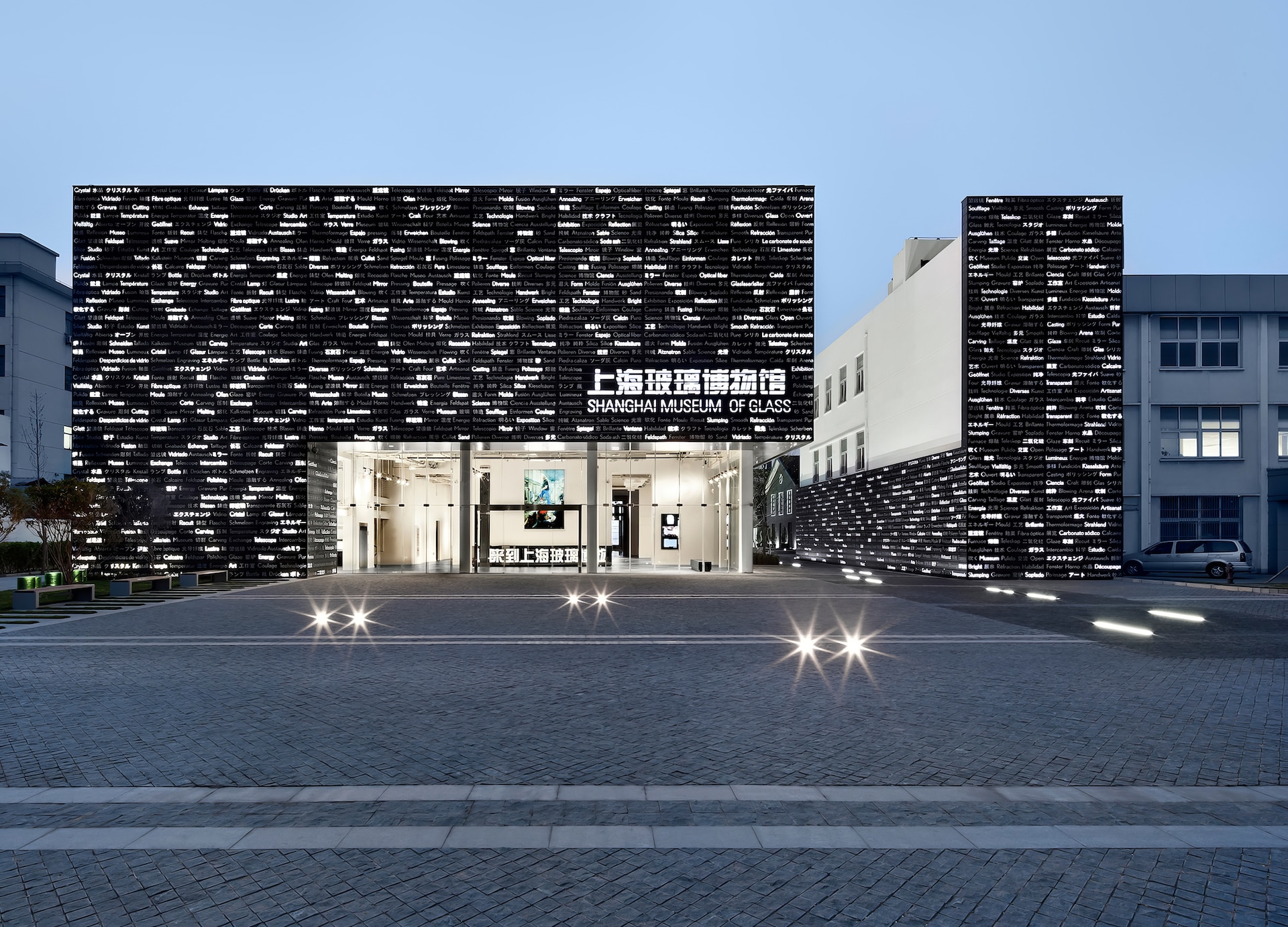
Shanghai is known for its striking skyline, historic waterfront and blend of Eastern and Western culture. As China’s largest city and a global financial center, Shanghai offers a unique mix of tradition and modern innovation. Towering skyscrapers rise alongside colonial-era buildings, while busy streets lead to peaceful gardens and temples.
Shanghai is also famous for its food, shopping districts and cultural landmarks that reflect its long history as an international port. From riverside views along the Bund to the futuristic towers of Pudong, the city presents a dynamic contrast that continues to define its identity. While there are many exciting things to do in Shanghai, what truly sets it apart is how seamlessly it combines history, culture and modern life.
Here are ten highlights that show exactly what Shanghai is known for.
1. The Bund Waterfront
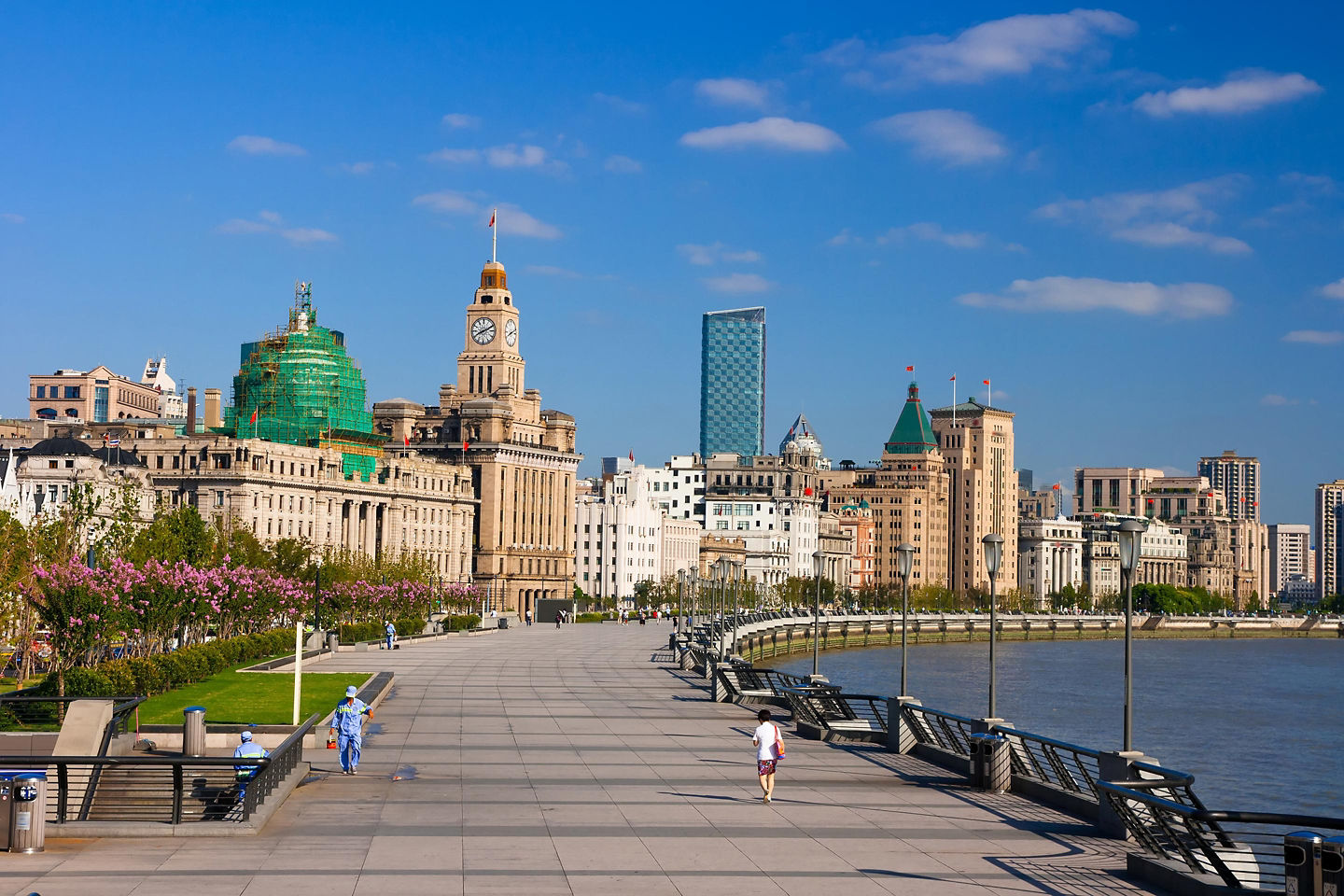
Shanghai is famous for the Bund, a historic waterfront promenade along the Huangpu River. This area is lined with grand buildings from the early 20th century, reflecting European architectural styles that tell the story of Shanghai’s past as an international trading hub.
Across the river, the modern skyline of Pudong creates a striking contrast. Walking along the Bund offers one of the most recognizable views in China, especially at night when the buildings are illuminated. It remains one of the most iconic symbols of Shanghai.
2. Pudong Skyline and Skyscrapers
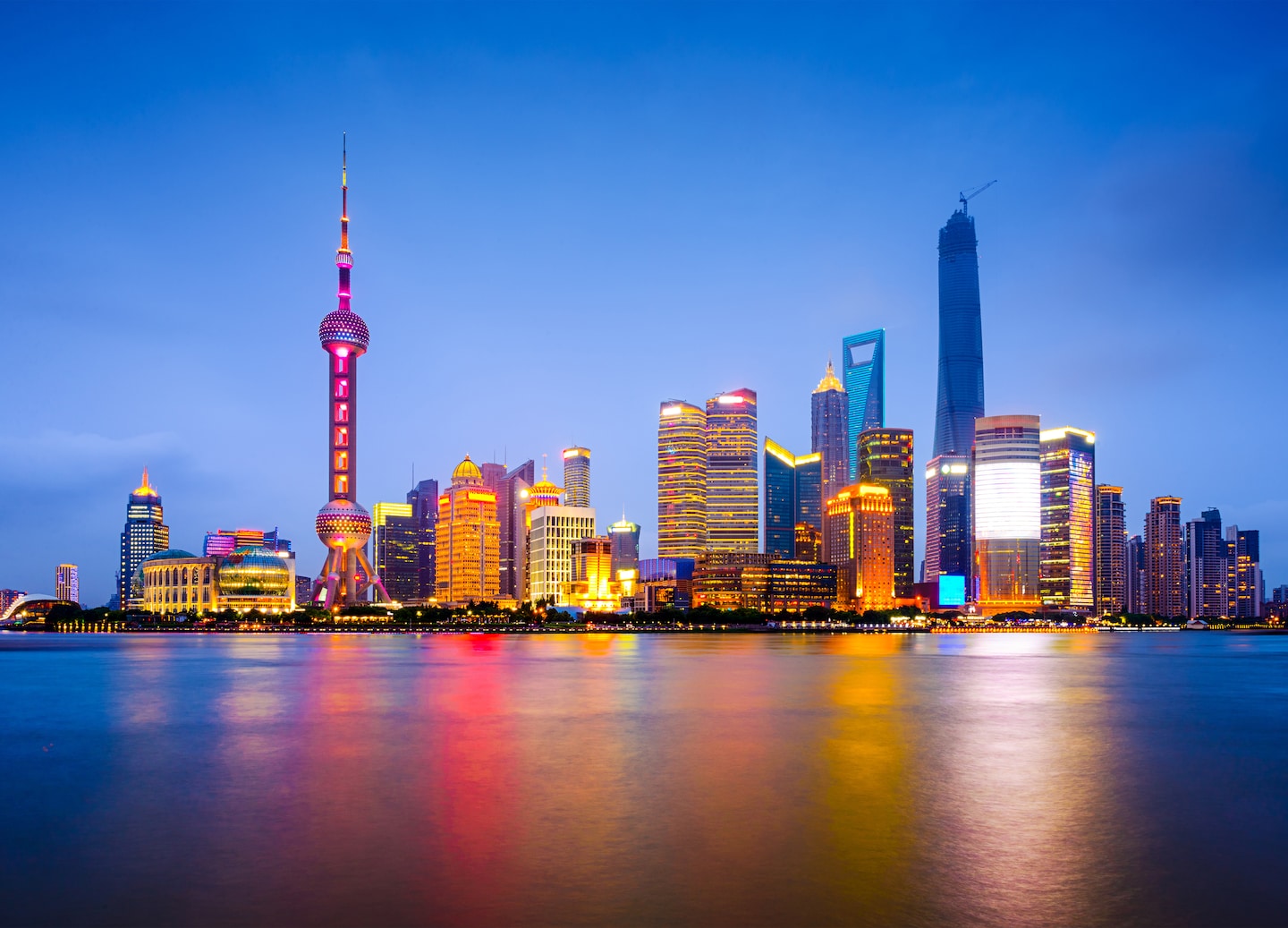
Shanghai is known for its futuristic skyline in Pudong, home to some of the tallest buildings in the world. Structures like the Shanghai Tower, Oriental Pearl Tower and Jin Mao Tower define the city’s modern identity.
The skyline reflects Shanghai’s rapid growth and global influence. Observation decks provide sweeping views of the city, highlighting the scale and energy of this urban center. Pudong stands as a symbol of Shanghai’s forward-looking spirit.
3. Yu Garden and Traditional Architecture
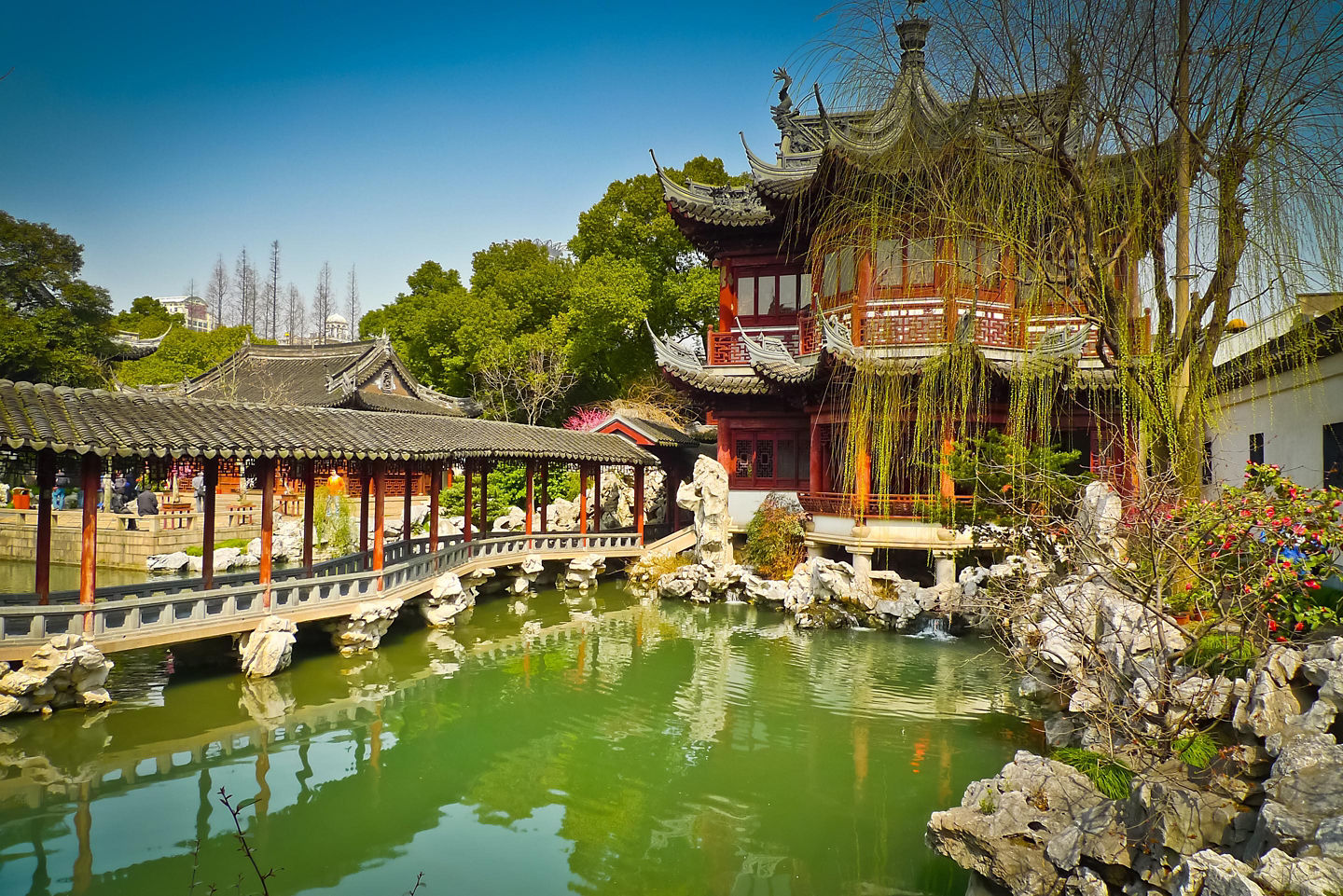
Shanghai is also recognized for preserving traditional Chinese architecture, especially at Yu Garden. This classical garden features ponds, stone bridges and carefully designed landscapes that date back to the Ming Dynasty.
Surrounded by a lively market area, Yu Garden offers a glimpse into historic Shanghai. The contrast between this peaceful space and the surrounding city highlights the balance between old and new that defines Shanghai.
4. Nanjing Road Shopping District
Shanghai is famous for Nanjing Road, one of the busiest shopping streets in the world. Stretching through the city center, it is filled with department stores, boutiques and international brands.
The street is especially vibrant in the evening, when lights and crowds create an energetic atmosphere. Nanjing Road reflects Shanghai’s reputation as a major shopping destination and a hub of modern consumer culture.
5. Xiaolongbao (Soup Dumplings)
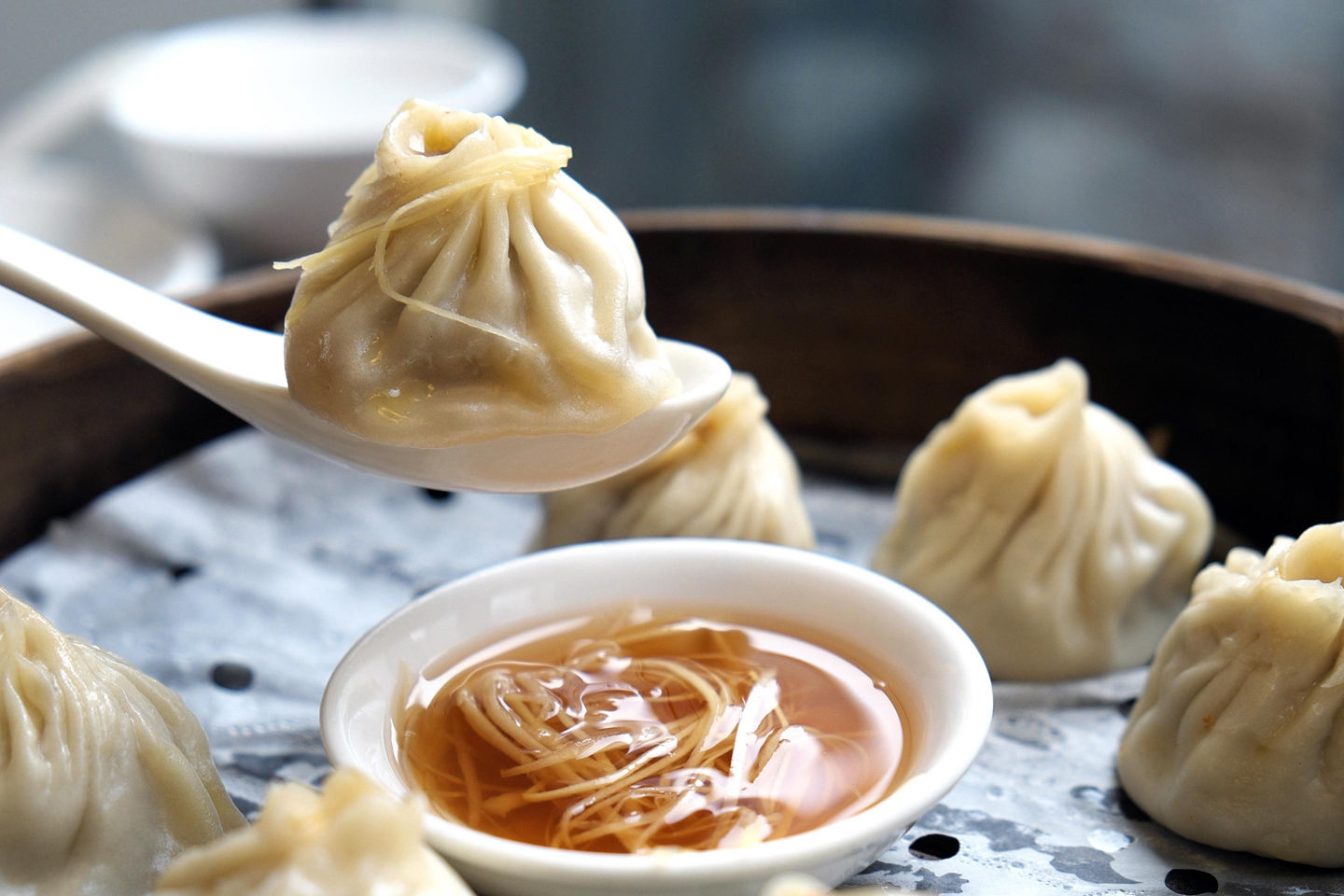
Shanghai is known for its signature dish, xiaolongbao, or soup dumplings. These delicate dumplings are filled with savory broth and meat, offering a unique dining experience.
Served in bamboo baskets, they are a staple of Shanghai cuisine. The careful preparation and balance of flavors make them one of the city’s most famous foods. Dining in Shanghai often centers around dishes like these that combine tradition with skill.
6. French Concession Neighborhood
Shanghai is celebrated for the French Concession, a historic district known for its tree-lined streets and European-style buildings. This area reflects a period when parts of Shanghai were governed by foreign powers.
Today, the neighborhood is filled with cafes, boutiques and quiet streets that offer a slower pace compared to the rest of the city. It is a popular area for exploring Shanghai’s cultural mix and architectural history.
7. Shanghai Metro System
Shanghai is known for having one of the largest and most efficient metro systems in the world. With extensive coverage across the city, the subway connects major landmarks, neighborhoods and business districts with ease.
The system is clean, fast and easy to navigate, making it a key part of daily life for millions of people. Its scale reflects Shanghai’s size and modern infrastructure, while also making it easier to experience different parts of the city in a short amount of time.
8. Shanghai Tower and Observation Decks
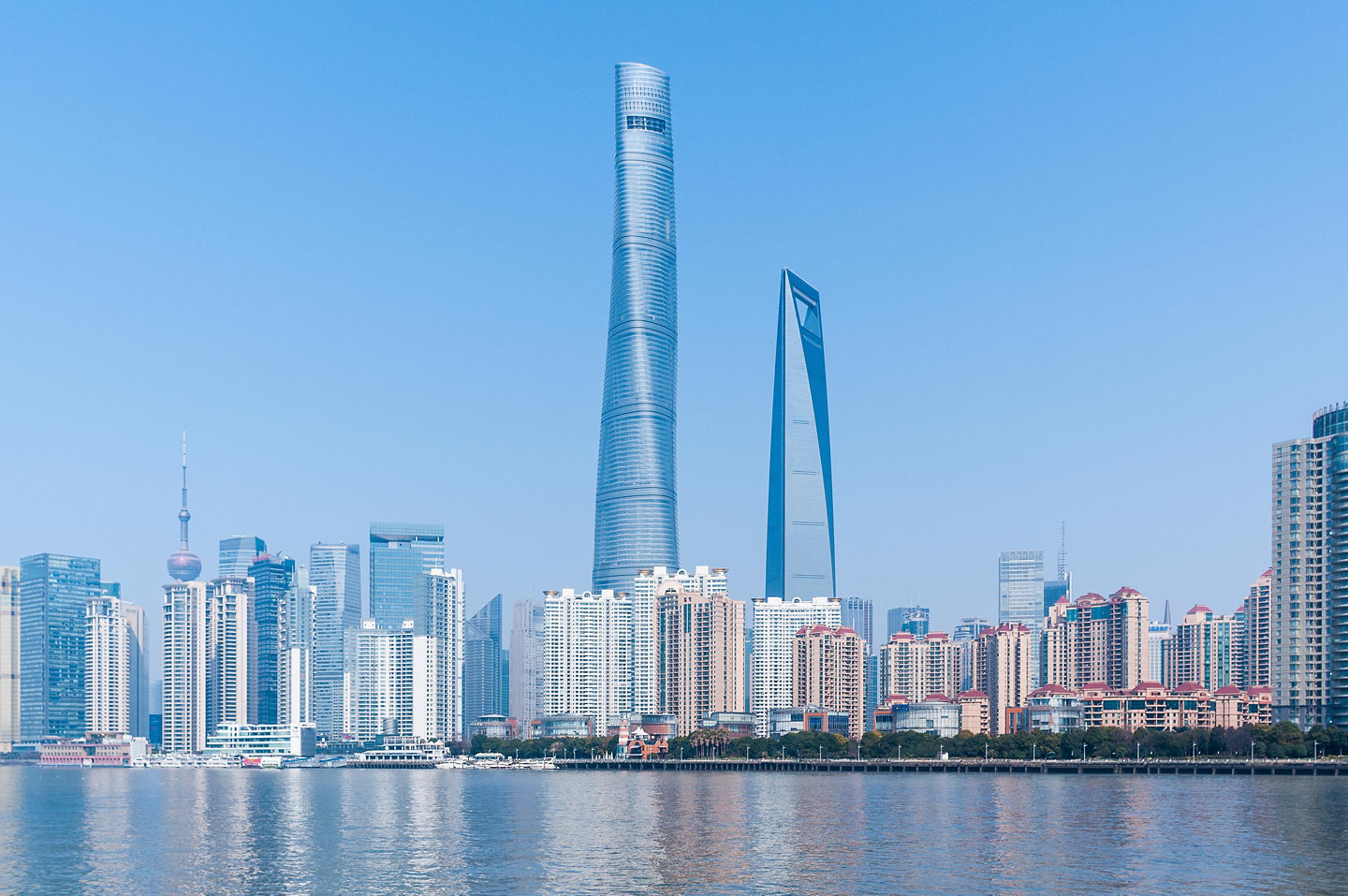
Shanghai is famous for its observation decks, especially in the Shanghai Tower, one of the tallest buildings in the world. From these heights, the city stretches out in every direction.
The experience offers a clear view of how large and diverse Shanghai is. Observation decks are a defining feature of the city’s skyline and a reflection of its architectural ambition.
9. Local Markets and Street Life
Shanghai is known for its lively markets and street culture, where daily life unfolds in a mix of old and new traditions. From food stalls to small shops, these spaces offer a closer look at the city’s everyday rhythm.
Markets often feature local snacks, handmade goods and fresh ingredients. They provide a contrast to the modern shopping districts and highlight Shanghai’s cultural depth.
10. Blend of East and West
Shanghai is widely recognized for its blend of Eastern and Western influences. This mix is seen in its architecture, cuisine and cultural traditions.
Historic buildings stand beside modern towers and traditional dishes are served alongside international cuisine. This combination has shaped Shanghai into one of the most globally connected cities in the world.
What is Shanghai Known For?
Shanghai is known for its iconic skyline, historic waterfront and dynamic mix of tradition and modern life. From the Bund and Pudong skyline to its food, markets and cultural districts, the city reflects both its past and its future.
Shanghai is also famous for its role as a global city where different cultures meet. Its unique blend of history, innovation and everyday life continues to define what makes it one of the most recognizable destinations in the world.